Cân kiểm tra trọng lượng là gì và nó hoạt động như thế nào? Hướng dẫn đầy đủ về dây chuyền đóng gói dược phẩm
Cân kiểm tra trọng lượng là gì và nó hoạt động như thế nào? Hướng dẫn đầy đủ về dây chuyền đóng gói dược phẩm
Tháng sáu 26, 2026
Không có bình luận
MỘT cân kiểm tra là thiết bị cân nội tuyến dùng để xác minh trọng lượng sản phẩm trên dây chuyền sản xuất. Nó đảm bảo mọi gói hàng đều đáp ứng trọng lượng mục tiêu, tự động từ chối theo- hoặc đơn vị thừa cân. Điều này rất quan trọng trong hoạt động dược phẩm và đóng gói để đảm bảo độ chính xác về liều lượng, tuân thủ GMP, và giảm chất thải. Cân kiểm tra bao gồm một băng tải, một tế bào tải có độ chính xác cao, bộ điều khiển/HMI, và cơ chế từ chối. Trong dược phẩm dây chuyền đóng chai, cân kiểm tra thường được đặt ngay sau máy đếm viên nang hoặc máy rót chất lỏng và trước máy đóng nắp, cho phép xác minh mọi chai đã đổ đầy trước khi chuyển sang các giai đoạn đóng gói còn lại. Lợi ích chính bao gồm 100% kiểm tra trọng lượng, giảm quà tặng, và kiểm soát chất lượng tự động. Trong hướng dẫn này, chúng tôi giải thích cân kiểm tra trọng lượng là gì, nó hoạt động như thế nào, các thành phần của nó, các loại, những lợi ích, và cách chọn một cho dòng của bạn.
Cân kiểm tra trọng lượng là gì?
MỘT cân kiểm tra(hoặc máy kiểm tra trọng lượng) là một hệ thống cân tự động được đặt trên dây chuyền sản xuất để cân từng mặt hàng và đảm bảo nó phù hợp với trọng lượng mục tiêu. Trong thực tế, 100% Sản phẩm được cân “nhanh chóng” khi chúng đi qua cân. Bất kỳ gói hàng nào thiếu cân hoặc thừa cân đều bị gắn cờ hoặc loại bỏ, đảm bảo chỉ các mục được điền chính xác mới tiếp tục xuống dòng. Những thiết bị này phổ biến trong đóng gói và sản xuất: Ví dụ, băng tải kiểm tra trọng lượng được sử dụng rộng rãi trong việc đếm viên nang, đóng chai, dây chuyền đóng gói và đóng thùng carton. Không giống như cân thủ công hoặc cân bàn, một cân kiểm tra hoạt động nội tuyến: sản phẩm nằm trên băng tải và được cân động trong chuyển động. Điều này cho phép kiểm tra rất nhanh (thường là hàng trăm đơn vị mỗi phút) mà không làm chậm dòng.
Tóm lại, cân kiểm tra về cơ bản là một băng tải có tích hợp thiết bị điện tử cân và phân loại tự động. Nó cung cấp kiểm tra cân nặng theo thời gian thực và tự động loại bỏ bất kỳ sản phẩm nào quá nặng hoặc quá nhẹ, đảm bảo rằng chỉ những gói được điền chính xác mới tiếp tục được thực hiện. Cơ chế này rất quan trọng để bảo vệ tính nhất quán và tuân thủ của sản phẩm trong các ngành như dược phẩm.
Máy kiểm tra trọng lượng có độ chính xác cao
Tại sao cân kiểm tra lại quan trọng trong sản xuất dược phẩm?
Kiểm tra cân nặng là quan trọng đối với dược phẩm vì họ phát hiện lỗi chiết rót và đảm bảo độ chính xác về liều lượng, bảo vệ cả sự an toàn của bệnh nhân và sự tuân thủ quy định.
Liều lượng chính xác và an toàn: Trong sản xuất thuốc, ngay cả một sai lệch nhỏ về trọng lượng cũng có thể có nghĩa là thiếu hoặc thừa liều hoạt chất. Cân kiểm tra đảm bảo mọi viên thuốc, chai viên nang, lọ hoặc gói chứa đúng số lượng. Trong thực tế, điều này có nghĩa là đảm bảo mỗi đơn vị nằm trong dung sai trọng lượng chặt chẽ. Ví dụ, nếu chai thuốc viên chưa đầy, cân kiểm tra trọng lượng loại bỏ nó trước khi nó được vận chuyển. Điều này ngăn ngừa sự cố dùng quá liều hoặc quá liều gây tốn kém.
Tuân thủ quy định (cGMP/FDA): Cơ quan quản lý (FDA ở Mỹ, EMA/GMP ở Châu Âu, MHRA ở Anh, vân vân.) quy định dung sai trọng lượng nghiêm ngặt trên bao bì dược phẩm. Cân kiểm tra trọng lượng dạng băng tải cung cấp bằng chứng bằng văn bản rằng mọi đơn vị đều đã được cân và không có đơn vị nào bị thiếu cân (hoặc thừa cân) sản phẩm thoát. Cân băng tải dược phẩm hiện đại được thiết kế để đáp ứng các tiêu chuẩn này với kết cấu bằng thép không gỉ hợp vệ sinh và khả năng truy xuất nguồn gốc đầy đủ. Ví dụ, Jinlu Packing nhấn mạnh rằng cân kiểm tra trọng lượng của chúng tôi giúp các công ty dược phẩm đạt được việc đóng gói "0 lỗi" và tuân thủ các yêu cầu hiện tại của GMP/FDA.
Ngăn ngừa thu hồi và lãng phí: Phát hiện lỗi cân nặng nội tuyến làm giảm đáng kể nguy cơ thu hồi hàng loạt. Cân kiểm tra đảm bảo tuân thủ các cơ quan quản lý (MHRA, FDA, Ema) và “giảm thiểu rủi ro liên quan đến việc sử dụng quá liều, sai sót về liều lượng và đóng gói. Họ tự động loại bỏ bất kỳ đơn vị không tuân thủ, ngăn chặn nó được vận chuyển. Sự từ chối tự động này (thông qua cánh tay đẩy, máy bay phản lực không khí, vân vân.) duy trì chất lượng mà không làm chậm sản xuất. Lần lượt, ít lô hàng xấu hơn và ít quà tặng sản phẩm hơn (tránh đổ đầy) tiết kiệm chi phí trung bình. Tóm lại, cân kiểm tra trọng lượng dạng băng tải bảo vệ danh tiếng thương hiệu bằng cách đảm bảo mọi gói hàng đều đáp ứng yêu cầu trên nhãn.
Giám sát chất lượng liên tục: Bởi vì mọi mục đều được kiểm tra, nhà sản xuất có được 100% dữ liệu cân nặng. Mức độ kiểm soát chất lượng cao này (trái ngược với việc lấy mẫu định kỳ) có nghĩa là sự trôi dạt trong quy trình hoặc sự cố thiết bị được phát hiện ngay lập tức. Tính năng ghi dữ liệu (21 Phần CFR 11 Tuân thủ, dấu vết kiểm toán) cũng giúp đáp ứng các cơ quan quản lý trong quá trình kiểm toán.
Tóm lại, một dược phẩm cân kiểm tra còn hơn cả một cái cân: đây là điểm kiểm soát chất lượng quan trọng đảm bảo độ chính xác của liều lượng, tuân thủ quy định, và an toàn của khách hàng trong sản xuất tốc độ cao. Bằng cách phát hiện bất kỳ lỗi điền nào trên dòng, nó ngăn cản dưới- hoặc sản phẩm bị tràn tràn rời khỏi nhà máy.
Cân băng tải hoạt động như thế nào?
Cân kiểm tra trọng lượng hoạt động liên tục trên băng tải. Đây là quy trình làm việc điển hình:
Nguồn cấp dữ liệu & Phát hiện sản phẩm: Sản phẩm được đưa lên băng tải. Mắt ảnh hoặc cảm biến phát hiện sự hiện diện của từng vật phẩm và gửi tín hiệu cho mô-đun cân để chuẩn bị.
Cân (Năng động): Khi vật di chuyển qua phần cân, độ chính xác cao tế bào tải (nền tảng cảm biến) nắm bắt trọng lượng của nó trong thời gian thực. Những cảm biến tải trọng này chuyển đổi trọng lượng của sản phẩm thành tín hiệu điện tử. Tốc độ băng tải và cơ chế ổn định đảm bảo vật phẩm được ổn định khi cân.
So sánh với trọng lượng mục tiêu: Đơn vị điều khiển (Plc) ngay lập tức so sánh trọng lượng đo được với giới hạn đặt trước (dung sai giá trị mục tiêu cộng/trừ). Những giới hạn này thường được lập trình thông qua màn hình cảm ứng HMI. Ví dụ, nếu mục tiêu của chai máy tính bảng là 150,0g, hệ thống có thể gắn cờ bất cứ thứ gì dưới 149,0g hoặc trên 151,0g. Nếu cân nặng giảm ở trong phạm vi chấp nhận được, sản phẩm tiếp tục trên dây chuyền.
Tự động từ chối: Nếu một mục là ngoài thông số kỹ thuật (quá nhẹ hoặc quá nặng), hệ thống ngay lập tức kích hoạt cơ chế từ chối. Các thiết bị loại bỏ phổ biến bao gồm:
MỘT đẩy cánh tay đu xuống để chuyển hướng hoặc đẩy chai hoặc hộp.
MỘT máy bay phản lực thổi bay các vật nhẹ ra khỏi thắt lưng.
MỘT thả flap (hoặc tấm ip lật) mở dưới băng tải để thả vật phẩm vào thùng.
MỘT băng tải chuyển hướng di chuyển mặt hàng xấu sang một làn đường riêng.
Những loại bỏ này hoàn toàn tự động và được đồng bộ hóa với tín hiệu cảm biến, loại bỏ các đơn vị xấu mà không dừng dòng.
Ghi nhật ký dữ liệu & Nhận xét: Mọi sự kiện trọng lượng và từ chối đều được ghi lại để lưu hồ sơ chất lượng. Cân kiểm tra trọng lượng dạng băng tải cũng có thể cung cấp phản hồi theo thời gian thực cho thiết bị đầu nguồn. Ví dụ, một số hệ thống có thể gửi tín hiệu đến máy chiết rót để điều chỉnh xem trọng lượng có xu hướng nặng hay nhẹ.
Toàn bộ quá trình này – từ phát hiện, cân đến loại bỏ – diễn ra trong chưa đầy một giây đối với mỗi mặt hàng. Kết quả là 100% kiểm tra trọng lượng nội tuyến ở tốc độ sản xuất tối đa. Kiểm tra hoạt động của cân định lượng năng động không làm gián đoạn sản xuất, cho phép nhà sản xuất “theo dõi trọng lượng sản phẩm mà không làm gián đoạn quy trình sản xuất”.
Dưới đây là bản tóm tắt quy trình làm việc của cân kiểm tra trọng lượng:
Cảm biến và đầu vào: Sản phẩm thức ăn băng tải; cảm biến kích hoạt quá trình cân.
Cân: Loadcell đo trọng lượng của từng vật phẩm khi chuyển động.
So sánh: Bộ điều khiển so sánh trọng lượng với giới hạn mục tiêu đặt trước.
Từ chối: Sản phẩm vượt quá dung sai sẽ tự động bị đẩy ra ngoài (thông qua máy đẩy, máy bay phản lực, vân vân.).
Ghi: Dữ liệu trọng lượng và số lần loại bỏ được ghi lại để kiểm soát chất lượng.
Chu trình tự động này, lặp đi lặp lại cho mỗi mục, là điều khiến cân kiểm tra không thể thiếu trong các dòng dược phẩm hiện đại.
Các thành phần chính của cân kiểm tra trọng lượng
Một cân kiểm tra tự động điển hình bao gồm một số bộ phận chính, thường được xây dựng thành một khung mô-đun (xem hình ảnh ví dụ của Jinlu):
Băng tải: Thông thường có ba phần – infeed, khu vực cân, và xả. Mô hình của Jinlu sử dụng băng tải ba phần để dễ bảo trì. Dây đai đưa sản phẩm một cách trơn tru và nhất quán dưới các cảm biến tải trọng.
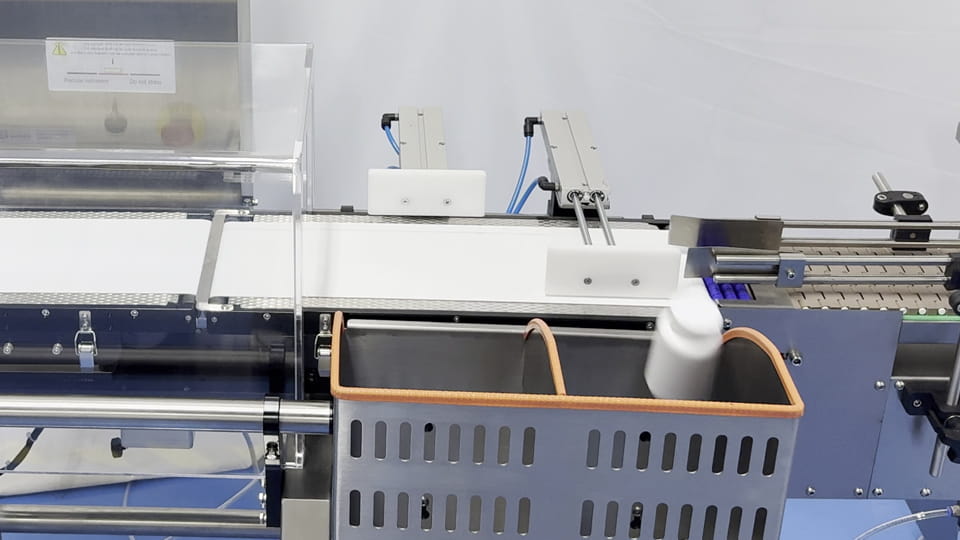
Tải tế bào (Cảm biến cân): Cảm biến có độ chính xác cao (máy đo biến dạng hoặc loại EMFR) được gắn dưới phần cân để đo trọng lượng. Mỗi khi một sản phẩm đi qua, các tế bào tải chuyển đổi trọng lượng của nó thành tín hiệu điện. Cân kiểm tra trọng lượng của Jinlu sử dụng cảm biến tải trọng có độ chính xác cao để đạt độ chính xác ± 0,1g. Nhân vật: Hệ thống băng tải kiểm tra mô-đun của Jinlu (phần băng tải gắn vào) đơn giản hóa việc bảo trì. Cảm biến tải trọng được lắp đặt dưới dây đai, và sản phẩm được dẫn vào khu vực cân.
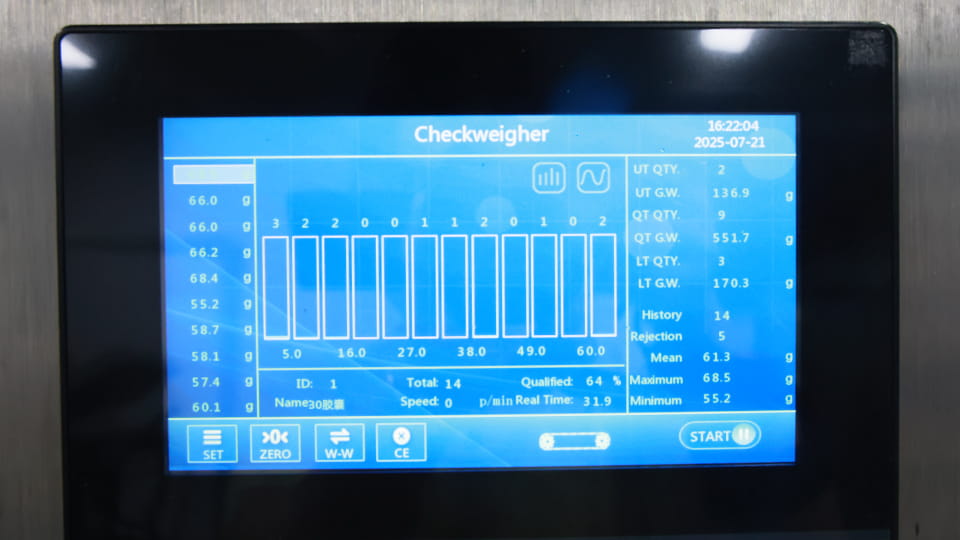
Bộ điều khiển và HMI: PLC (bộ điều khiển logic lập trình) xử lý dữ liệu trọng lượng. Màn hình cảm ứng HMI cho phép người vận hành đặt trọng lượng mục tiêu, xem số liệu thống kê, và điều chỉnh cài đặt. Cân kiểm tra tốc độ cao của Jinlu, Ví dụ, có giao diện màn hình cảm ứng 7 inch. Bộ điều khiển chứa phần sụn áp dụng các bộ lọc kỹ thuật số và bù tốc độ để đảm bảo kết quả đo trọng lượng chính xác.
Cơ chế từ chối: Thiết bị truyền động tự động loại bỏ các sản phẩm xấu. Tùy theo mẫu mã và sản phẩm, đây có thể là một thanh đẩy khí nén, máy bay phản lực, thả flap hoặc hệ thống chuyển hướng. Thiết bị loại bỏ được đặt ngay sau phần cân.
Khung và Bìa: Xây dựng bằng thép không gỉ hợp vệ sinh (cho cGMP) tạo thành khung. Nhiều cân kiểm tra trọng lượng dạng băng tải có nắp trong suốt phía trên phần cân để bảo vệ phần cân khỏi luồng không khí và bụi., ổn định việc đo trọng lượng. Ví dụ, Thiết kế của Jinlu sử dụng tấm che bằng thủy tinh “chống gió và chống bụi” trên khu vực cảm biến tải trọng để ngăn luồng không khí làm lệch trọng lượng.
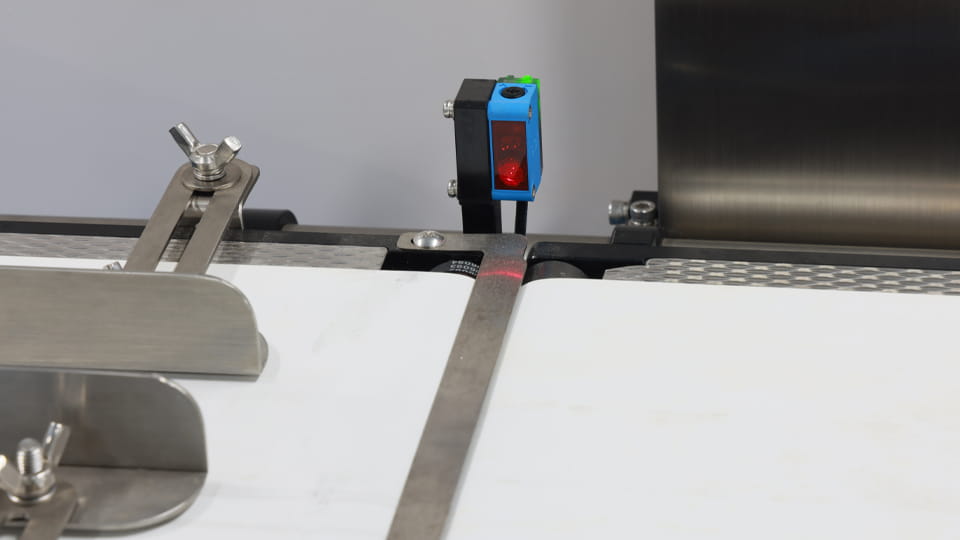
Cảm biến và hướng dẫn: Cảm biến mắt ảnh hoặc laser phát hiện sự hiện diện của sản phẩm. Ray hoặc rãnh dẫn hướng giữ chai hoặc thùng carton ở giữa băng tải trong khi cân.
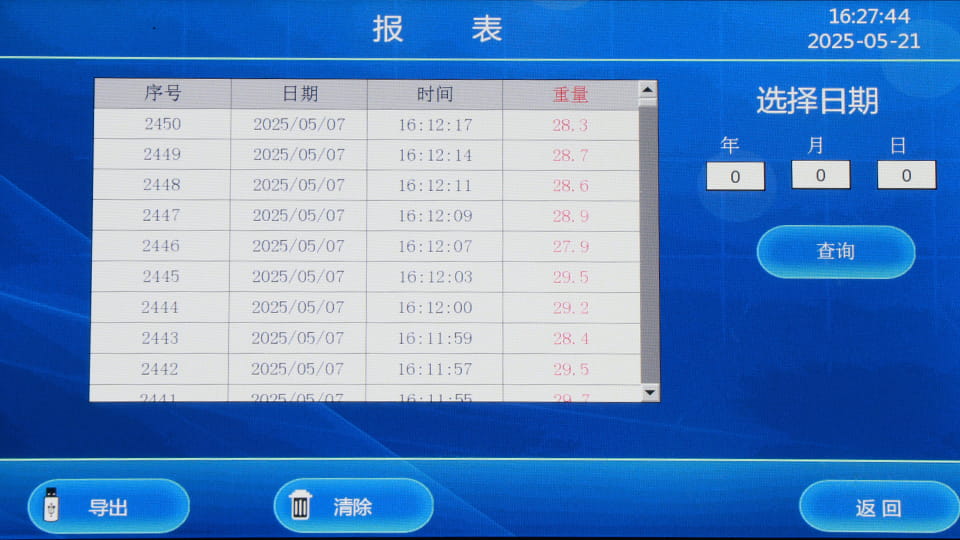
Mô-đun dữ liệu/mạng: Cân kiểm tra trọng lượng hiện đại bao gồm các cổng dữ liệu và kết nối mạng để xuất nhật ký sang máy tính hoặc hệ thống nhà máy. Chúng thường hỗ trợ ghi hoặc kết nối thẻ USB/SD (Ethernet/PROFINET) để truy xuất nguồn gốc dữ liệu.
Mỗi thành phần hoạt động cùng nhau để đảm bảo nhanh chóng, cân chính xác. Các phần vành đai mô-đun (với thiết kế gắn vào) cho phép người vận hành nhanh chóng tháo và làm sạch băng tải mà không cần dụng cụ. Cấu trúc bằng thép không gỉ và vỏ kín giúp máy dễ dàng rửa sạch và đáp ứng các yêu cầu về phòng sạch dược phẩm.
Các loại cân kiểm tra trọng lượng
Cân kiểm tra trọng lượng có nhiều cấu hình khác nhau để phù hợp với các nhu cầu sản xuất khác nhau:
Năng động (Nội tuyến) Cân kiểm tra: Loại phổ biến nhất, được lắp đặt trực tiếp trên băng tải sản xuất. Nó cân các sản phẩm đang chuyển động và loại bỏ các khuyết tật mà không dừng dây chuyền. Lý tưởng cho việc đóng gói tốc độ cao liên tục (ví dụ. chất lỏng đóng chai, chai máy tính bảng). JL-CW của Jinlu là một ví dụ về cân kiểm tra trọng lượng dạng băng tải nội tuyến để đếm và đóng thùng.
Tĩnh (băng ghế dự bị) Cân kiểm tra: Phiên bản thủ công hoặc để bàn được sử dụng để lấy mẫu và kiểm tra chất lượng. Người vận hành đặt các gói riêng lẻ lên cân theo cách thủ công. Chúng chậm hơn và không được sử dụng cho 100% điều tra, nhưng tốt cho việc kiểm tra trong phòng thí nghiệm hoặc xử lý sự cố.
Cân kiểm tra trọng lượng nhiều làn tốc độ cao: Được thiết kế cho các dòng cực nhanh, thường trong máy đếm dược phẩm hoặc chia phần thực phẩm. Chúng có thể có nhiều làn đường song song (bài hát) cân băng tải để xử lý hàng nghìn mặt hàng mỗi phút. Ví dụ, Các dòng máy tính bảng và viên nang có thể yêu cầu cân kiểm tra nhiều rãnh có khả năng cân nhiều mặt hàng cùng một lúc.
Cân kiểm tra trọng lượng kết hợp/kết hợp: Chúng tích hợp cân kiểm tra trọng lượng dạng băng tải với một thiết bị kiểm tra khác (ví dụ. máy kiểm tra trọng lượng máy dò kim loại hoặc tia X) trong một trạm. Điều này giúp tiết kiệm không gian và thực hiện QC kép trong một bước.
Thiết kế đặc biệt: Một số cân kiểm tra được tùy chỉnh cho các sản phẩm có hình dạng lẻ (ống tiêm, lọ) hoặc cho môi trường dễ nổ. Cân băng tải dành cho dược phẩm thường có động cơ rửa trôi hoặc điều khiển VFD cho phạm vi tốc độ rộng.
Mỗi loại đều có chung nguyên lý làm việc cơ bản, nhưng bạn chọn dựa trên tốc độ dây chuyền sản xuất và loại sản phẩm. Viên nén và viên nang (liều uống rắn) yêu cầu nhanh, cân động chống rung. Chất lỏng hoặc bột có thể cần cân có phản hồi tới hệ thống nạp.
Lợi ích của việc sử dụng cân kiểm tra trọng lượng trong dây chuyền đóng gói
Triển khai cân kiểm tra trọng lượng trên dây chuyền đóng gói mang lại nhiều lợi ích:
100% Kiểm soát chất lượng: Mỗi gói hàng đều được kiểm tra độ chính xác về trọng lượng. Điều này đảm bảo chất lượng sản phẩm nhất quán và độ chính xác ghi nhãn. Ngay cả khi thiếu một viên thuốc hoặc gói bột, nó sẽ bị bắt.
Tuân thủ quy định: Bằng cách tự động xác minh dung sai trọng lượng, cân kiểm tra giúp nhà sản xuất đáp ứng yêu cầu pháp lý (FDA, Ema, vân vân.). Họ cung cấp hồ sơ điện tử thân thiện với việc kiểm tra của mỗi lần cân, rất quan trọng đối với tài liệu phát hành hàng loạt.
Giảm chất thải và quà tặng: Chất thải đóng gói quá tải và tỷ suất lợi nhuận. Rủi ro thu hồi gói không đầy đủ. Cân kiểm tra trọng lượng dạng băng tải giảm thiểu cả hai điều này bằng cách kiểm soát chặt chẽ trọng lượng. Như một nguồn ghi chú, những hệ thống này “ngăn chặn các sản phẩm không chính xác đến tay người tiêu dùng, đảm bảo tuân thủ quy định về cân nặng [Và] giảm thiểu rác thải”. Trong thực tế, điều này có nghĩa là ít quà tặng tràn hơn (tiết kiệm nguyên liệu) và ít phần đệm bị loại bỏ hơn.
Hiệu quả cao hơn: Cân tự động nhanh hơn và đáng tin cậy hơn so với lấy mẫu thủ công. Nó giúp người vận hành có thể quản lý các trường hợp ngoại lệ thay vì liên tục cân các mặt hàng bằng tay. Cân kiểm tra trọng lượng dạng băng tải duy trì tốc độ dây chuyền và thậm chí có thể phản hồi các hiệu chỉnh (ví dụ. điều chỉnh cài đặt phụ nếu trọng lượng có xu hướng giảm).
Cải thiện sự hài lòng của khách hàng: Nhất quán, đóng gói chính xác có nghĩa là khách hàng có thể tin tưởng vào sản phẩm. Bằng cách tránh các gói hàng thiếu cân (và những khiếu nại của khách hàng sau đó) một công ty duy trì danh tiếng của mình. Nó cũng tránh được việc thu hồi tốn kém; bắt lỗi sớm giúp cả lô không bị hỏng.
Thông tin chi tiết dựa trên dữ liệu: Cân kiểm tra trọng lượng hiện đại thu thập dữ liệu trọng lượng và sản xuất. Điều này có thể được phân tích để tối ưu hóa quy trình, theo dõi xu hướng, và nhanh chóng xác định vấn đề. Ví dụ, nếu cứ chai thứ 500 lại nhẹ cân một chút, kỹ thuật có thể điều tra sự trôi dạt định kỳ. Những nhật ký dữ liệu này hỗ trợ cải tiến liên tục.
Tổng thể, hệ thống cân kiểm tra đóng vai trò là điểm kiểm soát chất lượng mạnh mẽ. Nó làm tăng năng suất (bằng cách giảm chất thải) và bảo vệ sự tuân thủ. Trong cuộc cạnh tranh sản xuất dược phẩm, những lợi thế này chuyển trực tiếp sang tiết kiệm chi phí và tính toàn vẹn của thương hiệu.
Cách chọn cân kiểm tra trọng lượng phù hợp
Khi chọn cân kiểm tra trọng lượng cho dây chuyền sản xuất của bạn, xem xét các yếu tố chính sau đây:
Loại sản phẩm và kích thước: Điều chỉnh máy theo sản phẩm của bạn. Máy tính bảng hoặc viên nang thường cần tốc độ cao, cân nhạy cảm. Chất lỏng hoặc bột có thể yêu cầu cân kiểm tra có cảm biến mức đi kèm. Chai rắn vs. túi linh hoạt vs. tất cả các mụn nước đều có nhu cầu xử lý khác nhau. Ví dụ, Jinlu khuyên nên chọn hệ thống phù hợp với sản phẩm (ví dụ. nhiều bản nhạc cho máy tính bảng vs. chống rung cho bột).
Phạm vi trọng lượng và độ chính xác: Đảm bảo phạm vi và độ phân giải của cân kiểm tra trọng lượng phù hợp với ứng dụng của bạn. Mẫu tiêu chuẩn của Jinlu bao gồm 5–1000g với độ chính xác 0,1g. Nếu bạn đóng gói những đồ vật rất nhẹ (ví dụ. <5 g), chọn thang đo nhạy hơn (tế bào tải điện từ). Nếu nặng (vài kg), cần một cân kiểm tra trọng lượng nặng hơn.
Tốc độ sản xuất: Khớp công suất của máy với tốc độ dây chuyền của bạn. Mô hình của Jinlu xử lý tới 100 PC/phút. Nếu dòng của bạn chạy nhanh hơn, cân nhắc cân kiểm tra trọng lượng dạng băng tải tốc độ cao hoặc nhiều làn. Đối với dòng chậm hơn, mô hình tốc độ thấp hơn là đủ.
Hội nhập và Dấu chân: Cân kiểm tra phải vừa vặn liền mạch. Chúng phải phù hợp với chiều rộng và chiều cao băng tải hiện tại của bạn. Nhiều mẫu mã (giống như của Jinlu) là mô-đun để phù hợp giữa các máy khác mà không cần thay đổi bố cục tốn kém. Cũng xem xét yêu cầu về điện và không khí (cho khí nén) kết nối. Đảm bảo việc lắp đặt cho phép dễ dàng làm sạch và bảo trì.
Độ chính xác và độ phân giải: Các ứng dụng dược phẩm thường cần dung sai rất chặt chẽ. Chọn máy có công nghệ cảm biến tải trọng tiên tiến (máy đo biến dạng hoặc EMFR) và lọc kỹ thuật số. Các mẫu cao cấp có thể đạt được ±0,01g hoặc cao hơn trên trọng lượng nhỏ.
Cơ chế từ chối: Quyết định loại từ chối nào là tốt nhất cho sản phẩm của bạn. Chai hoặc thùng carton hoạt động tốt với tay đẩy hoặc nắp; đồ vật nhẹ (máy tính bảng, túi xách) thường sử dụng máy bay phản lực. Một số dòng sử dụng cả hai. Đảm bảo sản phẩm loại bỏ đã chọn có thể loại bỏ sản phẩm một cách đáng tin cậy mà không gây kẹt giấy.
Tuân thủ GMP: Tìm kiếm công trình cấp dược phẩm. Các tính năng bao gồm Thép không gỉ khung, thiết kế hợp vệ sinh (không có kẽ hở), và khả năng làm sạch dễ dàng. Cũng xem xét các tính năng phần mềm: Hệ thống có hỗ trợ không 21 Phần CFR 11 (thông tin đăng nhập của người dùng, dấu vết kiểm toán)? Nó có thể tạo báo cáo CSV hoặc PDF cho các bản ghi hàng loạt không?
Dữ liệu và kết nối: Nếu bạn cần tích hợp dữ liệu trọng lượng vào MES/ERP, kiểm tra xem máy có hỗ trợ Ethernet/IP không, OPC UA, hoặc các giao thức công nghiệp khác. Thẻ USB hoặc SD để sao lưu dữ liệu cũng có thể hữu ích.
Hỗ trợ nhà cung cấp: Lựa chọn nhà cung cấp uy tín để hỗ trợ Tài liệu xác nhận IQ/OQ/PQ, sự định cỡ, và dịch vụ. Đóng gói Jinlu, Ví dụ, cung cấp hỗ trợ IQ/OQ cho cân kiểm tra trọng lượng dạng băng tải của họ, cùng với hướng dẫn chi tiết và bảo hành.
Bằng cách xem xét các yếu tố này – đặc tính sản phẩm, tốc độ, sự chính xác, nhu cầu pháp lý, và khả năng tương thích của dây chuyền – bạn có thể chọn cân kiểm tra trọng lượng dạng băng tải giúp tối đa hóa hiệu suất cho ứng dụng cụ thể của mình. Ví dụ, Cân kiểm tra trọng lượng dạng băng tải JL-CW của Jinlu được tối ưu hóa cho dây chuyền đóng chai và đóng vỉ, với diện tích nhỏ và giao diện màn hình cảm ứng.
Cân kiểm tra trong tích hợp dây chuyền đóng gói
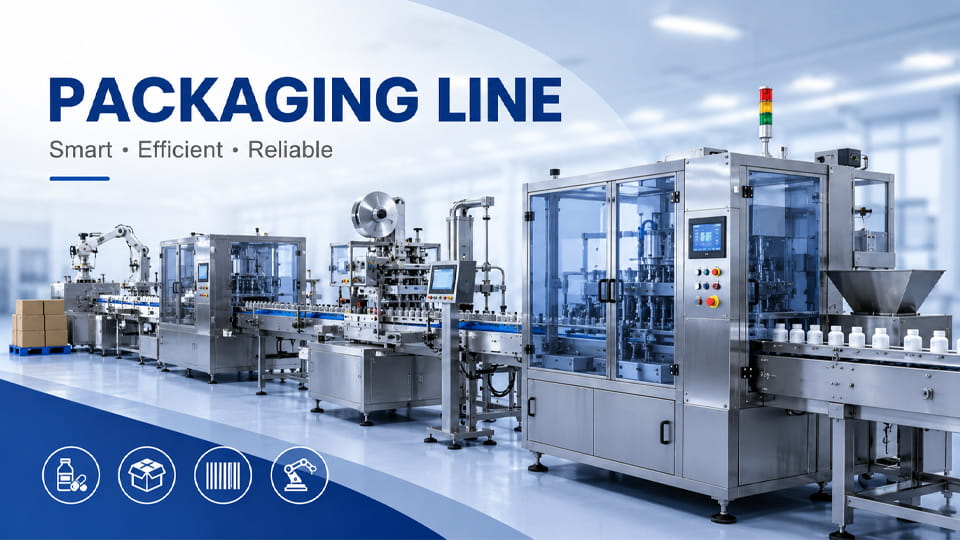
Cân kiểm tra trọng lượng dạng băng tải mang lại giá trị lớn nhất khi được lắp đặt tại đúng điểm trong dây chuyền sản xuất. Trong bao bì chai dược phẩm, vị trí thường gặp nhất là ngay sau quầy máy tính bảng, quầy thuốc viên, hoặc máy làm đầy chất lỏng. Ở giai đoạn này, hệ thống có thể xác minh rằng mỗi chai đều chứa đúng lượng sản phẩm trước khi các bước đóng gói bổ sung làm tăng thêm chi phí và độ phức tạp. Những chai nằm ngoài phạm vi trọng lượng chấp nhận được sẽ tự động bị từ chối trước khi đến trạm đóng nắp. Điều này giúp ngăn chặn các sản phẩm bị lỗi di chuyển xuống dây chuyền và giảm lãng phí không cần thiết.
Một dây chuyền đóng chai dược phẩm điển hình có thể tuân theo trình tự này: Máy giải mã chai → Máy tính bảng/viên nang (hoặc Chất làm đầy chất lỏng) → Cân kiểm tra → Máy đóng nắp → Máy hàn cảm ứng → Máy dán nhãn → Người đóng thùng. Trong một số ứng dụng, nhà sản xuất cũng có thể bổ sung hệ thống cân kiểm tra thứ hai ở gần cuối quy trình đóng gói để xác minh tính đầy đủ của thùng carton thành phẩm.. Điểm lắp đặt lý tưởng phụ thuộc vào những gì nhà sản xuất muốn kiểm tra—độ chính xác của sản phẩm, chai đầy đủ, hoặc xác minh gói cuối cùng.
Phần kết luận
Cân kiểm tra trọng lượng là thành phần không thể thiếu của bất kỳ dây chuyền đóng gói dược phẩm hiện đại nào. Bằng cách tự động xác minh trọng lượng của mỗi gói hàng, nó đảm bảo độ chính xác của liều lượng, tuân thủ GMP, và chất lượng sản phẩm. Chúng tôi đã đề cập đến cách hoạt động của cân kiểm tra trọng lượng dạng băng tải, tại sao chúng quan trọng trong ngành dược phẩm, bộ phận chính của họ, các loại, và làm thế nào để chọn đúng. Chúng tôi cũng so sánh cân kiểm tra trọng lượng dạng băng tải với cân truyền thống và nêu bật những lợi ích chính của chúng: độ chính xác được cải thiện, giảm chất thải, thông lượng nhanh hơn, và truy xuất nguồn gốc đầy đủ.
Nếu bạn đang muốn thêm cân kiểm tra trọng lượng hoặc nâng cấp dây chuyền của mình, Đóng gói Jinlu cung cấp độ chính xác cao, giải pháp tuân thủ cGMP. Cân kiểm tra trọng lượng JL-CW của Jinlu, ví dụ, cung cấp 0.1 g độ chính xác lên tới 100 PC/phút và được sử dụng rộng rãi trong chai, mụn rộp, và dán dây chuyền đóng gói. Tích hợp với các máy khác của Jinlu (người giải mã, quầy tính tiền, capper, Labolder, thùng carton), nó có thể tạo thành một hệ thống hoàn toàn tự động dây chuyền đóng gói dược phẩm. Với các tính năng như HMI 7 inch, khung thép không gỉ, và các hệ thống loại bỏ đã được chứng minh, nó giúp đạt được việc đóng gói “không có lỗi”.
Để biết thêm chi tiết hoặc để thảo luận về các yêu cầu cụ thể của bạn, ghé thăm Jinlu Packing's Sản phẩm cân kiểm tra trang hoặc liên hệ với đội ngũ bán hàng của chúng tôi. Các chuyên gia của chúng tôi có thể giúp điều chỉnh giải pháp (bao gồm hỗ trợ IQ/OQ) cho dây chuyền sản xuất của bạn, đảm bảo cân kiểm tra tuân thủ và hiệu quả.
Câu hỏi thường gặp về cân kiểm tra trọng lượng trong ngành dược
Cân kiểm tra trọng lượng được sử dụng để làm gì?
Cân kiểm tra trọng lượng được sử dụng để tự động xác minh trọng lượng của sản phẩm di chuyển qua dây chuyền sản xuất. Nó giúp nhà sản xuất xác định tình trạng thiếu cân, thừa cân, hoặc các sản phẩm chưa hoàn thiện và tự động loại bỏ chúng khỏi dây chuyền. Trong bao bì dược phẩm, cân kiểm tra trọng lượng có thể phát hiện các chai có số lượng ngắn, thùng chứa quá đầy, hoặc thiếu linh kiện trước khi sản phẩm tiếp cận thị trường.
Cân kiểm tra trọng lượng hoạt động như thế nào?
Cân kiểm tra trọng lượng dạng băng tải sử dụng cảm biến tải trọng và băng tải cân để đo trọng lượng sản phẩm khi sản phẩm đang di chuyển. Hệ thống so sánh trọng lượng đo được với giới hạn trên và dưới đặt trước. Nếu trọng lượng nằm ngoài phạm vi chấp nhận được, cơ chế loại bỏ tự động loại bỏ sản phẩm khỏi dây chuyền sản xuất.
Cân kiểm tra trọng lượng nên được lắp đặt ở đâu trong dây chuyền đóng gói dược phẩm?
Trong hầu hết các dây chuyền đóng chai dược phẩm, cân kiểm tra trọng lượng được lắp đặt ngay sau quầy đếm máy tính bảng, quầy thuốc viên, hoặc máy làm đầy chất lỏng. Điều này cho phép nhà sản xuất xác minh độ chính xác khi đổ đầy trước khi tiến hành đóng nắp chai, niêm phong, ghi nhãn, và quy trình đóng thùng carton. Phát hiện sớm giúp giảm lãng phí và chi phí làm lại.
Cân kiểm tra có thể phát hiện viên nén hoặc viên nang bị thiếu không?
Đúng. Nếu một viên thuốc hoặc viên nang bị thiếu tạo ra sự khác biệt về trọng lượng có thể đo lường được, cân kiểm tra có thể xác định sự khác biệt và loại bỏ chai bị ảnh hưởng. Đây là một trong những lý do chính khiến các nhà sản xuất dược phẩm sử dụng cân kiểm tra tự động sau quá trình đếm.
Những ngành nào thường sử dụng cân kiểm tra trọng lượng?
Cân kiểm tra trọng lượng được sử dụng rộng rãi trong dược phẩm, thực phẩm và đồ uống, Mỹ phẩm, Nghĩa hóa dinh dưỡng, hóa chất, và ngành hậu cần. Bất kỳ ngành nào yêu cầu xác minh trọng lượng sản phẩm chính xác và kiểm soát chất lượng đều có thể hưởng lợi từ hệ thống cân kiểm tra trọng lượng dạng băng tải nội tuyến.
Các bộ phận chính của cân kiểm tra trọng lượng là gì?
Một cân kiểm tra trọng lượng điển hình bao gồm một băng tải nạp liệu, băng tải cân, tế bào tải, hệ thống điều khiển, giao diện điều hành, và từ chối thiết bị. Cùng nhau, các bộ phận này tạo thành một hệ thống băng tải cân kiểm tra hoàn chỉnh có khả năng kiểm tra sản phẩm ở tốc độ sản xuất cao.
Tại sao một số sản phẩm bị Cân kiểm tra trọng lượng từ chối?
Sản phẩm có thể bị từ chối vì thiếu cân, thừa cân, thành phần còn thiếu, hoặc ngoài phạm vi dung sai được xác định trước. Trong một số trường hợp, khoảng cách sản phẩm không đúng, rung động quá mức, hoặc cài đặt máy không chính xác cũng có thể gây ra lỗi từ chối, đó là lý do tại sao việc hiệu chỉnh và thiết lập thích hợp lại quan trọng.
Cân kiểm tra trọng lượng có thể được tích hợp với các máy đóng gói khác không?
Đúng. Cân kiểm tra hiện đại có thể được tích hợp với máy tính bảng, chất độn lỏng, máy đóng nắp, chất bịt kín cảm ứng, máy dán nhãn, thùng giấy, và hệ thống tuần tự hóa. Điều này tạo ra một dây chuyền đóng gói hoàn toàn tự động với khả năng kiểm soát chất lượng và giám sát sản xuất theo thời gian thực.
Lợi ích của việc sử dụng Cân kiểm tra tự động là gì?
Cân kiểm tra tự động giúp nâng cao chất lượng sản phẩm, giảm quà tặng sản phẩm, giảm thiểu khiếu nại của khách hàng, hỗ trợ tuân thủ quy định, và tăng hiệu quả sản xuất. Nó cũng cung cấp 100% kiểm tra trọng lượng, đảm bảo rằng mọi gói hàng đều đáp ứng tiêu chuẩn chất lượng trước khi vận chuyển.
Làm cách nào để chọn Cân kiểm tra trọng lượng phù hợp cho dây chuyền sản xuất của tôi?
Khi chọn cân kiểm tra trọng lượng, xem xét các yếu tố như phạm vi trọng lượng sản phẩm, kích thước gói, tốc độ sản xuất, độ chính xác cần thiết, bố trí băng tải, phương pháp từ chối, và yêu cầu hội nhập. Đối với các ứng dụng dược phẩm, ghi dữ liệu, hỗ trợ xác nhận, và việc tuân thủ GMP cũng cần được đánh giá.
Petty fu, Người sáng lập Jinlupacking, mang lại 20 năm kinh nghiệm trong lĩnh vực máy móc dược phẩm. Dưới sự lãnh đạo của ông, Jinlu đã phát triển thành một nhà cung cấp thiết kế tích hợp đáng tin cậy, sản xuất, và bán hàng. Petty đam mê chia sẻ kiến thức chuyên sâu về ngành của mình để giúp khách hàng giải quyết sự phức tạp của bao bì dược phẩm, đảm bảo họ không chỉ nhận được thiết bị, mà là mối quan hệ đối tác dịch vụ một cửa thực sự phù hợp với mục tiêu sản xuất của họ.

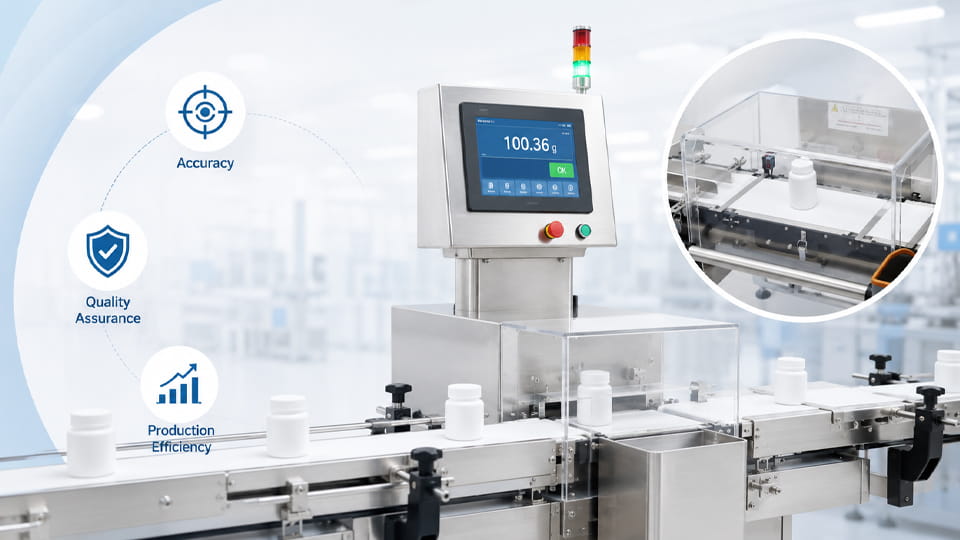

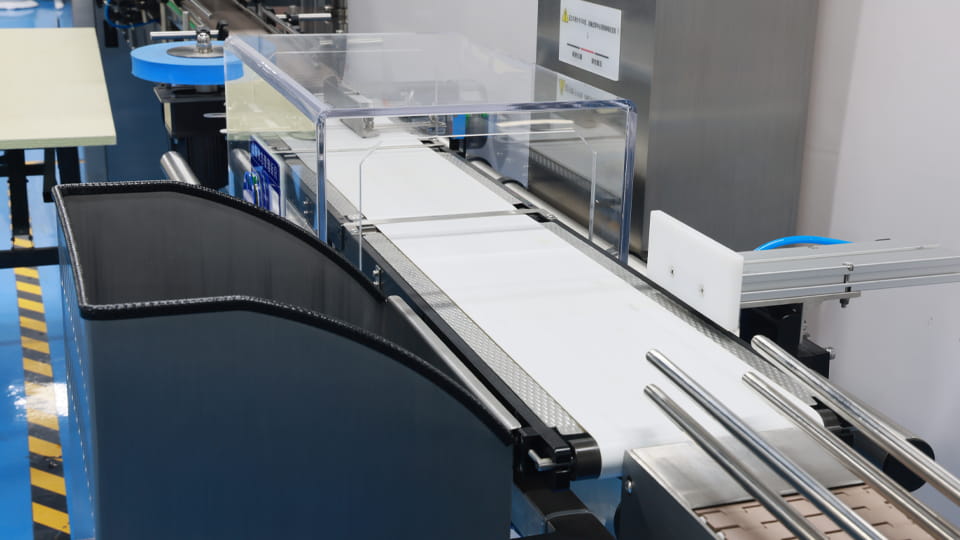
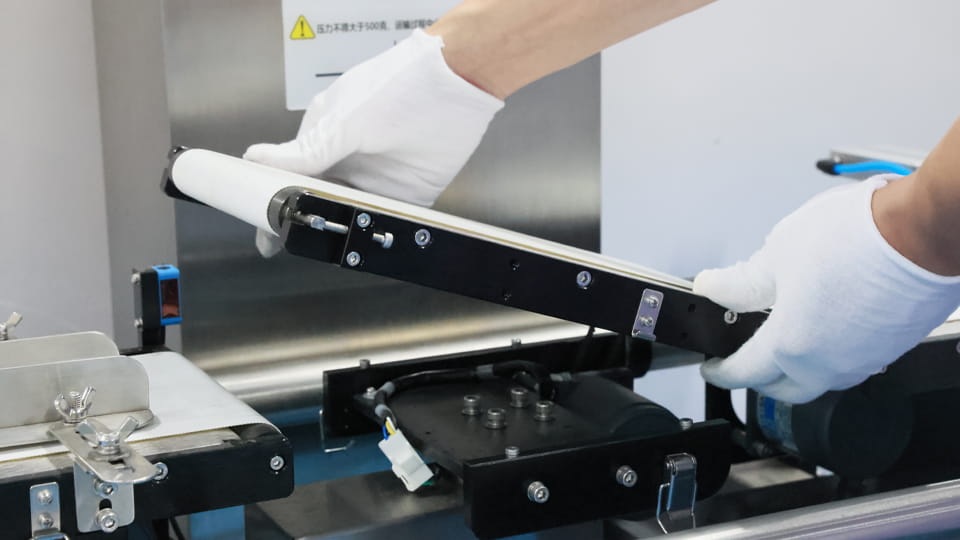 Nhân vật: Hệ thống băng tải kiểm tra mô-đun của Jinlu (phần băng tải gắn vào) đơn giản hóa việc bảo trì. Cảm biến tải trọng được lắp đặt dưới dây đai, và sản phẩm được dẫn vào khu vực cân.