
Tuân thủ dùng thuốc – mức độ bệnh nhân dùng thuốc theo chỉ định – là yếu tố quan trọng trong sự thành công của điều trị. Tuy nhiên, các nghiên cứu cho thấy chỉ có khoảng một nửa số đơn thuốc được thực hiện đúng cách, lái xe nhiều như $100–300 tỷ trong chi phí chăm sóc sức khỏe hàng năm ở Hoa Kỳ. một mình. Tuân thủ kém làm suy yếu kết quả của bệnh nhân và gây lãng phí các liệu pháp điều trị. Thiết kế bao bì thông minh có thể đóng một vai trò mạnh mẽ trong việc thu hẹp khoảng cách này. Bằng cách làm cho liều lượng dễ dàng tiếp cận, dán nhãn rõ ràng, và được tổ chức theo thời gian hoặc mục đích, các dạng đóng gói hiệu quả trở thành lời nhắc tích hợp giúp bệnh nhân tuân theo phác đồ của họ. Trong thực tế, nghiên cứu lâm sàng đã phát hiện ra rằng những thay đổi đơn giản về bao bì có thể tăng cường đáng kể sự tuân thủ – một phân tích tổng hợp cho thấy tỷ lệ tuân thủ tăng từ ~63% lên ~71% khi sử dụng biện pháp can thiệp bằng vỉ hoặc hộp thuốc có cấu trúc.
Ví dụ, chai thuốc thông thường (xem hình ảnh) thuận tiện cho việc phân phối nhưng không cung cấp hỗ trợ tuân thủ vốn có. Bệnh nhân thường quên liều lượng khi viên thuốc kêu lạch cạch trong chai. Ngược lại, định dạng theo lịch hoặc theo đơn vị cung cấp tín hiệu trực quan và vật lý: những chỗ trống trên thẻ vỉ hoặc các ngăn có tổ chức trong hộp thuốc cho thấy ngay những gì đã được lấy. Thực vậy, nghiên cứu xác nhận rằng chai “không mang lại lợi ích gì trong việc cải thiện sự tuân thủ,” trong khi các gói theo liều lượng cụ thể – đặc biệt là gói vỉ theo lịch – trực tiếp chống lại sự quên lãng. Bản thân bao bì đã trở thành lời nhắc hàng ngày. Dành cho bệnh nhân bận rộn hoặc người già, điều này có thể tạo nên sự khác biệt giữa việc quên uống thuốc và thói quen điều trị lành mạnh.
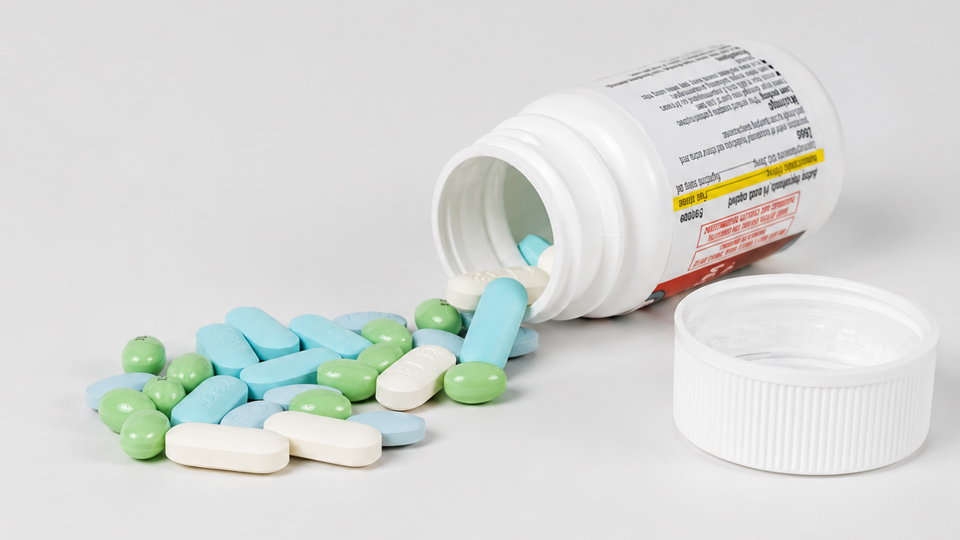
Hình ảnh: Một chai thuốc điển hình và thuốc lỏng. Chai tiêu chuẩn rất phổ biến nhưng thiếu tính năng nhắc nhở tích hợp cho bệnh nhân.
Bao bì không chỉ bảo vệ dược phẩm trong quá trình bảo quản và vận chuyển. Hôm nay, nó còn đóng vai trò quan trọng trong việc giúp bệnh nhân dùng thuốc đúng cách. Định dạng bao bì được thiết kế tốt có thể đơn giản hóa quy trình dùng thuốc hàng ngày, cải thiện trải nghiệm của bệnh nhân, và hỗ trợ tuân thủ dùng thuốc tốt hơn. Nghiên cứu đã chỉ ra rằng bao bì nhắc nhở, chẳng hạn như gói vỉ lịch và các định dạng liều lượng có tổ chức khác, có thể ảnh hưởng tích cực đến việc tuân thủ điều trị ở nhiều bệnh nhân.
Bao bì tốt hỗ trợ việc tuân thủ dùng thuốc theo nhiều cách thiết thực:
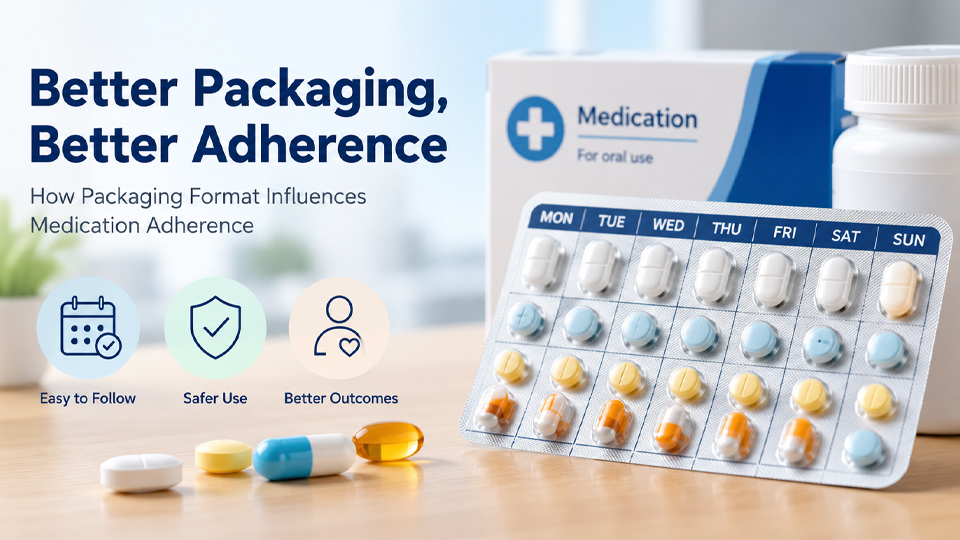
Các sản phẩm và nhóm bệnh nhân khác nhau được hưởng lợi từ các hình thức đóng gói khác nhau. Các định dạng sau được sử dụng rộng rãi trong dược phẩm và chăm sóc sức khỏe để hỗ trợ việc tuân thủ:
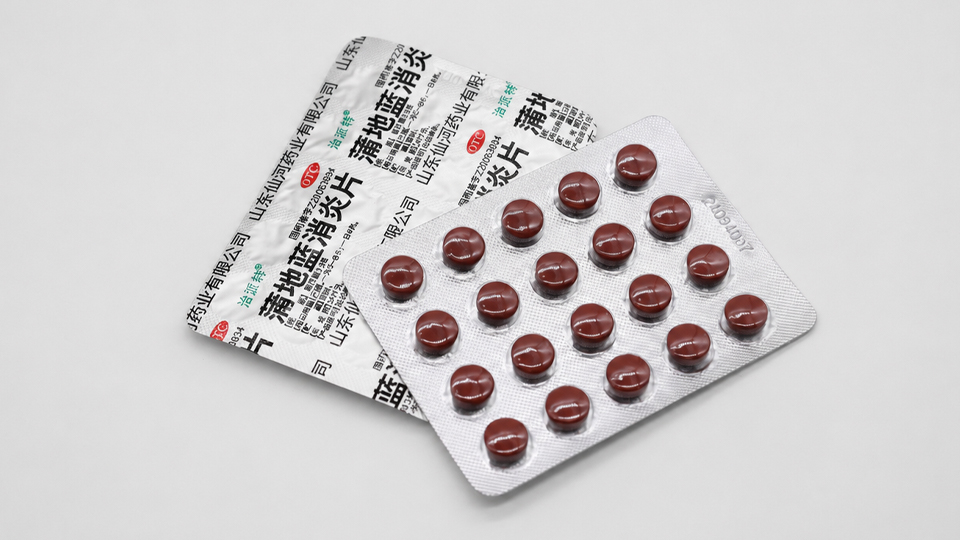
Hình ảnh: Viên thuốc riêng lẻ được niêm phong trong thẻ vỉ. Đơn vị vỉ liều (thường được in kèm thông tin liều lượng) cung cấp cho bệnh nhân một lịch trình hàng ngày rõ ràng và giúp dễ dàng phát hiện liều thuốc đã quên.
Bao bì có thể ảnh hưởng đến sự tuân thủ theo một số cách chính:
Tốt nhất, Bao bì thu hẹp khoảng cách giữa đơn thuốc và hành vi của bệnh nhân. Nó trở thành “đối tác tuân thủ” thụ động bằng cách tổ chức và nhắc nhở mà không cần bệnh nhân phải nỗ lực thêm.
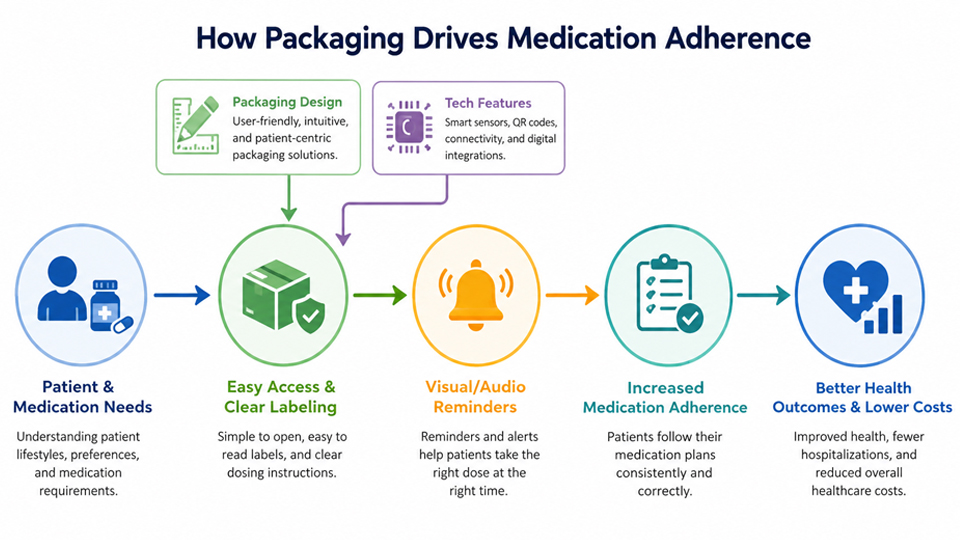
Chỉ chọn đúng định dạng là chưa đủ – bao bì phải được thiết kế cho bệnh nhân. Bao bì được thiết kế kém có thể tạo ra rào cản. Các thiết kế tập trung vào sự tuân thủ tốt nhất chia sẻ một số đặc điểm:
Những nguyên tắc thiết kế lấy bệnh nhân làm trung tâm này có thêm lợi ích về việc tuân thủ chất lượng: thông thoáng, Bao bì chống giả mạo có tính năng theo dõi giúp nhà sản xuất dễ dàng đáp ứng các tiêu chuẩn của FDA/EMA hơn trong khi vẫn nâng cao trải nghiệm người dùng. Đối với sản xuất dược phẩm, đầu tư vào những tính năng này có thể mang lại sự tin tưởng vào thương hiệu và giảm trách nhiệm pháp lý.
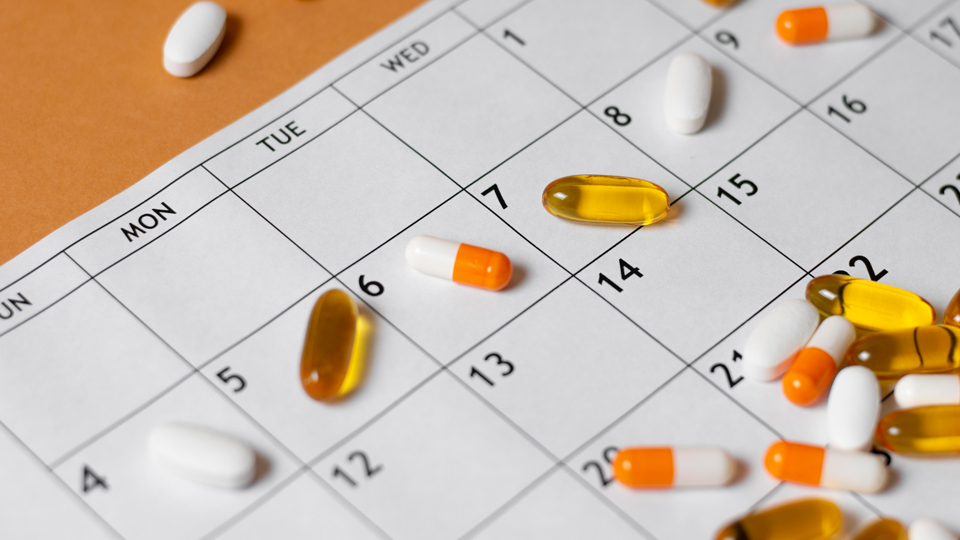
Bao bì tuân thủ vẫn phải đáp ứng tất cả các ràng buộc về quy định và chi phí. Ở Mỹ, Ví dụ, pháp luật bắt buộc phải đóng gói chống trẻ em đối với hầu hết các đơn thuốc. Các giải pháp hiện đại thường đạt được sự tuân thủ bằng cách kết hợp các tính năng an toàn vào hình dạng bao bì (ví dụ. cơ chế khóa trên thẻ vỉ) thay vì chỉ dựa vào nắp chai. Đồng thời, các công ty đang khám phá các vật liệu bền vững: lịch bìa giấy thay vì vỉ nhựa, hoặc phim có thể tái chế, mà bệnh nhân đánh giá cao và thường có cấu trúc đơn giản hơn. Các nghiên cứu cho thấy bệnh nhân thực sự thích sản phẩm thân thiện với môi trường hơn, bao bì đơn giản – trông hiện đại và yên tâm hơn.
Về mặt chi phí, dây chuyền đóng gói tự động (ví dụ. vỉ tốc độ cao hoặc máy đóng gói dải) đã trở nên khá hiệu quả. Sản xuất đơn vị quy mô lớn có thể cắt giảm chi phí trên mỗi đơn vị và giảm lãng phí từ hàng tồn kho đã hết hạn sử dụng. Dành cho nhà sản xuất và nhà đóng gói theo hợp đồng, điều này có nghĩa là đầu tư vào máy móc ban đầu cao nhưng có khả năng giảm chi phí dài hạn và tổn thất hàng tồn kho. Từ góc nhìn của bệnh nhân, sự thuận tiện và an toàn được cải thiện biện minh cho các định dạng này. Nói cách khác, sự cẩn thận hơn trong bao bì thường được bù đắp bằng kết quả sức khỏe tốt hơn và ít lãng phí thuốc hơn.
Để cung cấp các định dạng đóng gói thân thiện với bệnh nhân này trên quy mô lớn, nhà sản xuất cần máy móc đáng tin cậy. Đóng gói Jinlu cung cấp một loạt các thiết bị được điều chỉnh cho các gói tập trung vào việc tuân thủ:


Nhân vật: Máy đóng gói que nhiều làn từ Jinlu Đóng gói. Nó hình thành, làm đầy và niêm phong các gói hẹp (gói dính) song song. Mỗi gói chứa một liều (bột, chất lỏng, vân vân.), hỗ trợ phân phối và tuân thủ liều đơn vị.


Bằng cách kết hợp các máy này, một dòng dược phẩm có thể sản xuất các gói hàng thân thiện với bệnh nhân mà không làm giảm năng suất hoặc chất lượng. Ví dụ, Một Dòng vỉ Jinlu có thể tích hợp một trạm đếm, chất tạo phồng/ bịt kín vết phồng rộp, và một máy in tuần tự hóa trong một quy trình liên tục. Tự động hóa này duy trì sự tuân thủ với tiêu chuẩn GMP (21 CFR 211, Phụ lục EU GMP 15) và đảm bảo mọi gói rời khỏi dòng đều phù hợp với đơn thuốc dự định. Bằng cách này, thiết bị đóng gói công nghệ cao trở thành xương sống của “Giải pháp đóng gói cho sự tuân thủ của bệnh nhân” – cho phép các nhà sản xuất tự tin cung cấp lịch, gói đơn vị liều, và chai hỗ trợ thông minh trên quy mô lớn.
Tóm lại, hình thức đóng gói có tác động đã được chứng minh đối với việc tuân thủ dùng thuốc. Thiết kế chu đáo – từ vỉ thuốc theo đơn vị liều lượng và hộp đựng thuốc hàng tuần cho đến hộp đựng thuốc thông minh, các gói được kết nối – giúp bệnh nhân dễ dàng sử dụng đúng loại thuốc vào đúng thời điểm. Bằng chứng thực tế cho thấy các định dạng này làm tăng đáng kể tỷ lệ tuân thủ so với chai trơn. Dành cho nhà sản xuất và phân phối dược phẩm, áp dụng bao bì thân thiện với tuân thủ vừa là dịch vụ y tế công cộng vừa là lợi thế thị trường: nó cải thiện kết quả của bệnh nhân và có thể tạo sự khác biệt cho các sản phẩm trong lĩnh vực cạnh tranh.
Sẵn sàng nâng cao sự tuân thủ cho khách hàng của bạn? Jinlu Bao bì chuyên máy móc đóng gói dược phẩm và giải pháp phù hợp với nhu cầu của bệnh nhân. Cho dù bạn cần dây chuyền đóng gói vỉ tốc độ cao, máy đóng túi dải tự động, hoặc hệ thống gói lịch tùy chỉnh, nhóm của chúng tôi có thể giúp thiết kế các định dạng khuyến khích sự tuân thủ. Liên hệ với Jinlu ngay hôm nay để thảo luận về cách thiết kế bao bì thông minh có thể nâng cao hiệu suất sản phẩm của bạn và hỗ trợ chăm sóc bệnh nhân tốt hơn.
Tuân thủ dùng thuốc đề cập đến việc bệnh nhân tuân thủ chặt chẽ kế hoạch điều trị theo chỉ định của họ như thế nào, bao gồm cả việc dùng đúng loại thuốc, đúng liều lượng, và vào thời điểm được đề nghị. Tuân thủ kém có thể làm giảm hiệu quả điều trị và tăng chi phí chăm sóc sức khỏe.
Định dạng bao bì có thể đơn giản hóa thói quen dùng thuốc và cung cấp lời nhắc trực quan. Các tính năng như ghi nhãn lịch, đóng gói theo đơn vị liều lượng, và các ngăn có tổ chức giúp bệnh nhân nhớ thời điểm và cách dùng thuốc.
Vỉ đóng gói thuốc riêng biệt thành từng liều riêng biệt và có thể hiển thị ngày, giờ cho từng liều. Bệnh nhân có thể dễ dàng biết mình đã uống thuốc chưa, giúp giảm liều bị quên và sai sót trong dùng thuốc.
Chai thuốc truyền thống thuận tiện cho việc lưu trữ và phân phối, nhưng họ thường không cung cấp hệ thống nhắc nhở tích hợp. Bệnh nhân có thể quên mình đã uống thuốc hay chưa, đặc biệt là khi quản lý nhiều loại thuốc.
Vỉ thuốc lịch là hệ thống đóng gói sắp xếp thuốc theo ngày trong tuần hoặc thời gian dùng thuốc. Họ tạo ra một lịch trình trực quan giúp bệnh nhân dễ dàng thực hiện theo kế hoạch điều trị hơn và duy trì việc sử dụng thuốc nhất quán.
Bao bì tuân thủ đặc biệt hữu ích cho bệnh nhân cao tuổi, người mắc bệnh mãn tính, bệnh nhân dùng nhiều loại thuốc, và những người gặp khó khăn về trí nhớ. Người chăm sóc cũng được hưởng lợi vì việc đóng gói có tổ chức giúp đơn giản hóa việc quản lý thuốc.
Đúng. Giải pháp đóng gói thông minh, chẳng hạn như gói vỉ được kết nối và chai thuốc điện tử, có thể cung cấp lời nhắc, theo dõi việc sử dụng thuốc, và gửi thông báo khi quên liều. Những công nghệ này cung cấp hỗ trợ bổ sung cho việc quản lý điều trị lâu dài.
Bao bì dược phẩm thân thiện với bệnh nhân thường có hướng dẫn rõ ràng, nhãn lớn và dễ đọc, mã màu, tổ chức lịch, thiết kế dễ mở, và các tính năng chống trẻ em mà người lớn vẫn có thể truy cập được.
Tuân thủ dùng thuốc ảnh hưởng trực tiếp đến kết quả điều trị và sự hài lòng của người bệnh. Các công ty dược phẩm triển khai bao bì thân thiện với tuân thủ có thể nâng cao giá trị sản phẩm, củng cố uy tín thương hiệu, và tạo sự khác biệt trong thị trường cạnh tranh.
Tùy thuộc vào hình thức đóng gói, nhà sản xuất có thể yêu cầu máy đóng gói vỉ, hệ thống đóng thùng carton, máy đóng gói túi dải, và dây chuyền sản xuất gói lịch tùy chỉnh. Thiết bị đóng gói dược phẩm tự động đảm bảo chất lượng ổn định và hiệu quả sản xuất quy mô lớn.
Tài liệu tham khảo:
1.Can thiệp đóng gói để tăng sự tuân thủ thuốc: đánh giá hệ thống và phân tích tổng hợp --- Thư viện Y khoa Quốc gia
2.Bao bì cải thiện sự tuân thủ thuốc --pharmtech.com
3.Ảnh hưởng của bao bì nhắc nhở dùng thuốc đến việc tuân thủ dùng thuốc: một đánh giá có hệ thống cho thấy những khoảng trống nghiên cứu —— Thiên nhiên mùa xuân
4.Thiết bị đóng gói thuốc điện tử và tuân thủ dùng thuốc: Đánh giá có hệ thống --- Thư viện Y khoa Quốc gia
5.Thuốc phối hợp liều cố định hoặc bao bì theo đơn vị sử dụng có cải thiện sự tuân thủ không?? Đánh giá có hệ thống. --- Thư viện Y khoa Quốc gia
6.Các vòng lớn của CDC: Cải thiện việc tuân thủ dùng thuốc để quản lý bệnh mãn tính - Những đổi mới và cơ hội —— CDC