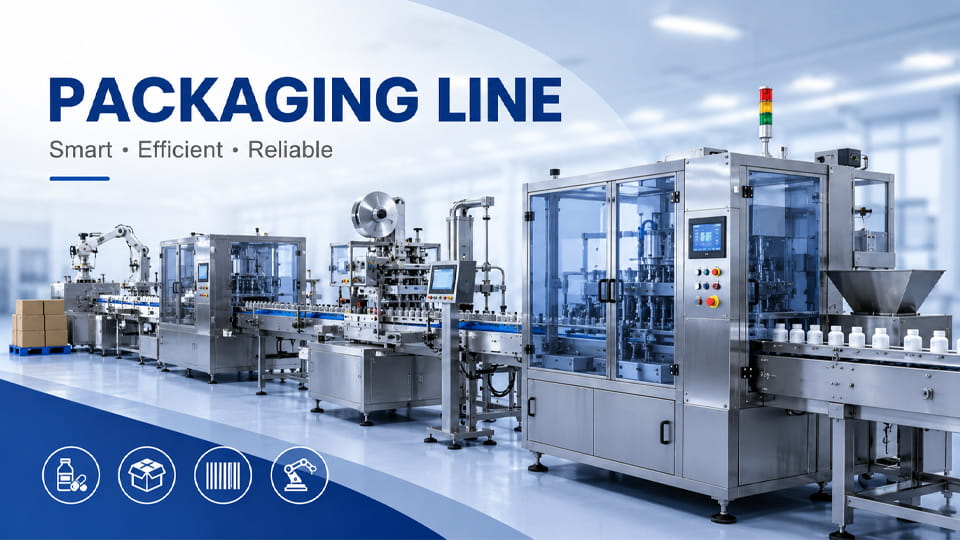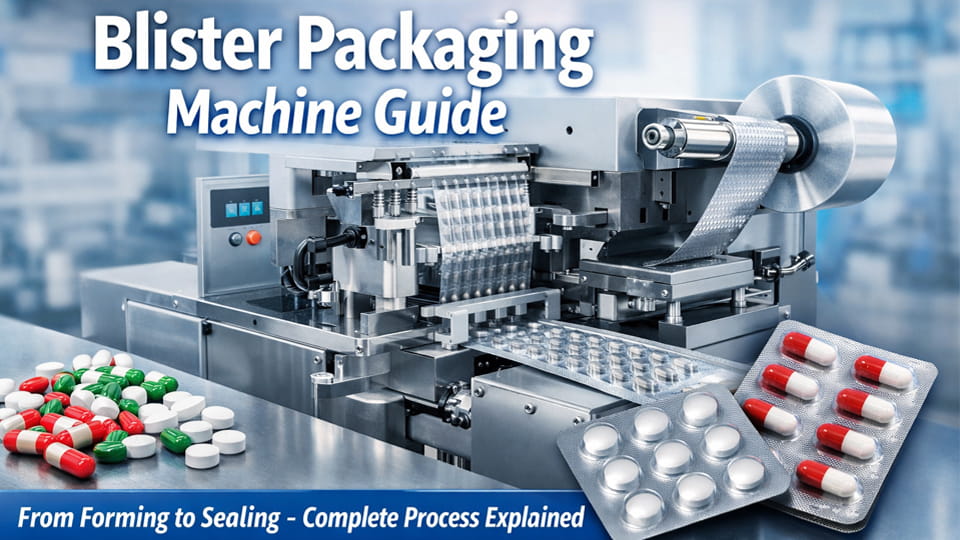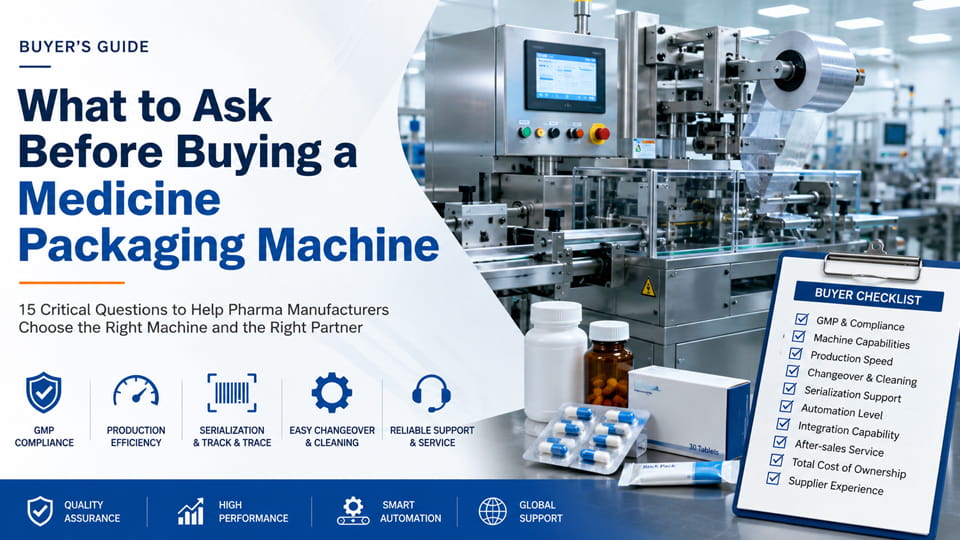

Bao bì phù hợp là rất quan trọng để bảo vệ sản phẩm và người tiêu dùng. Bao bì dược phẩm (còn gọi là bao bì thuốc) bao gồm tất cả các container, nguyên vật liệu, và các thiết bị bao bọc và bảo vệ thuốc. Nó đảm bảo rằng một loại thuốc vẫn an toàn, ổn định và không bị ô nhiễm từ quá trình sản xuất đến khi giao hàng. Thực hành Sản xuất Tốt hiện hành của FDA (cGMP) quy định yêu cầu quy trình và thiết bị đóng gói thuốc phải đáp ứng các biện pháp kiểm soát chất lượng nghiêm ngặt. Ngược lại, bao bì thực phẩm bảo vệ thực phẩm khỏi hư hỏng và ô nhiễm, cung cấp thông tin dinh dưỡng và thành phần, và hỗ trợ phân phối và xây dựng thương hiệu. Bao bì thực phẩm phải đảm bảo quy định an toàn thực phẩm (ví dụ. Phê duyệt liên hệ với thực phẩm của FDA) và thực hiện các chương trình an toàn thực phẩm như HACCP để ngăn ngừa các mối nguy. Tóm lại, cả hai hệ thống đều nhằm mục đích giữ cho sản phẩm an toàn và được dán nhãn chính xác, nhưng bao bì dược phẩm phải tuân theo các quy tắc truy xuất nguồn gốc và vô trùng chặt chẽ hơn, trong khi bao bì thực phẩm nhấn mạnh đến hiệu quả rào cản, sự tiện lợi, và thông tin người tiêu dùng.
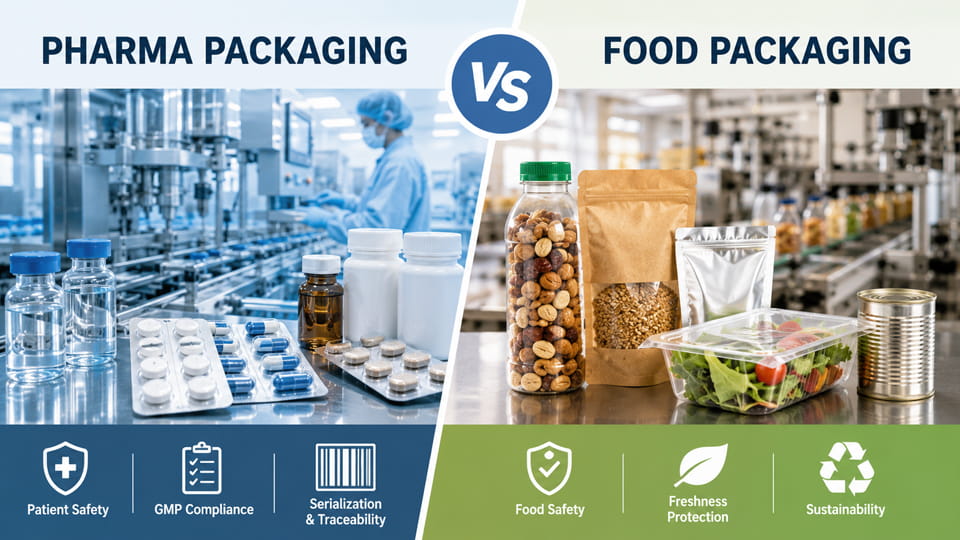
Bao bì dược phẩm bao gồm sơ đẳng, sơ trung, và cấp ba lớp bao bì. Bao bì sơ cấp tiếp xúc trực tiếp với thuốc (ví dụ. vỉ, chai, lọ, ống tiêm) và cung cấp rào cản đầu tiên chống lại độ ẩm, ánh sáng, và oxy. Ví dụ, chai thủy tinh cứng màu hổ phách che chắn viên nén nhạy cảm với ánh sáng, trong khi nhôm-nhựa Gói vỉ Đậy kín từng liều để duy trì hiệu lực. Bao bì thứ cấp nhóm đơn vị chính (ví dụ. đặt vỉ hoặc chai vào thùng giấy in) và thêm không gian ghi nhãn, hướng dẫn, và niêm phong giả mạo. Thùng carton còn là đệm lót cho sản phẩm trong quá trình vận chuyển. Bao bì cấp ba liên quan đến container vận chuyển số lượng lớn (Hộp, thùng, pallet) dùng làm kho bãi và vận chuyển. Mỗi cấp độ đóng gói có chức năng: hình thức chính của thùng chứa liều lượng, thứ cấp cung cấp thông tin và bảo vệ vừa phải, và cấp ba xử lý hậu cần số lượng lớn.
Jinlupacking lưu ý bao bì dược phẩm phải giữ được thuốc ổn định và vô trùng, thường xuyên ở chống trẻ em hoặc giả mạo định dạng, trong khi truyền đạt thông tin về liều lượng và an toàn.
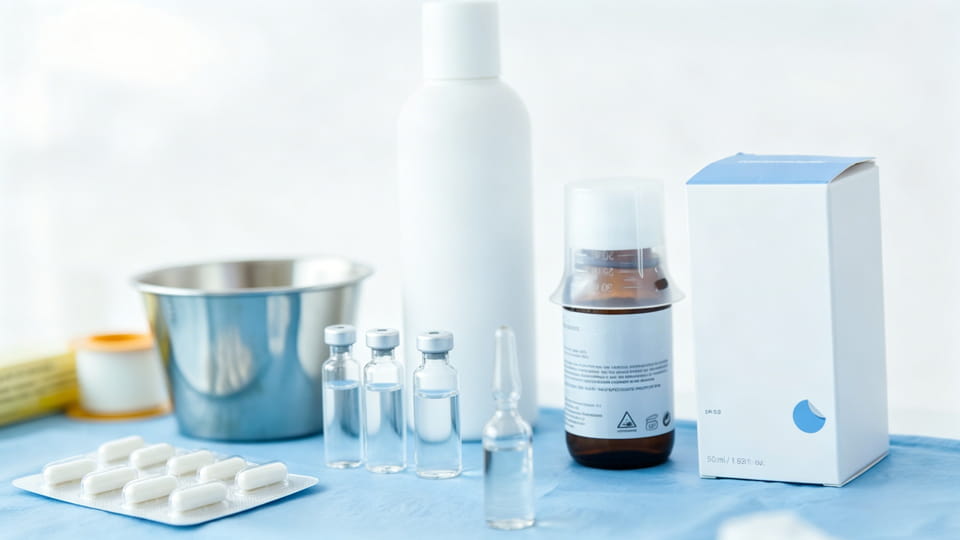
Bao bì thực phẩm phục vụ cho bảo vệ, bảo tồn, và thông báo. Chức năng chính là giữ thực phẩm tươi ngon, ngăn ngừa ô nhiễm hoặc hư hỏng (bởi độ ẩm, ôxy, vi khuẩn), và cung cấp nhãn hiệu và nhãn hiệu dinh dưỡng/thành phần. Các dạng đóng gói thực phẩm phổ biến bao gồm chai và lọ, túi linh hoạt, thùng giấy, lon, khay, và phim. Ví dụ, sốt cà chua có thể đóng thành chai bóp PET có thể đóng lại hoặc túi giấy bạc dùng một lần. Thực phẩm ăn nhẹ thường sử dụng túi hoặc túi nhựa/giấy bạc nhiều lớp để cân bằng chi phí với khả năng chống ẩm/oxy thích hợp.
Mặc dù cả hai ngành đều tìm cách ngăn ngừa ô nhiễm, bao bì thực phẩm thường ưu tiên sự tiện lợi và chi phí của người tiêu dùng. Ví dụ, túi đựng thực phẩm sử dụng màng đơn giản và hướng tới khả năng đóng lại hoặc thiết kế gọn nhẹ, trong khi dược phẩm có thể sử dụng vật liệu nặng hơn để có độ bền và độ bền tối đa.
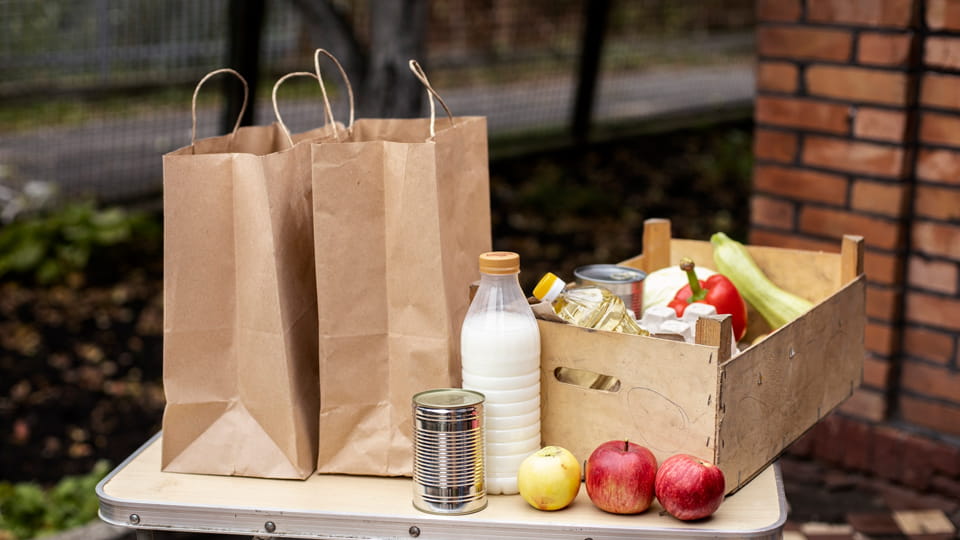
Bất kể loại sản phẩm, bao bì hiệu quả phải:
Ví dụ, Jinlu lưu ý vật liệu đóng gói dược phẩm (thủy tinh, nhựa, giấy bạc) được chọn vì đặc tính bảo vệ của chúng, theo tiêu chuẩn nghiêm ngặt về không độc hại và chống giả mạo. Bao bì thực phẩm còn nhằm mục đích bảo vệ (ví dụ. màng nhựa cho khoai tây chiên) nhưng cân bằng giữa chi phí và sự hấp dẫn tiếp thị.
| Tính năng | Bao bì dược phẩm | Bao bì thực phẩm |
| Mục tiêu chính | Bảo vệ hiệu quả và tính vô trùng của thuốc; ngăn ngừa ô nhiễm hoặc trộn lẫn. Đảm bảo liều lượng chính xác (hiệu chuẩn số lượng/liều lượng). | Bảo quản độ tươi, ngăn ngừa hư hỏng, cung cấp khẩu phần; bảo vệ khỏi ô nhiễm vi khuẩn/vi trùng. Đảm bảo thông tin dinh dưỡng/chất gây dị ứng chính xác. |
| Tiêu chuẩn quy định | Tuân thủ nghiêm ngặt GMP (FDA 21 CFR 210/211, EU GMP EudraLex Tập 4, ISO 15378). Toàn bộ quá trình đóng gói được xác nhận và ghi lại. | Được quản lý bởi cơ quan quản lý an toàn thực phẩm: Phê duyệt liên hệ với thực phẩm của FDA, HACCP (chương trình tiên quyết về điều kiện vệ sinh), và các tiêu chuẩn như BRCGS/ISO 22000. Nhãn được phê duyệt trước theo Hướng dẫn ghi nhãn thực phẩm của FDA. |
| Truy xuất nguồn gốc | Cao: Số lô/đợt trên mỗi gói hàng, tuần tự hóa (mã vạch độc đáo) cho phả hệ thuốc (ví dụ. DSCSA ở Mỹ). Cho phép truy xuất nguồn gốc/thu hồi đầy đủ. | Vừa phải: Mã lô hoặc ngày thu hồi; không bắt buộc trên mọi đơn vị ở hầu hết các khu vực (ngoại trừ mã số lượng lớn). Tuần tự hóa hạn chế (hiếm khi theo luật). |
| Giả mạo-hiển nhiên | Thường thì có: niêm phong an ninh, lá vỉ bị vỡ rõ ràng nếu mở ra, mũ đặc biệt (chống trẻ em hoặc chống ma túy). | Thường có đối với một số thực phẩm (ví dụ. lon, nắp sữa chua), nhưng nhiều gói thực phẩm có niêm phong cơ bản. Tính năng chỉ báo giả mạo (niêm phong nhiệt) phổ biến trên lọ và nắp. |
| Phòng sạch / Vệ sinh | Phê bình: Thiết bị thường ở trong môi trường được kiểm soát (phòng sạch) để tránh các hạt/vi khuẩn. Thép không gỉ (SUS316L) bề mặt, Lọc HEPA. | Yêu cầu thiết kế hợp vệ sinh, nhưng thường là loại thực phẩm thông thường (không rỉ sét, dễ dàng rửa sạch) thay vì phòng sạch cấp 100K. Thiết kế vệ sinh để ngăn chặn chất gây dị ứng hoặc nhiễm chéo vi khuẩn. |
| Xác thực/QA | Đánh giá chất lượng thiết bị bắt buộc và xác nhận quy trình (IR/WH/PQ) theo quy định của FDA/EU. Quy trình đóng gói được xác nhận về tính vô trùng và tính nhất quán. | Xác nhận theo nghĩa HACCP: kiểm soát các điểm quan trọng. Thiết bị được làm sạch/kiểm tra, nhưng xác nhận chính thức (IQ/OQ) không chuẩn. QA tập trung vào vi sinh và chất gây dị ứng. |
| Nguyên vật liệu | Cấp dược phẩm: ví dụ. Kính loại I, nhựa y tế, nắp lá nhôm, nút cao su, mụn nước đặc biệt. Đã kiểm tra chất có thể chiết xuất/có thể lọc được (để đảm bảo không có sự di cư có hại). | Cấp thực phẩm: Thể dục, THÚ CƯNG, PP, Lá nhôm, bìa giấy. Phải được FDA chấp thuận khi tiếp xúc với thực phẩm. Yêu cầu độ tinh khiết thấp hơn dược phẩm; quy định tập trung vào giới hạn di cư và các chất gây dị ứng. |
| Ghi nhãn | Nhãn chi tiết: tên thuốc, sức mạnh, Liều dùng, cảnh báo, lô/đợt, hết hạn, hướng dẫn. Các quy định yêu cầu ghi nhãn và xem xét chính xác (ví dụ. mã NDC). Thường in nhỏ. | Bảng thông tin dinh dưỡng, thành phần (giảm dần theo trọng lượng), trọng lượng tịnh, khai báo chất gây dị ứng, thương hiệu/tiếp thị. Phải gặp FD&Yêu cầu của Đạo luật C (không có sự chấp thuận trước của FDA về nhãn nhưng có hướng dẫn định dạng nghiêm ngặt). |
| Rủi ro thu hồi | Tiền đặt cược rất cao: bất kỳ sự ô nhiễm nào cũng có thể gây hại cho bệnh nhân. Việc thu hồi rất tốn kém và được kiểm soát chặt chẽ ( FDA bắt buộc phải thông báo thu hồi hàng loạt). Toàn bộ lô thường kéo. | Rủi ro đáng kể (sự cố an toàn thực phẩm), nhưng tác động thường hẹp hơn. Việc thu hồi tập trung vào các lô hàng cụ thể; chất thải bao bì được dung nạp nhiều hơn. |
| Tiêu chuẩn thiết bị | Thiết bị phải được thiết kế cGMP: dễ dàng làm sạch/khử trùng, bề mặt không gỉ, giảm thiểu vùng chết. Thường theo CIP (Làm sạch tại chỗ). Ví dụ. máy vỉ với chân không, dây chuyền làm đầy vô trùng. | Thiết kế vệ sinh: Thép không gỉ, không có bẫy vi khuẩn. Tùy chọn CIP hoặc rửa sạch. Ví dụ. dòng VFFS, người định hình, chất độn đáp ứng tiêu chuẩn vệ sinh USDA/FDA. Thiết kế tập trung vào việc ngăn ngừa hư hỏng. |
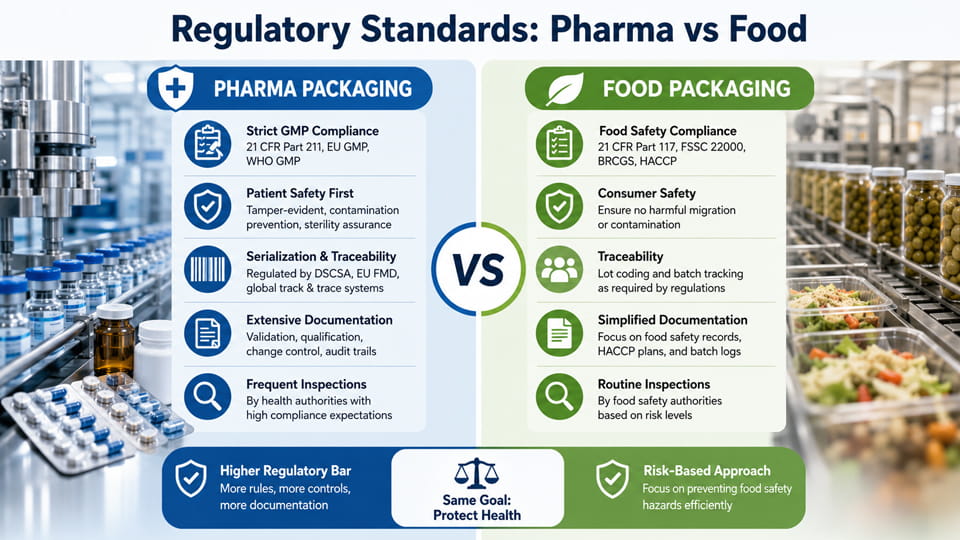
Những so sánh này nhấn mạnh rằng bao bì dược phẩm được quản lý và kiểm soát nhiều hơn. Ví dụ, Hướng dẫn cGMP của FDA yêu cầu dây chuyền đóng gói thuốc phải sử dụng các quy trình đã được xác nhận và nguyên liệu đã được chứng minh là an toàn. Ngược lại, bao bì thực phẩm tuân theo các biện pháp kiểm soát vệ sinh và an toàn rộng rãi (Chương trình tiên quyết của HACCP) thay vì xác nhận hàng loạt theo kiểu dược phẩm.
Bao bì dược phẩm được quản lý bởi quy định GMP dược phẩm. Ở Mỹ, Tiêu đề 21 Bộ phận CFR 210–211 Thực hành sản xuất tốt hiện hành (cGMP) Yêu cầu về “đóng gói” thuốc (Bao bì). Điều này có nghĩa là các phương pháp, điều khiển, cơ sở, và thiết bị dùng để đóng gói thuốc phải đảm bảo độ an toàn của sản phẩm và nồng độ ghi trên nhãn.. Châu Âu sử dụng EU GMP (EudraLex Tập. 4) với quy định tương tự. Ngoài ra, ISO 15378:2017 là tiêu chuẩn toàn cầu áp dụng ISO 9001 Nguyên tắc QMS đối với vật liệu đóng gói sơ cấp cho dược phẩm. ISO 15378 giải quyết rõ ràng việc kiểm soát ô nhiễm, giảm thiểu rủi ro, và tuân thủ quy định trong sản xuất vật liệu đóng gói.
Bằng cách so sánh, bao bì thực phẩm phải đảm bảo quy định an toàn thực phẩm. FDA yêu cầu tất cả các vật liệu tiếp xúc với thực phẩm phải được phê duyệt trước (thông qua Thông báo Liên hệ Thực phẩm hoặc GRAS). Thiết bị đóng gói trong các nhà máy thực phẩm tuân theo các nguyên tắc vệ sinh và ngăn ngừa ô nhiễm theo Thực hành sản xuất tốt của HACCP và FDA đối với thực phẩm. Kế hoạch HACCP xử lý thiết bị và vật liệu đóng gói theo chương trình tiên quyết - Ví dụ, cơ sở vật chất và thiết bị phải tuân theo quy trình thiết kế vệ sinh và làm sạch. Tiêu chuẩn như Vật liệu đóng gói BRCGS hoặc ISO 22000 (quản lý an toàn thực phẩm) cũng áp dụng. Không giống như thuốc, nhãn và bao bì thực phẩm không cần phải có sự phê duyệt trước của cơ quan chức năng, nhưng phải tuân thủ luật ghi nhãn (thành phần, dinh dưỡng, vân vân.) khi có mặt trên thị trường.
Tóm lại, bao bì dược phẩm bị ràng buộc bởi quy định quy định (hướng dẫn cụ thể, kiểm tra chứng chỉ), trong khi bao bì thực phẩm bị chi phối bởi phòng ngừa hệ thống an toàn (HACCP, Tiêu chuẩn GFSI) và phê duyệt vật liệu tiếp xúc với thực phẩm. Sự khác biệt này thúc đẩy nhiều sự lựa chọn về vật liệu và thiết bị (xem bảng trên).
Bao bì nguyên vật liệu khác nhau: Hộp đựng dược phẩm thường sử dụng loại có độ tinh khiết cao, chất nền trơ. Bao bì chính dược phẩm phổ biến bao gồm Kính loại I lọ (để tiêm), nhựa dược phẩm (HDPE, PP, PETG), và tấm nhiều lớp (Vỉ lá PVDC/Alu). Chúng được chọn để tránh bất kỳ chất ngâm chiết nào có thể tương tác với thuốc. Thực vậy, chất có thể chiết xuất và có thể lọc được (hóa chất di chuyển từ nhựa/giấy bạc) là mối quan tâm lớn trong ngành dược. Các nhà sản xuất thuốc phải kiểm tra bao bì để đảm bảo tính nguyên vẹn của bao bì đóng gói (CCI) và bất kỳ chất nào có thể rò rỉ vẫn ở dưới ngưỡng độc hại. Hướng dẫn của FDA khuyến nghị kiểm tra CCI nghiêm ngặt (ví dụ. ngâm thuốc nhuộm, suy giảm áp suất) cho các gói tiêm vô trùng để đảm bảo bảo vệ kín.
Vật liệu đóng gói thực phẩm (polyetylen, polypropylen, THÚ CƯNG, bìa tráng, nhôm, vân vân.) cũng được kiểm tra khả năng di chuyển (thường theo các quy định như EC của EU 1935/2004). Tuy nhiên, ngưỡng kiểm tra an toàn thường thấp hơn trong dược phẩm. Đối với thực phẩm, FDA giám sát “Kho các chất tiếp xúc với thực phẩm” - ví dụ:. tất cả các polyme và mực phải được FDA chấp thuận. Bao bì thực phẩm thường không trải qua các bài kiểm tra CCI, vì không cần phải vô trùng; thay vì, nó có thể trải qua các thử nghiệm kiểm tra vi sinh vật về thời hạn sử dụng hoặc thử nghiệm di chuyển đối với các chất phụ gia.
Trong thực tế: bao bì dược phẩm yêu cầu kiểm soát chặt chẽ hơn các chất có thể chiết xuất/có thể lọc được. ISO 15378 rõ ràng bao gồm giảm thiểu rủi ro ô nhiễm cho kính, nhựa, cao su, và vật liệu nhôm dùng trong bao bì thuốc. Bao bì thực phẩm tập trung vào các đặc tính rào cản và tuân thủ các quy định về tiếp xúc với thực phẩm, nhưng cho phép đa dạng vật liệu hơn (và thậm chí cả nội dung tái chế) vì nguy cơ ăn phải thấp hơn và độc tố được kiểm soát ở mức phơi nhiễm an toàn. Ví dụ, chai nước (THÚ CƯNG) là phổ biến, trong khi thuốc hiếm khi được đóng chai bằng nhựa không dùng cho dược phẩm.
Bản thân các máy móc đã phản ánh những yêu cầu này. Thiết bị đóng gói dược phẩm phải được thiết kế cho GMP: Thép không gỉ (thường là 316L), bề mặt nhẵn, trục truyền động kín, kẽ hở tối thiểu, và khả năng làm sạch dễ dàng. Họ thường có khả năng CIP và lắp đặt bộ lọc HEPA cho các khu vực vô trùng. Máy dược phẩm phổ biến bao gồm:
Ngược lại, máy đóng gói thực phẩm được tối ưu hóa về khối lượng và độ sạch: chúng thường có thông lượng lớn hơn (túi trong vài giây) và được xây dựng để vệ sinh nhanh chóng (CIP hoặc khả năng rửa trôi). Thiết bị đóng gói thực phẩm điển hình bao gồm:
Ví dụ, Máy đóng gói túi làm sẵn của Jinlu rất linh hoạt cho kẹo dẻo, bột hoặc chất lỏng, và được chứng nhận đạt tiêu chuẩn GMP, CN, Tuân thủ FDA. Ngược lại, một dòng đồ ăn nhẹ điển hình có thể sử dụng VFFS nhiều làn với các thành phần cấp thực phẩm.
Dưới đây là sơ đồ đơn giản để minh họa cách nhà sản xuất có thể chọn máy đóng gói dựa trên loại sản phẩm và yêu cầu:
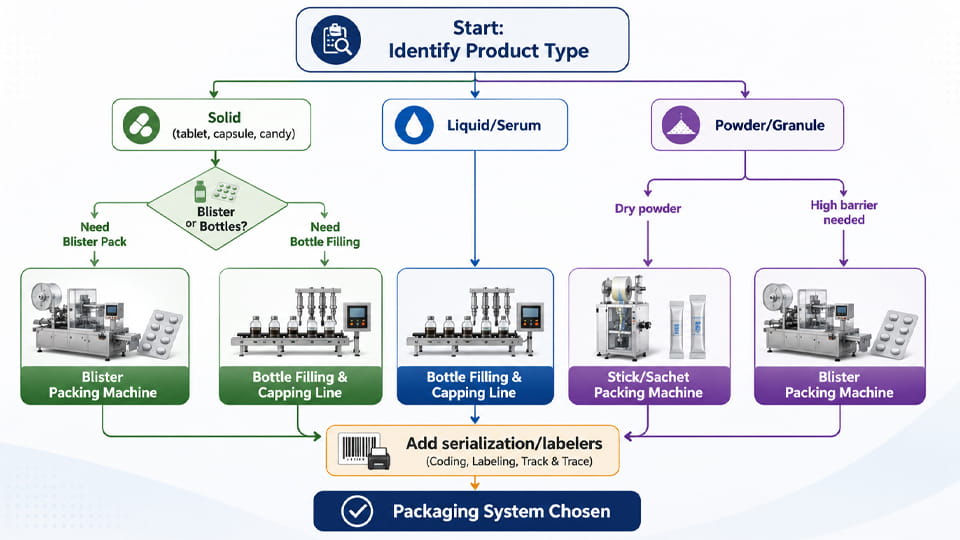
Dòng chảy này nổi bật: chọn bao bì định dạng (vỉ vs chai vs túi, vân vân.) dựa trên hình thức sản phẩm và nhu cầu ổn định, sau đó chọn dòng máy tương ứng. Ví dụ, máy tính bảng nhạy cảm với nhiệt độ có thể thúc đẩy việc sử dụng mụn nước dạng lạnh thay vì chai (để đảm bảo rào cản oxy/độ ẩm).
TRONG thiết kế, máy dược phẩm thường bao gồm tự động hóa nhiều hơn để làm sạch và truy xuất nguồn gốc. Ví dụ, chất độn cho thuốc tiêm chạy dưới tủ dòng chảy tầng, trong khi băng tải thực phẩm có thể mở trong phòng lạnh. Cả hai đều phải đáp ứng tiêu chuẩn vệ sinh, nhưng sự nghiêm ngặt và xác nhận khác nhau.
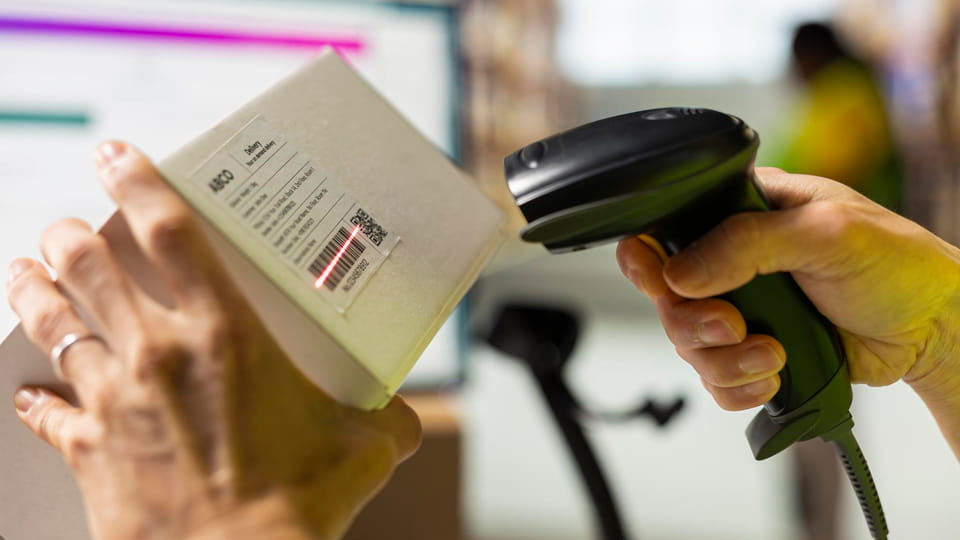
Bao bì dược phẩm yêu cầu ghi nhãn và theo dõi cực kỳ chính xác. Mỗi gói thuốc thường hiển thị tên sản phẩm chính xác, sức mạnh, số lô, ngày hết hạn, và đôi khi là các mã nối tiếp duy nhất để theo dõi và theo dõi (ví dụ. dưới nước Mỹ. luật DSCSA). Hướng dẫn của FDA đã áp đặt số sê-ri cho nhiều loại thuốc, yêu cầu mã vạch duy nhất trên các gói đơn vị. Điều này đảm bảo rằng lô bị thu hồi có thể được truy tìm tới từng mặt hàng. Ngược lại, Nhãn bao bì thực phẩm phải có danh sách thành phần, tấm dinh dưỡng, và trọng lượng tịnh theo quy định của FDA, nhưng việc xê-ri hóa đơn vị riêng lẻ thường không bắt buộc (ngoại trừ có thể dành cho một số sản phẩm bổ sung hoặc thị trường nhất định).
Bằng chứng giả mạo cũng mạnh hơn đối với thuốc - mỗi vỉ hoặc lọ thường có tem niêm phong bị phá hủy khi mở ra. Jinlu lưu ý rằng mã vạch nối tiếp và con dấu chống giả mạo trên mỗi đơn vị là tiêu chuẩn trong dược phẩm để chống hàng giả. Trong thực phẩm, các dải và con dấu chống giả mạo được sử dụng (ví dụ. vòng an toàn trên chai soda, con dấu cảm ứng trên mũ), nhưng thực phẩm phục vụ một lần có thể chỉ dựa vào những con dấu còn nguyên vẹn (giống như con dấu nhiệt gói) với sự tuần tự hóa ít trang trọng hơn.
Hệ thống truy xuất nguồn gốc trong dược phẩm ngày càng kỹ thuật số hơn (hồ sơ lô điện tử, tài liệu GMP). Truy xuất nguồn gốc thực phẩm tập trung vào số lô và nguồn gốc (hãy nghĩ đến “từ trang trại đến bàn ăn” để đảm bảo an toàn) nhưng thường ít chi tiết hơn ở cấp độ người tiêu dùng. Tóm lại, Bao bì dược phẩm đầu tư mạnh vào công nghệ xê-ri hóa trên dây chuyền (in và quét mã vạch), trong khi các dòng thực phẩm nhấn mạnh tốc độ ghi nhãn và đảm bảo tất cả thông tin cần thiết (ví dụ. biểu tượng chất gây dị ứng, sự thật dinh dưỡng) được in chính xác.
Cả hai ngành đang hướng tới bao bì xanh hơn, nhưng trình điều khiển và giải pháp khác nhau. Trong dược phẩm, có nỗ lực giảm thiểu chất thải và sử dụng các vật liệu có thể tái chế/phân hủy sinh học nếu có thể. Ví dụ, các nhà sản xuất đang khám phá vật liệu đơn sắc màng vỉ và bìa carton tái chế để đóng gói thứ cấp. Một xu hướng là thay thế các tờ giấy in bằng thông tin kỹ thuật số để tiết kiệm giấy. Tuy nhiên, mọi thay đổi vẫn phải tuân thủ yêu cầu về độ ổn định, vì vậy những đổi mới thường bắt đầu ở lớp thứ hai hoặc thứ ba.
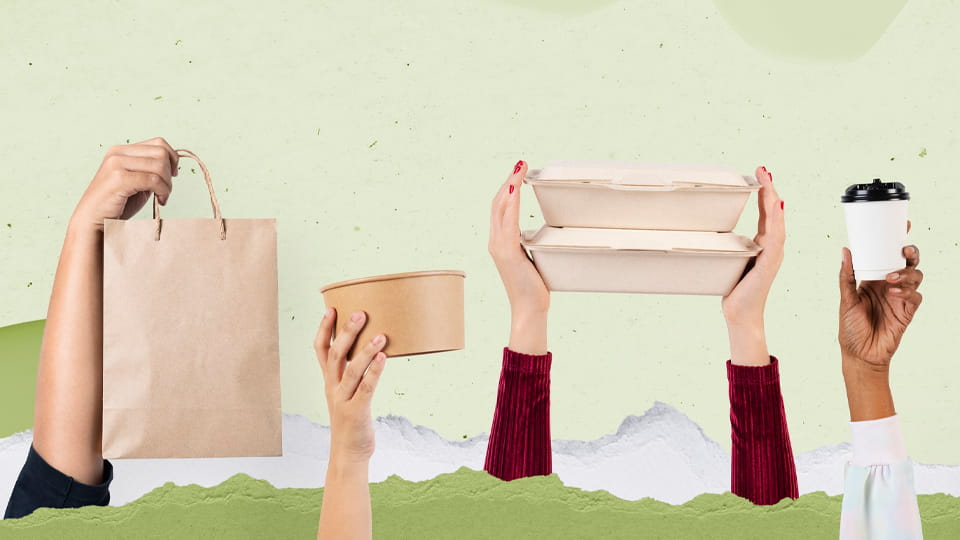
Trong thực phẩm, tính bền vững thường có nghĩa là bao bì nhẹ, vật liệu có thể phân hủy, và giảm thiểu đồ nhựa dùng một lần. Nhiều khu vực đang ban hành luật chống lại một số loại vật liệu không thể tái chế. Đáng chú ý, gói gia vị (túi đựng giấy bạc/khăn giấy) đang bị loại bỏ ở một số thị trường bởi 2030 ủng hộ các lựa chọn thay thế có thể nạp lại hoặc tái chế. Các thương hiệu thực phẩm lớn cũng đang tìm kiếm màng đơn chất có thể tái chế. Cả hai ngành đều coi trọng việc giảm lượng khí thải carbon, nhưng các công ty dược phẩm phải cân bằng giữa mục tiêu sinh thái với nhu cầu tối cao về bảo vệ sản phẩm.
(Họ): “Tính bền vững là xu hướng chính: các công ty đang thiết kế bao bì bằng vật liệu có thể tái chế hoặc phân hủy sinh học và giảm lượng bao bì dư thừa. Ví dụ, giấy carton hiện nay thường sử dụng nội dung tái chế, và màng đơn chất liệu được chọn để tái chế dễ dàng hơn.”
(Hướng dẫn sốt cà chua): “Các thương hiệu có ý thức về môi trường tìm kiếm sự nhẹ nhàng hơn, tùy chọn có thể tái chế. Trong thực tế, một số khu vực thậm chí còn loại bỏ dần các gói gia vị dùng một lần bằng cách 2030, đẩy các nhà sản xuất về phía túi bền vững hoặc các giải pháp có thể nạp lại.”
Những xu hướng này có nghĩa là thiết bị cũng có thể thích ứng: máy có thể xử lý nhựa tái chế, hoặc các dây chuyền được thiết kế để thay đổi vật liệu dễ dàng hơn đang trở nên có giá trị.
Khi lựa chọn thiết bị đóng gói dược phẩm hoặc thực phẩm, Xem xét các yếu tố sau:
Trong thực tế, làm việc với nhà sản xuất (giống Đóng gói Jinlu) để phân tích các yếu tố này. Ví dụ, Đội ngũ kỹ thuật của Jinlu có thể đề xuất một làm đầy chai tích hợp & dây chuyền đóng thùng để được bổ sung mới, hoặc một giải pháp đóng gói túi mô-đun cho một loại si-rô đặc biệt.
Jinlu Packaging chuyên cung cấp giải pháp đóng gói chìa khóa trao tay cho dược phẩm Và sản phẩm thực phẩm/dinh dưỡng. Máy móc của chúng tôi được thiết kế để đáp ứng các tiêu chuẩn nghiêm ngặt của GMP (CN, FDA, Chứng chỉ ISO) trong khi cung cấp sự linh hoạt. Ưu điểm chính bao gồm:
Với 30+ năm trong máy móc đóng gói dược phẩm, Jinlu được các nhà lãnh đạo ngành tin tưởng để cung cấp thiết bị an toàn Và hiệu quả đóng gói thuốc và thực phẩm như nhau. Liên hệ với chúng tôi để thảo luận về cách máy của chúng tôi (giống Máy đóng gói vỉ, Máy đếm, Máy đóng thùng, Đóng gói gói, hoặc Chất làm đầy túi làm sẵn) có thể đáp ứng mục tiêu sản xuất của bạn.
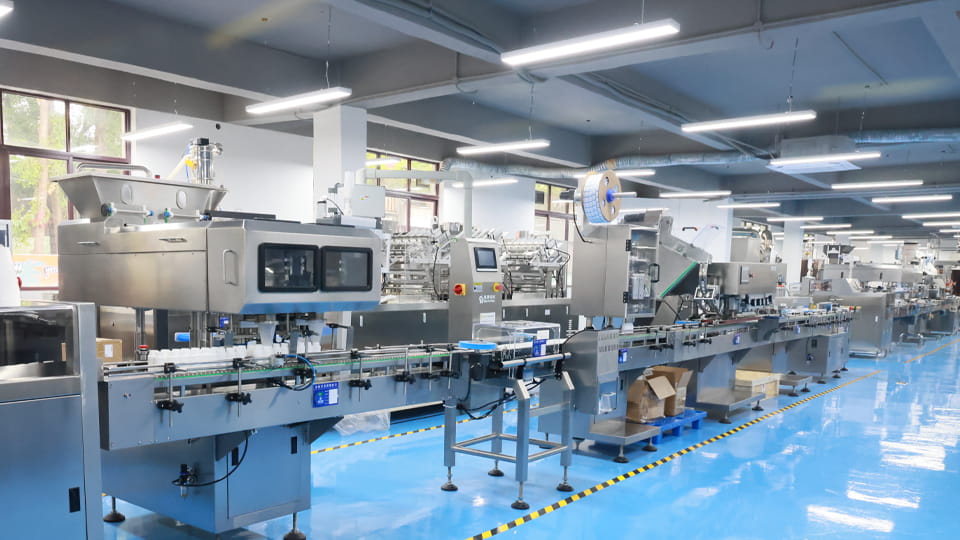
Kết luận, Bao bì dược phẩm vs Bao bì thực phẩm có những ưu tiên khác nhau mặc dù cả hai đều nhằm mục đích bảo vệ sản phẩm. Bao bì dược phẩm được hướng dẫn bởi các quy định nghiêm ngặt của GMP và nhấn mạnh tính vô trùng, truy xuất nguồn gốc, và tính toàn vẹn của rào cản. Bao bì thực phẩm nhấn mạnh an toàn thực phẩm (ngăn ngừa hư hỏng/mối nguy hiểm) và tính thực tiễn (trị giá, sự tiện lợi) theo các quy tắc HACCP và tiếp xúc với thực phẩm. Lựa chọn vật liệu, thiết kế máy móc, và ghi nhãn phản ánh những ưu tiên này: dòng dược phẩm thường chạy trong môi trường được kiểm soát với tính năng tuần tự hóa, trong khi dòng thức ăn chạy ở tốc độ cao với thiết kế hợp vệ sinh.
Bằng cách hiểu những khác biệt này, kỹ sư đóng gói và người mua có thể chọn giải pháp phù hợp. Ví dụ, một nhà sản xuất thuốc có thể chọn dây chuyền sản xuất vỉ có rào cản cao với số sê-ri tích hợp để đáp ứng các quy định của FDA và EU. Một nhà sản xuất đồ ăn nhẹ có thể chọn VFFS nhiều làn để đạt hiệu quả, đảm bảo phim được FDA chấp thuận. Cả hai đều có thể tìm được công nghệ phù hợp: Jinlu Packing cung cấp máy móc được chế tạo cho cả hai thế giới, từ vỉ tuân thủ GMP đến hệ thống túi linh hoạt. Cuối cùng, đáp ứng nhu cầu về chất lượng và an toàn của sản phẩm cuối cùng—đồng thời tuân thủ các quy tắc của từng ngành—là mục tiêu chính của bất kỳ hệ thống đóng gói nào.
Bao bì dược phẩm ưu tiên vô trùng nghiêm ngặt và tuân thủ quy định. Nó thường liên quan đến rào cản cao hơn, vật liệu cấp y tế và các tính năng chống giả mạo để bảo vệ thuốc theo quy định cGMP. Bao bì thực phẩm ưu tiên độ tươi ngon, an toàn (ngăn ngừa hư hỏng/mối nguy hiểm) theo quy định HACCP và quy định tiếp xúc với thực phẩm, thường sử dụng vật liệu nhẹ hơn hoặc có thể tái chế.
Đạo luật an ninh chuỗi cung ứng thuốc (DSCSA) và các luật tương tự yêu cầu số sê-ri duy nhất trên từng gói thuốc để cho phép theo dõi trong suốt chuỗi cung ứng. Điều này giúp ngăn chặn thuốc giả và cho phép thu hồi chính xác. Những yêu cầu như vậy không tồn tại đối với hầu hết các loại thực phẩm, vì vậy việc truy tìm theo dãy thường không được thực hiện ở cấp đơn vị trong bao bì thực phẩm.
Một số máy (như dụng cụ đóng vỉ hoặc chất độn túi) có thể được sử dụng trong cả hai ngành nếu được làm sạch và xác nhận đúng cách. Ví dụ, Máy đóng vỉ của Jinlu đóng gói cả dạng viên và dạng thức ăn (mứt, đồ ăn nhẹ) bằng cách chuyển đổi vật liệu và cài đặt. Tuy nhiên, thiết bị phải được vệ sinh kỹ lưỡng giữa các lần sử dụng và có thể cần nâng cấp (như bộ lọc HEPA bổ sung hoặc tài liệu GMP) đáp ứng tiêu chuẩn dược phẩm.
Ở Mỹ, tất cả các thành phần đóng gói thực phẩm phải là chất tiếp xúc với thực phẩm được FDA chấp thuận (FCS) trước khi tiếp thị. Điều này có nghĩa là bất kỳ loại nhựa nào, lớp phủ, mực, hoặc chất kết dính tiếp xúc với thực phẩm phải nằm trong danh sách của FDA hoặc được thông báo. Nhãn và bao bì cũng phải tuân theo quy định ghi nhãn thực phẩm của FDA (danh sách thành phần, sự thật dinh dưỡng). Các nhà sản xuất thực phẩm sử dụng HACCP và GMP để đảm bảo quy trình đóng gói an toàn.
Lựa chọn dựa trên sản phẩm và nhu cầu sản xuất. Máy đóng gói túi làm sẵn sử dụng in sẵn, túi có thể khóa lại và rất phù hợp cho các sản phẩm đặc biệt hoặc có rào cản cao (ví dụ. Vitamin, nước trái cây) với sự thay đổi nhanh chóng. Máy VFFS tạo hình túi nhanh chóng từ màng cuộn và vượt trội ở tốc độ cao, số lượng lớn các sản phẩm tiêu chuẩn (đồ ăn nhẹ, bột) với chi phí vật liệu thấp hơn. Đánh giá định dạng túi của bạn, nhu cầu thông lượng, và yêu cầu linh hoạt để quyết định.
Tài liệu tham khảo:
1.Thực hành sản xuất tốt hiện tại (Cgmp) Quy định | FDA -- CHÚNG TA. Cục Quản lý Thực phẩm và Dược phẩm
2.21 Phần CFR 211 – Phần G – Kiểm soát đóng gói và ghi nhãn --- Viện thông tin pháp luật
3.Bao bì & Chất tiếp xúc với thực phẩm (FCS) -- CHÚNG TA. Cục Quản lý Thực phẩm và Dược phẩm
4.Thực hành sản xuất và phân phối tốt --- Ủy ban Châu Âu
5.Thực hành sản xuất tốt hiện nay (CGMP) cho thực phẩm và thực phẩm bổ sung -- CHÚNG TA. Cục Quản lý Thực phẩm và Dược phẩm