Bao bì cà phê đóng vai trò vai trò then chốt trong việc bảo quản chất lượng sản phẩm, đảm bảo sự tiện lợi, và thu hút khách hàng. Cho dù bạn là nhà rang xay hay một thương hiệu nhỏ, lựa chọn bao bì cà phê phù hợp sẽ giữ cho hạt cà phê hoặc bã cà phê của bạn luôn tươi ngon, bảo vệ mùi thơm của họ, và truyền đạt câu chuyện thương hiệu của bạn. Túi hoặc túi đựng phù hợp không chỉ chặn oxy, độ ẩm, và ánh sáng, mà còn phục vụ như một bảng quảng cáo di động cho quán cà phê của bạn. Từ túi lót giấy bạc cổ điển đến túi có thể phân hủy hiện đại, hướng dẫn này bao gồm mọi thứ bạn cần biết về bao bì cà phê – từ vật liệu và định dạng đến tự động hóa máy móc và 2026 xu hướng. Hãy cùng tìm hiểu và giúp bạn chọn giải pháp tốt nhất cho sản phẩm cà phê của mình.
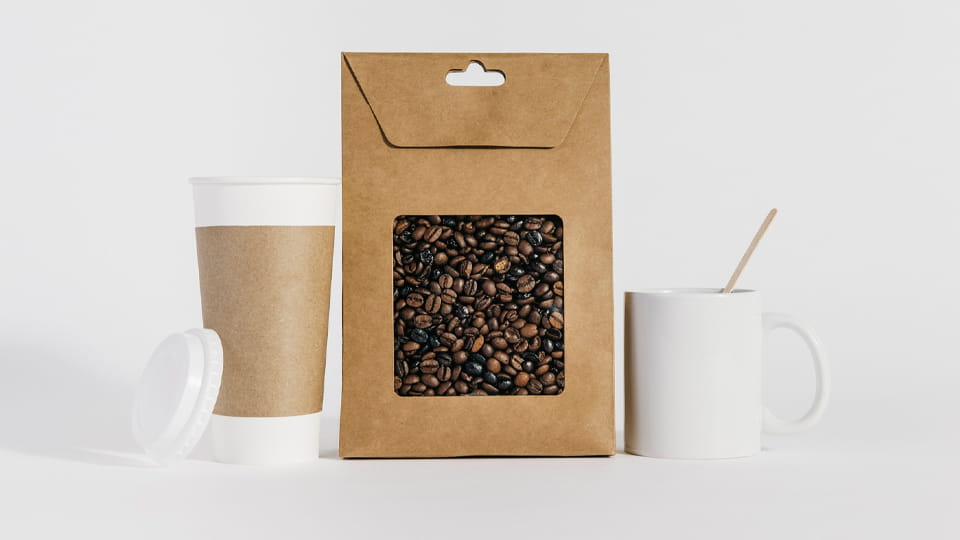
Tại sao bao bì cà phê lại quan trọng
Cà phê là một loại thực phẩm, vậy nó sự tươi mát và hương vị bắt đầu với bao bì. Bao bì có lớp chắn chắc chắn sẽ ngăn không khí cũ và hơi ẩm làm hỏng hạt rang. Trong thực tế, túi phù hợp có thể giữ hương thơm trong nhiều tháng. Ví dụ, túi giấy bạc có rào cản cao với van khử khí một chiều có thể giữ cà phê tươi đến một năm hoặc hơn, trong khi những chiếc túi giấy đơn giản không có lớp lót chỉ có thể tồn tại được vài ngày. Cân bằng độ tươi, trị giá, và tính bền vững là chìa khóa; như một ghi chú hướng dẫn, “Bao bì tốt nhất cân bằng độ tươi, trị giá, và sự bền vững”. Bao bì tốt bảo vệ sản phẩm trong quá trình vận chuyển và bảo quản, và cả kể câu chuyện thương hiệu của bạn với thiết kế và nhãn. Tóm lại, Bao bì là ấn tượng đầu tiên – nó phải giữ cho cà phê tươi Và bán thương hiệu của bạn.
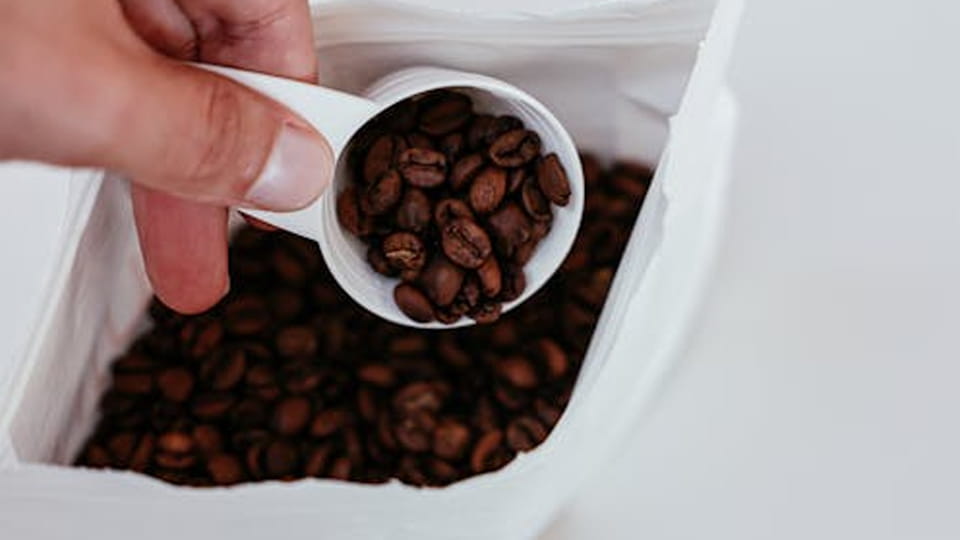
Các định dạng bao bì cà phê phổ biến
Cà phê có thể được đóng gói ở nhiều định dạng, mỗi cái đều có lợi ích riêng. Dưới đây là các loại chính bao bì cà phê bạn sẽ gặp phải:
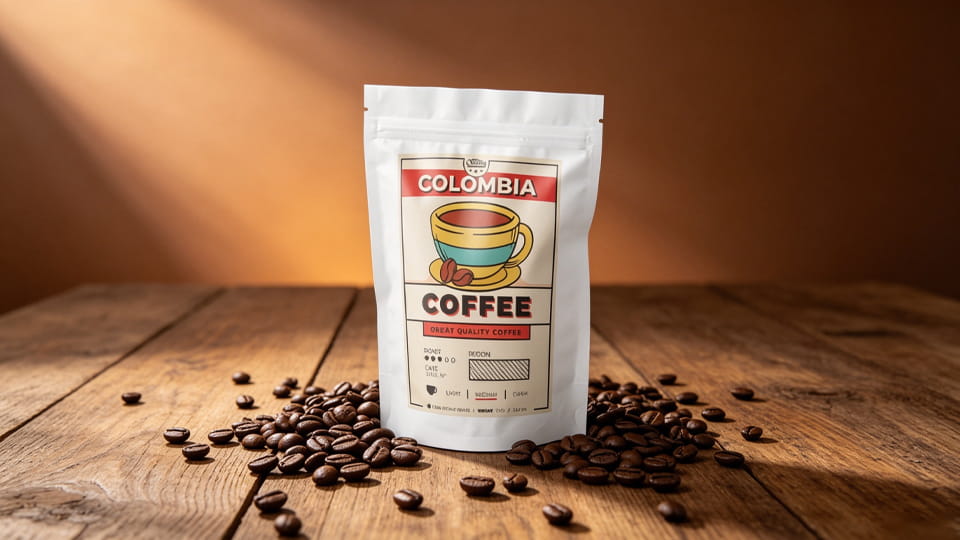
- Túi đứng (Doypack):
Túi đứng (còn được gọi là doypack) rất phổ biến đối với cà phê xay và đậu nguyên hạt. Những chiếc túi này có đáy phẳng để chúng đứng thẳng trên kệ. Chúng thường bao gồm một dây kéo có thể khóa lại được, làm cho chúng thuận tiện cho người tiêu dùng. Người cao, bề mặt phẳng cung cấp không gian rộng rãi cho sự sống động thiết kế bao bì cà phê và thương hiệu. Bởi vì họ đứng lên, họ thu hút sự chú ý trong cửa hàng hoặc trên các trang cửa hàng trực tuyến. Túi đứng có thể đựng bất cứ thứ gì từ gói cà phê đen đến hỗn hợp có hương vị, và chúng thường bao gồm một chiều van khử khí để thải ra khí mới nướng trong khi vẫn giữ được oxy.
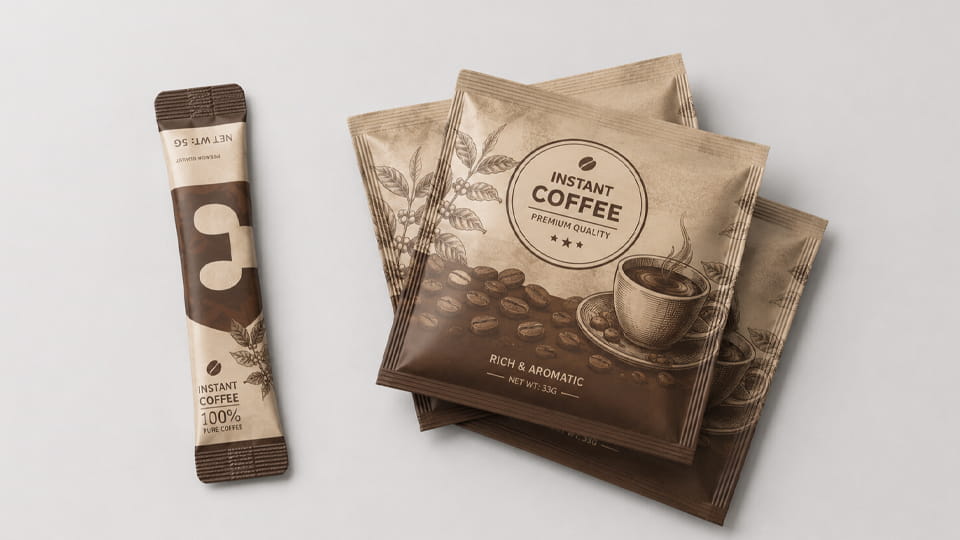
- Gói và gói dính:
Gói dùng một lần giống gói dính và gói mảnh khảnh, gói nhẹ lý tưởng cho khẩu phần một cốc. Gói (gói phẳng) và gói dính (dài, túi mỏng) thường được làm từ màng nhiều lớp và rất tốt cho cà phê hòa tan hoặc sử dụng khi đang di chuyển. Chúng dễ rách và đổ, và họ giảm lãng phí bao bì vì họ sử dụng ít vật liệu hơn so với túi cồng kềnh. Jinlupacking lưu ý rằng thiết kế thanh mảnh của gói dạng que không chỉ trông đẹp mắt trên kệ mà còn “giảm lãng phí vật liệu, biến chúng thành một lựa chọn thân thiện với môi trường”. Nhiều khách du lịch và nhân viên văn phòng yêu thích những gói này để nghỉ giải lao nhanh chóng.
- Túi gạch chân không (Gạch cà phê hút chân không):
Túi gạch chân không được thực hiện bằng cách loại bỏ gần như toàn bộ không khí ra khỏi gói và nén cà phê thành một khối hình chữ nhật dày đặc. Kết quả là một “viên gạch” nhỏ gọn có thể xếp chồng hiệu quả, bảo vệ sản phẩm khỏi oxy, và kéo dài thời hạn sử dụng một cách đáng kể. Phong cách đóng gói này được các thương hiệu lớn như dung nham Và Illy cho sản phẩm cà phê đóng gói chân không. Không giống như túi đứng có van khử khí một chiều, Túi gạch chân không thường được sử dụng cho cà phê xay hoặc cà phê đã thải ra phần lớn lượng CO₂. Đậu nguyên hạt mới rang tiếp tục khử khí sau khi rang, vì vậy chúng thường phù hợp với túi có van hơn là túi chân không đầy đủ. Túi gạch chân không được ưa chuộng vì chúng làm giảm khối lượng gói hàng, chi phí vận chuyển thấp hơn, và cung cấp sự bảo vệ tuyệt vời chống lại quá trình oxy hóa.
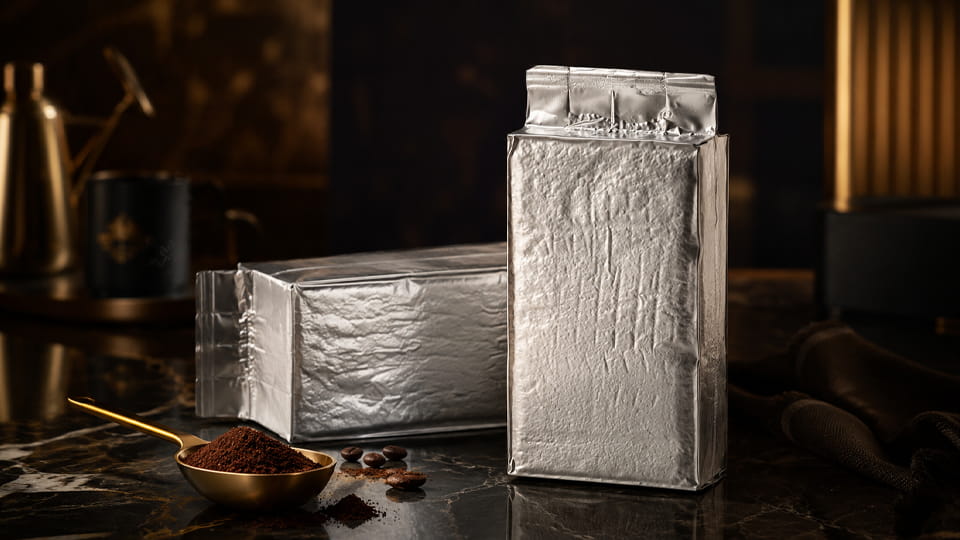
- Lon và lọ cứng:
Để có vẻ ngoài cao cấp, một số thương hiệu đóng gói cà phê trong lon kim loại hoặc lọ thủy tinh. Những thùng chứa cứng nhắc này được kín gió và chặn ánh sáng, giúp giữ cà phê tươi. Một lọ hoặc lon kín thậm chí có thể đi kèm với muỗng hoặc nắp đặc biệt để giữ mùi thơm. Họ cảm thấy cao cấp và thường xuất hiện trong các bộ quà tặng hoặc cửa hàng đặc sản. Sự đánh đổi là trọng lượng và chi phí: lon và lọ đắt hơn và nặng hơn khi vận chuyển so với túi mềm.
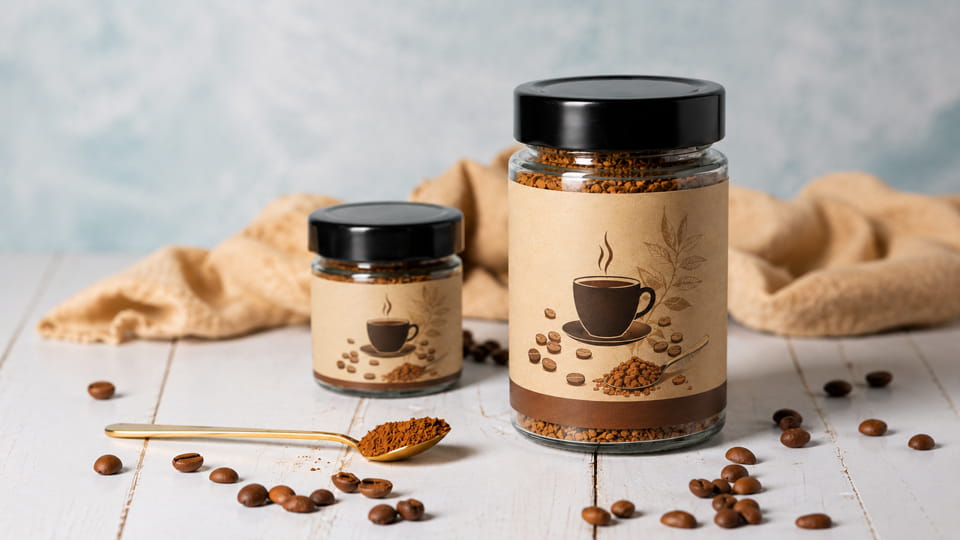
- Túi đáy phẳng và các loại khác:
Ngoài túi đứng, Có túi đáy phẳng, túi bốn kín, và thậm chí cả hình dạng tùy chỉnh. Túi đáy phẳng (giống như những gì bạn thấy ở một số nhãn hiệu đậu) cung cấp khả năng xếp chồng ổn định trên kệ. Một số bao bì được thiết kế dưới dạng hộp hoặc thùng carton bao quanh túi để tăng cường bảo vệ. Viên nang hoặc vỏ cà phê cũng là một định dạng (thích hợp và máy cụ thể). Sự lựa chọn phụ thuộc vào sản phẩm của bạn: cà phê nguyên hạt và cà phê xay lớn hơn thường được đựng trong túi hoặc túi nhỏ, trong khi cà phê hòa tan có thể ở dạng túi hoặc lọ. Như một chuyên gia đã nói, “Cân bằng mọi yếu tố – tươi ngon, Thương hiệu, tính bền vững và chi phí – để tìm được bao bì phù hợp”.
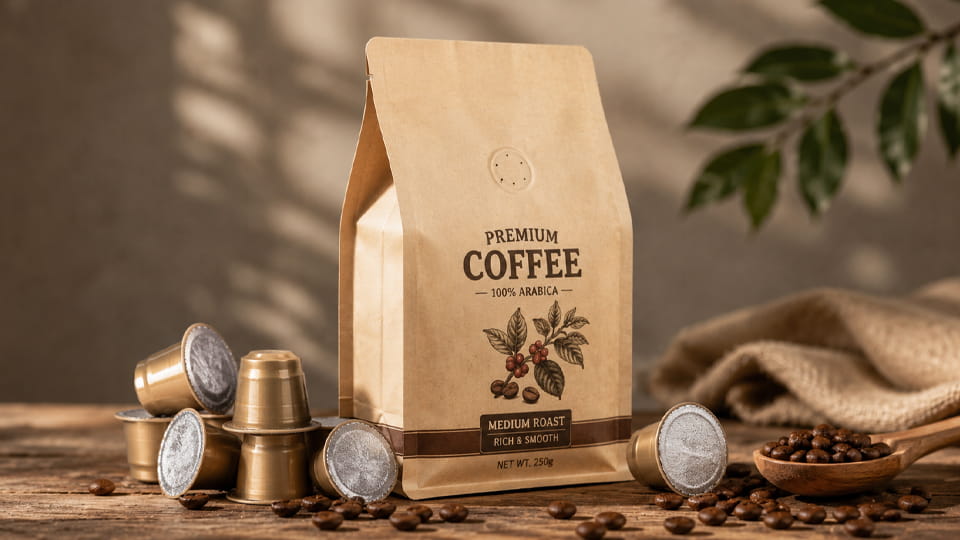
Vật liệu đóng gói: So sánh và lựa chọn
Các vật liệu của gói là rất quan trọng để giữ cho cà phê tươi. Các vật liệu khác nhau mang lại sự cân bằng trong việc bảo vệ hàng rào, trị giá, và tác động sinh thái:
- Túi nhiều lớp: Lá chắn cao (thường là nhôm) là tiêu chuẩn vàng cho sự tươi ngon. Túi lót giấy bạc có thể chặn ôxy, độ ẩm, và tia UV, kéo dài đáng kể thời hạn sử dụng. Những túi như vậy có thể được đóng gói chân không hoặc có van khử khí., có khả năng giữ cà phê tươi trong một năm hoặc hơn. Nhược điểm là túi giấy bạc nhiều lớp đắt tiền và khó tái chế, vì họ trộn lẫn kim loại và nhựa. Sử dụng chúng khi độ tươi ngon hàng đầu là ưu tiên hàng đầu.
- Phim nhiều lớp nhựa: Hầu hết các túi cà phê thông thường đều sử dụng màng nhựa nhiều lớp (ví dụ. PET/PE, PET/giấy bạc/PE). Đây là những trọng lượng nhẹ và linh hoạt. Họ vẫn đưa ra những rào cản tốt (đặc biệt nếu chúng bao gồm các lớp lá mỏng hoặc EVOH) – thường đủ để giữ độ tươi từ 6–12 tháng. Nhiều chiếc có vết rách hoặc dây kéo có thể khóa lại được. Nhược điểm: nhựa tiêu chuẩn không thể phân hủy sinh học, và các tấm laminate phức tạp có thể khó tái chế. Tuy nhiên, mới hơn vật liệu đơn sắc phim (tất cả một polyme) và nhựa có hàm lượng tái chế đang nổi lên để cải thiện điều này.
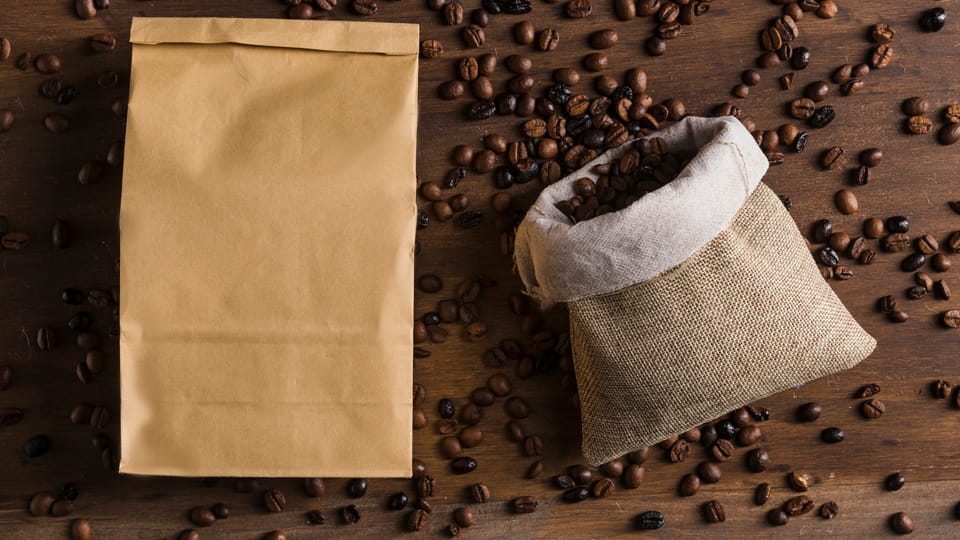
- Túi giấy và túi kraft: 100% giấy kraft có khả năng phân hủy sinh học và mang lại cảm giác tự nhiên, cái nhìn thân thiện với môi trường. Giấy nguyên chất, Tuy nhiên, hầu như không có rào cản đối với oxy hoặc độ ẩm – cà phê của bạn sẽ bị ôi thiu sau vài ngày. Để khắc phục điều này, hầu hết các túi kraft đều có lớp lót bên trong (giấy bạc hoặc nhựa) hoặc khóa zip. Kết quả là một túi giấy bên ngoài: bên ngoài trông mộc mạc, bên trong nó vẫn che chắn không khí. Chúng rẻ hơn và nhẹ hơn túi giấy bạc nhưng thường có thời hạn sử dụng ngắn hơn. Nhiều thương hiệu hữu cơ hoặc sản xuất theo lô nhỏ sử dụng túi kraft để báo hiệu sự bền vững, ngay cả khi cà phê không tươi lâu.
- Phim có thể phân hủy/dựa trên sinh học: Phim làm từ PLA, xenluloza, hoặc hỗn hợp tinh bột phân hủy trong phân trộn. Túi cà phê có thể phân hủy tồn tại và đang trở nên phổ biến đối với các công ty quan tâm đến môi trường. Họ thường hy sinh một số hiệu suất rào cản và đắt hơn. Ví dụ, túi có thể phân hủy thường cần dày hơn hoặc nhiều lớp (hoặc chất hấp thụ oxy) bảo vệ cà phê. Họ cũng có thể yêu cầu tốc độ đóng gói chậm hơn. Tóm lại, những thứ có thể phân hủy được là một điều tuyệt vời giải pháp để giảm rác thải nhựa, nhưng hãy suy nghĩ xem thời hạn sử dụng hoặc giá thành ngắn hơn của chúng có phù hợp với sản phẩm của bạn không.
- Vật liệu khác: Bao bì đặc biệt bao gồm cứng nhắc lon kim loại (nhôm/thép) Và lọ thủy tinh. Lon rất bền và bịt kín hoàn hảo nhưng lại tăng thêm trọng lượng và chi phí. Lọ thủy tinh trông cao cấp và thân thiện với việc tái sử dụng. Hộp thiếc hay lọ thường thấy với cà phê cao cấp hoặc quà tặng, nhưng chúng ít phổ biến hơn đối với cà phê xay hàng ngày do giá thành.
Tóm lại, chọn vật liệu đóng gói dựa trên thời gian bạn cần để bảo quản độ tươi, ngân sách của bạn, và hình ảnh thương hiệu của bạn. Giấy bạc có rào cản cao giữ cho cà phê tươi nhất, trong khi các giải pháp dựa trên giấy hoặc có thể phân hủy giành chiến thắng về tính bền vững. Nhiều thương hiệu cuối cùng đã sử dụng lai thiết kế (giấy bên ngoài, giấy bạc bên trong) hoặc các loại phim tái chế mới để tận dụng tối đa cả hai thế giới.
Tính năng đóng gói thiết yếu
Ngoài định dạng và chất liệu, thông minh tính năng đóng gói có thể tạo ra sự khác biệt lớn:
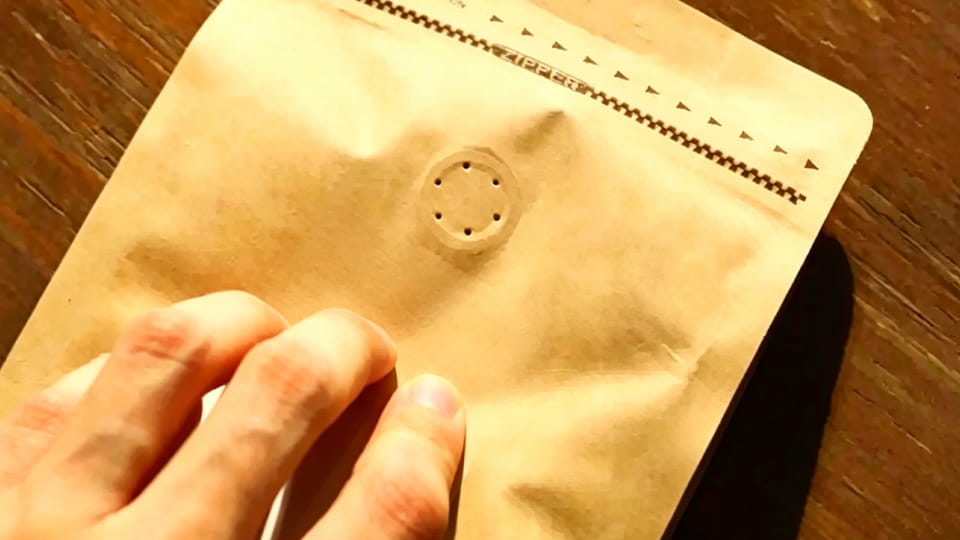
- Van khử khí: Cà phê mới rang thải ra carbon dioxide (CO₂) trong nhiều ngày sau đó. Nếu bạn niêm phong tất cả trong, túi có thể phồng lên hoặc thậm chí vỡ. Một chiều van khử khí lỗ thông hơi thoát ra trong khi vẫn giữ không khí thoát ra ngoài. Điều này giúp giữ được độ tươi và giúp túi không bị phồng lên. Về mặt thực tế, Túi cà phê có van sẽ nằm phẳng sau vài ngày và cà phê bên trong tươi lâu hơn. Không có van, CO₂ bị mắc kẹt có thể đẩy nhanh quá trình ôi thiu hoặc làm hỏng gói hàng. Đối với túi bán lẻ lớn hơn (1 lb, 2 lb, vân vân.), van thường phải có. Những gói nhỏ dùng một lần hoặc lọ nhỏ thường bỏ qua chúng, vì chúng được tiêu thụ nhanh chóng và không giữ được nhiều khí.
- Dây kéo hoặc đóng cửa có thể khóa lại: Dây kéo có thể khóa lại (ổ khóa zip) để người tiêu dùng mở và đóng túi nhiều lần mà không bị đổ. Điều này cực kỳ thuận tiện cho người dùng gia đình. Túi có khóa kéo khuyến khích khách hàng giữ kín cà phê còn lại. (Ngay cả túi hút chân không cũng thường có khóa kéo để bạn có thể khóa lại sau khi mở.) Nhiều túi doypack và túi đáy phẳng có khóa zip. Đây là một sự bổ sung chi phí thấp giúp cải thiện thời hạn sử dụng sau khi mở. Đặc biệt đối với gói nhiều cốc, một con dấu tốt là chìa khóa.
- Vết rách và dễ mở: Góc nhọn hoặc rãnh xé phía trên giúp khách hàng mở túi sạch sẽ. Đó là một chi tiết thiết kế nhỏ, nhưng gói hàng giòn hoặc khó mở có thể khiến người dùng thất vọng. Đảm bảo thiết kế túi của bạn cho phép mở lần đầu dễ dàng.
- In/Ghi nhãn tùy chỉnh: Bắt mắt thiết kế bao bì cà phê có thể biến người duyệt thành người mua. Túi in đủ màu có logo của bạn, câu chuyện, và hình ảnh sẽ giúp sản phẩm của bạn nổi bật. Luôn bao gồm ghi nhãn rõ ràng (ngày nướng, nguồn gốc, thành phần). Ở nhiều thị trường, truyền đạt rõ ràng về hồ sơ nguồn gốc và hương vị tạo dựng niềm tin. Tuy nhiên, luôn tuân thủ luật ghi nhãn địa phương (Ví dụ, danh sách thành phần, cân nặng, và mã vạch).
- Tiện ích bổ sung bảo vệ: Một số thương hiệu xả gói bằng khí trơ (nitơ) trước khi niêm phong; việc này sẽ thay thế oxy và thường được thực hiện trước khi lắp van vào. Các loại khác hút chân không bằng máy. Jinlupacking lưu ý rằng túi hút chân không có thể giữ cà phê tươi trong nhiều năm, và sau khi mở chúng thường có thể khóa lại được. Đây là những hoạt động nâng cao hơn (thường được sử dụng bởi các nhà rang xay lớn hơn). Đối với các nhà sản xuất nhỏ hơn, đảm bảo vật liệu chắn tốt và sử dụng van hoặc khóa kéo thường là đủ.
Về bản chất, tính năng như van một chiều, ổ khóa zip, và in ấn chất lượng cao biến một chiếc túi đơn giản thành một gói cà phê hiệu suất cao. Hãy suy nghĩ về cách khách hàng của bạn sẽ mở và tái sử dụng túi, và thiết kế cho trải nghiệm đó.
Giải pháp đóng gói cà phê bền vững
TRONG 2026, tính bền vững không chỉ là một từ thông dụng - đó là một kỳ vọng. Nhiều người uống cà phê và cơ quan quản lý mong muốn bao bì thân thiện với môi trường. Dưới đây là một số hiện tại bao bì bền vững xu hướng và giải pháp:
- Túi có thể tái chế và chất liệu đơn: Luật đóng gói (như quy định EPR) đang thúc đẩy các thương hiệu sử dụng vật liệu có thể tái chế. Phim đơn chất (tất cả một polyme) có thể đi vào các dòng tái chế hiện có, không giống như tấm hỗn hợp. Ví dụ, một số túi được làm hoàn toàn bằng PE hoặc PP có thể tái chế và không có giấy bạc. Điều này cho phép các thương hiệu tuyên bố “có thể tái chế rộng rãi”. Theo các chuyên gia về bao bì, hướng tới các cấu trúc vật liệu đơn cộng với nội dung tái chế (PCR) là một sự kết hợp thông minh.
- Tái chế sau tiêu dùng (PCR) Nội dung: Sử dụng nhựa PCR trong túi của bạn làm giảm đáng kể lượng khí thải carbon. Jinlupacking lưu ý rằng việc đổi nhựa nguyên chất lấy PCR giảm đáng kể lượng khí thải carbon. Nhiều thương hiệu hiện nay cung cấp sản phẩm “được làm bằng 30% bao bì nhựa tái chế”. Khách hàng cảm thấy vui vì mỗi chiếc túi đều sử dụng nhựa phế thải. Điều này cũng dự đoán luật khu vực yêu cầu hàm lượng tái chế trong bao bì nhựa.
- Túi có thể phân hủy và phân hủy sinh học: Như đã đề cập ở trên, một số công ty sử dụng PLA hoặc màng sinh học khác. Túi có thể phân hủy sẽ bị hỏng trong quá trình ủ phân công nghiệp. Đây là PR tuyệt vời, nhưng hãy cẩn thận: túi có thể phân hủy vẫn cần phải thực hiện (thông thường chúng có lớp lót hoặc lớp rào chắn). Đảm bảo có cơ sở hạ tầng phân bón tại thị trường của bạn. Bạn có thể sử dụng màng có thể phân hủy + lớp lót bên trong thiết kế.
- Thiết kế nhẹ và tối giản: Ít vật liệu hơn có nghĩa là ít chất thải hơn và giảm lượng khí thải vận chuyển. Bao bì linh hoạt vốn sử dụng ít vật liệu hơn so với lọ hoặc lon cứng có cùng thể tích. Thiết kế chiều cao ngắn hơn, màng mỏng hơn, và loại bỏ bao bì dư thừa (không có hộp hoặc phụ kiện bổ sung) tất cả cắt giảm chất thải. Một số công ty cũng in lượng mực tối thiểu (chỉ có màu đen/trắng) giảm năng lượng trong sản xuất.
- Xu hướng quy định: Các quốc gia như Anh và EU đang yêu cầu nhiều khả năng tái chế bao bì và nội dung tái chế hơn. Trách nhiệm mở rộng của nhà sản xuất (EPR) phí có thể phạt các thiết kế khó tái chế. Như một báo cáo lưu ý, quyết định đóng gói bây giờ ảnh hưởng đến chi phí tuân thủ trong tương lai. Các thương hiệu xuất khẩu toàn cầu nên theo dõi những xu hướng này: lựa chọn bao bì cà phê thân thiện với môi trường hơn bây giờ có thể tránh được phí cao hơn sau này. Dành cho doanh nghiệp nhỏ, thật khôn ngoan khi kiểm tra các quy tắc của thị trường mục tiêu của bạn (Ví dụ, có thể in được “tái chế tôi” logo, hoặc tránh sử dụng tấm nhựa PVC).
- Nhận thức về dấu chân carbon: Ngoài khả năng tái chế vật liệu, xem xét chi phí carbon của sự lựa chọn bao bì của bạn. Một số công ty bù đắp lượng khí thải bao bì của họ thông qua các dự án hoặc bằng cách sử dụng vật liệu có hàm lượng carbon thấp. Ví dụ, lá nhôm có dấu chân cao hơn giấy. Nếu sử dụng túi giấy bạc, tìm kiếm sự bù đắp được chứng nhận hoặc xem xét phương pháp kết hợp (giấy + lá mỏng). Bao bì có căn cứ nhấn mạnh rằng mọi vật liệu đều có sự cân bằng về lượng carbon và tính tuần hoàn. Làm cho bao bì của bạn nhẹ hơn và sạch hơn luôn có ích.
- Xu hướng cho 2026 và hơn thế nữa: Bao bì thông minh và tương tác cũng đang nổi lên. Mã QR trên túi cà phê có thể cho người tiêu dùng biết về nguồn gốc, ngày rang, hoặc thậm chí các mẹo pha chế – không cần thêm tài liệu quảng cáo bằng giấy. Một số thương hiệu sử dụng ứng dụng để thưởng cho việc tái chế. Về mặt chất liệu, nghiên cứu về túi có thể phân hủy tại nhà và các polyme mới vẫn tiếp tục. Luôn linh hoạt và cởi mở với các giải pháp mới sẽ giúp bao bì của bạn luôn dẫn đầu. Điều quan trọng là nói với khách hàng rằng bao bì của bạn quan tâm đến hành tinh, trong khi vẫn bảo vệ cà phê của họ.
Tóm lại, giải pháp đóng gói cà phê bền vững bao gồm các túi vật liệu đơn có thể tái chế, PCR nhựa, thiết kế giấy + lót, và vật liệu có thể phân hủy. Kết hợp những điều này với thiết kế có ý thức (ít vật chất hơn, chương trình bù đắp) để đáp ứng cả mong đợi của khách hàng và nhu cầu pháp lý.
Máy đóng gói cà phê và tự động hóa
Dành cho doanh nghiệp kinh doanh cà phê khối lượng vừa và lớn, thiết bị đóng gói tự động đảm bảo tính nhất quán và hiệu quả. Dưới đây là tóm tắt nhanh về những điểm chung máy đóng gói cà phê:
-
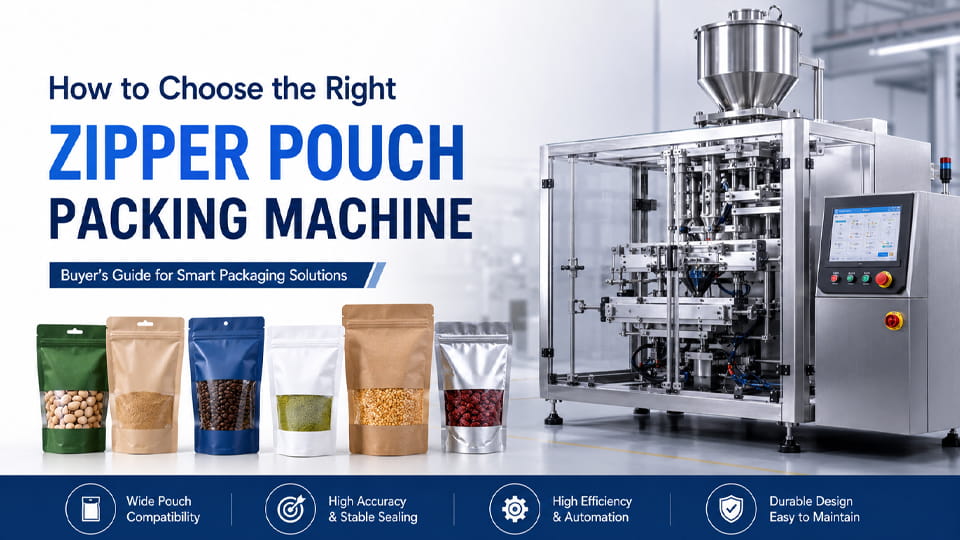
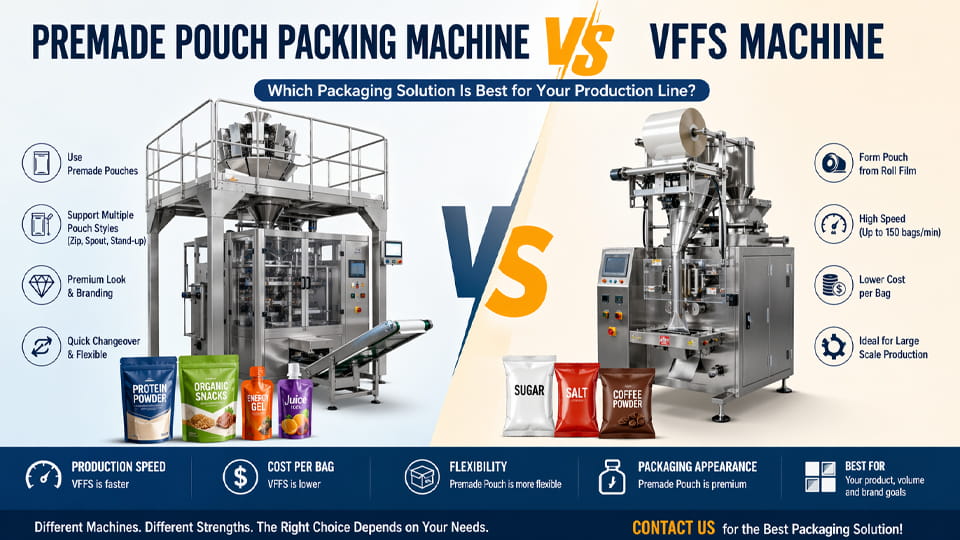
- Chất làm đầy túi làm sẵn: Những máy này xử lý các túi đứng hoặc túi đã được làm sẵn. Một cánh tay robot hoặc hệ thống quay sẽ nhấc từng túi lên, mở nó ra, đổ đầy cà phê (theo trọng lượng hoặc khối lượng), và niêm phong nó. Chất độn túi làm sẵn là lựa chọn lý tưởng cho túi in theo yêu cầu (giống như doypack mang thương hiệu của bạn) và thường có thể thêm khóa kéo hoặc in nhãn một cách nhanh chóng. Họ linh hoạt và có sự thay đổi nhanh chóng. Ví dụ, một máy đóng túi làm sẵn có thể lấp đầy 50 túi mỗi phút cà phê xay.

- Mẫu-Điền-Dấu (VFF) Máy móc: Máy VFFS tạo hình túi từ cuộn phim, điền vào chúng, sau đó niêm phong. Chúng phổ biến trong dây chuyền đóng gói cà phê. Một FFS dọc có thể tạo ra các gói gối hoặc túi có dây đeo mà không cần túi làm sẵn. Những máy này rất tốt cho sản xuất tốc độ cao. Một VFFS có thể bơm ra hàng trăm gói cà phê mỗi phút. Nếu bạn đang tự làm gói dạng que hoặc gói từ nguyên liệu cuộn, VFFS hoặc máy đóng gói que là lựa chọn phù hợp.
- Máy đóng gói dạng que/gói: Được thiết kế đặc biệt cho các định dạng phục vụ đơn, những máy này niêm phong các gói thanh hẹp hoặc gói nhỏ sau khi đổ đầy. Họ thường có nhiều làn đường (8 hoặc hơn) để điền vào nhiều gậy cùng một lúc. Họ tự động cắt và niêm phong từng gói. Dành cho một quán cà phê bận rộn pha hàng trăm que latte mỗi giờ, một máy đóng gói que là cần thiết.

- Viên nang cà phê và chất độn vỏ: Nếu bạn sản xuất viên nang cà phê hoặc cốc K, chuyên Máy làm đầy viên nang vỏ chứa trọng lượng và nắp đậy kín. Chúng khác với máy đóng bao nhưng là một phần của danh mục rộng hơn thiết bị đóng gói cà phê. Các nhà rang xay lớn hơn có thể vận hành dây chuyền viên nang ngoài túi.
- thùng carton & Giấy gói co lại: Sau khi các túi được đóng gói, nhiều công ty đóng hộp chúng. Vì điều đó, thùng carton quay hoặc ngang có thể nhóm các túi cà phê vào thùng hoặc khay. Ngoài ra, một trình bao bọc co lại có thể gói các gói (giống như sáu gói vỏ quả). Những dòng này thêm dòng bổ sung nhưng hoàn thành quá trình đóng gói. Ngay cả những máy bán tự động đơn giản cũng có thể sắp xếp các túi vào hộp để chạy với số lượng nhỏ hơn.

- Thiết bị phụ trợ: Đừng quên máy cân kiểm tra, máy dò kim loại, hoặc dụng cụ dán nhãn. Ví dụ, sau khi đóng gói, đôi khi chúng tôi dán nhãn lên mặt trước hoặc mặt sau của mỗi túi. Có thể sử dụng băng tải trục vít hoặc gầu nâng cấp thực phẩm để di chuyển đậu từ phễu đến cân. Trên sàn đóng gói của chúng tôi, chúng tôi mong muốn tạo ra các dây chuyền tích hợp đầy đủ – bộ tháo phim tự tải, robot chọn và đặt, vân vân. Càng tự động hóa, Hoạt động đóng gói của bạn sẽ càng ổn định và an toàn hơn.
Nói chung, Jinlupacking và các nhà sản xuất tương tự chế tạo máy móc tự động hóa các quy trình này. Ví dụ, như một nguồn giải thích, “Các định dạng phổ biến bao gồm túi đứng, gậy, gói, viên nang cà phê. Đối với túi đứng, sử dụng máy đóng túi làm sẵn. Đối với gậy và gói, máy đóng gói dính. Máy làm viên nang được sử dụng cho viên nang cà phê”. Đầu tư vào máy móc phù hợp đảm bảo cà phê của bạn được đóng gói chính xác, đạt tiêu chuẩn an toàn thực phẩm, và cắt giảm chi phí lao động. Các doanh nghiệp nhỏ có thể bắt đầu với máy hàn cầm tay hoặc máy bán tự động, nhưng các thương hiệu đang phát triển thường chuyển sang dây chuyền tự động để đảm bảo tính nhất quán.
Đặt tất cả lại với nhau
Bao bì cà phê tốt tạo ra sự cân bằng: bảo vệ sản phẩm, làm hài lòng khách hàng, Và phù hợp với thương hiệu của bạn. Bắt đầu bằng cách hỏi cà phê của bạn cần gì: nó sẽ kéo dài bao lâu, ai sẽ mua nó, và hình ảnh bạn muốn. Chọn một định dạng (túi, cái túi, Có thể) phù hợp với khối lượng và khách hàng của bạn (ví dụ. hành khách bận rộn thích gói dính, những người uống rượu tại nhà thích những chiếc túi có thể khóa lại). Sau đó chọn vật liệu – giấy bạc để có tuổi thọ cao nhất, giấy kraft để tạo sự hấp dẫn tự nhiên, hoặc một bộ phim sinh thái mới để nổi bật.
Sử dụng các tính năng quan trọng: van để giữ cho cà phê không bị ôi thiu, dây kéo để tái sử dụng, và ghi nhãn rõ ràng để kể câu chuyện của bạn. Đừng quên thiết kế: thậm chí đơn giản, bao bì rõ ràng có thể mạnh mẽ. Xu hướng hiện đại trong 2026 ưa chuộng thiết kế tối giản, tông màu đất, hoặc đồ họa đậm nét tùy theo đối tượng khách hàng mục tiêu. Hình ảnh chất lượng hoặc kiểu chữ đậm có thể làm cho gói hàng của bạn nổi bật trên kệ hoặc trong cửa hàng trực tuyến.
Đóng gói có vẻ như là bước cuối cùng, nhưng nó rất quan trọng. Làm đúng, nó giữ cho cà phê của bạn có hương vị tuyệt vời và thể hiện thương hiệu của bạn. Làm sai, ngay cả những hạt cà phê tốt nhất cũng có thể làm người tiêu dùng thất vọng. Bằng cách suy nghĩ sớm về việc đóng gói và lựa chọn các phương án phù hợp – từ kiểu dáng túi, chất liệu cho đến máy móc – bạn đảm bảo con đường vận chuyển suôn sẻ từ nhà rang xay đến cốc cà phê của khách hàng.
Tôi hy vọng hướng dẫn này đã mang lại cho bạn những hiểu biết thực tế (và một chút nhiệt huyết cà phê!). Nếu bạn đang tìm kiếm thiết bị đóng gói, Hãy thoải mái liên hệ với chúng tôi tại Jinlu Packing. Chúng tôi chuyên về máy đóng gói cà phê và các giải pháp phù hợp với nhu cầu của bạn, và chúng tôi luôn ở đây để giúp các chuyên gia cà phê thành công.
Câu hỏi thường gặp về Bao bì Cà phê
Bao bì cà phê tốt nhất cho sự tươi mát là gì?
Bao bì cà phê tốt nhất để giữ độ tươi là túi có độ chắn cao với van khử khí một chiều. Thiết lập này cho phép carbon dioxide do đậu mới rang thoát ra ngoài đồng thời ngăn oxy và hơi ẩm xâm nhập vào.
Đối với hầu hết các thương hiệu cà phê đặc sản, các lựa chọn hiệu quả nhất là túi đứng, Túi đáy phẳng, và túi đeo hông làm từ vật liệu rào cản như PET/AL/PE hoặc PET/VMPET/PE.
Nếu mục tiêu của bạn là bảo quản hương thơm và kéo dài thời hạn sử dụng, đây thường là giải pháp đóng gói cà phê tốt nhất.
Tại sao túi cà phê cần van khử khí?
Cà phê mới rang tiếp tục thải ra CO₂ trong vài ngày sau khi rang. Nếu khí không thể thoát ra, túi có thể phồng lên hoặc thậm chí vỡ.
Van khử khí một chiều giải quyết vấn đề này bằng cách cho phép khí bên trong thoát ra đồng thời chặn không khí bên ngoài xâm nhập vào. Thành phần đơn giản này đóng một vai trò quan trọng trong việc duy trì độ tươi và bảo vệ hương vị.
Đó là lý do tại sao hầu hết bao bì hạt cà phê cao cấp đều có van.
Các định dạng bao bì cà phê phổ biến nhất là gì?
Một số kiểu dáng bao bì được sử dụng rộng rãi trong ngành cà phê, mỗi cái đều có ưu điểm riêng.
Túi đứng rất phổ biến cho cà phê đặc sản vì chúng mang lại sự hiện diện tuyệt vời trên kệ và khả năng đóng lại. Túi đáy phẳng mang lại vẻ ngoài cao cấp và không gian thương hiệu bổ sung. Túi đeo bên hông là một dạng truyền thống thường được sử dụng cho 500 g và 1 gói kg.
Túi gạch chân không thường xuyên được sử dụng đựng cà phê xay, trong khi gói dạng thanh và viên nang là lý tưởng cho các ứng dụng dùng một lần.
Sự lựa chọn tốt nhất tùy thuộc vào loại sản phẩm của bạn, thị trường mục tiêu, và ngân sách đóng gói.
Những vật liệu nào được sử dụng trong bao bì cà phê?
Vật liệu đóng gói cà phê được lựa chọn chủ yếu dựa trên hiệu suất rào cản.
Cấu trúc phổ biến bao gồm PET/AL/PE để bảo vệ tối đa, PET/VMPET/PE là giải pháp thay thế tiết kiệm chi phí, và giấy kraft cán mỏng để có vẻ ngoài tự nhiên. Màng PE và PP nguyên liệu có thể tái chế đang ngày càng trở nên phổ biến như một giải pháp đóng gói cà phê bền vững.
Chất liệu bạn chọn phải cân bằng được thời hạn sử dụng, mục tiêu xây dựng thương hiệu, mục tiêu bền vững, và chi phí.
Cà phê tươi trong bao bì kín bao lâu?
Thời hạn sử dụng tùy thuộc vào loại sản phẩm, vật liệu đóng gói, và lượng oxy dư.
Cà phê nguyên hạt được đóng gói trong túi van bằng vật liệu có độ rào cản cao thường giữ được độ tươi lâu 6 ĐẾN 12 tháng. Cà phê xay có thể để được trong khoảng thời gian tương tự, trong khi túi gạch chân không có thể kéo dài thời hạn sử dụng đến 12 ĐẾN 18 tháng.
Viên nang cà phê thường duy trì chất lượng lên đến 24 tháng do môi trường kín của chúng.
Sự khác biệt giữa túi van và túi gạch chân không?
Túi van và túi gạch chân không phục vụ các mục đích khác nhau.
Túi van được thiết kế để đựng hạt cà phê mới rang tiếp tục thải ra CO₂. Van một chiều giúp khí thoát ra ngoài mà không cho oxy vào.
Túi gạch chân không loại bỏ gần như toàn bộ không khí và nén cà phê thành khối hình chữ nhật dày đặc. Chúng thường được sử dụng cho cà phê xay và có khả năng bảo vệ tuyệt vời chống lại quá trình oxy hóa.
Nếu bạn đóng gói đậu tươi nguyên hạt, túi van nói chung là lựa chọn tốt hơn.
Máy nào được sử dụng để đóng gói cà phê?
Một dây chuyền đóng gói cà phê điển hình có thể bao gồm hệ thống cân, que, máy đóng gói túi, hệ thống xả nitơ, và thiết bị kiểm tra cuối cùng.
Máy đóng gói túi làm sẵn thường được sử dụng cho túi đứng và túi đáy phẳng. Máy đóng dấu dạng đứng thích hợp cho sản xuất tốc độ cao. Máy đóng gói chân không là cần thiết cho túi gạch.
Máy đóng gói cà phê phù hợp phụ thuộc vào dạng túi, Đặc điểm sản phẩm, và tốc độ sản xuất mong muốn.
Doanh nghiệp cà phê nhỏ có thể sử dụng máy đóng gói tự động không??
Đúng. Nhiều nhà rang xay cà phê vừa và nhỏ bắt đầu bằng máy đóng gói túi cà phê nhỏ gọn.
Những máy này được thiết kế để dễ vận hành, Kích thước túi linh hoạt, và tiết kiệm chi phí. Chúng cho phép các doanh nghiệp nhỏ hơn sản xuất bao bì trông chuyên nghiệp mà không cần đầu tư vào dây chuyền tự động quy mô lớn.
Dành cho người khởi nghiệp và thương hiệu đang phát triển, tự động hóa thường cải thiện tính nhất quán và giảm chi phí lao động.
Lựa chọn đóng gói cà phê bền vững nhất là gì?
Các giải pháp đóng gói cà phê bền vững nhất hiện nay bao gồm túi nguyên liệu đơn có thể tái chế, kết cấu nhẹ, và phim chứa nội dung tái chế sau tiêu dùng.
Vật liệu có thể phân hủy cũng có sẵn, nhưng chúng có thể mang lại hiệu suất rào cản thấp hơn và thời hạn sử dụng ngắn hơn.
Cách tiếp cận thiết thực nhất là chọn bao bì cân bằng giữa mục tiêu môi trường với khả năng bảo vệ cần thiết để giữ cho cà phê luôn tươi.
Làm thế nào để chọn đúng nhà sản xuất máy đóng gói cà phê?
Khi đánh giá một nhà sản xuất máy đóng gói cà phê, nhìn xa hơn giá cả.
Hãy xem xét kinh nghiệm của họ với các ứng dụng cà phê, khả năng xử lý nhiều định dạng túi, sự sẵn có của các tùy chọn xả nitơ và lắp van, và chất lượng hỗ trợ sau bán hàng.
Một nhà cung cấp đáng tin cậy cũng nên cung cấp dịch vụ kiểm tra máy, hỗ trợ cài đặt, đào tạo điều hành, và hỗ trợ phụ tùng.
Tài liệu tham khảo:
1.Bao bì & Chất tiếp xúc với thực phẩm (FCS) -- CHÚNG TA. Cục Quản lý Thực phẩm và Dược phẩm
2.Ảnh hưởng của các phương pháp bảo quản cà phê khác nhau đến độ tươi của cà phê sau khi mở bao bì —— Khoa học trực tiếp
3.Van khử khí cho bao bì cà phê -- Nông
4.Một cách tiếp cận khác để kiểm soát sự thẩm thấu oxy qua viên nang cà phê liều đơn —— Khoa học trực tiếp
5.Sự đa dạng và thời hạn sử dụng của cà phê đóng gói trong viên nang —— Khoa học trực tiếp