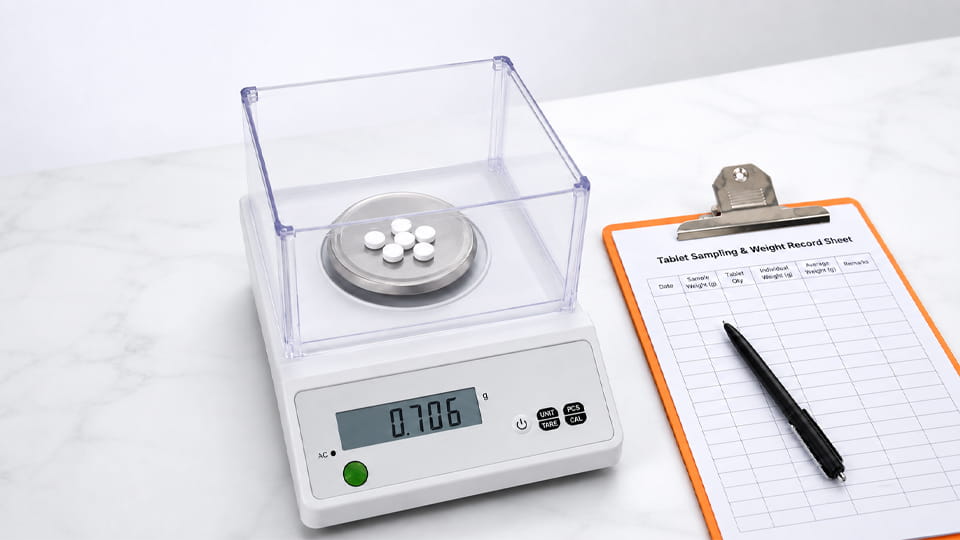

Bột hoặc hạt được đưa vào khuôn và được nén bằng chày trên và chày dưới. máy nén máy tính bảng. Cùng nhau, những cú đấm và khuôn này tạo thành hình dạng và liều lượng cuối cùng của viên thuốc. Mỗi vòng quay của tháp pháo của máy ép có một chày ở trên và một chày ở dưới khuôn. Khi những cú đấm chạm vào nhau với áp suất cao, một chiếc máy tính bảng được hình thành. Nói một cách đơn giản, Dụng cụ ép viên dùng để chỉ bộ đột và khuôn mà máy dập viên sử dụng để làm thuốc.
Trong sản xuất máy tính bảng, đấm và chết – gọi chung là dụng cụ ép máy tính bảng - xác định mọi kích thước máy tính bảng, hình dáng và chất lượng. Cho dù bạn gọi nó là máy tính bảng, máy làm viên thuốc, hoặc máy ép viên quay, công cụ bên trong thực hiện công việc lập bảng thực sự. Việc lựa chọn tiêu chuẩn dụng cụ phù hợp là rất quan trọng. Các tiêu chuẩn phổ biến nhất là dụng cụ B, Dụng cụ D, và các biến thể nhỏ hơn của chúng là BB và DB. Mỗi tiêu chuẩn quy định đường kính nòng và khuôn khác nhau, làm cho chúng phù hợp với kích thước máy tính bảng và máy cụ thể. Hướng dẫn này chia nhỏ những gì B, D, Ý nghĩa của công cụ BB và DB, chúng khác nhau như thế nào, và cách chọn công cụ tốt nhất cho máy sản xuất máy tính bảng của bạn.
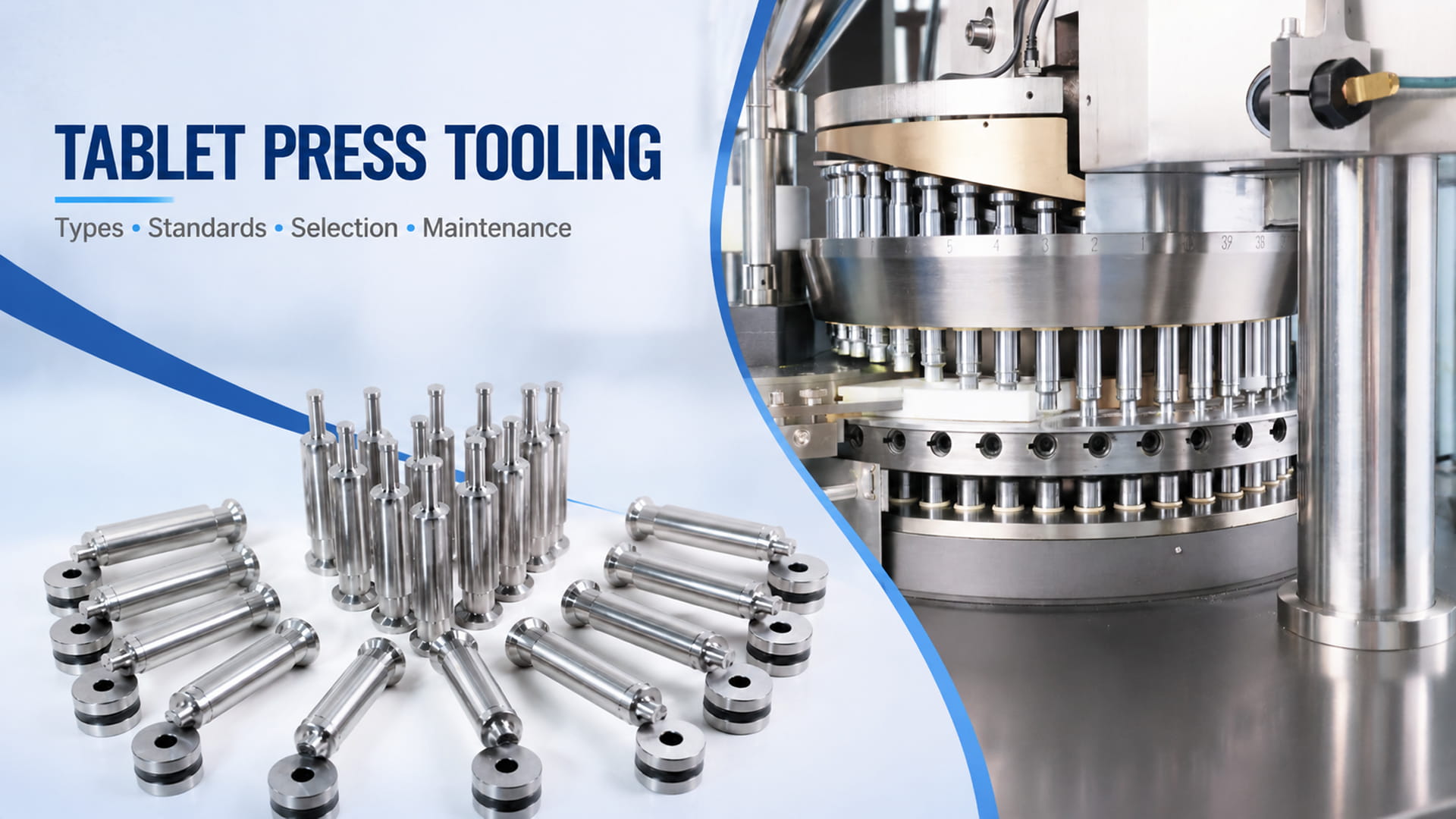
Dụng cụ trên máy ép viên đề cập đến cặp đấm và chết tạo hình và nén bột thành viên. Khuôn là một khoang rỗng (thường tròn) xác định đường kính và độ dày của máy tính bảng, trong khi đấm (trên và dưới) lắp vào khuôn từ trên xuống dưới để nén bột. Thiết yếu, công cụ chi phối hình dạng của máy tính bảng và phải phù hợp chính xác với báo chí. Dụng cụ phù hợp đảm bảo trọng lượng đồng đều, độ dày và dấu ấn trên máy tính bảng. Dụng cụ chất lượng cao (làm bằng thép cứng như GCR-15) cũng chống mài mòn và tránh các vấn đề như đóng nắp hoặc cán màng.
Có các tiêu chuẩn dụng cụ quốc tế khác nhau. Ở Bắc Mỹ, tiêu chuẩn AAP/TSM là phổ biến, trong khi ISO 18084 (Châu Âu) tiêu chuẩn được sử dụng trên toàn cầu. Trong các tiêu chuẩn này, công cụ ép máy tính bảng được phân loại theo các loại kích thước: B, D, BB, và công cụ DB. Mỗi lớp có đường kính nòng và khuôn cố định (và độ cao), từ đó kiểm soát đường kính máy tính bảng tối đa. Ví dụ, Đóng gói Jinlu lưu ý rằng tất cả dụng cụ phải phù hợp với kích thước của tháp pháo và máy tính bảng – nhỏ 6–8mm viên nhai sử dụng công cụ BB, Máy tính bảng 12–13mm tiêu chuẩn sử dụng dụng cụ B, và máy tính bảng lớn 25+mm cần dụng cụ D.
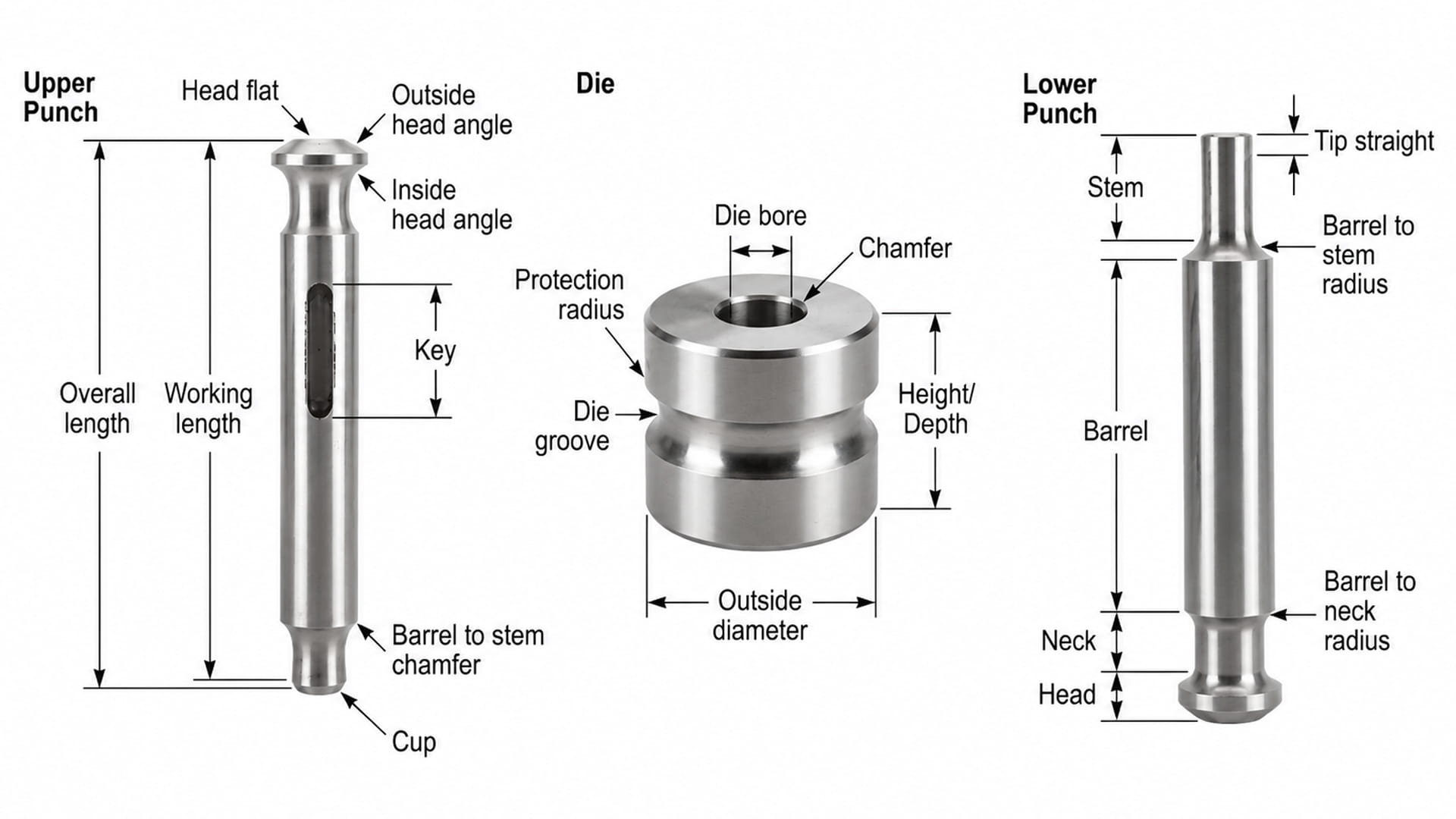
Các sản phẩm máy tính bảng khác nhau yêu cầu cấu hình dụng cụ khác nhau để đạt được chất lượng máy tính bảng ổn định và hiệu suất sản xuất ổn định. Trong máy nén máy tính bảng, các loại dụng cụ ép máy tính bảng phổ biến nhất bao gồm dụng cụ B, Dụng cụ D, Dụng cụ BB, và công cụ DB. Các tùy chọn dụng cụ này chủ yếu khác nhau về kích thước chày, kích thước khuôn, khả năng nén, và các ứng dụng máy tính bảng phù hợp. Hiểu được sự khác biệt giữa các loại dụng cụ này giúp các nhà sản xuất dược phẩm, kỹ sư sản xuất, và người dùng máy chọn thiết lập phù hợp cho máy tính bảng của họ.
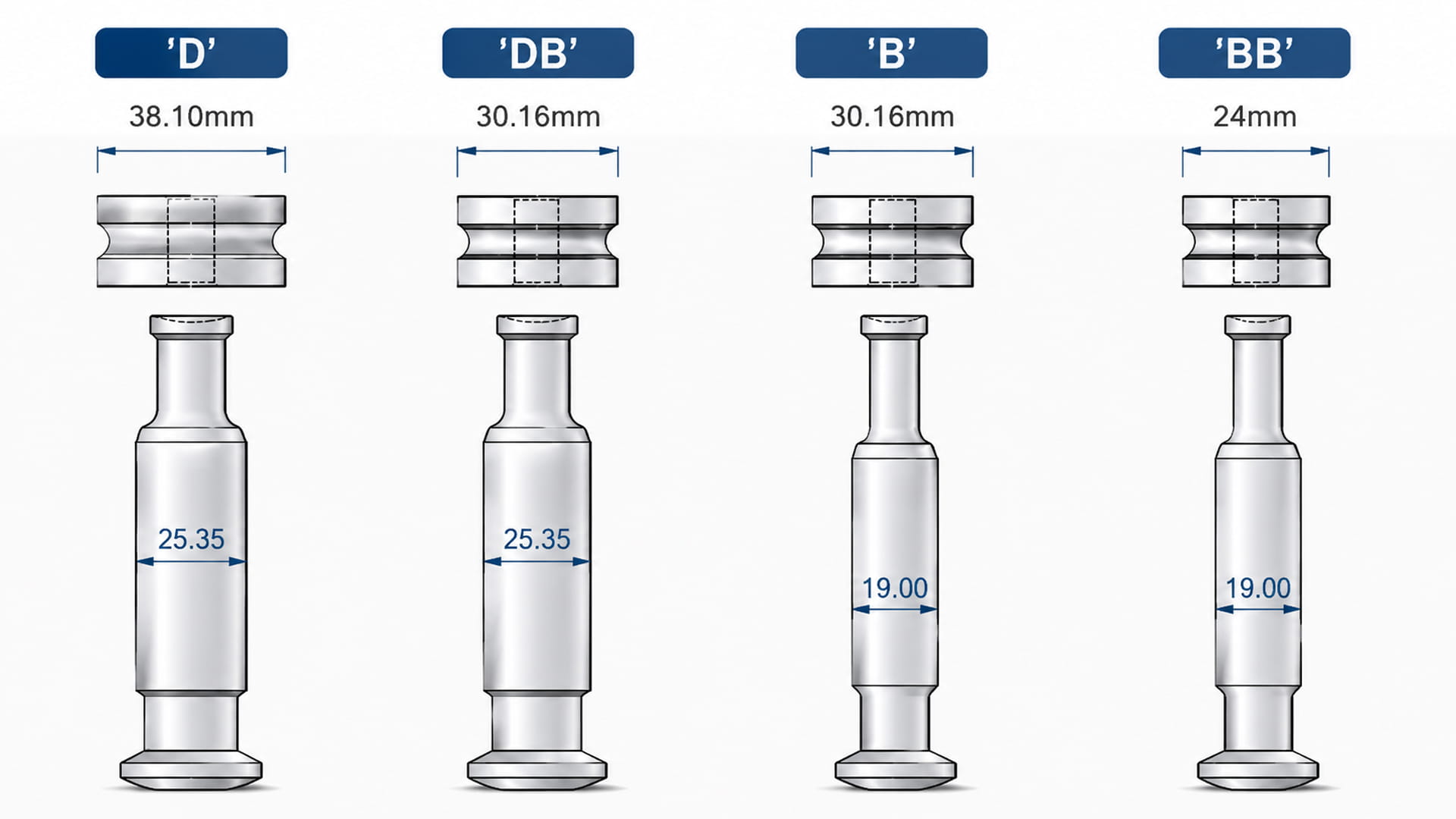
Trong ngành dược phẩm, Dụng cụ loại B là một trong những tiêu chuẩn phổ biến nhất. Dụng cụ B sử dụng một 19.0 mm đấm thùng và một 30.16 đường kính ngoài mm (CỦA). Cú đấm của nó có hình chiếu đặc biệt mặt bích hoặc môi trên đầu, khóa vào tháp pháo. Nói cách khác, cú đấm B có vành nâng lên mà một kẹp khóa tham gia.
Công cụ B rất linh hoạt. Nó có một đầu đấm lõm (hình cốc) và một khuôn tròn, và nó tương thích với hầu hết các loại máy tính bảng hiện đại (Ví dụ, nhiều phương tiện- đến máy ép quay tốc độ cao từ Fette, Có, Manesty, vân vân. là loại B). Công cụ này được sử dụng cho máy tính bảng rắn tiêu chuẩn với nhiều kích cỡ khác nhau (thường tròn khoảng 4–16 mm, hoặc thậm chí lên tới ~19 mm đối với hình dạng). Các ứng dụng phổ biến bao gồm viên nén tròn và hình bầu dục thông thường như vitamin, chất bổ sung, và viên dược phẩm cần có kích thước và liều lượng vừa phải.
Dụng cụ B phổ biến vì nó có sẵn rộng rãi và tiết kiệm chi phí cho sản xuất số lượng lớn. MỘT 30.16 khuôn mm có thể tạo ra viên thuốc có đường kính lên tới ~16–18 mm (vòng tròn) hoặc có hình dạng hơn một chút. Ví dụ, hầu hết các dây chuyền sản xuất thuốc nhỏ/vừa sẽ sử dụng công cụ B để đạt hiệu quả và tính linh hoạt.
Dụng cụ loại D được thiết kế cho máy tính bảng lớn hơn hoặc dày hơn. Nòng đục lỗ dụng cụ D lớn hơn (25.35 đường kính mm) và OD chết là 38.10 mm. Không giống như dụng cụ B, một cú đấm loại D có không có vành hoặc mặt bích – nó chỉ là một cái đầu đĩa phẳng thôi. Các cú đấm khóa vào tháp pháo thông qua một chìa khóa và người giữ hệ thống thay vì kẹp mặt bích.
Dụng cụ D đôi khi được gọi là “dụng cụ Châu Âu” (mặc dù nó cũng phổ biến ở Mỹ). Nó là tiêu chuẩn lịch sử trên các máy ép viên hạng nặng cũ hơn và vẫn được sử dụng cho các viên rất lớn hoặc lực nén rất cao.. Ví dụ, Công cụ D phổ biến cho viên sủi, viên thuốc thú y, và viên thuốc liều cao cần đường kính và độ dày lớn hơn. Các cú đột mặt phẳng của công cụ D phù hợp với máy tính bảng có thể có thiết kế phức tạp hoặc yêu cầu dập nổi đáng tin cậy (mặt phẳng giúp đánh dấu).
Về mặt thực tế, thiết lập công cụ D (25.35 cú đấm mm, 38.10 mm chết) sẽ tạo ra máy tính bảng từ khoảng 5 mm lên đến 25 đường kính mm. Nó cung cấp diện tích nén cao hơn và có thể đạt được những máy tính bảng rất cứng. Nếu hoạt động của bạn sử dụng một lượng lớn máy ép viên quay cho viên vitamin lớn hoặc sản phẩm nhiều lớp, nó có thể sử dụng công cụ D. Nhớ: Cú đấm D không có môi, nhìn bề ngoài chúng trông giống như một cái đĩa phẳng.
Dụng cụ loại BB về cơ bản là một phiên bản thu nhỏ của công cụ B cho máy tính bảng rất nhỏ. Công cụ BB cũng có 19.0 mm đấm thùng (thích B) nhưng sử dụng một khuôn nhỏ hơn của 24.00 mm OD. Sự khác biệt chính là công cụ BB tạo ra viên nhỏ hoặc viên ngậm – nghĩ đạn dưới 13 mm.
Dụng cụ BB được ưa chuộng khi bạn cần số lượng trạm cao hoặc các cú đấm nhiều đầu. Với 24 mm chết, bạn có thể đặt nhiều trạm trên một 24- hoặc máy ép 32 trạm để tăng sản lượng máy tính bảng nhỏ. Kích thước nhỏ của nó không ảnh hưởng đến độ chính xác: Đấm BB tạo ra những viên thuốc mini rất đồng đều (Ví dụ, thuốc ho, hơi thở bạc hà, đồ nhai nhỏ) trong đó độ chính xác của liều lượng là rất quan trọng.
Tóm lại, Dụng cụ BB = viên thuốc có đường kính nhỏ. Về cơ bản nó dành cho máy ép nhỏ gọn hoặc chế độ đầu ra cao trong đó mỗi máy tính bảng đều nhỏ. Hệ thống dụng cụ BB yêu cầu các tiêu chuẩn tháp pháo giống như dụng cụ B (đầu đục lỗ và khả năng giữ giống nhau), thế là BB đấm LÀM có môi/mặt bích giống như cú đấm B. Lợi ích là có thể chạy máy ép 16 trạm cũ trong thiết lập 24 trạm bằng cách sử dụng các công cụ nhỏ hơn.
Công cụ kiểu DB là hệ thống lai kết hợp các tính năng của D và B. Trong thiết lập DB, các đường kính nòng đấm là 25.35 mm (giống như D), nhưng OD là 30.16 mm (giống như B). Nói cách khác, nó sử dụng đầu đục lỗ có đường kính lớn (thích D) với lỗ khoan nhỏ hơn (thích B).
Sự kết hợp này cho phép bạn sản xuất khá lớn, viên thuốc liều cao (cao hơn như D) trong khi lắp nhiều trạm hơn công cụ full D (vì khuôn nhỏ hơn). Dụng cụ DB thường xuất hiện trên các máy ép được thiết kế để sản xuất linh hoạt: bạn có được khả năng nén cao của chày D với khuôn cỡ B. Ví dụ, một bộ đục lỗ/khuôn DB có thể được sử dụng cho các viên vitamin tổng hợp đậm đặc hoặc các viên thuốc thú y cỡ lớn mà bạn muốn có hình dạng lớn nhưng cũng muốn sử dụng lại tháp pháo B bằng cách hoán đổi các chày.
Cú đấm của công cụ DB khóa giống như cú đấm B (nó có một mặt bích trên đầu) nhưng kích thước của nó gần với D hơn. Đó là một sự lựa chọn chuyên biệt cho máy tính bảng cỡ trung bình có hiệu quả trong tâm trí. Về cơ bản, DB dành cho "lớn hơn B nhưng không lớn bằng D đầy đủ" - một sự thỏa hiệp mang lại sản lượng cao cho máy tính bảng cỡ trung bình đến lớn. Kích thước máy tính bảng điển hình cho công cụ DB có đường kính khoảng 5–19 mm.
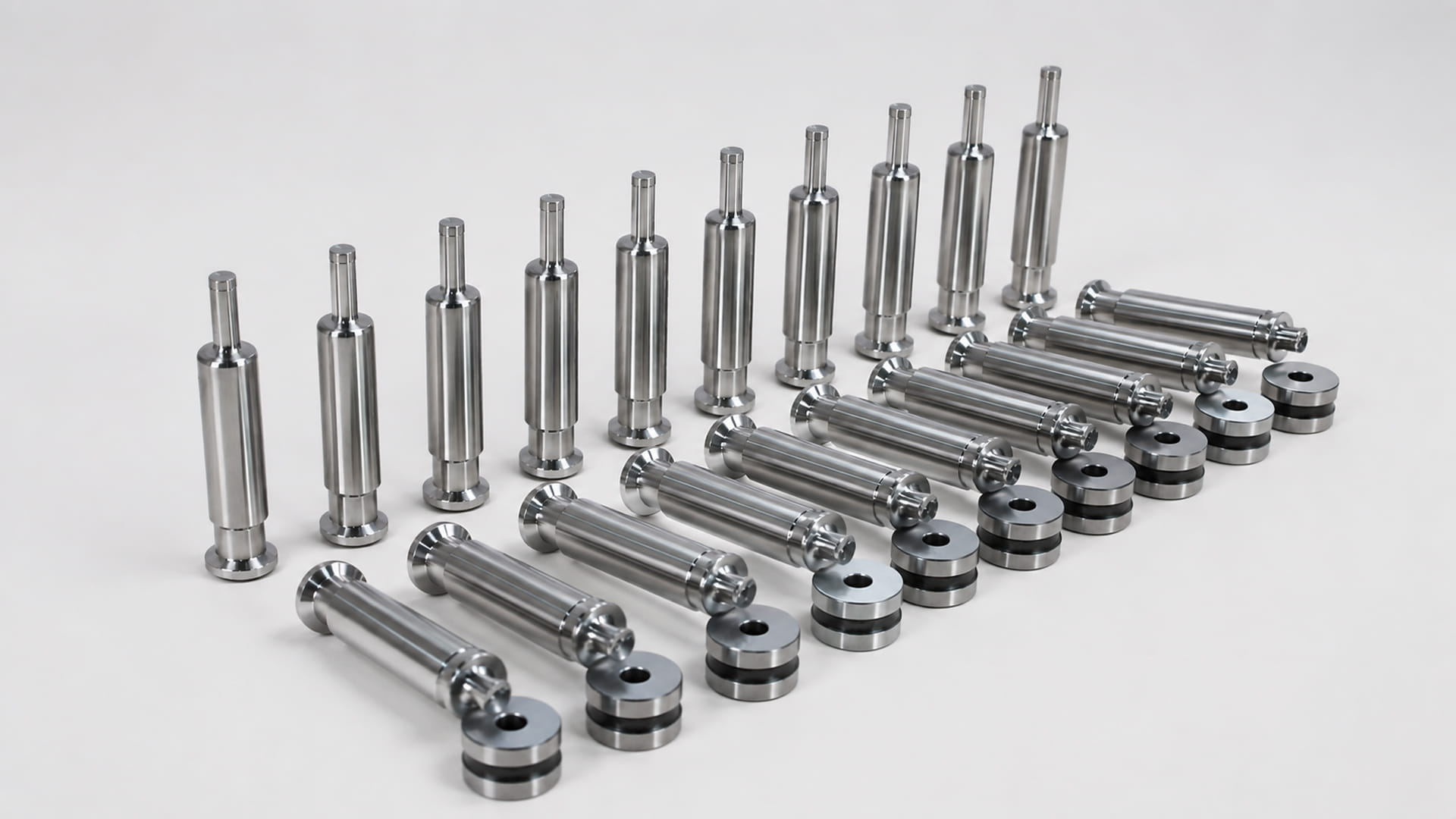
Dưới đây là so sánh nhanh về kích thước điển hình của từng loại công cụ và phạm vi kích thước máy tính bảng, dựa trên tiêu chuẩn ngành:
| Loại dụng cụ | Thùng đấm Ø | Chết Ø (CỦA) | Đường kính máy tính bảng | Sử dụng chung |
| B | 19.00 mm | 30.16 mm | ~4–16 mm | Máy tính bảng tiêu chuẩn (dược phẩm) |
| D | 25.35 mm | 38.10 mm | ~10–25 mm | Viên lớn, sủi bọt |
| BB | 19.00 mm | 24.00 mm | ~4–13 mm | Viên nhỏ, đường dây tốc độ cao |
| cơ sở dữ liệu | 25.35 mm | 30.16 mm | ~5–19 mm | Viên nén nhỏ dày đặc |
Ví dụ, JinluPacking ghi chú Công cụ B thường tạo ra máy tính bảng 3–16mm, trong khi dụng cụ D bao gồm 10–25mm. Dụng cụ BB đạt tối đa khoảng 13mm và DB khoảng 19mm. Kích thước chính xác cũng phụ thuộc vào hình dạng máy tính bảng (tròn, hình bầu dục, vân vân.).
Ngoài A, B, D đặt tên, dụng cụ phải tuân thủ một tiêu chuẩn để phù hợp với máy ép viên. Có hai họ tiêu chuẩn dụng cụ chính:
Điều quan trọng, EU (ISO 18084) và những cú đấm TSM không thể thay thế cho nhau. Mặc dù đường kính ngoài của khuôn là như nhau (ví dụ. 38.10 mm cho D, 30.16 mm cho B), các chi tiết cú đấm khác nhau. Ví dụ, Đầu đục lỗ TSM có góc trên bề mặt ổ trục hơi khác so với đầu ISO, và khe phím được định vị khác. Trong thực tế, cú đấm ISO/D nói chung sẽ không vừa khít với máy ép kiểu TSM/US, và ngược lại. Luôn kiểm tra tài liệu báo chí của bạn để xem liệu nó có mong đợi TSM hoặc ISO/EU gia công dụng cụ trước khi đặt hàng đột và khuôn.
Tóm lại: TSM = Tiêu chuẩn Mỹ/Nhật, EU = ISO 18084 thước đo. Cả hai đều đảm bảo độ chính xác trong hình dáng máy tính bảng, nhưng đầu dụng cụ của chúng không tương thích.
Khi chọn dụng cụ cho máy ép viên thuốc của bạn, coi như kích thước máy tính bảng, Khối lượng sản xuất, Và độ cứng của máy tính bảng:
Trong thực tế, nhiều nhà sản xuất (bao gồm JinLu Đóng gói) cung cấp hướng dẫn. Ví dụ, của JinLu Máy ép viên ZP-17D được định mức 100kN khi sử dụng cú đấm GCR-15 tiêu chuẩn, nên họ chỉ định dụng cụ theo kích thước máy tính bảng. Họ cũng lưu ý rằng cả hai công cụ kích cỡ Và vật liệu vấn đề: cứng, viên mài mòn sử dụng thép cứng hơn hoặc lớp phủ đặc biệt (TiN, CrN) để kéo dài tuổi thọ dụng cụ.
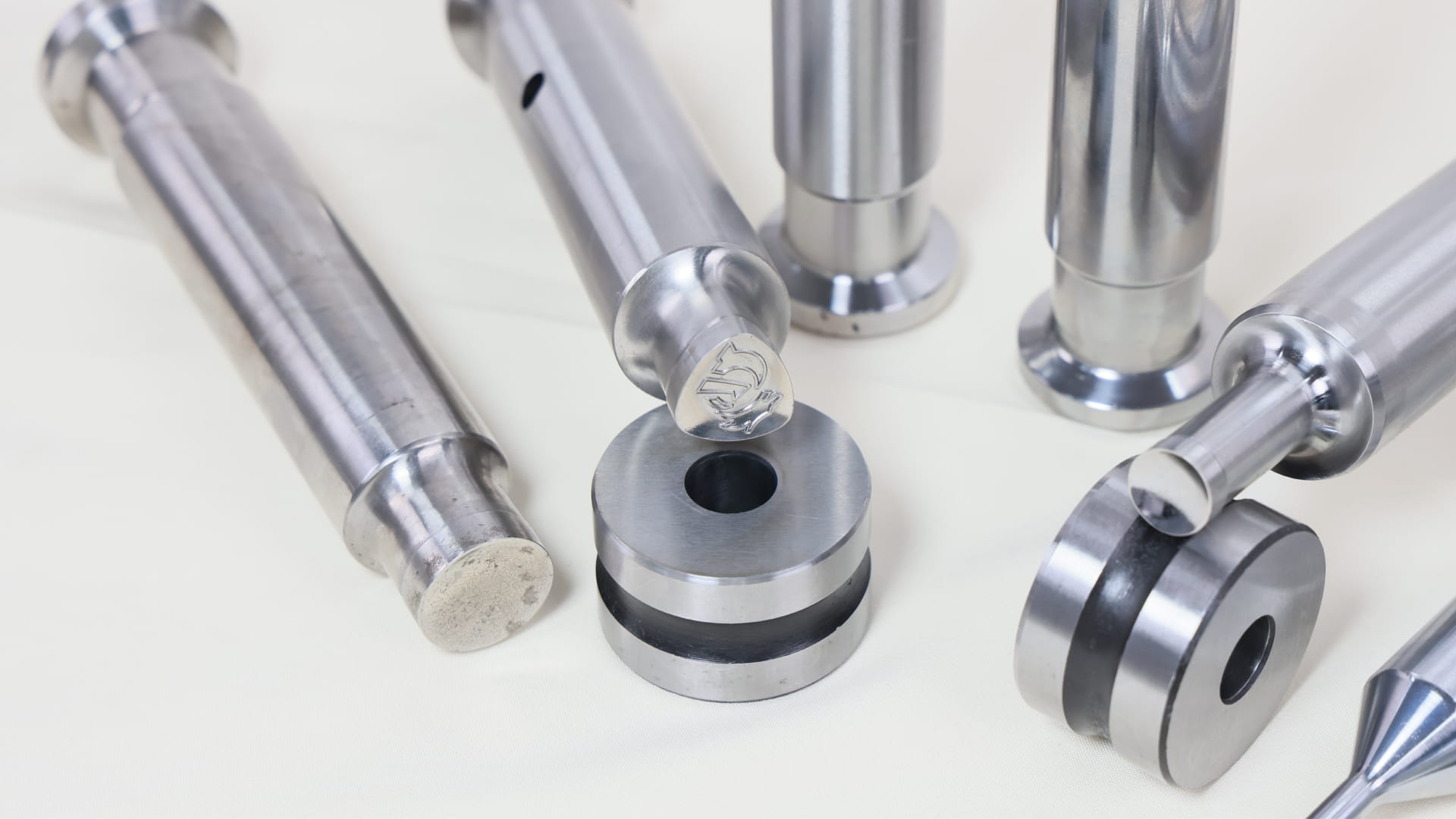
Bảo trì đúng cách kéo dài đáng kể tuổi thọ dụng cụ và chất lượng máy tính bảng. Các chuyên gia trong ngành lưu ý rằng khoảng 85% các vấn đề về đột dập xuất phát từ việc bảo trì và xử lý kém. Dưới đây là các phương pháp hay nhất để giữ cho dụng cụ của bạn luôn ở trạng thái tốt nhất:
Thực hiện theo các bước sau (lau dọn, thanh tra, sửa chữa/đánh bóng, đo lường, bôi trơn, cửa hàng – thường được gọi là “quy trình bảo trì dụng cụ 7 bước”) sẽ giảm thiểu thời gian chết. Như một kỹ sư đã nói, “Sạch sẽ, cú đấm được bảo trì tốt sẽ ít có khả năng tạo ra những viên thuốc dính hoặc vỡ hơn.” Trong thực tế, dọn dẹp là bước quan trọng nhất: nó loại bỏ cặn sản phẩm cũ có thể gây dính, hái, hoặc lây nhiễm chéo.
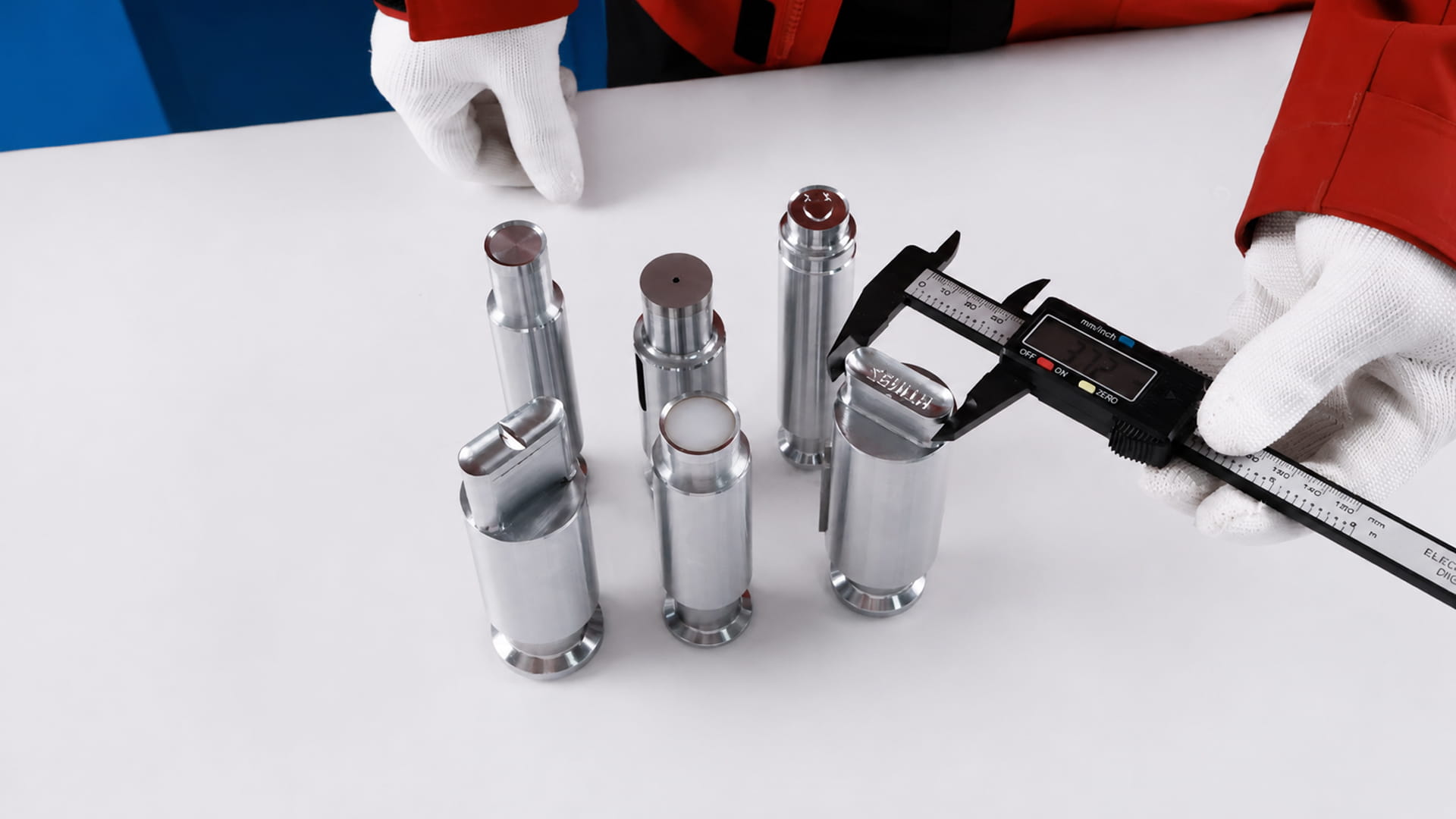
Ngoài các kích thước, dụng cụ vật liệu và hoàn thiện rất quan trọng. Hầu hết các máy dập viên thuốc đều được làm bằng thép carbon cao cấp (ví dụ. GCR-15) với độ cứng ~60 HRC, chịu được lực nén cao. Đối với công thức ẩm hoặc axit (như thảo mộc hay sủi bọt), thép không gỉ hoặc đục lỗ tráng (TiN, CrN, DLC) có thể chống ăn mòn và dính.
Luôn đảm bảo dụng cụ được sản xuất theo thông số kỹ thuật. Nhiều nhà cung cấp tuân theo Hướng dẫn kỹ thuật về máy tính bảng (TSM) hoặc tiêu chuẩn ISO về dung sai. JinLu, Ví dụ, ghi chú Công cụ BB được tạo ra theo thông số kỹ thuật chính xác của TSM/EU với các tài liệu kiểm tra được cung cấp theo yêu cầu. Dụng cụ chất lượng cao giúp tránh các khuyết tật và kéo dài tuổi thọ chày.

Nhân vật: máy ép và dụng cụ tốc độ cao cung cấp nhiều máy tính bảng một cách nhanh chóng
Có uy tín nhà sản xuất máy ép bảng và nhà cung cấp dụng cụ có thể giúp bạn chọn đúng tiêu chuẩn. Ví dụ, JinLu Packaging thường hỗ trợ khách hàng lựa chọn giữa B, D, Dụng cụ BB hoặc DB dựa trên sản phẩm. Chúng tôi cung cấp thử nghiệm công thức miễn phí và có thể đề xuất công cụ chuyên dụng (khắc, ghi điểm, vân vân.) cho báo chí của bạn. Khi tích hợp một dây chuyền sản xuất đầy đủ, chọn nhà cung cấp cung cấp cả máy ép và dụng cụ, vì vậy khả năng tương thích được đảm bảo.
Hơn nữa, có hệ thống dụng cụ thay đổi nhanh và kế hoạch bảo trì giúp giảm thiểu thời gian ngừng hoạt động. Tìm kiếm các tính năng như loại bỏ khuôn nhanh, tháp pháo phát hành nhanh, và loại bỏ chày không cần dụng cụ trên máy ép mới. Ví dụ, JinLu tập trung vào thiết kế GMP có nghĩa là máy của họ có tháp pháo tháo lắp nhanh và các bộ phận tiếp xúc dễ làm sạch, giúp đảm bảo dụng cụ luôn ở tình trạng tốt nhất.
Dụng cụ ép máy tính bảng phù hợp không chỉ là một bộ phận có thể tiêu hao – đó là một lựa chọn chiến lược ảnh hưởng trực tiếp đến chất lượng sản phẩm và hiệu quả sản xuất của bạn. Bằng cách hiểu sự khác biệt giữa B, D, BB, và công cụ DB và tuân theo các phương pháp hay nhất trong việc lựa chọn và bảo trì, các nhà sản xuất dược phẩm có thể tránh được những sai sót tốn kém và thời gian ngừng hoạt động. Hãy nhớ phù hợp với tiêu chuẩn dụng cụ của bạn (TSM so với ISO), chọn kích thước phù hợp cho máy tính bảng của bạn, và tuân thủ nghiêm ngặt quy trình vệ sinh/kiểm tra. Phần thưởng là những viên thuốc đồng nhất, ít bị từ chối hơn, và dây chuyền sản xuất đáng tin cậy hơn.
Nếu bạn đang chuẩn bị mua một máy nén máy tính bảng mới hoặc nâng cấp công cụ của mình, hãy cân nhắc việc liên hệ với các OEM có kinh nghiệm. Jinlu Packing cung cấp hướng dẫn về hệ thống dụng cụ tốt nhất cho nhu cầu của bạn, và có thể cung cấp các khuôn và khuôn tùy chỉnh để giữ cho máy tính bảng của bạn luôn hoạt động theo thông số kỹ thuật. Nhóm của chúng tôi sẵn sàng giúp bạn chọn bộ công cụ hoàn hảo để bạn tận dụng tối đa máy tính bảng của mình. Liên hệ với chúng tôi để được tư vấn của chuyên gia hoặc báo giá về dụng cụ và thiết bị ép máy tính bảng chất lượng.
Dụng cụ ép máy tính bảng dùng để chỉ bộ đục lỗ và khuôn được sử dụng trong máy nén máy tính bảng để tạo thành bột hoặc hạt thành viên. Công cụ kiểm soát kích thước máy tính bảng, hình dạng, Độ dày, và diện mạo tổng thể. Một bộ dụng cụ hoàn chỉnh thường bao gồm một chày trên, cú đấm thấp hơn, và chết, làm việc cùng nhau trong quá trình nén.
Các loại dụng cụ ép máy tính bảng phổ biến nhất bao gồm dụng cụ B, Dụng cụ D, Dụng cụ BB, và công cụ DB. Các loại dụng cụ này chủ yếu khác nhau về kích thước chày, kích thước khuôn, khả năng nén, và các ứng dụng máy tính bảng phù hợp. Sự lựa chọn đúng đắn phụ thuộc vào kích thước máy tính bảng, đặc điểm công thức, yêu cầu sản xuất, và thông số kỹ thuật của máy nén máy tính bảng của bạn.
Sự khác biệt chính giữa dụng cụ B và dụng cụ D là kích thước và khả năng nén của chúng.. Dụng cụ B có cấu hình khuôn dập nhỏ hơn và thường được sử dụng cho máy tính bảng kích thước tiêu chuẩn. Dụng cụ D có thiết kế lớn hơn, cho phép lực nén cao hơn và sản xuất máy tính bảng lớn hơn. Công cụ D thường được ưu tiên cho máy tính bảng lớn hơn, trong khi công cụ B mang lại sự linh hoạt cao hơn cho các viên dược phẩm thông thường.
Công cụ BB là cấu hình công cụ nhỏ hơn được thiết kế để sản xuất máy tính bảng nhỏ hơn. Nó thường được sử dụng cho các sản phẩm yêu cầu kích thước máy tính bảng nhỏ gọn, chẳng hạn như một số viên thuốc dược phẩm, chất bổ sung, và các sản phẩm đặc sản. Công cụ BB có thể là một lựa chọn phù hợp khi nhà sản xuất cần máy tính bảng nhỏ hơn với hiệu suất sản xuất hiệu quả.
Công cụ DB là cấu hình công cụ kết hợp các đặc điểm của hệ thống công cụ D và B. Nó sử dụng cấu hình khuôn lớn hơn với thiết kế chày nhỏ hơn, cung cấp tính linh hoạt cho các kích thước máy tính bảng cụ thể và yêu cầu sản xuất. Công cụ DB thường được chọn khi nhà sản xuất cần sự cân bằng giữa khả năng kích thước máy tính bảng và hiệu quả công cụ.
Không phải lúc nào cũng vậy. Máy ép viên được thiết kế cho các thông số kỹ thuật dụng cụ cụ thể, và khả năng tương thích phụ thuộc vào thiết kế tháp pháo, cú đấm kích thước, kích thước khuôn, và tiêu chuẩn dụng cụ. Ví dụ, Dụng cụ B và dụng cụ D không thể thay thế nhau một cách đơn giản nếu không xác nhận khả năng tương thích của máy. Luôn kiểm tra kiểu máy ép viên và thông số kỹ thuật của dụng cụ trước khi thay đổi dụng cụ.
Các tiêu chuẩn dụng cụ ép máy tính bảng chính bao gồm TSM (Hướng dẫn sử dụng thông số kỹ thuật máy tính bảng), EU (Tiêu chuẩn dụng cụ châu Âu), và tiêu chuẩn dụng cụ ISO. TSM được sử dụng rộng rãi ở Bắc Mỹ, trong khi tiêu chuẩn EU và ISO được sử dụng phổ biến ở nhiều thị trường quốc tế. Mặc dù một số kích thước có thể trông giống nhau, Công cụ TSM và EU không thể tự động thay thế cho nhau.
Việc chọn dụng cụ ép máy tính bảng phù hợp phụ thuộc vào một số yếu tố, bao gồm cả kích thước máy tính bảng, hình dạng, xây dựng, lực nén, Khối lượng sản xuất, và mô hình máy tính bảng. Các nhà sản xuất cũng nên xem xét các tiêu chuẩn về dụng cụ, lựa chọn vật liệu, và tuổi thọ dụng cụ dự kiến để đảm bảo chất lượng máy tính bảng ổn định và sản xuất hiệu quả.
Các vấn đề phổ biến về dụng cụ ép máy tính bảng bao gồm dính, hái, nắp máy tính bảng, trọng lượng máy tính bảng không đồng đều, cú đấm mặc, và chết thiệt hại. Những vấn đề này có thể xảy ra do dụng cụ bị mòn, bảo trì không đúng, vật liệu dụng cụ không phù hợp, hoặc cài đặt nén máy tính bảng không đúng. Kiểm tra thường xuyên và lựa chọn dụng cụ chính xác có thể giúp giảm thiểu các vấn đề trong sản xuất.
Tuổi thọ của dụng cụ ép máy tính bảng phụ thuộc vào các yếu tố như công thức của máy tính bảng, tốc độ sản xuất, lực nén, vật liệu dụng cụ, lớp phủ, và thực hành bảo trì. Với việc vệ sinh đúng cách, điều tra, bôi trơn, và lưu trữ, Đục và khuôn chất lượng cao có thể tạo ra hàng triệu viên trước khi cần thay thế.
Tài liệu tham khảo:
1.Công cụ báo chí dành cho máy tính bảng - Punches and Dies —— ISO 18084:2011
2.chương 32 – Phát triển, Tối ưu hóa, và mở rộng quy mô các thông số quy trình: Nén máy tính bảng —— Khoa họcTrực tiếp
3.Lợi ích của việc tiêu chuẩn hóa công cụ máy tính bảng —— PharmTech
4.Cải thiện việc bảo trì và lưu trữ dụng cụ máy tính bảng —— PharmTech
5.Ảnh hưởng của hình học chày (đường kính đầu phẳng) và loại dụng cụ (‘B’ hoặc 'D') về tính chất cơ lý của viên nén —— Thư viện Y khoa Quốc gia
6.Cập nhật về những tiến bộ trong công nghệ công cụ máy tính bảng —— Khoa họcTrực tiếp