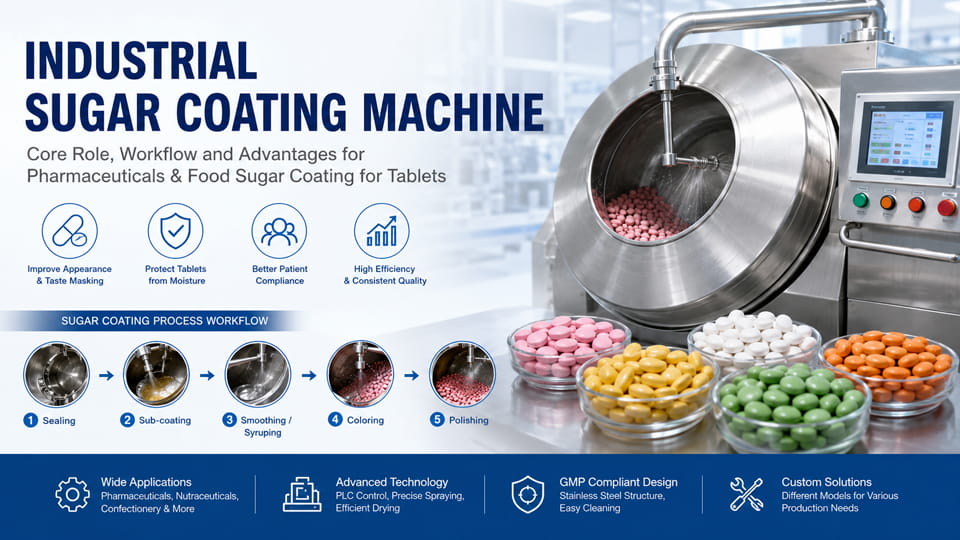

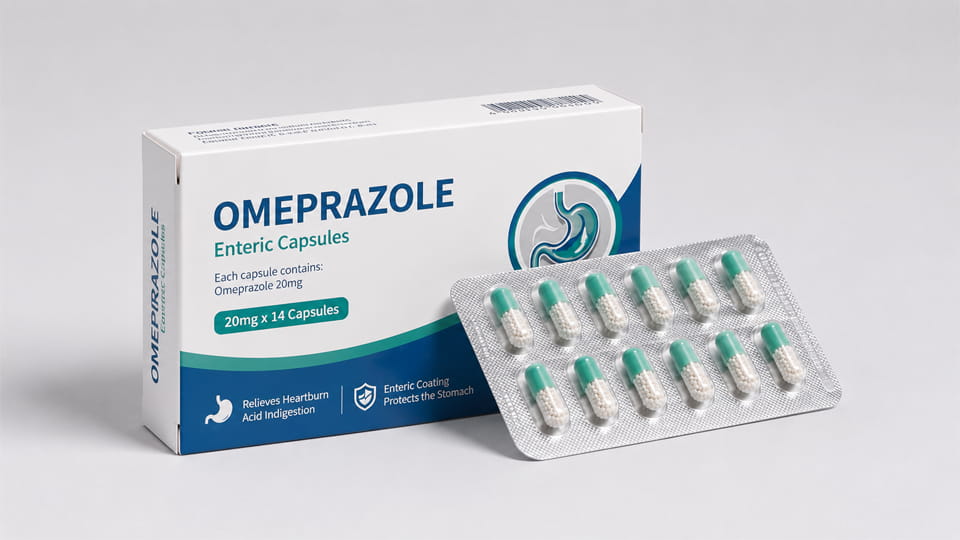
Viên nang ruột trông giống như những viên thuốc thông thường nhưng có lớp phủ đặc biệt để chống lại axit dạ dày và giải phóng chất chứa trong ruột. ruột (hoặc chống dạ dày) viên nang được thiết kế đặc biệt để đi qua dạ dày một cách an toàn và hòa tan trong ruột non. Thuật ngữ “ruột” xuất phát từ tiếng Hy Lạp có nghĩa là ruột. Trong thực tế, viên nang ruột được phủ một lớp phủ nhạy cảm với pH hoặc làm bằng vật liệu nhạy cảm với pH để chúng vẫn còn nguyên vẹn trong dạ dày có tính axit (pH ~1,5–3,5) nhưng hòa tan nhanh chóng khi chúng đạt đến độ pH cao hơn ở ruột non. Nói một cách dễ hiểu, viên nang ruột bảo vệ thuốc hoặc chất bổ sung bên trong khỏi axit dạ dày, đảm bảo các hoạt chất chỉ được giải phóng khi viên nang đã đi vào ruột. Sự thay đổi đơn giản về vị trí phát hành này có thể tạo ra sự khác biệt lớn về hiệu quả và khả năng dung nạp của nhiều loại thuốc và chất bổ sung.
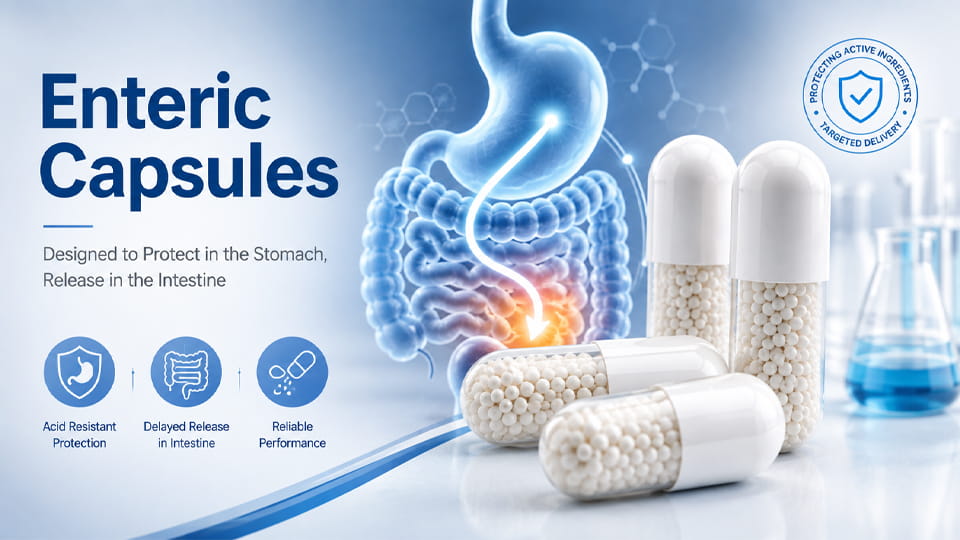
ruột (chịu axit, chống dạ dày) viên nang là dạng thuốc uống được thiết kế để chống lại axit dạ dày và hòa tan trong ruột non. Tùy theo thiết kế sản phẩm, chức năng kháng dạ dày có thể đến từ vỏ viên nang chính nó, MỘT lớp phủ ruột, hoặc nội dung bọc ruột chẳng hạn như viên hoặc hạt. Cách tiếp cận này thường được sử dụng khi API nhạy cảm với axit dạ dày, khi giải phóng trong dạ dày là không mong muốn, hoặc khi công thức này nhằm mục đích đưa thành phần hoạt chất của nó đi xa hơn dọc theo đường tiêu hóa. Trong thực tế, chúng mang thuốc qua dạ dày một cách nguyên vẹn và giải phóng chúng ở độ pH cao hơn (thường trên pH 5,5–6,0). Cái này Giải phóng kích hoạt pH phục vụ hai mục đích chính:
Những lợi ích này giải thích tại sao các công thức bao gồm từ thuốc kê đơn đến thuốc bổ sung và dược phẩm dinh dưỡng. Ví dụ, cung cấp men vi sinh sống trong viên nang ruột đảm bảo sinh vật sống sót trong axit dạ dày. Tương tự, trì hoãn việc giải phóng thuốc giảm đau ngăn ngừa đau dạ dày. Tóm lại, viên nang ruột cho phép giao hàng phát hành chậm trễ: viên nang đi qua dạ dày (còn nguyên vẹn) Và chỉ mở ra khi đến ruột có độ pH cao hơn.
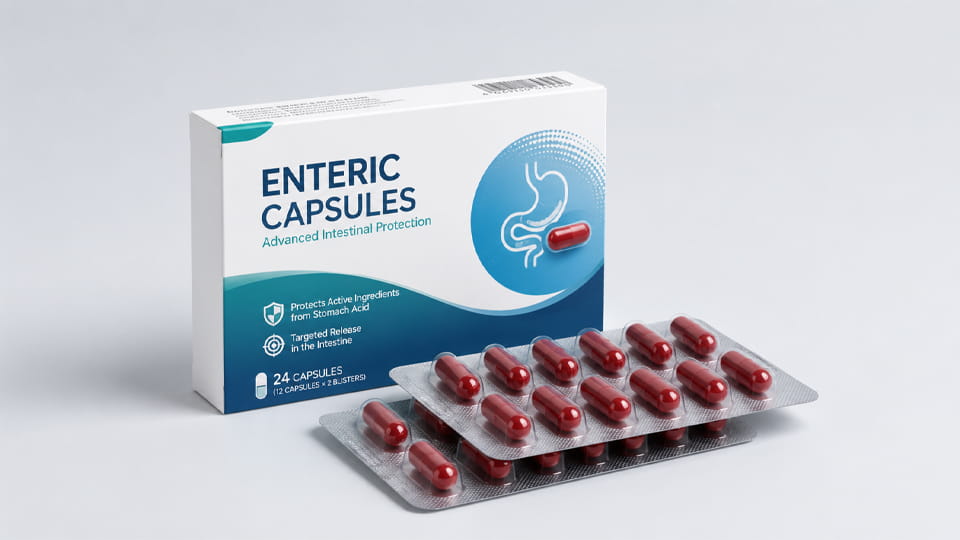
Mặc dù viên nang dạng ruột thường trông giống như viên nang gelatin hoặc rau quả thông thường, chúng chứa các polyme đặc biệt giữ chúng lại với nhau trong axit dạ dày. Bí mật của viên nang ruột là độ pH. Trong môi trường axit của dạ dày, lớp phủ hoặc vỏ đặc biệt của chúng vẫn chắc chắn (không hòa tan). Khi viên nang di chuyển vào ruột non (thường có độ pH 5,5–7,5), độ pH cao hơn sẽ khiến lớp phủ bị phá vỡ. Ví dụ, một loại polymer phổ biến có tên là HPMCP (hydroxypropyl methylcellulose phthalate) được chọn làm viên nang tan trong ruột vì nó không hòa tan ở độ pH dưới khoảng 5,5. Trong thực tế, một viên nang có HPMCP sẽ đi qua dạ dày một cách an toàn trong 1–3 giờ và chỉ bắt đầu tan khi đến ruột. Sự giải phóng kích hoạt pH này đảm bảo viên nang được lấp đầy (dù bột, chất lỏng hoặc các hình thức khác) được phát hành ở đúng vị trí.
Các cuộc kiểm tra theo quy định xác nhận hành động này. Theo thiết kế, dạng bào chế qua đường ruột phải không vỡ ra hoặc rò rỉ nội dung của nó trong dịch dạ dày mô phỏng (pH 1.2) trong tối đa 1–2 giờ, Và phải phân hủy hoàn toàn và giải phóng nội dung của nó trong điều kiện đường ruột (pH ~6,8). Nói một cách đơn giản, quy tắc dược điển yêu cầu không quá 10% nội dung của viên nang có thể được giải phóng theo axit giống như dạ dày, trong khi ít nhất 80% nên được giải phóng ở độ pH cao hơn (đường ruột) đệm. Điều này đảm bảo rằng viên nang tan trong ruột thực sự “làm chậm” quá trình giải phóng cho đến khi ruột non.
Lựa chọn vật liệu phù hợp là rất quan trọng để viên nang tan ruột hiệu quả. Các thành phần chính bao gồm polyme(S) cho lớp phủ (hoặc vỏ) Và tá dược. Các polyme và vật liệu ruột phổ biến là:
Ngoài ra, vật liệu vỏ viên nang bản thân chúng có thể góp phần vào hành vi đường ruột. Ví dụ, một số sản phẩm sử dụng viên nang kháng axit được làm sẵn để tránh bước phủ. Ví dụ bao gồm Capsugel's EnTRinsic® (vỏ cellulose axetat phthalate) và CapsCanada Mũ AR® (sự pha trộn của HPMC và hypromellose phthalate). Những lớp vỏ đặc biệt này được thiết kế để duy trì ổn định độ pH dạ dày. (ví dụ. Mũ AR ổn định cho 60 phút trong tình trạng giống như dạ dày) và sau đó phân hủy ở pH ruột. Sử dụng vỏ viên nang ruột như vậy có thể đơn giản hóa việc sản xuất (không cần bước phủ), nhưng yêu cầu phải tự tìm nguồn cung ứng viên nang độc quyền.
Để tổng hợp tài liệu: hầu hết các viên nang đường ruột đều sử dụng một lớp phủ polyme áp dụng sau điền, hoặc một vỏ viên nang cấp ruột; polyme phổ biến là methacrylate (Eudragit L/S), CAP/HPMCP, hoặc nhựa tự nhiên. Các nhà lập công thức cũng điều chỉnh hệ thống chất làm dẻo và dung môi để đảm bảo tính đồng nhất, phim không có khiếm khuyết.
Viên nang dạng ruột mang lại một số lợi ích rõ ràng khi bạn cần phân phối theo mục tiêu hoặc nhạy cảm:
Tổng thể, viên nang ruột về cơ bản cho phép bạn kiểm soát Ở đâu Và khi sản phẩm của bạn giải phóng tải trọng của nó. Điều này rất quan trọng đối với các công thức có enzyme nhạy cảm hoặc chất dinh dưỡng không bền với axit, cho liều lượng giải phóng theo thời gian, và để bệnh nhân thoải mái. Như một chuyên gia về viên nang đã nói, bản chất kháng axit của vỏ ruột “làm cho chúng phù hợp với các chức năng phân phối thuốc chuyên biệt hơn so với thông thường”. Gelatin hoặc viên nang thực vật”.
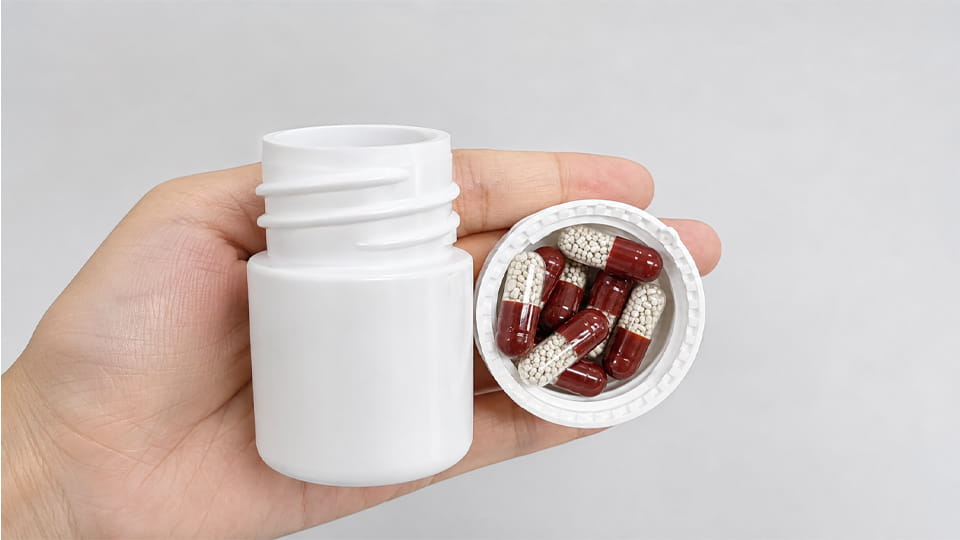
Lựa chọn giữa các viên nang ruột, viên nang gelatin tiêu chuẩn, và viên nang HPMC không chỉ là vấn đề về chất liệu vỏ. Hành vi của chúng trong điều kiện axit, phản ứng độ ẩm, hồ sơ phát hành dự định, và yêu cầu xử lý có thể khá khác nhau. Sự so sánh sau đây giúp các nhà sản xuất dược phẩm và nhóm sản xuất có cái nhìn tổng quan nhanh chóng về những điểm khác biệt chính.
| Thứ nguyên so sánh | ruột / Viên nang kháng axit | Viên nang gelatin tiêu chuẩn | Viên nang HPMC tiêu chuẩn |
|---|---|---|---|
| Hành vi phân hủy | Được thiết kế để chống lại sự phân hủy trong điều kiện dạ dày và giải phóng nội dung sau đó trong điều kiện đường ruột | Thường được thiết kế để phân hủy tương đối nhanh | Thường được thiết kế để phân hủy nhanh chóng; hiệu suất phụ thuộc vào công thức |
| Ngưỡng pH | Phụ thuộc vào polyme đường ruột và công thức; được thiết kế để chống lại độ pH dạ dày thấp và giải phóng ở độ pH cao hơn | Không có khả năng bảo vệ đường ruột do pH kích hoạt vốn có | HPMC tiêu chuẩn vốn không thấm vào ruột trừ khi có công thức hoặc được phủ đặc biệt |
| Độ ẩm | Phụ thuộc vào thành phần vỏ và quy trình sản xuất; kiểm soát môi trường có thể quan trọng | Chứa độ ẩm tương đối cao và có thể bị ảnh hưởng bởi sự thay đổi độ ẩm | Nói chung có yêu cầu về độ ẩm thấp hơn gelatin và có thể phù hợp với một số công thức nhạy cảm với độ ẩm |
| Ứng dụng lý tưởng | API nhạy cảm với axit, công thức giải phóng chậm, và phân phối nhắm mục tiêu đường ruột | Các sản phẩm dược phẩm và dinh dưỡng giải phóng tức thời thông thường | Sản phẩm yêu cầu vỏ HPMC, bao gồm nhiều công thức dành cho người ăn chay hoặc nhạy cảm với độ ẩm |
| Xử lý cân nhắc | Yêu cầu kiểm soát cẩn thận việc xử lý vỏ, thông số điền, và ứng suất cơ học | Được thiết lập tốt và thường tương thích với các quy trình làm đầy viên nang thông thường | Đặc tính cơ học và độ ẩm khác với gelatin và phải được xác nhận trên thiết bị làm đầy đã chọn |
Việc sản xuất viên nang tan trong ruột tuân theo các bước cốt lõi tương tự như viên nang thông thường – nhưng có một số thay đổi về vật liệu và lớp phủ. Trong cơ sở sản xuất viên nang, giai đoạn điển hình là:
Tóm lại, Sản xuất viên nang dạng viên nang sử dụng công nghệ viên nang quen thuộc nhưng đòi hỏi phải cẩn thận hơn về nguyên liệu và thử nghiệm. Các bước phổ biến như nhúng ghim hoặc điền ruy băng vẫn được áp dụng, nhưng với các polyme đường ruột trong hỗn hợp. Nhiều nhà sản xuất lựa chọn dây chuyền sản xuất viên nang tiên tiến hỗ trợ nhiều nguyên liệu viên nang. Như một hướng dẫn đóng gói khuyên, kiểm tra kỹ xem thiết bị của bạn có thể xử lý “viên nang ruột” giống như gelatin hoặc vỏ chay không. Thiết kế thiết bị tốt (bề mặt kim loại mịn, công cụ thích hợp cho HPMC, vân vân.) giúp tránh hư hỏng những lớp vỏ chuyên dụng đó trong quá trình đổ đầy.
QA mạnh mẽ là điều cần thiết để đảm bảo chức năng ruột. Các chỉ số chất lượng chính bao gồm:
Cơ quan quản lý yêu cầu hình thức phát hành trì hoãn đáp ứng tiêu chí giải thể nghiêm ngặt. Theo dược điển, tiêu chí chấp nhận có thể nêu, Ví dụ, “ở giai đoạn axit giải phóng không quá X%; ở giai đoạn đệm giải phóng ít nhất Y% trong vòng Z phút.” Giới hạn cụ thể tùy thuộc vào chuyên khảo thuốc. Trong thực tế, các nhà sản xuất xác nhận các lô viên nang tan trong ruột của họ theo các tiêu chuẩn dược điển này bằng cách sử dụng các thử nghiệm ở trên. Kiểm tra độ ổn định cũng được thực hiện để đảm bảo các đặc tính đường ruột được duy trì trong suốt thời hạn sử dụng.
Viên nang dạng ruột cung cấp một phương pháp mạnh mẽ để cải thiện việc cung cấp thuốc và sự thoải mái cho bệnh nhân bằng cách đảm bảo thuốc đi qua dạ dày mà không giải phóng và kích hoạt ở ruột non. Viên nang ruột cho phép an toàn hơn, phân phối thuốc hiệu quả hơn bằng cách kết hợp công thức thông minh và sản xuất chính xác. Thành công của họ phụ thuộc vào quy trình thử nghiệm và phủ sơn nghiêm ngặt, cũng như thiết bị đóng gói chất lượng cao. Cho dù bạn đang sản xuất các lô thử nghiệm lâm sàng hay hàng triệu viên nang mỗi năm, máy móc phù hợp là rất quan trọng. Đối với bất kỳ dược phẩm, Nghĩa hóa dinh dưỡng, hoặc công ty bổ sung đang xem xét các công thức đường ruột, hiểu những điểm này là điều cần thiết cho sự thành công của sản phẩm.
Nếu bạn là người quản lý hoạt động hoặc mua sắm đang tìm cách sản xuất viên nang tan trong ruột, JinLu Đóng gói có thể giúp bạn với máy móc phù hợp. Chúng tôi cung cấp các giải pháp đóng gói và đóng gói viên nang tiên tiến tương thích với các viên nang dạng ruột và đặc biệt khác. Máy của chúng tôi được thiết kế cho độ chính xác, dễ dàng làm sạch, và tuân thủ các tiêu chuẩn dược phẩm. Sẵn sàng để tối ưu hóa việc sản xuất viên nang ruột của bạn? Liên hệ với JinLu Đóng gói ngay hôm nay để có giải pháp tùy chỉnh hoặc báo giá phù hợp với nhu cầu viên nang của bạn.
Viên nang giải phóng chậm được thiết kế để chống lại dịch dạ dày và ngăn ngừa giải phóng thuốc sớm trong dạ dày. Chúng được thiết kế để giải phóng nội dung của chúng sau khi đạt đến môi trường đường ruột thích hợp. Tùy thuộc vào công thức, chức năng ruột có thể đến từ vỏ nang, một lớp phủ bên ngoài, hoặc viên hoặc hạt bọc ruột được nạp vào viên nang.
Viên nang ruột được sử dụng khi một công thức cần bảo vệ khỏi axit dạ dày, khi giải phóng trong dạ dày là không mong muốn, hoặc khi thành phần hoạt chất được dự định sẽ được giải phóng sâu hơn dọc theo đường tiêu hóa. Chúng có thể giúp bảo vệ các API nhạy cảm với axit và giảm sự tiếp xúc không mong muốn của một số công thức với dạ dày.
Viên nang ruột sử dụng thiết kế kháng dạ dày, vẫn còn nguyên vẹn trong điều kiện dạ dày có tính axit và sau đó cho phép giải phóng thuốc khi dạng bào chế đạt đến môi trường đường ruột thích hợp. Nhiều hệ thống đường ruột dựa vào các polyme phản ứng với pH, mặc dù cơ chế giải phóng chính xác phụ thuộc vào công thức và polyme được sử dụng.
Viên nang ruột nói chung là một loại viên nang giải phóng chậm. “Phát hành bị trì hoãn” mô tả hồ sơ phát hành, trong khi “ruột” hoặc “kháng dạ dày” mô tả một cơ chế phổ biến được sử dụng để trì hoãn giải phóng bằng cách bảo vệ dạng bào chế khỏi các tình trạng dạ dày. Tuy nhiên, không phải mọi hệ thống giải phóng chậm đều phải sử dụng cơ chế đường ruột.
Viên nang gelatin tiêu chuẩn thường được thiết kế để hòa tan và giải phóng tương đối nhanh sau khi tiếp xúc với dịch tiêu hóa, trong khi Viên nang ruột được thiết kế đặc biệt để chống lại các tình trạng dạ dày và làm chậm quá trình giải phóng. Hiệu suất đường ruột có thể đạt được thông qua vật liệu vỏ chuyên dụng, lớp phủ, hoặc nội dung được bọc trong ruột, vì vậy hai loại viên nang có thể yêu cầu công thức khác nhau, xử lý, và cân nhắc sản xuất.
Đúng, nhưng viên nang HPMC tiêu chuẩn không tự động là viên nang ruột. HPMC có thể được sử dụng làm vật liệu vỏ nang trong hệ thống phân phối qua đường ruột, nhưng hiệu suất kháng dạ dày cần thiết phụ thuộc vào công thức cụ thể, hệ thống polyme, lớp phủ, hoặc công nghệ vỏ nang. Sản phẩm cuối cùng phải được đánh giá dựa trên các yêu cầu về giải phóng và giải phóng dự định của nó.
Hệ thống đường ruột có thể sử dụng các polyme đáp ứng pH như các dẫn xuất cellulose, bao gồm hydroxypropyl methylcellulose phthalate (HPMCP), cellulose axetat phtalat (mũ), và copolyme axit metacrylic. Sự lựa chọn phụ thuộc vào hồ sơ phát hành được yêu cầu, khả năng tương thích công thức, phương pháp xử lý, và thông số kỹ thuật quy định.
Có một số phương pháp sản xuất. Nhà sản xuất có thể phủ một lớp phủ tan trong ruột lên viên nang như một bước xử lý sau này, phủ vỏ viên nang trước khi đổ đầy, sử dụng vỏ viên nang làm từ polyme kháng dạ dày, hoặc lấp đầy vỏ viên nang thông thường bằng các viên hoặc hạt bọc ruột. Lộ trình thích hợp phụ thuộc vào công thức và đặc tính giải phóng cần thiết.
Đúng. Viên hoặc hạt bọc ruột có thể được đóng thành viên nang cứng như một phương pháp để đạt được sự giải phóng ruột chậm. Trong quá trình sản xuất, nhà sản xuất cần xem xét khả năng chảy của viên, độ chính xác của viên nang, căng thẳng cơ học, và khả năng làm hỏng lớp phủ trong quá trình xử lý. Cài đặt thiết bị phải được xác nhận theo công thức và loại viên nang cụ thể.
Viên nang ruột thường được đánh giá về khả năng chống chịu với điều kiện axit và khả năng giải phóng sau đó của chúng trong môi trường đệm hoặc giai đoạn ruột thích hợp. Thử nghiệm phóng thích chậm trong dược điển có thể bao gồm giai đoạn axit, sau đó là giai đoạn đệm, với tiêu chí chấp nhận được xác định bởi chuyên khảo hiện hành hoặc thông số kỹ thuật của sản phẩm.
Tài liệu tham khảo:
1.Dược điển quốc tế: Viên nang giải phóng chậm (viên nang ruột)—— AI
2.Dạng bào chế uống phóng thích kéo dài: Phát triển, Sự đánh giá, và ứng dụng các mối tương quan In vitro/In Vivo —— CHÚNG TA. Cục Quản lý Thực phẩm và Dược phẩm
3.Viên nang cứng rỗng ruột có bán trên thị trường, Công nghệ sản xuất và ứng dụng —— Thư viện Y khoa Quốc gia
4.Đánh giá in vitro của viên nang HPMC bọc trong ruột—Ảnh hưởng của các yếu tố công thức đến hiệu suất sản phẩm —— Thư viện Y khoa Quốc gia
5.Viên nang HPMC bọc ruột: So sánh các lớp phủ ruột và nghiên cứu mối quan hệ giữa thời gian phân hủy và hòa tan trong ống nghiệm —— Đại học Johannes Gutenberg Mainz
6.Lớp phủ dược phẩm và các phương pháp tiếp cận khác nhau, một đánh giá —— Thư viện Y khoa Quốc gia



