Tạo hạt là một bước quan trọng trong sản xuất máy tính bảng biến bột mịn thành bột lớn hơn, hạt đồng đều. Không tạo hạt, nhiều bột (API và tá dược) có khả năng chảy và nén kém, dẫn đến các vấn đề như sự phân biệt, điền khuôn không đều, và máy tính bảng yếu. Trong thực tế, hầu hết các công thức không thể được nén trực tiếp vì bột thô có xu hướng quá mịn và không đồng nhất. Tạo hạt (ướt hoặc khô) Cải thiện dòng chảy bột, kiểm soát bụi, pha trộn tính đồng nhất và ràng buộc, từ đó tạo ra những viên thuốc có trọng lượng phù hợp, độ cứng và phân phối tích cực. Mặc dù nén trực tiếp đơn giản hơn (ít bước hơn, chi phí thấp hơn), nó đòi hỏi những đặc tính nguyên liệu thô đặc biệt. Bài viết này giải thích tại sao thường cần tạo hạt trước khi đóng viên, bao gồm những lợi ích và sự đánh đổi của tạo hạt ướt và khô, và đưa ra hướng dẫn thực tế về việc lựa chọn quy trình phù hợp.
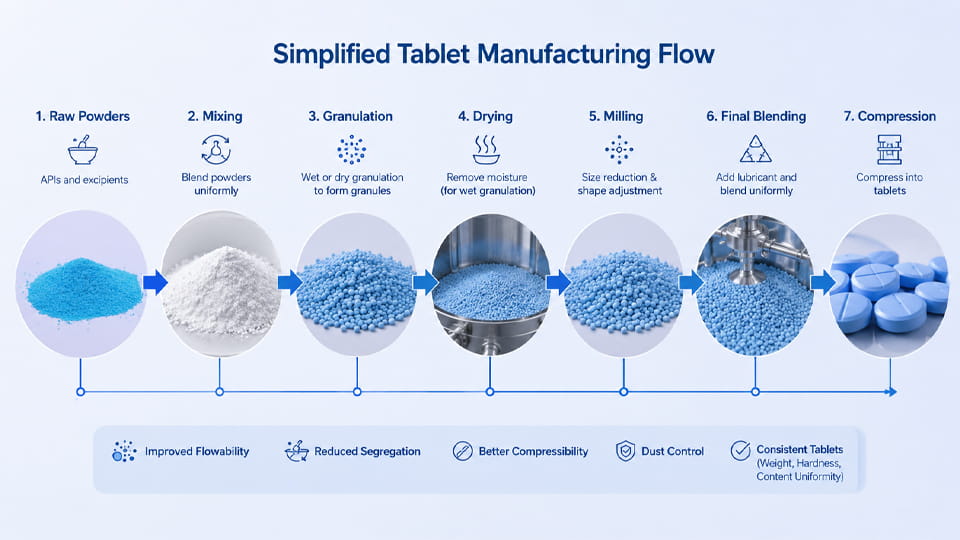
Nhân vật: Sơ đồ sản xuất máy tính bảng đơn giản hóa. Bột thô + Tá dược được trộn đều, dạng hạt (ướt hoặc khô), khô (nếu ướt), xay xát, trộn với chất bôi trơn, sau đó nén thành viên.
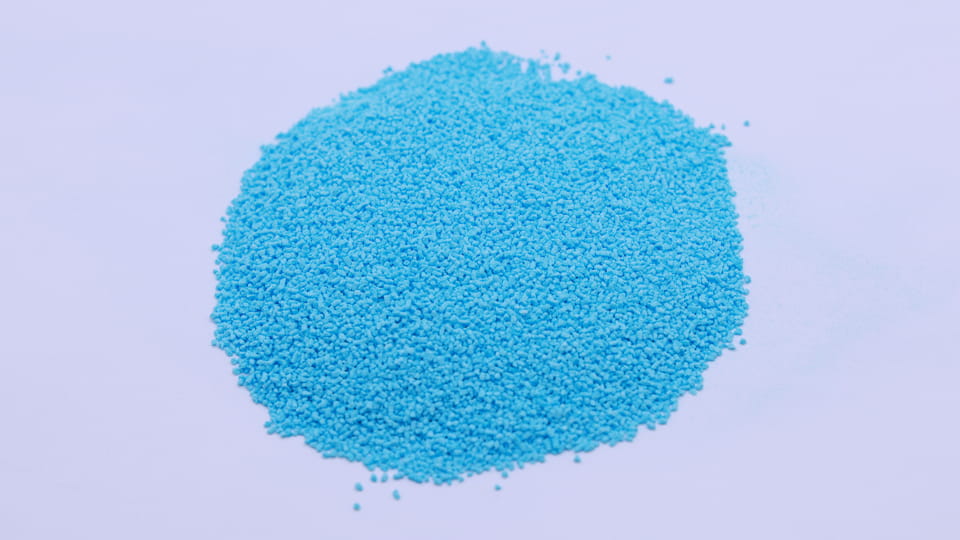
Tạo hạt là một kỹ thuật hạt quá trình “biến bột mịn thành bột lớn hơn, các hạt đồng nhất gọi là hạt”. Trong sản xuất dược phẩm, tạo hạt (ướt hoặc khô) được sử dụng để kết tụ bột thành hạt tốt hơn tính dễ chảy, khả năng nén, và tính đồng nhất. Ví dụ, Một máy trộn hạt cắt cao (Granulator ướt) thêm vào chất kết dính dung dịch bột, tạo thành một khối ẩm, sau đó được sấy khô (thông thường trong máy sấy tầng sôi) và nghiền thành hạt. Ngoài ra, tạo hạt khô sử dụng áp suất cơ học (đầm lăn hoặc trượt) để nén và phá vỡ bột thành hạt.
Cả quá trình tạo hạt ướt và khô đều nhằm mục đích tạo ra các hạt dày đặc, chảy tự do và đồng nhất. Những hạt này đi vào máy tính bảng đáng tin cậy hơn bột lỏng. Các hạt cũng tạo ra ít bụi hơn và có xu hướng nén lại thành các viên thuốc mạnh hơn. Tóm lại, tạo hạt là một bước quan trọng để đảm bảo máy tính bảng đáp ứng các thuộc tính chất lượng (trọng lượng đồng đều, sức mạnh, độ chính xác của liều lượng) khi chỉ riêng bột thô không phải là lý tưởng để đóng viên trực tiếp.
Về mặt lý thuyết là có (đối với một số công thức): Một số API và tá dược nhất định (ví dụ. cellulose vi tinh thể, lactose sấy phun) có sự xuất sắc vốn có khả năng chảy và khả năng nén. Những công thức hiếm có này có thể nén trực tiếp (DC) viên mà không cần tạo hạt trước. Nén trực tiếp là con đường đơn giản nhất: trộn bột + chất bôi trơn, sau đó nạp trực tiếp vào máy ép viên. Nó tránh được các thiết bị và bước bổ sung (không sấy khô), tiết kiệm thời gian và chi phí.
Nhưng trong thực tế, hầu hết các loại bột không thể: Hầu hết các API phân tử nhỏ đều rất mịn và gắn kết, với đặc tính dòng chảy và nén kém. Nếu bột không chảy trơn tru, khoang khuôn sẽ lấp đầy hoặc lấp đầy quá mức, gây ra sự thay đổi trọng lượng máy tính bảng. Nếu bột không nén tốt, máy tính bảng sẽ mềm, giới hạn hoặc phá vỡ. Liều lượng nhỏ (vài mg API) Trộn với thể tích tá dược lớn thường bị phân tách (API tốt tách biệt với sóng mang thô). Tóm lại, ngoại trừ các tá dược nén trực tiếp có tính chuyên dụng cao, hầu hết các hỗn hợp dược phẩm nhu cầu tạo hạt để khắc phục các vấn đề về luồng/khả năng nén.
Nén trực tiếp chỉ khả thi khi trộn đã có độ chảy và độ nén rất tốt. Ví dụ, hỗn hợp hai thành phần tá dược chảy tự do với viên nén liều cao có thể có tác dụng. Nén trực tiếp cũng được chọn cho các loại thuốc có nhiệt độ cực cao- hoặc nhạy cảm với độ ẩm, vì nó bỏ qua bước làm ướt và làm khô. Tuy nhiên, điều này đòi hỏi phải lựa chọn tá dược cẩn thận (VÍ DỤ., lactose nén trực tiếp, MCC, tá dược đồng xử lý) và thường là công thức tùy chỉnh.
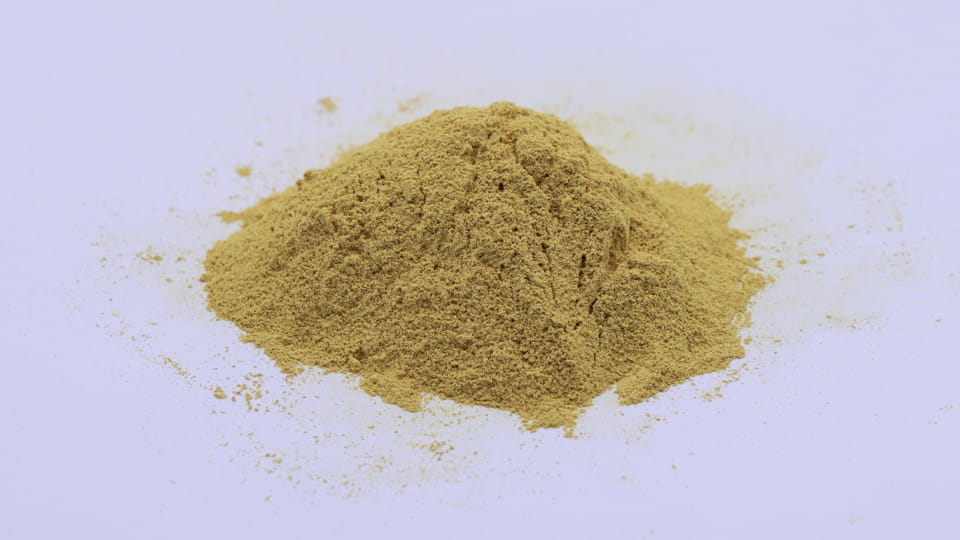
Tóm lại, tạo hạt giải quyết các thách thức về dòng chảy/nén chính của bột thô. Không có nó, máy tính bảng sẽ có sự thay đổi trọng lượng không thể chấp nhận được, độ cứng và liều lượng. Sự đánh đổi là các bước bổ sung (trộn, sấy khô, xay xát), nhưng đối với hầu hết các sản phẩm dược phẩm, tạo hạt là cách đáng tin cậy để đảm bảo chất lượng sản phẩm.
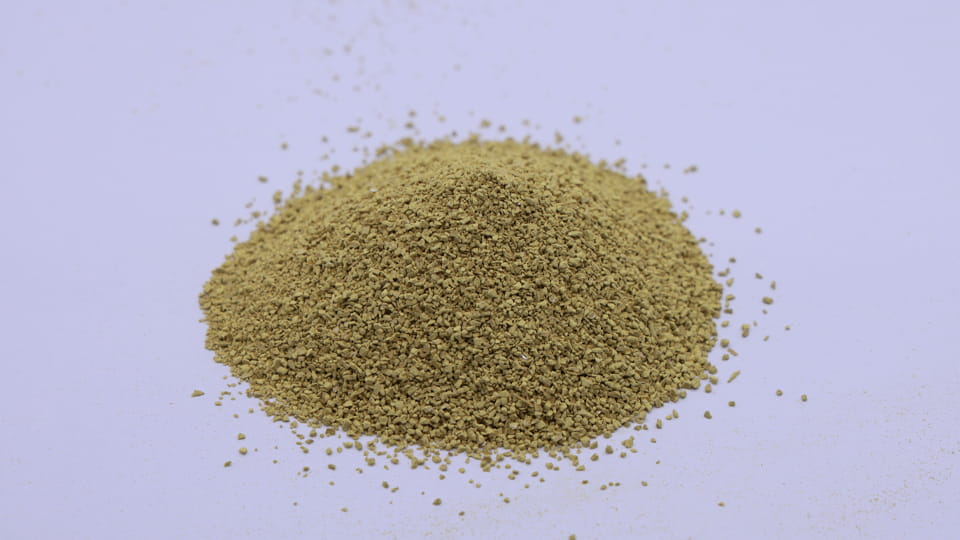
Nén trực tiếp (DC) là đơn giản nhất, quy trình sử dụng máy tính bảng tiết kiệm chi phí nhất, và nó được ưu tiên khi nó sẽ hoạt động. DC giảm thiểu các bước (chỉ trộn và nén), yêu cầu ít thiết bị hơn (máy xay sinh tố + nhấn) và tránh làm khô. Đây là phương pháp phù hợp nếu API và tá dược đã ở dạng tự do, có khả năng nén cao, và trộn đều. Tá dược hòa tan cao như lactose hoặc rượu đường sấy phun, kết hợp với API liều cao, thường cho phép DC. Nó cũng được chọn cho các loại thuốc nhạy cảm với độ ẩm/nhiệt sẽ bị phân hủy trong quy trình ướt.
Tuy nhiên, đáp ứng những yêu cầu vật chất đó là một thách thức. Tá dược cho DC phải được lựa chọn “nghiêm ngặt” để có độ chảy và khả năng nén tuyệt vời. Nếu những điều kiện đó không được đáp ứng, Máy tính bảng DC bị thay đổi trọng lượng và độ bền thấp. Như vậy, DC thực sự chỉ phù hợp với khoảng 10–20% công thức; hầu hết đều yêu cầu bước kỹ thuật tạo hạt.
Ưu điểm của nén trực tiếp: ít hoạt động đơn vị hơn, chi phí vốn/thiết bị thấp hơn, không có bước sấy khô (tiết kiệm thời gian/năng lượng), và xác nhận đơn giản nhất. Nó cũng thường được sử dụng trong các sản phẩm kết hợp liều cố định với tỷ lệ cao chất độn có thể nén trực tiếp. Nhưng đối với bất kỳ sự pha trộn nào có rủi ro về dòng chảy hoặc sự phân tách kém, tạo hạt thường là không thể tránh khỏi.
Cả hai tuyến đường đều có thể tạo ra máy tính bảng, nhưng chúng khác nhau rất nhiều về độ phức tạp và hiệu suất. Bảng dưới đây tóm tắt những khác biệt chính:
| tham số | Nén trực tiếp (DC) | Tạo hạt (Ướt/Khô) |
| Độ phức tạp của quy trình | Thấp (trộn-pha trộn rồi nhấn) | Cao hơn (trộn, tạo thành hạt, khô, cối xay, sau đó nhấn) |
| Thiết bị | Máy xay sinh tố, máy tính bảng | Máy tạo hạt hoặc máy đầm cắt cao, máy sấy, cối xay, máy tính bảng |
| Yêu cầu về khả năng chảy | Phải xuất sắc | Tạo hạt cải thiện dòng chảy rõ rệt |
| Khả năng nén | Bị giới hạn bởi tính chất bột thô | Tăng cường bằng cách liên kết hạt |
| Tính đồng nhất về nội dung | Khó đạt được hơn (nguy cơ phân biệt) | Tốt hơn (giảm thiểu sự phân biệt) |
| Phát sinh bụi | Cao (bột mịn) | Thấp (hạt, ít tiền phạt hơn) |
| Thích hợp cho hầu hết các API | KHÔNG (vài ngoại lệ) | Đúng (phạm vi rộng, đặc biệt. API luồng kém) |
| Chất lượng máy tính bảng | Vừa phải (phụ thuộc vào công thức) | Cao (trọng lượng phù hợp, sức mạnh) |
Tổng thể, tạo hạt phức tạp hơn và tốn kém hơn, nhưng nó mang lại đặc tính bột vượt trội. DC tinh gọn và tiết kiệm chi phí, nhưng chỉ khi nguyên liệu thô vốn đã đáp ứng được những tiêu chí khắt khe.
Khi cần tạo hạt, câu hỏi tiếp theo là ướt và khô. Mỗi cái đều có ưu và nhược điểm.


Chọn ướt và khô: Nếu API của bạn có thể xử lý độ ẩm/nhiệt và sản phẩm yêu cầu tính đồng nhất cao nhất, ưu tiên tạo hạt ướt. Nếu năng lượng và vốn có hạn hoặc thuốc nhạy cảm, tạo hạt khô rất hấp dẫn. Trong thực tế, tạo hạt ướt là phổ biến nhất cho máy tính bảng truyền thống, trong khi tạo hạt khô được sử dụng cho các trường hợp cụ thể (ví dụ. metformin, aspirin).
Thiết bị chính trong dây chuyền sản xuất máy tính bảng phù hợp với quy trình đã chọn. Vì tạo hạt ướt, Một máy trộn hạt cắt cao (máy tạo hạt ướt) dùng để trộn bột và chất kết dính, theo sau là một máy sấy tầng sôi làm khô hạt. Vì tạo hạt khô, Một máy đầm lăn (Máy hạt khô) được sử dụng để nén bột thành dải. Các hạt (từ ướt hoặc khô) sau đó được xay nếu cần thiết và cuối cùng được đưa vào máy máy ép viên quay, nén chúng thành máy tính bảng. Sau khi nén, máy tính bảng có thể đi đến một máy bào viên hoặc máy đóng gói.
| Thiết bị (Ví dụ về Jinlu) | Chức năng chính |
| Máy trộn hạt cắt cao | Trộn bột và chất kết dính lỏng để tạo thành hạt ướt. (Tạo hạt ướt) |
| Máy sấy tầng chất lỏng | Làm khô hạt ướt đồng đều (thường sau khi trộn cắt cao). |
| Máy đầm lăn (Máy tạo hạt khô) | Nén bột thành dải hoặc dạng sên để tạo hạt khô. |
| Máy ép viên quay | Nén bột hoặc hạt thành viên ở tốc độ cao. |
Mỗi thứ ở trên đều có sẵn từ Jinlu Đóng gói (nhìn thấy Máy trộn hạt cắt cao, Máy đầm lăn (Máy tạo hạt khô), Và Máy ép viên quay trong danh mục sản phẩm của chúng tôi).
Dấu hiệu một công thức cần tạo hạt: Nếu bạn nhận thấy các vấn đề như cân nặng không nhất quán, quét bụi của bột, nắp máy tính bảng, hoặc hỗn hợp tách biệt trong quá trình thử nghiệm, có thể cần tạo hạt. Ví dụ, nếu trộn API với tá dược sẽ tạo ra hỗn hợp rất mịn, hỗn hợp nhẹ, nó thường không nén tốt. Cũng, API liều lượng rất thấp (<<50 mg) thường yêu cầu tạo hạt để đảm bảo phân phối đồng đều. Tóm lại, nếu có tài sản số lượng lớn (chảy, Tỉ trọng) kém trong sự kết hợp khả thi, kế hoạch tạo hạt.
Mẹo để cải thiện khả năng lưu chuyển/khả năng nén: Ngoài việc tạo hạt, người lập công thức có thể thử: kỹ thuật kích thước (xay xát hoặc cấp độ thô hơn để tránh bị phạt quá mức), nhảy lượn (ví dụ. 0.5–2% keo silica hoặc bột talc được thêm vào ngay trước khi đóng viên để giảm ma sát), hoặc chất bôi trơn (magie stearat) khôn ngoan. Đôi khi sấy phun hoặc sử dụng chất kết tụ hình cầu có thể giúp ích.. Giảm độ ẩm và kiểm soát độ ẩm cũng ngăn ngừa sự vón cục. Thích hợp máy trộn thiết kế (ví dụ. cho ăn chân không) có thể giảm thiểu bụi. Cuối cùng, tối ưu hóa thông số máy tính bảng (điền vào độ sâu, thời gian dừng lại) giúp bù đắp cho dòng chảy cận biên.
Sản xuất ở tốc độ cao: Trên máy ép quay hiện đại, ngay cả những vấn đề về dòng chảy nhỏ cũng có thể gây ra sự trôi trọng lượng. Phản hồi trọng lượng theo thời gian thực và hiệu chuẩn thường xuyên trở nên cần thiết. Máy tốc độ cao thường sử dụng nén hai giai đoạn (cuộn nén trước) và máy cấp liệu kiểu mái chèo để cải thiện tính nhất quán của quá trình đổ đầy. Nếu bạn phải viên một loại bột chảy kém, cân nhắc nâng cấp lên máy có bộ nạp cưỡng bức hoặc cam nạp đôi. Luôn xác nhận rằng tính đồng nhất của nội dung được duy trì ở tốc độ tối đa. Nguồn cấp dữ liệu được tạo hạt tốt giúp đơn giản hóa đáng kể quá trình chạy tốc độ cao – các hạt duy trì khả năng nạp đầy ổn định ngay cả ở 200,000 máy tính bảng mỗi giờ.
Tóm lại, Cần phải “tạo hạt trước khi đóng viên” vì hầu hết API và tá dược không thể ép trực tiếp thành viên chất lượng. Tạo hạt khắc phục các vấn đề cơ bản về bột – dòng chảy, bụi, khả năng phân tách và nén – bột thô không thể xử lý được. Trong khi việc nén trực tiếp có vai trò của nó đối với các công thức rất chuyên biệt, bước tạo hạt cung cấp bảo hiểm cho chất lượng máy tính bảng ổn định. Bằng cách chọn kỹ thuật tạo hạt thích hợp (ướt vs. khô) và tối ưu hóa các thông số quy trình, nhà sản xuất đảm bảo máy tính bảng đáp ứng mọi thông số kỹ thuật (trọng lượng đồng đều, độ cứng, giải tán) ở quy mô cần thiết. Tạo hạt không chỉ là một chi phí bổ sung – đó là chìa khóa để đảm bảo độ tin cậy, sản xuất máy tính bảng tốc độ cao.
Cho dù bạn đang xây dựng một dây chuyền sản xuất máy tính bảng mới, nâng cấp thiết bị hiện có, hoặc đánh giá quy trình tốt nhất cho một công thức cụ thể, lựa chọn công nghệ tạo hạt phù hợp là một quyết định quan trọng.
Tại Đóng gói Jinlu, chúng tôi giúp các nhà sản xuất dược phẩm, nhà sản xuất dinh dưỡng, và các tổ chức sản xuất theo hợp đồng (CMO) chọn giải pháp thích hợp cho tạo hạt ướt, tạo hạt khô, nén máy tính bảng, lớp phủ, và bao bì. Đội ngũ kỹ thuật của chúng tôi có thể đưa ra những khuyến nghị thiết thực dựa trên năng lực sản xuất của bạn, đặc điểm công thức, Yêu cầu GMP, và mục tiêu tự động hóa. Hãy gửi cho chúng tôi Đặc tả yêu cầu người dùng của bạn (URS), mục tiêu sản xuất, hoặc chi tiết sản phẩm, và chúng tôi sẽ giúp bạn xác định giải pháp sản xuất máy tính bảng và tạo hạt phù hợp nhất cho dự án của bạn.
Tạo hạt trước khi tạo viên được sử dụng để cải thiện khả năng chảy của bột, khả năng nén, và tính đồng nhất về nội dung. Bột mịn thường không chảy đều vào khuôn ép viên, có thể dẫn đến sự thay đổi trọng lượng, độ cứng của máy tính bảng kém, và lỗi sản xuất. Bằng cách chuyển đổi bột thành hạt đồng nhất, các nhà sản xuất có thể đạt được sản xuất máy tính bảng ổn định và hiệu quả hơn.
Đúng, một số công thức có thể được nén trực tiếp mà không cần tạo hạt. Quá trình này được gọi là nén trực tiếp. Tuy nhiên, nén trực tiếp chỉ có tác dụng khi thành phần dược phẩm hoạt động (API) và tá dược có khả năng chảy và nén tuyệt vời. Nhiều loại bột dược phẩm yêu cầu tạo hạt để đạt được chất lượng viên ổn định.
Những lợi ích chính bao gồm:
• Cải thiện khả năng chảy của bột
• Khả năng nén tốt hơn
• Giảm sự phân chia thành phần
• Cải thiện tính đồng nhất của nội dung
• Ít phát sinh bụi hơn
• Tăng cường độ cứng của máy tính bảng
• Hiệu quả sản xuất cao hơn
Những ưu điểm này giúp nhà sản xuất sản xuất máy tính bảng với chất lượng ổn định và ít vấn đề về sản xuất hơn.
Khả năng chảy kém có thể gây ra việc điền khuôn không nhất quán trong quá trình nén. Kết quả là, máy tính bảng có thể có trọng lượng khác nhau, hàm lượng thuốc không nhất quán, và tỷ lệ từ chối cao hơn. Dòng bột kém cũng có thể làm giảm hiệu quả ép viên và tăng thời gian ngừng hoạt động.
Tạo hạt liên quan đến việc chuyển đổi bột thành hạt trước khi nén, trong khi nén trực tiếp bỏ qua bước tạo hạt và nén trực tiếp bột đã trộn.
Tạo hạt thường cung cấp khả năng lưu chuyển tốt hơn, khả năng nén, và tính đồng nhất về nội dung, trong khi nén trực tiếp mang lại quy trình đơn giản hơn và tiết kiệm chi phí hơn khi công thức phù hợp.
Tạo hạt ướt thường được sử dụng khi bột có đặc tính chảy kém, khả năng nén kém, hoặc xu hướng tách biệt. Nó cũng thường được lựa chọn khi nhà sản xuất cần cải thiện độ cứng của máy tính bảng và tính đồng nhất của hàm lượng. Tạo hạt ướt là một trong những phương pháp được sử dụng rộng rãi nhất trong sản xuất viên dược phẩm.
Tạo hạt khô được ưu tiên cho các công thức nhạy cảm với nhiệt hoặc độ ẩm. Vì không sử dụng chất kết dính lỏng, nó giúp bảo vệ các API nhạy cảm với độ ẩm hoặc không ổn định về nhiệt trong khi vẫn cải thiện khả năng chảy và khả năng nén của bột.
Đúng. Tạo hạt có thể cải thiện liên kết hạt trong quá trình nén, tạo ra những viên thuốc mạnh hơn với tính toàn vẹn cơ học tốt hơn. Vật liệu được tạo hạt đúng cách thường tạo ra viên nén có độ cứng cao hơn và độ bở thấp hơn đồng thời giảm thiểu các khuyết tật như đóng nắp và cán màng.
Tạo hạt giúp phân phối API đồng đều hơn trong suốt công thức và giảm sự phân tách trong quá trình xử lý và vận chuyển. Điều này đặc biệt quan trọng đối với các công thức liều thấp, trong đó ngay cả những thay đổi nhỏ trong việc phân phối API cũng có thể ảnh hưởng đến chất lượng sản phẩm và việc tuân thủ quy định.
Thiết bị tạo hạt dược phẩm thông thường bao gồm:
• Máy trộn hạt cắt cao
• Máy tạo hạt tầng chất lỏng
• Máy đầm lăn
• Máy tạo hạt dao động
• Máy sấy tầng sôi
Việc lựa chọn thiết bị phụ thuộc vào đặc điểm công thức, quy mô sản xuất, và cần tạo hạt ướt hay tạo hạt khô.
Tài liệu tham khảo:
1.Q7A Hướng dẫn thực hành sản xuất tốt cho hoạt chất dược phẩm -- CHÚNG TA. Cục Quản lý Thực phẩm và Dược phẩm
2.Phụ lục 2 Thực hành tốt sản xuất dược phẩm của WHO: nguyên tắc chính -- AI
3.Một đánh giá quan trọng về tạo hạt dược phẩm và tá dược: Nguyên tắc, phân tích và ứng dụng điển hình —— Khoa học trực tiếp
4.Nén trực tiếp so với tạo hạt —— www.pharmtech.com
5.Nghiên cứu về độ nén và độ nén của hỗn hợp tạo viên thực tế: Tác động của việc tạo hạt ướt và khô so với hỗn hợp tạo viên trực tiếp —— Khoa học trực tiếp
6.Ảnh hưởng của các biến số trong quá trình tạo hạt và nén đến tốc độ dòng của hạt và tính chất của viên nén, với sự tham khảo đặc biệt về sự thay đổi trọng lượng —— Khoa học trực tiếp
7.Kỹ thuật hạt của tá dược để nén trực tiếp: Hiểu vai trò của thuộc tính vật chất --- Thư viện Y khoa Quốc gia