
การแนะนำ: เม็ดเคี้ยวได้รับการออกแบบมาให้มี เคี้ยวแทนที่จะกลืนทั้งตัว, ทำให้ใช้งานง่าย, โดยเฉพาะสำหรับเด็ก, ผู้อาวุโส, และใครก็ตามที่มีปัญหาในการกลืน. โดยทำให้แตกในปาก, เคี้ยวได้ ให้ความสะดวกในการเติมน้ำโดยไม่ต้องใช้น้ำ, รสชาติที่ถูกใจ, และความเสถียรของแท็บเล็ตที่แข็งแกร่ง. พวกเขาใช้กันอย่างแพร่หลายสำหรับ ยารักษาโรคสำหรับเด็กและ ผลิตภัณฑ์เสริมอาหาร (ลองนึกถึงวิตามินซีแบบเคี้ยวหรือยาเม็ดวิตามินรวมเหล่านั้น), และแม้กระทั่งในยารักษาสัตว์. ตามคำแนะนำของอย, ผู้ผลิตจะต้องให้ความสำคัญเป็นพิเศษ คุณลักษณะด้านคุณภาพที่สำคัญ (CQA) เมื่อพัฒนาเม็ดเคี้ยว. CQA เหล่านี้รวมถึงปัจจัยต่างๆ เช่น ความแข็งของแท็บเล็ต, ปิดบังรสชาติ, และความสม่ำเสมอของเนื้อหาเพื่อความปลอดภัยและประสิทธิภาพ. ในระยะสั้น, เม็ดเคี้ยวผสมผสานสิ่งที่ดีที่สุดของแท็บเล็ต (ความแม่นยำ, ความมั่นคงของชั้นวาง) ดีขึ้นด้วย การปฏิบัติตามผู้ป่วย. ในคู่มือนี้, เราจะมาดูกันว่าเม็ดเคี้ยวคืออะไร, ผลประโยชน์ของพวกเขา, พวกมันถูกสร้างขึ้นมาอย่างไร, และเครื่องบรรจุภัณฑ์ชนิดใดที่ใช้ในการจัดการ - ทั้งหมดนี้มาจากความเป็นมิตร, มุมมองของอุตสาหกรรม.
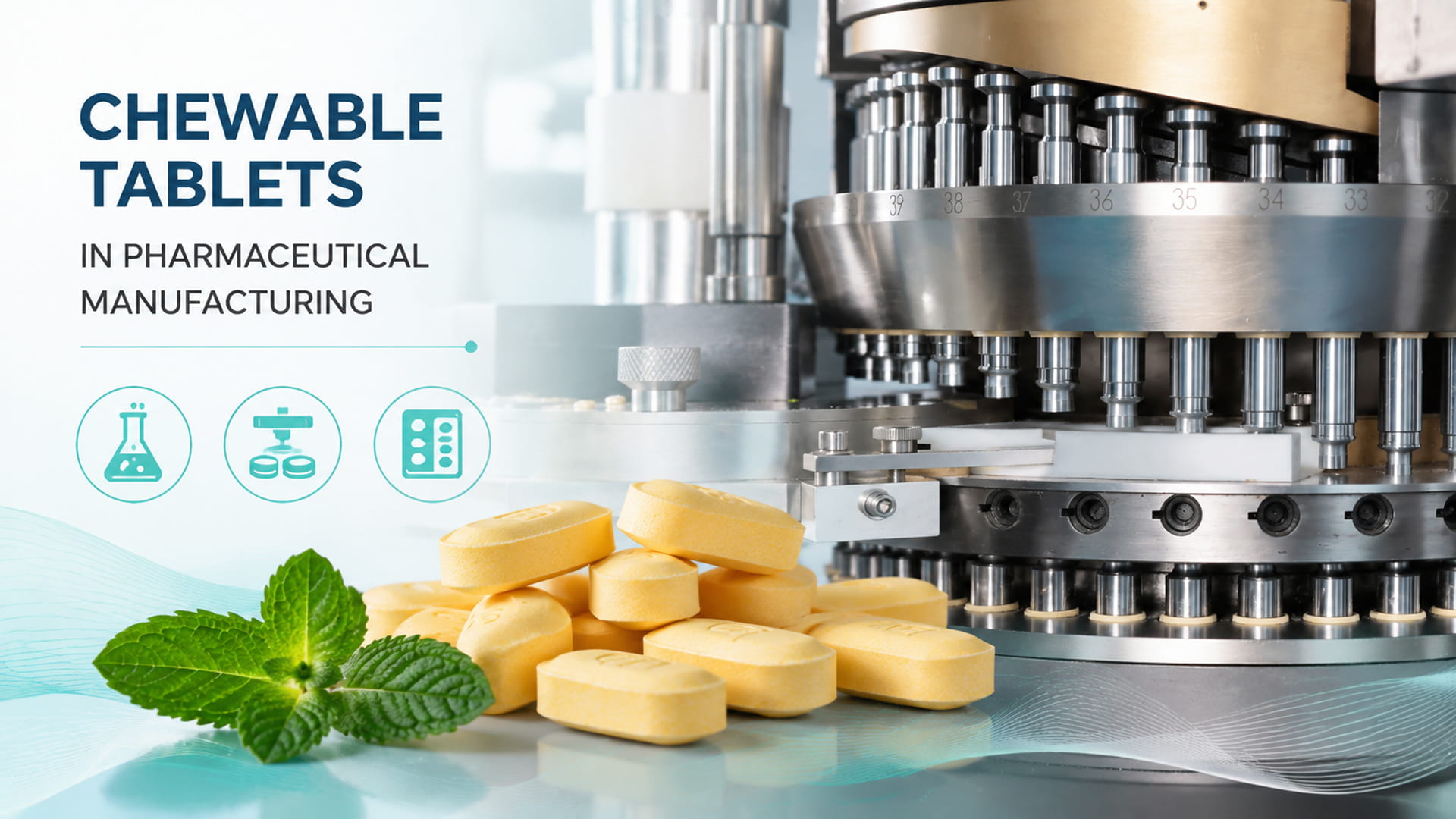
เม็ดเคี้ยวมีก ประเภทของช่องปาก รูปแบบยาที่เป็นของแข็ง ออกแบบให้เคี้ยวก่อนกลืน. แตกต่างจากแท็บเล็ตทั่วไป (ซึ่งคุณกลืนลงไปทั้งตัว) หรือ แท็บเล็ตที่สลายตัวทางปาก (ODT) ที่ละลายอยู่บนลิ้น, เคี้ยวได้ เคี้ยวจนแตกในปาก. ทำให้ผู้ป่วยจำนวนมากสามารถรับประทานยาได้ง่ายขึ้น.
ตามเทคโนโลยีเภสัชกรรม, เม็ดเคี้ยวหมายถึงเม็ด “ออกแบบมาให้เคี้ยวเพื่อช่วยในการปลดปล่อยสารออกฤทธิ์(S)-. ในทางปฏิบัติ, ซึ่งหมายความว่าอาหารเคี้ยวมักประกอบด้วยส่วนผสม เช่น น้ำตาล-แอลกอฮอล์ (โพลีออล) ที่เพิ่มความหวานและเทอะทะ. นอกจากนี้ยังสามารถปั้นเป็นรูปทรงที่สนุกสนานได้อีกด้วย (สัตว์, หัวใจ, ฯลฯ) เพื่อดึงดูดเด็กๆ. เพราะเม็ดเคี้ยวแตกเป็นอนุภาคในปาก, พวกเขาสามารถสร้างขึ้นได้ ใหญ่กว่าหรือมีรูปร่างแตกต่างกัน มากกว่ายาเม็ดที่คุณจะกลืนลงไป, แต่ยังคงละลายอย่างรวดเร็วหลังเคี้ยว.
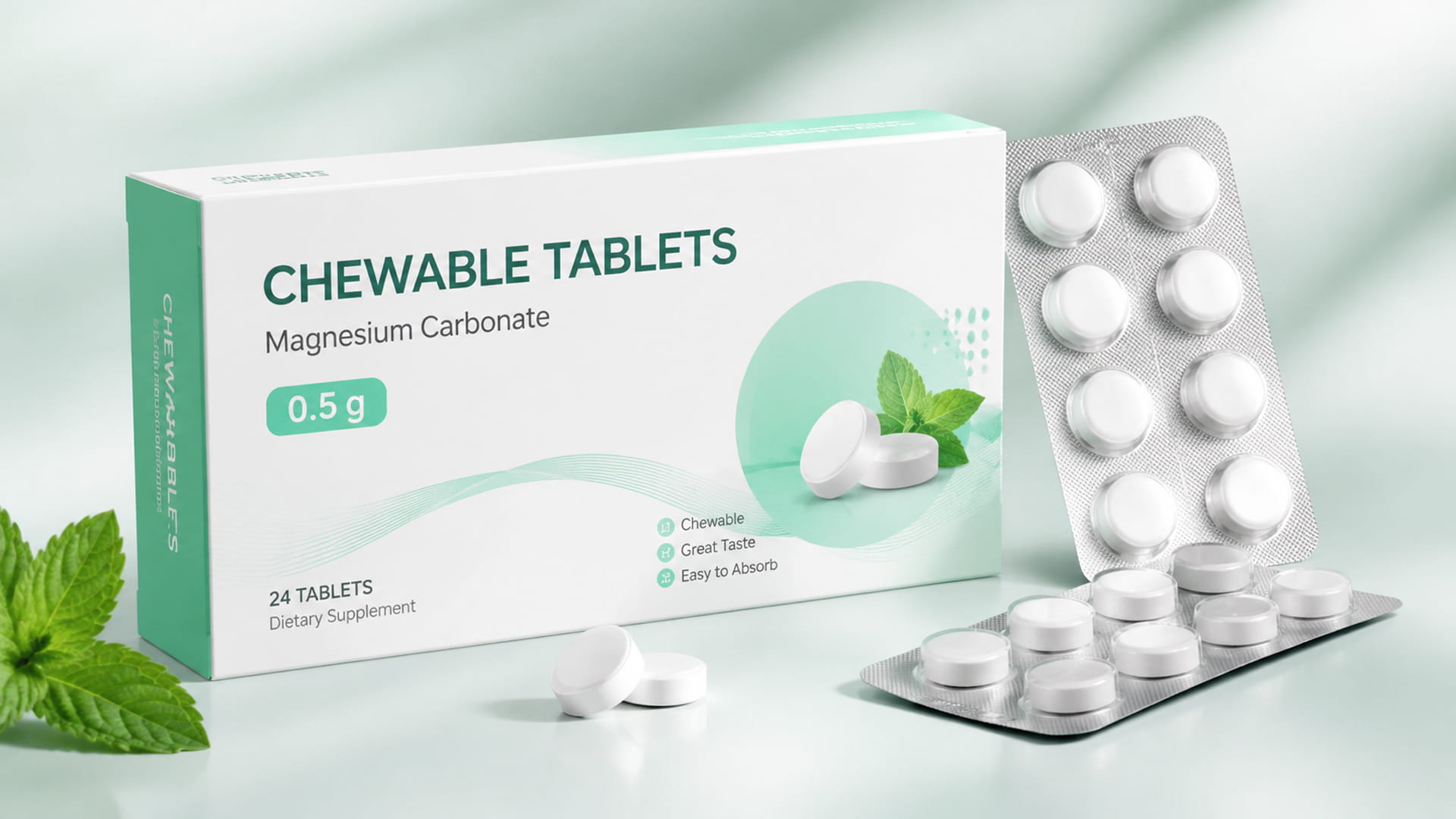
เม็ดเคี้ยวเป็นที่นิยมในตลาดการดูแลสุขภาพหลายส่วน:
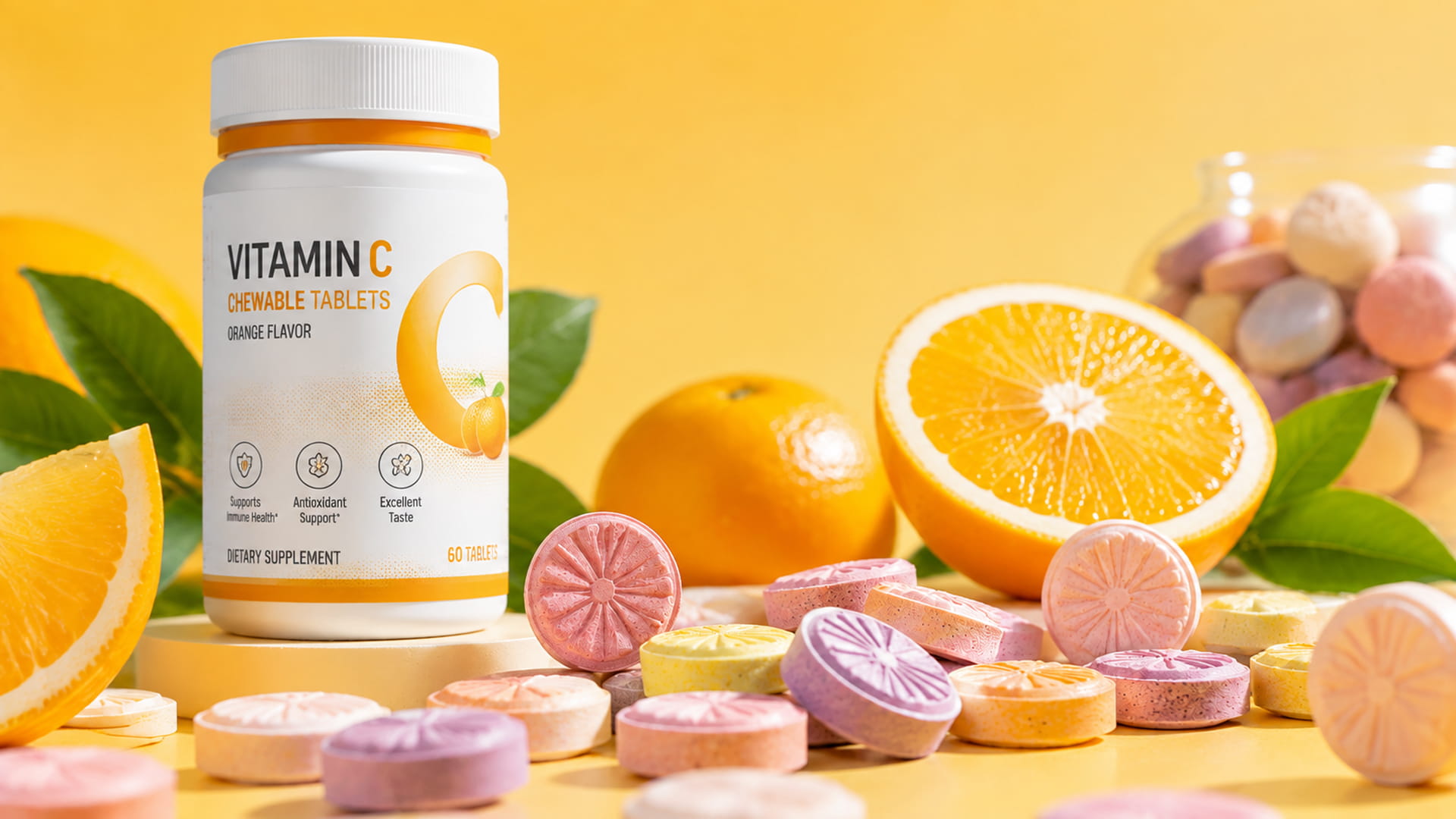
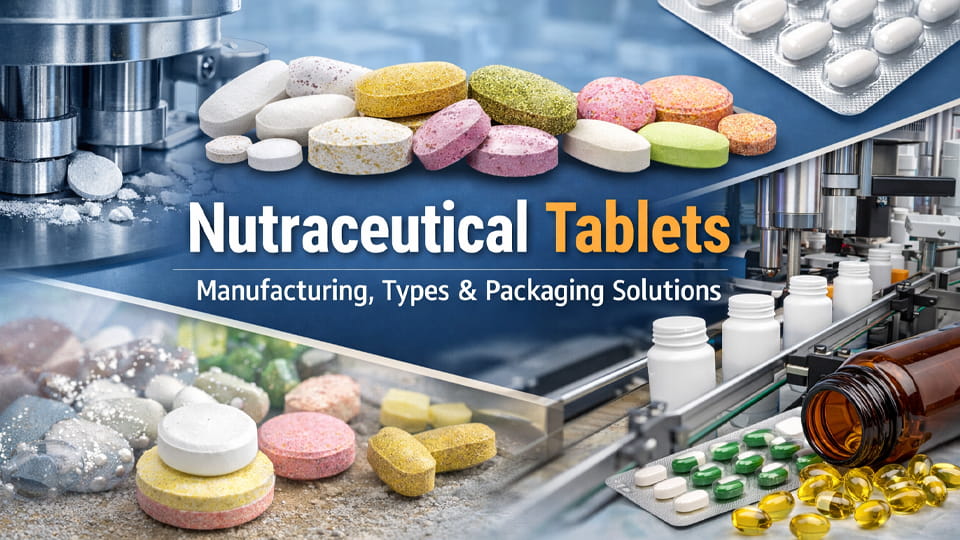
ภาพนี้แสดงให้เห็น วิตามินและอาหารเสริม ในรูปแบบเม็ดเคี้ยว. วิตามินซีแบบเคี้ยว, วิตามินรวม, และเม็ดแร่มักมีลักษณะคล้ายลูกอมที่มีสีสันสดใส. รูปร่างและรสนิยมทำให้เป็นตัวเลือกที่เป็นมิตรสำหรับผู้บริโภคและผู้ป่วยที่ใส่ใจสุขภาพ.
การสร้างเม็ดยาแบบเคี้ยวเป็นการกระทำที่สมดุล. แท็บเล็ตก็ต้องเป็น อร่อยและเคี้ยวง่าย, ยัง แข็งแกร่งและมั่นคง เพียงพอสำหรับการจัดการและการเก็บรักษา. นี่หมายความว่า:
รสชาติ & ความอร่อย: ต่างจากยาเม็ดที่กลืนได้, เคี้ยวอยู่ในปาก, การเปิดเผยยาให้รับรู้รส. ยาออกฤทธิ์หลายชนิดมีรสขม, ผู้กำหนดสูตรจึงเพิ่มสารให้ความหวาน (น้ำตาลหรือน้ำตาลแอลกอฮอล์) และสารปรุงแต่งรสเพื่อทำให้แท็บเล็ตน่ารับประทาน. สำหรับ API ที่มีรสขมมาก, สารเคลือบบางๆ หรือสารเพิ่มปริมาณที่ปิดกั้นรสชาติแบบพิเศษสามารถใช้เพื่อป้องกันไม่ให้รสชาติที่ไม่ดีเข้าถึงลิ้นได้. ตัวอย่างเช่น, วิตามินเม็ดเคี้ยวมักใช้รสผลไม้และมีรสหวาน (เช่น ซอร์บิทอลหรือแมนนิทอล) เพื่อปรับปรุงรสชาติ.
พื้นผิว & ความรู้สึกปาก: ควรมีเม็ดเคี้ยวที่ดี นุ่มพอที่จะสลายตัวได้อย่างราบรื่น โดยไม่รู้สึกเป็นทรายหรือเป็นชอล์กเกินไป. ขนาดอนุภาคและตัวเลือกสารเพิ่มปริมาณ: ส่วนผสมที่บดละเอียดและสารตัวเติม "อ่อน" (E.G. แมนนิทอล, ไซลิทอล) ช่วยให้แท็บเล็ตแตกตัวเบา ๆ เมื่อเคี้ยว. ในทางกลับกัน, เคี้ยวยังต้องการ บาง ความแข็งจึงไม่กระจุยเมื่อจัดเก็บ. แนวทางอุตสาหกรรมแนะนำให้รักษาความแข็งของแท็บเล็ตไว้ค่อนข้างต่ำ (E.G. ต่ำกว่า ~12 กิโลปอนด์) เว้นแต่เม็ดยาจะสลายตัวอย่างรวดเร็วในปาก. การใช้ส่วนเติมเนื้อยาและสารยึดเกาะที่มีการบีบอัดสูง (เช่น ไมโครคริสตัลไลน์เซลลูโลสหรือโพลีเมอร์บางชนิด) ช่วยให้แท็บเล็ตไม่เสียหายระหว่างบรรจุภัณฑ์แต่สามารถเคี้ยวได้ในปาก.
การสลายตัว & การปล่อยยา: ยาเคี้ยวจะต้องสลายและปล่อยยาอย่างมีประสิทธิภาพเมื่อเคี้ยวแล้ว. โดยปกติจะจัดเป็นรูปแบบยาที่ออกฤทธิ์ทันที, ดังนั้นจึงต้องเป็นไปตามมาตรฐานการแตกตัวและการละลายเช่นเดียวกับยาเม็ดที่ออกฤทธิ์ทันทีอื่นๆ. ในทางปฏิบัติ, นี่หมายถึงการทดสอบเม็ดเคี้ยวเพื่อให้แน่ใจว่าเม็ดจะละลายภายในเวลาที่กำหนด (มักจะใช้เวลาไม่ถึงไม่กี่นาที) หลังจากเคี้ยว. ตัวกำหนดสูตรมักประกอบด้วยสารช่วยแตกตัว (E.G. โซเดียมแป้งไกลโคเลต) เพื่อช่วยในการสลายอย่างรวดเร็วและรับประกันการดูดซึมที่สม่ำเสมอ.
ความมั่นคง: เช่นเดียวกับแท็บเล็ตใดๆ, ของเคี้ยวสามารถไวต่อความชื้นและอุณหภูมิได้. เพราะเคี้ยวได้หลายอย่าง (E.G. วิตามินหรือเคี้ยวฟู่) ใช้ฟิลเลอร์ดูดความชื้น, สูตรต้องมีความคงตัวตลอดอายุการเก็บรักษาของผลิตภัณฑ์. ซึ่งเกี่ยวข้องกับการควบคุมความชื้นอย่างเหมาะสมในระหว่างการผลิตและบรรจุภัณฑ์. ในความเป็นจริง, แนวทางการกำกับดูแล (E.G. คำแนะนำด้านความมั่นคงของ FDA) จำเป็นต้องส่งข้อมูลความเสถียรเพื่อแสดงให้เห็นถึงประสิทธิภาพและความปลอดภัยเมื่อเวลาผ่านไป. สำหรับวิตามินแบบเคี้ยวที่มีปริมาณยาสูง, จำเป็นต้องมีการดูแลเพิ่มเติมเพื่อปรับสมดุลของรสชาติด้วยส่วนผสมออกฤทธิ์ในขณะที่ยังคงความคงตัวไว้.
สารเพิ่มปริมาณทั่วไป: ส่วนประกอบสำคัญนอกเหนือจาก API ได้แก่ ฟิลเลอร์ (เครื่องบดขยี้) สำหรับจำนวนมาก, ผู้ยึดติด เพื่อยึดแท็บเล็ตไว้ด้วยกัน, น้ำมันหล่อลื่น เพื่อป้องกันการติด, และ, ที่สำคัญ, เครื่องปรุง/สารให้ความหวานเพื่อรสชาติ. สารตัวเติมทั่วไปในผลิตภัณฑ์เคี้ยวคือน้ำตาลแอลกอฮอล์ เช่น แมนนิทอลหรือซอร์บิทอล, หรือสารให้ความหวานเช่นซูโครสและแลคโตส. แมนนิทอล, เช่น, เป็นที่นิยมเพราะมันให้ความเย็นสบาย, รสหวานปากและช่วยให้เม็ดยาสลายตัวเร็ว. การแตกสลาย (เซลลูโลสไมโครคริสตัลไลน์, โซเดียมแป้งไกลโคเลต) ถูกนำมาใช้เพื่อให้แน่ใจว่าการสลายในปากอย่างรวดเร็ว. สารปรุงแต่งรสชาติ (รสชาติผลไม้, สะระแหน่, ฯลฯ) และสารแต่งสีก็เป็นเรื่องธรรมดาที่ทำให้แท็บเล็ตน่าดึงดูดสำหรับผู้บริโภค.
โดยมุ่งเน้นไปที่ปัจจัยเหล่านี้—การปกปิดรสชาติ, เนื้อสัมผัส, และการแตกตัว—นักพัฒนาเภสัชภัณฑ์สร้างยาเม็ดแบบเคี้ยวซึ่งมีทั้งประสิทธิผลและเป็นมิตรต่อผู้ป่วย. การกำหนดสูตรที่เหมาะสมจะวางรากฐานสำหรับการผลิตและบรรจุภัณฑ์ที่ราบรื่น.
การผลิตยาเม็ดเคี้ยวที่ดีหมายถึงการรักษาสมดุลระหว่างคุณภาพยากับการยอมรับของผู้ป่วย. คุณลักษณะด้านคุณภาพที่สำคัญ ได้แก่:
การปฏิบัติตามปัจจัยด้านคุณภาพเหล่านี้ไม่ใช่เรื่องเล็กน้อย, ซึ่งเป็นสาเหตุที่ FDA เผยแพร่คำแนะนำพิเศษเกี่ยวกับคุณสมบัติของยาเม็ดเคี้ยว. คำแนะนำนี้เน้นการจัดทำเอกสารขั้นตอนการพัฒนาและการทดสอบทั้งหมดในการยื่นตามกฎระเบียบ (NDA/อันดา). ซื้อกลับบ้าน: เม็ดเคี้ยวยังคงเป็นผลิตภัณฑ์ยาและต้องได้รับการปฏิบัติอย่างเข้มงวดอย่างมีคุณภาพ, เพียงแต่มีความเป็นมิตรต่อคนไข้.
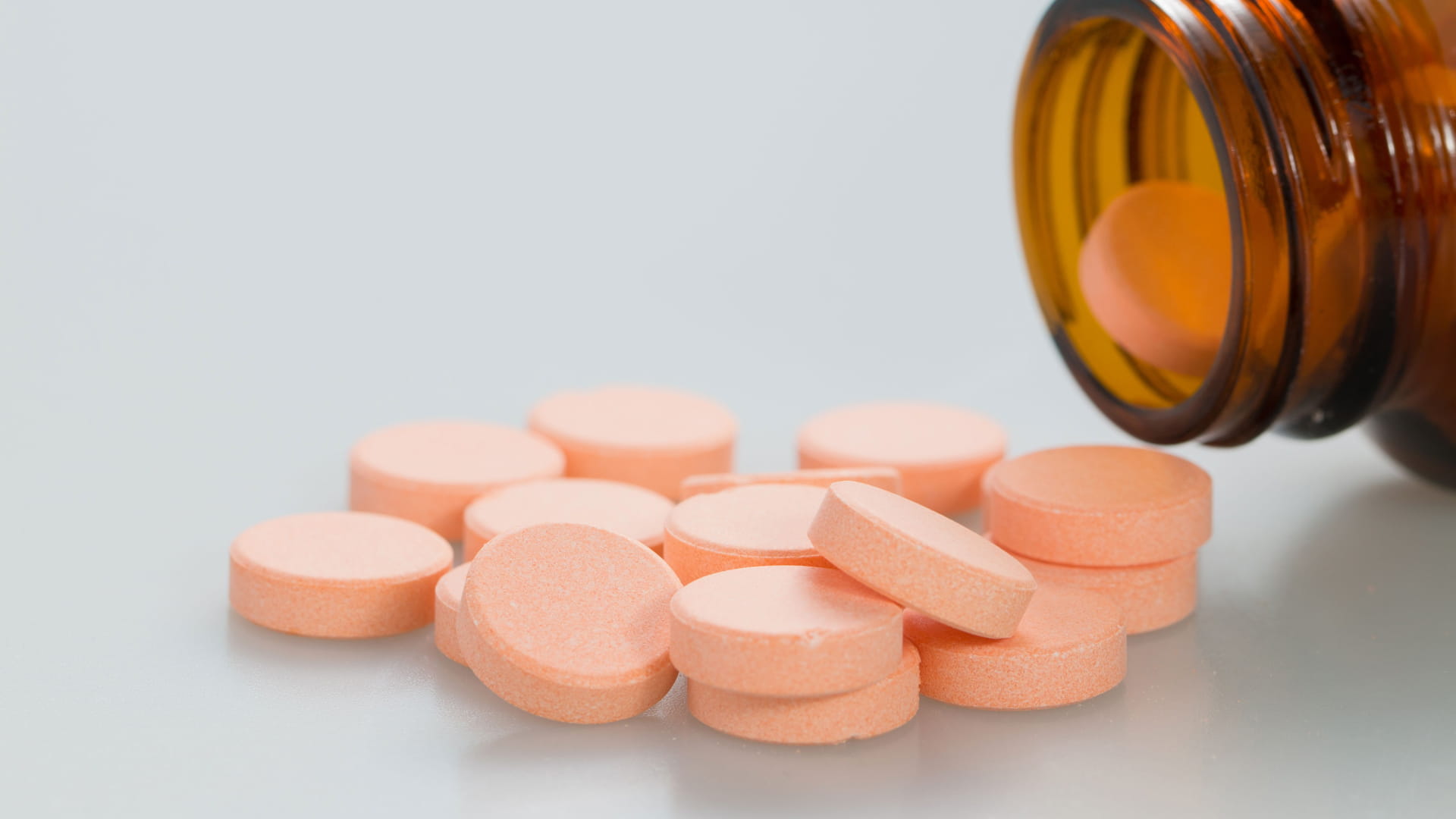
การผลิตยาเม็ดเคี้ยวส่วนใหญ่เป็นไปตามกระบวนการผลิตยาเม็ดมาตรฐาน, พร้อมการปรับแต่งพิเศษบางประการสำหรับการเคี้ยวและรสชาติ. ด้านล่างนี้คือภาพรวมของขั้นตอนสำคัญในการผลิตอาหารเคี้ยว:
ในแต่ละขั้นตอน, ผู้ผลิตปฏิบัติตามกฎระเบียบ cGMP (E.G. อย 21 ส่วนซีเอฟอาร์ 211 ในสหรัฐอเมริกา) เพื่อให้มั่นใจถึงความสะอาด, ความแม่นยำ, และการตรวจสอบย้อนกลับ. เครื่องอัดแท็บเล็ตสมัยใหม่มักจะมีการควบคุม PLC เพื่อปรับแรงกดและความเร็ว, และคุณสมบัติต่างๆ เช่น เซ็นเซอร์วัดแรงกดเพื่อรักษาแรงอัดที่สม่ำเสมอ. สำหรับเคี้ยวได้, กุญแจสำคัญคือการกดแบบ "อ่อนโยนแต่สม่ำเสมอ".
หลังการผลิต, เม็ดเคี้ยวจำเป็นต้องมีบรรจุภัณฑ์ที่เหมาะสมเพื่อรักษาความสดและมีประสิทธิภาพ. ด้านล่างนี้คือวิธีการบรรจุหีบห่อและอุปกรณ์ทั่วไปที่ใช้:


เครื่องบรรจุกล่องอาจเป็นแบบอัตโนมัติเต็มรูปแบบ (ไม่จำเป็นต้องมีผู้ปฏิบัติงานที่เป็นมนุษย์) และรวมเซ็นเซอร์เพื่อให้แน่ใจว่าแต่ละกล่องมีเม็ดมีดที่ถูกต้องและปิดผนึกอย่างเหมาะสม. ข้อดีของการบรรจุลงกล่องอัตโนมัติคือความเร็วและความสม่ำเสมอที่สูงกว่ามากเมื่อเทียบกับการบรรจุด้วยมือ. ในฐานะวิศวกรบรรจุภัณฑ์เคยเหน็บ, กล่องกระดาษให้ “ดูเป็นมืออาชีพ, กล่องป้องกันการงัดแงะ” ด้วยแรงงานน้อยที่สุด.
เคล็ดลับ: หากเม็ดเคี้ยวของคุณเข้าไปในขวด (E.G. ขวดวิตามิน), อาจจะไม่มีตุ่ม, แต่ขวดเหล่านั้นก็มักจะใส่ลงในกล่องด้วย, ตามกระบวนการบรรจุกล่องเดียวกัน.
นี้อย่างเต็มที่ สายการบรรจุขวดอัตโนมัติ เหมาะสำหรับผลิตภัณฑ์แบบเคี้ยว เช่น วิตามินดีแบบเคี้ยวหรือแคลเซียมแบบเคี้ยวที่จำหน่ายในขวด. ช่วยให้มั่นใจได้ว่าแต่ละขวดมีการนับที่ถูกต้อง (คิดให้แม่น 60 วิตามินซีแบบเคี้ยวเม็ดละกระปุก) และเร่งการผลิต.
คุณภาพ & การปฏิบัติตาม: เครื่องบรรจุภัณฑ์ทั้งหมดนี้ต้องเป็นไปตามมาตรฐานยา. ตัวอย่างเช่น, เส้นบรรจุภัณฑ์และกล่องบรรจุถูกสร้างขึ้นตามข้อกำหนด cGMP (21 ซีเอฟอาร์ 211 ในสหรัฐอเมริกา) ด้วยการออกแบบที่ถูกสุขลักษณะ, การตรวจสอบย้อนกลับ, และโปรโตคอลการตรวจสอบ. วิชันซิสเต็มแบบอินไลน์มักจะตรวจสอบระดับการเติมและการปิดผนึก, การป้องกันข้อผิดพลาด. บรรจุภัณฑ์ที่ดีปิดผนึกคุณภาพของผลิตภัณฑ์: การศึกษาแสดงให้เห็นว่าการดึงยาออกจากบรรจุภัณฑ์จะช่วยเร่งการย่อยสลายก่อนเวลาอันควร. ในระยะสั้น, การลงทุนในบรรจุภัณฑ์ที่แข็งแกร่ง (เช่น ตุ่มพองที่มีอุปสรรคสูงและกล่องบรรจุ/เคาน์เตอร์ที่แม่นยำ) เป็นสิ่งสำคัญอย่างยิ่งในการเก็บรักษาเม็ดเคี้ยวให้ปลอดภัยจากโรงงานสู่ผู้ป่วย.
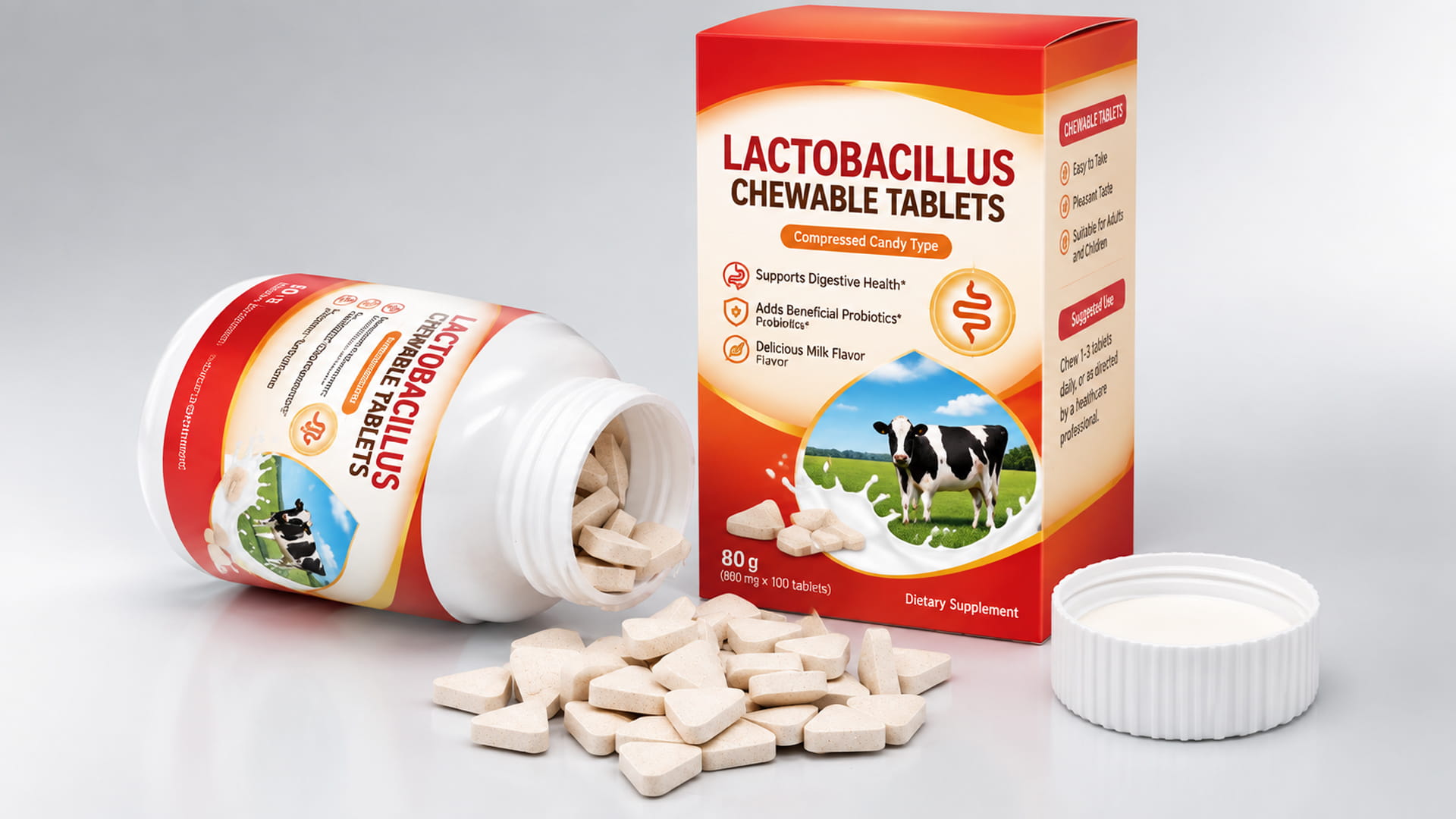
โดยสรุป, เม็ดเคี้ยวมีก เป็นมิตรกับผู้ป่วย และรูปแบบยาที่หลากหลายในยา. พวกเขาปรับปรุงการปฏิบัติตามกฎระเบียบ (ไม่จำเป็นต้องใช้น้ำ!), และด้วยเทคนิคการกำหนดสูตรที่ทันสมัย (สารให้ความหวาน, รสชาติ) พวกเขามีรสชาติค่อนข้างดี. การผลิตของพวกเขาใช้อุปกรณ์ตั้งโต๊ะมาตรฐาน มีการปรับแต่งเล็กน้อย: การบีบอัดแรงดันต่ำ, หมัดพิเศษ, และการควบคุมคุณภาพอย่างระมัดระวัง. บรรจุภัณฑ์ก็มีบทบาทสำคัญเช่นกัน – เครื่องตุ่ม, กล่องกระดาษ, และบรรทัดการนับช่วยให้มั่นใจได้ว่าเม็ดยาเคี้ยวแต่ละเม็ดยังคงความสดและได้รับการบรรจุอย่างถูกต้องในบรรจุภัณฑ์สุดท้าย.
หากคุณอยู่ในการผลิตยาหรือโภชนเภสัชและกำลังสนใจการผลิตยาเม็ดแบบเคี้ยว, จดจำ: พันธมิตรด้านอุปกรณ์ที่เหมาะสมสามารถสร้างความแตกต่างได้มาก. ผู้ผลิตชอบ จินลู่บรรจุ เสนอการกดแท็บเล็ตแบบกำหนดเอง, เครื่องบรรจุตุ่ม, และกล่องบรรจุที่สร้างขึ้นสำหรับผลิตภัณฑ์แบบเคี้ยวได้. ไม่ว่าคุณจะต้องการ แท็บเล็ตหมุน สำหรับเม็ดเคี้ยวนับพันเม็ดต่อชั่วโมงหรือก เส้นตุ่มความเร็วสูง เพื่อปิดผนึกแท็บวิตามินของคุณ, อุปกรณ์ที่มีคุณภาพจะช่วยให้การผลิตของคุณมีประสิทธิภาพและแท็บเล็ตของคุณเป็นมิตรกับผู้ป่วย.
พร้อมเสริมไลน์แท็บเล็ตเคี้ยวของคุณ? ติดต่อผู้เชี่ยวชาญที่ Jinlu Packing สำหรับโซลูชันการผลิตยาเม็ดและบรรจุภัณฑ์ยาที่ออกแบบโดยเฉพาะ
แท็บเล็ตที่เคี้ยวได้คือรูปแบบยาที่เป็นของแข็งในช่องปากซึ่งออกแบบมาเพื่อเคี้ยวก่อนกลืน. ให้การบริหารที่ง่ายกว่าเมื่อเทียบกับยาเม็ดแบบดั้งเดิม และมักใช้กับผลิตภัณฑ์ทางเภสัชกรรม, วิตามิน, และอาหารเสริมอาหาร.
เม็ดเคี้ยวผลิตขึ้นผ่านกระบวนการที่มีการผสมวัสดุ, แกรนูเลชั่นหรือการบีบอัดโดยตรง, การกดแท็บเล็ต, การทดสอบคุณภาพ, และบรรจุภัณฑ์. เครื่องอัดยาเม็ดแบบหมุนมักใช้ในการผลิตยาเม็ดที่มีขนาดสม่ำเสมอ, น้ำหนัก, และความแข็ง.
อุปกรณ์หลักที่ใช้ในการผลิตยาเม็ดเคี้ยว ได้แก่ เครื่องกดยาเม็ด, เครื่องผสมผง, แท็บเล็ต deduster, เครื่องตรวจจับโลหะ, เครื่องบรรจุหีบห่อ, เครื่องนับ, และเครื่องแพ็คกล่อง. การเลือกอุปกรณ์ขึ้นอยู่กับกำลังการผลิตและข้อกำหนดด้านบรรจุภัณฑ์.
ความแตกต่างที่สำคัญคือวิธีการดำเนินการ. แท็บเล็ตปกติจะถูกกลืนทั้งตัว, ในขณะที่เม็ดเคี้ยวได้รับการออกแบบให้เคี้ยวก่อนกลืน. เม็ดเคี้ยวมักต้องใช้สูตรเฉพาะเพื่อให้ได้รสชาติที่ดีขึ้น, เนื้อสัมผัส, และประสิทธิภาพการเคี้ยว.
ใช่. เครื่องอัดยาแบบหมุนสามารถผลิตยาเม็ดแบบเคี้ยวได้โดยการปรับแรงอัด, การออกแบบเครื่องมือ, และพารามิเตอร์การผลิต. การตั้งค่าเครื่องที่เหมาะสมช่วยให้เกิดความสมดุลที่ต้องการระหว่างความแข็งแรงของเม็ดยาและความสามารถในการเคี้ยว.
ตัวอย่างทั่วไป ได้แก่ ยาเม็ดเคี้ยววิตามินซี, วิตามินแบบเคี้ยวได้, เม็ดแคลเซียมเคี้ยวได้, เม็ดเหล็กเคี้ยวได้, และวิตามินดีแบบเม็ดเคี้ยว. ผลิตภัณฑ์เหล่านี้ใช้กันอย่างแพร่หลายในผลิตภัณฑ์เสริมอาหารและการใช้งานด้านเภสัชกรรม.
ไม่เสมอไป. แม้ว่ากระบวนการบีบอัดจะคล้ายกันก็ตาม, เม็ดเคี้ยวต้องให้ความสนใจเป็นพิเศษกับรสชาติ, ความรู้สึกปาก, ความแข็ง, และความเสถียรของสูตร. ผู้ผลิตจำเป็นต้องควบคุมทั้งคุณภาพผลิตภัณฑ์และประสบการณ์ผู้ใช้อย่างรอบคอบ.
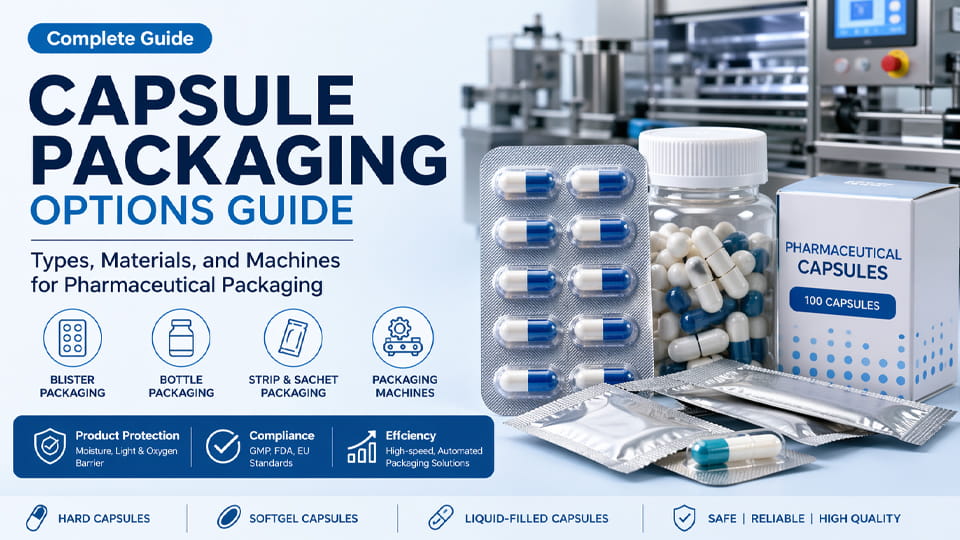
โซลูชันบรรจุภัณฑ์ทั่วไปสำหรับยาเม็ดเคี้ยว ได้แก่ บรรจุภัณฑ์พุพอง, ระบบนับขวด, และเครื่องเขียนกล่อง. เครื่องบรรจุภัณฑ์ยาที่เหมาะสมจะช่วยปกป้องเม็ดยาจากความชื้นและรับประกันความถูกต้องแม่นยำ, การผลิตที่มีประสิทธิภาพ.
วิตามินเม็ดเคี้ยวกำลังเป็นที่นิยมเพราะสะดวก, ใช้งานง่าย, และเป็นที่ยอมรับมากขึ้นสำหรับเด็กและผู้ใหญ่ที่มีปัญหาในการกลืนยา. ผลิตภัณฑ์ต่างๆ เช่น วิตามินซีแบบเคี้ยวและวิตามินรวมแบบเคี้ยวถูกนำมาใช้กันอย่างแพร่หลายในตลาดอาหารเสริม.
การเลือกสายการผลิตยาเม็ดเคี้ยวขึ้นอยู่กับปัจจัยต่างๆ เช่น ขนาดเม็ดยา, กำลังการผลิต, ระดับอัตโนมัติ, และวิธีการบรรจุภัณฑ์. ผู้ผลิตยาควรพิจารณาทั้งอุปกรณ์อัดยาเม็ดและโซลูชั่นบรรจุภัณฑ์ขั้นปลายเมื่อเลือกเครื่องจักร.
อ้างอิง:
1.การพิจารณาคุณสมบัติด้านคุณภาพสำหรับคำแนะนำสำหรับอุตสาหกรรมเม็ดเคี้ยว —— เรา. สำนักงานคณะกรรมการอาหารและยา
2.เม็ดเคี้ยว: การทบทวนข้อควรพิจารณาในการกำหนดสูตร —— ฟาร์มเทค
3.เม็ดเคี้ยว: บทวิจารณ์ที่ครอบคลุม —— วารสารวิจัยและพัฒนาเภสัชกรรมแห่งเอเชีย
4.สูตร, การผลิตและการประเมินผลเม็ดเคี้ยว —— pharmaapproach.com
5.ยาพาราเซตามอลแบบเม็ดเคี้ยวแบบนิ่มโดยวิธี Melt Granulation: การกำหนดและลักษณะเฉพาะ —— หอสมุดแห่งชาติแพทยศาสตร์