
Для фармацевтического контрактного производителя, тот лучшая машина для наполнения капсул обычно не является машиной с самой высокой паспортной скоростью.. Это машина, которая может надежно перемещаться между вашими реальными продуктами с наименьшими общими потерями производственного времени..
Это означает, что нужно выходить за рамки «капсул в час». Многопрофильному директору по маркетингу или CDMO необходимо учитывать размеры капсул, поведение порошка, пеллеты, микротаблетки, комбинированные продукты, требования к уборке, изменения в инструментах, сдерживание, время оператора, проверка, и последующий контроль качества. Главный поставщики оборудования для наполнения капсул донести одно и то же разными способами: гибкость достигается за счет взаимозаменяемых систем дозирования, широкая совместимость продуктов, короткие переключения, легкая очистка, и интегрированный контроль веса — не только скорости.
Для большинства контрактных производителей обработка несколько SKU в коммерческом масштабе, гибкий Полностью автоматическая машина для заполнения капсулы в диапазоне средних скоростей часто является лучшей отправной точкой. Полуавтоматическое оборудование по-прежнему имеет смысл, когда партии небольшие и часто меняются.. Очень высокоскоростные машины имеют смысл, когда в расписании доминируют крупные кампании.. А если речь идет о сильнодействующих соединениях, сдерживание может преобладать над любым другим критерием выбора. Специализированное оборудование для наполнения капсул доступно с OEB 4/OEB. 5 системы локализации и влажной очистки или мойки на месте, что показывает, насколько это требование отличается от покупки стандартного инкапсулятора общего назначения..
Практическое правило простое:
Выберите машину для наполнения капсул, которая обеспечит вам максимальную полезную дневную производительность по всему ассортименту продукции, а не самую высокую теоретическую часовую производительность по одному простому продукту..
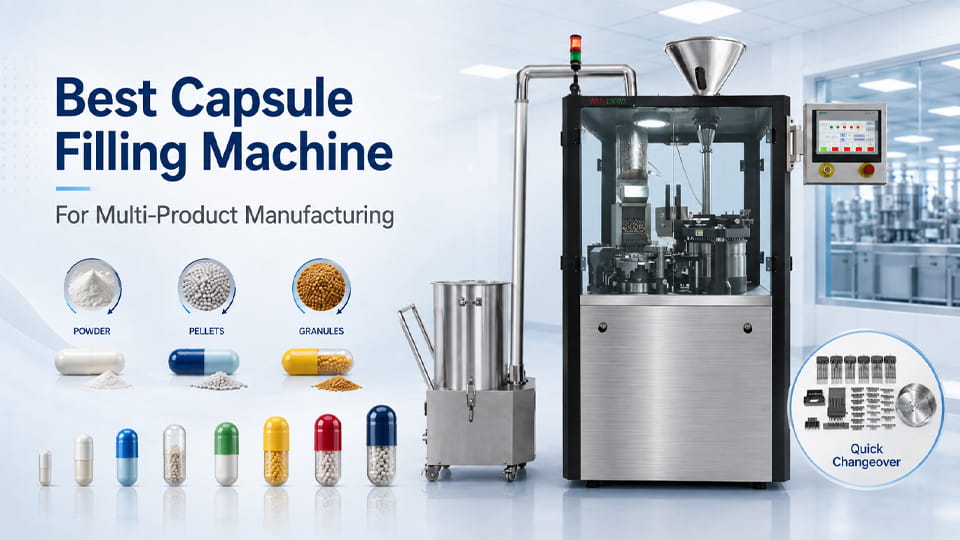
Фармацевтические директора по маркетингу (контрактные производители) запускать множество SKU на общих линиях. Им часто приходится переключаться между продуктами, размеры капсул, и формулы быстро. Одноцелевая машина (настроен для одного размера или продукта) невозможно встретить этот сорт без нескольких единиц. Наполнитель разных размеров покрывает № 000–№ 5. (от самой большой до самой маленькой твердой капсулы) в одной машине. Это позволяет директорам по маркетингу консолидировать оборудование, экономия места и капитала. Это также ускоряет запуск новых продуктов.: вместо заказа новой инкапсуляционной машины для каждой позиции, регулируемая машина может производить несколько рецептов.
Однако, гибкость приносит компромиссы. Переналадка становится узким местом, если смена инструментов происходит медленно или сложно. (см. следующий раздел). Очистка и проверка также имеют решающее значение: Машина для наполнения капсул CMO должна легко дезинфицироваться между различными лекарствами, чтобы избежать перекрестного загрязнения. (неспециализированное оборудование должен очищаться между партиями). Суммируя, Директорам по маркетингу нужны наполнители капсул, предназначенные для быстрой замены пресс-форм., бережная очистка, и точное дозирование, позволяющее одной машине надежно производить множество продуктов в GMP правила.
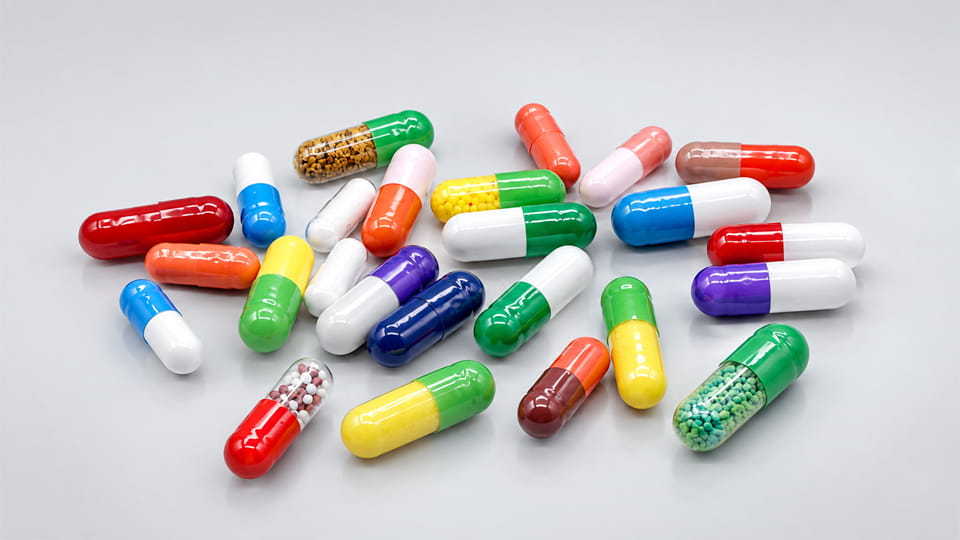
При оценке машин для работы с несколькими продуктами, сосредоточьтесь на этих факторах (таблица ниже), тогда читайте подробности после. Хорошо сбалансированный выбор сводит к минимуму компромиссы в вашем портфеле..
| Фактор | Что искать |
| Диапазон размеров капсул | Поддерживает все необходимые размеры (#000–#5 распространен в фармацевтике) без специальных модов. Не менее важно быстрое переключение между размерами.. |
| Типы рецептур | Справляется с порошками/гранулами. Проверьте, может ли он дозировать ваш конкретный порошок API., гранулы или микротаблетки. Некоторые модели даже дозируют жидкости. (требующие специальных насадок). |
| Скорость производства | Номинальная мощность (капсул/час) должна превышать вашу максимальную скорость бега. Но обратите внимание, что указанные скорости предполагают идеальные условия. (размер #00, сыпучий порошок). |
| Легкость переключения | Ищите модульные инструменты и быстронастраиваемые конструкции.. Современные машины могут заменять наборы пресс-форм. <30 минуты (15 мин в продвинутых моделях). |
| Очистка/проектирование CIP | GMP требует валидированной очистки между продуктами. Отдавайте предпочтение контактным деталям из нержавеющей стали и возможности CIP или разборке без инструментов.. |
| Точность заполнения | Проверьте систему дозирования (шнек/диск, Заткнутые булавки) и характеристики точности. Хорошие наполнители обеспечивают вариацию веса на ~±1–3 %.. Реклама элитных линий >97% точность заполнения. |
| Уровень автоматизации | Полностью автоматические машины работают непрерывно с минимальным трудозатратами. (автоматическая загрузка/блокировка, ПЛК управления), в то время как полуавтомат требует оператора, но стоит дешевле (см. ниже). |
| Поддержка валидации | Убедитесь, что устройство поддерживает протоколы IQ/OQ/PQ., журналы данных и часть CFR21 11 если необходимо. Проверьте, предоставляет ли поставщик подтверждающие документы или помощь.. |
| След & Масштабируемость | Для директоров по маркетингу, Площадь помещения и будущий рост имеют значение. Одна гибкая машина экономит место по сравнению с несколькими выделенными устройствами, но убедитесь, что он может масштабироваться (например. добавление станций или связывание наполнителей, если объемы растут). |
Каждый из вышеперечисленных факторов должен быть адаптирован к вашей ситуации.. Например, если ты владеешь мощным API, тот Очистка/проектирование CIP становится чрезвычайно важным (вам потребуется полная изоляция или частые проверенные чистки для защиты операторов и предотвращения перекрестного загрязнения.). Если вы часто переключаетесь между капсулами разных размеров, тогда простота переключения имеет первостепенное значение; как отмечено ниже, пропуск автоматизации изменения размера может стоить нескольких часов простоя.
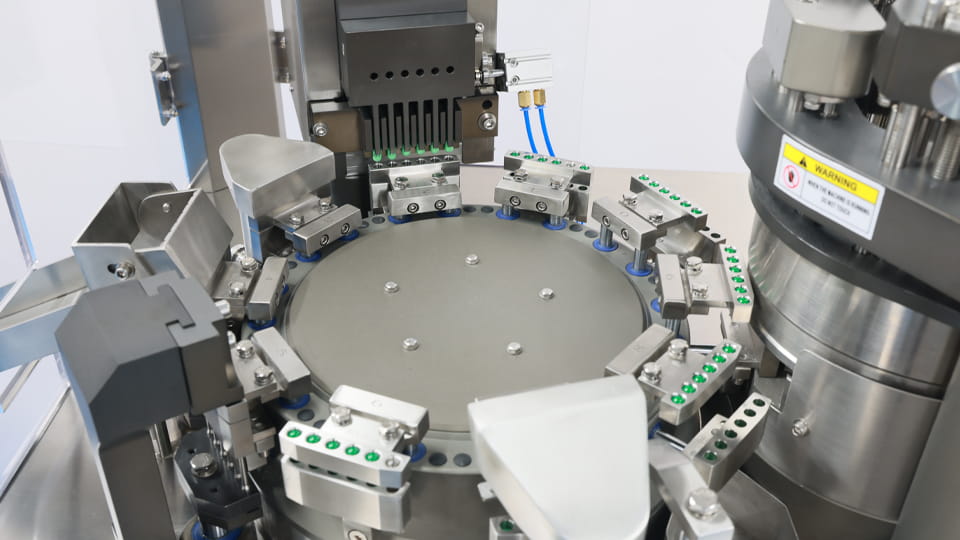
Высокая пропускная способность капсул привлекательна, но реальная эффективность зависит не только от максимальной скорости. Производители часто указывают производительность машины в идеальных условиях., но фактический результат может быть гораздо ниже если ваш продукт сложный. Например, мелкие или липкие порошки могут заклинить шнек., или маленькие капсулы дают более медленный темп. Всегда учитывайте влияние размера капсулы., поток порошка, и время простоя.
Для планирования мощности, начните с требуемого вывода (капсул на партию или на год) и работать в обратном направлении. Определите, сколько производственных часов вы реально можете запустить (например. две смены вместо полного режима 24х7). Затем разделите необходимое количество капсул на часы работы, чтобы получить целевое количество капсул в час.. Сравните это с эффективной скоростью машины. (часто 80–90% от максимального рейтинга). Примечание: Слишком большие размеры могут иметь неприятные последствия, если другое линейное оборудование (считает, укупорка, маркировка) не могу идти в ногу. Как сказал один гид, установка наполнителя производительностью 150 тыс./ч на линию со скоростью 80 тыс./ч вызвала 47% время простоя, тратить деньги. Всегда стремитесь к сбалансированной пропускной способности линии..
Для повышения эффективности, также учитывать потери при перенастройке и очистке. Даже «30-минутное» переключение снижает производительность, если оно происходит между каждой партией.. Если ваша линия часто меняет артикулы, включите эти окна простоя в свои расчеты. На практике, нацельтесь на наполнитель, эффективная емкость (фактическое время выполнения) превышает вашу пиковую потребность, так что у вас есть запас для переналадки или незначительного замедления.
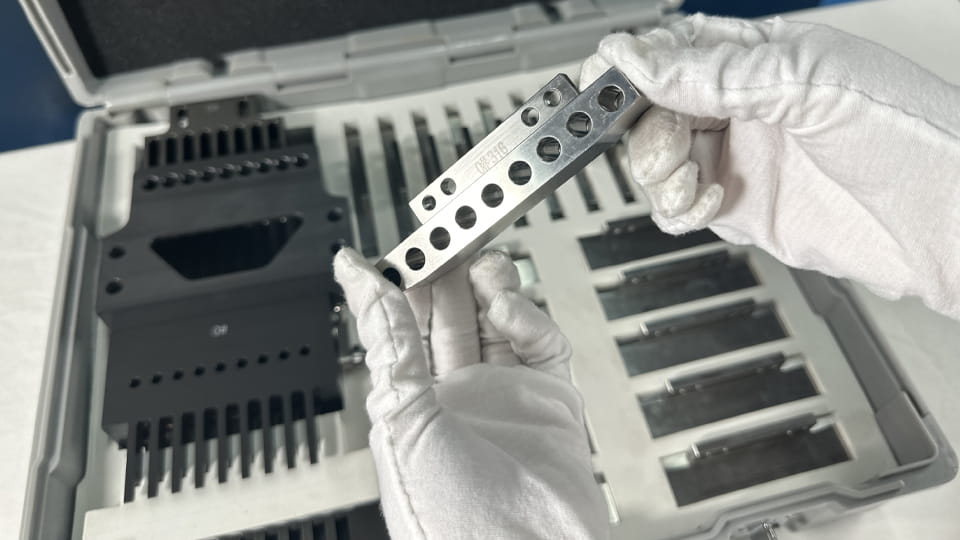
Длительные переналадки могут свести на нет преимущества любой гибкой машины.. Часто требуются традиционные ротационные машины для наполнения капсул. 4–6 часов для изменения размера. В современных конструкциях используются сервоприводы и пресс-формы с быстрой блокировкой, чтобы значительно сократить это - часто для 30–45 минут для полноразмерного обмена. При оценке, попросите поставщиков продемонстрировать изменение размеров ваших капсул..
Простота замены обеспечивается модульными компонентами.: обычно станция капсульного кормления, верхняя/нижняя пластины формы, дозирующий диск и скребок, заполняющие стержни, и направляющие разгрузки должны быть заменены на новый размер.. Машины с зажимами без инструментов или индексированными корпусами пресс-форм могут здесь сэкономить время.. Например, В серии NJP Джинлу используется модульная конструкция пресс-формы что позволяет полностью менять пресс-форму за 15 минуты. В одном реальном случае, переход с кулачкового наполнителя на одноразовый с сервоприводом 6 часов до 35 минуты, экономия более \$120,000 в год.
В итоге, минимизировать переналадку: ищите машины с быстросъемной формой, функции предустановленной настройки, и сохраненные «рецепты», чтобы операторам не приходилось каждый раз вручную настраивать смещения.. Если вы ожидаете десятков изменений размера в квартал, скорость переключения должна быть главным критерием выбора.
Фармацевтический директор по маркетингу должен обеспечивать строгий контроль очистки и загрязнения при использовании нескольких продуктов на одной машине.. Руководство FDA (и простая логика GMP) заявить, что неспециализированное оборудование необходимо очищать между разными продуктами для предотвращения перекрестного загрязнения. Фактически, В предупреждающем письме FDA недавно отмечалось, что с точки зрения CGMP «неприемлемо производство лекарств с использованием того же оборудования… которое также используется для производства нефармацевтической продукции» без тщательной очистки..
Чтобы удовлетворить эти требования, выберите наполнитель капсул для таблеток с санитарное проектирование: гладкая конструкция из нержавеющей стали 316L, закругленные края, минимальные щели, и герметичные подшипники, где это возможно.. Многие машины теперь поддерживают Очистка на месте (СИП): встроенные распылители и циркуляционные системы очистки, позволяющие мыть внутренние поверхности без полной разборки. Если CIP недоступен, убедитесь, что все бункеры, дозирующие диски, и подающие лотки можно снять или открыть без инструментов для ручной очистки.
Также установите проверенные протоколы очистки.: самое сильное загрязнение (например. сильнодействующие или липкие ингредиенты) должны быть удалены до допустимых пределов остатка. Поставщик фармацевтического оборудования должен предоставить инструкции по очистке или даже тесты на имитацию загрязнения.. Окончательно, вести журналы тщательной очистки в соответствии с требованиями 21 CFR 211.67(беременный). (Как напомнил один инспектор FDA, неадекватная валидация очистки является повторным нарушением.) Суммируя: спроектируйте с учетом возможности очистки и все документируйте. Обеспечение быстрой замены является спорным, если машину нельзя быстро и надежно очистить между партиями..
Не все формулы работают одинаково. В оборудовании для наполнения капсул используются различные механизмы дозирования для обеспечения разнообразия продукта.. Общие системы включают в себя:
Стремитесь к точности веса наполнения в пределах ±1–3% от целевого значения.. Машины высшего уровня (как элитная фармацевтика машины для изготовления капсул) рекламировать точность в этом диапазоне. Например, Автоматический наполнитель Jinlu NJP-3800D поддерживает >97% точность веса. Всегда сверяйте с тестовыми данными: уточните у поставщиков типичные отклонения веса при целевом размере и весе капсулы..
Выбор системы дозирования должен соответствовать вашему материалу.. Если ты очень хорошо справляешься, электростатический, или связующие порошки, убедитесь, что доступны такие функции, как антистатические покрытия или платформы псевдоожижения.. И всегда следите за тем, чтобы материал контактных частей соответствовал вашему химическому составу. (в целом 304 или 316 нержавеющая сталь является стандартным). В итоге, подобрать технологию дозирования для вашего продукта и подтвердите характеристики точности доказательствами.
Выбор между одной машиной разных размеров или несколькими специализированными машинами — классический компромисс.. Рассмотрим эти плюсы и минусы (таблица ниже) в разрезе ваших SKU и объемов.
| Аспект | Одна универсальная машина | Несколько выделенных машин |
| Капсульный ассортимент | Обрабатывает полный диапазон (например. #000–#5) с переналадками. Требует замены инструмента между размерами.. | Каждая машина изготавливается по индивидуальному размеру. (никаких свопов на машине не требуется). |
| Капитальные затраты | Нижний вперед: купите одно высококачественное устройство вместо многих. | Выше: несколько машин (часто с перекрывающимися функциями). |
| Площадь пола | Экономит пространство за счет одного занимаемого места. | Большая площадь; нескольким единицам требуется больше места. |
| Пропускная способность | Ограничено максимальной скоростью одной машины. Если объемы большие, вам может понадобиться очень большая машина. | Комбинированная пропускная способность может быть выше (параллельный ход); размер может соответствовать объему каждого продукта. |
| Гибкость ассортимента продукции | Очень высокий: любой продукт может использовать одну и ту же машину (с переключением). Отлично подходит для многих SKU. | Исправлено машиной; смена продукта означает перемещение партий между машинами или покупку дополнительных единиц. |
| Переключение & Время простоя | У вас будет простой при каждом изменении размера. (и уборка) в этой одной строке. | Отсутствие простоев из-за изменения размера на каждом блоке (они остаются настроенными); но тебе все равно понадобится уборка. |
| Риск перекрестного загрязнения | Очистка каждой партии между продуктами, более высокий риск перекрестного заражения при недостаточной очистке. | Если выделено для каждого SKU или локализации, более низкий риск перекрестного заражения (с меньшим количеством циклов очистки). |
| Обслуживание | Только одна машина для обслуживания и запасных частей для. | Больше машин означает больше обслуживания и запасных частей.. |
| Использование | Может возникнуть простой, если спрос на некоторые размеры низкий.. | Каждая машина может работать непрерывно в заданном размере, если существует потребность.. |
| Будущее масштабирование | Масштабируйтесь путем обновления до более быстрой модели или добавления машины того же типа позже.. | Чтобы увеличить емкость для размера, добавить больше единиц такого размера. |
Один гибкий наполнитель, как правило, лучше всего, если: у тебя много мелкие и средние партии и вам нужно пространство или эффективность использования капитала, и вы можете запланировать переналадку. Несколько выделенных машин лучше, если: один или два продукта доминируют в объеме (оправдывая свои собственные машины), или если риск загрязнения требует строгого разделения (например. одна машина для очень мощного, еще один для стандарта составы). Для большинства директоров по маркетингу с несколько среднеобъемная продукция, одна адаптируемая машина – или пара гибких машин – часто является оптимальным решением..
Полуавтоматические и полностью автоматические машины для наполнения капсул имеют свои варианты использования.. В общем:
| Особенность | Полуавтоматический наполнитель | Полностью автоматический наполнитель |
| Выход (Caps/Hr) | Умеренный: ~ 10 000–40 000 (типичный) | Высокий: ~30 000–200 000+ (до 468к в топовых моделях) |
| Инвестиционная стоимость | Ниже (десятки тысяч долларов США). | Гораздо выше (обычно шестизначные ценники). |
| Оператор труда | Требует 1 оператор, загружающий капсулы и порошок. | Минимальный (1–2 оператора) – машина автоматически подает и выталкивает. |
| Гибкость | Хороший: многие могут менять размеры, но ручная загрузка увеличивает время цикла. | Хороший: некоторые тоже могут менять размеры, но с предустановленными программами; очень быстрый непрерывный бег. |
| Переключение | В целом проще (меньше станций), но замена деталей все равно занимает минуты. | Также занимает несколько минут, но машины часто включают в себя автоматическую регулировку и хранилище рецептов для переналадки.. |
| Площадь пола | Меньшая занимаемая площадь. | Больше, с большим количеством станций/турелей. |
| Типичные пользователи | Малые компании, нутрицевтики, контрактные лаборатории, или директора по маркетингу с <40потребность в тыс./час (как «мостовое» решение). | Крупные производители фармацевтической/нутричной продукции с высоким спросом. Лучше, если спрос оправдывает >50тыс./ч пропускная способность. |
На практике, многие подрядчики находят полуавтоматические машины для наполнения капсул идеально подходит для начальных объемов или пилотных партий, поскольку они значительно сокращают трудозатраты по сравнению с ручными, не перерасходуя при этом полную линию. Но по мере роста или диверсификации продуктовых линеек, стабильность и скорость полностью автоматических ротационных машин становятся привлекательными. The таблица выше подчеркивает, что полуавтоматические машины обменивают скорость на стоимость и простоту., тогда как автоматика превосходна при больших объемах, но требует значительных инвестиций и технических навыков для работы.

При разговоре с производители фармацевтического оборудования или OEM-производители, спросить напрямую:
Бонус: «Какие функции безопасности/сдерживания для мощных API?» Если применимо, проверить изоляторы перчаточного ящика или системы фильтров. Готовность поставщика подробно ответить на эти вопросы отличает партнера, который понимает потребности директора по маркетингу..
Для определения размера оборудования или выбора количества машин, выполните следующие действия:
Всегда ошибайтесь на стороне гибкость с запасом по высоте. Для работы по договору, спрос может резко возрасти или измениться. Выбор машины, которая соответствует точный базовый уровень может привести к сокращению мощностей позже. Если бюджет позволяет, машина с 20–30% дополнительной производительностью (или возможность легко добавить еще один блок) часто безопаснее.
Подводя итог соображениям:
На практике, большинство директоров по маркетингу начинают с одной универсальной полуавтоматической или небольшой капсульной машины. (работать универсалом) и добавляйте специализированные машины только тогда, когда объем продукта или нормативные потребности оправдывают это..
Как пример многопродуктовой машины, Джинлу Серия автоматических наполнителей капсул NJP иллюстрирует многие из желаемых характеристик. Например, тот НДЖП-1500Д модель:

Jinlu также обеспечивает машины гарантиями и документацией. (см. наш Получить предложение и страницы контактов). Пока мы выделяем спецификации NJP для иллюстрации., любой поставщик должен в идеале соответствовать или превосходить эти функции для приложения CMO..
Используйте этот контрольный список для параллельного сравнения поставщиков. Лучшее устройство для наполнения капсул для вашего директора по маркетингу будет отвечать вашим текущим потребностям и оставьте некоторый запас для завтрашних проектов.
Выбор подходящей машины для изготовления капсул — это баланс гибкости., скорость, и качество. Для многопродуктовых директоров по маркетингу, Высокопроизводительная автоматическая машина для наполнения капсул часто обеспечивает необходимую универсальность: он поддерживает все размеры (#000–#5), быстрая смена пресс-форм, и проверенная очистка. Серия NJP компании Jinlu является одним из примеров такого оборудования., но принципы применимы к модели любого поставщика. Оцените машины в соответствии с вашим конкретным портфолио и приоритетами., и не стесняйтесь привлекать инженеров и команды контроля качества на ранних этапах.
Когда вы будете готовы продолжить, Изучите предложения Jinlu по наполнению капсул (см. наш Машина для наполнения капсул раздел) или свяжитесь с нашими инженерами по продажам для получения индивидуального предложения. Убедитесь, что поставщик понимает ваш рабочий процесс с несколькими SKU и нормативные требования.. С подходящей машиной на месте, ваш директор по маркетингу может эффективно производить широкий ассортимент продукции, соответствовать стандартам GMP, и оперативно реагировать на требования клиентов.
Готовы обсудить ваши потребности в наполнении капсул.? Свяжитесь с Jinlu Packing через наш Свяжитесь с нами или запросите подробное ценовое предложение для получения рекомендаций по оптимальному решению.
Для большинства коммерческих директоров по маркетингу, специализирующихся на нескольких продуктах, лучший выбор — гибкая, полностью автоматическая машина для наполнения капсул, рассчитанная на реальные объемы партий, а не на максимально возможную скорость.. Отдавайте приоритет совместимости рецептур, быстрая механическая смена, очищаемость, диапазон размеров капсул, повторяемое дозирование, поддержка проверки и эффективный ежедневный выпуск.
Да, при условии, что машина спроектирована с необходимыми сменными деталями. Джинлу в настоящее время перечисляет #000, #00, #0, #1, #2, #3, #4 и #5 твердые капсулы для NJP-1200C, НДЖП-1500Д и НДЖП-7800Д. Изменение размера капсулы обычно требует изменения формата/оснастки., поэтому покупатели должны включать каждый запланированный размер в URS и предложение..
Да, подходящие промышленные наполнители капсул могут обрабатывать порошки и гранулы, а некоторые конструкции могут заполнять комбинации в одну и ту же капсулу, используя отдельные дозирующие станции.. Акг, Syntegon и MG2 документально подтверждают возможность использования нескольких материалов или комбинированных наполнителей в своих портфелях капсулонаполнителей.. Точную конфигурацию следует проверить, поскольку фраза «поддерживает порошок и гранулы» не обязательно означает, что одновременное комбинированное заполнение включено в стандартную комплектацию..
Всегда отделяйте механическую замену от валидированной замены продукта.. Jinlu публикует данные о смене пресс-формы за 15 минут для NJP-1200C., НДЖП-1500Д и НДЖП-7800Д, но полная смена продукта может также включать очистку линии, разборка, уборка, сушка, осмотр, проверка и документированный выпуск. FDA ожидает, что процессы очистки будут продемонстрированы как эффективные, поэтому полное время замены во многом зависит от продукта и утвержденной процедуры очистки на объекте..
Полуавтоматический капсулонаполнитель может быть хорошим выбором для небольших партий, поскольку капитальные затраты ниже, а оборудование относительно простое.. Полностью автоматическая машина для наполнения капсул становится все более привлекательной по мере увеличения коммерческих объемов., затраты на рабочую силу, Требования к повторяемости и повышение автоматизации последующих этапов. Текущий полуавтоматический пистолет CGN-208D компании Jinlu котируется на 30,000 капсулы/час, по сравнению с 72,000, 90,000 и 468,000 капсул/час для трех автоматических моделей, рассмотренных выше..
Начните с гигиеничного дизайна, доступные части, контактирующие с продуктом, эффективный контроль пыли и научно обоснованная процедура очистки. Затем подтвердите очистку в соответствии с требованиями системы качества предприятия.. Для сильнодействующих продуктов, оценить, требуется ли специальное оборудование или специально разработанная система локализации, а не полагаться на обычное пылеудаление. FDA определяет предотвращение загрязнения и переноса как основную причину очистки оборудования., в то время как имеется специализированное капсульное оборудование с защитной оболочкой OEB и очисткой WIP..
Для фармацевтического производства нескольких продуктов не существует полезной цены на машину для наполнения одиночных капсул, поскольку конфигурация определяет стоимость. Выход, капсульная оснастка, дозирующие модули, питатели порошка или гранул, сдерживание, контрольное взвешивание, автоматизация, документация по валидации, установка, запасные части и обслуживание — все это влияет на проект. Сравните общую стоимость владения и стоимость одной продаваемой капсулы., не только цена покупки.
Точная стратегия квалификации зависит от системы качества фармацевтического производителя и применимых требований рынка.. Приложение GMP ЕС 15 явно описывает IQ, OQ и PQ, а также обсуждаются URS и FAT/SAT.. Руководство FDA по валидации процессов аналогичным образом предполагает, что оборудование будет аттестовано как пригодное для использования по назначению перед аттестацией коммерческого процесса.. Документация поставщика может поддержать эту работу., но это не заменяет собственные утвержденные обязанности пользователя по квалификации и проверке..
Идеальная система дозирования зависит от характеристик продукта..
• В составах порошковых составов часто используются трамбовочные штифты или системы дозаторов..
• Гранулы требуют специальных механизмов подачи..
• Для пеллет и микротаблеток могут потребоваться специальные дозаторы..
Гибкая машина для наполнения капсул должна поддерживать несколько методов наполнения для удовлетворения меняющихся производственных требований..
Это зависит от производственной стратегии. Одна гибкая машина для наполнения капсул часто подходит для производителей с множеством SKU., частая смена продуктов, и средние объемы производства. Специализированные машины могут быть более эффективными для очень больших объемов продукции или специализированных применений..
Ссылки:
1.Влияние свойств текучести порошка на однородность массы наполнения капсул —— Тейлор & Фрэнсис Онлайн
2.Низкодозная капсульная расфасовка ингаляционных препаратов: критические характеристики материала и параметры процесса —— Национальная библиотека медицины
3.Влияние свойств материала и параметров процесса на однородность порошкового слоя в процессе наполнения капсул дозатора низкими дозами —— ScienceDirect
4.МОДЕЛИРОВАНИЕ ПРОЦЕССА ЗАПОЛНЕНИЯ ДОЗАТОРНЫХ КАПСУЛ ТВЕРДЫМИ ОКРУЖКОВЫМИ КАПСУЛАМИ —— Интернет-библиотека УАЙЛИ
5.Наполнение порошком твердых желатиновых капсул на тампоновочной машине. —— ScienceDirect