Maszyna do pakowania proszku białkowego: Jak wybrać odpowiedni sprzęt do torebek, Słoiki & Pakiety sztyftów
Maszyna do pakowania proszku białkowego: Jak wybrać odpowiedni sprzęt do torebek, Słoiki & Pakiety sztyftów
Sierpień 28, 2026
Brak komentarzy
Efektywne pakowanie proszku białkowego jest niezbędne dla producentów suplementów i żywności. Niezależnie od tego, czy napełniasz duże opakowania białka serwatkowego do sprzedaży detalicznej, czy małe opakowania na jedną porcję saszetki dla klientów w podróży, wybierając prawo maszyny pakujące robi różnicę. Zautomatyzowany opakowanie proszku białkowego linia może dozować, wypełnić, i uszczelniaj setki kontenerów na godzinę ze stałą dokładnością. W tym przewodniku, wyjaśnimy, dlaczego szybkie maszyny są kluczem do wydajnego pakowania proszku, porównaj główne formaty opakowań (słoiki, torebki, Pakiety kijowe), i przejrzyj funkcje, na które należy zwrócić uwagę przy wyborze odpowiedniego sprzętu. Potraktuj to jako przyjazny „przegląd maszyn” – o co zapytałby kierownik operacyjny lub inżynier ds. zakupów przy pozyskiwaniu nowego linia do pakowania proszku.
Dlaczego warto używać automatycznej maszyny pakującej do proszku białkowego?
Nawet małe marki odżywek białkowych szybko wyrastają z ręcznego pakowania za pomocą łyżek. Automatyczna maszyna pakująca może radykalnie zwiększyć tempo produkcji (często 10× lub więcej niż ręczny) przy jednoczesnym zapewnieniu, że ciężary wypełnienia są na miejscu. Na przykład, w pełni zintegrowane linie do pakowania proszku mogą produkować na zamówienie 200 jednostek na minutę, w porównaniu do ~15 jednostek pakowanych ręcznie. To zmniejsza zapotrzebowanie na siłę roboczą (często redukując siłę roboczą o 60–80%) i przyspiesza linie w kierunku produktywności na światowym poziomie.
Poza szybkością, automaty są ulepszane konsystencja i higiena. Z serwosterowaniem wypełniacze ślimakowe I wagi kontrolne, każda tuba lub torebka jest wypełniona w wąskiej tolerancji. Zmniejsza to liczbę podarunków (marnowanie dodatkowego proszku) i reklamacje klientów. Zamknięte maszyny również przechowują proszek, zapobieganie zanieczyszczeniom i nieporządnemu sprzątaniu. Dla firm dietetycznych lub farmaceutycznych, spotkanie CGMP lub standardy FDA mają kluczowe znaczenie – wbudowany system odsysania pyłu i szczelne obudowy pomagają w utrzymaniu środowiska w pomieszczeniu czystym. Krótko mówiąc, dla każdego producenta proszku białkowego o rozsądnej wielkości, maszyna pakująca nie jest luksusem, ale koniecznością skalowania w sposób zyskowny i bezpieczny.
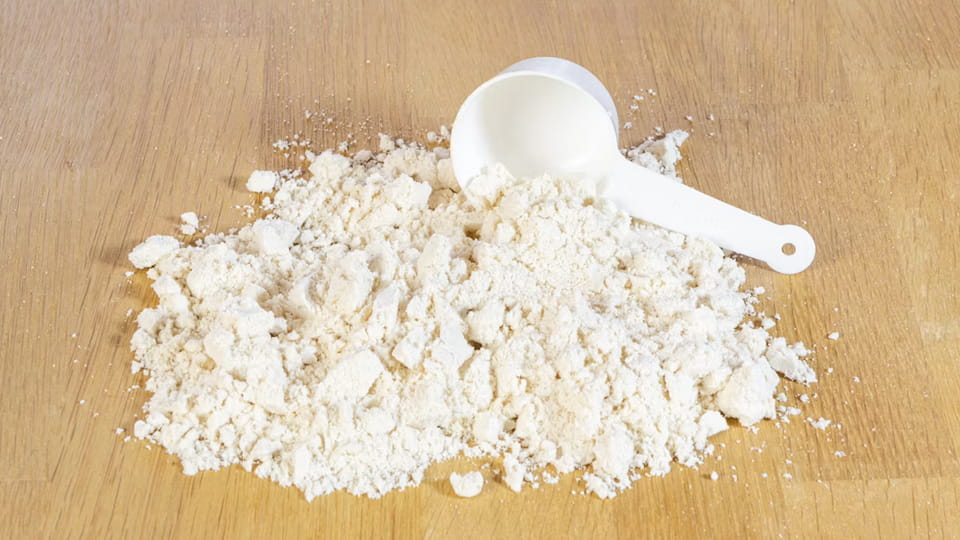
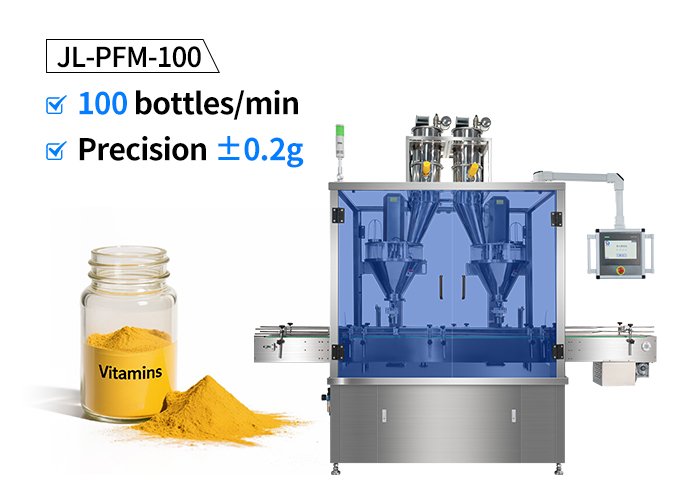
Postać: Proszek białkowy jest w porządku, sypka substancja, która łatwo ulega pyleniu. Wysoka precyzjawypełniacze ślimakowesą powszechnie używane do dozowania proszku do słoików, woreczki lub saszetki.
Główne formaty opakowań proszku białkowego
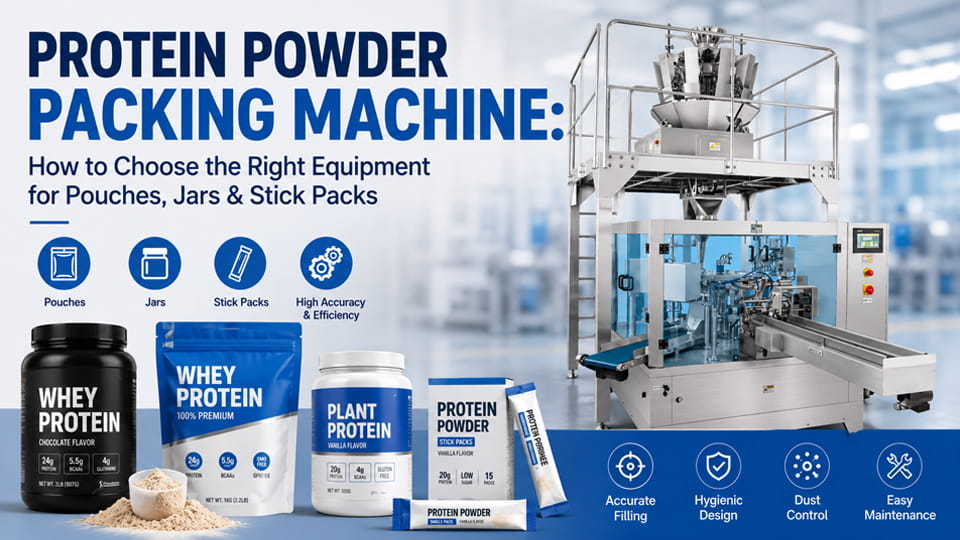
Pierwsza decyzja to formacie kontenera. Proszek białkowy jest zwykle dostarczany w jednej z trzech postaci: słoiki/wanny (twarde pojemniki), woreczki stojące (mnóstwo), Lub paczki/saszetki w formie sztyftów (jednorazowe paluszki). Każdy ma swoje przypadki użycia:
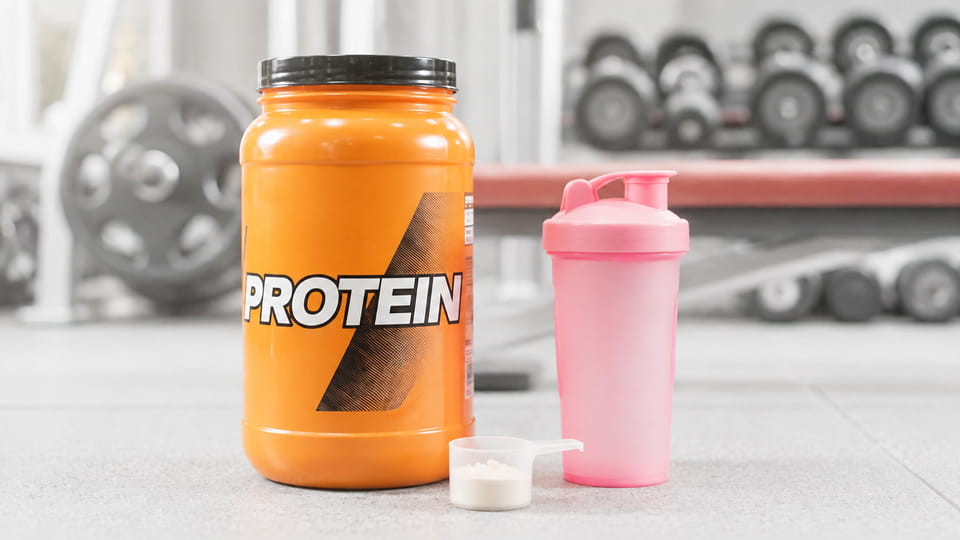
Słoiki & Wanny (Kontenery sztywne): Klasyczne opakowanie wielkoformatowe (np. 500 G, 1 kg, 2 kg wanny). Często mają one zakręcane pokrywki i mogą zawierać miarki w środku. Klienci oczekują trwałości, zamykane słoiki na proszki luzem lub o wysokiej wartości (jak odżywka na masę serwatkową lub specjalistyczne suplementy). Linie pakujące korzystają z maszyna do napełniania ślimaków aby dozować proszek do słoiczka, następnie stacja zamykająca i zgrzewarka indukcyjna zapewniająca świeżość. Słoiki mogą działać na 5–50 jednostek/min w zależności od stopnia automatyzacji. Przykładem jest Jinlu Maszyna do napełniania proszkiem, który osiąga dokładność ±0,1 g dla proszków. Słoiki odpowiadają markom, które oczekują doskonałego wyglądu i łatwego ponownego zamykania.
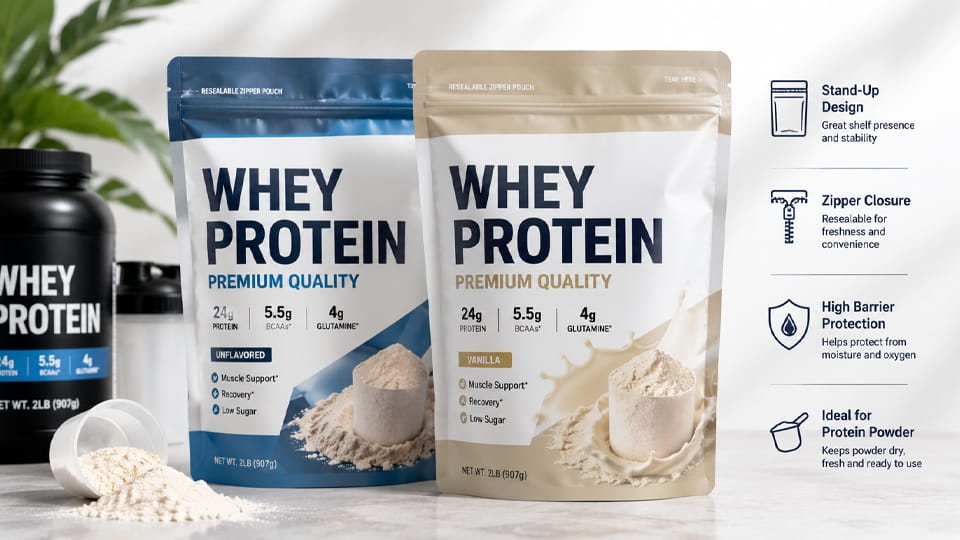
Woreczki stojące & Woreczki zapinane na zamek: Elastyczne woreczki (doypacki lub stand-upy z klinami) są obecnie bardzo popularne w przypadku proszków białkowych. Obejmują one małe rozmiary próbne (100–250 gr) aż do większych rozmiarów detalicznych (1–2 kg). Woreczki często mają możliwość wielokrotnego zamykania zamki błyskawiczne, idealny do zachowania świeżości. Wypełnienie ich zazwyczaj wymaga: gotowa maszyna do pakowania w torebki. Maszyna pobiera puste, gotowe torby, otwiera je, wypełnia się proszkiem, i zgrzewa górę. Jinlu's gotowe maszyny do produkcji torebek praca ~60–70 worków/min z Dokładność ±0,4%. i wspieraj różne style toreb (zamek błyskawiczny, rynna, płaskodenne). Woreczki oszczędzają na plastiku w porównaniu z woreczkami. słoikach i są lekkie w transporcie. Umożliwiają także atrakcyjne drukowanie opakowań. Ten format doskonale sprawdza się na półkach sklepowych, handlu elektronicznego skierowanego bezpośrednio do konsumenta, lub sklepy spożywcze.
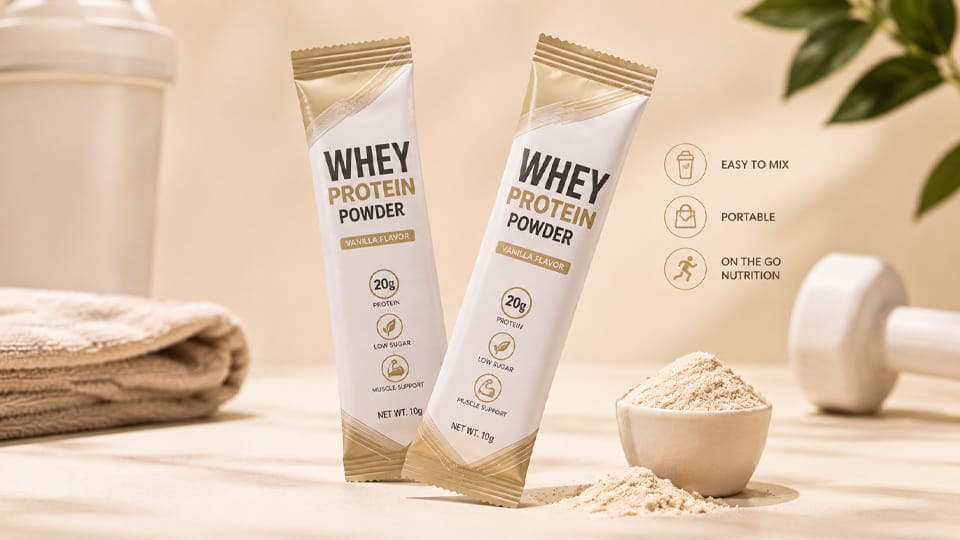
Paczki/saszetki w sztyfcie (Pakiety jednorazowe): Są długie, cienkie, zapieczętowane paski zawierające jedną porcję (często 10–30 g proszku). Pomyśl o saszetkach białkowych, które możesz zabrać ze sobą, bywalcy siłowni rozdzierali je. Paczki z kijami (czasami nazywane saszetkami) wykonane są z laminatów lub folii foliowej i wypełniane na a maszyna do pakowania sztyftów. Oni zmaksymalizować przenośność i wygoda – idealne do próbek, pakiety podróżne, lub promocje. Wielopasmowe maszyny pakujące typu stick pack mogą produkować setki opakowań na minutę. Na przykład, Jinlu's pakowacze kijowe dotrzeć do 240 sztyfty/min (po pasach) i napełnij każdy z dokładnością do ±0,02 g. Ten format minimalizuje wagę opakowania i odpady w przypadku małych porcji, ale nie powoduje ponownego zamknięcia. Najlepiej nadaje się do jednorazowego użytku lub porcji próbnych.
Każdy format ma kompromisy (patrz tabela poniżej). Wybór niewłaściwego pojemnika może oznaczać dodatkowe koszty materiałów lub uciążliwą obsługę. Czytaj dalej, aby dowiedzieć się więcej o maszynach i czynnikach dla każdego formatu.
Rodzaje maszyn do pakowania proszku białkowego
Gdy już znasz typ opakowania, następne pytanie dotyczy tego, która maszyna go napełni. Oto główne typy sprzętu:
Maszyna do napełniania ślimaków (Maszyna do napełniania proszkiem) – Używany do pojemników z otwartymi ustami, takich jak słoiki, wanny, butelki lub nawet małe torby. Długa śruba maszyny (świder) obraca się, aby dozować dokładną objętość proszku do każdego pojemnika. Wypełniacze ślimakowe mogą osiągnąć bardzo wysoką dokładność (często ± 0,1–1% masy wypełnienia). Często integrują dodatki: odpowietrzanie próżniowe w celu usunięcia powietrza z proszku, wykrywacze metali, i jednostki zamykające po napełnieniu. Na przykład, Napełniacze ślimakowe Jinlu są wyposażone w tuleję podciśnieniową zapobiegającą rozsypywaniu się i mogą automatycznie wkładać miarki. Używaj ich do luzem proszków białkowych lub do napełniania słoików/butelek.
Maszyna do napełniania proszkiem
Pionowa forma-wypełnienie-uszczelnienie (Vff) Maszyna – Powszechny system pakowania do formowania worków z folii rolkowej. Maszyna formuje płaską torebkę (poduszka lub klin) z rolki filmu, wypełnia go produktem, a następnie zgrzewa górę. Maszyny VFFS można stosować do zwykłych worków z proszkiem (bez zamka). Są bardzo wydajne podczas biegów z dużą prędkością (np. małe lub średnie rozmiary przy dużej głośności). Jednakże, nie tworzą torebek zapinanych na zamek, chyba że są wyposażone w aplikator zamka. (Advanced VFFS umożliwia zastosowanie zamków błyskawicznych w linii, ale to jest specjalistyczne.)
Gotowa maszyna do pakowania w torebki – Idealny dla stojące kieszenie zapinane na zamek lub inne wstępnie uformowane torby. Maszyna posiada mechanizm pick-and-place: wybiera pustą saszetkę ze stosu, otwiera (często przy użyciu strumieni powietrza lub chwytaków), następnie ślimak lub napełniacz wagowy osadza proszek w środku, i na koniec woreczek jest zgrzewany. Ponieważ woreczek jest już wykonany, uszczelnienie jest bardzo niezawodne, a gotowe opakowanie wygląda na wysokiej jakości. Gotowe maszyny do produkcji torebek Jinlu pracują z dużą dokładnością z prędkością około 50–60 worków/min. Obsługują szeroką gamę stylów torebek (zamek błyskawiczny, rynna, doypack). Kompromisem jest koszt zakupu gotowych toreb zamiast folii. Gotowe maszyny najlepiej sprawdzają się w przypadku średnich i dużych serii opakowań gotowych do sprzedaży detalicznej.
Najwyższa wydajność dla małych opakowań, niski koszt materiału na jednostkę
Pakiet kijów wielopasmowych
Saszetki z sztyftami (wiele )
Masowa produkcja małych opakowań
Bardzo wysoka przepustowość (wielopasmowy)
Wybór właściwej maszyny jest kluczowy. W kolejnych sekcjach omówiono etapy ich działania oraz czynniki, które należy wziąć pod uwagę przy wyborze jednego z nich.
Jak działa maszyna do pakowania proszku białkowego?
Chociaż maszyny różnią się w zależności od typu, Podstawowy proces napełniania proszku białkowego jest podobny: (1) Karmienie proszkiem → (2) Dozowanie wagowe → (3) Wypełnianie paczki → (4) Zapieczętowanie paczki → (5) Wyprowadzenie gotowego pakietu.
Karmienie proszkiem: Zbiornik zasilający zawiera proszek luzem. Do bardzo drobnych proszków, winda próżniowa lub podajnik ślimakowy może podnosić proszek do głównego leja nad jednostką napełniającą. Często A stół wibracyjny lub mieszadło utrzymuje stały przepływ proszku (zapobiegając zbrylaniu się lub mostkowaniu na wylocie). Dobre maszyny mają stożkowe zbiorniki i wibracje lub szczotki, które zapobiegają wyginaniu się (mostkowanie).
Dozowanie wagowe: Jakiś wypełniacz ślimakowy (śruba) lub naważarka wielogłowicowa mierzy każdą dawkę. Do napełniania ślimaka, serwomotor obraca śrubę w leju zasypowym, aby odmierzyć proszek. Przeniesiona objętość jest powiązana z ciężarem wypełnienia. System może mieć obieg otwarty (kalibrowany objętościowo) lub w pętli zamkniętej (ze skalą do regulacji w locie). Prawidłowe oprzyrządowanie ślimaka (poziom, długość, prędkość) jest wybierany na podstawie przepływu proszku. Jak zauważa JinluPacking, Kluczowe znaczenie ma zapobieganie mostkowaniu i konstrukcja zbiornika – dobrze zaprojektowany zbiornik może zredukować powstawanie mostków proszkowych z ~85% do 12% biegów.
Pozycjonowanie pakietów: Jeśli napełniasz słoik lub butelkę, rozszyfrator lub podajnik organizuje puste pojemniki. Jeśli napełniasz torbę, torba jest albo uformowana (Vff) lub wybrane/otwarte (gotowe torebki lub maszyny do pakowania w sztyfty). Dokładne otwieranie torebki (często za pomocą chwytaków podciśnieniowych lub strumieni powietrza) gwarantuje, że proszek nie rozsypie się na zewnątrz.
Pożywny: Proszek jest dozowany do pojemnika. Wiele maszyn używa wówczas a stopień wibracyjny lub odpowietrzanie próżniowe lekko potrząsnąć napełnionym pojemnikiem, osadzanie proszku i usuwanie uwięzionego powietrza. Poprawia to gęstość i pozwala uzyskać więcej proszku w opakowaniu, i redukuje kurz.
Uszczelnianie/zamykanie: Worki zgrzewane są na gorąco za pomocą rolek lub szczęk. Słoiki są zakręcane (automatycznie wciskany lub przykręcany). Czasami Uszczelniacz indukcyjny umieszcza pod nakrętką aluminiową uszczelkę świeżości (szczególnie powszechne w nutraceutykach). Uszczelnienie musi być wolne od kurzu – często ostatni szybki pędzel lub uderzenie powietrzem usuwa puder z wargi.
Kontrola jakości & Wyjście: Waga kontrolna lub system wizyjny może zweryfikować wagę końcową i uszczelnienie. Następnie opakowania opuszczają maszynę na przenośniki zbierające lub bezpośrednio do skrzynek.
We wszystkich krokach, kontrola kurzu jest krytyczny. Pakowanie wielu funtów białka powoduje powstawanie pyłu w powietrzu. Najlepsze systemy są wyposażone w lokalne okapy odsysające i filtry HEPA do wychwytywania cząstek stałych, utrzymywanie maszyn w czystości i ochrona pracowników. Jeśli nie zostanie zaznaczone, pył może pokryć uszczelki lub zanieczyścić inne produkty. Wiele maszyn pakujących w torebki oferuje nawet opcje przepłukiwanie azotem, zastąpienie tlenu wewnątrz torebki w celu przedłużenia okresu przydatności do spożycia proszku białkowego.
Dlaczego wypełniacze ślimakowe są kluczowe dla proszku białkowego
Na dowolny suchy proszek, szczególnie lepkie lub drobne, takie jak białko, ślimak (śruba) jest często najlepszym wyborem w zakresie dawkowania. W przeciwieństwie do wolumetrycznych wypełniaczy do kubków, jakiś wypełniacz ślimakowy może precyzyjnie dozować trudne proszki do otwartych pojemników lub torebek. Oto dlaczego ślimaki są doskonałe:
Wysoka precyzja: Z odpowiednią kalibracją, nowoczesne systemy ślimakowe mogą trafić Dokładność ±0,1–1%.. Skok śruby, długość i prędkość obrotowa są dostosowane do gęstości nasypowej proszku i ciężaru wypełnienia. Ślimaki napędzane serwo umożliwiają dynamiczną regulację. Na przykład, Napełniacze ślimakowe Jinlu wykorzystują serwonapędy, aby osiągnąć precyzję napełniania 0.01 G.
Radzi sobie z wymagającymi pudrami: Proszki białkowe często stanowią mostek lub dziurę szczurzą (uformować skarbiec) w lejach zasypowych, jeśli nie są wibrowane. Ślimaki połączone z podajnikami wibracyjnymi, szczotki lub mieszadła mogą zniszczyć te mostki. Jeśli proszki są lepkie (jak serwatka) lub elektrostatyczny, oferują niektóre maszyny dłuższe śruby lub śruby powlekane w celu ograniczenia przywierania. Wariant z długim ślimakiem (i Jinlu oferuje) przeznaczony jest do przenoszenia lepkich proszków bez zakleszczania się.
Minimalizacja pyłu: Napełniacze ślimakowe do proszków zwykle działają w półzamkniętych lejach zasypowych. Wielu tak dysze rękawowe które należy umieścić w słoiczku lub torebce przed/w trakcie dozowania. Maszyny Jinlu wykorzystują tuleję ssącą, która owija się wokół obszaru napełniania, aby wychwytywać przypadkowy pył, praktycznie eliminując wycieki. W połączeniu z zewnętrznymi osłonami przeciwpyłowymi, dzięki temu w strefie napełniania panuje porządek.
Zintegrowane funkcje: Na liniach słoików, wypełniacze ślimakowe można sparować z funkcją automatyczną wkłady łyżek. Urządzenia te wrzucają łyżkę miarową do słoika przed proszkiem (wspólne z pojemnikami na białko serwatkowe). Ślimak następnie wypełnia się wokół czerpaka. Po napełnieniu, zakrętka uszczelnia słoik. Jak zauważa Jinlupacking, Napełniacze do słoików oparte na ślimakach często obejmują dokładnie te funkcje – umieszczanie czerpaka, zakrywanie, a nawet etykietowanie w jednej zintegrowanej linii.
Podsumowując, jeśli Twoim głównym produktem jest składnik w proszku, wypełniacz ślimakowy jest zwykle najlepszym fundamentem. Jest wszechstronny i można go łatwo zintegrować z resztą linii. Na przykład, może być typowa linia słoików: urządzenie do rozszyfrowywania butelek → napełniacz ślimakowy → wkładacz łyżek → zakręcarka → zgrzewarka indukcyjna → etykieciarka → waga kontrolna. Dotyczy to wszystkiego, od luzem suplementów białkowych po drobne proszki odżywcze.
Kluczowe czynniki, które należy wziąć pod uwagę przy wyborze maszyny
Wybór „właściwego” sprzętu zależy od wielu szczegółów produktu i zakładu. Oto najważniejsze czynniki, które zespoły zakupowe i inżynieryjne powinny wziąć pod uwagę:
Typ opakowania & Rozmiar: Napełniasz słoiki, wanny, torby stojące, lub przykleić saszetki? I jakie ciężary wypełnienia? (np. 20 g pojedynczy serwis vs 1,000 g luzem.) Mniejsze pakiety wymagają innych maszyn (pakowacze w sztyfcie lub pakowarki w małych torebkach) niż duże wanny (wypełniacze ślimakowe i czapki). Upewnij się, że maszyna jest przystosowana do minimalnych i maksymalnych wymiarów i wagi opakowania.
Zdolność produkcyjna: Ile jednostek na minutę lub zmianę potrzebujesz? Projektuj także przyszły rozwój. Maszyna może sobie poradzić 20 słoiki/min lub 200 woreczków/min – duża różnica. Linie dużych prędkości często korzystają z wielu pasów ruchu (szczególnie pakowacze typu stick lub VFFS) do pomnożenia wyników. Na przykład, 4-pasmowa maszyna pakująca może wytworzyć 4-krotność dawki jednopasmowej. Potwierdź, czy podane prędkości zostały przetestowane z Twoim proszkiem (niektórzy dostawcy podają teoretyczne maksimum, które można osiągnąć tylko w idealnych warunkach).
Charakterystyka proszku: Czy proszek białkowy jest sypki? (jak niektóre izolaty białka serwatkowego) lub bardziej spójny (izolaty białka grochu, mieszanki kolagenowe)? Czy generuje zakłócenia? Czy jest higroskopijny (pochłania wilgoć)? Mają one wpływ na wybór technologii napełniania. Mogą być potrzebne proszki o słabej płynności dysze fluidyzacyjne lub wspomaganie próżniowe. Jeśli problemem jest statyka, poszukaj środków antystatycznych (słupki jonizujące, przewodzące zbiorniki). Przedyskutuj z producentem, czy ma doświadczenie z podobnymi proszkami – wielu najpierw przetestuje Twój produkt.
Wymagania dotyczące dokładności: Dla suplementy diety, klientom często zależy na dokładnym dawkowaniu. Jeśli musisz mieścić się w granicach ±1% masy docelowej, Wybierz systemy z naważarkami wielogłowicowymi lub ślimakami o wysokiej precyzji. Niektóre wypełniacze objętościowe po prostu nie mogą zagwarantować wąskich tolerancji przy zmiennym przepływie proszku. Należy pamiętać, że proszki białkowe mogą różnić się gęstością nasypową o ~±25% w zależności od partii, więc zbiornik ważący z informacją zwrotną w czasie rzeczywistym jest bezpieczniejszy.
Automatyzacja & Integracja: Czy potrzebujesz w pełni automatycznych linii? (jedna osoba nadzoruje wiele maszyn) lub jest półautomatyczny, w porządku? Czy potrzebujesz integracji ze sprzętem wyższego/niższego szczebla? (windy kubełkowe, wykrywacze metali, kartoniarze)? Zastanów się również, czy potrzebujesz dodatkowych funkcji, takich jak maszyny kodujące/etykietujące, przepłukiwanie azotem, lub CIP (czyszczenie na miejscu). Większa automatyzacja zwiększa koszty, ale w dłuższej perspektywie oszczędza siłę roboczą.
Zmiana & Elastyczność: Jak często będziesz zmieniać produkty lub rozmiary opakowań? Jeśli masz wiele jednostek SKU (różne rozmiary torebek lub mieszanki proszków), szukaj funkcji szybkiej zmiany. Może to obejmować regulowane prowadnice, narzędzia do szybkiej wymiany ślimaków, i pamięć receptur. Maszyny wieloformatowe (jak niektóre napełniacze liniowe Jac lub naważarki wielogłowicowe) umożliwiają obsługę zarówno proszków, jak i granulatów poprzez wymianę zbiorników.
Materiał konstrukcyjny & Możliwość czyszczenia: Zwłaszcza dla branży spożywczej/farmaceutycznej, stal nierdzewna 304 Lub 316 części kontaktowe są koniecznością. Projekt powinien być higieniczny (brak pułapek proszkowych). Łatwe czyszczenie pomiędzy seriami jest ważne w przypadku zmiany smaku. Wielu producentów oferuje wózki lub cylindry hydrauliczne do odchylania zbiorników w celu czyszczenia, i podkładki pokrywy lub pętle CIP.
Budżet & Wsparcie: Maszyny pakujące wahają się od skromnych (~20 tys. dolarów za proste, samodzielne napełniacze ślimakowe) do sześciu cyfr w przypadku linii w pełni automatycznych. Uzyskaj wyceny obejmujące montaż, szkolenie, oraz plan serwisowy. Weź pod uwagę historię dostawcy: czy specjalizują się w proszku?? Czy oferują testowanie Twojego produktu?? Maszyna jest tak dobra, jak jej wsparcie – sprawdź certyfikat CE/FDA, jeśli go potrzebujesz.
Przechodząc przez te punkty, możesz dopasować funkcje do potrzeb. Często pomaga współpraca z konsultantem ds. opakowań lub specjalistą ds. opakowań sprzedawca maszyn aby zweryfikować założenia (np. przebiegi testowe w centrum demonstracyjnym).
Porównanie opcji pakowania: Słoik vs woreczek vs pakiet w sztyfcie
Porównajmy bezpośrednio te trzy formaty. Może to wyjaśnić, który z nich pasuje do Twojej aplikacji:
Opakowanie na słoik/tubkę:
Najlepsze dla: Produkty masowe (500g+), wysokiej klasy suplementy (przyrosty masy, wstrząsy typu „wszystko w jednym”.).
Plusy: Możliwość ponownego zamknięcia (zakrętka), silny, silna obecność na półce dla brandingu. Dobry do dużych objętości.
Wady: Wysoki koszt opakowania na jednostkę (plastikowy lub szklany słoik). Ciężki. Niższa przepustowość niż w przypadku woreczków tego samego rozmiaru (z powodu obsługi).
Najlepsze dla: Opakowania detaliczne średniej wielkości (100g–2 kg). Marki, które chcą atrakcyjności na półce lub dostaw w handlu elektronicznym.
Plusy: Zapalniczka, tańsze niż słoiki. Zamek błyskawiczny umożliwia ponowne użycie. Elastyczny projekt (czyste okna, wylewki, unikalne kształty).
Wady: Trzeba kupić gotowe woreczki (lub obsługiwać szpule folii, jeśli VFFS). Zamki błyskawiczne są bardziej złożone. Nie tak sztywne (należy napełniać ostrożnie, aby się nie przewrócić).
Maszyny: Gotowa maszyna do torebek lub VFFS. Typowe prędkości 40–60 worków/min (gotowe). Dobry kompromis kosztów i szybkości.
Plusy: Ultraprzenośny, minimalna ilość materiału opakowaniowego, łatwe dozowanie. Wysoka prędkość linii (szczególnie w przypadku maszyn wielotorowych, może uderzyć łącznie setki patyków/min).
Wady: Brak ponownego uszczelnienia. Nie nadaje się do dużych objętości (opakowania proszku szybciej tracą świeżość). Przy małych ciężarach potrzebne jest bardziej precyzyjne wypełnienie.
Maszyny: Pakowacze kijowe (jedno lub wielopasmowe). Nowoczesne maszyny to potrafią 200+ sztyfty/min (całkowity) łatwo. Niski jednostkowy koszt materiału (tylko mała laminowana folia).
Czynnik
Słoik / tuba
Stojąca torebka
Sztyft/saszetka
Typowy zakres wypełnienia
Średni-Duży (≥250g)
Mały-duży (100g–2 kg)
Mały (5–50g)
Ruchliwość
Średni
Wysoki (składany)
Bardzo wysoki
Ponowne zamknięcie
Tak (zakrętka)
Tak (zamek błyskawiczny)
NIE
Koszt opakowania
Wysoki
Umiarkowany
Niskie na jednostkę
Szybkość produkcji
Umiarkowany (10-50/min)
Wysoki (50-80/min)
Bardzo wysoki (wielopasmowy)
Branding
Dobry (etykieta na słoiku)
Bardzo dobry (nadruk na torbie)
Dobry (nadruk na paczce)
Najlepsze dla
Produkty masowe
Sprzedaż detaliczna/internetowa
Promocje na jedną porcję
Wybór niewłaściwego formatu może ograniczyć Twój rynek lub efektywność. Na przykład, jeśli klienci chcą mieć zestaw podróżny gotowy na siłownię, słoik 2kg się nie sprzeda. Odwrotnie, umieszczenie a 2 kg mieszanki białka 200 saszetek jest niepraktyczne. Dlatego już na samym początku dostosuj format do przypadku użycia produktu.
Typowe wyzwania związane z pakowaniem proszku białkowego
Szybkie pakowanie drobnych proszków może wiązać się z pułapkami. Oto problemy, na które należy zwrócić uwagę i jak maszyny sobie z nimi radzą:
Niespójna masa wypełnienia: Różnice w gęstości nasypowej lub przepływie mogą powodować niedopełnienie lub przepełnienie niektórych opakowań. Przepełnienie odpadami produktu. Poprawka: stosować precyzyjne dozowanie (naważarki wielogłowicowe lub przenośnik ślimakowy z zamkniętą pętlą z czujnikiem wagowym), i kalibrować dla każdej partii. Dobrze dobrany ślimak (właściwy skok/długość) jest krytyczny. Automatyczne wagi kontrolne również natychmiast wyłapują wartości odstające.
Pylenie w proszku: Drobny proszek ma tendencję do falowania podczas napełniania. Bez kontroli, pozostawia osad i może zatykać uszczelki. Rozwiązania obejmują dysze odsysające pył w punkcie napełniania, dysze próżniowe wokół otworów worków, a nawet liniowe przenośniki próżniowe. Wiele maszyn do produkcji torebek ma wbudowany system usuwania kurzu wokół szczęk zgrzewających. Ładunki statyczne pogarszają ucieczkę pyłu; niektóre linie dodają jonizatory antystatyczne, aby zneutralizować przylegające cząsteczki.
Mostkowanie proszkowe lub dziurowanie szczurów: Dzieje się tak, gdy proszek tworzy łuk w zbiorniku, zatrzymanie przepływu. Jest to szczególnie powszechne w przypadku lepkich lub spoistych proszków. Dobra konstrukcja leja zasypowego może prawie to wyeliminować. Zoptymalizowane leje mogą zmniejszyć częstość występowania mostków z ~85% do ~12%. Szukaj maszyn o pochyłych ścianach, wewnętrzne agitatory, lub ubijaki do bananów, aby utrzymać produkt w ruchu. Czasami rozwiązuje się samo zwiększenie średnicy leja zasypowego lub dodanie wibratora.
Wady uszczelnienia (Otwarte lub nieszczelne uszczelki): Jeśli proszek znajduje się na krawędzi worka podczas zamykania, pieczęć może zawieść. Maszyny zazwyczaj wibrują/szczotkują torbę po napełnieniu, aby usunąć proszek z krawędzi. Poziome zgrzewanie tylne na opakowaniach typu stick z kontrolą temperatury (i Jinlu używa) zapewnia szczelność, uszczelnienie odporne na działanie powietrza. Regularne czyszczenie szczęk zgrzewających jest niezwykle istotne.
Nieprawidłowe oprzyrządowanie: Użycie niewłaściwej śruby ślimakowej lub lejka może pogorszyć wydajność. Upewnij się, że części wypełniacza odpowiadają rozmiarowi granulek proszku. Niektóre maszyny umożliwiają szybką wymianę końcówek ślimaka dla różnych przepisów.
Rozdanie produktów: Aby uniknąć niedopełnień, niektóre firmy domyślnie przepełniają, co marnuje kosztowny proszek białkowy. Lekarstwem jest kalibracja. Nowoczesne wypełniacze mogą “uczyć się” ciężar wypełnienia (przez krótkie ważenie każdego nadzienia) i automatyczna regulacja. Dzięki temu rozdawnictwo jest minimalne.
Wielu z tych problemów można uniknąć dzięki odpowiednim funkcjom maszyny. Jak mówią eksperci, zawsze analizuj swój konkretny proszek i wykonuj przebiegi testowe: „Zajmij się pierwotną przyczyną, a nie tylko leczeniem objawów”.
Budowa kompletnej linii pakowania proszku białkowego
Dla kierownika produkcji, pomocne jest wizualizowanie całej konfiguracji linii dla każdego formatu:
Linia słoików/wann:
Urządzenie do rozszyfrowywania/depaletyzowania butelek: orientuje i karmi puste słoiki.
Wypełniacz ślimakowy: wypełnia proszek. Jeśli potrzeba, Wprowadzacz łyżek wrzuca łyżkę do każdego słoika.
Stół wibracyjny lub stopień próżniowy: osadza proszek i usuwa powietrze.
Capper: automatycznie zakłada i dokręca zakrętki.
Zgrzewarka indukcyjna: zakłada uszczelkę foliową pod nakrętkę.
Etykietkarz: etykieta okładów lub podkładek na słoiku.
Waga kontrolna: sprawdza wagę i integralność wypełnienia, odrzuca nieważne słoiki.
Kartonik (fakultatywny): pakuje słoiki do wysyłki.
Linia torebek (Gotowe):
Podajnik/magazyn w torebkach: układa gotowe puste woreczki (często z automatycznym przeładowaniem).
Wypełniacz ślimakowy/waga wielogłowicowa: dozuje proszek do otwartej saszetki.
Zamek błyskawiczny bliżej (jeśli potrzeba): zamyka klapę zapinaną na zamek błyskawiczny.
Zgrzewarka: uszczelnia torbę u góry.
Koder/drukarka daty: Partia znaczków i data na woreczku.
Waga kontrolna & Odrzucić: sprawdź dwukrotnie wagę.
Jednostka kartonowa: pakuje torebki do pudełek.
Linia Stick Pack:
Odwijak filmu: podaje wielościeżkową folię do tworzącego ramienia.
Jednostka Formująca: tworzy wiele długich rur (jeden na pas).
Wypełniacz ślimakowy: napełnia każdą rurkę przez ślimak, wspomagany wibratorem.
Uszczelniacz poziomy: zgrzewa napełnione rurki w długi, ciągły pasek.
Jednostka tnąca: kroi pasek w pojedyncze saszetki w postaci sztyftów.
Kontrola & Rachunkowość: sprawdza liczbę i wagę.
Kartonowanie & Pakowacz skrzynek: dla dużej objętości, pakuje paczki w pudełkach lub opakowaniach ekspozycyjnych.
Każdą konfigurację można dostosować. Na przykład, linia pakietu stick pack może dostarczać dane wyjściowe do a maszyna do pakowania saszetek który wyrównuje je i wkłada do kartonów. (Jinlu oferuje nawet zintegrowane systemy „pakowania w sztyfty” i „kartonowania” pod klucz.)
Kluczem dla menedżerów operacyjnych jest zapewnienie równowagi każdej części linii. Wypełniacz nie powinien być 30% wolniej niż uszczelniacz, Na przykład. Cytując maszyny, dostawcy zazwyczaj określają maksymalne prędkości; zweryfikuj je ze swoim produktem.
Wniosek
Wybór prawicy maszyna do pakowania proszku białkowego sprowadza się do dopasowania specyfiki proszku i celów związanych z pakowaniem za pomocą odpowiedniego sprzętu. Czy potrzebujesz dużego, zamykane opakowania lub dziesiątki jednorazowych patyczków? Czy będziesz sprzedawał głównie w detalu z woreczkami premium, lub pojemniki na śmieci z wannami zbiorczymi? Każda ścieżka ma odpowiednie rozwiązanie. Najmądrzejszym podejściem jest często linia niestandardowa lub częściowo niestandardowa – taka, która integruje wypełniacz ślimakowy z dokładnie takimi podajnikami i zgrzewarkami, jakich wymaga Twój produkt.
W każdym razie, odpowiedni sprzęt szybko się zwróci. Zautomatyzowane linie zwiększają przepustowość, zmniejszyć prezenty, i upewnij się, że każda torebka lub słoik spełnia standardy jakości – a wszystko to ma kluczowe znaczenie w konkurencyjnej produkcji suplementów. Jeśli planujesz nową linię do pakowania proszku (lub uaktualnić starą), porozmawiaj z doświadczonymi dostawcami. Na przykład, Jinlu Packing oferuje wszystko od maszyny do napełniania proszkiem do słoików gotowe pakowarki do torebek I pakowacze kijowe. Pomożemy wybrać odpowiednią kombinację maszyn i funkcji dla Twoich produktów białkowych w proszku.
Gotowy do wykonania kolejnego kroku?Skontaktuj się z ekspertem ds. opakowań Jinlu aby uzyskać dostosowaną rekomendację. Dobrze zaprojektowana linia do pakowania proszku białkowego sprawi, że Twoja produkcja będzie płynna, Twój produkt jest spójny, a Twoi kupujący będą zadowoleni.
Często zadawane pytania dotyczące pakowania proszku białkowego
Jaka maszyna jest używana do pakowania proszku białkowego?
Maszyna do pakowania proszku białkowego zazwyczaj wykorzystuje system napełniania ślimakiem do odmierzania i dozowania proszku przed zamknięciem go w słoiku, kieszonka, saszetka, lub pakiet sztyftów. Dokładna maszyna zależy od formatu opakowania. W słoikach i tubach powszechnie stosuje się wypełniacz ślimakowy z zamknięciem w dalszej części, podczas gdy w woreczkach można używać gotowych woreczków lub sprzętu VFFS, a produkty jednorazowe mogą być obsługiwane przez dedykowaną maszynę do pakowania w sztyfty.
Czy maszyna do napełniania ślimaków nadaje się do proszku białkowego?
Tak. Napełnianie ślimakowe jest powszechnie stosowane w przypadku proszku białkowego, ponieważ śrubowy system dozowania może zapewnić kontrolowane podawanie proszku i powtarzalne ciężary wypełnienia. Konfigurację ślimaka należy dobrać w zależności od gęstości nasypowej proszku, płynność, charakterystyka cząstek, docelowa masa wypełnienia, i wymaganą prędkość produkcji.
Do drobnych proszków, kontrola zapylenia i konstrukcja zbiornika są również ważne, ponieważ niewłaściwe obchodzenie się z proszkiem może mieć wpływ zarówno na konsystencję wypełnienia, jak i jakość uszczelnienia.
Jakie jest najlepsze opakowanie na odżywkę białkową?
Nie ma jednego najlepszego formatu opakowania dla każdego produktu w proszku białkowym. Słoiki lub tuby nadają się do większych opakowań detalicznych, podczas gdy torebki stojące mogą zmniejszyć wagę opakowania i są przydatne w przypadku szerokiego zakresu rozmiarów wypełnień. Saszetki i saszetki lepiej nadają się do produktów przeznaczonych na pojedynczą porcję, formaty podróży, i małe opakowania proszku białkowego.
Właściwy wybór zależy od ciężaru wypełnienia, rynek docelowy, ruchliwość, wielkość produkcji, możliwość ponownego zamknięcia, koszt opakowania, oraz dostępny sprzęt do pakowania.
Jaka jest najlepsza maszyna do jednorazowej porcji proszku białkowego?
Do produktów jednorazowych, często praktycznym wyborem jest maszyna pakująca typu stick-pack lub maszyna pakująca w saszetki ze ślimakowym systemem dozowania. Maszyny te mogą produkować kompaktowe opakowania proszku białkowego o stosunkowo małej masie wypełnienia i nadają się do produktów przeznaczonych do siłowni, podróż, próbowanie, i konsumpcja w drodze.
Wymagana liczba pasów zależy od docelowej wydajności, ciężar wypełnienia, właściwości proszku, i dostępną przestrzeń produkcyjną.
Czy ta sama maszyna do pakowania proszku białkowego może napełnić zarówno torebki, jak i słoiki?
Zwykle nie z tą samą kompletną konfiguracją opakowania. Woreczki i słoiki wymagają różnych systemów obsługi opakowań, chociaż oba mogą używać wypełniacza ślimakowego do dozowania proszku. Linia słoików wymaga obsługi pojemników, pożywny, zakrywanie, i często etykietowanie, podczas gdy linia torebek wymaga podawania torebek lub tworzenia folii, pożywny, i zgrzewanie.
Dla producentów obsługujących oba formaty, zazwyczaj lepiej jest ocenić system napełniania i maszyny pakujące jako oddzielne moduły lub jako skoordynowaną linię pakującą.
Jak dokładna jest maszyna do napełniania proszku białkowego?
Dokładność napełniania zależy od właściwości proszku, docelowa masa wypełnienia, metoda dozowania, projekt ślimaka, ustawienia maszyny, i warunki produkcji. Producenci nie powinni wybierać maszyny wyłącznie na podstawie podanej wartości dokładności; lepiej przeprowadzić test produktu, używając rzeczywistej zawartości białka w proszku i docelowej masy wypełnienia.
Do wysokowartościowych proszków białkowych, spójne dozowanie jest ważne, ponieważ zarówno niedopełnienie, jak i przepełnienie może mieć wpływ na zgodność produktu, koszty materiałów, i efektywność produkcji.
Jak zapobiec przedostawaniu się proszku białkowego do obszaru uszczelnienia?
Głównym podejściem jest kontrolowanie proszku podczas napełniania i utrzymywanie obszaru uszczelnienia w czystości. W zależności od maszyny i produktu, może to obejmować kontrolowane podawanie ślimaka, odpowiednia konstrukcja dyszy napełniającej, odsysanie pyłu, środki zapobiegające kapaniu, oraz odpowiednie ustawienia zgrzewania torebki.
Ma to znaczenie, ponieważ proszek uwięziony w obszarze uszczelnienia może obniżyć jakość uszczelnienia i prowadzić do wycieków lub odrzucenia opakowań. Dlatego też skuteczność kontroli zapylenia i uszczelnienia należy oceniać łącznie, a nie traktować jako oddzielne funkcje maszyny.
Jakie czynniki należy wziąć pod uwagę przy wyborze maszyny do pakowania proszku białkowego?
Do głównych czynników należą: • powder flowability and bulk density • target fill weight • packaging format • required production output • filling accuracy • dust control • sealing requirements • cleaning and changeover time • number of SKUs • future production expansion Jeśli to możliwe, maszynę należy przetestować z rzeczywistym białkiem w proszku. Maszyna, która dobrze radzi sobie z jedną formułą proszku, może wymagać innych parametrów dozowania lub podawania w przypadku innej.
Drobny Fu, Założyciel Jinlupackingu, przynosi 20 lat doświadczenia w sektorze maszyn farmaceutycznych. Pod jego kierownictwem, Jinlu wyrosło na zaufanego dostawcę integrującego projektowanie, produkcja, i sprzedaż. Petty z pasją dzieli się swoją głęboką wiedzą branżową, aby pomóc klientom poruszać się po zawiłościach opakowań farmaceutycznych, zapewnienie, że otrzymają nie tylko sprzęt, ale prawdziwe partnerstwo w zakresie kompleksowych usług dostosowanych do ich celów produkcyjnych.