Formowanie na zimno vs termoformowanie: Które opakowanie blistrów medycznych jest odpowiednie dla branży farmaceutycznej?
Formowanie na zimno vs termoformowanie: Które opakowanie blistrów medycznych jest odpowiednie dla branży farmaceutycznej?
Sierpień 26, 2026
Brak komentarzy
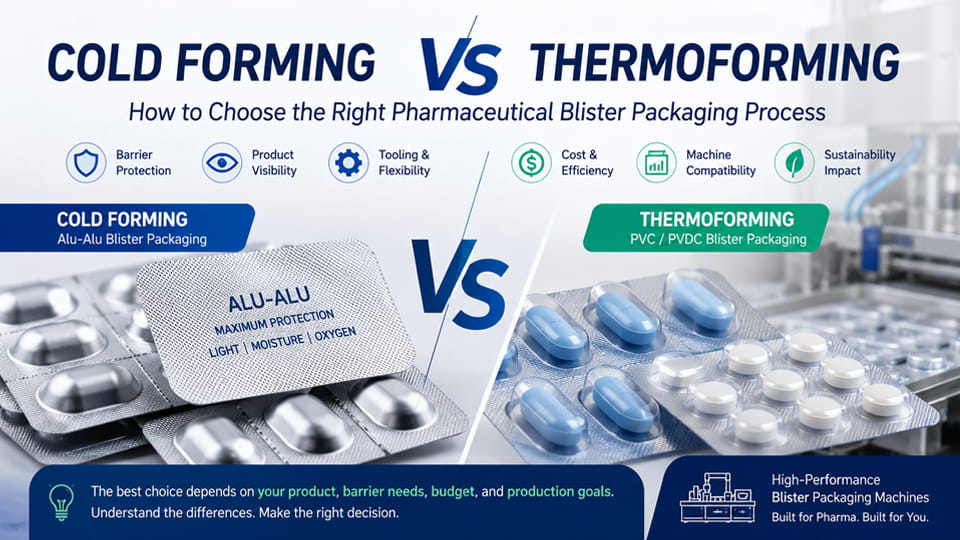
Produkty farmaceutyczne są często zamykane w blistrach dla ochrony dawki jednostkowej i atrakcyjności podczas przechowywania. W opakowaniu blistrowym, dwie główne metody formowania to Termiczne I Formowanie zimna. Termoformowanie podgrzewa wstęgę z tworzywa sztucznego (jak PCV lub PET) aż będzie giętki, a następnie odkurza lub wciska do foremek. Formowanie na zimno, dla kontrastu, wykorzystuje tłoczenie pod wysokim ciśnieniem na wielowarstwowym laminacie na bazie aluminium w temperaturze pokojowej. Każda metoda wykorzystuje inne materiały i daje bardzo różne wyniki: Termoformowane blistry są przezroczyste i tańsze, podczas formowania na zimno (Alu-Alu) pęcherze są nieprzezroczyste, ale zapewniają znacznie lepszą ochronę barierową. W tym przewodniku opisano sposób ich działania, kluczowe różnice (bariera, koszt, prędkość, itp.), oraz jak wybrać odpowiednią metodę i maszynę dla swojego produktu.
Co to jest termoformowanie?
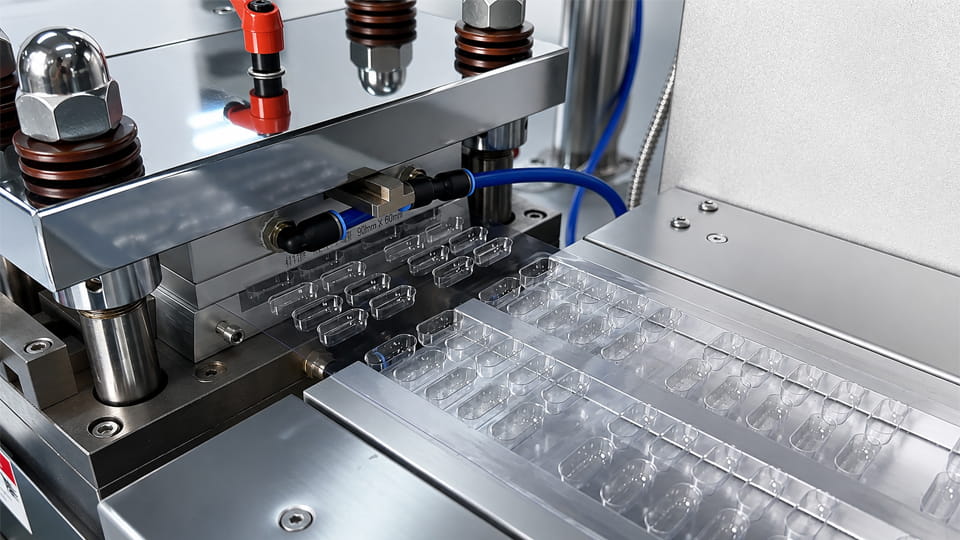
Termiczne opakowanie blistrowe podgrzewa arkusz z tworzywa sztucznego, aż zmięknie, a następnie formuje go w wnęki za pomocą próżni lub ciśnienia. Jednostka sterowana temperaturą (często 150–180°C) podgrzewa PCV lub inną folię termoplastyczną, który następnie formuje się w formie. Gdy film ostygnie, utworzone wnęki wypełnia się produktem i zamyka przykryciem z folii lub papieru.
Proces ten można w dużym stopniu dostosować: popularne folie formujące obejmują PVC, ZWIERZAK DOMOWY, PP, lub kopolimery, czasami z powłokami barierowymi (PVDC, COC, PCTFE, itp.). Termoformowanie zapewnia dużą elastyczność projektowania – kształty blistrów mogą być głębokie lub złożone (za pomocą asystentów wtyczek) bez zmiany materiałów podstawowych. Jest to również opłacalne w przypadku dużych serii: folie termoplastyczne są niedrogie, a maszyny pracują z dużymi prędkościami. Główną zaletą jest przystępna cena i wydajność – jak zauważa jedno ze źródeł, „głównymi zaletami PVC są niski koszt i łatwość termoformowania”.
Zalety termoformowania
Niższy koszt materiału: Folie plastikowe (nawet z powłokami barierowymi) są znacznie tańsze niż wielowarstwowe folie metalowe. Dzięki temu koszty jednostkowe są niższe w przypadku dużej produkcji.
Większa prędkość: Maszyny do termoformowania zazwyczaj pracują szybciej. Na przykład, nowoczesna linia do termoformowania blistrów może przebiegać znacznie dalej 150 paczki/min, wyższe niż typowe prędkości formowania na zimno.
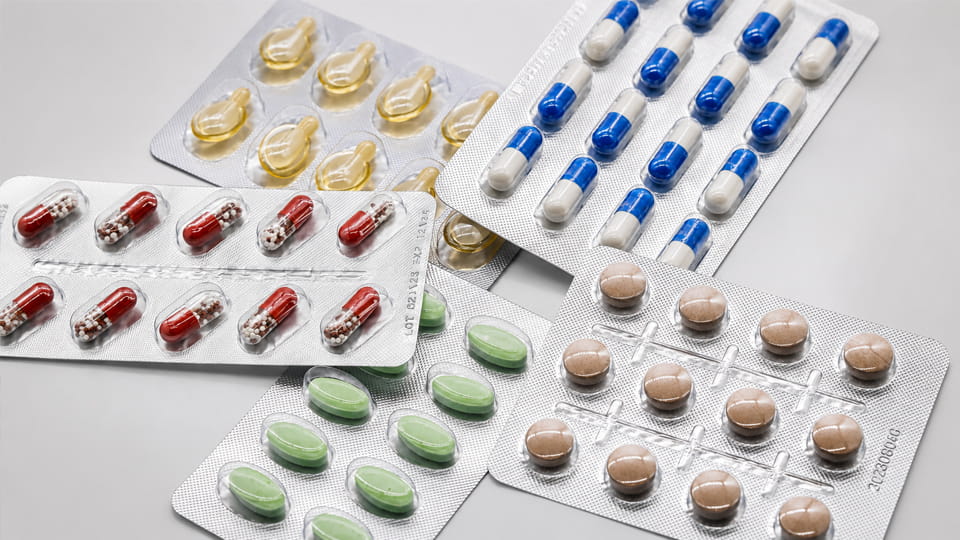
Widoczność produktu: Przezroczyste opakowania z PVC/PET pozwalają użytkownikom zobaczyć znajdujące się w środku pigułki lub tabletki. Ta przejrzystość jest dobra dla atrakcyjności konsumenckiej (np. sprzedaż detaliczna witamin) oraz do oględzin.
Elastyczność projektowania: Za pomocą podgrzewanej folii można uzyskać złożone kształty wnęk lub głębokie tłoczenia (często wspomagane przez podciśnienie lub wtyczkę). Można go również łatwo integrować z procesami szybkiego napełniania i szybkiego zamykania.
Ograniczenia termoformowania
Ochrona barierowa: Zwykła folia PVC oferuje tylko a umiarkowany bariera dla wilgoci i tlenu. Niepowlekane PCV charakteryzuje się dużą szybkością przenikania pary wodnej (np. ~3g/m²·dzień przy 90%RH). Aby poprawić trwałość, termoopaki muszą wykorzystywać kosztowne folie wielowarstwowe (np. PCV/PVDC lub laminaty PVC/PCTFE) lub grubsze folie. Nawet wtedy, bariera zwykle pozostaje poniżej tego, co osiąga folia aluminiowa.
Wrażliwość na światło: Przezroczyste folie przepuszczają światło UV i światło widzialne. Oznacza to, że termoformowane blistry są nie idealne do leków wrażliwych na światło – praktycznie nie zapewniają żadnej ochrony przed promieniowaniem UV, chyba że dodasz dodatki blokujące promieniowanie UV.
Ograniczony okres trwałości: Do bardzo wrażliwych na wilgoć lub reaktywnych API, opakowania termoformowane (nawet z powłokami) często dają krótszą stabilność. Notatki Wikipedii: „wady [z PCV] stanowią słabą barierę przed wnikaniem wilgoci i tlenu”.
Sztywne koszty oprzyrządowania: Chociaż maszyny są generalnie tańsze, termoformowanie metodą głębokiego tłoczenia może wymagać precyzyjnych form i matryc wspomaganych wtyczką, dodając do kosztów oprzyrządowania.
Co to jest formowanie na zimno?
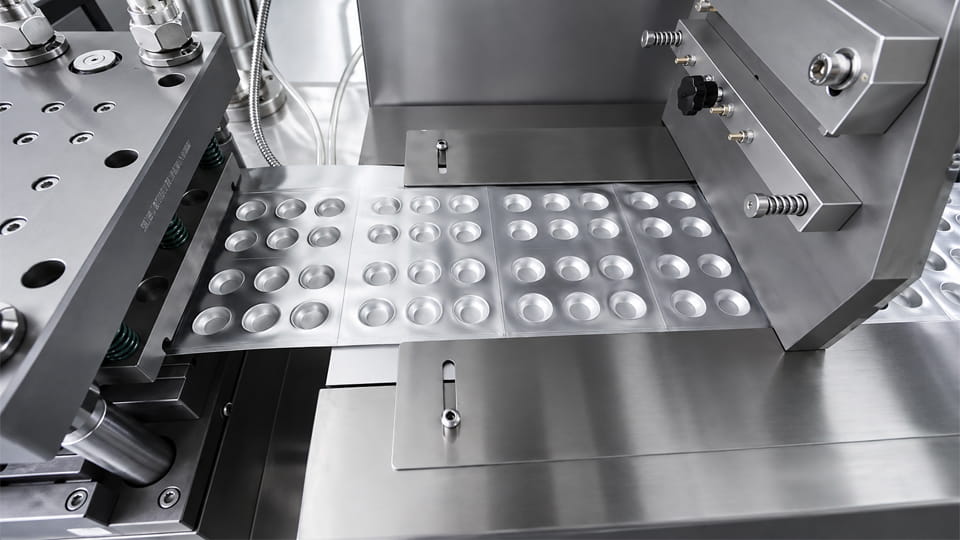
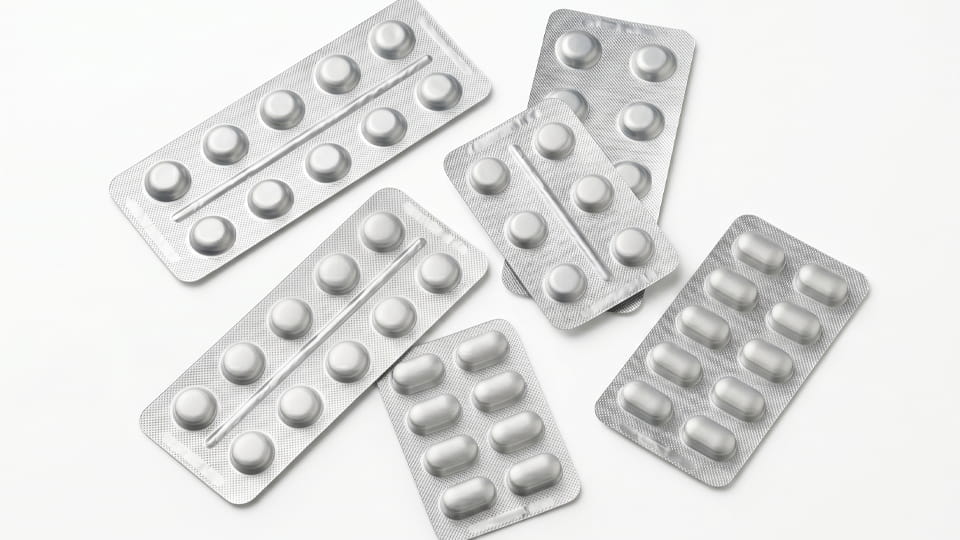
Formowanie na zimno (często nazywany Alu-Alu Opakowanie pęcherzy) wykorzystuje wielowarstwową folię na bazie aluminium jako wstęgę formującą. Typowym laminatem formowanym na zimno jest PVC/Aluminium/Poliamid, z warstwą aluminium na zewnątrz. W tym procesie, film jest nie ożywiony. Zamiast, solidny stempel pod wysokim ciśnieniem wtłacza folię w zagłębienia w temperaturze pokojowej. Aluminium rozciąga się, ale odkształca się plastycznie, i utrzymuje kształt wgłębienia po usunięciu stempla. Następnie każdą wypełnioną wnękę zamyka się (często z aluminiową lub papierową pokrywą).
Ponieważ formowanie na zimno nie nagrzewa materiału, pozwala uniknąć stresu termicznego w przypadku wrażliwych leków. Rezultatem jest pęcherz, który jest całkowicie nieprzezroczysty (bez widoku zawartości) ale zapewnia doskonały bariera. Folia aluminiowa zatrzymuje prawie całą wilgoć, tlen, i światło przed dotarciem do leku, co może znacznie wydłużyć okres przydatności do spożycia.
Zalety formowania na zimno
Doskonała bariera: Warstwy aluminium sprawiają, że blister jest prawie nieprzepuszczalny. Jak zauważa Wikipedia: „Główną zaletą blistrów foliowych formowanych na zimno jest to, że zastosowanie aluminium zapewnia niemal całkowitą barierę dla wody i tlenu, umożliwienie przedłużenia terminu ważności produktu”. Dlatego też blistry Alu-Alu stosowane są ze względu na higroskopijność, wrażliwy na tlen, lub środki farmaceutyczne wrażliwe na światło.
Ochrona przed wilgocią i światłem: Formowane na zimno pęcherze zatrzymują wilgoć, tlen I zgasić światło. Na przykład, wielowarstwowe folie całkowicie blokują światło UV/widzialne i tworzą hermetyczne zamknięcie wokół każdej dawki. Blokuje to skuteczność leków, które szybko ulegają degradacji w wilgotnym powietrzu lub jasnym świetle.
Elastyczność materiału: Tworząca się sieć (PCV/Alu/PA) nadal ma stronę z PCV, który utrzymuje kształt kieszeni i zapewnia pewną elastyczność, podczas gdy aluminium zapewnia ochronę. Dzięki temu ubytek jest mocny i płytki, co często wystarcza w przypadku większości tabletek i kapsułek.
Ograniczenia w zakresie formowania na zimno
Wyższy koszt materiału: Laminaty aluminiowe są znacznie droższe niż folie z tworzyw sztucznych. Folia ma wiele warstw (np. 9–15μm Al plus 80–100μm innych warstw) i specjalistyczne kompozycje, dlatego koszt surowca w opakowaniu jest wysoki. Źródło wyraźnie zauważa „koszt opakowań blistrowych formowanych na zimno jest zwykle wyższy niż w przypadku termoformowania”.
Mniejsza prędkość: Ze względu na proces tłoczenia i konieczność manipulacji folią (który nie jest rozciągliwy jak plastik), Maszyny do formowania na zimno pracują z niższymi prędkościami. Jak wskazuje jedno podsumowanie, Blistry foliowe formowane na zimno charakteryzują się „wolniejszą szybkością produkcji w porównaniu do termoformowania”.
Brak widoczności: Obie strony blistra są wykonane z aluminium (lub góra jest aluminiowa), aby użytkownicy w ogóle nie widzieli produktu. Ogranicza to zastosowanie do produktów, które nie wymagają wizualnego potwierdzenia na półce. (Oznacza to również, że opakowania spełniające wymogi muszą mieć dobre nadruki na etykietach, ponieważ nie można wizualnie sprawdzić zawartości.)
Zużycie maszyny: Narzędzia i matryce do formowania na zimno przenoszą duże obciążenia, więc maszyny muszą być bardzo wytrzymałe. Stemple i przeciwmatryce muszą być wykonane precyzyjnie i często wymagają grubszej stali, dodanie konserwacji.
Większy rozmiar opakowania: Ponieważ aluminium nie rozciąga się tak bardzo jak plastik, Ubytki formowane na zimno są zwykle płytsze lub mają większe krawędzie otaczające. Wikipedia podaje, że zazwyczaj kończy się pakiet Alu-Alu „większy rozmiar blistra” i mniej strome ściany kieszeni.
Formowanie na zimno vs termoformowanie: Kluczowe różnice
Poniższa tabela przedstawia główne różnice pomiędzy opakowaniami blistrowymi termoformowanymi i formowanymi na zimno:
Czynnik
Termiczne
Formowanie zimna (Alu-Alu)
Proces formowania
Podgrzej plastikową folię do miękkości, następnie formować próżniowo/ciśnieniowo w zagłębienia.
Tłoczenie w temperaturze pokojowej laminatu metalowego.
Niższy – folia plastikowa jest tańsza, maszyny są prostsze.
Wyższa – laminaty aluminiowe kosztują więcej, i maszyny wymagają solidnych pras.
Typowe przypadki użycia
Leki OTC w dużych ilościach, witaminy, standardowe tablety; kiedy widoczność & kwestia kosztów.
Wilgoć- lub leki światłoczułe (antybiotyki, biologia), wymagany długi okres przydatności do spożycia.
Każdy z powyższych czynników odzwierciedla kompromisy pomiędzy obiema metodami. Termoformowanie zwykle wykorzystuje tańsze materiały i przebiega szybciej, podczas gdy w procesie formowania na zimno stosuje się drogie folie metalowe w celu zapewnienia najwyższej ochrony.
Szczegółowe porównanie: 8 Kluczowe czynniki
Podsumowując, oto osiem głównych czynników odróżniających termoformowanie od formowania na zimno:
Metoda formowania:
Termiczne: Arkusz z tworzywa sztucznego jest ożywiony, następnie formowane próżniowo/ciśnieniowo nad formą.
Formowanie zimna: Laminat metalowy jest stemplowane na zimno z wysokim ciśnieniem; aluminium trzyma kształt.
Przybory:
Termiczne: Wykorzystuje filmy takie jak PCV, ZWIERZAK DOMOWY, PP (często z powłokami barierowymi PVDC/COC/COP). Na przykład, wiele linii blistrowych wykorzystuje nieplastyfikowany PVC (RPVC) jako tworząca się sieć.
Formowanie zimna: Używa laminat na bazie aluminium (zazwyczaj PVC/aluminium/nylon). Ta „folia formowana na zimno” została specjalnie zaprojektowana do formowania o wysokiej barierowości.
Wilgoć & Bariera Gazowa:
Termiczne: Goła folia PVC ma słabą barierę (WVTR ~3g/m²·dzień, OTR ~20ml/m²·dzień). Wielowarstwowe folie PCV (powlekane PVDC lub współwytłaczane PCTFE/COC) może to poprawić, Ale nigdy do poziomu folii metalowej. Wikipedia zauważa, że wadą PVC jest „słaba bariera przed wilgocią i tlenem”.
Formowanie zimna:Doskonały. Folia aluminiowa tworzy niemal nieprzepuszczalną barierę. Jak zauważono, pęcherze formowane na zimno dają a „prawie całkowita bariera dla wody i tlenu”, znacznie wydłużając termin ważności.
Ochrona przed światłem:
Termiczne: Przezroczyste folie przepuszczają całe światło (chyba że użyjesz specjalnych folii pigmentowanych lub dodasz środki blokujące promieniowanie UV). Dlatego właśnie są przezroczyste blistry z PVC nie zalecany do leków wrażliwych na światło.
Termiczne: Zazwyczaj wyższa. Ponieważ folie z tworzyw sztucznych są szybko podawane, a cykle formowania są szybkie, linie te często przekraczają 150–200 opakowań/min (na wysokiej klasy maszynach rotacyjnych).
Formowanie zimna: Generalnie wolniej. Tłoczenie i manipulowanie folią ogranicza przepustowość. Nawet najlepsze maszyny do formowania na zimno są zwykle poniżej 100 opakowań/min dla głębokich projektów Alu-Alu.
Koszt (Tworzywo & Sprzęt):
Termiczne: Surowe folie z tworzyw sztucznych kosztują znacznie mniej w przeliczeniu na metr bieżący niż folia 3-warstwowa. Maszyny są prostsze (tylko płyty grzewcze i stacje próżniowe), więc początkowy koszt maszyny jest zazwyczaj niższy. Podsumowuje jedno ze źródeł, „Głównymi zaletami” PVC są jego niski koszt i łatwe formowanie.
Formowanie zimna: Wyższy. Specjalna folia jest droga, a maszyny muszą być mocniejsze. Notatka ze studiów „Urządzenia do pakowania blistrowego na zimno… szczególnie nadają się do produktów wrażliwych na wilgoć,” ale za wyższą cenę.
Widoczność produktu:
Termiczne: Tak – produkt jest widoczny przez przezroczysty plastik. Nadaje się do ekspozycji detalicznej lub łatwego sprawdzania dawki.
Formowanie zimna: Nie – całkowicie nieprzejrzysty.
Typowe zastosowania:
Termiczne: Standardowe tabletki/kapsułki OTC i na receptę, gdzie wysoka bariera nie jest krytyczna (np. środki przeciwbólowe, witaminy). Masowe farmaceutyki, suplementy, lub dowolny produkt wymagający szybkiej linii o dużej prędkości. Używany również do Opakowanie medyczne wyrobów niesterylnych.
Formowanie zimna: Leki premium lub krytyczne (np. antybiotyki, wrażliwe interfejsy API, enzymy pakowane próżniowo) oraz każdy produkt wymagający maksymalnej ochrony przed wilgocią/światłem i długiego okresu przydatności do spożycia. Często spotykany w PTP (przepchnięcie) opakowania zapewniające bardzo stabilne dawkowanie, lub w przypadku produktów dystrybuowanych na całym świecie w zmiennym klimacie.
Te różnice to pokazują Termiczne wyróżnia się szybkością, koszt i widoczność, chwila Formowanie zimna wyróżnia się ochroną i stabilnością. W rzeczywistości, projektanci porównują te czynniki z wymaganiami produktu.
Wybór właściwej metody: Poradnik dla nabywców maszyn farmaceutycznych
Przy wyborze pomiędzy formowaniem na zimno a termoformowaniem (i odpowiadające Blister Packaging Maszyna), zapytać:
Potrzeby stabilności produktu: jest twój API lub preparat bardzo wrażliwy na wilgoć, tlen lub światło? Jeśli Tak, formowane na zimno (Alu-Alu) zwykle wymagane są pęcherze. Jeśli Twój produkt jest stosunkowo stabilny (np. standardowy tablet), prawdopodobnie wystarczające będzie termoformowanie.
Pożądany okres trwałości: Czy produkt wymaga przedłużonego terminu ważności? (18+ miesiące)? Opakowania formowane na zimno mogą znacząco wydłużyć okres przydatności do spożycia dzięki doskonałej barierowości. Ze względu na krótki okres przydatności do spożycia (<1 rok) produkty, Opakowania z PCV są często dopuszczalne.
Wielkość i prędkość produkcji: Czy potrzebujesz bardzo dużej przepustowości?? Linie do termoformowania zazwyczaj działają szybciej, więc nadają się do produkcji na dużą skalę. Na mniejsze serie bardzo wartościowych leków, akceptowalna może być wolniejsza metoda formowania na zimno.
Ograniczenia kosztów: Jeśli budżet jest napięty, a wymagania dotyczące barier umiarkowane, termoformowanie jest bardziej ekonomiczne. Na przykład, Jinlupacking zauważa, że „koszt opakowań blistrowych formowanych na zimno jest zwykle wyższy niż koszt termoformowania”. W analizie całkowitego kosztu posiadania uwzględnij koszty materiałów i sprzętu.
Regulacyjne / Potrzeby rynku: Niektóre rynki lub preparaty mogą wymagać określone opakowanie. Na przykład, specyfikacja regulacyjna może wymagać stosowania folii Alu-Alu w przypadku konkretnego antybiotyku, lub marketing może faworyzować przezroczyste opakowania markowych witamin.
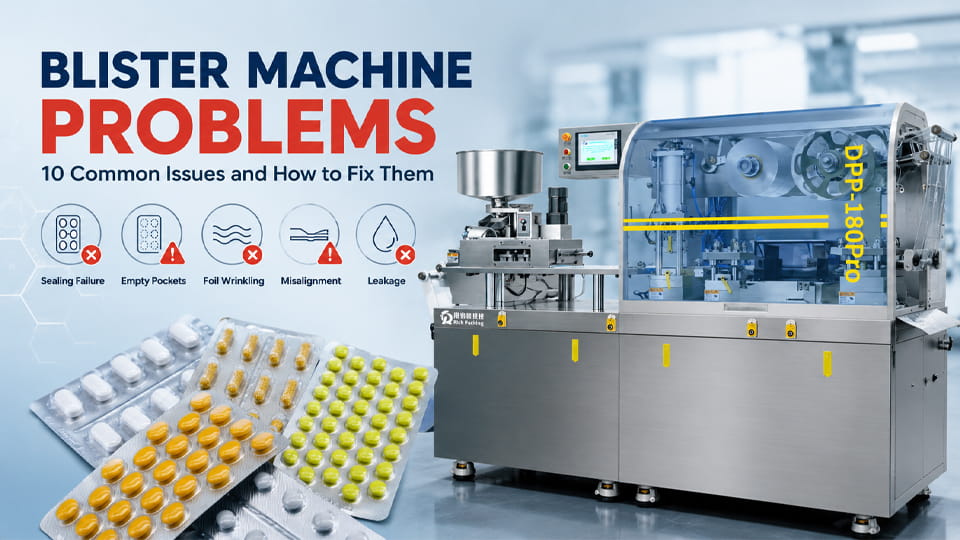
Kompatybilność maszyn: Zastanów się, czy chcesz mieć jedną maszynę do obu metod, czy oddzielne linie. Niektóre nowoczesne maszyny (jak Jinlu Maszyna blistrowa DPP-180PRO) można skonfigurować dla dowolnego termo- lub formowanie na zimno, ale wiele firm korzysta z dedykowanych linii w celu optymalizacji każdego procesu.
Maszyna blistrowa DPP-180pro do tabletek kapsułkowych
Szybka zasada: Stosuj termoformowanie w przypadku standardowych leków, gdzie kluczowa jest widoczność dla klienta i koszt; stosuj formowanie na zimno w przypadku zastosowań wymagających dużej barierowości, gdzie ochrona jest najważniejsza.
Kiedy wybrać termoformowanie
Twój produkt nie jest niezwykle wilgoć- lub światłoczułe (podstawowe tabletki OTC, witaminy).
Priorytetami są wysoka prędkość produkcji i niski koszt.
Chcesz przezroczystego opakowania, aby produkt był widoczny.
Oczekiwany okres trwałości jest stosunkowo krótki lub umiarkowany.
Twoja maszyna do pakowania blistrowego jest przystosowana do podgrzewanych stanowisk formowania.
Kiedy wybrać formowanie na zimno
Twój produkt jest wysoko wrażliwe na wilgoć/tlen lub światło (np. tabletki higroskopijne, sterole, niektóre leki biologiczne).
Potrzebujesz absolutnie najlepszej bariery i najdłuższego okresu trwałości.
Masz mniejszy bieg lub jesteś skłonny zamienić prędkość na ochronę.
Można zaakceptować opakowania nieprzezroczyste (lub użyj ciężkiego etykietowania, aby się rozróżnić).
Budżet pozwala na wyższe koszty materiałów (laminaty z folii aluminiowej).
Twoje maszyny (lub dostawca) wspiera proces formowania na zimno za pomocą wytrzymałych metalowych matryc.
Na przykład, wiele farmaceutycznych blistrów formowanych na zimno opatrzonych jest etykietą „Alu-Alu” na folii. Są one wybierane dokładnie wtedy, kiedy maksymalizując stabilność leku jest celem.
Porównanie kosztów
Koszt jest głównym czynnikiem branym pod uwagę. Koszty materiałów: Folia PCV (nawet z powłoką PVDC) jest znacznie tańszy niż 3-warstwowy laminat aluminiowy. W przeliczeniu na jednostkę, materiał opakowania termoformowanego może kosztować tylko kilka centów, podczas gdy równoważne opakowanie folii Alu-Alu może być wielokrotnością tego. Potwierdza to jedno ze źródeł branżowych „koszt opakowań blistrowych formowanych na zimno jest zwykle wyższy niż w przypadku termoformowania”.
Koszty maszyn i OEE: Maszyny do termoformowania są na ogół prostsze (zespoły grzewcze i komory próżniowe) i często tańsze w utrzymaniu. Maszyny do formowania na zimno wymagają ciężkich stempli, a czasami podwójnego podawania (do folii wewnętrznej i zewnętrznej), co może zwiększyć koszty kapitału. Jednakże, jeśli formowanie na zimno zapobiega stratom produktu (np. od zepsucia), wyższy koszt początkowy może być uzasadniony. Zawsze rozważ całkowity koszt posiadania, łącznie z przestojami, konserwacja, i odpady materiałowe, nie tylko prędkość linii.
Linie doboru maszyn i pakowania
Twój wybór wpływa również na linię pakowania. Maszyny pakowania pęcherzy są zaprojektowane dla jednego lub drugiego procesu. A termoformująca maszyna blistrowa będą wyposażone w stacje grzewcze i próżniowe; A maszyna blistrowa do formowania na zimno będzie posiadać dużą prasę i podajniki folii. Niektóre maszyny hybrydowe (często w badaniach lub zastosowaniach na małą skalę) może przełączać tryby, ale dana linia jest zwykle optymalizowana dla jednej metody.
Na przykład, Jinlu Blister rolkowy DPH-270Max potrafi obydwie metody, ale większość linii produkcyjnych będzie dedykowana. Jeśli zdecydujesz się na termoformowanie, zapewnij sobie sprzęt do pakowania blistrowego obsługuje wybrany film (Grubość PCV, rodzaj powłoki) i ma wystarczającą kontrolę temperatury. Jeśli wybierzesz formowanie na zimno, upewnij się, że Twoja maszyna obsługuje rolki folii Alu-Alu i ma wymaganą siłę tłoczenia.
Podczas rozmów z dostawcami, wspomnij o swoich potrzebach produktowych: powiedz, czy potrzebujesz „maszyny pakującej w blistry do opakowań blistrowych Alu-Alu” lub „maszyny termoformującej w blistry do folii PVC/PVDC”.
Jak zdecydować: Szybka lista kontrolna
Oceń wrażliwość produktu: Sprawdź, czy Twój lek wymaga ochrony przed wilgocią, tlen, lub światło. Jeśli każdy z nich ma charakter krytyczny, prawdopodobnie wymagane jest formowanie na zimno.
Cele dotyczące okresu przydatności do spożycia: Czy potrzebny jest przedłużony termin ważności? Dla 2+ roczny okres przydatności do spożycia, bariera Alu-Alu jest najbezpieczniejszym wyborem.
Wymagania wizualne: Chcesz, żeby klienci zobaczyli produkt? Jeśli tak, preferują termoformowanie (przezroczysty).
Wolumen produkcyjny & Koszt: Dla bardzo dużej objętości i wrażliwości na koszty, termoformowanie zwykle wygrywa. Jeśli wolumen jest niższy, a koszt produktu wysoki, mniejsza prędkość formowania na zimno może być akceptowalna.
Możliwości maszyny: Potwierdź, że Twoje maszyna blistrowa potrafi obsłużyć wybrany materiał. Wielu producentów może dostarczyć oba typy, ale potrzebujesz odpowiedniego oprzyrządowania i konfiguracji linii.
Jeśli masz wątpliwości, skonsultuj się z ekspertem: Inżynierowie zajmujący się pakowaniem często modelują stabilność konkretnego leku w różnych materiałach. Ale to jest dobra heurystyka Formowanie zimna (Witamy) zapewnia najlepszą ochronę przy wyższych kosztach, i termoformowanie (plastikowy) zapewnia najlepszą widoczność i przepustowość przy niższych kosztach.
Wniosek
Formowanie na zimno i termoformowanie mają wyraźne zalety i wady. Termiczne (na bazie PCV) jest szybki, przezroczysty, i opłacalne, dzięki czemu idealnie nadaje się do wielu rutynowych produktów farmaceutycznych. Formowanie na zimno (Witamy) jest wolniejszy i droższy, ale zapewnia niezrównaną wilgotność, ochrona przed tlenem i światłem o wysokiej wartości, wrażliwe leki. W rzeczywistości, Do standardowych tabletek stosowane są opakowania termoformujące, witaminy i produkty OTC, natomiast opakowania zimne są wybierane w przypadku leków wrażliwych na wilgoć lub o długim terminie ważności.
Ostatecznie, Twoja decyzja powinna być motywowana wymagania produktu. Jeśli niezbędna jest ostateczna bariera, prawdopodobnie zdecydujesz się na opakowanie blistrowe aluminiowo-aluminiowe na maszynie pakującej blistrowej do formowania na zimno. Jeśli potrzebujesz szybkości, widoczność i oszczędność kosztów, Prawdopodobnie wystarczające będzie opakowanie termoformowane z PVC na termoformującej maszynie blistrowej.
Nie krępuj się skontaktuj się z naszymi specjalistami ds. opakowań w celu uzyskania wskazówek. Możemy polecić prawo automatyczna maszyna pakująca w blister i procesu dla Twojego produktu – niezależnie od tego, czy potrzebujesz linii do szybkiego termoformowania blistrów, czy też do formowania na zimno (Witamy) maszyna blistrowa.
Zachowaj zgodność i oszczędność kosztów dzięki właściwemu wyborowi opakowań blistrowych!
Często zadawane pytania dotyczące formowania na zimno i termoformowania opakowań blistrowych
Jaka jest różnica pomiędzy formowaniem na zimno a termoformowaniem?
Termoformowanie wykorzystuje ciepło do kształtowania folii z tworzywa sztucznego w zagłębieniach blistrowych, podczas gdy formowanie na zimno mechanicznie wciska laminat na bazie aluminium w odpowiedni kształt bez użycia ciepła. Termoformowanie jest zazwyczaj szybsze i tańsze, podczas gdy formowanie na zimno zapewnia silniejszą ochronę barierową.
Czy formowanie na zimno jest lepsze niż termoformowanie??
Nie koniecznie. Formowanie na zimno jest lepsze w przypadku produktów wymagających silnej ochrony przed wilgocią, tlen, lub światło, podczas gdy termoformowanie jest często preferowane w przypadku stabilnych produktów, gdy jest to kosztowne, prędkość, i widoczność produktu są priorytetami.
Co jest tańsze, formowanie na zimno lub termoformowanie?
Termoformowanie jest generalnie tańsze. Materiały do formowania tworzyw sztucznych kosztują zwykle mniej niż laminaty na bazie aluminium stosowane do formowanych na zimno opakowań blistrowych Alu-Alu, chociaż całkowity koszt zależy również od prędkości maszyny, obróbka, i wymagania produkcyjne.
Co zapewnia lepszą ochronę przed wilgocią?
Formowanie na zimno ogólnie zapewnia lepszą ochronę przed wilgocią. Laminat na bazie aluminium zapewnia bardzo mocną barierę, dzięki czemu nadaje się do produktów farmaceutycznych wrażliwych na wilgoć. Rzeczywiste wymagania należy potwierdzić poprzez badania stabilności produktu i opakowania.
Co jest szybsze, formowanie na zimno lub termoformowanie?
Termoformowanie jest na ogół szybsze niż formowanie na zimno. Proces jego formowania doskonale nadaje się do produkcji na dużą skalę, podczas gdy formowanie na zimno zwykle przebiega przy niższych prędkościach, ponieważ laminat aluminiowy wymaga formowania mechanicznego.
Dlaczego w przypadku leków wrażliwych stosuje się opakowania blistrowe Alu-Alu??
Opakowanie blistrowe Alu-Alu zapewnia doskonałą ochronę przed wilgocią, tlen, i światło. Dlatego jest powszechnie rozważany w przypadku produktów farmaceutycznych o dużej wrażliwości na narażenie środowiskowe lub wymagających wymagań dotyczących okresu przydatności do spożycia.
Czy termoformowanie nadaje się do farmaceutycznych opakowań blistrowych?
Tak. Termoformowanie ma szerokie zastosowanie w przypadku tabletek i kapsułek, gdy produkt nie wymaga najwyższego poziomu ochrony barierowej. Materiały takie jak PVC i PVC/PVDC mogą zapewniać różne poziomy ochrony przed wilgocią, w zależności od receptury i specyfikacji opakowania.
Jaka jest różnica pomiędzy blistrem Alu-Alu a blistrem termoformowanym??
Blistry Alu-Alu wykonane są z laminatu formującego na bazie aluminium i są nieprzezroczyste, podczas gdy blister termoformowany zwykle jest wykonany z folii z tworzywa sztucznego i może być przezroczysty. Alu-Alu zapewnia silniejszą ochronę barierową, podczas gdy termoformowanie ogólnie zapewnia lepszą widoczność i niższy koszt.
Czy jedna maszyna pakująca w blistry może obsłużyć zarówno formowanie na zimno, jak i termoformowanie??
Zwykle nie bez konkretnego projektu lub konfiguracji maszyny. Te dwa procesy wymagają różnych systemów formowania, obróbka, i obsługa materiałów. Jeśli potrzebne są oba formaty, producent maszyny powinien potwierdzić kompatybilność przed zakupem.
Jak wybrać pomiędzy maszyną blistrową do formowania na zimno i termoformowaniem??
Zacznij od wrażliwości produktu, wymagany okres trwałości, materiał opakowaniowy, wielkość produkcji, i koszt docelowy. Wybierz formowanie na zimno, gdy krytyczna jest wysoka ochrona barierowa; wybierz termoformowanie, gdy prędkość, widoczność, i efektywność kosztowa są ważniejsze.
Drobny Fu, Założyciel Jinlupackingu, przynosi 20 lat doświadczenia w sektorze maszyn farmaceutycznych. Pod jego kierownictwem, Jinlu wyrosło na zaufanego dostawcę integrującego projektowanie, produkcja, i sprzedaż. Petty z pasją dzieli się swoją głęboką wiedzą branżową, aby pomóc klientom poruszać się po zawiłościach opakowań farmaceutycznych, zapewnienie, że otrzymają nie tylko sprzęt, ale prawdziwe partnerstwo w zakresie kompleksowych usług dostosowanych do ich celów produkcyjnych.