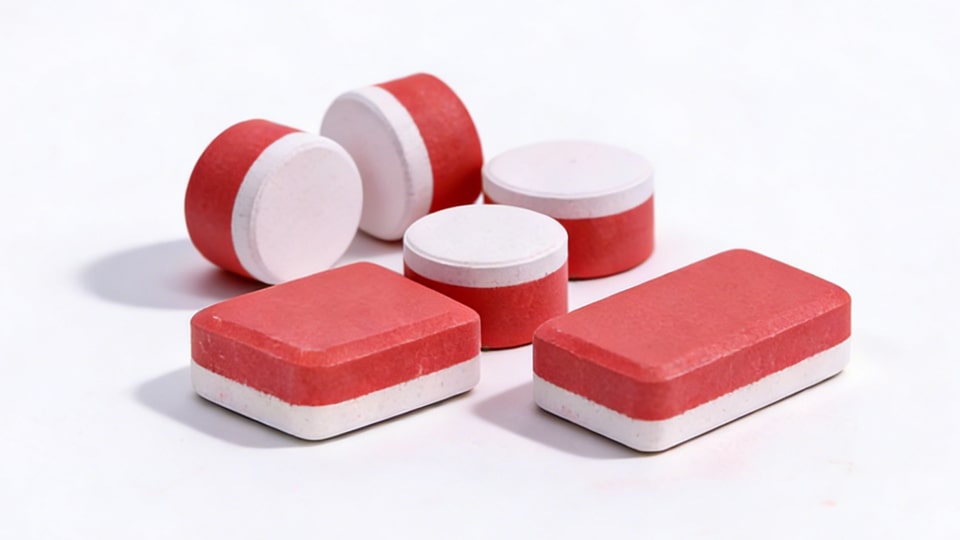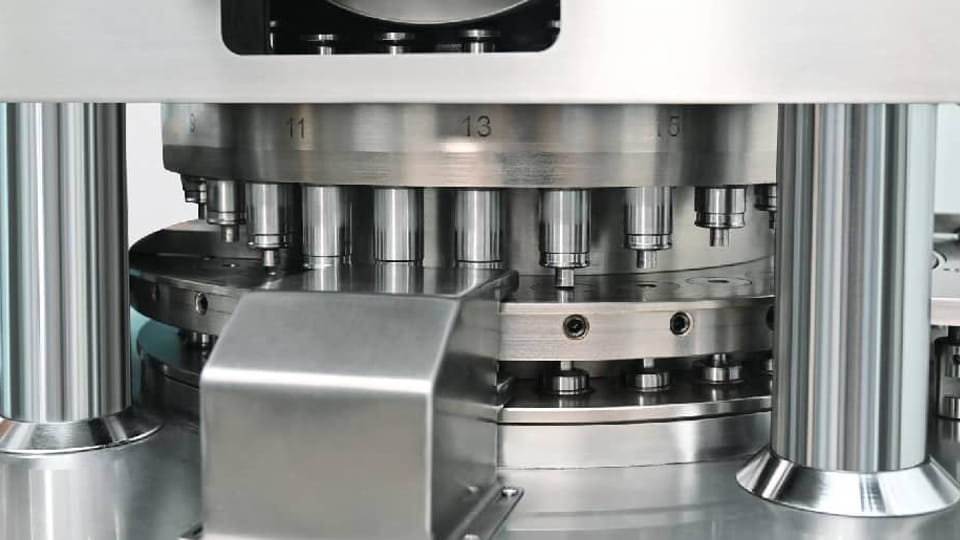

Variatie in tabletgewicht– verschillen in massa tussen tablets – lijken misschien klein, maar het is een serieus probleem voor de kwaliteit van medicijnen en de nauwkeurigheid van de dosering. Er zijn veel factoren die de gewichtsconsistentie kunnen verstoren: slechte poederstroom, ongelijkmatige matrijsvulling, verkeerde feeder- of vulcamera-instellingen, hoge perssnelheden, materiële scheiding, gereedschapsslijtage en machinekalibratie. In de praktijk, Het oplossen van problemen volgt op een stapsgewijze controle van het poeder, voer systeem, de vulling, druk op instellingen en tools om de oorzaak te vinden en op te lossen. Preventieve maatregelen omvatten het verbeteren van de poedergranulatie/stroom (glijdende dans, juiste vochtigheid), met behulp van geforceerde toevoer of schotten in de trechter, optimaliseren van de nok-/vuldiepte, en onderhouden van apparatuur (gereedschap, sensoren, PLC-systemen) regelmatig. Modern roterende tabletmachine met servogestuurde vulling, realtime gewichts-/drukmonitoring, en automatische afwijzing kan het tabletgewicht automatisch stabiliseren. Kortom, stabiel tabletgewicht begint met consistente poederstroom en matrijsvulling, Maar onderhouden Bij gebruik op hoge snelheid is een goede afstelling van de feeder vereist, machinebesturing en -bewaking.
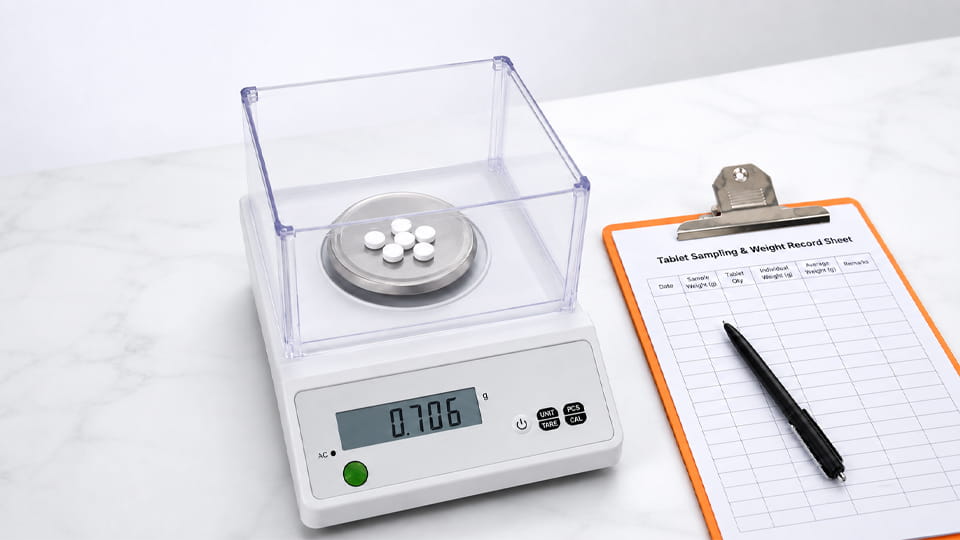
Variatie in het tabletgewicht is eenvoudigweg de niet-uniformiteit van de tabletmassa binnen een tablet partij. Met andere woorden, Tabletten waarvan verwacht wordt dat ze hetzelfde gewicht hebben, komen er anders uit. Grote gewichtsvariaties zijn een alarmsignaal voor uniformiteit in de dosering in de farmacie (één tablet kan te veel of te weinig API hebben). Een consistent tabletgewicht is van cruciaal belang: Er wordt aangenomen dat als het gewicht van elke tablet onder controle is, dan de inhoud van het medicijn (API) is uniform. In werkelijkheid, USP <905> over uniformiteit van doseringseenheden laat fabrikanten een eenvoudige gewichtsvariatietest gebruiken alleen wanneer de tablet groot genoeg is (Dosis ≥25 mg of ≥25% API). Als tabletten kleiner zijn of minder medicijn bevatten, ze moeten in plaats daarvan een inhoudsuniformiteitstest gebruiken. Kortom, het beheersen van de gewichtsvariatie is één manier om ervoor te zorgen dat elke tablet de beoogde dosering bevat.
| Termijn | Wat het betekent | Belangrijkste zorg |
| Variatie in tabletgewicht | Variatie in individuele tabletmassa | Elke tablet moet dezelfde hoeveelheid poeder bevatten (massa) |
| Uniformiteit van de inhoud | Variatie in actieve medicijninhoud | Elke tablet moet een uniforme hoeveelheid API bevatten |
| Gewichtsbeheersing van tablets | Proces/machine aanpassen om tabletmassa te stabiliseren | Het bereiken van een consistente matrijsvulling en een uniform gewicht voor alle tabletten |
Tafel: Sleutelbegrippen met betrekking tot tabletuniformiteit. Een goed gewichtscontrolesysteem heeft tot doel gewichtsvariatie te elimineren, zorgen voor een betrouwbare dosering.
Gewichtsvariatie is bijna altijd een symptoom, niet het kernprobleem. Het betekent meestal dat er iets in het voedings- of compressieproces niet uniform is. De veelvoorkomende oorzaken erbij betrekken:
Als de korrels of het poeder niet soepel vloeien, de matrijsvulling zal onregelmatig zijn. Cohesieve poeders, zeer fijne of pluizige deeltjes, of een brede deeltjesgrootteverdeling kan ervoor zorgen dat het poeder brugvorming veroorzaakt, rattenhol, of scheiden in de trechter en het voerframe. Bijvoorbeeld, een batch met te veel grote agglomeraten kan vastlopen terwijl er fijne deeltjes doorheen stromen, of omgekeerd. Dit leidt ertoe dat sommige matrijzen te vol raken en andere te weinig. In de praktijk, slechte vloeibaarheid komt vaak tot uiting in willekeurige gewichtsschommelingen. Eén oplossing is het verbeteren van de granulatie of het toevoegen van vloeihulpmiddelen (glijmiddelen zoals colloïdaal silica) zodat het poeder gelijkmatig vloeit. Controle van vocht en deeltjesgrootte (via malen of zeven) helpt ook.
Tabletgewicht is set door hoeveel materiaal elke dobbelsteen binnenkomt. Elke variatie in de vuldiepte of het volume van de matrijs verschuift direct het tabletgewicht. Als het poederniveau in de hopper, toevoerframe of goot verandert (als gevolg van het ontwerp van het toevoersysteem of het bezinken van poeder), de vulling kan van cyclus tot cyclus variëren. Moderne rotatiepersen doseren op volume (vul diepte), zo onstabiele vulling staat gelijk aan gewichtsschommelingen. In één onderzoek naar het vullen van matrijzen, onderzoekers merken op dat “reproduceerbaarheid van de matrijsvulling zeer cruciaal is omdat het het tabletgewicht en de gewichtsvariatie bepaalt”. Met andere woorden, alles waardoor het poeder elke holte ongelijkmatig vult, zoals een slechte uitlijning van het invoerframe, variabel voerpanniveau, of te weinig verblijftijd – zal een ongelijkmatig tabletgewicht veroorzaken.
Het voerframe (gedwongen feeder/peddels of zwaartekrachtvoer) moet correct worden ingesteld. Als de peddelsnelheid te hoog of te laag is, of de speling tussen de peddels en de dobbelsteen is uitgeschakeld, poedervolume per matrijs verandert. Bijvoorbeeld, als het invoerframe versleten/niet goed uitgelijnd is of als de peddelhoek verkeerd is, sommige stations zullen systematisch meer of minder poeder ontvangen. AchieveChem merkt op dat verkeerd uitgelijnde schoepen of verstopte invoerpaden een “ongelijke verdeling van het poeder veroorzaken, wat leidt tot inconsistente matrijsvulling en... gewichtsvariatie”. Ervoor zorgen dat de feeder schoon is, goed afgesteld, en gebruiken gedwongen voeding voor poeders met een slechte vloeiing kan de consistentie aanzienlijk verbeteren.
De vuldiepte of het nokprofiel op de toren moet geschikt zijn voor de bulkdichtheid van het poeder. Een vulnok die te ondiep is, zal de matrijs te weinig vullen (tabletten te licht), terwijl een te diepe vulnok overvult, waarbij het overtollige moet worden afgeschraapt (wat herintroductie en ongelijkmatige vulling kan veroorzaken). Zelfs kleine veranderingen in de vuldiepte veroorzaken directe gewichtsveranderingen: meer diepte → meer poeder → zwaardere tabletten (en omgekeerd). Een lage vuldiepte of een inconsistente stroming zorgen ervoor dat de tabletten te licht zijn, terwijl overvulling leidt tot tabletten met overgewicht. Het nauwkeurig afstellen van de camera en het monitoren van het monstergewicht zijn essentieel wanneer een nieuwe formulering of tabletgrootte wordt gebruikt.
Door de pers sneller te laten draaien, wordt de tijd die elke dobbelsteen onder de feeder doorbrengt verkort. Als de snelheid het vermogen van het poeder overschrijdt, kunnen de matrijzen opnieuw worden gevuld, sommige matrijzen zullen te weinig gevuld zijn. Een hoog toerental kan het invoerframe ‘uithongeren’, vooral met door zwaartekracht gevoede poeders. Zoals de gids voor het oplossen van problemen van Jinlu waarschuwt, “Een te snelle pers kan verergeren [variatie] door niet genoeg tijd te gunnen voor het vullen van elke dobbelsteen”. De oplossing is om te vertragen of over te schakelen naar een actieve levensstijl gedwongen voersysteem die op hoge snelheid bij kan blijven. Vaak, wanneer gewichtsvariatie alleen bij hoge snelheid optreedt, het betekent dat het voersysteem moet worden geoptimaliseerd (hogere peddelsnelheid of vacuümondersteuning) in plaats van het proces zelf.
In een gemengd poeder, segregatie kan ervoor zorgen dat sommige matrijzen meer API krijgen en andere minder (of omgekeerd, op basis van gewicht). Bijvoorbeeld, als grove medicijndeeltjes de neiging hebben zich te scheiden van fijne deeltjes tijdens de beweging van de trechter, de eerste tabletten die uit de trechter komen, kunnen zwaarder zijn (fijn-rijk) en later lichter (grof-rijk). Een dergelijke segregatie beïnvloedt zowel het gewicht als de uniformiteit van de inhoud. De gebruikelijke remedie is het garanderen van een zeer grondige menging/granulatie om de componenten aan elkaar te hechten, en ontwerp de hopper/feeder om segregatie te minimaliseren (bijv. met behulp van trechters met levende bodem of schotten). In essentie, als de componenten vóór het vullen niet gelijkmatig verdeeld zijn, Het gewicht van de tablet zal ongelijk zijn.
Fysiek slijtage aan stoten, sterft, of voedingsmechanismen kunnen variatie introduceren. Versleten of afgebroken stoten bereiken mogelijk niet dezelfde diepte, versleten matrijzen kunnen het poedervolume enigszins veranderen, en losse gereedschappen kunnen vulvolumes verschuiven. Bijvoorbeeld, een versleten schraper van het voerframe kan meer of minder poeder in de voerbak laten komen. Zelfs kleine machinetrillingen of een niet goed uitgelijnde revolvernok kunnen variaties veroorzaken. Regelmatig onderhoud om stempels/matrijzen te vervangen vóór overmatige slijtage en om de uitlijning van de revolver te controleren, is van cruciaal belang. Veel druk defecten uiteindelijk terug te voeren op mechanische problemen, dus het inspecteren van gereedschappen en mechanica is een belangrijke stap bij het oplossen van problemen.
Eindelijk, Eenvoudige installatiefouten kunnen gewichtsvariaties veroorzaken. Voorbeelden zijn onder meer een onjuiste kalibratie van de niveausensor (wat leidt tot een verkeerde vuldiepte), verkeerd ingesteld pre-compressie (lucht anders vasthouden), of defecte gewichtscontrolesensoren. Als een automatisch gewichtscontrolesysteem aan boord niet is gekalibreerd, het kan verkeerd worden aangepast. Zelfs dingen als een vies stompgezicht (het veranderen van de effectieve geometrie) of een verkeerd gemonteerd voerframe kan gewicht wegwerpen. Zorgvuldige kalibratie (met behulp van een controleweger en instellingen verifiëren) zorgt ervoor dat het besturingssysteem werkt op basis van nauwkeurige gegevens.
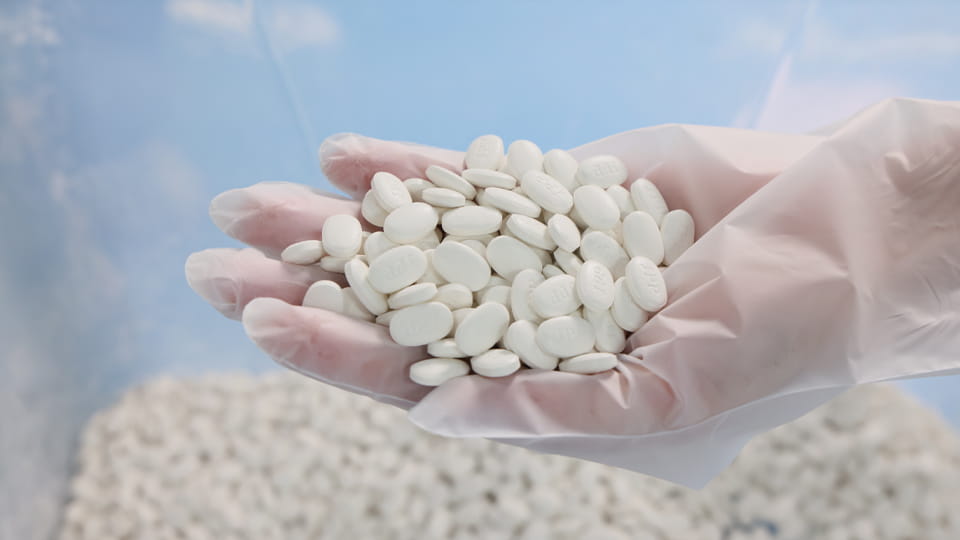
Wanneer u wordt geconfronteerd met een onregelmatig tabletgewicht, gebruik een logische stapsgewijze aanpak. Wijziging één factor tegelijk en observeer het effect. Een typische diagnostische volgorde is:
Door deze stappen te volgen (Vaak wordt het tabletgewicht of de dikte na elke verandering in kaart gebracht), Je kunt de dader isoleren. In veel gevallen, eenvoudige aanpassingen (iets meer peddelsnelheid, een beetje meer vuldiepte, het reinigen van een overbruggingspunt) zal de variatie weer binnen bereik brengen.
Het voorkomen van gewichtsvariatie betekent het proactief beheersen van alle geïdentificeerde factoren:
In essentie, preventie gaat over samenhang bij elke stap – goede formule, betrouwbare voeding, nauwkeurige machinebesturing, en monitoring. De kosten van een onsje preventie zijn veel lager dan het herwerken of slopen van een partij die niet aan de specificaties voldoet.
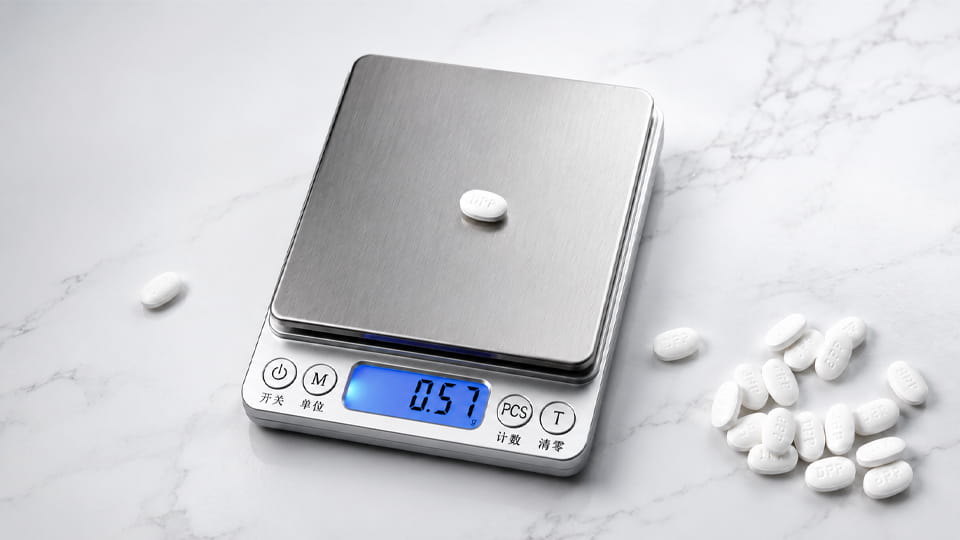
Het helpt om onderscheid te maken gewichtsvariatie (het probleem) van gewichtscontrole (de oplossing). Gewichtsvariatie verwijst naar het symptoom: tabletten die niet voldoen aan de beoogde gewichtstoleranties, een kwaliteitsprobleem. Daarentegen, gewichtscontrole gaat over de proces En apparatuur functies die het tabletgewicht stabiel houden. Bijvoorbeeld, “gewichtscontrole” kan servogestuurde vulaanpassingen met zich meebrengen, feedbacklussen, en verwerp systemen die dat doen voorkomen gewichtsvariatie in de eerste plaats voorkomen. Beschouw gewichtsvariatie als de defect (wat je op een schaal ziet) en gewichtsbeheersing als hulpmiddel (hoe u de machine afstelt).
Moderne roterende tabletpersen bieden nu ingebouwde gewichtscontrolesystemen. Deze systemen passen tijdens het gebruik automatisch de vuldiepte of de stand van de peddels aan om een doelgewicht te bereiken. Ze kunnen loadcellen of druksensoren op elke stempel gebruiken om de werkelijke verdichtingskracht te meten en het gewicht af te leiden. In de praktijk, dit betekent dat er een uitbijtertablet wordt gedetecteerd, de pers corrigeert het onmiddellijk en werpt het uit. Dit staat in contrast met het oude ‘handmatige handwiel’-tijdperk, waarin operators aanpassingen op het oog of op ervaring moesten doorvoeren.
Simpel gezegd, als gewichtsvariatie een wegversperring is, Gewichtsbeheersing is de oplossing met vierwielaandrijving. Het neemt de noodzaak van een goede procesinrichting niet weg (je hebt nog steeds stabiel poeder nodig, goede voeders, enz.), maar het biedt een actief vangnet.
Ja – modern tabletpersmachines zijn speciaal ontworpen om de gewichtsvariatie te minimaliseren. Ze bevatten technologieën zoals:
Kortom, pillenpersen zoals de HZP- en HGZP-serie van Jinlu zijn gebouwd voor uniformiteit. Hun kenmerken: servovulling, feeders met meerdere peddels, realtime gewichts-/drukfeedback en AI-gestuurde afwijzing werken samen om de variatie in het tabletgewicht tot een minimum te beperken. Dit betekent niet dat je de fundamentele zaken kunt negeren (als uw poeder slecht is, geen enkele machine kan je redden), maar deze hoogwaardige functies maken de productie veel robuuster en vergevingsgezinder.
Bij aankoop of specificatie van een pillenpersmachine, houd rekening met factoren die de gewichtsconsistentie beïnvloeden:
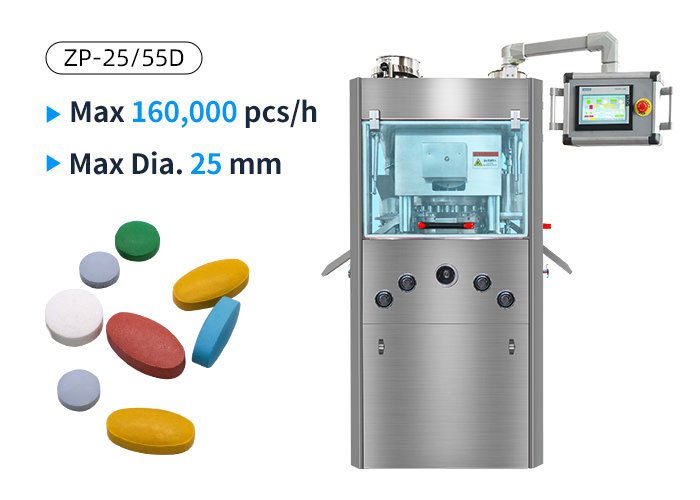
Uiteindelijk, kies een machine die past bij de eisen van uw product. Bijvoorbeeld, bruistabletten met een hoog volume vereisen misschien een robuuste grote pers met geforceerde feeders (zoals de 400 kN druk), terwijl kleine vitaminetabletten prima zouden kunnen werken op een standaard B-gereedschapsdraaischijf met gewichtscontrole. Bij twijfel, raadpleeg de richtlijnen van de fabrikant: Jinlu's kopersgids over de selectie van tabletpersmachines behandelt overwegingen zoals de tabletdiameter, aantal lagen, uitvoer, en vloeibaarheid om een tabletpers aan uw behoeften te helpen aanpassen.
| Probleem | Mogelijke oorzaak | Aanbevolen actie |
| Tabletten consequent te zwaar | Vuldiepte te diep ingesteld | Verminder de diepte van de vulnok / vul instellingen |
| Tabletten consequent te licht | Vuldiepte te ondiep ingesteld | Verhoog de vuldiepte iets |
| Gewicht van de tablet fluctueert willekeurig | Slechte poederstroom of overbrugging | Verbeter de granulatie/stroom (glijden toevoegen, mengen) |
| Gewicht verandert met snelheid | Het vullen van de matrijzen kan het hoge toerental niet bijhouden | Verlaag de perssnelheid of verhoog de efficiëntie van de invoer |
| Gewicht varieert tussen stations | Verkeerde uitlijning van het gereedschap of onbalans van het station | Inspecteer de stempels/matrijzen en lijn het invoerframe opnieuw uit |
| Gewicht zweeft over een run | Hopperniveau verandert / dragen | Controleer de poedertoevoer (trechterniveau), voersysteem kalibreren |
| Hoge variatie bij hoge luchtvochtigheid | Vocht beïnvloedt de stroming | Controle omgeving; luchtontvochtigers testen |
Snelle referentie: Koppel het defect aan de waarschijnlijke oorzaken en oplossingen. Veel oplossingen omvatten het aanpassen van de vuldiepte, verbetering van de poederstroom, of het afstemmen van de feederinstellingen.
Een consistent tabletgewicht is haalbaar, maar alleen door het beheersen van vele factoren. Het begint met een goed ontworpen formule en uniforme poederkorrels, Maar blijft alleen consistent als de matrijs elke cyclus identiek wordt gevuld en de instellingen van de tabletmachine stabiel blijven. In de praktijk, dit betekent het optimaliseren van de poederstroom, parameters van de feeder, vul cams en snelheid, en het gereedschap in topconditie houden. Moderne technologie biedt een krachtige hulp: drukt mee servogestuurde vulaanpassing, in-die-sensoren, en automatische afwijzing kan kleine afwijkingen automatisch corrigeren en tablets die niet aan de specificaties voldoen, voorkomen.
Bijvoorbeeld, Jinlu Packing's tablet persen combineer automatische voer- en gewichtscontrolefuncties – van actieve voerframes tot realtime drukmonitoring – om gewichtsafwijkingen binnen strakke grenzen te houden. Als een stabiele gewichtsbeheersing van cruciaal belang is voor uw product, het kiezen van een pillenpers met deze mogelijkheden is essentieel.
Op zoek naar een tabletponsmachine met nauwkeurige gewichtscontrole en automatische monitoring? Neem contact op met Jinlu Packing om uw tabletproductiebehoeften te bespreken. Onze experts kunnen u een oplossing aanbevelen (van standaard roterende tabletpersmachines naar hoge snelheid HZP of grote persen) die aansluit bij uw formulerings- en kwaliteitseisen, helpt u problemen met gewichtsvariatie te elimineren.
Algemeen, elke factor die de matrijsvulling ongelijkmatig maakt, zal gewichtsvariatie veroorzaken. Veelvoorkomende boosdoeners zijn een inconsistente poederstroom (door slechte granulatie of vochtigheid), ongelijkmatige matrijsvulling (vuldiepte of trechterproblemen), onjuiste feederinstellingen, te hoge torensnelheid, materiële scheiding, of slijtage van apparatuur. Bijvoorbeeld, als de peddels van het voerframe niet gelijkmatig vegen (door verkeerde uitlijning of slijtage), sommige matrijzen zijn onvoldoende gevuld. Vaak is de oplossing het poeder- en voedingsproces van begin tot eind te inspecteren.
Inconsistente gewichten tijdens compressie betekenen meestal dat de vulfase inconsistent is. Elke rotatie van de koepel moet hetzelfde volume poeder opleveren. Als een nok iets afwijkt, of als de poederstroom varieert (bijv. omdat het trechterniveau daalde), tabletten variëren in gewicht. Dit kan ook gebeuren als de perssnelheid wordt gewijzigd zonder de instellingen opnieuw af te stemmen, of als gereedschapsslijtage het matrijsvolume heeft veranderd.
Eerst, zorg ervoor dat de poederstroom stabiel is (goede korrels, uniform mengsel, glijmiddelen/smeermiddelen indien nodig). Zorg er vervolgens voor dat de matrijsvulling consistent is: gebruik geforceerde feeders voor poeders met een slechte stroming, zorg voor een constant poederniveau, en stel de juiste vuldiepte in. Stem de snelheid van de feeder en de uitlijning van de peddels af, en vertraag de machine indien nodig. Velen maken ook gebruik van in-proces monitoring (controlewegers, druk sensoren) die uitschieters automatisch afwijzen, het effectief aanscherpen van de distributie. Regelmatig onderhoud en kalibratie (peddels schoonmaken, het vervangen van versleten onderdelen) houdt ook de gewichtsspreiding laag.
Als een poeder onregelmatig stroomt, sommige matrijzen zijn mogelijk te weinig gevuld, terwijl andere te vol zijn. Bijvoorbeeld, poeders die in de trechter overbruggen of “rattengat” in het voerframe laten de matrijzen leeg, wat leidt tot lichte tabletten. Omgekeerd, wanneer een brug plotseling breekt, het dumpt extra poeder in de volgende paar matrijzen, waardoor zware tabletten ontstaan. Samengevat, goede vloei = gelijkmatige matrijsvulling (en gewicht), terwijl een slechte stroming tot fluctuaties leidt. Dat is de reden waarom fabrikanten magnesiumstearaat of silica kunnen toevoegen om de doorstroming te verbeteren en de gewichtsvariatie te verminderen.
Ja. Een hogere torensnelheid verkort de tijd die een dobbelsteen onder de feeder heeft. Bij zeer hoge toerentallen, een door zwaartekracht gevoed invoerframe vult de matrijs mogelijk niet volledig opnieuw voordat deze wordt gecomprimeerd. Dit veroorzaakt tabletten met ondergewicht en meer verspreiding. Als gewichtsvariatie pas optreedt bij hogere snelheden, de oplossing is meestal een lagere snelheid of een betere feeder (zoals een actief peddelsysteem). Sommige moderne persen vermijden dit probleem door de invoer te synchroniseren met de snelheid of door systemen met dubbele invoer te gebruiken.
Het tabletgewicht wordt hoofdzakelijk bepaald door de hoeveelheid poeder in de matrijs vóór compressie. Consistente matrijsvulling betekent consistente massa. Als het vulvolume van de matrijs varieert (vanwege camera-instellingen, fluctuaties in de hopper, of problemen met het feedframe), gewicht varieert. Een goede praktijk is om regelmatig te controleren of het matrijsvolume correct is (bijv. meet het gewicht van een monstertablet versus. instelpunt) en pas de vulnok- of invoerinstellingen aan om elke dobbelsteen even vol te houden.
Gewichtsvariatie is een fysieke maatstaf: hoeveel elke tablet weegt. Inhoudsuniformiteit is een chemische maatstaf: hoeveel medicijn (API) zit in elke tablet. Wanneer het medicijn goed gemengd is en een aanzienlijk deel van de tablet uitmaakt, het beheersen van het gewicht kan een consistente dosering garanderen. Maar voor zeer krachtige medicijnen (kleine dosis, <25% van tablet), USP vereist individuele inhoudstests. Met andere woorden, gewichtsvariatie meet de massa, terwijl de uniformiteit van de inhoud de hoeveelheid geneesmiddel meet. Beide zijn aspecten van “uniformiteit van doseringseenheden”, maar gewichtsvariatie is alleen de voorkeurstest als de tabletgrootte en de geneesmiddelfractie voldoen aan de aanvullende criteria.
Ja. Veel persen zijn nu voorzien van gesloten gewichtscontrolesystemen. Bijvoorbeeld, een servomotor kan de vuldiepte in realtime aanpassen om een gewichtsdoel te bereiken, op basis van feedback van sensoren. De moderne persen van Jinlu maken gebruik van een servoaangedreven vulrail die voortdurend gewichtsafwijkingen corrigeert. Ze hebben ook realtime gewichtsinspectie: als een tablet buiten het doel valt, de machine kan het onmiddellijk uitwerpen. Dus met de juiste pers, een groot deel van de gewichtscontrole is geautomatiseerd.
Een geforceerde feeder heeft peddels of schroeven die actief poeder in de matrijzen duwen. Dit betekent dat elke dobbelsteen elke cyclus wordt "verpakt" met poeder. Het voorkomt veelvoorkomende problemen zoals overbrugging en zorgt voor een gelijkmatige distributie. In de praktijk, een geforceerde feeder houdt het tabletgewicht stabiel door elke vulling reproduceerbaarder te maken. De gidsen van Jinlu merken op dat het toevoegen of aanpassen van dwangvoeders vaak de variatie voor kleverige of fijne poeders sterk vermindert. In wezen, het maakt het vulproces minder afhankelijk van onvoorspelbare zwaartekrachtstroming.
Verder goede uitrusting, preventie gaat over slimme procesbeheersing: gebruik procesmonitoring (houd het tabletgewicht bij, hardheid in realtime), vasthouden aan standaardwerkprocedures, en voer regelmatig controles uit. Zorg voor controles tijdens het proces, zoals 'als het gemiddelde gewicht voorbijgaat >0.5%, stoppen en aanpassen.” Implementeren van preventieve onderhoudsschema's. Standaardiseer formuleringen en mengen. Ten slotte, het trainen van operators om vroege waarschuwingssignalen op te merken (zoals een verandering in het persgeluid) kan drift opvangen voor een groot probleem. Het doel is een systeem voor vroegtijdige waarschuwing: vang een 1% ploegendienst in plaats van een batch te produceren 5%.
Referenties:
1. PubMed —— Stromingsgedrag van farmaceutische poeders tijdens het vullen van roterende matrijzen met een paddlefeeder
2.WetenschapDirect—— Onderzoek naar de effecten van voedingsframes op de eigenschappen van het poedermengsel tijdens het vullen van tabletpersmatrijzen
3.FDA Q4B-bijlage 6 —— Uniformiteit van doseringseenheden Algemeen Kapittel
4.PubMed —— De uitdaging van het vullen van matrijzen in roterende persen: een systematische studie van materiaaleigenschappen en procesparameters
5.PubMed —— Voorspelling van de variabiliteit van het tabletgewicht bij continue productie
6.PubMed —— Vermindering van de variabiliteit van het tabletgewicht door de peddelsnelheid in de geforceerde invoer van een snelle roterende tabletpers te optimaliseren