
- Macchine
- Competenza
- Risorse
- Certificati
- Di
- Contatto
- Macchine
- Competenza
- Risorse
- Certificati
- Di
- Contatto
Variazione del peso della compressaLe differenze di massa tra le compresse possono sembrare minori, ma è un problema serio per la qualità del farmaco e l’accuratezza del dosaggio. Molti fattori possono disturbare la consistenza del peso: scarso flusso di polvere, riempimento non uniforme dello stampo, Impostazioni errate dell'alimentatore o della camma di riempimento, velocità di stampa elevate, segregazione materiale, usura degli utensili e calibrazione della macchina. In pratica, la risoluzione dei problemi segue un controllo passo passo della polvere, sistema di alimentazione, il ripieno, premere impostazioni e strumenti per trovare e correggere la causa principale. Le misure preventive includono il miglioramento della granulazione/flusso della polvere (danza planante, umidità adeguata), utilizzando l'alimentazione forzata o i deflettori nella tramoggia, ottimizzazione della profondità di camma/riempimento, e manutenzione delle attrezzature (utensileria, sensori, Sistemi PLC) regolarmente. Moderno macchina per compresse rotanti con riempimento servocontrollato, monitoraggio del peso/pressione in tempo reale, e il rifiuto automatico può stabilizzare automaticamente il peso della compressa. Insomma, peso stabile della compressa inizia con flusso di polvere e riempimento dello stampo costanti, Ma mantenendo durante il funzionamento ad alta velocità richiede una corretta configurazione dell'alimentatore, controlli e monitoraggio della macchina.
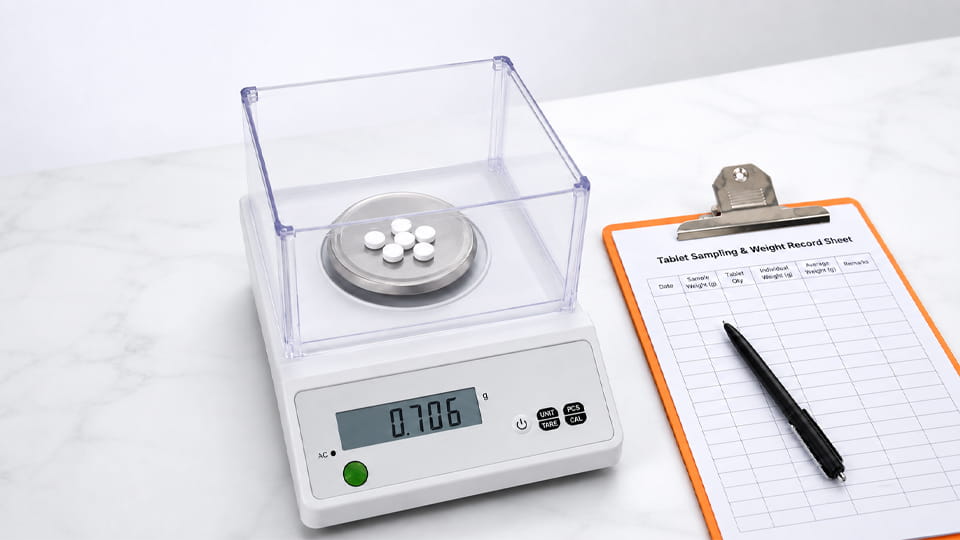
La variazione del peso della compressa è semplicemente la non uniformità della massa della compressa all'interno di a lotto. In altre parole, le compresse che dovrebbero avere lo stesso peso escono in modo diverso. L’elevata variazione di peso è un segnale di allarme per l’uniformità del dosaggio nel settore farmaceutico (un tablet potrebbe avere troppe o troppo poche API). Il peso costante della compressa è vitale: si presume che il peso di ciascuna compressa sia controllato, poi il contenuto del farmaco (API) è uniforme. Infatti, USP <905> sull'uniformità delle unità di dosaggio consente ai produttori di utilizzare un semplice test di variazione del peso soltanto quando il tablet è abbastanza grande (Dose ≥25 mg o API ≥25%.). Se le compresse sono più piccole o contengono meno farmaco, devono invece utilizzare un test di uniformità del contenuto. Insomma, controllare la variazione di peso è un modo per garantire che ogni compressa contenga il dosaggio previsto.
| Termine | Cosa significa | Preoccupazione principale |
| Variazione del peso della compressa | Variazione della massa della singola compressa | Ogni compressa deve contenere la stessa quantità di polvere (massa) |
| Uniformità dei contenuti | Variazione del contenuto del farmaco attivo | Ogni compressa deve contenere una quantità uniforme di API |
| Controllo del peso delle compresse | Regolazione del processo/macchina per stabilizzare la massa della compressa | Ottenimento di un riempimento uniforme dello stampo e di un peso uniforme su tutte le compresse |
Tavolo: Termini chiave relativi all'uniformità delle compresse. Un buon sistema di controllo del peso mira a eliminare le variazioni di peso, garantendo un dosaggio affidabile.
La variazione di peso è quasi sempre un sintomo, non il problema principale. Di solito significa che qualcosa nel processo di alimentazione o compressione non è uniforme. IL cause comuni includere:
Se i granuli o la polvere non scorrono uniformemente, il riempimento dello stampo sarà irregolare. Polveri coesive, particelle molto fini o soffici, oppure un'ampia distribuzione delle dimensioni delle particelle può causare la formazione di ponti tra la polvere, tana dei topi, o separarli nella tramoggia e nel telaio di alimentazione. Per esempio, un lotto con troppi agglomerati di grandi dimensioni può bloccarsi mentre le parti fini scorrono, o viceversa. Ciò porta al riempimento eccessivo di alcuni stampi e al riempimento insufficiente di altri. In pratica, la scarsa fluidità spesso si manifesta con oscillazioni casuali del peso. Una soluzione è migliorare la granulazione o aggiungere fluidificanti (glidanti come la silice colloidale) quindi la polvere scorre in modo uniforme. Controllo dell'umidità e della dimensione delle particelle (tramite macinazione o setacciatura) aiuta anche.
Il peso della compressa è impostato in base alla quantità di materiale che entra in ciascuna matrice. Qualsiasi variazione nella profondità di riempimento o nel volume dello stampo sposta direttamente il peso della compressa. Se il livello della polvere nella tramoggia, modifiche al telaio di alimentazione o allo scivolo (a causa della progettazione del sistema di alimentazione o della sedimentazione della polvere), il riempimento può variare da ciclo a ciclo. Le moderne rotative dosano a volume (profondità di riempimento), quindi un riempimento instabile equivale a oscillazioni di peso. In uno studio sul riempimento dello stampo, i ricercatori notano che "la riproducibilità del riempimento dello stampo è molto critica in quanto determina il peso della compressa e la variazione di peso". In altre parole, tutto ciò che fa sì che la polvere riempia ogni cavità in modo non uniforme, come un cattivo allineamento del telaio di alimentazione, livello della vaschetta di alimentazione variabile, o un tempo di permanenza troppo breve causeranno un peso della compressa non uniforme.
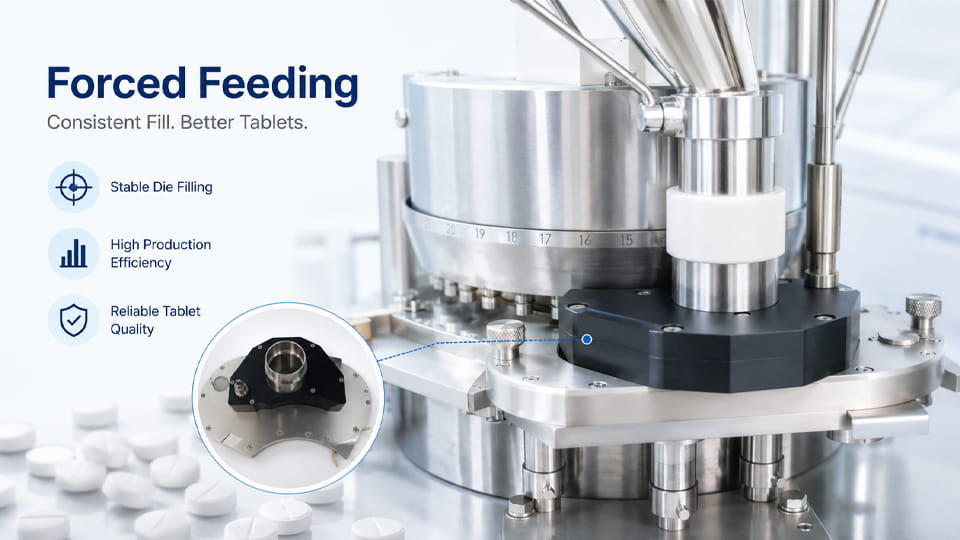
Il telaio di alimentazione (alimentatore forzato/palette o alimentazione per gravità) deve essere impostato correttamente. Se la velocità della pagaia è troppo alta o bassa, oppure lo spazio tra le pale e la matrice è interrotto, il volume della polvere per matrice cambia. Per esempio, se la cornice di alimentazione è usurata/non allineata o l'angolo della paletta è errato, alcune stazioni riceveranno sistematicamente più o meno polvere. AchieveChem rileva che le pale disallineate o i percorsi di alimentazione intasati causano “una distribuzione non uniforme della polvere, portando a un riempimento incoerente dello stampo e…variazione di peso”. Assicurarsi che l'alimentatore sia pulito, adeguatamente regolato, e utilizzando alimentazione forzata per le polveri a scarso flusso può migliorare notevolmente la consistenza.
La profondità di riempimento o il profilo della camma sulla torretta devono essere adatti alla densità apparente della polvere. Una camma di riempimento troppo superficiale riempirà in modo insufficiente la fustella (compresse troppo leggere), mentre una camma di riempimento troppo profonda si riempirà eccessivamente, richiedendo la rimozione dell'eccesso (che può causare reintroduzione e riempimento non uniforme). Anche piccole variazioni nella profondità di riempimento causano variazioni dirette del peso: più profondità → più polvere → compresse più pesanti (e viceversa). Una profondità di riempimento ridotta o un flusso incoerente causano un sottopeso delle compresse, mentre il riempimento eccessivo porta a compresse in sovrappeso. La regolazione fine della camma e il monitoraggio del peso del campione sono essenziali ogni volta che si esegue una nuova formulazione o dimensione della compressa.
Far funzionare la stampante più velocemente riduce il tempo che ciascuna matrice trascorre sotto l'alimentatore. Se la velocità supera la capacità della polvere di riempire gli stampi, alcuni stampi saranno riempiti in modo insufficiente. Un numero di giri elevato può “affamare” il telaio di alimentazione, soprattutto con polveri alimentate per gravità. Come avverte la guida alla risoluzione dei problemi di Jinlu, “Una macchina da stampa troppo veloce può peggiorare la situazione [variazione] non concedendo abbastanza tempo per riempire ogni dado”. La soluzione è rallentare o passare a una modalità attiva sistema di alimentazione forzata che può tenere il passo ad alta velocità. Spesso, quando la variazione di peso appare solo ad alta velocità, significa che il sistema di alimentazione necessita di ottimizzazione (maggiore velocità della paletta o assistenza del vuoto) piuttosto che il processo stesso.
In polvere mista, la segregazione può far sì che alcuni stampi ottengano più API e altri meno (o viceversa in peso). Per esempio, se le particelle grossolane di farmaco tendono a separarsi da quelle fini durante il movimento della tramoggia, le prime compresse prelevate dal contenitore potrebbero essere più pesanti (finemente ricco) e successivamente quelli più leggeri (grossolano-ricco). Tale segregazione influisce sia sull'uniformità del peso che del contenuto. La soluzione comune è garantire una miscelazione/granulazione molto accurata per tenere insieme i componenti, e progettare la tramoggia/alimentatore per ridurre al minimo la segregazione (per esempio. utilizzando tramogge o deflettori a fondo vivo). In sostanza, se i componenti non sono distribuiti uniformemente prima del riempimento, il peso della compressa sarà irregolare.
Fisico usura sui punzoni, muore, oppure i meccanismi di alimentazione possono introdurre variazioni. I punzoni usurati o scheggiati potrebbero non raggiungere la stessa profondità, gli stampi usurati possono modificare leggermente il volume della polvere, e gli utensili allentati possono spostare i volumi di riempimento. Ad esempio, un raschiatore usurato del telaio di alimentazione potrebbe far entrare più o meno polvere nell'alimentatore. Anche piccole vibrazioni della macchina o una camma della torretta disallineata possono causare variazioni. La manutenzione regolare per sostituire punzoni/matrici prima di un'usura eccessiva e controllare l'allineamento della torretta è fondamentale. Molti difetti di stampa alla fine risalgono a problemi meccanici, quindi l'ispezione degli strumenti e della meccanica è un passaggio fondamentale per la risoluzione dei problemi.
Finalmente, semplici errori di impostazione possono causare variazioni di peso. Gli esempi includono la calibrazione errata del sensore di livello (portando ad una profondità di riempimento errata), impostato male precompressione (intrappolare l'aria in modo diverso), o sensori di controllo del peso difettosi. Se un sistema di controllo automatico del peso di bordo non è calibrato, potrebbe adattarsi in modo errato. Anche cose come una faccia sporca da pugno (alterandone la geometria effettiva) oppure un telaio di alimentazione riassemblato in modo errato può perdere peso. Calibrazione attenta (utilizzando a selezionatrice ponderale e verificare le impostazioni) garantisce che il sistema di controllo operi su dati accurati.

Di fronte al peso irregolare della compressa, utilizzare un approccio logico passo dopo passo. Modifica un fattore alla volta e osservare l'effetto. Una tipica sequenza diagnostica è:
Seguendo questi passaggi (spesso registrare il peso o lo spessore della compressa dopo ogni modifica), puoi isolare il colpevole. In molti casi, semplici aggiustamenti (un po' più di velocità della pagaia, un tocco in più di profondità di riempimento, pulire un punto di ponte) riporterà la variazione nell'intervallo.
Prevenire la variazione di peso significa controllare proattivamente tutti i fattori individuati:
In sostanza, la prevenzione riguarda coerenza ad ogni passo: buona formula, alimentazione affidabile, controllo preciso della macchina, e monitoraggio. Il costo di un grammo di prevenzione è molto inferiore rispetto alla rielaborazione o alla demolizione di un lotto non conforme alle specifiche.
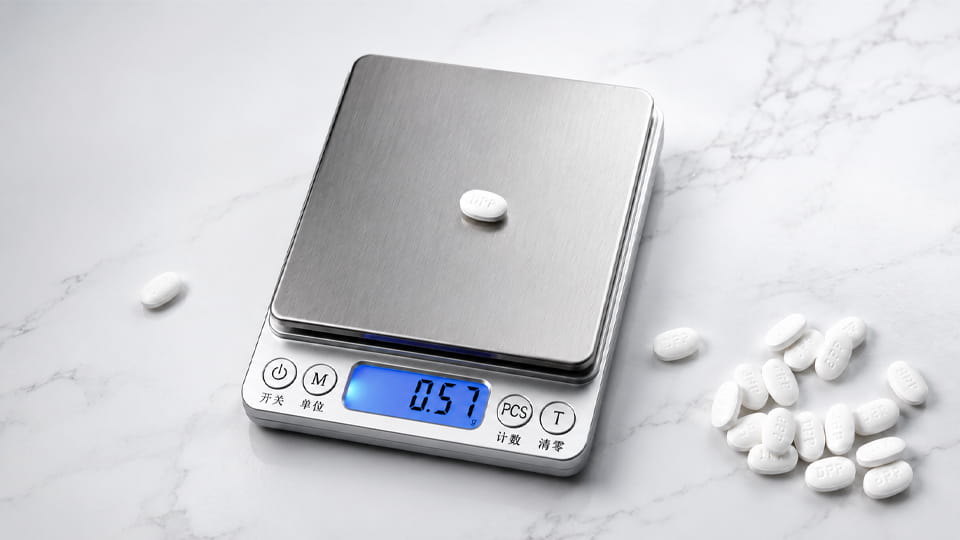
Aiuta a distinguere variazione di peso (il problema) da controllo del peso (la soluzione). Variazione di peso si riferisce al sintomo: le compresse non soddisfano le tolleranze di peso target, una questione di qualità. Al contrario, controllo del peso riguarda il processo E attrezzatura caratteristiche che mantengono stabile il peso del tablet. Per esempio, “controllo del peso” può comportare regolazioni di riempimento servoassistite, cicli di feedback, e rifiutare i sistemi che impedire variazione di peso che si verifichi in primo luogo. Pensa alla variazione di peso come al difetto (quello che vedi su una scala) e il controllo del peso come strumento (come si regola la macchina).
Le moderne comprimitrici rotative ora offrono sistemi di controllo del peso integrati. Questi sistemi regolano automaticamente la profondità di riempimento o il passo delle pale durante il funzionamento per raggiungere un peso target. Possono utilizzare celle di carico o sensori di pressione su ciascun punzone per misurare la forza di compattazione effettiva e dedurre il peso. In pratica, ciò significa che viene rilevata una compressa anomala, la stampa lo corregge immediatamente e lo espelle. Ciò contrasta con la vecchia era del “volantino manuale” in cui gli operatori dovevano apportare regolazioni con l’occhio o con l’esperienza.
In parole povere, se la variazione di peso è un ostacolo, il controllo del peso è la soluzione a 4 ruote motrici. Non elimina la necessità di una buona impostazione del processo (hai ancora bisogno di polvere costante, buoni alimentatori, ecc.), ma fornisce una rete di sicurezza attiva.
Sì, moderno macchina comprimitriceI cuscinetti sono progettati specificatamente per ridurre al minimo la variazione di peso. Incorporano tecnologie come:
Insomma, i pressatori per pillole come le serie HZP e HGZP di Jinlu sono costruiti per l'uniformità. Le loro caratteristiche: riempimento tramite servo, alimentatori multi-paletta, feedback di peso/pressione in tempo reale e rifiuto basato sull'intelligenza artificiale: agiscono insieme per ridurre al minimo la variazione del peso della compressa. Ciò non significa che puoi ignorare i fondamentali (se la tua polvere è cattiva, nessuna macchina può salvarti), ma queste funzioni di fascia alta rendono la produzione molto più robusta e tollerante.
Quando si acquista o si specifica una pressa per pillole, considerare i fattori che influenzano la consistenza del peso:
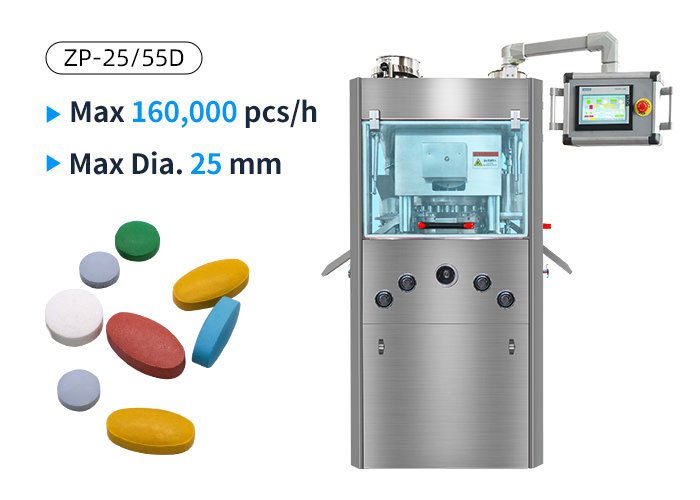
Alla fine, scegli una macchina che soddisfi le esigenze del tuo prodotto. Ad esempio, le compresse effervescenti ad alto volume potrebbero richiedere una pressa robusta e di grandi dimensioni con alimentatori forzati (come il 400 kN premere), mentre piccole compresse vitaminiche potrebbero andare bene su un utensile rotante B standard con controllo del peso. In caso di dubbio, consultare le linee guida del produttore: La guida all'acquisto di Jinlu sulla selezione della macchina comprimitrice esamina considerazioni come il diametro della compressa, conteggio degli strati, produzione, e fluidità per aiutarti ad abbinare una comprimitrice alle tue esigenze.
| Problema | Possibile causa | Azione consigliata |
| Compresse in modo coerente troppo pesante | La profondità di riempimento è troppo profonda | Ridurre la profondità della camma di riempimento / impostazioni di riempimento |
| Compresse in modo coerente troppo leggero | La profondità di riempimento impostata è troppo bassa | Aumenta leggermente la profondità di riempimento |
| Peso della compressa fluttua in modo casuale | Scarso flusso di polvere o ponti | Migliorare la granulazione/flusso (aggiungi lo scorrimento, mescolare) |
| Peso cambia con la velocità | Il riempimento dello stampo non riesce a tenere il passo con un numero di giri elevato | Riduci la velocità di stampa o aumenta l'efficienza dell'alimentatore |
| Il peso varia tra le stazioni | Disallineamento dell'attrezzatura o squilibrio della stazione | Ispezionare punzoni/matrici e riallineare il telaio di alimentazione |
| Peso va alla deriva durante una corsa | Modifica del livello della tramoggia / Indossare | Controllare l'alimentazione della polvere (livello della tramoggia), calibrare il sistema di alimentazione |
| Elevata variazione ad alta umidità | L'umidità influisce sul flusso | Ambiente di controllo; testare deumidificatori |
Riferimento rapido: Abbina il difetto alle probabili cause e soluzioni. Molte soluzioni comportano la modifica della profondità di riempimento, migliorare il flusso della polvere, o ottimizzare le impostazioni dell'alimentatore.
È possibile ottenere un peso costante della compressa, ma solo controllando molti fattori. Esso inizia con una formula ben studiata e granuli di polvere uniformi, Ma soggiorni coerente solo se lo stampo viene riempito in modo identico a ogni ciclo e le impostazioni della comprimitrice rimangono stabili. In pratica, questo significa ottimizzare il flusso della polvere, parametri dell'alimentatore, riempimento camme e velocità, e mantenendo gli utensili in ottime condizioni. La tecnologia moderna fornisce un potente aiuto: preme con regolazione del riempimento servoassistita, sensori interni allo stampo, e il rifiuto automatico può correggere automaticamente piccole deviazioni e prevenire compresse non conformi alle specifiche.
Per esempio, Jinlu Packing's comprimitrici combinano funzionalità di alimentazione automatizzata e controllo del peso, dai telai di alimentazione attivi al monitoraggio della pressione in tempo reale, per mantenere la deviazione del peso entro limiti ristretti. Se il controllo stabile del peso è fondamentale per il tuo prodotto, scegliere una pressa per pillole con queste funzionalità è fondamentale.
Cerchi una punzonatrice per compresse con controllo preciso del peso e monitoraggio automatico? Contatta Jinlu Imballaggio per discutere le vostre esigenze di produzione di tablet. I nostri esperti possono consigliare una soluzione (dalla norma macchine comprimitrici rotative all'alta velocità HZP o presse di grandi dimensioni) che soddisfa i vostri requisiti di formulazione e qualità, aiutandoti ad eliminare i problemi di variazione del peso.
Generalmente, qualsiasi fattore che renda irregolare il riempimento dello stampo causerà una variazione di peso. I colpevoli comuni sono il flusso di polvere incoerente (a causa della scarsa granulazione o dell'umidità), riempimento non uniforme dello stampo (problemi relativi alla profondità di riempimento o alla tramoggia), impostazioni errate dell'alimentatore, velocità della torretta troppo elevata, segregazione materiale, o usura dell'attrezzatura. Per esempio, se le pale del telaio di alimentazione non spazzano in modo uniforme (a causa di disallineamento o usura), alcuni stampi sono riempiti in modo insufficiente. Spesso la soluzione è ispezionare la polvere e il processo di alimentazione dall'inizio alla fine.
Pesi incoerenti durante la compressione di solito significano che la fase di riempimento è incoerente. Ogni rotazione della torretta dovrebbe erogare lo stesso volume di polvere. Se una camma è leggermente fuori posto, o se il flusso della polvere varia (per esempio. perché il livello della tramoggia è sceso), le compresse varieranno in peso. Ciò può verificarsi anche se la velocità di stampa viene modificata senza regolare nuovamente le impostazioni, o se l'usura dell'utensile ha alterato il volume dello stampo.
Primo, assicurarsi che il flusso della polvere sia stabile (buoni granuli, miscela uniforme, glidanti/lubrificanti secondo necessità). Quindi assicurati che il riempimento dello stampo sia coerente: utilizzare alimentatori forzati per polveri a scarso flusso, mantenere un livello di polvere costante, e impostare la giusta profondità di riempimento. Regolare la velocità dell'alimentatore e l'allineamento delle pale, e rallentare la macchina se necessario. Molti utilizzano anche il monitoraggio in-process (selezionatrici ponderali, sensori di pressione) che rifiutano automaticamente i valori anomali, restringendo effettivamente la distribuzione. Manutenzione e calibrazione regolari (palette per la pulizia, sostituzione delle parti usurate) inoltre mantiene bassa la dispersione del peso.
Se una polvere scorre in modo irregolare, alcuni stampi potrebbero essere riempiti in modo insufficiente mentre altri potrebbero essere riempiti eccessivamente. Ad esempio, le polveri che si accumulano nella tramoggia o nella “tana del topo” nel telaio di alimentazione lasciano gli stampi vuoti, portando a compresse leggere. Al contrario, quando un ponte si rompe all'improvviso, scarica polvere extra nei prossimi stampi, causando compresse pesanti. In sintesi, buon flusso = riempimento uniforme dello stampo (e peso), mentre il flusso scarso porta alla fluttuazione. Ecco perché i produttori possono aggiungere stearato di magnesio o silice per migliorare il flusso e ridurre la variazione di peso.
SÌ. Una maggiore velocità della torretta riduce il tempo che la matrice rimane sotto l'alimentatore. A regimi molto elevati, un telaio di alimentazione alimentato per gravità potrebbe non riempire completamente lo stampo prima della compressione. Ciò causa compresse sottopeso e maggiore dispersione. Se la variazione di peso si manifesta solo a velocità più elevate, la soluzione è solitamente una velocità inferiore o un alimentatore migliore (come un sistema di paddle attivo). Alcune macchine da stampa moderne evitano questo problema sincronizzando l'alimentazione con la velocità o utilizzando sistemi a doppia alimentazione.
Il peso della compressa è essenzialmente determinato dalla quantità di polvere nello stampo prima della compressione. Un riempimento coerente dello stampo significa una massa costante. Se il volume di riempimento dello stampo varia (a causa delle impostazioni della camma, fluttuazioni della tramoggia, o problemi relativi al frame di alimentazione), il peso varia. Una buona pratica è verificare regolarmente che il volume dello stampo sia corretto (per esempio. misurare il peso di una compressa campione rispetto al. punto di riferimento) e regolare la camma di riempimento o le impostazioni di alimentazione per mantenere ciascuna fustella ugualmente piena.
La variazione di peso è una misura fisica: quanto pesa ciascuna compressa. L’uniformità del contenuto è una misura chimica: quanta droga (API) è in ogni compressa. Quando il farmaco è ben miscelato e costituisce una parte significativa della compressa, il controllo del peso può garantire un dosaggio costante. Ma per farmaci molto potenti (piccola dose, <25% di tavoletta), L'USP richiede test dei contenuti individuali. In altre parole, la variazione del peso misura la massa, mentre l'uniformità del contenuto misura la quantità di farmaco. Entrambi sono aspetti di “uniformità delle unità di dosaggio”, ma la variazione del peso è il test preferito solo quando la dimensione della compressa e la frazione del farmaco soddisfano i criteri compendiali.
SÌ. Molte macchine da stampa ora includono sistemi di controllo del peso a circuito chiuso. Per esempio, un servomotore può regolare la profondità di riempimento in tempo reale per raggiungere un obiettivo di peso, in base al feedback dei sensori. Le moderne macchine da stampa Jinlu utilizzano un binario di riempimento servocomandato che corregge continuamente le deviazioni del peso. Hanno anche il controllo del peso in tempo reale: se una compressa esce fuori bersaglio, la macchina può espellerlo immediatamente. Quindi con la stampa giusta, gran parte del controllo del peso è automatizzato.
Un alimentatore forzato è dotato di pale o viti che spingono attivamente la polvere negli stampi. Ciò significa che ogni stampo è “riempito” di polvere ad ogni ciclo. Previene problemi comuni come il bridging e garantisce una distribuzione uniforme. In pratica, un alimentatore forzato mantiene stabile il peso delle compresse rendendo ogni riempimento più riproducibile. Le guide di Jinlu sottolineano che l'aggiunta o la regolazione degli alimentatori forzati spesso riduce drasticamente la variazione per polveri appiccicose o fini. Essenzialmente, rende il processo di riempimento meno dipendente dal flusso gravitazionale imprevedibile.
Oltre una buona attrezzatura, la prevenzione riguarda il controllo intelligente dei processi: utilizzare il monitoraggio del processo (monitorare il peso del tablet, durezza in tempo reale), attenersi alle procedure operative standard, ed eseguire controlli regolari. Stabilire controlli durante il processo come “se il peso medio si allontana >0.5%, fermati e aggiustati. Implementare programmi di manutenzione preventiva. Standardizzare formulazioni e miscelazioni. Infine, addestrare gli operatori a notare i primi segnali di allarme (come un cambiamento nel suono della stampa) può cogliere la deriva prima di un grosso problema. L’obiettivo è un sistema di allerta precoce: prendi un 1% turno invece di produrre un lotto in 5%.
Riferimenti:
1. PubMed —— Comportamento del flusso di polveri farmaceutiche durante il riempimento con stampo rotativo con un alimentatore a pale
2.ScienceDirect—— Studio degli effetti dei mangimi sulle proprietà della miscela di polveri durante il riempimento degli stampi della comprimitrice
3.Allegato Q4B della FDA 6 —— Capitolo generale sull'uniformità delle unità di dosaggio
4.PubMed —— La sfida del riempimento degli stampi nelle presse rotative: uno studio sistematico delle proprietà dei materiali e dei parametri di processo
5.PubMed —— Previsione della variabilità del peso delle compresse nella produzione continua
6.PubMed —— Riduzione della variabilità del peso delle compresse ottimizzando la velocità della pala nell'alimentatore forzato di una comprimitrice rotativa ad alta velocità