
- Macchine
- Competenza
- Risorse
- Certificati
- Di
- Contatto
- Macchine
- Competenza
- Risorse
- Certificati
- Di
- Contatto
La polvere o i granuli vengono alimentati in uno stampo e compressi da un punzone superiore e da un punzone inferiore In a macchina per la compressione delle compresse. Insieme, questi punzoni e matrici formano la forma e il dosaggio finali della compressa. Ogni rotazione della torretta della pressa ha un punzone sopra e uno sotto la matrice. Quando i pugni si uniscono con l'alta pressione, si forma una compressa. In termini semplici, Gli utensili per comprimitrici si riferiscono all'insieme di punzoni e matrici che una punzonatrice per compresse utilizza per produrre pillole.
Nella produzione di compresse, punge e muore – collettivamente conosciuti come utensili per comprimitrici – determinare ogni dimensione del tablet, forma e qualità. Che tu la chiami comprimitrice, macchina per la produzione di pillole, o comprimitrice rotativa, gli strumenti all'interno eseguono l'effettivo lavoro di compressione. La scelta del giusto standard di attrezzaggio è fondamentale. Gli standard più comuni sono Utensileria B, Utensileria D, e le loro varianti più piccole BB e DB. Ciascuno standard specifica diversi diametri del cilindro e della matrice del punzone, rendendoli adatti a particolari dimensioni e macchine di tablet. Questa guida analizza ciò che B, D, Utensili BB e DB significano, come differiscono, e come scegliere gli strumenti migliori per la tua macchina per la produzione di compresse.
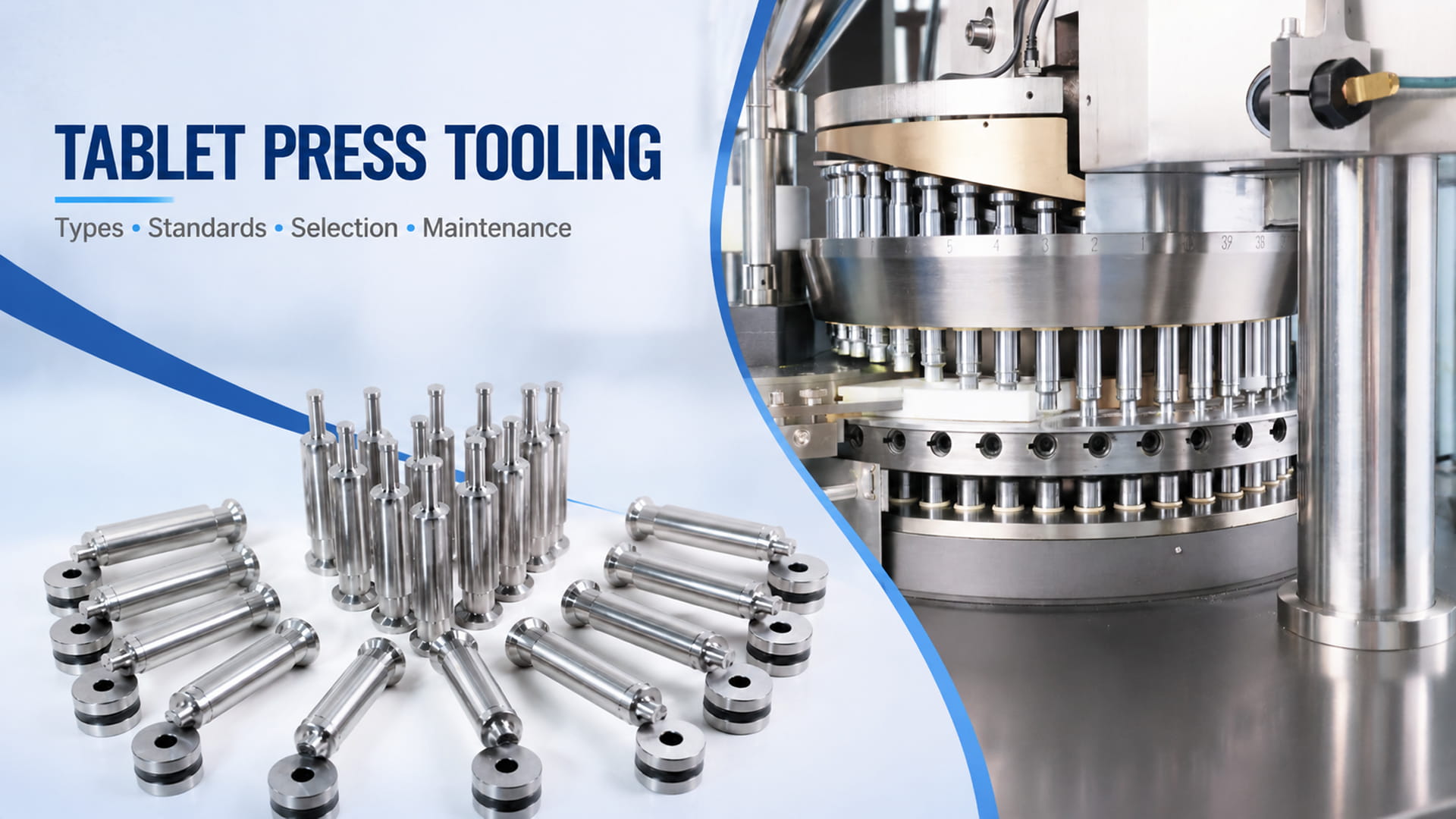
Gli utensili su una macchina comprimitrice si riferiscono a coppie di punzoni e matrici che modellano e comprimono la polvere in compresse. Il dado è una cavità cava (spesso rotondo) che definisce il diametro e lo spessore della compressa, mentre prende a pugni (superiore e inferiore) inserire nello stampo dall'alto e dal basso per comprimere la polvere. Essenzialmente, gli utensili governano la geometria della tavoletta e deve essere perfettamente adattato alla stampa. L'attrezzatura giusta garantisce un peso uniforme, spessore e impronta sulla tavoletta. Utensili di alta qualità (realizzato in acciai temprati come GCR-15) resiste anche all'usura ed evita problemi come tappatura o laminazione.
Esistono diversi standard internazionali per gli utensili. Nel Nord America, lo standard AAP/TSM è comune, mentre l'ISO 18084 (europeo) lo standard è utilizzato a livello globale. All'interno di questi standard, Gli utensili per comprimitrici sono classificati in base alle classi di dimensioni: B, D, BB, e strumenti DB. Ogni classe ha diametri fissi del cilindro e della matrice (e altezze), che a loro volta controllano il diametro massimo della compressa. Per esempio, Imballaggio Jinlu rileva che tutti gli utensili devono corrispondere alle dimensioni della torretta e della tavoletta: piccola 6–8 mm compresse masticabili utilizzare gli strumenti BB, Le compresse standard da 12–13 mm utilizzano la lavorazione B, e le compresse grandi da 25+mm necessitano di utensili D.
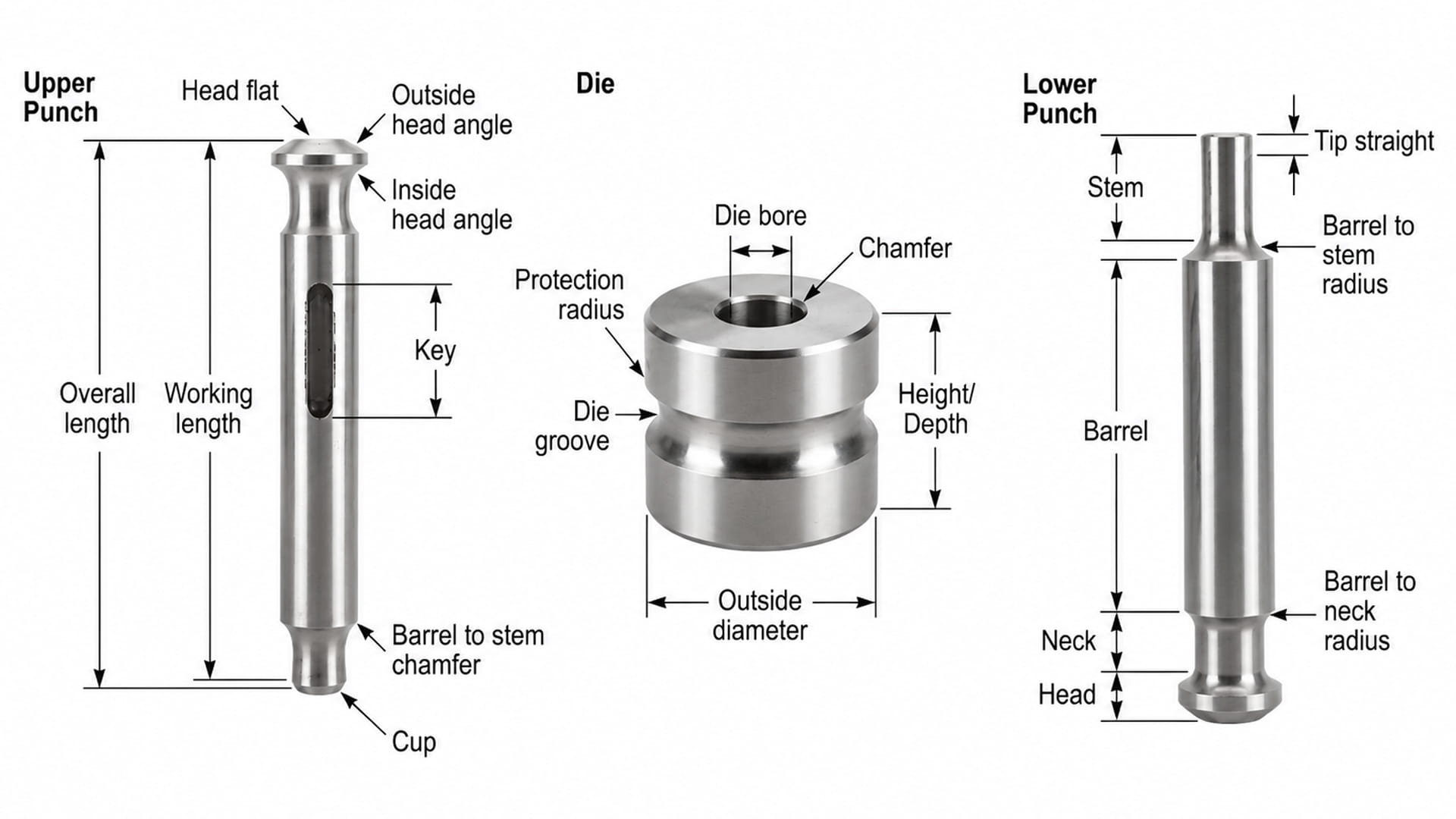
Diversi prodotti tablet richiedono diverse configurazioni degli strumenti per ottenere una qualità costante dei tablet e prestazioni di produzione stabili. In una macchina per la compressione delle compresse, i tipi più comuni di utensili per comprimitrici includono Utensileria B, Utensileria D, Utensili BB, e strumenti DB. Queste opzioni di attrezzaggio variano principalmente in base alla dimensione del punzone, dimensioni dello stampo, capacità di compressione, e applicazioni tablet adatte. Comprendere le differenze tra questi tipi di utensili aiuta i produttori farmaceutici, ingegneri di produzione, e gli utenti della macchina selezionano la configurazione corretta per il loro tablet.
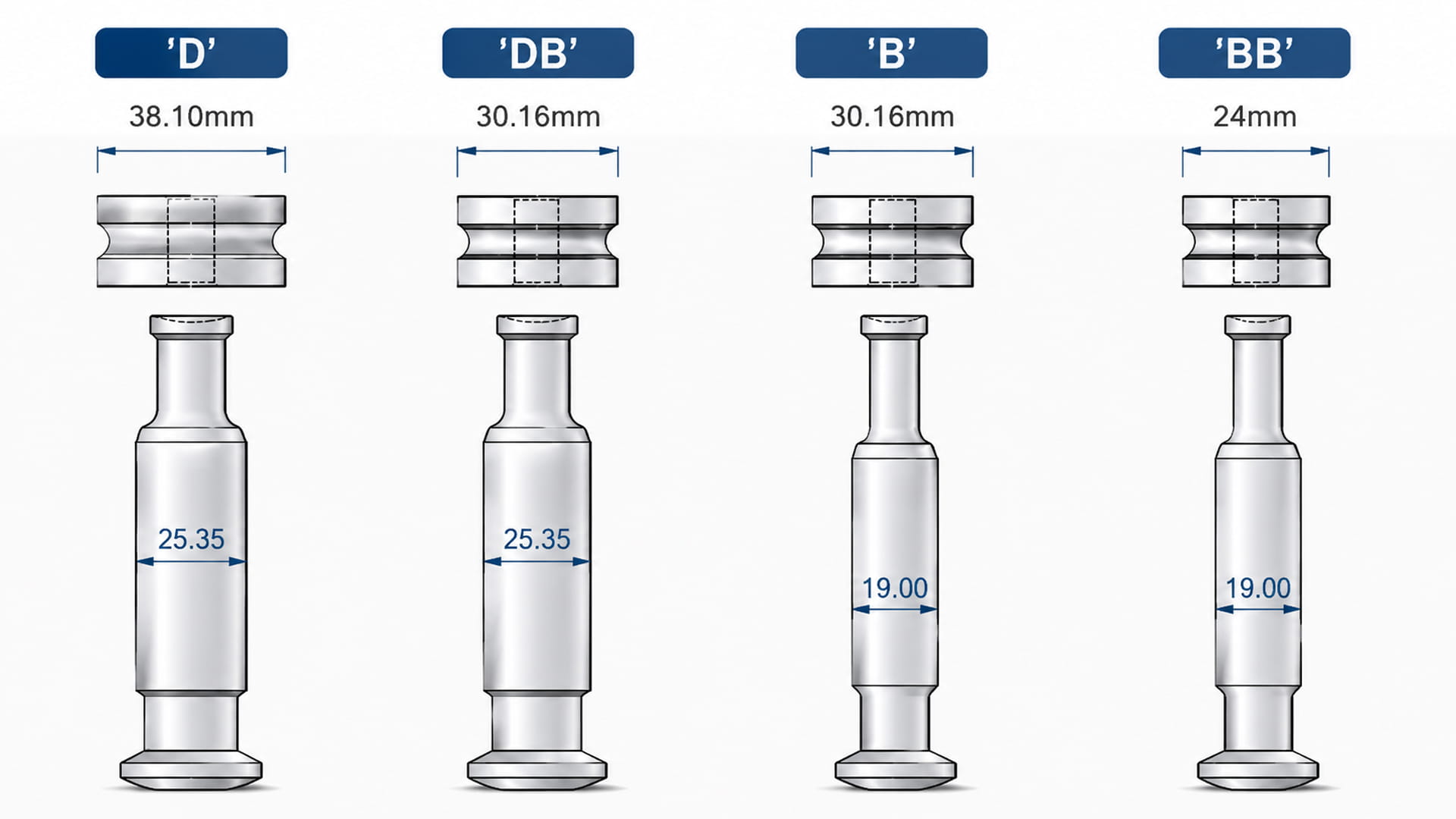
Nell'industria farmaceutica, Utensili di tipo B è uno degli standard più comuni. L'utensileria B utilizza a 19.0 canna da punzone da mm e un 30.16 diametro esterno della matrice mm (DI). I suoi punzoni hanno una sporgenza distintiva flangia o labbro sulla testa, che si blocca nella torretta. In altre parole, B dà pugni avere il bordo rialzato che si inneschi un morsetto di bloccaggio.
Gli utensili B sono molto versatili. Ha un punta del punzone concava (a forma di coppa) e un dado rotondo, ed è compatibile con quasi tutte le moderne comprimitrici (Per esempio, molti medi- alle rotative ad alta velocità di Fette, C'è, Manesty, ecc. sono di tipo B). Questo utensile viene utilizzato per compresse solide standard in un'ampia gamma di dimensioni (tipicamente rotondo circa 4–16 mm, o anche fino a ~19 mm per le forme). Le applicazioni comuni includono compresse rotonde e ovali convenzionali come le vitamine, integratori, e compresse farmaceutiche dove sono necessarie dimensioni e dosi moderate.
Gli utensili B sono popolari perché sono ampiamente disponibili e convenienti per la produzione in grandi volumi. UN 30.16 Lo stampo da mm può produrre compresse fino a ~16–18 mm (cerchio) o un po' più in forma. Per esempio, la maggior parte delle linee di produzione di pillole di piccole/medie dimensioni utilizzerà gli utensili B per garantire efficienza e flessibilità.
Utensili di tipo D è progettato per compresse più grandi o più spesse. Il cilindro del punzone dell'utensileria D è più grande (25.35 diametro mm) e l'OD del dado è 38.10 mm. A differenza degli utensili B, ha un pugno di tipo D nessun bordo o flangia – è semplicemente la testa di un disco piatto. I punzoni si bloccano nella torretta tramite a chiave e fermo sistema invece di un morsetto a flangia.
L'utensileria D è talvolta chiamata “utensileria europea” (anche se è comune anche negli Stati Uniti). Storicamente era standard sulle vecchie comprimitrici per carichi pesanti ed è ancora utilizzato per compresse molto grandi o forza di compressione molto elevata. Per esempio, Gli utensili D sono popolari per compresse effervescenti, compresse veterinarie, e compresse farmaceutiche ad alto dosaggio che necessitano di diametro e spessore maggiori. I punzoni a faccia piatta degli utensili D sono ideali per tablet che potrebbero avere design complessi o richiedere una goffratura affidabile (la faccia piatta aiuta nella marcatura).
In termini pratici, una configurazione dell'utensileria D (25.35 punzone da mm, 38.10 mm morire) produrrà compresse da circa 5 mm fino a 25 diametro mm. Offre un'area di compressione più elevata e può ottenere compresse molto dure. Se la tua operazione utilizza un file large Tablet rotante Premere macchina per grandi compresse vitaminiche o prodotti a strati, probabilmente utilizza l'utensileria D. Ricordare: I punzoni D non hanno il labbro, quindi visivamente sembrano una parte superiore piatta del disco.
Utensili di tipo BB è essenzialmente a versione ridotta dell'utensileria B per tablet molto piccoli. Anche gli utensili BB hanno a 19.0 canna da punzone da mm (come B) ma usa a dado più piccolo Di 24.00 diametro esterno mm. La differenza fondamentale è che lo strumento BB lo fa piccole compresse o losanghe – pensa ai colpi inferiori a 13 mm.
Gli utensili BB sono preferiti quando sono necessari un numero elevato di stazioni o punzoni a punta multipla. Con 24 mm muore, puoi inserire molte stazioni su un file 24- o una macchina da stampa a 32 stazioni per aumentare la produzione di compresse di piccole dimensioni. Le sue dimensioni ridotte non compromettono la precisione: I punzoni BB producono mini-compresse molto uniformi (Per esempio, gocce per la tosse, mentine per l'alito, piccoli masticabili) dove l’accuratezza del dosaggio è fondamentale.
In sintesi, Utensili BB = pillole di piccolo diametro. È essenzialmente per presse compatte o modalità ad alto rendimento in cui ogni tablet è piccolo. Il sistema di utensili BB richiede gli stessi standard di torretta degli utensili B (stessa testa del punzone e ritenzione), quindi BB dà un pugno Fare avere il labbro/flangia come i punzoni B. Il vantaggio è quello di poter far funzionare una vecchia macchina da stampa a 16 stazioni in una configurazione a 24 stazioni utilizzando strumenti più piccoli.
Utensili di tipo DB è un sistema ibrido che combina le caratteristiche di D e B. In una configurazione DB, IL il diametro della canna del punzone è 25.35 mm (uguale a D), ma il l'OD è 30.16 mm (uguale a B). In altre parole, utilizza una testa di punzonatura di grande diametro (come D) con un foro della matrice più piccolo (come B).
Questa combinazione ti consente di produrre abbastanza grandi, compresse ad alto dosaggio (più alto come D) montando più stazioni rispetto agli utensili full D (poiché gli stampi sono più piccoli). Gli utensili DB compaiono spesso su macchine da stampa progettate per la produzione flessibile: ottieni l'elevata capacità di compattazione di un punzone D con una matrice di dimensioni B. Per esempio, un set di punzoni/matrici DB può essere utilizzato per compresse multivitaminiche dense o pillole veterinarie di grandi dimensioni quando si desidera una forma grande ma si desidera anche riutilizzare una torretta B scambiando i punzoni.
Il punzone di un utensile DB si blocca come un punzone B (ha una flangia sulla testa) ma la sua dimensione è più vicina a D. È una scelta specializzata per compresse medio-grandi con efficienza in mente. Fondamentalmente, DB sta per "più grande di B ma non grande quanto l'intero D": un compromesso che offre un'elevata produttività di tablet di dimensioni medio-grandi. Le dimensioni tipiche delle compresse per gli utensili DB hanno un diametro di circa 5–19 mm.
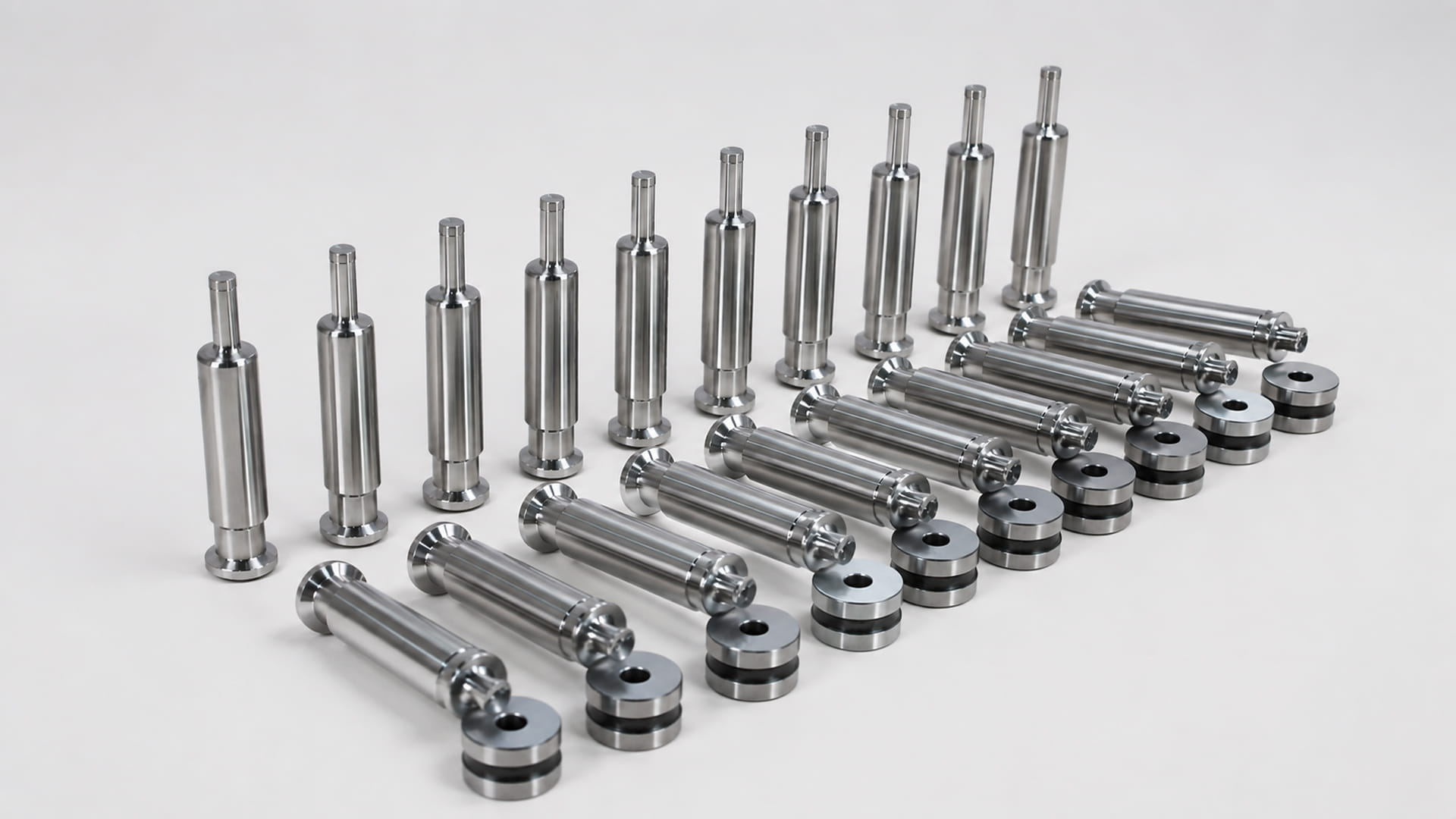
Di seguito è riportato un rapido confronto tra le dimensioni tipiche di ciascun tipo di utensile e gli intervalli di dimensioni della tavoletta, sulla base degli standard di settore:
| Tipo di utensileria | Ø canna punzone | Muore Ø (DI) | Diametro della compressa | Uso comune |
| B | 19.00 mm | 30.16 mm | ~4–16 mm | Compresse standard (farmaceutico) |
| D | 25.35 mm | 38.10 mm | ~10–25 mm | Compresse di grandi dimensioni, effervescente |
| BB | 19.00 mm | 24.00 mm | ~4–13 mm | Piccole compresse, linee ad alta velocità |
| DB | 25.35 mm | 30.16 mm | ~5–19 mm | Compresse dense di piccole dimensioni |
Per esempio, JinluPacking nota che gli utensili B in genere producono tablet da 3 a 16 mm, mentre l'utensile D copre 10–25 mm. Gli utensili BB raggiungono un massimo di circa 13 mm e DB di circa 19 mm. La dimensione esatta dipende anche dalla forma della compressa (girare, ovale, ecc.).
Al di là dell'A, B, Denominazione D, gli utensili devono aderire a uno standard per adattarsi alle comprimitrici. Esistono due famiglie principali di standard per gli utensili:
È importante sottolineare che, Unione Europea (ISO 18084) e i punzoni TSM non sono intercambiabili. Anche se i diametri esterni dello stampo sono gli stessi (per esempio. 38.10 mm per D, 30.16 mm per B), IL i dettagli del punzone differiscono. Per esempio, Le teste dei punzoni TSM hanno un angolo leggermente diverso sulle superfici dei cuscinetti rispetto a quelle ISO, e la fessura per la chiave è posizionata diversamente. In pratica, un punzone ISO/D generalmente non si adatta correttamente a una macchina da stampa di tipo TSM/US, e viceversa. Controlla sempre la documentazione della tua stampa per vedere se prevede TSM O ISO/UE utensili prima di ordinare punzoni e matrici.
In sintesi: TSM = standard USA/Giappone, UE = ISO 18084 metrico. Entrambi garantiscono precisione nella forma della compressa, ma le loro teste portautensili sono incompatibili.
Quando selezioni gli utensili per la tua pressa per pillole, considerare dimensione della tavoletta, volume di produzione, E durezza della compressa:
In pratica, molti produttori (compreso l'imballaggio JinLu) fornire una guida. Ad esempio, Quello di JinLu Comprimitrice ZP-17D è valutato per 100 kN utilizzando punzoni GCR-15 standard, quindi specificano gli strumenti in base alle dimensioni del tablet. Notano inoltre che entrambi gli strumenti misurare E materiale questione: difficile, le pastiglie abrasive utilizzano acciaio più duro o rivestimenti speciali (Stagno, CrN) per prolungare la vita degli utensili.
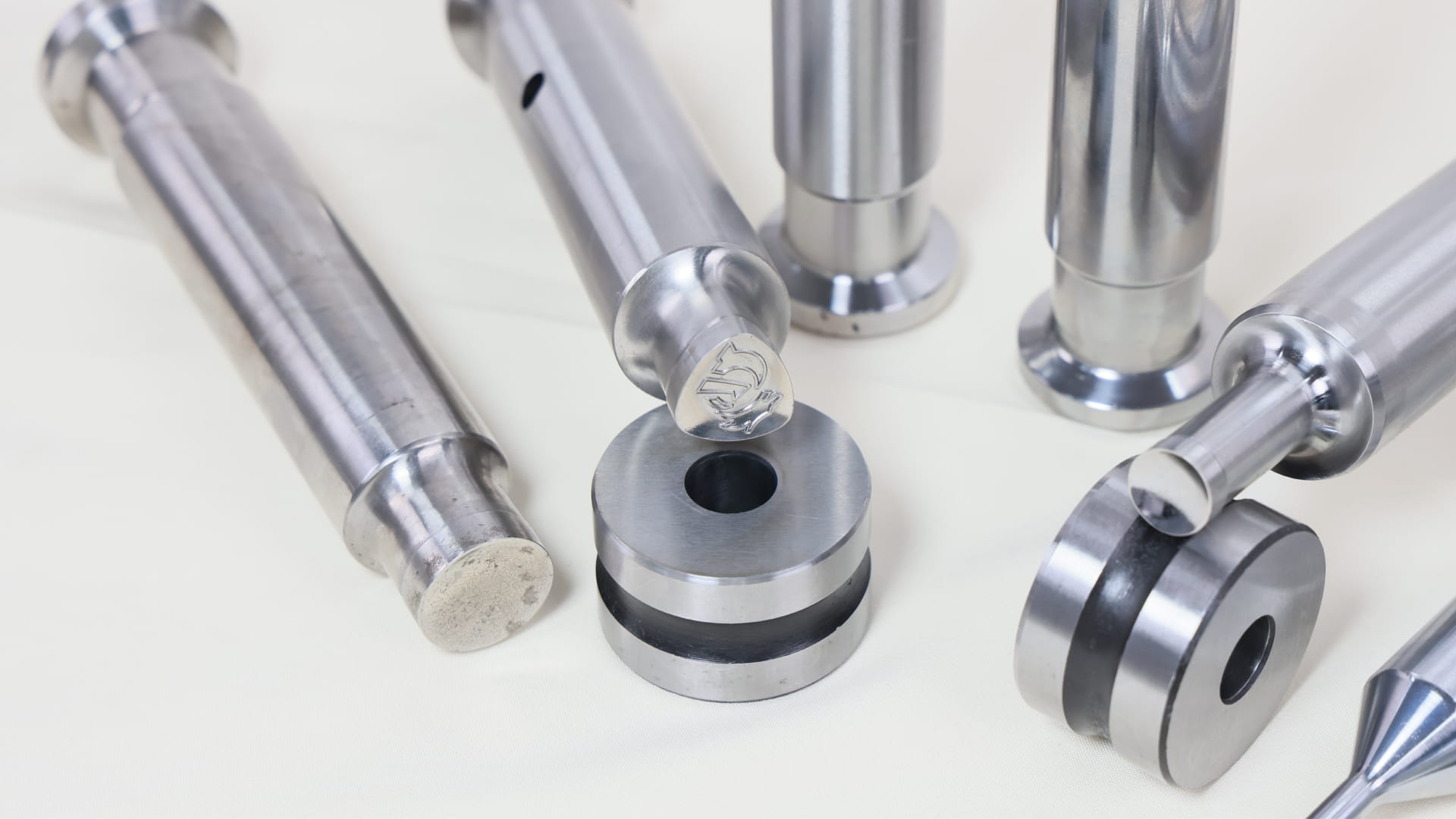
Manutenzione adeguata prolunga notevolmente la durata dell'utensile e qualità della tavoletta. Gli esperti del settore lo notano in modo approssimativo 85% dei problemi punzonatori derivano da una scarsa manutenzione e manipolazione. Ecco le migliori pratiche per mantenere i tuoi strumenti in perfetta forma:
Seguendo questi passaggi (pulito, ispezionare, riparare/lucidare, misura, lubrificare, negozio – spesso chiamato “processo di manutenzione degli utensili in 7 fasi”) ridurrà al minimo i tempi di inattività. Come ha detto un ingegnere, “Un pulito, un punch ben mantenuto ha molte meno probabilità di produrre compresse attaccate o rotte. In pratica, la pulizia è il passaggio più critico: rimuove i vecchi residui di prodotto che possono causare appiccicamenti, raccolta, o contaminazione incrociata.
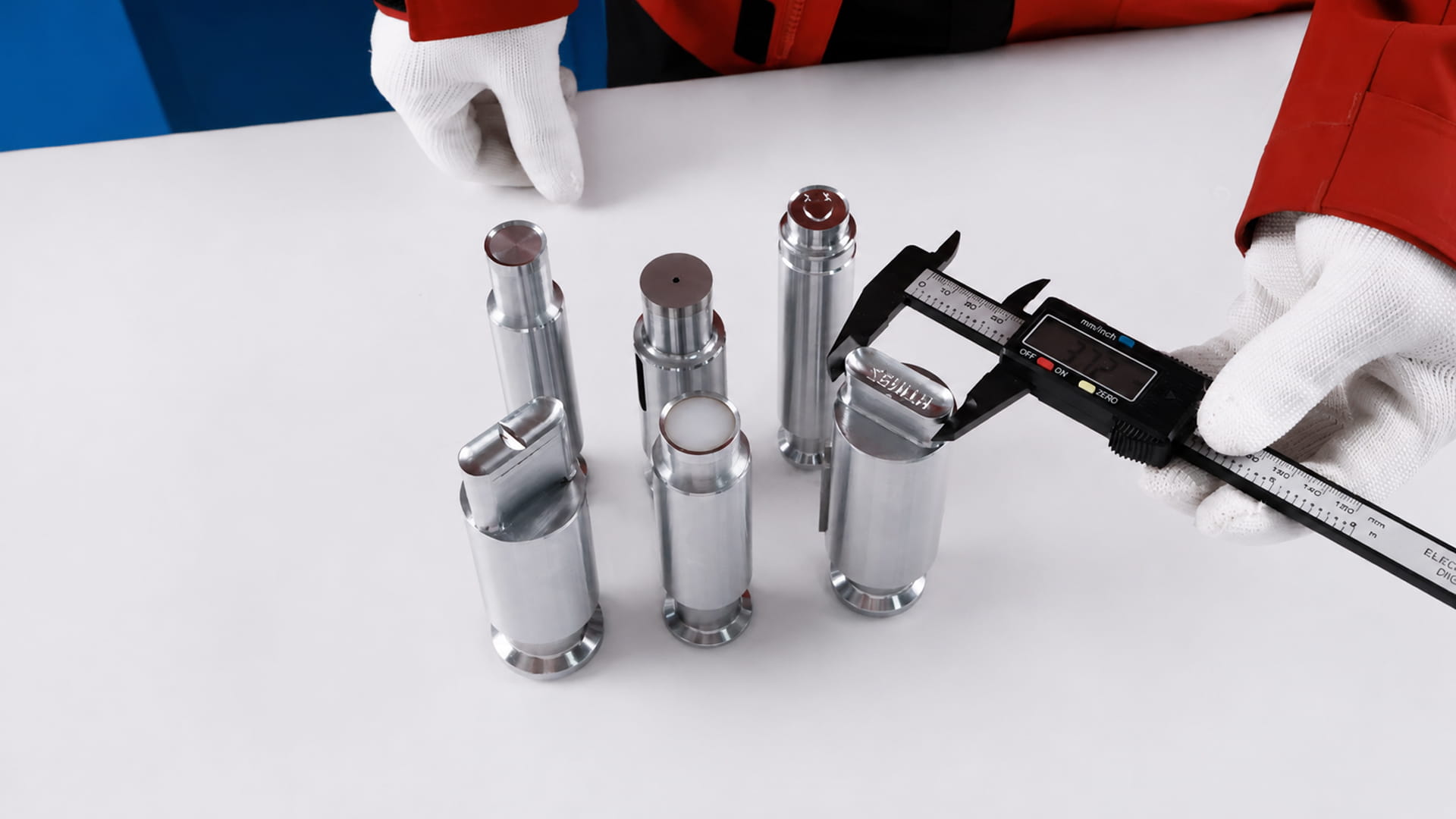
Dimensioni a parte, utensileria materiale e finitura sono critici. La maggior parte dei punzoni per comprimitrici sono realizzati in acciaio al carbonio di alta qualità (per esempio. GCR-15) con durezza ~60 HRC, che resiste ad elevate forze di compressione. Per formulazioni umide o acide (come prodotti erboristici o effervescenti), punzoni in acciaio inox o rivestiti (Stagno, CrN, DLC) può resistere alla corrosione e all'attaccamento.
Assicurarsi sempre che gli utensili siano prodotti secondo le specifiche. Molti fornitori seguono il Manuale delle specifiche delle compresse (TSM) o standard ISO per le tolleranze. JinLu, Per esempio, note Gli utensili BB sono realizzati secondo le specifiche TSM/UE con documenti di ispezione forniti su richiesta. Gli utensili di alta qualità aiutano a evitare difetti e a prolungare la durata del punzone.
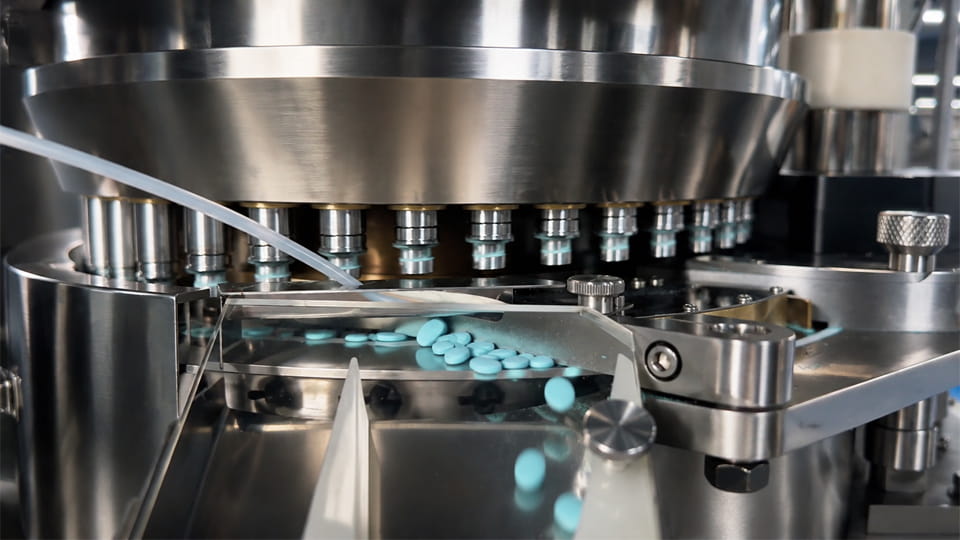
Figura: le presse e gli utensili ad alta velocità forniscono rapidamente molte compresse
Rispettabile produttori di comprimitrici e fornitori di utensili può aiutarti a scegliere lo standard giusto. Ad esempio, JinLu Packing assiste spesso i clienti nella scelta tra B, D, Attrezzaggio BB o DB in base al prodotto. Offriamo test gratuiti sulle formule e possiamo consigliare strumenti specializzati (inciso, punteggio, ecc.) per la tua stampa. Quando si integra una linea di produzione completa, scegliere un fornitore che fornisca sia presse che attrezzature, quindi la compatibilità è garantita.
Inoltre, avere un sistema di utensili a cambio rapido e un piano di manutenzione riduce al minimo i tempi di fermo. Cerca funzionalità come la rimozione rapida dello stampo, sgancio rapido della torretta, e rimozione del punzone senza attrezzi sulle nuove macchine da stampa. Per esempio, L'attenzione di JinLu alla progettazione GMP fa sì che le sue macchine siano dotate di torrette a sgancio rapido e parti di contatto facili da pulire, contribuendo a garantire che gli utensili rimangano nelle migliori condizioni.
Una corretta attrezzatura per comprimitrici è molto più di una semplice parte di consumo: è una scelta strategica che ha un impatto diretto sulla qualità del prodotto e sull'efficienza produttiva. Comprendendo le differenze tra B, D, BB, e strumenti DB e seguendo le migliori pratiche nella selezione e nella manutenzione, i produttori farmaceutici possono evitare costosi difetti e tempi di inattività. Ricordati di abbinare il tuo standard di utensileria (TSM contro ISO), scegli la dimensione giusta per il tuo tablet, e seguire un rigoroso routine di pulizia/ispezione. Il risultato sono compresse uniformi, meno scarti, e una linea di produzione più affidabile.
Se ti stai preparando ad acquistare una nuova macchina per la compressione di compresse o ad aggiornare i tuoi strumenti, prendere in considerazione la possibilità di rivolgersi a OEM esperti. Jinlu Packing offre indicazioni sul miglior sistema di utensili per le vostre esigenze, e può fornire punzoni e matrici personalizzati per mantenere i tuoi tablet conformi alle specifiche. Il nostro team è pronto ad aiutarti a selezionare il set di strumenti perfetto per ottenere il massimo dalla tua comprimitrice. Contattaci per una consulenza di esperti o un preventivo su utensili e attrezzature per comprimitrici di qualità.
L'utensileria per comprimitrici si riferisce all'insieme di punzoni e matrici utilizzati in una macchina per la compressione di compresse per formare polvere o granuli in compresse. Gli strumenti controllano le dimensioni della tavoletta, forma, spessore, e l'aspetto generale. Un set completo di utensili solitamente include un punzone superiore, punzone inferiore, e morire, che lavorano insieme durante il processo di compressione.
I tipi più comuni di utensili per comprimitrici includono gli utensili B, Utensileria D, Utensili BB, e strumenti DB. Questi tipi di utensili differiscono principalmente per la dimensione del punzone, dimensioni dello stampo, capacità di compressione, e applicazioni tablet adatte. La scelta giusta dipende dalle dimensioni del tablet, caratteristiche della formulazione, requisiti di produzione, e le specifiche della macchina per la compressione delle compresse.
La differenza principale tra gli utensili B e gli utensili D è la loro dimensione e capacità di compressione. L'utensile B ha una configurazione di punzone e matrice più piccola e viene comunemente utilizzato per compresse di dimensioni standard. L'utensile D presenta un design più grande, consentendo una maggiore forza di compressione e una maggiore produzione di compresse. Gli utensili D sono spesso preferiti per i tablet più grandi, mentre gli utensili B offrono una maggiore flessibilità per le comuni compresse farmaceutiche.
L'utensileria BB è una configurazione di utensileria più piccola progettata per la produzione di tablet più piccoli. È comunemente utilizzato per prodotti che richiedono tablet di dimensioni compatte, come alcune compresse farmaceutiche, integratori, e prodotti speciali. Gli utensili BB possono essere un'opzione adatta quando i produttori necessitano di tablet più piccoli con prestazioni di produzione efficienti.
L'utensileria DB è una configurazione di utensili che combina le caratteristiche dei sistemi di utensili D e B. Utilizza una configurazione della matrice più grande con un design del punzone più piccolo, fornendo flessibilità per dimensioni di compresse e requisiti di produzione specifici. Gli utensili DB vengono spesso selezionati quando i produttori necessitano di un equilibrio tra la capacità delle dimensioni del tablet e l'efficienza degli utensili.
Non sempre. Una macchina comprimitrice è progettata per specifiche specifiche degli utensili, e la compatibilità dipende dal design della torretta, dimensioni del punzone, dimensione dello stampo, e standard degli utensili. Per esempio, Gli utensili B e gli utensili D non possono semplicemente sostituirsi a vicenda senza confermare la compatibilità della macchina. Controllare sempre il modello della comprimitrice e le specifiche dell'attrezzatura prima di cambiare l'attrezzatura.
I principali standard per gli utensili per comprimitrici includono TSM (Manuale delle specifiche del tablet), Unione Europea (Standard europeo per gli utensili), e standard ISO sugli utensili. TSM è ampiamente utilizzato in Nord America, mentre gli standard UE e ISO sono comunemente utilizzati in molti mercati internazionali. Sebbene alcune dimensioni possano apparire simili, Gli strumenti TSM e UE non sono automaticamente intercambiabili.
La scelta dell'attrezzatura giusta per la comprimitrice dipende da diversi fattori, comprese le dimensioni del tablet, forma, formulazione, forza di compressione, volume di produzione, e modello di comprimitrice. I produttori dovrebbero anche considerare gli standard degli utensili, selezione del materiale, e la durata prevista dell'utensile per garantire una qualità stabile delle compresse e una produzione efficiente.
I problemi comuni con gli utensili della comprimitrice includono l'attaccamento, raccolta, tappatura delle compresse, peso della compressa irregolare, usura del punzone, e morire danni. Questi problemi possono derivare da utensili usurati, manutenzione errata, materiali di lavorazione non idonei, o impostazioni di compressione della tavoletta errate. L'ispezione regolare e la corretta selezione degli utensili possono aiutare a ridurre i problemi di produzione.
La durata degli utensili per comprimitrici dipende da fattori come la formulazione delle compresse, velocità di produzione, forza di compressione, materiale per utensili, rivestimento, e pratiche di manutenzione. Con una corretta pulizia, ispezione, lubrificazione, e stoccaggio, punzoni e matrici di alta qualità possono produrre milioni di compresse prima che sia necessaria la sostituzione.
Riferimenti:
1.Presse per compresse: punzoni e matrici —— ISO 18084:2011
2.Capitolo 32 – Sviluppo, Ottimizzazione, e aumento dei parametri di processo: Compressione di tablet —— ScienceDirect
3.I vantaggi della standardizzazione degli strumenti per tablet —— FarmTech
4.Miglioramento della manutenzione e dello stoccaggio degli strumenti per la comprimitura —— FarmTech
5.Influenza della geometria del punzone (diametro testa piatta) e tipo di utensileria ('B’ o "D") sulle proprietà fisico-meccaniche delle compresse di formulazione —— Biblioteca nazionale di medicina
6.Un aggiornamento sui progressi nella tecnologia degli utensili per tablet —— ScienceDirect