
- Macchine
- Competenza
- Risorse
- Certificati
- Di
- Contatto
- Macchine
- Competenza
- Risorse
- Certificati
- Di
- Contatto
Introduzione: Le compresse masticabili sono progettate per essere masticato invece che ingoiato intero, rendendoli facili da usare, soprattutto per i bambini, anziani, e chiunque abbia difficoltà di deglutizione. Scomponendosi in bocca, masticabili offrono la comodità del dosaggio senza acqua, gusto gradevole, e la stabilità di una tavoletta solida. Sono ampiamente utilizzati per medicinali pediatrici e integratori alimentari (pensa a quelle pillole masticabili di vitamina C o multivitaminiche), e anche nelle medicine veterinarie. Secondo le indicazioni della FDA, i produttori devono prestare particolare attenzione attributi critici di qualità (CQA) durante lo sviluppo di compresse masticabili. Questi CQA includono fattori come la durezza della compressa, mascheramento del gusto, e uniformità dei contenuti per garantire sicurezza ed efficacia. Insomma, masticabili combinano il meglio delle compresse (precisione, stabilità sullo scaffale) con meglio conformità al paziente. In questa guida, spiegheremo cosa sono le compresse masticabili, i loro benefici, come sono fatti, e quali macchine confezionatrici vengono utilizzate per gestirli – il tutto in modo amichevole, prospettiva industriale.
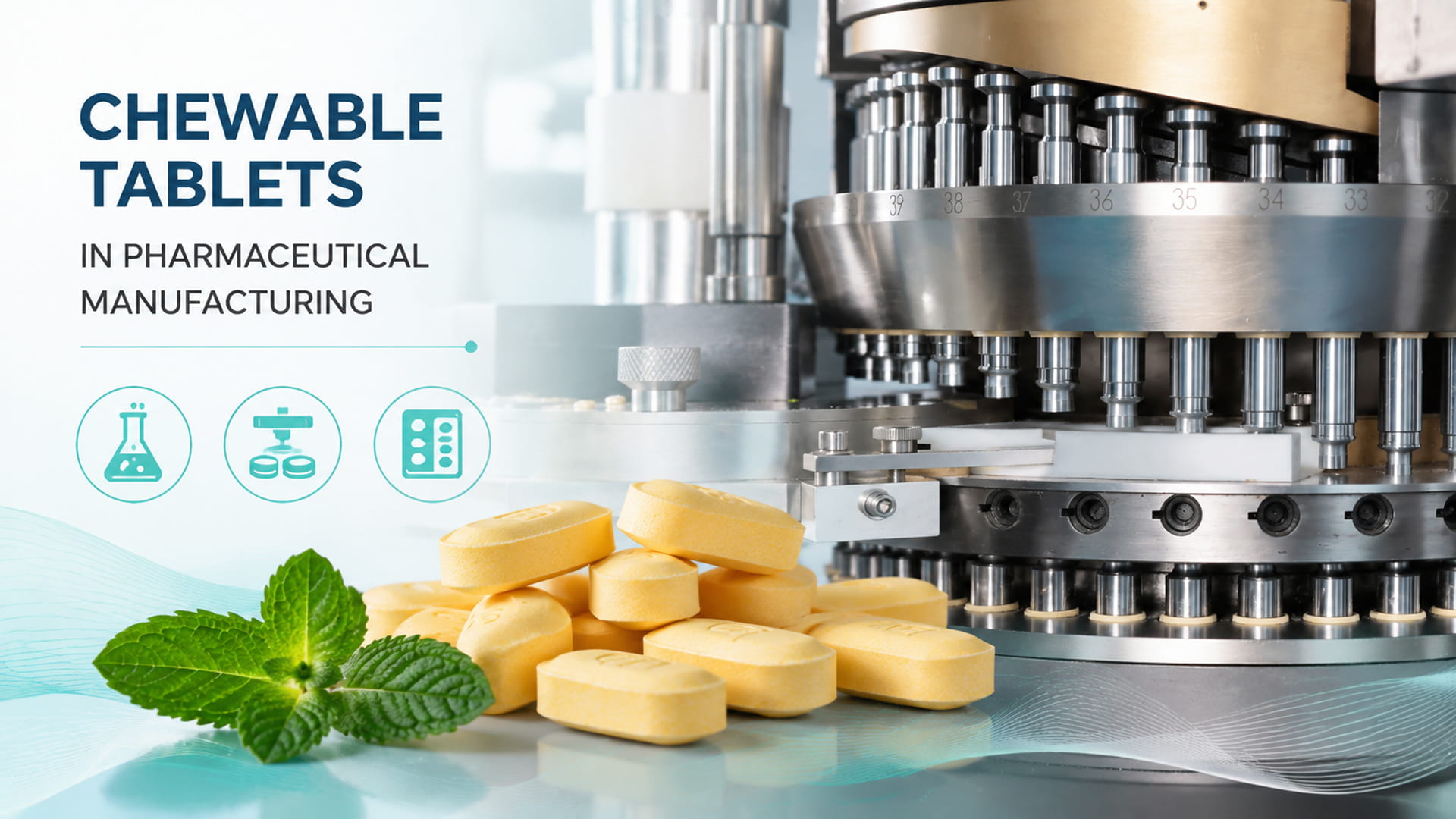
Le compresse masticabili sono a tipo di orale forma di dosaggio solida progettato per essere masticato prima di deglutire. A differenza delle compresse convenzionali (che inghiotti tutto) O compresse a disintegrazione orale (ODTS) che si sciolgono sulla lingua, i masticabili sono scomposto in bocca dalla masticazione. Ciò rende il dosaggio più semplice per molti pazienti.
Secondo la tecnologia farmaceutica, Per compresse masticabili si intendono compresse “progettate per essere lavorate mediante masticazione per facilitare il rilascio del principio attivo(S)". In pratica, ciò significa che i masticabili spesso contengono ingredienti come gli zuccheri-alcoli (polioli) che aggiungono dolcezza e volume. Possono anche essere modellati in forme divertenti (animali, cuori, ecc.) per fare appello ai bambini. Perché le sostanze masticabili si dividono in particelle in bocca, possono essere realizzati più grandi o di forma diversa delle pillole che ingoieresti, tuttavia si dissolvono rapidamente dopo la masticazione.
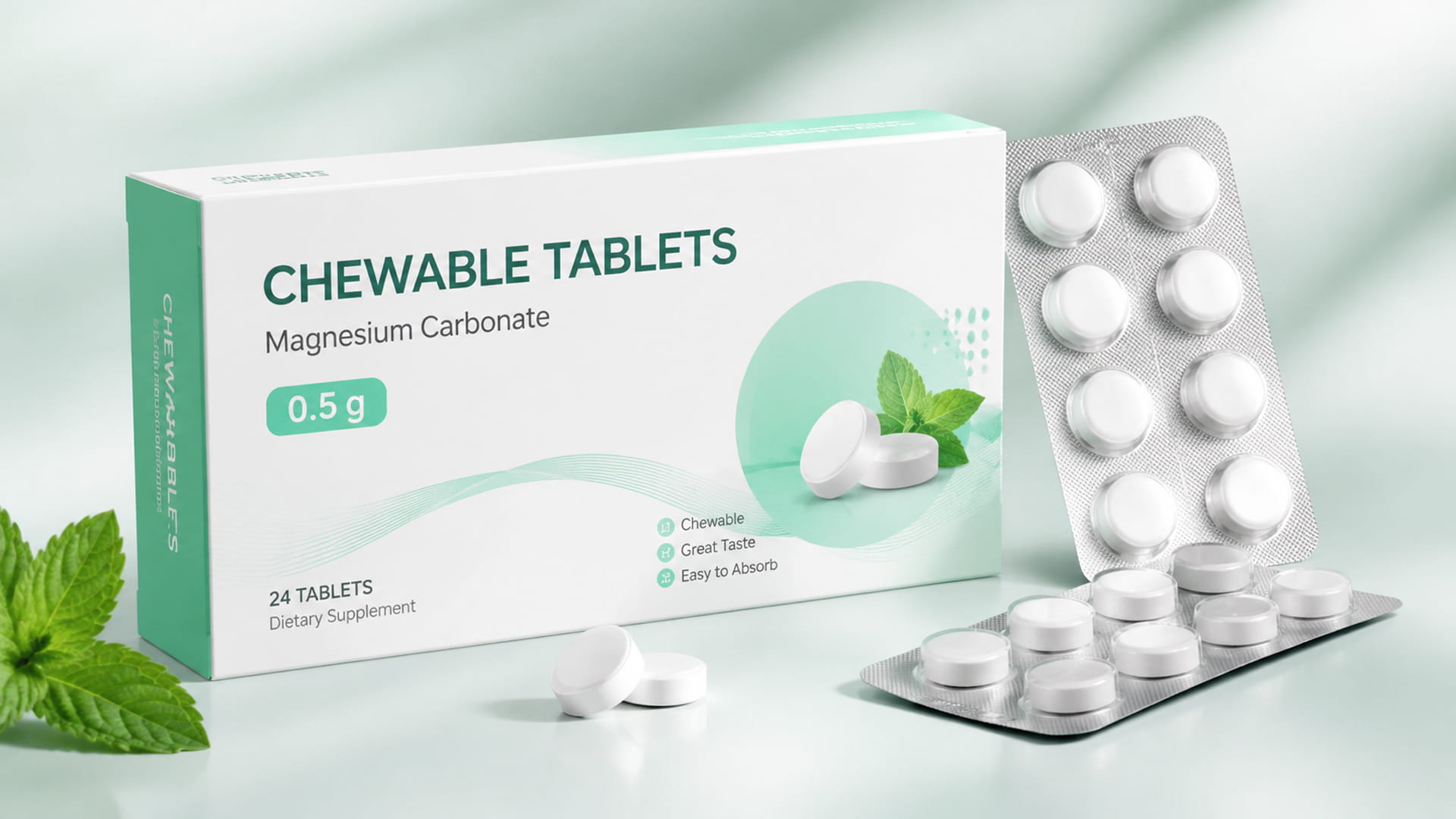
Le compresse masticabili sono popolari in diversi segmenti del mercato sanitario:
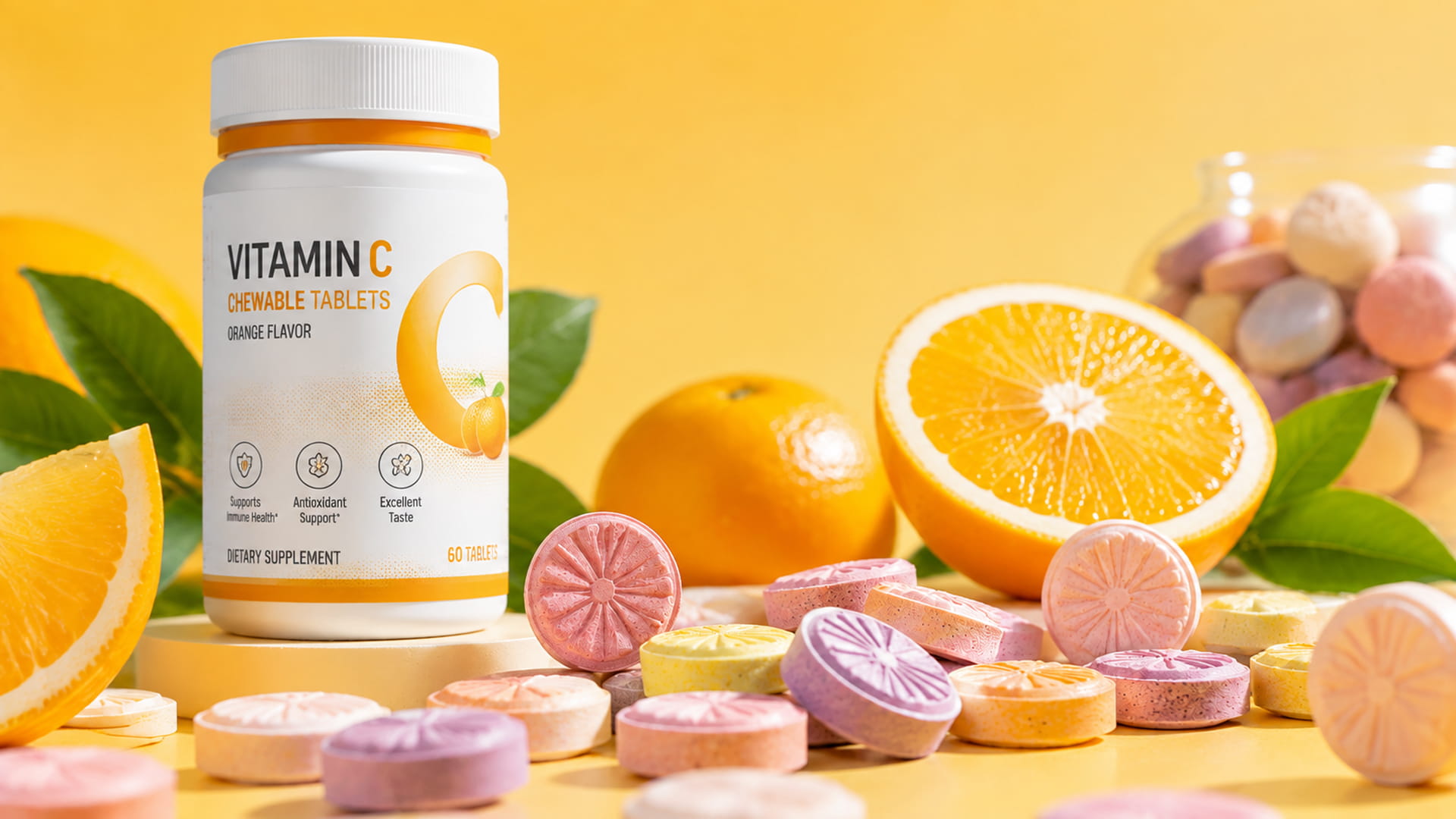
Questa foto mostra vitamine e integratori sotto forma di compresse masticabili. Vitamina C masticabile, multivitaminici, e le compresse minerali spesso sembrano caramelle dai colori vivaci. Il loro formato e il loro gusto li rendono un'opzione amichevole sia per i consumatori che per i pazienti attenti alla salute.
Formulare una compressa masticabile è un atto di equilibrio. La tavoletta deve esserlo gradevole e facile da masticare, Ancora forte e stabile sufficiente per la movimentazione e lo stoccaggio. Questo significa:
Mascheramento del gusto & Appetibilità: A differenza delle compresse deglutibili, le sostanze masticabili restano in bocca, esporre i farmaci alle papille gustative. Molti farmaci attivi sono amari, quindi i formulatori aggiungono dolcificanti (zuccheri o alcoli di zucchero) e agenti aromatizzanti per rendere gradevole la compressa. Per API molto amare, è possibile utilizzare rivestimenti sottili o speciali eccipienti che bloccano il sapore per evitare che il cattivo gusto raggiunga la lingua. Per esempio, le compresse vitaminiche masticabili spesso utilizzano aromi di frutta e basi dolci (come sorbitolo o mannitolo) per migliorare il gusto.
Struttura & Sensazione in bocca: Dovrebbe esserlo una buona compressa masticabile abbastanza morbido da rompersi senza problemi senza sentirsi granuloso o troppo gessoso. La dimensione delle particelle e la scelta degli eccipienti sono importanti: ingredienti finemente macinati e riempitivi “morbidi”. (per esempio. mannitolo, xilitolo) aiutare la compressa a sbriciolarsi delicatamente durante la masticazione. D'altra parte, i masticabili hanno ancora bisogno Alcuni durezza in modo che non si sfaldino durante lo stoccaggio. Le linee guida del settore suggeriscono di mantenere la durezza delle compresse relativamente bassa (per esempio. inferiore a ~12 kilopond) a meno che la compressa non si disintegra rapidamente in bocca. Utilizzo di eccipienti e leganti altamente comprimibili (come la cellulosa microcristallina o alcuni polimeri) aiuta a mantenere la compressa integra durante il confezionamento ma masticabile in bocca.
Disintegrazione & Rilascio di farmaci: Le sostanze masticabili devono scomporsi e rilasciare efficacemente il farmaco una volta masticate. Di solito sono classificati come forme di dosaggio a rilascio immediato, quindi devono soddisfare gli stessi standard di disintegrazione e dissoluzione delle altre compresse a rilascio immediato. In pratica, ciò significa testare le compresse masticabili per assicurarsi che si sciolgano entro il tempo richiesto (spesso meno di pochi minuti) dopo aver masticato. I formulatori spesso includono disintegranti (per esempio. sodio amido glicolato) per favorire una rapida disgregazione e garantire una biodisponibilità costante.
Stabilità: Come qualsiasi tablet, i masticabili possono essere sensibili all'umidità e alla temperatura. Perché molti masticabili (per esempio. vitamine o masticabili effervescenti) utilizzare riempitivi igroscopici, la formulazione deve essere stabile per tutta la durata di conservazione del prodotto. Ciò comporta un adeguato controllo dell'umidità durante la produzione e l'imballaggio. Infatti, linee guida normative (per esempio. Linee guida sulla stabilità della FDA) richiedere l'invio di dati sulla stabilità per dimostrare la potenza e la sicurezza nel tempo. Per vitamine masticabili con carichi farmacologici elevati, è necessaria ulteriore attenzione per bilanciare il sapore con i principi attivi mantenendo la stabilità.
Eccipienti comuni: Gli ingredienti chiave oltre l'API includono riempitivi (diluenti) per massa, leganti per tenere insieme il tablet, lubrificanti per evitare che si attacchi, E, soprattutto, aromi/dolcificanti per il gusto. I riempitivi tipici dei prodotti masticabili sono gli alcoli zuccherini come il mannitolo o il sorbitolo, o dolcificanti come saccarosio e lattosio. Mannitolo, ad esempio, è popolare perché produce un effetto fresco, dolce in bocca e aiuta le compresse a disintegrarsi rapidamente. Disintegranti (cellulosa microcristallina, sodio amido glicolato) vengono utilizzati per garantire una rapida disgregazione in bocca. Additivi aromatici (sapori di frutta, menta, ecc.) e gli agenti coloranti sono comuni anche per rendere le compresse attraenti per i consumatori.
Concentrandosi su questi fattori: mascheramento del gusto, struttura, e disintegrazione: gli sviluppatori farmaceutici creano compresse masticabili che sono efficaci e adatte ai pazienti. Una formulazione corretta pone le basi per una produzione e un imballaggio senza intoppi.
Produrre una buona compressa masticabile significa bilanciare la qualità farmaceutica con l’accettabilità da parte del paziente. Gli attributi critici di qualità includono:
Soddisfare questi fattori di qualità non è banale, ecco perché la FDA ha pubblicato una guida speciale sulle caratteristiche delle compresse masticabili. La guida enfatizza la documentazione di tutte le fasi di sviluppo e dei test nei documenti normativi (NDA/ANDA). L'asporto: una compressa masticabile è pur sempre un prodotto farmaceutico e deve essere trattata con il massimo rigore qualitativo, solo con un tocco a misura di paziente.
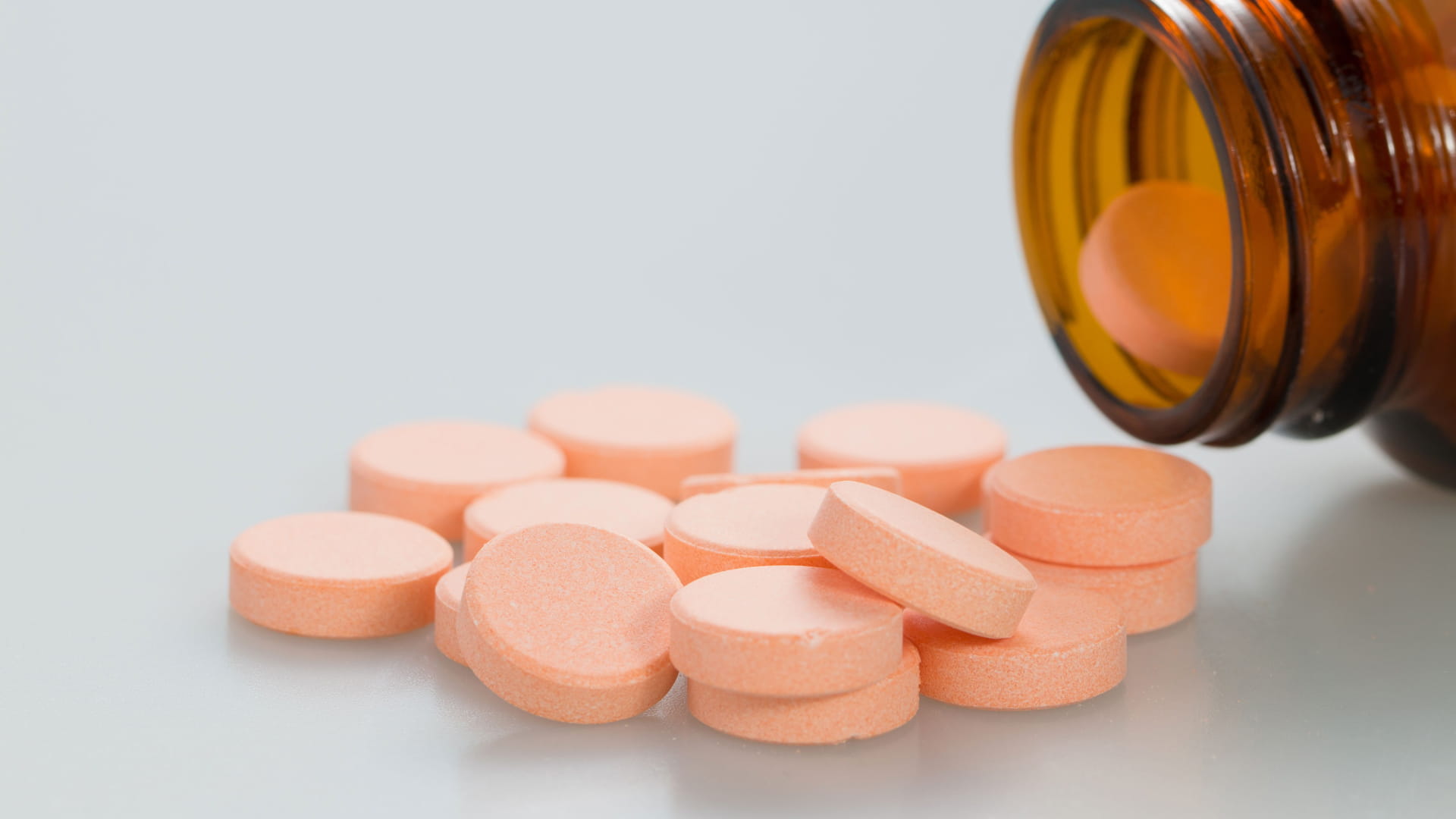
La produzione delle compresse masticabili segue in gran parte il processo di produzione delle compresse standard, con alcune modifiche speciali per masticabilità e gusto. Di seguito è riportata una panoramica dei passaggi chiave nella produzione di prodotti masticabili:
In ogni fase, i produttori seguono le normative cGMP (per esempio. FDA 21 CFR parte 211 negli Stati Uniti) per garantire la pulizia, precisione, e tracciabilità. Le moderne comprimitrici sono spesso dotate di controlli PLC per regolare la pressione e la velocità, e funzionalità come i sensori di forza per mantenere una compressione costante. Per masticabili, un tasto è semplicemente premuto in modo “gentile ma uniforme”..
Dopo la produzione, le compresse masticabili necessitano del giusto imballaggio per rimanere fresche ed efficaci. Di seguito sono riportati gli approcci comuni all'imballaggio e le attrezzature utilizzate:


Le astucciatrici possono essere completamente automatiche (non è necessario alcun operatore umano) e includono sensori per garantire che ogni scatola abbia gli inserti giusti e sia adeguatamente sigillata. I vantaggi dell'astucciamento automatizzato includono velocità e consistenza molto più elevate rispetto all'imballaggio manuale. Come ha scherzato una volta un ingegnere del packaging, i cartonieri danno “Aspetto professionale, cartoni anti-manomissione” con manodopera minima.
Mancia: Se le compresse masticabili vengono confezionate in flaconi (per esempio. bottiglie di vitamine), potrebbe non esserci una vescica, ma spesso anche quelle bottiglie finiscono nei cartoni, seguendo lo stesso processo di astucciamento.
Questo pienamente linea di imbottigliamento automatizzata è ideale per prodotti masticabili come compresse masticabili di vitamina D o compresse masticabili di calcio vendute in flaconi. Garantisce che ogni bottiglia abbia il conteggio corretto (pensa con precisione 60 compresse masticabili di vitamina C per barattolo) e accelera la produzione.
Qualità & Conformità: Tutte queste macchine confezionatrici devono soddisfare gli standard farmaceutici. Per esempio, le linee per blister e astucciamento sono costruite secondo le specifiche cGMP (21 CFR 211 negli Stati Uniti) con design sanitario, tracciabilità, e protocolli di validazione. I sistemi di visione in linea controllano spesso i livelli di riempimento e la sigillatura, prevenendo errori. Buoni imballaggi sigillano la qualità del prodotto: gli studi dimostrano che rimuovere prematuramente una pillola dalla confezione ne accelera il degrado. Insomma, investire in imballaggi robusti (come blister ad alta barriera e astucciatrici/contatrici precise) è fondamentale per garantire la sicurezza delle compresse masticabili dalla fabbrica al paziente.
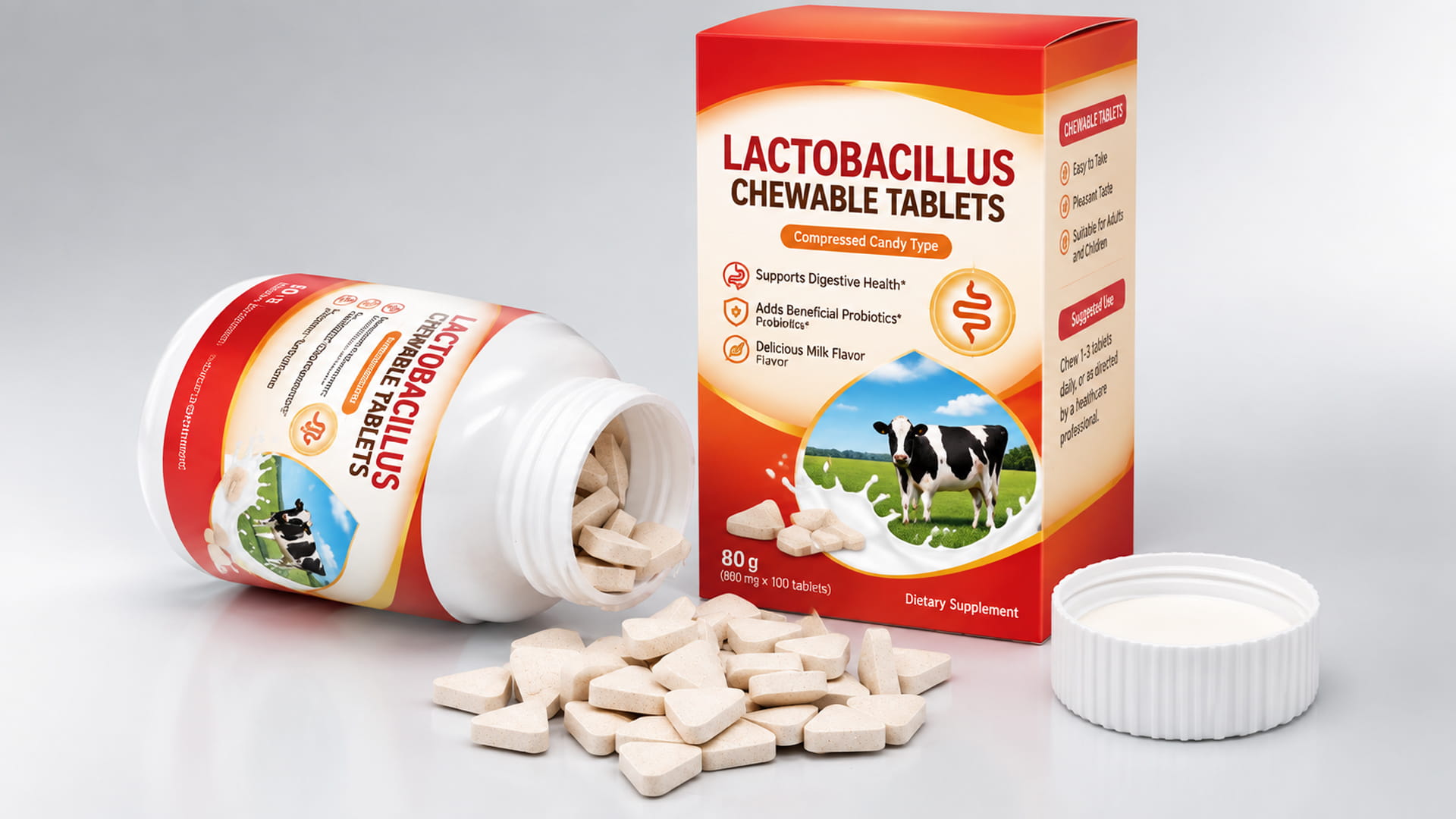
In sintesi, le compresse masticabili sono a amichevole per il paziente e forma di dosaggio versatile nel settore farmaceutico. Migliorano la conformità (non è necessaria acqua!), e con moderne tecniche formulative (dolcificanti, sapori) possono avere un sapore piuttosto gradevole. La loro produzione utilizza apparecchiature di compresse standard con alcune modifiche: compressione a bassa pressione, punzoni speciali, e un attento controllo di qualità. Anche il packaging gioca un ruolo chiave: le macchine blister, astucciatori, e le linee di conteggio assicurano che ogni compressa masticabile rimanga fresca e correttamente dosata nella confezione finale.
Se operi nel settore farmaceutico o nutraceutico e stai esplorando la produzione di compresse masticabili, Ricordare: il giusto partner per l'attrezzatura può fare una grande differenza. Ai produttori piace Imballaggio Jinlu offrire comprimitrici personalizzate, confezionatrici in blister, e astucciatrici costruite per prodotti masticabili. Se hai bisogno di un comprimitrice rotativa per migliaia di pillole masticabili all'ora o a linea blister ad alta velocità per sigillare le tue compresse vitaminiche, apparecchiature di qualità manterranno la vostra produzione efficiente e i vostri tablet adatti ai pazienti.
Pronto per arricchire la tua linea di compresse masticabili? Contatta gli esperti di Jinlu Packing per soluzioni personalizzate di produzione e confezionamento di compresse farmaceutiche
Una compressa masticabile è una forma di dosaggio solida orale progettata per essere masticata prima di deglutire. Fornisce una somministrazione più semplice rispetto alle compresse tradizionali ed è comunemente utilizzato per i prodotti farmaceutici, vitamine, e integratori alimentari.
Le compresse masticabili sono prodotte attraverso un processo che include la miscelazione dei materiali, granulazione o compressione diretta, pressatura delle compresse, test di qualità, e imballaggio. Una macchina comprimitrice rotativa viene comunemente utilizzata per produrre compresse di dimensioni coerenti, peso, e durezza.
L'attrezzatura principale utilizzata per la produzione di compresse masticabili comprende una macchina comprimitrice, miscelatore di polvere, depolveratore per compresse, rilevatore di metalli, macchina confezionatrice blister, macchina per contare, e astucciatrice. La scelta dell'attrezzatura dipende dalla capacità produttiva e dai requisiti di imballaggio.
La differenza principale è come vengono presi. Le compresse normali vengono deglutite intere, mentre le compresse masticabili sono progettate per essere masticate prima di deglutire. Le compresse masticabili di solito richiedono formulazioni specifiche per ottenere un gusto migliore, struttura, e la prestazione masticatoria.
SÌ. Una comprimitrice rotativa può produrre compresse masticabili regolando la forza di compressione, progettazione degli utensili, e parametri di produzione. Le corrette impostazioni della macchina aiutano a raggiungere l'equilibrio richiesto tra forza della compressa e masticabilità.
Esempi comuni includono compresse masticabili di vitamina C, multivitaminici masticabili, compresse di calcio masticabili, compresse di ferro masticabili, e compresse masticabili di vitamina D. Questi prodotti sono ampiamente utilizzati negli integratori alimentari e nelle applicazioni farmaceutiche.
Non sempre. Sebbene il processo di compressione sia simile, le compresse masticabili richiedono ulteriore attenzione al gusto, sensazione in bocca, durezza, e stabilità della formulazione. I produttori devono controllare attentamente sia la qualità del prodotto che l’esperienza dell’utente.
Le soluzioni di confezionamento comuni per le compresse masticabili includono il confezionamento in blister, sistemi di conteggio delle bottiglie, e macchine astucciatrici. Una macchina confezionatrice farmaceutica adeguata aiuta a proteggere le compresse dall'umidità e garantisce un'accurata confezionatura, produzione efficiente.
Le compresse vitaminiche masticabili stanno diventando popolari perché sono convenienti, facile da prendere, e più accettabile per bambini e adulti che hanno difficoltà a deglutire le pillole. Prodotti come la vitamina C masticabile e i multivitaminici masticabili sono ampiamente utilizzati nel mercato degli integratori.
La scelta di una linea di produzione di compresse masticabili dipende da fattori come la dimensione della compressa, capacità produttiva, livello di automazione, e metodo di confezionamento. Nella scelta dei macchinari, i produttori farmaceutici dovrebbero considerare sia le apparecchiature per la compressione delle compresse che le soluzioni di confezionamento a valle.
Riferimenti:
1.Considerazioni sugli attributi di qualità delle compresse masticabili Guida per l'industria —— NOI. Amministrazione degli alimenti e dei farmaci
2.Compresse masticabili: Una revisione delle considerazioni sulla formulazione —— FarmTech
3.Compresse masticabili: Una revisione completa —— Giornale asiatico di ricerca e sviluppo farmaceutici
4.Formulazione, Produzione e valutazione di compresse masticabili —— pharmapproach.com
5.Compresse di paracetamolo morbide masticabili con il metodo della granulazione a fusione: Formulazione e caratterizzazione —— Biblioteca nazionale di medicina