
- Macchine
- Competenza
- Risorse
- Certificati
- Di
- Contatto
- Macchine
- Competenza
- Risorse
- Certificati
- Di
- Contatto
L’aderenza ai farmaci – il grado in cui i pazienti assumono i farmaci come prescritto – è un fattore critico per il successo del trattamento. Tuttavia gli studi dimostrano che solo circa la metà delle prescrizioni vengono prese correttamente, guidando quanto $100–300 miliardi dei costi sanitari annuali negli Stati Uniti. solo. La scarsa adesione mina i risultati dei pazienti e causa terapie inutili. La progettazione intelligente del packaging può svolgere un ruolo importante nel colmare questo divario. Rendendo le dosi di facile accesso, chiaramente etichettato, e organizzati per tempo o scopo, formati di confezionamento efficaci diventano promemoria integrati che aiutano i pazienti a seguire i loro regimi. Infatti, la ricerca clinica ha scoperto che semplici modifiche alla confezione possono aumentare notevolmente la conformità: una meta-analisi ha riportato tassi di adesione che aumentavano dal 63% circa al 71% circa quando venivano utilizzati interventi strutturati con blister o portapillole.
Per esempio, flaconi di pillole convenzionali (vedi immagine) sono convenienti per la dispensazione ma non offrono alcun aiuto intrinseco all'aderenza. I pazienti spesso perdono traccia delle dosi quando le pillole si staccano nel flacone. Al contrario, i formati calendarizzati o a dose unitaria forniscono segnali visivi e fisici: i punti vuoti in un blister o gli scomparti organizzati in un portapillole mostrano a colpo d'occhio cosa è stato preso. Infatti, gli studi confermano che le bottiglie “non offrono alcun vantaggio nel migliorare l’aderenza," mentre le confezioni dose-specifiche – soprattutto blister calendarizzati – contrastare direttamente l’oblio. Il packaging stesso diventa uno stimolo quotidiano. Per pazienti impegnati o anziani, questo può fare la differenza tra una pillola dimenticata e un trattamento di routine sano.
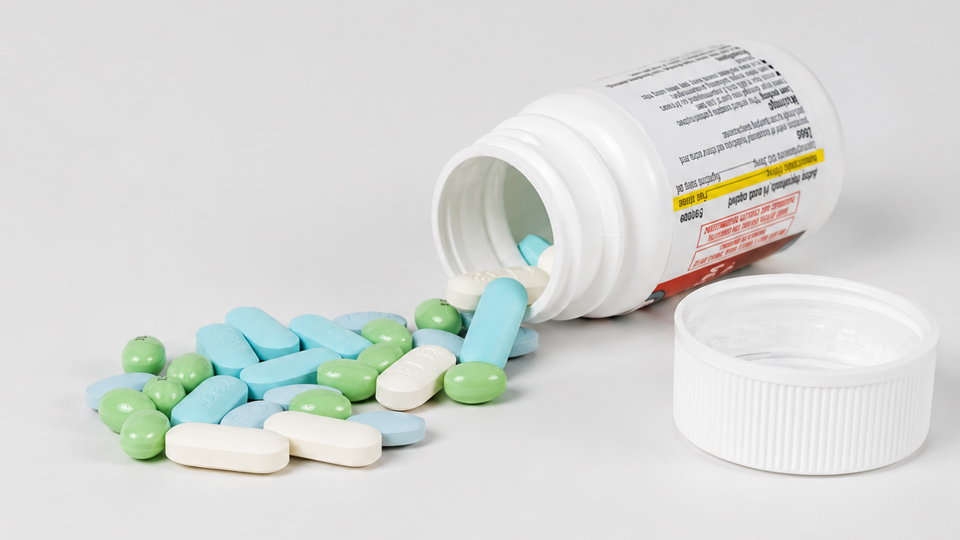
Immagine: Un tipico flacone di pillole e pillole sfuse. Le bottiglie standard sono comuni ma mancano di promemoria integrati per i pazienti.
L'imballaggio fa molto di più che proteggere i prodotti farmaceutici durante lo stoccaggio e il trasporto. Oggi, svolge anche un ruolo importante nell'aiutare i pazienti ad assumere correttamente i farmaci. Un formato di confezionamento ben progettato può semplificare la routine quotidiana dei farmaci, migliorare l'esperienza del paziente, e supportare una migliore aderenza ai farmaci. La ricerca ha dimostrato che l'imballaggio del promemoria, come blister calendario e altri formati di dosaggio organizzati, può influenzare positivamente l’aderenza per molti pazienti.
Un buon imballaggio supporta l’aderenza ai farmaci in diversi modi pratici:
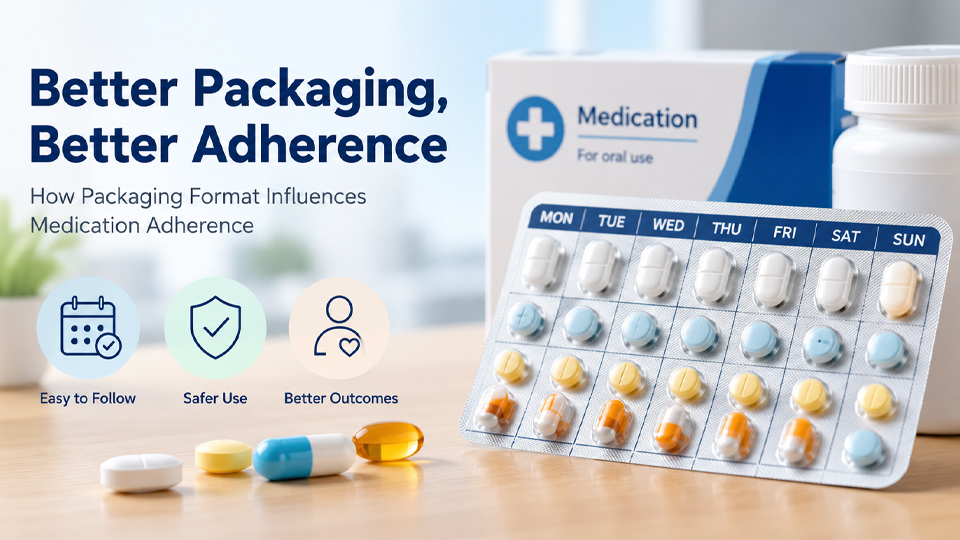
Prodotti e gruppi di pazienti diversi beneficiano di formati di imballaggio diversi. I seguenti formati sono ampiamente utilizzati nel settore farmaceutico e sanitario per supportare la conformità:
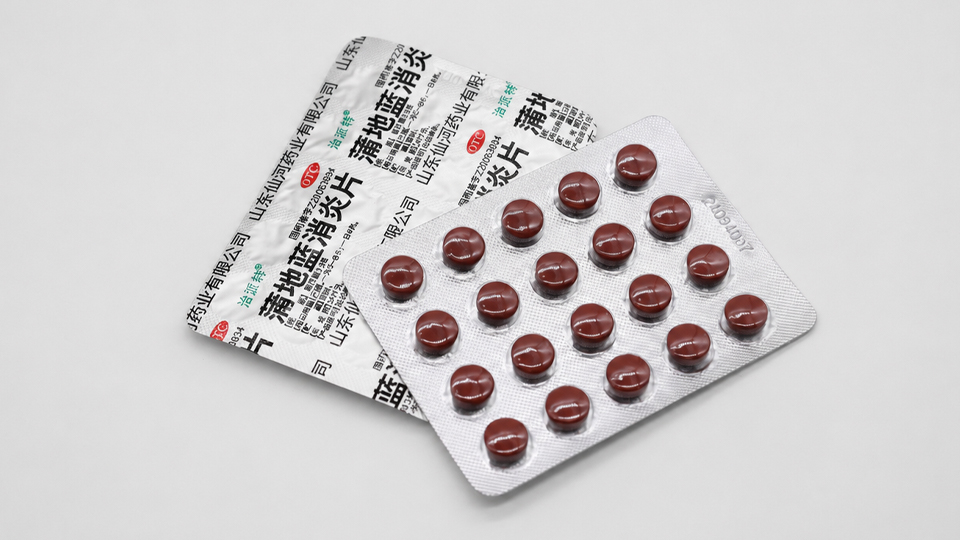
Immagine: Pillole individuali sigillate in un blister. Blister monodose (spesso stampato con informazioni sul dosaggio) fornire ai pazienti un programma giornaliero chiaro e facilitare l'individuazione di una dose dimenticata.
L’imballaggio può influenzare l’adesione in diversi modi chiave:
Al suo meglio, confezione colma il divario tra prescrizione e comportamento del paziente. Diventa un “partner di adesione” passivo organizzando e ricordando senza richiedere uno sforzo aggiuntivo da parte del paziente.
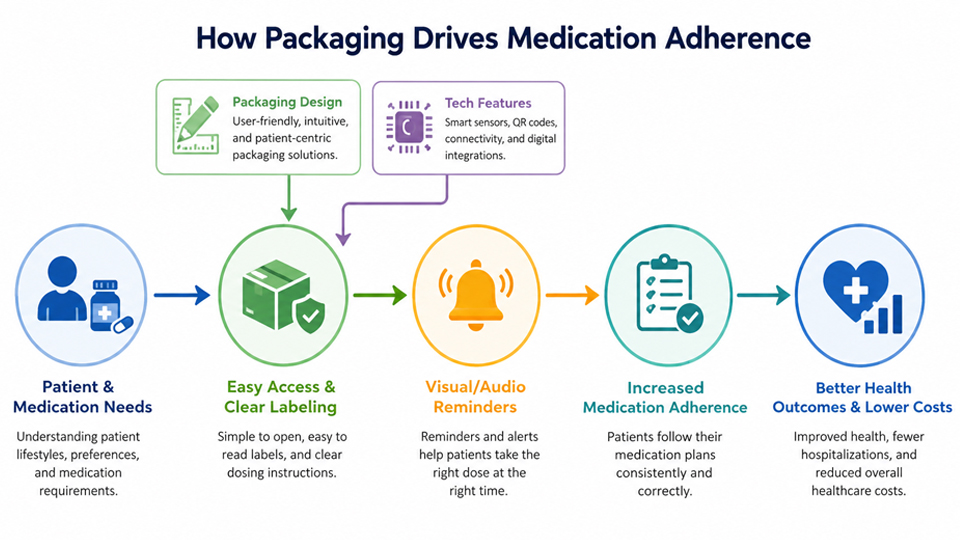
Scegliere semplicemente il formato giusto non è sufficiente: la confezione deve essere progettata per il paziente. Pacchetti mal progettati possono creare barriere. IL i migliori progetti incentrati sull'aderenza condividono diversi tratti:
Questi principi di progettazione incentrati sul paziente hanno il vantaggio aggiuntivo di una conformità di qualità: chiaro, Gli imballaggi a prova di manomissione con tracciabilità consentono ai produttori di soddisfare più facilmente gli standard FDA/EMA, migliorando al tempo stesso l'esperienza dell'utente. Per la produzione farmaceutica, investire in queste funzionalità può ripagare la fiducia del marchio e ridurre la responsabilità.
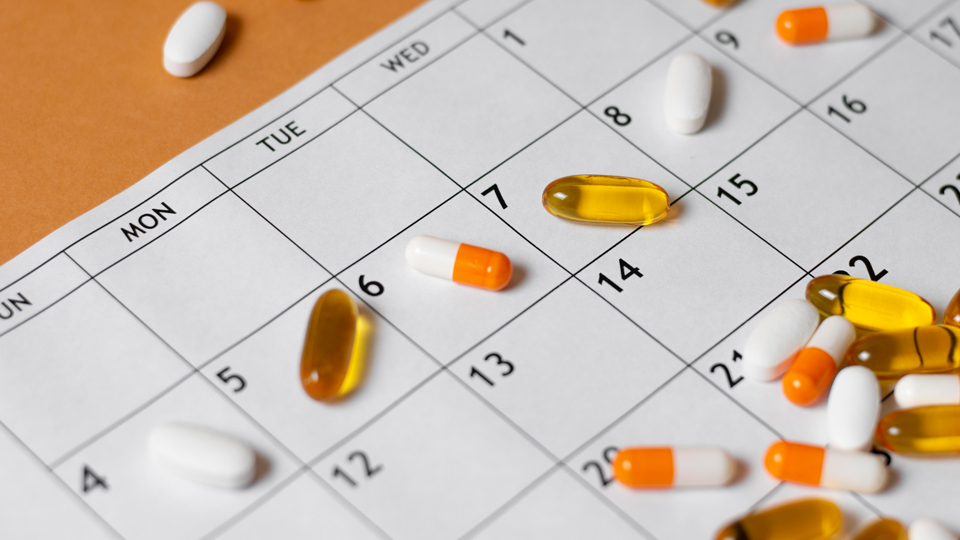
Gli imballaggi aderenti devono comunque rispettare tutti i vincoli normativi e di costo. Negli Stati Uniti, Per esempio, l'imballaggio a prova di bambino è obbligatorio per legge per la maggior parte delle prescrizioni. Le soluzioni moderne spesso raggiungono la conformità incorporando caratteristiche di sicurezza nella forma della confezione (per esempio. meccanismi di bloccaggio sui blister) piuttosto che fare affidamento esclusivamente sui tappi di bottiglia. Allo stesso tempo, le aziende stanno esplorando materiali sostenibili: calendari di cartone invece che blister di plastica, o pellicole riciclabili, che i pazienti apprezzano e che spesso hanno strutture più semplici. Gli studi dimostrano che i pazienti in realtà preferiscono l’ambiente, packaging semplice: sembra più moderno e rassicurante.
Dal lato dei costi, linee di confezionamento automatizzate (per esempio. bolla ad alta velocità O macchine confezionatrici a strip) sono diventati abbastanza efficienti. Lattina per la produzione di dosi unitarie su larga scala tagliare il costo unitario e ridurre gli sprechi derivanti dalle scorte scadute. Per produttori e confezionatori a contratto, ciò significa un investimento iniziale elevato in macchinari, ma costi a lungo termine potenzialmente inferiori e perdite di inventario. Dal punto di vista del paziente, la maggiore comodità e sicurezza giustificano questi formati. In altre parole, la maggiore attenzione nel confezionamento è spesso controbilanciata da migliori risultati sanitari e da un minor spreco di farmaci.
Fornire questi formati di imballaggio a misura di paziente su larga scala, i produttori hanno bisogno di macchine affidabili. Imballaggio Jinlu offre una gamma di attrezzature ottimizzate per pacchetti incentrati sull'aderenza:


Figura: Macchina stick pack multipista Dall'imballaggio Jinlu. Si forma, riempie e sigilla bustine strette (pacchetti di bastoncini) in parallelo. Ogni confezione contiene una dose (polvere, liquido, ecc.), favorendo la somministrazione di dosi unitarie e l’aderenza.


Combinando queste macchine, una linea farmaceutica può produrre confezioni adatte ai pazienti senza sacrificare la produttività o la qualità. Per esempio, UN Linea blister Jinlu potrebbe integrare una stazione di conteggio, formatore/sigillante per blister, e una stampante di serializzazione in un processo continuo. Questa automazione mantiene la conformità con Norme GMP (21 CFR 211, Allegato GMP dell'UE 15) e garantisce che ogni confezione in uscita dalla linea corrisponda alla prescrizione prevista. In questo modo, le attrezzature per l'imballaggio ad alta tecnologia diventano la spina dorsale di “soluzioni di packaging per la compliance del paziente” – consentire ai produttori di fornire calendari in tutta sicurezza, bustine monodose, e bottiglie intelligenti su larga scala.
In sintesi, il formato della confezione ha un impatto comprovato sull’aderenza ai farmaci. Design attenti: dai blister monodose agli organizzatori settimanali per pillole fino agli smart, pacchetti connessi – rendono più semplice per i pazienti assumere i farmaci giusti al momento giusto. Le prove del mondo reale mostrano che questi formati aumentano sostanzialmente i tassi di aderenza rispetto alle bottiglie semplici. Per produttori e distributori farmaceutici, adottare imballaggi aderenti è sia un servizio sanitario pubblico che un vantaggio di mercato: migliora i risultati dei pazienti e può differenziare i prodotti in un campo competitivo.
Pronto a migliorare la conformità per i tuoi clienti? Jinlu Packing è specializzato in macchine per l'imballaggio farmaceutico e soluzioni su misura per le esigenze dei pazienti. Se hai bisogno di linee di confezionamento blister ad alta velocità, macchine automatizzate per buste a strisce, o sistemi di pacchetti di calendari personalizzati, il nostro team può aiutare a progettare formati che incoraggino l’adesione. Contatta Jinlu oggi stesso per discutere di come il design intelligente del packaging possa migliorare le prestazioni del tuo prodotto e supportare una migliore cura del paziente.
L’aderenza ai farmaci si riferisce alla precisione con cui i pazienti seguono il piano di trattamento prescritto, compreso assumere i farmaci giusti, alla dose corretta, e all'orario consigliato. Una scarsa aderenza può ridurre l’efficacia del trattamento e aumentare i costi sanitari.
Il formato della confezione può semplificare le routine terapeutiche e fornire promemoria visivi. Funzionalità come l'etichettatura del calendario, confezione monodose, e gli scomparti organizzati aiutano i pazienti a ricordare quando e come assumere i medicinali.
I blister confezionano farmaci separati in dosi individuali e possono visualizzare il giorno o l'ora per ciascuna dose. I pazienti possono facilmente vedere se hanno preso il medicinale, che aiuta a ridurre le dosi dimenticate e gli errori terapeutici.
I tradizionali flaconi per pillole sono convenienti per la conservazione e la distribuzione, ma di solito non forniscono un sistema di promemoria integrato. I pazienti possono dimenticare se hanno assunto una dose, soprattutto quando si gestiscono più farmaci.
I blister calendario sono sistemi di confezionamento che organizzano i farmaci per giorno della settimana o orario di somministrazione. Creano un programma visivo che rende più facile per i pazienti seguire i piani di trattamento e mantenere un uso coerente dei farmaci.
L'imballaggio aderente è particolarmente utile per i pazienti anziani, soggetti affetti da malattie croniche, pazienti che assumono più farmaci, e persone con problemi di memoria. Anche gli operatori sanitari ne traggono vantaggio perché l’imballaggio organizzato semplifica la gestione dei farmaci.
SÌ. Soluzioni di imballaggio intelligenti, come blister connessi e flaconi di pillole elettronici, può fornire promemoria, monitorare l'utilizzo dei farmaci, e inviare notifiche quando mancano le dosi. Queste tecnologie offrono ulteriore supporto per la gestione del trattamento a lungo termine.
Le confezioni farmaceutiche a misura di paziente in genere includono istruzioni chiare, etichette grandi e di facile lettura, codifica a colori, organizzazione del calendario, design di facile apertura, e funzionalità a prova di bambino che rimangono accessibili per gli adulti.
L’aderenza ai farmaci ha un impatto diretto sui risultati del trattamento e sulla soddisfazione del paziente. Le aziende farmaceutiche che implementano imballaggi aderenti possono migliorare il valore del prodotto, rafforzare la reputazione del marchio, e differenziarsi sui mercati competitivi.
A seconda del formato della confezione, i produttori possono richiedere macchine confezionatrici in blister, sistemi di astucciamento, macchine confezionatrici per buste a strisce, e linee di produzione di pacchetti di calendari personalizzati. Le apparecchiature automatizzate per il confezionamento farmaceutico garantiscono una qualità costante e una produzione efficiente su larga scala.
Riferimenti:
1.Interventi di confezionamento per aumentare l’aderenza ai farmaci: revisione sistematica e meta-analisi —— Biblioteca Nazionale di Medicina
2.L'imballaggio migliora l'aderenza dei farmaci —— farmtech.com
3.Effetto della confezione di promemoria dei farmaci sull'aderenza ai farmaci: una revisione sistematica che rivela le lacune della ricerca —— Natura Springer
4.Dispositivi elettronici per il confezionamento dei farmaci e aderenza dei farmaci: Una revisione sistematica —— Biblioteca Nazionale di Medicina
5.Le pillole combinate a dose fissa o le confezioni monouso migliorano l’aderenza? Una revisione sistematica. —— Biblioteca Nazionale di Medicina
6.Grandi round del CDC: Migliorare l’aderenza ai farmaci per la gestione delle malattie croniche: innovazioni e opportunità —— Centro per la prevenzione e il controllo delle malattie