
- Macchine
- Competenza
- Risorse
- Certificati
- Di
- Contatto
- Macchine
- Competenza
- Risorse
- Certificati
- Di
- Contatto
Nell’ambiente odierno con margini magri, i produttori di farmaci devono ridurre i costi di confezionamento senza sacrificare la qualità o la conformità. L’imballaggio può rappresentare il 10–40% del prezzo di un prodotto, quindi anche le piccole efficienze si sommano. Questa guida illustra tutto 10 strategie pratiche – dall’analisi della ripartizione dei costi all’automazione, pratiche snelle, e progettazione sostenibile – per ridurre le spese. Parleremo dell'ottimizzazione dei materiali, scelte di macchine intelligenti (come le macchine blister ad alta velocità di Jinlu, sistemi di conteggio, astucciatori, e riempitivi per capsule), manutenzione preventiva, Miglioramenti OEE e SMED, riduzione dei rifiuti, e come calcolare il ROI. Ogni sezione utilizza dati di settore ed esempi di macchine Jinlu per mantenerla concreta. Integrando questi suggerimenti, i responsabili delle operazioni farmaceutiche possono trasformare il packaging da un centro di costo in un vantaggio competitivo.
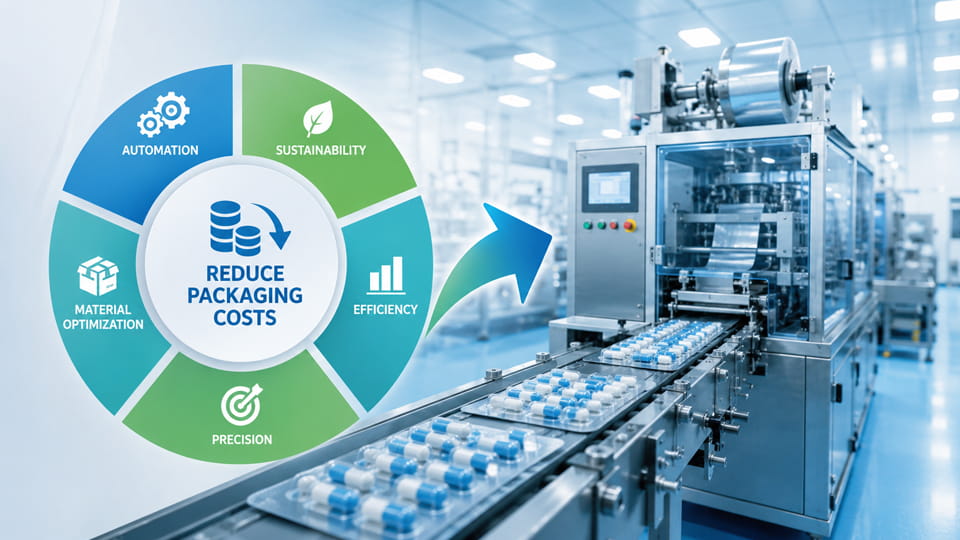
Costi di imballaggio sono sottoposti a forti pressioni su più fronti. La compressione dei margini e le iniziative di determinazione dei prezzi dei farmaci significano che ogni dollaro conta, spingendo gli imballaggi nella sala riunioni. Inflazione delle materie prime, fornitori consolidati (meno scelte, prezzi più alti), e normative complesse (come la serializzazione e le nuove leggi ambientali) tutti incidono sui budget. Per esempio, responsabilità estesa del produttore (EPR) le leggi ora rendono i produttori responsabili del riciclaggio a fine vita, aggiungendo di fatto una tariffa nascosta per ogni grammo di plastica o pellicola. Insomma, il packaging non è solo “scatole ed etichette”: è un sistema strategico che deve bilanciare i costi, conformità, e l'esperienza del cliente.
Gli esperti del settore concordano sul fatto che i costi nascosti piacciono lavoro, tempi di inattività, rifiuti e scartoffie spesso fanno impallidire il prezzo adesivo dei materiali di imballaggio. Ogni minuto in più di inattività comporta la retribuzione degli straordinari e gli ordini ritardati. Ogni blister di scarto o errore di etichetta è pura perdita. E soluzioni alternative manuali (come la cernita manuale o la rietichettatura) consumare il tempo del personale. Con così tanto in gioco, Le aziende farmaceutiche devono ripensare il packaging da zero, utilizzando audit basati sui dati, team interfunzionali (R&D, qualità, appalti, produzione), e una mentalità di progettazione strategica che considera il packaging come un valore aggiunto piuttosto che come un dissipatore di costi. Le sezioni seguenti mostrano come affrontare ciascuno dei principali fattori di costo.
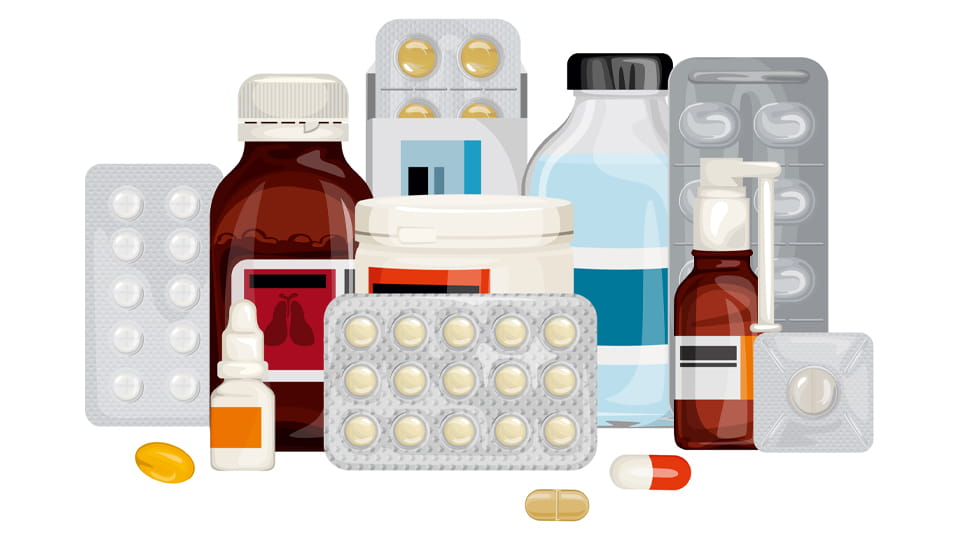
Prima di tagliare i costi, guasto dove vanno i tuoi soldi. Le categorie tipiche dei costi di imballaggio includono Materiale, Lavoro, Tempi di inattività, Sciupare, Energia E Manutenzione. Per esempio: Materiali (film, cartoni, fiale, etichette) spesso rappresentano il 20-30% del costo totale; lavoro (operatori di linea, imballatori) può essere del 15-25%; I tempi di fermo macchina e le fermate non programmate consumano capacità; rottami e scarti (prodotto o imballaggio sprecato) aggiungi un altro pezzo; più quote minori per servizi pubblici e manutenzione. Il mix esatto dipende dai prodotti e dai processi, ma questa tabella delinea i componenti comuni:
| Categoria di costo | Cosa include | Come ottimizzare |
| Materiali | Pellicole/fogli in blister, cartoni, bottiglie, etichette | Utilizzare substrati più leggeri o riciclabili; acquisto in blocco; imballaggio di giuste dimensioni per ridurre il materiale. Prendere in considerazione materiali meno costosi ma conformi tramite l'analisi dei costi consigliati. |
| Lavoro | Operatori di linea, imballatori, ispettori | Automatizza le attività ripetitive (sigillatura, conteggio), utilizzare attrezzature ergonomiche. Personale trasversale. (Solo un elevato turnover costa circa 4.000 dollari per sostituire un lavoratore.) |
| Tempi di inattività | Cambi, guasti, pulizia | Implementare la manutenzione preventiva e il cambio rapido (FABBRO) protocolli per accelerare i passaggi. Mantenere i pezzi di ricambio riforniti e le linee calibrate. |
| Sciupare | Pacchetti difettosi, si riempie eccessivamente, deterioramento | Utilizzare macchine di ispezione visiva e di precisione per individuare tempestivamente i difetti. Per esempio, Le macchine blister sigillano individualmente le dosi per ridurre al minimo l'esposizione e il deterioramento. (I riempitivi delle capsule di Jinlu si riprendono persino 100% di polvere.) |
| Energia | Elettricità per le macchine, HVAC | Optate per motori e azionamenti ad alta efficienza energetica. Esegui processi ad alta energia durante le ore non di punta, se possibile. Spegnere le apparecchiature inattive. |
| Manutenzione | Parti di riparazione, contratti di servizio, calibrazione | Pianifica una manutenzione regolare (lubrificazione, calibrazione), e utilizzare parti OEM. Un solido piano di manutenzione preventiva evita interruzioni gravi. |
Quantificando ciascuna categoria (anche approssimativamente), puoi individuare gli scarichi più grandi. Per esempio, L’analisi di Jinlupacking sui confezionatori farmaceutici lo sottolinea lavoro, tempi di inattività e sprechi sono spesso i killer silenziosi dei costi. Anche un altro studio lo rileva materiali e manodopera sono i principali fattori di costo insieme alla progettazione e alla logistica. Utilizzare questa ripartizione per puntare ai “frutti a portata di mano”, sia che si tratti di negoziare prezzi dei materiali migliori, passare ad una pellicola riciclabile (riducendo le tariffe EPR), o investire in macchinari per eliminare i costi di manodopera.
Ridurre i costi dei materiali è una vittoria rapida, ma deve essere fatto in modo intelligente. Gli sconti per quantità e le offerte dei fornitori aiutano, ma spesso il vero risparmio arriva ottimizzazione della progettazione. Guarda i design dei tuoi pacchetti: Le pareti della scatola possono essere più sottili? Le cavità delle vesciche possono essere della giusta dimensione?? È possibile che in un cartone siano contenuti più blister? Le aziende farmaceutiche innovative stanno andando oltre le specifiche statiche verso portafogli di materiali dinamici. Catalogano i materiali non solo in base al costo e alle prestazioni, ma anche in base alla riciclabilità e al rischio normativo, in modo che possano sostituire alternative più leggere o più ecologiche secondo necessità.
Un esempio famoso è la riduzione dello spazio vuoto. I pacchetti più grandi possono sembrare “premium”.,", ma qualsiasi volume aggiuntivo rappresenta un costo sprecato e una penalità in caso di spedizione a peso dimensionale. Progettando pacchetti più compatti (preservando la protezione del prodotto), le aziende spesso tagliano contemporaneamente l’uso dei materiali e le spese di spedizione. Infatti, Packaging Digest riferisce che un design accurato può “ridurre il volume dei materiali e allo stesso tempo migliorare i fattori umani,” significa che spendi meno e i pazienti trovano la confezione più facile da usare. Questo approccio “l’eleganza sostituisce l’eccesso” significa meno morti, meno pensione, e una minore responsabilità EPR: tutte buone notizie per i profitti.

Automatizzare i passi giusti spesso portano ai maggiori tagli dei costi. Anche la semiautomazione (rispetto a quello completamente manuale) può aumentare la produzione 30%+ senza aumentare l'organico. IL vantaggio chiave è il risparmio di manodopera: le macchine funzionano 24/7 se necessario, e i lavoratori possono essere ridistribuiti a compiti di maggior valore (controllo di qualità, manutenzione, ecc.). Per esempio, Le macchine per il conteggio automatico di Jinlu raggiungono una precisione incredibilmente elevata (>99.98%) e velocità (fino a 6,000 bottiglie/ora), eliminando virtualmente gli errori di conteggio manuale e i tempi di fermo dovuti agli errori di smistamento. Allo stesso modo, Le macchine confezionatrici in blister di Jinlu producono fino a 4.800-11.200 blister/ora, gestione della formatura, alimentazione, sigillatura e taglio in un unico passaggio: un livello di produttività e consistenza impossibile manualmente.
Anche le semplici stazioni semiautomatiche aiutano. Un formatore e un cono ergonomici ben progettati possono triplicare la velocità di sigillatura dei cartoni, risparmiare tempo all’imballatore per lavori più qualificati. E le moderne astucciatrici possono allineare e piegare i cartoni quasi istantaneamente. Infatti, aziende che hanno installato sistemi ergonomici di fine linea segatrici il throughput aumenta 30-40% senza aggiungere manodopera. Insomma, l'automazione ripaga tramite velocità più elevata + meno errori + minor costo del lavoro.
Fondamentalmente, i risparmi qui non sono solo ipotetici. Considera questa regola pratica: sostituire solo pochi operatori con macchine può far risparmiare decine di migliaia di persone all’anno in salari e benefici. Un'illustrazione tratta da una guida al ROI dell'imballaggio mostrava una linea automatizzata che aumentava la produzione da 100 A 300 pacchi/ora (con $2 profitto per confezione), salvare tre lavoratori ($20/ora ciascuno) e taglio di scarti di materiale. Il risultato è stato di circa $800 utile netto giornaliero, abbastanza per raggiungere all'incirca 40% ROI sull'attrezzatura. Torneremo ai calcoli del ROI di seguito.
Le migliori macchine Jinlu da considerare:
Mentre i costi della macchina possono sembrare elevati in anticipo, ricorda i risparmi nascosti: qualità costante (meno scarti), eliminazione dei premi sui turni e degli straordinari, e il capacità di ridistribuire il personale. L'attrezzatura moderna comprende anche l'Industria 4.0 tech – sensori per la manutenzione predittiva e la raccolta dati – che riduce ulteriormente sprechi e tempi di inattività.

Anche le migliori macchine si guadagnano da vivere solo se lo fanno continua a correre. Le fermate non pianificate sono estremamente costose, non solo per la parte di riparazione, ma spedizioni ritardate, straordinari per recuperare, e persino il rifiuto di interi lotti se la qualità è compromessa. Come osserva una guida all'imballaggio farmaceutico, i tempi di inattività “innescano gli straordinari, ordini in ritardo, rimpasti di programma…e mantenimento della qualità”. Così, un forte piano di manutenzione lo è essenziale per ridurre i costi di imballaggio.
Le pratiche chiave includono:
La consulenza dei produttori di macchine è importante: Jinlupacking e altri sottolineano le garanzie di 3 anni e le reti di supporto globale per un rapido servizio in loco. Fornitori affidabili ti aiutano anche a pianificare in anticipo la manutenzione: La manutenzione preventiva e la corretta previsione delle scorte di pezzi di ricambio sono essenziali nelle linee automatizzate.
Non trascurare i costi di documentazione: una corretta tenuta dei registri per la calibrazione e la convalida può effettivamente risparmiare rilavorazioni durante gli audit. Avere registri di manutenzione dettagliati (e accesso al supporto OEM) riduce al minimo i tempi di inattività e prolunga la vita della macchina. In sintesi, ogni dollaro speso per la manutenzione proattiva frutta molteplici dollari risparmiati evitando interruzioni.
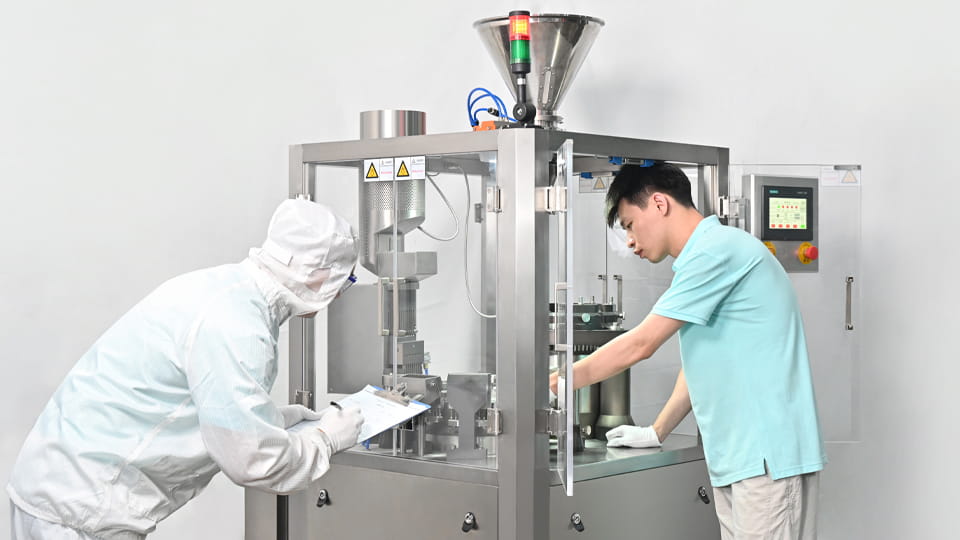
Con tutti gli elementi a posto, il prossimo obiettivo è efficienza complessiva della linea. Una metrica utile ecco OEE (Efficacia complessiva dell'attrezzatura), che unisce la disponibilità (tempo di attività), prestazione (velocità contro. progetto), e resa di qualità. I consulenti Lean affermano che l'OEE in molte linee farmaceutiche è solo una media 30% - Senso 70% della produzione potenziale viene persa a causa degli arresti, rallentamenti o scarti. Infatti, casi fino a 17% sono stati documentati in ambito farmaceutico. Al contrario, gli obiettivi di livello mondiale sono del 65-75%, e le piante superiori spingono 85%+. Questo divario rappresenta un’enorme opportunità: ogni punto OEE guadagnato rappresenta un profitto maggiore senza l'aggiunta di apparecchiature.
Come aumentare l'OEE:
Misurare l’OEE è fondamentale. Inizia stabilendo l'OEE di riferimento su ciascuna linea (anche con il semplice tracciamento manuale). Quindi fissa obiettivi realistici per 5-10% guadagni annuali. Piccoli guadagni sono comunque grandi soldi: potenziando una linea da 100.000 unità/giorno da 30% A 40% OEE significa 10,000 confezioni più vendibili al giorno!
Questo diagramma di flusso mostra un flusso di lavoro semplificato per l'imballaggio farmaceutico:

Figura: Flusso tipico di confezionamento farmaceutico (dall'alimentazione ai prodotti finiti). Ogni freccia è un'opportunità per migliorare l'efficienza, ad esempio, automatizzando le transizioni o standardizzando le interfacce macchina.
Nota: Per una soluzione completamente integrata, Jinlu può fornire l'intera linea dagli alimentatori fino all'imballaggio finale come un unico pacchetto chiavi in mano.
Gli sprechi sono soldi visibili buttati via, letteralmente. In imballaggio farmaceutico, i rifiuti possono essere prodotti grezzi (compresse rotte, capsule sbagliate), confezioni semilavorate (blister con stampa errata), o scarti di imballaggio (pezzi fusi, pellicola troppo lunga, cartoni vuoti). Ogni confezione difettosa non solo comporta uno spreco di materiali, ma anche di manodopera e spese generali.
Strategie per ridurre gli sprechi:
Jinlu evidenzia un chiaro vantaggio in termini di riduzione dei rifiuti: i blister sigillano singolarmente ciascuna dose, che “riduce al minimo l’esposizione del prodotto all’aria e all’umidità sigillando individualmente ciascuna unità, riducendo significativamente deterioramenti e sprechi”. In pratica, ciò significa che meno compresse vanno a male sulla linea. È anche possibile impostare linee moderne per ottimizzare gli scarti di rifinitura: Per esempio, una taglierina servoassistita può modificare al volo la lunghezza dei blister per adattarsi a diversi conteggi di prodotti senza eccessi.
La riduzione dei rifiuti è legata anche ai costi: meno rifiuti significa meno acquisto di materie prime, smaltimento e tempi di inattività. Ogni pacco rifiutato salvato è un risparmio guadagnato. Come vedremo in ROI, la riduzione dei rifiuti è uno dei duro risparmio nell’equazione del rimborso per le nuove attrezzature.
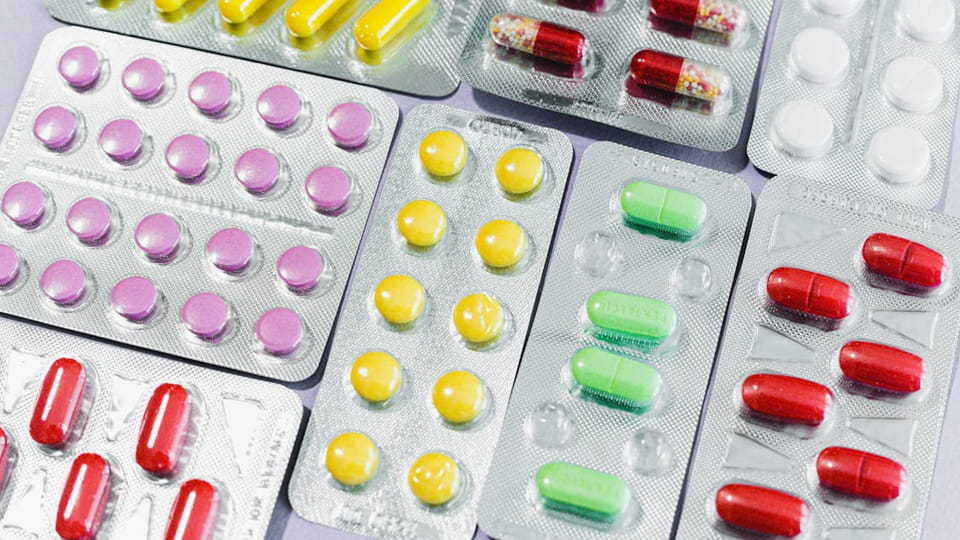
“Sostenibile” e “low cost” lo sono non si escludono a vicenda. Infatti, tante iniziative green inferiore costi nel lungo periodo. Per esempio, utilizzando pacchetti monomateriale (per esempio. tutto cartone) riduce i costosi laminati multimateriale e semplifica il riciclaggio. I materiali più leggeri riducono i costi di trasporto. Intelligentemente, regole regolamentari “verdi”. (come l'EPR) effettivamente premiano i progetti con minori sprechi. Lo stesso articolo di Packaging Digest sopra citato sottolinea che “la riduzione dei costi di imballaggio e lo sviluppo di imballaggi sostenibili non sono obiettivi che si escludono a vicenda”..
Approcci chiave per il settore farmaceutico:
Jinlu nota anche la tendenza verso i blister verdi (per esempio. utilizzando carte riciclabili o pellicole più sottili). Il futuro vedrà più materiali riciclati specifici per il settore farmaceutico e design più delicati (come le etichette facili da strappare che evitano l'avvolgimento in plastica).
Ricordare: si accumulano piccoli rifiuti. Una scatola leggermente più spessa qui, un inserto extra lì, e fanno saltare il budget per l'imballaggio. Controlla regolarmente i tuoi flussi di rifiuti (cestino della carta, rottami di plastica) – un evento Kaizen sui rifiuti può svelare fughe di notizie sorprendenti. Spesso basta fissare un obiettivo “usare 10% meno film in questo trimestre” può stimolare gli ingegneri a innovare nuovi layout o eliminare gli scarti.
I principi della produzione snella si applicano anche al packaging. L'essenza è rimuovere i passaggi senza valore. Alcuni suggerimenti:
Mentre Lean è un argomento ampio, anche le vittorie veloci aiutano. In un incarico di consulenza, l’applicazione del Lean Six Sigma su una linea di confezionamento ha aumentato la produzione del 15% circa. Spesso la prima ondata di miglioramenti è facile (Dire, riorganizzare lo spazio di lavoro in modo che ogni strumento sia a portata di mano), ma avere il Lean come disciplina continua impedisce che i costi si ripercuotano.
Gli investimenti in misure di riduzione dei costi necessitano di giustificazione. ROI (Ritorno sull'investimento) è tuo amico. La formula di base è: ROI = (Guadagno netto / Costo dell'investimento) × 100%. Illustriamolo con un semplice esempio basato su un aggiornamento del packaging:
| Scenario | Processo manuale | Linea automatizzata | Differenza |
| Produzione (confezioni/ora) | 100 | 300 | +200 |
| Utile netto per confezione | $2.00 | $2.00 | $0.00 |
| Entrate giornaliere (8H) | $1,600 | $4,800 | +$3,200 |
| Lavoratori (ogni ora $20, 8H) | 3 × $480 = $1,440 | 1 × $160 = $160 | –$1.280 |
| Scarto materiale (al giorno) | $100 | $20 | –$80 |
| Guadagno giornaliero totale | – | – | +$1,840 |
| Annuale (250 giorni) | – | – | +$460,000 |
| Nuova linea di investimento | – | $300,000 | –$300.000 |
| ROI | – | – | ~153% |
(Esempio illustrativo: presuppone che una linea automatizzata triplichi l'output, utilizza un operatore in meno, e taglia i rottami. I numeri possono variare a seconda dei casi.)
In questo scenario, l'automazione cede $460,000 guadagno netto annuo su a $300,000 trascorrere, per circa un 153% ROI (Di 10 mesi di rimborso). Anche se i tuoi guadagni sono più modesti, la maggior parte degli investimenti raggiunge il 20-50% del ROI in pochi anni.
Le guide del settore forniscono calcoli simili: un foglio di lavoro sul ROI dell'imballaggio mostra un risparmio di circa $ 48 al giorno in manodopera e $80 nei rifiuti materiali, con un extra $320 guadagno dall’output (utilizzando i propri margini di profitto). Quel particolare esempio ha prodotto a 40% ROI in un anno. La lezione è dettagliare tutti i vantaggi (lavoro risparmiato, rifiuti evitati, nuova capacità, miglioramento della qualità) rispetto al costo totale (macchina, installazione, formazione, finanziamento).
Per un consiglio: Includi sempre morbido guadagni nella giustificazione del ROI. Fatturato ridotto (e il suo costo di nuova assunzione di circa $ 4.000), meno incidenti di qualità, e agilità strategica (per esempio. lanciando rapidamente una nuova linea) sono un valore reale, anche se più difficile da quantificare. Molti CEO tengono alla velocità di immissione sul mercato e all’affidabilità tanto quanto al denaro puro.
Anche con la migliore tecnologia, evitare queste insidie che potrebbero minare il risparmio:
Rimanendo vigili contro questi errori comuni, soprattutto aspettare troppo tempo per agire E scarsa portata del progetto – garantite che le vostre misure di riduzione dei costi facciano effettivamente risparmiare denaro.
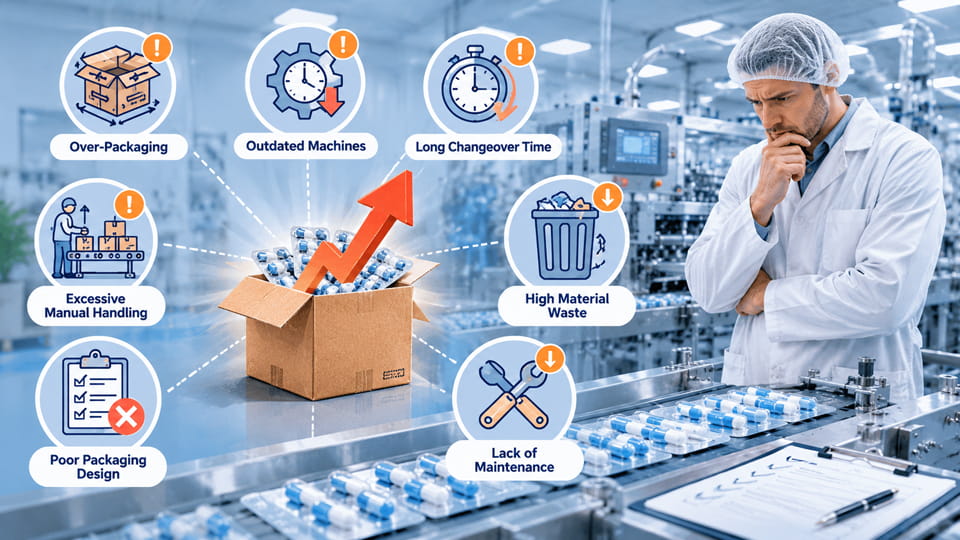
Costo del confezionamento farmaceutico La riduzione è una sfida dalle molteplici sfaccettature, ma le opportunità sono chiare. Analizzando la struttura dei costi, ottimizzazione dei materiali, automatizzando saggiamente, manutenzione delle apparecchiature, abbracciando i principi snelli, e persino incorporando un design sostenibile, puoi sbloccare notevoli risparmi. Strumenti come il monitoraggio dell'OEE e i calcolatori del ROI trasformano le intuizioni in decisioni basate sui dati. Tieni d'occhio le tendenze emergenti (etichette intelligenti, Industria 4.0) quindi la tua strategia si evolve nel tempo.
Ricordare: il packaging è l’ultimo punto di contatto prima del paziente. Efficiente, senza sprechi, e un packaging elegante non solo fanno risparmiare denaro, ma possono anche aumentare la fiducia e la conformità del marchio. Come ha affermato un leader del settore: “La riduzione dei costi di imballaggio e lo sviluppo di imballaggi sostenibili non sono obiettivi che si escludono a vicenda”.
Per un inizio pratico, prendere in considerazione una consulenza con Imballaggio Jinlu. Offriamo Soluzioni chiavi in mano e modulari (linee di blister, astucciatori, filler di capsule, conteggio e altro ancora) progettato per la massima operatività e Conformità GMP. Le nostre macchine sono dotate di supporto globale e certificazioni CE/cGMP, così puoi investire con sicurezza.
Lascia che Jinlu ti aiuti a trasformare la tua linea di confezionamento in un centro di profitto e un punto di riferimento per l'affidabilità, così spendi meno oggi e guadagni di più domani.
Affrontando sia i materiali che i processi. Le strategie chiave includono l'utilizzo delle dimensioni giuste, materiali riciclabili; acquisto in blocco; e applicare un design snello per eliminare gli strati in eccesso. Dal lato operativo, automatizzando le attività ripetitive (vesciche, conteggio, formazione del cartone) riduce la manodopera e gli sprechi. Manutenzione preventiva e metodi di cambio rapido (FABBRO) mantenere le linee più lunghe. Il monitoraggio di parametri come l’OEE rivela colli di bottiglia da risolvere. In pratica, le aziende riducono i costi attraverso una combinazione di ottimizzazione dei materiali, automazione del confezionamento (Le soluzioni di Jinlu possono aiutare qui), e processi di miglioramento continuo.
Il fattore più importante sono solitamente i materiali di imballaggio, soprattutto fogli di alluminio, PVC, cartoni, etichette, e materiali barriera speciali. Lavoro, fermo macchina, prodotti rifiutati, e il consumo di energia hanno anche un impatto notevole sul costo totale dell’imballaggio. In molte fabbriche farmaceutiche, le linee di confezionamento inefficienti aumentano silenziosamente le spese operative nel tempo.
Il packaging farmaceutico snello si concentra sull'eliminazione degli sprechi inutili durante la produzione. Questo include:
• Riduzione dei tempi di fermo macchina
• Minimizzazione dei ritardi nel cambio formato
• Ridurre il tasso di scarto
• Semplificazione dei materiali di imballaggio
• Miglioramento del layout del flusso di lavoro
I metodi snelli aiutano i produttori farmaceutici ad aumentare l'efficienza della linea di confezionamento riducendo al contempo le spese operative.
Assolutamente. Un sistema chiavi in mano, in cui un fornitore fornisce una soluzione end-to-end, evita i costi nascosti di integrazione e convalida derivanti dall'assemblaggio di macchine di fornitori diversi. Ottieni un'unica specifica, un unico protocollo di validazione, e un contratto di supporto. Ciò consente di risparmiare tempo di progettazione e di solito significa un avvio più breve (e quindi costo) quando si porta la linea in linea. Le linee chiavi in mano di Jinlu sono "pronte per l'uso" con controlli unificati, in modo da ottenere una produzione più rapida e con meno problemi da risolvere. In termini di ROI, più velocemente la tua linea si avvia e rimane in funzione, prima recupererai i costi.
Alcune delle macchine più efficaci per ridurre i costi di manodopera includono:
• Macchine blisteratrici automatiche
• Macchine per il conteggio delle compresse ad alta velocità
• Astucciatrici automatiche
• Linee di confezionamento farmaceutico integrate
• Sistemi di ispezione visiva
Questi sistemi riducono la movimentazione manuale e migliorano la coerenza della produzione.
SÌ. Le macchine automatizzate per il confezionamento farmaceutico possono ridurre significativamente i costi di manodopera, errori di imballaggio, tempi di inattività, e rifiuti materiali. Macchine confezionatrici blister automatizzate, macchine per contare, inoltre, i sistemi di astucciamento migliorano la coerenza della produzione e l'efficienza complessiva delle apparecchiature (OEE).
In molti casi, le aziende vedono un ROI a lungo termine attraverso una produzione più rapida e un minor numero di pacchi rifiutati.
SÌ. L’imballaggio sostenibile non riguarda più solo obiettivi ambientali. Materiali leggeri, imballaggio riciclabile, e le dimensioni ottimizzate dei cartoni possono ridursi:
• Consumo di materiale
• Costi di trasporto
• Costi di magazzino
• Rifiuti di imballaggio
Molti produttori farmaceutici ora combinano obiettivi di sostenibilità con strategie di ottimizzazione dei costi di confezionamento.
Ogni minuto di inattività riduce l'efficienza produttiva e aumenta le spese di manodopera e operative. I tempi di inattività non pianificati possono anche creare sprechi di materiale e ritardi nelle spedizioni.
La manutenzione preventiva e la formazione degli operatori sono due dei modi più efficaci per ridurre i tempi di inattività nelle operazioni di confezionamento farmaceutico. Le linee guida GMP sottolineano inoltre le corrette procedure di controllo e manutenzione delle apparecchiature.
I requisiti GMP aiutano le aziende farmaceutiche a mantenere la qualità dei prodotti ed evitare costosi richiami, confusione, contaminazione, ed errori di etichettatura.
Processi di imballaggio conformi alle GMP ben progettati migliorano la stabilità operativa e riducono costosi errori di produzione. Le linee guida sull'imballaggio della FDA sottolineano anche i controlli adeguati sull'imballaggio, procedure di etichettatura, e sistemi di tracciabilità.
Le moderne macchine confezionatrici in blister utilizzano una formatura precisa, sigillatura, e sistemi di taglio per ridurre al minimo la perdita di materiale. I sistemi servoguidati e la tecnologia di ispezione visiva possono ridurre ulteriormente i prodotti scartati e gli sprechi di avvio.
L'imballaggio in blister ottimizzato migliora inoltre la protezione del prodotto e riduce il rischio di contaminazione o errori di etichettatura.
Riferimenti:
1.TRS 986 – Allegato 2: Buone pratiche di fabbricazione dei prodotti farmaceutici dell’OMS: Principi fondamentali -- CHI
2.Linee guida CMC e GMP -- NOI. Amministrazione degli alimenti e dei farmaci
3.Approccio di ecodesign per il packaging farmaceutico basato sul Life Cycle Assessment —— ScienceDirect
4.Aumentare la circolarità del packaging lungo la catena del valore dei prodotti farmaceutici —— MDPI