Selezionando il diritto macchina per l'imballaggio farmaceutico è fondamentale per garantire la sicurezza del prodotto, conformità normativa, ed efficiente produzione. Il mercato globale dell’imballaggio farmaceutico è in forte espansione e si prevede che supererà $160 miliardi di 2026. Allo stesso tempo, le autorità di regolamentazione richiedono severi controlli di qualità: per esempio. CGMP della FDA (21 Parti CFR 210–211) imporre requisiti rigorosi alla produzione, elaborazione, e confezionamento dei farmaci. In pratica, quasi metà di richiami di farmaci comportano errori di imballaggio o di etichettatura, evidenziando la posta in gioco. In questa guida, esamineremo tutte le considerazioni chiave: formato del prodotto, capacità, conformità, automazione, supporto del venditore, e altro ancora, così potrai scegliere con sicurezza l'attrezzatura per il confezionamento farmaceutico più adatta alle tue esigenze. Copriamo i tipi di macchine (macchine blister, filler di capsule, astucciatori, ecc.), confrontare sistemi automatici e semiautomatici, e includere suggerimenti di esperti, una tabella comparativa, un diagramma di flusso delle fasi di selezione, una domanda frequente, e raccomandazioni attuabili.
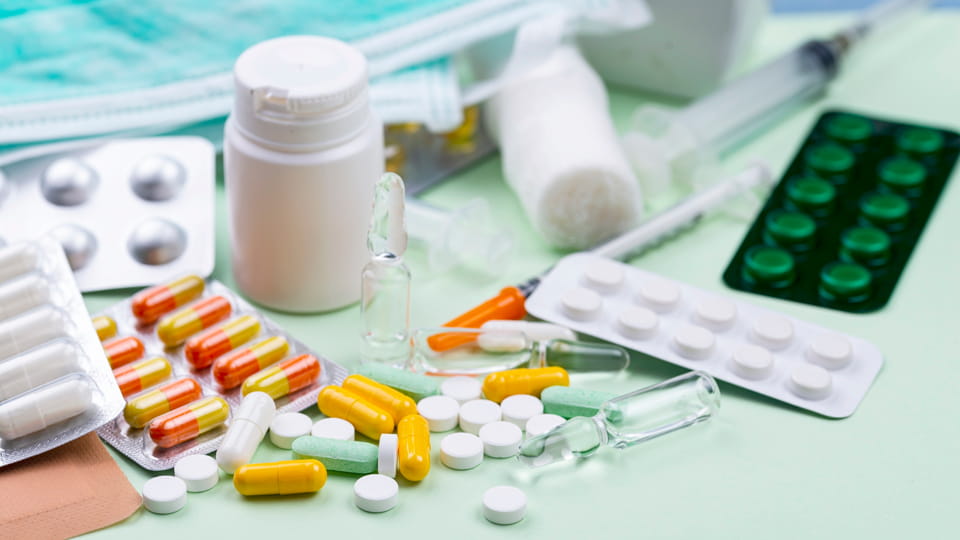
Perché è importante scegliere la macchina giusta
Packaging farmaceutico è molto più critico del normale imballaggio di consumo. Esso protegge la qualità del farmaco, garantisce la precisione del dosaggio, e preserva la sicurezza del paziente. Per esempio, Le linee guida dell’OMS sottolineano che l’imballaggio deve proteggere i medicinali dall’umidità, leggero, ossigeno, e altre influenze avverse durante tutta la loro durata di conservazione. Allo stesso modo, Le regole CGMP della FDA impongono che “i metodi, strutture, e controlli” nella lavorazione e nel confezionamento devono garantire la sicurezza di un farmaco e gli ingredienti corretti. In termini pratici, un imballaggio scadente può portare a contaminazione, etichettatura errata, errori di dosaggio, o malfunzionamenti del dispositivo – persino danni al paziente. Infatti, indica l'analisi dei dati di richiamo fino a 50% dei richiami di farmaci sono dovuti a errori di imballaggio o etichettatura. Ciò significa una svista apparentemente piccola (codice a barre errato, vescica danneggiata, compresse sbagliate) può innescare un costoso richiamo o un avvertimento normativo.
Oltre la sicurezza, la macchina giusta aumenta la produttività e riduce i costi. Le moderne linee farmaceutiche integrano il riempimento, sigillatura, conteggio ed etichettatura in sistemi automatizzati ad alta velocità. La scelta di attrezzature che soddisfino le vostre esigenze di output e il livello di automazione può migliorare notevolmente la produttività e ridurre la manodopera. Al contrario, la scelta sbagliata può provocare frequenti inceppamenti, riempimenti incoerenti, e tempi di inattività, che danneggiano l’efficienza. E perché gli stabilimenti farmaceutici spesso funzionano 24/7, la manutenzione non programmata può essere disastrosa. Per questi motivi, gli esperti del settore sottolineano una selezione equilibrata: “La selezione delle attrezzature per l'imballaggio farmaceutico richiede un'attenta valutazione delle capacità di conformità GMP, disponibilità alla validazione, e affidabilità operativa a lungo termine”. In sintesi, garantisce la macchina giusta qualità e conformità (evitare difetti/richiami) durante l'ottimizzazione capacità produttiva e costi.
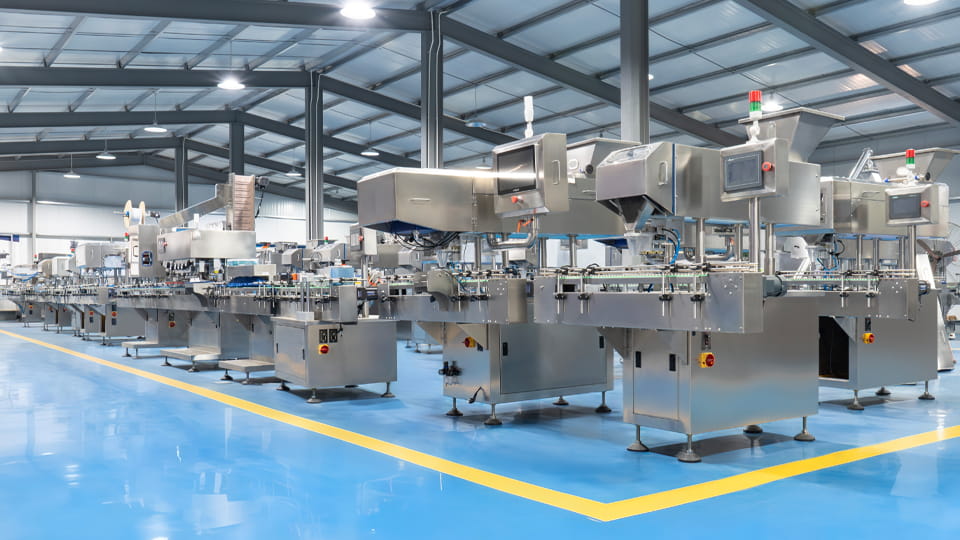
Tipi di macchine per il confezionamento farmaceutico
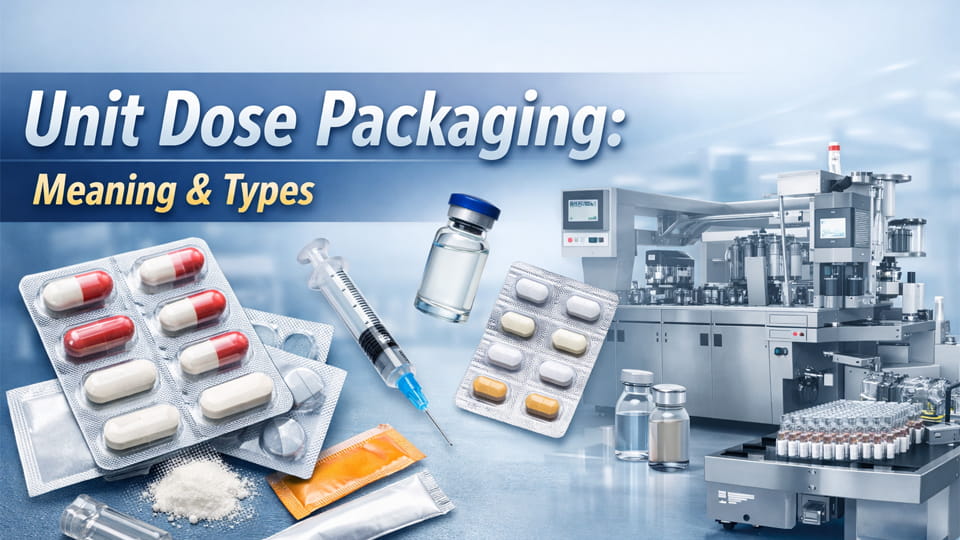
Il “packaging farmaceutico” copre molti prodotti e formati. Le macchine cadono imballaggio primario (primo strato a contatto con il farmaco) E imballaggio secondario/terziario (cartoni esterni, pacchi, pallet). Le macchine tipiche includono:
- Macchine Riempitrici e Dosatrici: Per liquidi, creme, o polveri in flaconcini/flaconi/bustine. Esempi: riempitivi liquidi, macchine riempitrici per polveri, riempitivi di sciroppo. Se il tuo prodotto è a farmaco liquido, selezionare una macchina progettata per liquidi (riempitivi peristaltici o a pistone). Per polveri/granuli (per esempio. compresse sfuse confezionate), ideali sono le riempitrici volumetriche o a coclea.
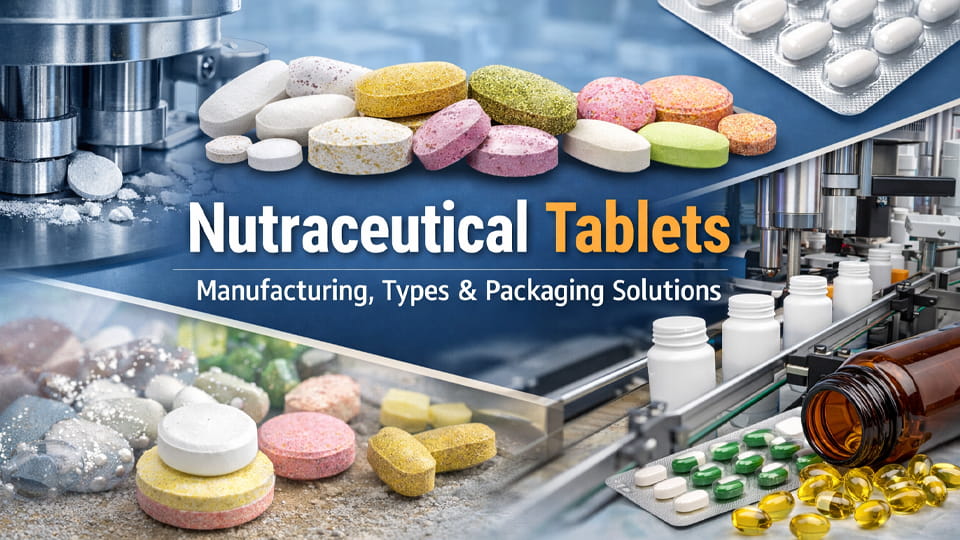
- Attrezzatura per capsule/compresse: Per capsule o compresse, le macchine chiave lo sono macchine per il riempimento di capsule, comprimitrici, E macchine contatrici/riempitrici. I moderni riempitivi per capsule possono automatizzare il posizionamento, separazione, riempimento, e bloccaggio delle capsule. Le presse per compresse comprimono la polvere in compresse. Macchine per contare (contatori ottici) alimentare e contare le dosi solide in bottiglie o buste. Come osserva JinLuPacking, In dose solida linee “tutto inizia con un conteggio accurato”: i sensori multicanale ad alta velocità garantiscono che ogni bottiglia/sacchetto abbia esattamente il conteggio corretto.
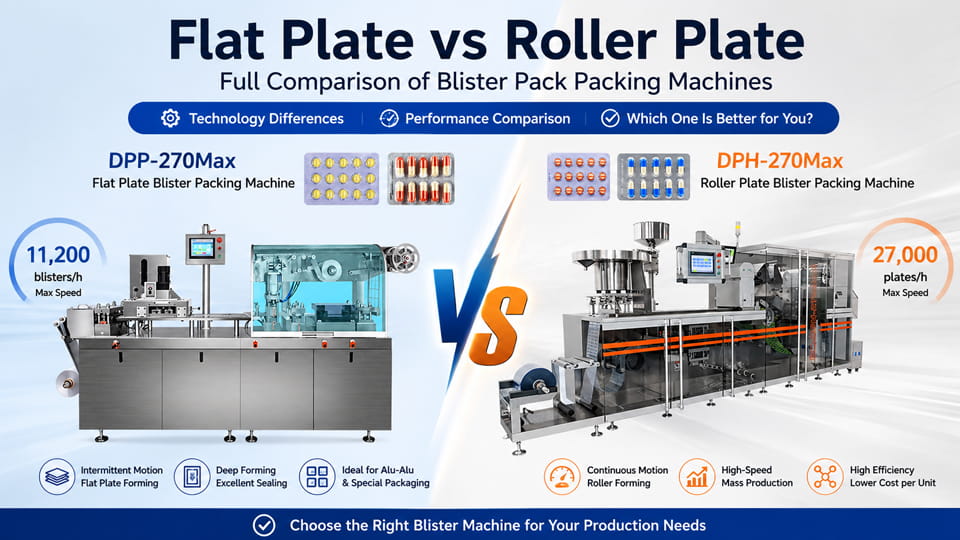
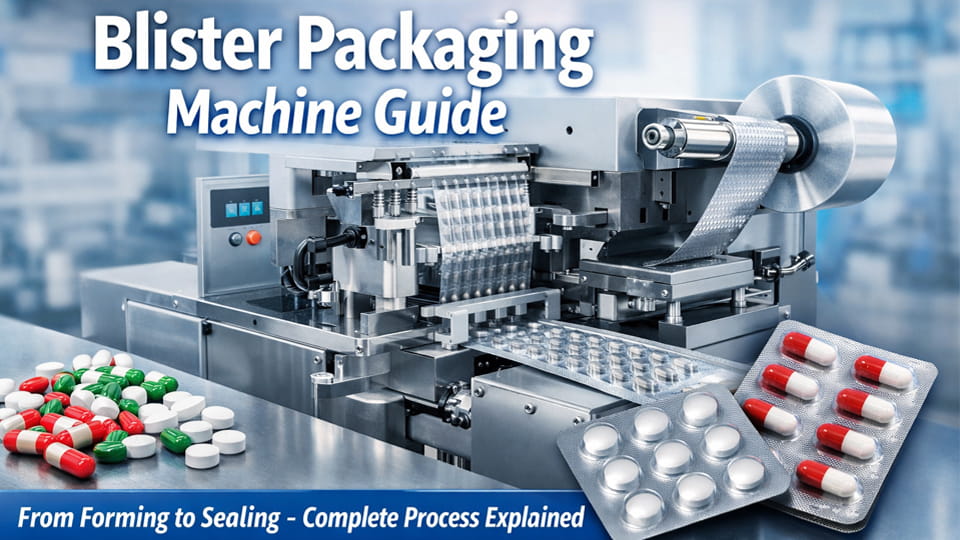
- Macchine per l'imballaggio con blister: Per compresse/capsule in blister. Questi vassoi termoformati che sigillano le pillole sotto un foglio di alluminio. Macchine per blister vieni come piatto piano (indicizzato) O rotativo continuo tipi, con vari formati (Foglio a base di PVC o formato a freddo). Sono ideali per il confezionamento in dose unitaria.
- Macchine Astucciatrici/Inscatolatrici: Imballaggio secondario. Astucciatrici piegare e sigillare i cartoni, spesso inserendo blister o flaconi più foglietti illustrativi per il paziente. Possono esserlo orizzontale (carico laterale) O verticale (carico dall'alto) Le astucciatrici automatizzano la formazione delle scatole, caricamento dei contenuti, e sigillatura: riducendo il lavoro manuale e garantendo chiusure uniformi delle scatole (importante per la tracciabilità GMP). Le moderne astucciatrici utilizzano un design igienico in acciaio inossidabile e sigilli anti-manomissione per soddisfare normative rigorose.
- Etichettatori e ispettori: Macchine per l'etichettatura applicare etichette prestampate su bottiglie/cartoni con codici lotto, Date di scadenza, e codici a barre. Sistemi di ispezione (visione della telecamera, rilevatori di metalli, Raggi X) verificare l'accuratezza del riempimento, particelle estranee, presenza dell'etichetta, e leggibilità del codice. Per conformità, cercare apparecchiature che supportino la serializzazione (codici a barre tracciabili) e rifiuto degli errori.
- Linee di confezionamento integrate: In pratica, le piante farmaceutiche spesso usano linee complete combinando le macchine di cui sopra. Per esempio, una linea da compresse a cartone potrebbe includere una comprimitrice, Inserter essiccante, contatore delle capsule, riordinatore di bottiglie, unità di riempimento, macchina tappatrice, sigillante a induzione, etichettatura, cartoniere, e trasportatore di ispezione finale. Questi sistemi end-to-end possono essere preassemblati e convalidati come una linea, che semplifica la qualificazione e l'impronta. .
Insomma, seleziona le macchine che corrispondono alla tua forma di dosaggio e al formato di confezionamento. Come consiglia una guida, “Le confezionatrici in blister sono ideali per le compresse, mentre i sistemi orizzontali form-fill-seal vengono utilizzati per le buste ad alta produttività”. Comprendere il tuo prodotto (tavoletta, capsula, liquido, polvere) e il pacchetto desiderato (vescica, bottiglia, bustina, custodia preconfezionata, ecc.) è il primo passo nella scelta di una macchina.
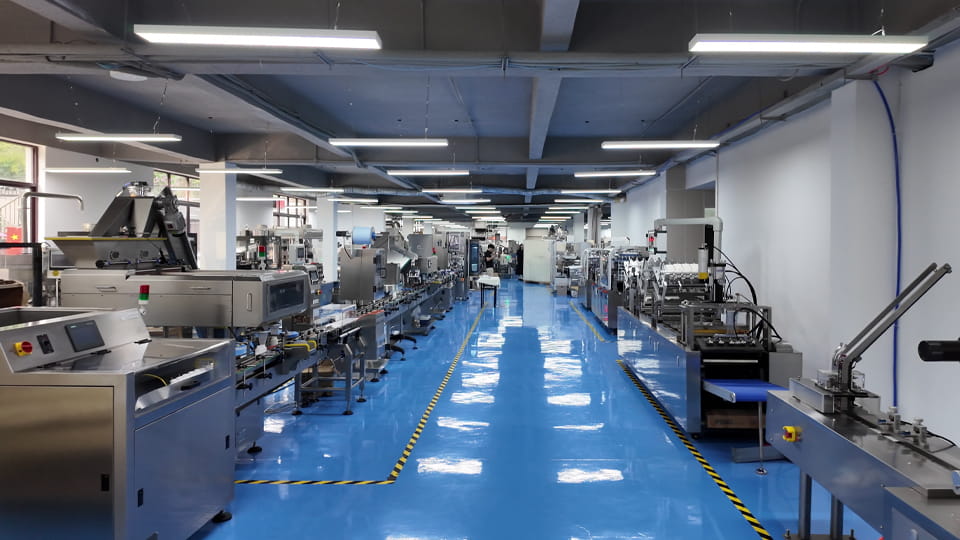
Fattori chiave da considerare
Quando si valutano macchine o fornitori specifici, tenere a mente questi fattori critici:
- Prodotto & Compatibilità del formato dell'imballaggio: Assicurarsi che l'attrezzatura possa gestire la forma e il contenitore esatti del prodotto. Forma di dosaggio e tipo di contenitore questione: compresse, capsule, liquidi, le polveri hanno tutte esigenze di manipolazione uniche. Per esempio, i solidi numerabili utilizzano sistemi di conteggio o blister, mentre i liquidi richiedono riempitivi liquidi con sigillanti ermetici. Controlla anche dimensione e geometria: alcune macchine possono gestire più pesi di riempimento o dimensioni di contenitori, altri sono dedicati. La flessibilità è fondamentale se pianifichi più SKU. Le descrizioni delle macchine spesso specificano formati compatibili; verificare con prove di prodotto campione, se possibile.
- Velocità di produzione & Capacità: Adattate la produttività della macchina alla vostra domanda presente e futura. Le macchine hanno “velocità nominale” (per esempio. bottiglie/min o blister/min) e un risultato pratico (tenendo conto dei cambi). Specifiche eccessive (velocità molto elevata) spreca soldi e spazio; le specifiche inferiori causano colli di bottiglia. Molti produttori (come JinLu) velocità di quotazione: per esempio. alcune linee di capsule possono produrre centinaia di migliaia di capsule all'ora, macchine per contare >99.98% accurato a ~6.000 bottiglie/h, e astucciatrici fino a 450 cartoni/min. Considera non solo la produzione attuale ma anche la crescita: JinLuPacking consiglia di scegliere la capacità “che si adatta alla tua domanda attuale lasciando allo stesso tempo spazio per la crescita”. Cerca macchine modulari o opzioni multi-pista se prevedi aumenti di volume.
- Precisione & Controllo di qualità: L'alta precisione non è negoziabile nel settore farmaceutico. Le attrezzature di riempimento e conteggio devono garantire nessuna pillola extra o mancante, dosaggio corretto, e un pacchetto sigillato in modo affidabile. Le linee superiori mirano a “non un pezzo in più e nemmeno un pezzo mancante” in ogni contenitore. Valuta ciascuna macchina specifiche di precisione: per esempio. potrebbe affermare un riempitivo di conteggio 99.98% precisione. Consigliamo sensori ottici multicanale o dosaggio servocomandato per raggiungere tolleranze ristrette. Controlla anche le funzionalità di qualità integrate: per esempio. sistemi di visione per verificare i conteggi, rilevamento delle perdite, sistemi di controllo peso. La macchina dovrebbe integrarsi controlli in-process per individuare gli errori (lotti rifiutati, avvisi) per garantire una qualità costante.
- GMP & Conformità normativa: Le macchine farmaceutiche devono soddisfare rigorosi standard igienici e di documentazione. Cercare Design conforme a cGMP: tutte le parti a contatto con il prodotto acciaio inossidabile (SUS316L) o altri materiali di qualità farmaceutica, superfici lisce (senza gambe morte o fessure), e facile smontaggio per la pulizia. Le superfici devono resistere alla corrosione/contaminazione. La macchina dovrebbe avere guardie di sicurezza, pannelli di controllo sigillati, e, ove possibile, cambi senza attrezzi. Altrettanto importante è la conformità del software: le moderne linee farmaceutiche spesso rientrano nella FDA 21 CFR parte 11 (registrazioni elettroniche) e l'allegato GMP dell'UE 11 (sistemi computerizzati). Si consiglia di garantire i supporti dell'apparecchiatura registrazioni elettroniche, piste di controllo, e accesso basato sui ruoli, e viene fornito con un pacchetto di convalida completo (documenti di progettazione, Protocolli FAT/SAT, Modelli IQ/OQ/PQ). Insomma, la macchina deve essere pronto per la convalida. Dai la priorità alle macchine con marchio CE o altre certificazioni locali in caso di esportazione. Ricorda che le linee guida sull'imballaggio (CHI, FDA, Unione Europea) tutto lo stress mantenendo l'integrità del prodotto attraverso la pulizia, processi validati.
- Flessibilità & Tempo di cambio: Le linee farmaceutiche spesso gestiscono molti prodotti. Cerca macchine con capacità di cambio rapido. Le caratteristiche potrebbero includere teste regolabili servoassistite, “ricette” di memoria per le impostazioni, e sostituzione senza attrezzi di stampi o guide. JinLuPacking sottolinea “senza attrezzi, cambi rapidi con memorizzazione ricette” per gestire più SKU. Una macchina che può cambiare formato in pochi minuti (vs. ore) ripaga riducendo i tempi di inattività e aumentando l'OEE. Le macchine semiautomatiche sono più semplici da regolare ma richiedono operatori; le macchine completamente automatiche in genere hanno cambi utensile più rapidi se ben progettate. Considera anche la flessibilità del layout: alimentazione verticale o orizzontale, corsie, ecc., per adattarsi a diverse geometrie di confezioni.
- Livello di automazione: Decidi tra semiautomatico (alcuni passaggi manuali) E completamente automatico sistemi. Le linee di confezionamento automatiche riducono al minimo la manodopera e l'errore umano, raggiungimento coerente 24/7 rendimento. Per esempio, erette astucciatrici automatiche, caricare e sigillare i cartoni con un intervento minimo da parte dell'operatore, mentre le astucciatrici semiautomatiche necessitano del caricamento manuale dei cartoni. Le linee di conteggio/riempimento completamente automatiche integrano alimentatori vibranti e bracci di prelievo e posizionamento per compresse, eliminando il conteggio manuale. Il compromesso: le macchine automatiche costano di più e sono complesse da installare. Le macchine semiautomatiche costano meno ma impegnano i lavoratori e funzionano a velocità inferiore. Li confrontiamo nella tabella qui sotto:
| Caratteristica |
Macchina automatica |
Macchina semiautomatica |
| Produttività |
Molto alto (continuo, 24/7) |
Moderare (batch o intermittente) |
| Fabbisogno di lavoro |
Basso (piccolo equipaggio da monitorare) |
Più alto (operatori per l'alimentazione/movimentazione) |
| Flessibilità |
Medio (formato dedicato; più veloce a volume) |
Alto (la movimentazione manuale consente formati svariati) |
| Tempo di cambio |
Può essere più lungo (configurazione complessa) |
Di solito più breve (meccanica più semplice) |
| Costo iniziale |
Più alto (controlli complessi & robotica) |
Inferiore |
| Manutenzione |
Complesso (richiede tecnici addestrati) |
Più semplice (parti riparabili dall'utente) |
Insomma, utilizzare macchine automatiche per volume elevato, produzione stabile. Se le esecuzioni batch sono piccole o poco frequenti, il semiautomatico può essere sufficiente per il budget. (Per esempio, una macchina blister semiautomatica può sigillare a caldo solo i blister mentre l'operatore carica manualmente le pillole.) Qualunque sia il livello che scegli, garantire che i controlli siano moderni (PLC/HMI, interblocchi di sicurezza) e che l'interfaccia utente sia intuitiva.
- Igiene & Pulibilità: Le macchine farmaceutiche devono esserlo facile da pulire e sterilizzare per prevenire la contaminazione incrociata. Verificare che tutte le parti di contatto siano accessibili per il lavaggio, e nessun angolo intrappola polveri o liquidi. Molte macchine farmaceutiche utilizzano parti a sgancio rapido senza attrezzi per la pulizia. Considera se la macchina supporta CIP (pulire sul posto) o cicli di pulizia con strofinamento. Il design dovrebbe consentire lavaggio a secco (Per esempio, parti intercambiabili per contenere polveri). Valutare anche i filtri e la ventilazione se sono coinvolte polveri. Negli ambienti farmaceutici sono richiesti protocolli di pulizia rigorosi, quindi pianificare routine di manutenzione giornaliere/settimanali. (Per un consiglio: Leggi il consiglio di HMC: le linee farmaceutiche richiedono “protocolli di pulizia rigorosi per rimuovere i residui e prevenire la contaminazione incrociata tra i lotti”.)
- Integrità dei dati & Tracciabilità: La macchina dovrebbe facilitare la tracciabilità completa del lotto. Le caratteristiche da cercare includono codice a barre serializzato (per confezioni monodose), registrazione dei dati dei parametri di processo, e integrazione con i sistemi MES/ERP di fabbrica. Le macchine di alto livello forniscono audit trail per tutti i parametri critici (temperature, pesi, conta). Per la serializzazione (richiesto da molti mercati come DSCSA negli USA o FMD nell'UE), garantire che la linea possa gestire l'ispezione visiva dei codici 1D/2D, rifiutare codici errati, e aggregare i dati genitore-figlio (PER ESEMPIO., collegando i singoli blister al loro cartone). Fondamentalmente, l'attrezzatura dovrebbe aiutarti a soddisfare i mandati di tracciabilità della FDA e dell'UE. Le macchine moderne spesso includono l'OEE (Efficacia complessiva dell'attrezzatura) monitorare anche i dashboard.
- Costo totale di proprietà (TCO): Guarda oltre il prezzo dell'adesivo. Considerare consumo di energia (elementi riscaldanti, pompe per vuoto, motori), costi dei materiali di consumo (film, sventare, polveri, pezzi di ricambio come guarnizioni), E requisiti di servizio. Una macchina molto economica potrebbe avere tempi di fermo elevati o utilizzare parti non standard. Al contrario, una macchina di qualità potrebbe utilizzare più energia ma produrre meno rifiuti. I fattori includono: manodopera di manutenzione (quanto spesso e quanto è difficile mantenerlo), tempi di consegna dei pezzi di ricambio (importante per le macchine importate), e finanziamento/ROI. Come nota il blog Jinlu per le macchine blister, “Le macchine di alta qualità possono avere costi iniziali più elevati ma possono ridurre gli sprechi e i tempi di inattività”. In sintesi, calcolare il costo del ciclo di vita: prezzo di acquisto + costi operativi + manutenzione. I fornitori spesso forniscono strumenti o calcolatori del TCO a questo scopo.
- Esperienza del fornitore & Supporto: Finalmente, scegli un produttore rispettabile con esperienza nel settore farmaceutico. Le attrezzature per l'imballaggio sono un investimento a lungo termine; vuoi un partner, non solo un venditore. Controlla il track record del fornitore: hanno stabilimenti di riferimento nella tua regione/settore? Le loro macchine sono convalidate per i clienti farmaceutici? Dare priorità ai fornitori con comprovata esperienza GMP, supporto completo per la convalida, e comprovata esperienza nei settori regolamentati. Valuta anche il servizio post-vendita: offrono supporto per la messa in servizio (GRASSO/SAT/IQ/OQ), inventario dei pezzi di ricambio, diagnostica remota, e formazione? Un buon fornitore ti aiuterà a ottimizzare il tuo layout, assistere con gli audit normativi, e gestire i guasti di emergenza. Evita i venditori occasionali: cerca le certificazioni del settore (ISO, CE), garanzie, e reti globali.
Di seguito è riportato un diagramma di flusso che riassume il processo di selezione:

Automatico vs. Confezionamento semiautomatico: Un confronto
Quando si esaminano le opzioni, aiuta a confrontare le linee completamente automatiche con le alternative semiautomatiche. Le linee automatiche integrano l'alimentazione, formazione, riempimento, e sigillatura in un processo continuo, mentre le linee semiautomatiche richiedono un intervento manuale (per esempio. bottiglie o cartoni con caricamento manuale). Generalmente:
- Automatico offerta di sistemi rendimento molto elevato (spesso essenziale per >100 cartoni/min, o grandi lotti di capsule). Operano con manodopera minima (1–2 operatori da monitorare), che riduce l’errore umano. Inoltre, in genere raccolgono automaticamente registri di dati completi. Lo svantaggio è costo del capitale più elevato e complessità. Richiedono tecnici addestrati per la manutenzione.
- Semiautomatico le macchine lo sono costo inferiore e più semplice. Potrebbero aver bisogno di lavoratori per alimentare prodotti o cartoni, rendendoli adatti a tirature medio-piccole. I cambi tendono ad essere più rapidi (meno assi di movimento), e la formazione è più semplice. Tuttavia, i passaggi manuali aumentano i costi di manodopera e la variabilità. Le linee semiautomatiche raramente raggiungono la stessa velocità di quelle completamente automatiche.
Ecco un rapido confronto degli attributi chiave:
| Caratteristica |
Linea automatica |
Linea Semiautomatica |
| Produttività |
Molto alto (100+ unità/min) |
Moderare (a seconda della velocità dell'operatore) |
| Lavoro |
Basso (1–2 persone, soprattutto guardando) |
Più alto (diversi operatori che alimentano i pezzi) |
| Flessibilità |
Medio (ottimizzato per il formato specifico) |
Alto (gli operatori possono adattarsi al volo) |
| Cambio |
Potrebbe richiedere ingegneria (più parti/strumenti) |
Spesso più veloce (meno parti da scambiare) |
| Costo iniziale |
Alto (PLC, robotica, sensori) |
Inferiore (attuatori e trasportatori di base) |
| Manutenzione |
Intensivo (competenze tecnologiche specializzate) |
Più facile (manutenzione meccanica comune) |
In pratica, molte linee farmaceutiche combinano entrambi: per esempio. una stazione di riempimento automatica che alimenta un'astucciatrice semiautomatica, o viceversa. La chiave è abbinare il il giusto livello di automazione per i tuoi volumi. Se hai intenzione di ridimensionare o 24/7 correre, la completa automazione di solito ripaga. Per lotti pilota o vincoli di budget, potrebbe essere sufficiente una macchina semiautomatica da banco o da tavolo.
Insidie comuni da evitare
- Ignorare la conformità: Non lesinare mai sulle funzionalità GMP per risparmiare sui costi. Le macchine non conformi causeranno errori di verifica o richiami.
- Acquistare l'opzione “più economica”.: Un'offerta molto bassa potrebbe mancare di precisione o supporto. Considera il ROI a lungo termine, non solo il prezzo anticipato.
- Trascurare le esigenze future: Non acquistare per solo quello di oggi produzione; lasciare spazio alla crescita o a nuovi prodotti.
- Saltare i test di accettazione in fabbrica: Testare sempre la macchina in fabbrica con i campioni (GRASSO) prima della spedizione. Allo stesso modo, eseguire l'accettazione del sito (SAB) con il tuo team per garantire che soddisfi le specifiche.
- Affacciato sulle utenze & Integrazione: Verificare i requisiti della struttura (energia, aria, acqua) e assicurati che la macchina si adatti alla tua planimetria. Assicurati inoltre che si integri perfettamente con i trasportatori o i sistemi di controllo esistenti.
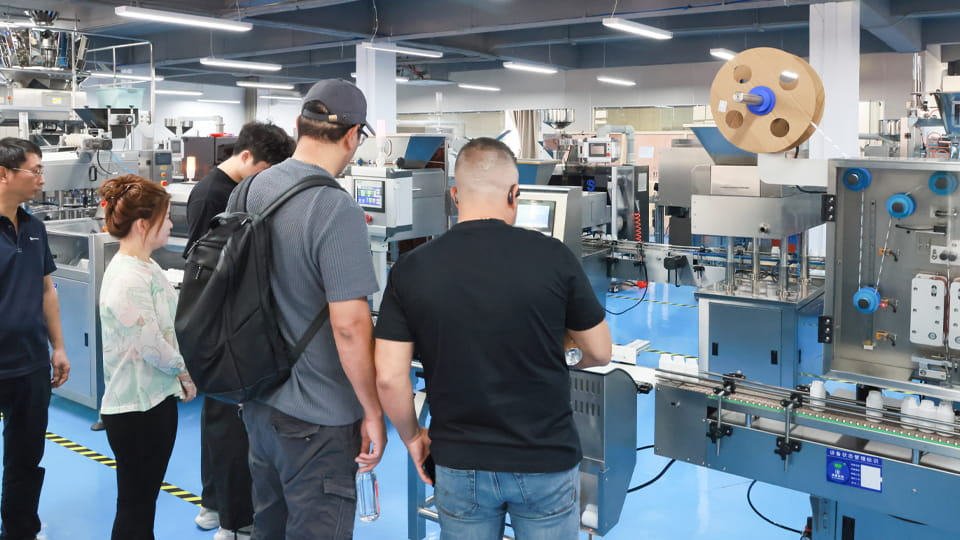
Come scegliere il fornitore giusto
La collaborazione con il giusto produttore di attrezzature è importante quanto la scelta della macchina stessa. Cercare:
- Competenza nel settore: Fornitori specializzati in attrezzature farmaceutiche sarà aggiornato sugli standard e sui protocolli di validazione FDA/EMA/OMS. Possono consigliare il layout e i controlli di qualità. Come afferma una guida, “La macchina che scegli deve corrispondere alla tua forma di dosaggio, formato di imballaggio, requisiti normativi, e capacità produttiva”, quindi l'esperienza conta.
- Supporto per la convalida: Assicurarsi che il fornitore fornisca la documentazione completa: Piani di test di accettazione in fabbrica/sito, Protocolli IQ/OQ/PQ, valutazioni del rischio, e pacchetti di convalida del software. Idealmente assisteranno anche con l'esecuzione del SAT.
- Servizio post-vendita: Controlla i termini di garanzia e il modo in cui l'azienda gestisce i pezzi di ricambio e l'assistenza. Hanno un ufficio locale o un distributore? È disponibile il supporto remoto? Un fornitore in grado di spedire rapidamente parti o inviare tecnici ridurrà al minimo i tempi di inattività.
- Reputazione & Riferimenti: Richiedi referenze o casi di studio di installazioni simili. Scegliere aziende con un forte supporto tecnico, team di servizio globali, progetti farmaceutici validati, e comprovata affidabilità della macchina.
- Capacità di personalizzazione: La tua produzione potrebbe avere esigenze uniche (materiali speciali, specifiche per camere bianche, ecc.). Un buon fornitore personalizzerà le macchine (per esempio. camere speciali, aggiunta automazione, lingua dell'interfaccia utente) alle vostre esigenze. Salita, Per esempio, offre linee chiavi in mano adatte alle esigenze di spazio e di processo.
Controllando attentamente i fornitori su questi punti, riduci il rischio del progetto. Ricordare: “Il giusto partner per le attrezzature diventa un’estensione dei vostri team di qualità e ingegneria”.
Diagramma di flusso di selezione
Per chiarezza, ecco un semplice diagramma di flusso delle fasi di selezione:

Passaggi successivi
Scegliere la macchina giusta è un processo complesso ma gratificante. Si consiglia di scrivere un dettagliato Specifica dei requisiti utente (UR) per la tua squadra, elencando tutte le funzionalità indispensabili sopra. Quindi sollecita preventivi e schede tecniche da fornitori affidabili. Prima dell'acquisto, richiedere un Test di accettazione in fabbrica E, se possibile, una prova in loco con i tuoi prodotti reali.
A Macchine per l'imballaggio JinLu, siamo specializzati in linee di confezionamento farmaceutico end-to-end. I nostri prodotti (filler di capsule, confezionatrici in blister, macchine per contare, astucciatori, ecc.) sono progettati per la conformità e la precisione GMP. Ti invitiamo a esplorare le pagine dei nostri prodotti (Vedere Collegamenti interni sotto) e contatta i nostri ingegneri per soluzioni personalizzate. Se hai bisogno di una linea di astucciamento automatica, una macchina blister semiautomatica, o una linea di bottiglie completamente integrata, possiamo guidarti attraverso il processo di selezione e validazione.
Domande frequenti sulla confezionatrice farmaceutica
Cos’è esattamente una “macchina per l’imballaggio farmaceutico”?
Si tratta di qualsiasi apparecchiatura automatizzata utilizzata nell'industria farmaceutica per confezionare farmaci. Ciò può includere macchine per il riempimento di liquidi in fiale, contare le compresse in flaconi, pillole bollenti nei vassoi, astucciare i prodotti in scatole, e così via. Essenzialmente, qualsiasi macchinario che aiuti a contenere, etichetta, foca, o il farmaco in bundle fa parte dell'attrezzatura per l'imballaggio farmaceutico.
Perché gli standard GMP sono così importanti per queste macchine?
Buona pratica di produzione (GMP) standard (FDA 21CFR, GMP dell’UE, Guida dell'OMS) assicurati che i tuoi prodotti siano costantemente di alta qualità. Le macchine conformi hanno un design igienico (acciaio inossidabile 316L, superfici pulibili), controlli validati (accurato, operazioni tracciabili), e documentazione adeguata. Le apparecchiature non conformi rischiano contaminazioni o errori di produzione che potrebbero portare a richiami o citazioni normative.
Quanto costano queste macchine?
I costi variano ampiamente in base al tipo di macchina e alla complessità. Un semplice contapillole semiautomatico da banco potrebbe costare qualche migliaio di dollari, mentre una linea automatica per blister ad alta velocità o una linea per bottiglie integrata può costare decine o addirittura centinaia di migliaia. Considera sempre il costo totale di proprietà (vedere sopra). È meglio ottenere preventivi da diversi fornitori dopo aver definito le tue esigenze.
Quale macchina confezionatrice è la migliore per i tablet?
Dipende dal formato. Per il conteggio delle compresse in flaconi o sacchetti, l'ideale è una macchina automatica per il conteggio/riempimento. Per confezioni monodose, una macchina blister è comune. Per il confezionamento sfuso in bottiglia, una linea automatica di riempimento e tappatura bottiglie (con un bancone per compresse a monte) viene utilizzato. Alcune aziende utilizzano anche macchine stick-pack o bustine per il confezionamento di compresse monodose. Valuta i pro/contro di ciascun formato (costo, protezione, preferenza dell'utente) prima di scegliere la macchina.
I miei prodotti sono sensibili all'umidità. Cosa dovrei considerare?
Per compresse o capsule sensibili all'umidità, potresti aver bisogno della forma a freddo (Alu-Alu) macchine blister o sistemi essiccanti specializzati. Assicurarsi che i sigilli della macchina siano di qualità farmaceutica, e prendere in considerazione opzioni di essiccazione integrata o inertizzazione con azoto. I materiali di imballaggio stessi (lamina vs. Pellicola in PVC) sono ugualmente importanti.
Posso utilizzare una macchina per più prodotti?
Molte macchine sono in qualche modo regolabili, ma passare da un prodotto drasticamente diverso all’altro può essere impegnativo. Scegli attrezzature con ricette/impostazioni per diversi formati. Senza attrezzi, gli utensili a cambio rapido rendono possibile la gestione di più SKU sulla stessa macchina. Tuttavia, se prevedi un'ampia varietà di prodotti, macchine modulari o più linee dedicate possono essere più efficienti.
Riferimenti:
1.Linee guida sul confezionamento dei prodotti farmaceutici(Allegato 9) - CHI.
2.Domande e risposte sugli attuali requisiti delle buone pratiche di produzione | Attrezzatura - NOI. Amministrazione degli alimenti e dei farmaci.
3.Imballaggio GMP in 2026: Requisiti, Linee guida, Controlli, e imballaggio primario vs secondario – pharmuni.com.
4.Normative e standard globali sugli imballaggi – Navigatore GMP.