
- Macchine
- Competenza
- Risorse
- Certificati
- Di
- Contatto
- Macchine
- Competenza
- Risorse
- Certificati
- Di
- Contatto
Acquistare nuove apparecchiature farmaceutiche è solo metà del lavoro: la vera domanda è questa: può superare il QI, OQ, e PQ?
In produzione farmaceutica, una macchina che non può essere adeguatamente qualificata rappresenta un rischio, non una risorsa. Le autorità di regolamentazione si aspettano prove chiare che le apparecchiature siano installate correttamente, opera entro dei limiti, e funziona in modo coerente in condizioni di produzione reali . Senza quello, anche la linea di confezionamento più avanzata non può essere utilizzata nella produzione GMP.
Ecco perché comprendere il QI, OQ, e la PQ non è solo un dettaglio tecnico: ha un impatto diretto sulla tua conformità, cronologia del progetto, e se il tuo investimento offre effettivamente valore.
QI, OQ e PQ stare per Qualificazione dell'installazione, Qualificazione operativa, E Qualificazione delle prestazioni. Si tratta di passaggi sequenziali nella qualificazione delle apparecchiature prima dell'uso nella produzione farmaceutica GMP. Insomma: QI controlla che la macchina sia installata correttamente; OQ verifica che funzioni correttamente con tutte le impostazioni richieste; PQ verifica che funzioni in modo coerente durante la produzione reale. Secondo la FDA, Per “qualificazione” si intende dimostrare che l'attrezzatura è idonea all'uso previsto. IQ/OQ/PQ sono le attività documentate per dimostrare ogni fase di idoneità e funzionamento. Insieme, fanno parte dell'insieme convalida processo per un sistema produttivo, garantire la qualità e la conformità del prodotto.
Qualificazione dell'attrezzatura vs. Convalida del processo: IQ/OQ/PQ si concentrano sulla macchina (la “qualificazione delle apparecchiature”), mentre la validazione del processo copre l'intero processo di produzione. In pratica, la qualificazione delle apparecchiature è spesso il primo passo in un piano generale di convalida. Completando IQ/OQ/PQ su un riempitivo per capsule, macchina per blister, linea di bottiglie, ecc., un produttore ottiene prove documentate che l'apparecchiatura soddisfa le specifiche ed è pronto per la produzione.
| Palcoscenico (IR/WH/PQ) | Scopo | Attività chiave / Test | Documenti tipici prodotti |
| QI | Verificare la corretta installazione delle apparecchiature | Controlla la posizione, utilità (energia, aria, acqua), installazione secondo manuale; registrare i numeri di serie e gli accessori | Protocollo/lista di controllo e rapporto IQ |
| OQ | Verificare le funzioni operative entro i limiti | Eseguire test a tutti gli intervalli operativi (velocità minima/massima, temperature, pressioni); testare allarmi e interblocchi, verificare i controlli | Protocollo e rapporto OQ |
| PQ | Dimostrare prestazioni costanti nella produzione | Esegui più lotti di produzione con il prodotto reale (o fingere) nelle condizioni peggiori; controllare le uscite (prodotto, precisione) | Protocollo e rapporto PQ |
Tavolo 1: Confronto del QI, OQ, Fasi del PQ (adattato dagli standard di settore).
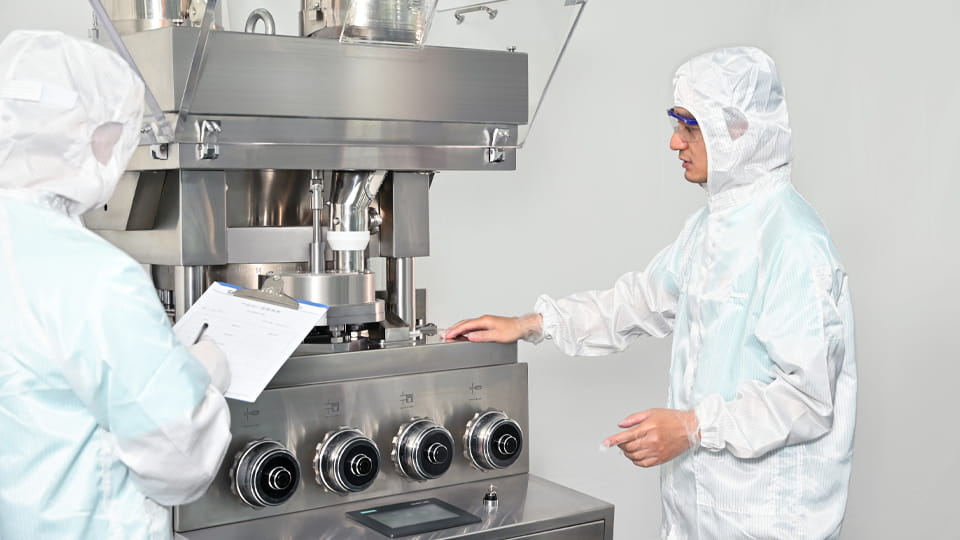
Attrezzature farmaceutiche devono rispettare le rigorose norme GMP. Negli Stati Uniti, della FDA 21 CFR parte 211 (farmaceutico) E 21 CFR 820 (dispositivi medici) richiedono esplicitamente la validazione dei sistemi di produzione. IQ/OQ/PQ costituiscono la spina dorsale di questa conformità. Per esempio, la FDA afferma che le attività di qualificazione “precedono necessariamente la fabbricazione dei prodotti su scala commerciale”. Nell'UE, Allegato GMP 15 allo stesso modo impone la qualificazione delle apparecchiature durante tutto il loro ciclo di vita. L’obiettivo è garantire che le apparecchiature producano in modo affidabile prodotti sicuri.
Senza un adeguato IQ/OQ/PQ, le aziende corrono rischi seri: difetti del prodotto, richiami di lotti, citazioni normative, e rischi per la sicurezza. Una qualificazione adeguata crea fiducia nella macchina In realtà fa quello che dovrebbe fare, ad esempio, che una macchina blisteratrice chiuda alla giusta temperatura o che un riempitivo liquido eroghi il volume corretto. In pratica, un programma di validazione completo aiuta ad evitare sorprese: “Se fatto correttamente, le tre fasi di qualificazione sono meticolose e richiedono molto tempo. Tuttavia, sono fondamentali per garantire processi ripetibili e una qualità stabile del prodotto”. Insomma, IQ/OQ/PQ sono obbligatori nelle impostazioni GMP. Per qualsiasi linea di confezionamento (vescica, bottiglia, cartoniere, ecc.), IQ/OQ/PQ sono necessari per soddisfare i requisiti FDA e UE. Le macchine Jinlu sono dotate di modelli di documentazione IQ/OQ/PQ completi, Perché, come dicono i nostri esperti, “la macchina deve essere pronta per la validazione”.
Nel Fase del QI, verifichiamo che l'attrezzatura venga consegnata e allestita correttamente. Ciò significa ispezionare la macchina e il suo ambiente prima di qualsiasi test di produzione. I principali controlli del QI includono:
L'output di IQ è un rapporto/protocollo IQ scritto che documenta ogni controllo e conferma "l'installazione come previsto". Se qualcosa non rientra nelle specifiche, deve essere corretto prima di andare avanti. Un QI positivo significa che "l'apparecchiatura è installata come previsto", un prerequisito per qualsiasi test. (In pratica, alcuni test possono iniziare nel QI come elementi “pronti per il test”., ma i criteri di accettazione sono OQ/PQ.)
OQ testa le funzioni dell’apparecchiatura in condizioni controllate. Ora che la macchina è installata correttamente, verifichiamo tutti i parametri di funzionamento e sistemi di controllo. OQ in genere include:
IL Rapporto bianco mostrerà i risultati di ciascun test e li confronterà con i criteri di accettazione (che provengono dalle specifiche di progettazione o dall'URS). Solo dopo che l'OQ è passato si procede. (Talvolta OQ e IQ possono sovrapporsi in un report combinato denominato IOQ, ma la logica rimane sequenziale.)
Uno degli obiettivi chiave di OQ è: “In tutte le condizioni specificate, la macchina fa quello che dovrebbe fare?" Se qualcosa fallisce (per esempio. un sensore è disallineato), è stato corretto e testato di nuovo.
PQ è la fase finale, dove dimostriamo che l'attrezzatura funziona correttamente durante la produzione effettiva. Mentre OQ potrebbe essere stato fatto vuoto, PQ utilizza prodotti reali o simulati. I passaggi includono:
Alla fine del PQ, ne abbiamo la prova documentata "L'attrezzatura qualificata produce costantemente prodotti conformi in condizioni reali." In altre parole, la macchina è pronta per la produzione GMP.
Per esempio, se il PQ ha successo su una macchina riempitrice di capsule, sappiamo che la sua precisione di dosaggio, inserimento della capsula, e la velocità del rotore funzionano durante i turni senza deriva. Ciò completa il “triangolo” di validazione e dà fiducia al QA/Normativo che la linea non produrrà lotti difettosi. Successivamente l'attrezzatura viene rilasciata per la produzione di routine e inclusa nei programmi di manutenzione periodica.
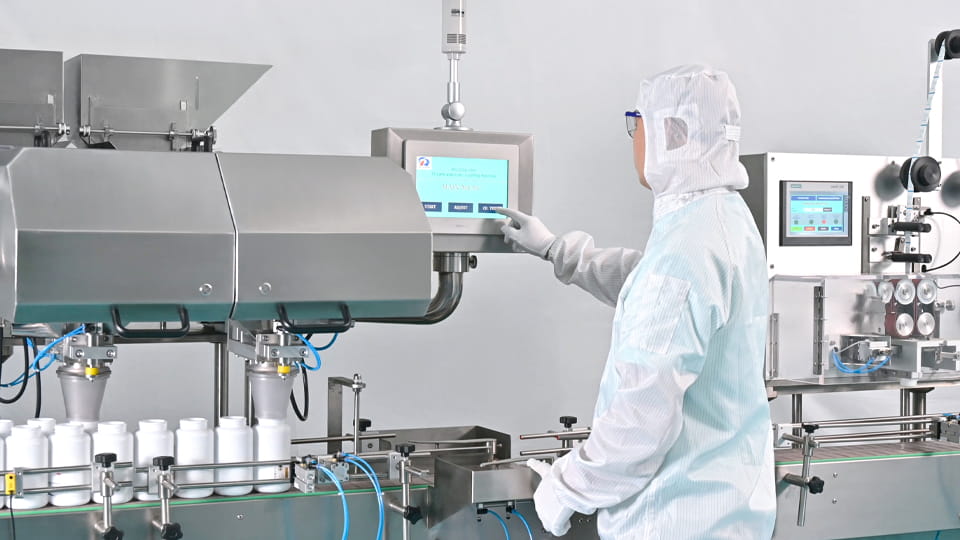
È importante chiarire la terminologia. Qualificazione di solito si riferisce all'attrezzatura, mentre convalida spesso si riferisce a processi o sistemi. In molti framework GMP, Vengono considerati IQ/OQ/PQ parti di convalida di un sistema produttivo. In questo senso:
Così, l'attrezzatura IQ/OQ/PQ qualifica le macchine. Un separato Convalida del processo collegherebbe quelle macchine all’effettivo processo di produzione (come la compressione delle compresse più il rivestimento, ecc.). Infatti, A volte vengono chiamati IQ/OQ/PQ Qualificazione dell'attrezzatura (EQ) passi. UN Qualifica di progettazione (DQ) il passo può precedere il QI, garantire che il design soddisfi i requisiti degli utenti (UR) prima di costruire o acquistare attrezzature.
Ecco un semplice flusso di fasi nel ciclo di vita di un progetto:

Ogni freccia è un passaggio di consegne: devi finire DQ (verificare che il design soddisfi l'URS) prima del QI (verificando la corretta installazione). Solo dopo aver completato la PQ è possibile dichiarare che l'apparecchiatura è stata convalidata e iniziare la convalida del processo (per esempio. condurre vere e proprie campagne di produzione).
La qualificazione dell'attrezzatura fa parte dell'attrezzatura complessiva ciclo vitale:
Ogni passaggio produce documentazione. Per esempio, Le confezionatrici Jinlu vengono consegnate con un Kit di validazione IQ/OQ/PQ e protocolli FAT/SAT. Ciò significa che l’acquirente può risparmiare tempo utilizzando i modelli del produttore durante la qualificazione. Una sequenza temporale tipica potrebbe durare settimane o mesi a seconda della complessità.
Secondo FDA/UE, team di QA e ingegneri addestrati (e talvolta consulenti esterni) dovrebbe condurre o assistere a questi passaggi. La conclusione: un disciplinato, il flusso documentato dalla progettazione alla PQ garantisce che la vostra linea sia conforme.
Ogni tipo di macchina confezionatrice in uno stabilimento GMP necessita di qualificazione. Ecco alcuni esempi comuni:

Immagine: Una riempitrice semiautomatica per capsule (JinluCGNT-209). La validazione di tali macchine comporta controlli accurati dell'orientamento delle capsule, precisione del dosaggio, e sigillatura durante IQ/OQ/PQ.
Esempio di caso: Riempitrice per capsule IQ/OQ/PQ
Per illustrare, immagina di qualificarti a riempitrice di capsule completamente automatica per le vitamine:
Una volta completati questi passaggi con il superamento dei risultati, il riempitivo della capsula è qualificato per la produzione. È pronto per iniziare a confezionare prodotti reali in tutta sicurezza.
Nonostante la sua importanza, la qualificazione delle apparecchiature spesso incontra ostacoli:
L’esperienza di Jinlu è questa il modo migliore per superare queste sfide è la pianificazione. Inizia presto la pianificazione della convalida, definire l'URS e il piano di test con il fornitore, e garantire che tutte le parti interessate concordino sui criteri. Anche l'utilizzo di modelli ed elenchi di controllo accelera il processo.
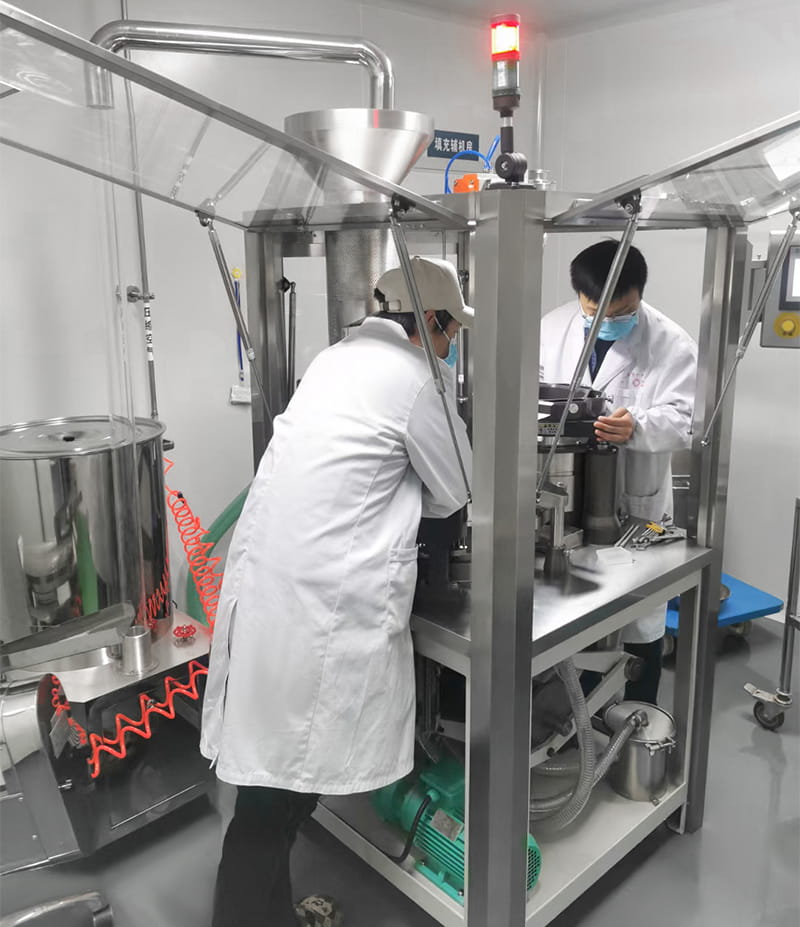
Per semplificare IQ/OQ/PQ e garantire un risultato conforme:
Seguendo queste migliori pratiche, le aziende possono ridurre le sorprese durante gli audit. Come nota spesso il fondatore di Jinlu, Petty Fu: scegliendo macchine da fornitori GMP esperti “assicura che arrivino con risultati precisi, certificati di conformità, e sostegno locale”. In altre parole, convalidare con fiducia e scegliere un partner che parli già di convalida.
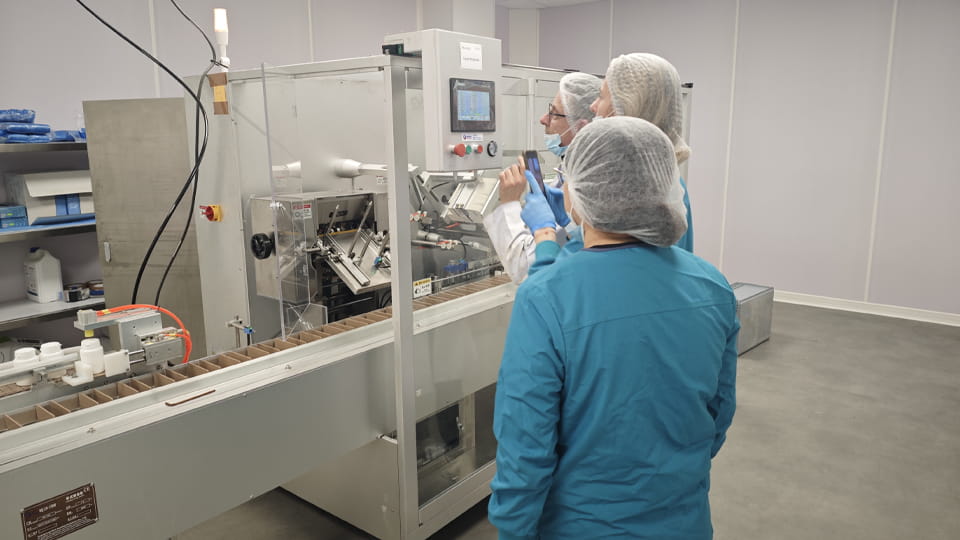
Nella produzione farmaceutica, QI, OQ, e PQ non sono negoziabili. Queste fasi di convalida strutturate dimostrano che la tua attrezzatura, dalle riempitrici di capsule alle confezionatrici di blister fino alle linee di bottiglie, è adatta allo scopo e conforme alle GMP. Un programma IQ/OQ/PQ ben eseguito aiuta a prevenire errori costosi e garantisce una qualità costante.
La scelta di un fornitore con un forte supporto per la convalida è fondamentale. Le macchine per l'imballaggio farmaceutico di Jinlu Packing vieni con Design pronto per GMP E documentazione completa (Protocolli FAT/SAT/IQ/OQ/PQ) per semplificare la conformità. Il nostro team può aiutarti a definire URS, eseguire test IQ/OQ, e generare i report richiesti.
👉 Alla ricerca attrezzature farmaceutiche che semplifica la conformità? Contatta Jinlu oggi stesso per macchine per l'imballaggio con supporto completo IQ/OQ/PQ e servizi di convalida chiavi in mano. Ci assicureremo che la tua nuova linea sia installata, testato, e documentato per una certificazione GMP senza problemi.
In termini semplici, Qualificazione dell'installazione (QI) garantisce che l'apparecchiatura sia installata correttamente (giusta posizione, utilità, e componenti). Qualificazione operativa (OQ) testa le funzioni dell'apparecchiatura in impostazioni normali ed estreme (confermando tutti i controlli, allarmi, e limiti). Qualificazione delle prestazioni (PQ) conferma che l'apparecchiatura può funzionare in modo coerente nella produzione effettiva, utilizzando materiali e condizioni reali. Insieme, IQ/OQ/PQ documentano che la macchina funziona come previsto.
SÌ. Linee guida normative (FDA, Unione Europea, CHI) richiedono che tutte le apparecchiature critiche in uno stabilimento farmaceutico siano qualificate prima dell'uso. Per esempio, della FDA 21 CFR 211 e l'allegato GMP dell'UE 15 entrambi impongono una rigorosa qualificazione delle apparecchiature. Saltare IQ/OQ/PQ comporta il rischio di violazioni normative e potenziali richiami di prodotti. In pratica, qualsiasi nuova macchina confezionatrice in una linea farmaceutica (vesciche, riempitivi, astucciatori, ecc.) deve essere convalidato tramite IQ/OQ/PQ se tocca il prodotto.
In genere è uno sforzo congiunto. Il fornitore della macchina spesso fornisce assistenza fornendo la documentazione ed eseguendo test di accettazione in fabbrica. Conduce il team di qualità/convalida dell'acquirente (o testimoni) il sito IQ/OQ/PQ. Spesso, l'OEM (Salita, Per esempio) offre servizi di convalida o guida come parte della messa in servizio. Alla fine, la società acquirente è responsabile di garantire che IQ/OQ/PQ siano completati e documentati prima della fabbricazione del prodotto.
PQ viene dopo che IQ e OQ sono stati completati con successo. Una volta installata la macchina (QI) e i test funzionali superano (OQ), La PQ viene eseguita durante i cicli di produzione effettivi o simulati. Di solito è il passaggio finale: Per esempio, eseguire tre lotti consecutivi o una prova di produzione su vasta scala monitorando le prestazioni. La PQ si verifica spesso durante il periodo di messa in servizio iniziale, prima che la linea venga ufficialmente rilasciata alla produzione di routine.
Assolutamente. Anche se l'imballaggio sembra semplice, le autorità di regolamentazione lo trattano come parte del processo di produzione controllato. Ogni macchina per l'imballaggio primario deve essere qualificata. Ad esempio, come notato sul sito di Jinlu, “per i prodotti regolamentati, eseguire l'installazione, qualificazione operativa e prestazionale (IR/WH/PQ) come richiesto”. È necessario dimostrare che una macchina astucciatrice che gestisce il tuo prodotto finito funziona correttamente (per esempio. piega i cartoni in modo affidabile, inserisce etichette), che IQ/OQ/PQ realizzano. In sostanza, qualsiasi attrezzatura che potrebbe influenzare la qualità o la tracciabilità del prodotto richiede una qualificazione.
Riferimenti:
1.Documento Ufficiale di Qualificazione e Validazione – Allegato GMP dell’UE 15.
2.ALLEGATI GUIDA ALLE BUONE PRATICHE DI FABBRICAZIONE DEI MEDICINALI – Allegato della guida GMP PIC/S 15 (Standard GMP globale).
3.La Storia & Il futuro della convalida – ispe.org.
4.Qualificazione (DQ, QI, OQ, PQ) – gempex.com.