
- Macchine
- Competenza
- Risorse
- Certificati
- Di
- Contatto
- Macchine
- Competenza
- Risorse
- Certificati
- Di
- Contatto
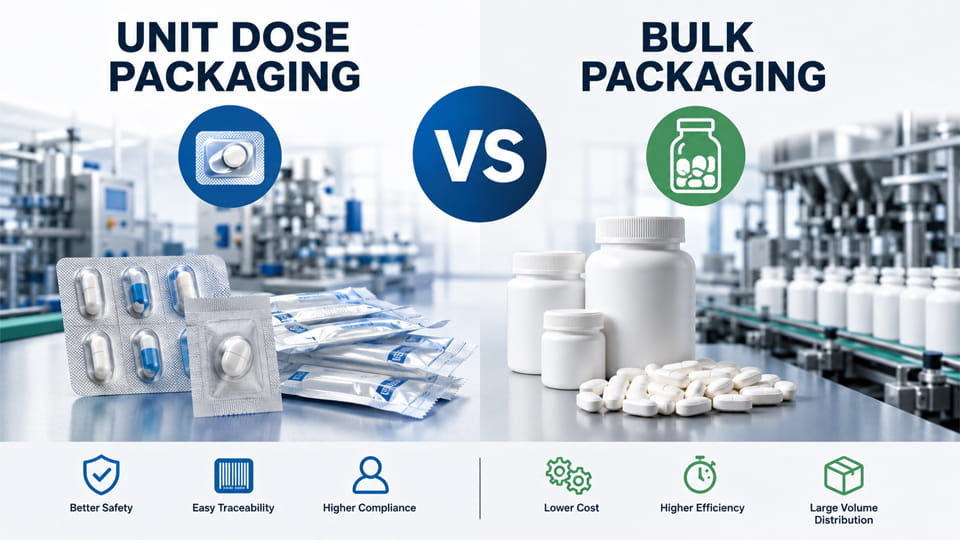
Introduzione: Un blister è un imballaggio in plastica preformato ampiamente utilizzato nei prodotti farmaceutici per proteggere e dispensare pillole, capsule, o compresse. Tipicamente è costituito da un termoformato (o formato a freddo) cavità in plastica sigillata contro uno strato di supporto (solitamente un foglio di alluminio o una pellicola laminata). Ogni cavità contiene una singola dose, creando uno scomparto isolato per “dose unitaria” che mantiene i farmaci freschi e a prova di manomissione. Per esempio, i blister hanno guadagnato importanza per la prima volta negli anni '60 per il confezionamento di compresse contraccettive, dimostrando la loro efficacia. I blister sono apprezzati perché uniscono la visibilità e la protezione del prodotto alla praticità: i pazienti possono vedere ciascuna pillola e rimuovere una dose alla volta, mentre le dosi rimanenti rimangono sigillate e igieniche.
 Figura: Blister contenenti compresse. Ogni pillola è sigillata individualmente tra una cavità di plastica preformata e un supporto in alluminio, offrendo visibilità e protezione.
Le confezioni blister assicurano che ciascuna dose rimanga isolata dall'umidità, aria, e manomissione. Sono utilizzati a livello globale perché uniscono la comodità, sicurezza del paziente, e stabilità. I pazienti beneficiano del formato a dose unitaria, spesso con etichette stampate con il giorno della settimana, per seguire i regimi in modo accurato. Nel frattempo, le farmacie e i produttori apprezzano i blister per il loro rapporto costo-efficacia e per l'attrattiva sullo scaffale. Ad esempio, i blister medicali rigidi vengono talvolta utilizzati per l'imballaggio di dispositivi e kit (sebbene questi differiscano dai blister delle compresse). Insomma, confezione in blister collega la scienza farmaceutica e la progettazione pratica: protegge ogni dose facilitando la manipolazione e il dosaggio per consumatori e medici.
Le confezioni blister offrono vantaggi chiave per i prodotti farmaceutici:
Queste caratteristiche spiegano perché i blister (altri articoli correlati:Prodotti farmaceutici: Confezione in blister vs bottiglie) rimangono il formato preferito per compresse e capsule negli imballaggi sanitari.
Le confezioni blister sono prodotte su macchine specializzate che formano cavità, riempirli di prodotto, e quindi sigillare un materiale di supporto sopra. Esistono due metodi principali di formatura:

Figura: Una macchina confezionatrice blister ad alta velocità (per esempio. La serie DPP-270 di Jinlu) usato per formare, riempire, e sigillare le vesciche. Molte macchine possono essere confezionate 11,000 singoli blister all'ora.
La scelta del metodo dipende dalle esigenze del farmaco. I blister termoformati in PVC/alluminio sono più comuni per i prodotti farmaceutici di routine. Sono trasparenti ed economici, adatto per compresse e capsule la cui sensibilità è da bassa a moderata. Pacchi Alu-Alu formati a freddo, per contrasto, sono utilizzati per farmaci estremamente sensibili all'umidità o di alto valore (come i prodotti biologici o alcune vitamine). In pratica, molti produttori utilizzano un mix: Alu-Alu ad alta barriera per i prodotti più sensibili e PVC-Alu per le linee mass-market.
I blister possono essere classificati in base ai materiali e alla struttura. I tipi di chiave includono:


La tabella seguente mette a confronto questi principali tipi di blister:
| Tipo | Materiali & Processo | Protezione | Visibilità | Usi comuni |
| Alu-Alu (Forma a freddo) | Laminato di alluminio (per esempio. OPA/Al/PVC) formato a freddo; Sigillo in alluminio | Migliore: quasi impermeabile all'umidità, ossigeno, e luce | Opaco (nessuna vista) | Farmaci sensibili all'umidità/di alto valore (biologici, pillole speciali) |
| PVC/Alluminio (Termoformatura) | PVC termoformato (o PVC/PVDC) foglio; con supporto in lamina | Moderato – buona visibilità; Solo PVC (migliorato con PVDC) | Trasparente | Compresse/capsule standard; confezioni a dose giornaliera |
| PVC/PVDC/Alluminio (Barriera alta) | Film multistrato in PVC/PVDC termoformato; con supporto in lamina | Elevata: resistenza all'umidità/ossigeno significativamente migliore rispetto al solo PVC | Trasparente | Generici sensibili che necessitano di stabilità estesa |
| Alluminio-PVC-Alluminio (Ibrido) | Laminato alluminio/PVC/Al formato a freddo; con supporto in lamina | Molto alta – barriera all’umidità/ossigeno simile a quella dell’Alu-Alu | Parzialmente visibile (parzialmente opaco) | Farmaci di fascia media che necessitano sia di barriera che di visione |
| Conchiglia/vassoio (Rigido) | PVC o PET rigido che formano un contenitore incernierato (nessun sigillo in lamina) | Basso: protegge dalla manipolazione ma non sigilla dall'umidità | Trasparente | Dispositivi medici, articoli di grande consumo (farmaci non pillola) |
Questa panoramica mostra perché i blister sono così versatili: variando i film plastici, strati di lamina, e disegni di cavità, i produttori adattano il pacchetto alle esigenze di stabilità di ciascun farmaco.
Le confezioni blister vengono realizzate su linee di produzione ad alta velocità che integrano la formatura, riempimento, e sigillatura. In una linea tipica, un rotolo di pellicola formatrice (plastica o alluminio) viene alimentato in una stazione di formatura (termoformatura o formatura a freddo) per creare cavità. Le compresse o le capsule vengono quindi distribuite in ciascuna tasca mediante alimentatori vibranti o teste di prelievo e posizionamento. Prossimo, un foglio di alluminio (o plastica laminata) il supporto viene svolto e allineato sopra le cavità riempite. Questo supporto è stampato con informazioni sul lotto e sulla scadenza (utilizzando codificatori in linea) e poi termosaldato sul foglio blister sotto pressione. Dopo la sigillatura, i blister vengono tagliati e alimentati alla fase successiva.
Queste macchine funzionano estremamente velocemente. Per esempio, alcune macchine blister possono confezionarsi 11,000 singoli blister all'ora. Produttore di macchine per il confezionamento di prodotti farmaceutici Jinlupacking sottolinea che il concetto “precision, velocità, e le caratteristiche di automazione” delle macchine moderne sono fondamentali per soddisfare le richieste farmaceutiche di volumi elevati. I sistemi di visione in linea controllano continuamente i livelli di riempimento e la qualità delle guarnizioni, rifiutando automaticamente eventuali pacchi difettosi. Inoltre, l'integrità del pacco viene verificata mediante prove di tenuta (per esempio. immersione sottovuoto) per rilevare anche piccole rotture dei sigilli. Il risultato finale è un'elevata produttività di uniformi, blister sigillati in modo affidabile, pronto per l'astucciamento finale.
Perché queste macchine gestiscono tutto, dalla formatura all'etichettatura, svolgono un ruolo chiave nella sicurezza del prodotto. Sono progettati per soddisfare gli standard di pulizia e qualità farmaceutica, spesso operando in ambienti controllati. I produttori integrano anche la serializzazione e i test per conformarsi alle normative. Infatti, l'imballaggio in blister è soggetto a severi controlli normativi: i materiali che entrano in contatto con i farmaci devono soddisfare la purezza della farmacopea e gli standard GMP. Le linee blister in genere hanno la stampa in linea in modo che ogni confezione riporti i numeri di lotto, Date di scadenza, e dosare le istruzioni direttamente sulla pellicola. Queste misure (oltre a prove di manomissione integrate) contribuire a garantire che i farmaci confezionati in blister siano sicuri, autentico, e pienamente conforme alle normative globali.
Figura: Una macchina confezionatrice blister in azione. La macchina riscalda e forma cavità nella plastica o nella pellicola, li riempie di prodotto, e sigilla il coperchio in alluminio. L'automazione garantisce il confezionamento di migliaia di dosi uniformi all'ora.
L'industria dei blister continua ad evolversi. Per esempio, i blister con chiusura a freddo utilizzano adesivo sensibile alla pressione invece del calore, che è utile per i farmaci sensibili al calore. I produttori aggiungono anche funzionalità a misura di paziente: pellicole passanti a prova di bambino, pellicole di copertura pelabili, o blister calendario con stampa del giorno della settimana. Nella progettazione del packaging, i film ad alta barriera continuano a migliorare; alcune aziende utilizzano alternative al PVC (per esempio. polipropilene o PCTFE) per una maggiore stabilità. Materiali speciali come Tyvek o carta patinata consentono di staccare facilmente i blister o di renderli più riciclabili.
La sostenibilità è un focus crescente. Alcuni modelli “a conchiglia” utilizzano laminati di plastica e cartone PET riciclabili. I blister interamente in alluminio sono completamente riciclabili (ogni componente è in metallo), mentre le confezioni miste PVC/foglia sono più difficili da riciclare. In futuro, potrebbero entrare in gioco polimeri di origine vegetale o laminati completamente biodegradabili. Le tendenze emergenti esplorano anche i “blister intelligenti”: ad esempio, prototipi di schede con elettronica incorporata o sensori stampati che potrebbero ricordare ai pazienti di prendere una pillola o confermare una dose. Tali innovazioni sono ancora in gran parte sperimentali, ma evidenziano come i blister possano integrare nuove tecnologie.
Perché i prodotti farmaceutici sono distribuiti in tutto il mondo, Anche i design dei blister devono soddisfare esigenze diverse. Gli imballaggi destinati ai climi tropicali possono utilizzare barriere antiumidità aggiuntive; i requisiti a prova di bambino variano in base al Paese. Questa adattabilità globale, combinata con i principali vantaggi dei blister, mantiene questo formato all’avanguardia nel confezionamento dei farmaci.
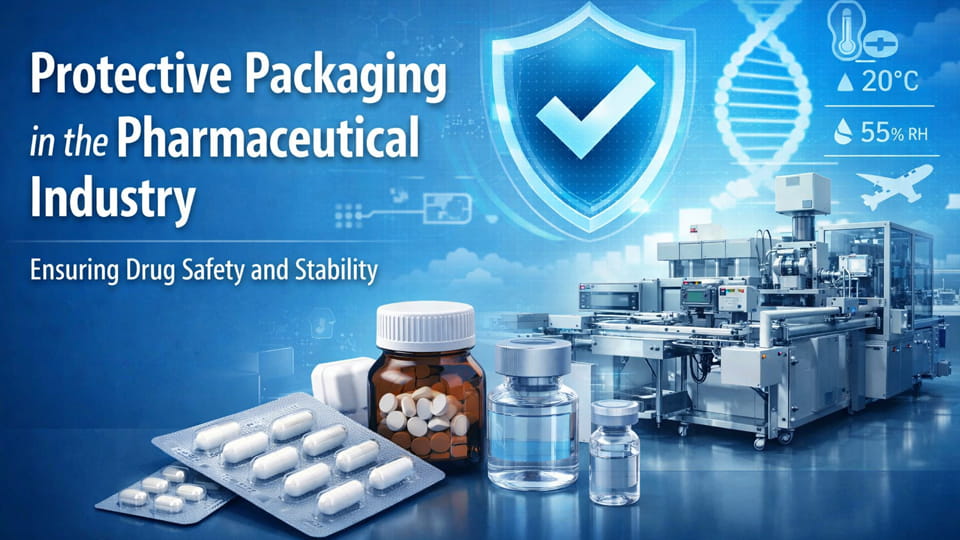
Nella confezione farmaceutica, qualità e regolamentazione guidano ogni scelta progettuale. I materiali del blister devono essere conformi a rigorosi standard medici (ISO 15378) e requisiti GMP. Le linee di produzione prevedono controlli rigorosi: come notato, ogni confezione riceve identificatori stampati (codice lotto, scadenza) per la tracciabilità, e i blister sigillati vengono sottoposti a test di tintura o vuoto per individuare eventuali perdite. Design a prova di manomissione (per esempio. buste di alluminio evidenti una volta aperte) hanno il compito di garantire la sicurezza. Tutti questi controlli, insieme ai dati materiali convalidati (velocità di trasmissione dell'umidità, ecc.), garantire che i farmaci confezionati in blister rimangano sicuri, stabile, e conformi per tutta la loro durata di conservazione.
I blister rimangono una soluzione indispensabile per imballaggio farmaceutico. Combinano la protezione del prodotto, precisione della dose, sicurezza del paziente, ed efficienza produttiva in un unico formato. Scegliendo il tipo di blister appropriato (Per esempio, PVC/Go contro Go-Go) e utilizzando moderno macchine blister, i produttori di farmaci garantiscono che i farmaci rimangano stabili e a prova di manomissione dalla fabbrica al paziente. L'imballaggio in blister incarna l'intersezione tra rigore scientifico e design pratico nel settore farmaceutico. Con continui miglioramenti nei materiali, automazione delle macchine, e anche funzionalità digitali, il blister continua a definire lo standard per la somministrazione sicura ed efficace dei farmaci ai pazienti. Per ora, è una testimonianza di quanto un design efficace del packaging possa proteggere la salute dei pazienti.
Un blister è un formato di confezionamento monodose ampiamente utilizzato nell'industria farmaceutica. Solitamente è costituito da una cavità preformata in plastica (o un laminato di alluminio), tenendo una singola compressa o capsula, che è sigillato contro uno strato di supporto (spesso un foglio di alluminio o una pellicola laminata). Questo design aiuta a proteggere il farmaco dall'umidità e dalla contaminazione e semplifica la manipolazione e il dosaggio.
I tipi principali includono:
• Alluminio-Alu (forma fredda) pacchetti di blister
• PVC/Alluminio (termoformato) pacchetti di blister
• PVC/PVDC/Alluminio (termoformato ad alta barriera) pacchetti di blister
• Alluminio-PVC-Alluminio (laminato ibrido) pacchetti di blister
• Formati blister rigidi a conchiglia oa vassoio per dispositivi speciali
Ogni tipo varia nel materiale, livello di protezione, visibilità (trasparente vs opaco), e costo.
Nella termoformatura, una pellicola di plastica (ad esempio PVC o PVC/PVDC) è riscaldato, formati in cavità, riempito con il prodotto e poi sigillato con un supporto in alluminio. La formatura a freddo utilizza una pellicola laminata di alluminio che viene pressata (senza calore) in uno stampo e quindi sigillato, fornendo una protezione barriera superiore ma risultando in un imballaggio opaco. La scelta tra loro dipende dalla sensibilità del farmaco all’umidità, ossigeno o luce.
Una macchina confezionatrice per blister (chiamata anche macchina blister) automatizza la formatura, riempimento e sigillatura di blister ad alta velocità mantenendo qualità e consistenza. Garantisce un dosaggio accurato, tenuta adeguata, stampa in linea (numero di lotto, scadenza), ispezione e rispetto degli standard normativi. Ciò porta a una produzione efficiente di grandi volumi di casseforti, confezione a prova di manomissione.
Dovresti scegliere Alu-Alu (forma fredda) quando il prodotto farmaceutico è altamente sensibile all'umidità, ossigeno o luce e richiedono la massima protezione barriera, come i prodotti biologici o le compresse a lunga durata. Se il prodotto è meno sensibile e si desidera la visibilità del contenuto, un pack termoformato in PVC/Alu può essere sufficiente e più conveniente.
Vantaggi: trasparente (consente l'ispezione visiva della compressa/capsula), costo inferiore, produzione veloce.
Svantaggi: protezione barriera moderata (meno di Alu-Alu), potrebbero richiedere rivestimenti aggiuntivi (come il PVDC) per una protezione rafforzata, meno adatto per prodotti molto sensibili.
SÌ. Le confezioni blister possono essere progettate con i giorni della settimana stampati o la numerazione delle dosi per favorire la compliance del paziente, fogli push-through per una facile rimozione delle pillole, pellicole di copertura pelabili, e caratteristiche a prova di bambino o per anziani. Questi miglioramenti progettuali contribuiscono a migliorare la sicurezza, aderenza e usabilità.
La sostenibilità sta diventando sempre più importante. Alcuni formati di blister ora utilizzano materiali riciclabili (ad esempio sistemi interamente in alluminio o vassoi in PET/foglio), meno strati, o polimeri di origine vegetale. I produttori stanno inoltre progettando macchine blister e pellicole per ridurre il consumo di energia e gli sprechi. Questi sviluppi aiutano a soddisfare le esigenze normative e gli obiettivi ambientali a livello globale.
Le linee di confezionamento in blister farmaceutici devono essere conformi alle GMP (Buona pratica di produzione) e i materiali devono soddisfare gli standard farmacopeali e normativi. Il controllo di qualità comprende test di integrità del sigillo (vuoto, penetrazione del colorante), ispezione visiva del riempimento e della sigillatura, stampa in linea dei codici lotto e scadenza per la tracciabilità, e validazione delle prestazioni barriera dei materiali di imballaggio. Queste misure garantiscono la sicurezza, autenticità e affidabilità del farmaco confezionato.
Una macchina confezionatrice blister è un'apparecchiatura che forma cavità in un foglio o pellicola, li riempie di compresse o capsule, sigilla un supporto (lamina o laminato), taglia i blister e li avvia all'astucciamento. Le moderne macchine ad alta velocità possono elaborare migliaia, spesso più di 10.000, singoli blister all'ora, a seconda della complessità, dimensioni e stile di imballaggio. Questa elevata produttività supporta la produzione farmaceutica su larga scala.
Riferimenti:
1.“Una revisione sulla caratterizzazione e riciclabilità dei blister farmaceutici"- Yaren I, Gökelma M, Sistemi di rifiuti più puliti, 2023.
2.“Valutazione di confezioni blister di nuova concezione per una più facile gestione da parte degli anziani"- PMC (PMC8800866) 2020.
3.“Materiali di imballaggio farmaceutici e sicurezza dei farmaci: Una mini-recensione"- Sicurezza, 2025.
4.“Blister farmaceutici di scarto come fonte di materie prime secondarie” — DAI / Springer, 2021.