
- Macchine
- Competenza
- Risorse
- Certificati
- Di
- Contatto
- Macchine
- Competenza
- Risorse
- Certificati
- Di
- Contatto
Se sei un noto produttore di caramelle, qual è il dettaglio più importante per te??
È la conformità del prodotto, Ovviamente. Che si tratti di vendere in Europa o negli Stati Uniti, Le normative FDA e ISO stabiliscono chiaramente il contenuto di metallo nelle caramelle. Se la tua linea di produzione non ha un metal detector commerciale ad alta precisione per garantire la conformità del prodotto, potrebbe comportare perdite di milioni di dollari. COSÌ, investire in un'apparecchiatura affidabile per la rilevazione dei metalli è fondamentale, Tuttavia, ecco un'altra domanda: quali metalli possono a rilevatore di metalli rilevare, e che non può? Questo articolo rivelerà il principio di funzionamento dei metal detector industriali e fornirà alcuni suggerimenti pratici per configurarne uno per la tua linea di produzione.
Punti chiave
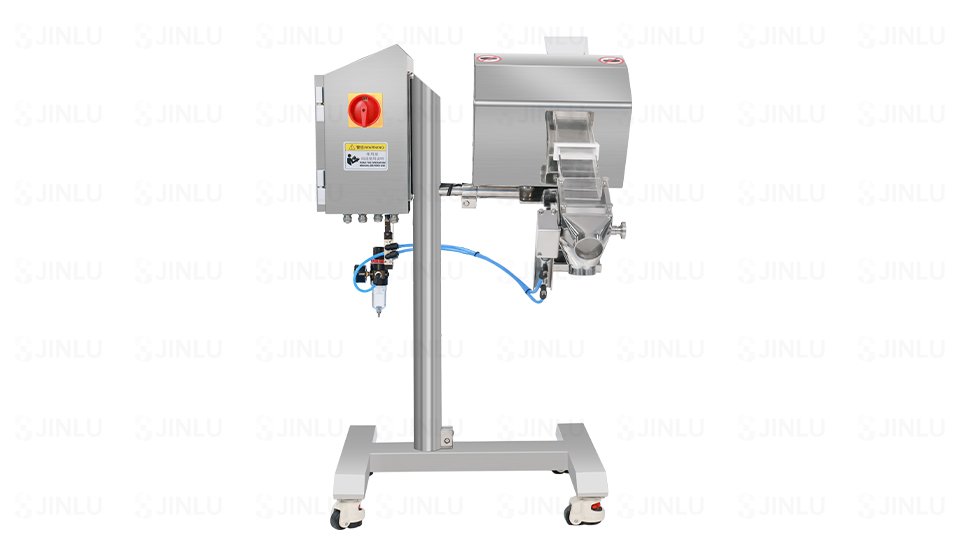
La risposta è assolutamente un grande sì. Tuttavia, probabilmente sei più interessato al meccanismo sottostante che al semplice risultato. Come funziona il rilevatore di metalli industriali sulla terra? A differenza del ferro o dell'acciaio, l'alluminio è un metallo non ferroso, il che significa che non ha alcun magnetismo, rendendo impossibile lo screening dell'alluminio in base al magnetismo. Questo è il motivo per cui i produttori si preoccupano maggiormente di questo punto.
Infatti, la chiave per i metal detector industriali che rilevano l'alluminio risiede nella sua conduttività. In poche parole, il rilevatore emette un campo elettromagnetico ad alta frequenza, come un invisibile “rete energetica.” Quando qualsiasi materiale conduttivo, come l'alluminio, attraversa questo campo, all'interno del materiale viene generata una minuscola corrente. Questa corrente, a sua volta, interrompe il campo elettromagnetico originale.
Poiché l'alluminio ha un'eccellente conduttività, l'interferenza che provoca è molto evidente. Una volta che il rilevatore rileva questa interferenza, avvisa immediatamente il sistema di controllo della macchina: “Metallo rilevato!” Perciò, i normali sistemi di rilevamento dei metalli possono rilevare l'alluminio in modo semplice e affidabile.
Anche se conoscere i rischi derivanti dall’utilizzo dei metal detector per verificare la presenza di alluminio può essere rassicurante, rappresenta una sfida significativa quando l’alluminio fa parte dell’imballaggio. Ciò porta al “dilemma dell’alluminio”

Immagina di stare in prima fila a un concerto rock heavy metal, circondato da una musica assordante. Se qualcuno sussurra accanto a te, non puoi sentirli: il rumore immenso soffoca completamente ogni suono debole. Questa analogia illustra perfettamente la difficoltà che i moderni metal detector industriali devono affrontare nel rilevare il metallo negli imballaggi in fogli di alluminio.
Nella produzione farmaceutica, comune blister in alluminio, strisce di foglio di alluminio, o bottiglie con guarnizioni ad induzione in alluminio generare segnali elettromagnetici estremamente forti nei metal detector industriali, molto simile al “rumore” dal concerto. Se anche un piccolo pezzo di acciaio si mescola, un rilevatore standard semplicemente non può “ascoltare” il debole segnale del metallo rilevato, perché è completamente mascherato dal “forte rumore” dell'imballaggio in alluminio.
Questo fenomeno è noto nel settore come “effetto del prodotto”—il segnale stesso del prodotto è così forte che un prodotto qualificato viene erroneamente identificato come contenente un contaminante metallico e rifiutato dalla linea di produzione. Per risolvere questo problema, è necessario un avanzato sistema di rivelazione metalli in linea dotato di tecnologia multifrequenza. Questo sistema emette più frequenze contemporaneamente, agendo come un filtro per filtrare segnali specifici generati dagli imballaggi in alluminio mantenendo un'elevata sensibilità ai contaminanti ferrosi.
Dott. Roberto Vance, un fisico dei materiali, spiega, “L’elevata conduttività dell’alluminio crea un enorme effetto sul prodotto, rendendo difficile per i sensori elettromagnetici standard rilevare piccoli oggetti estranei. Senza algoritmi avanzati di inseguimento di fase, sarebbe praticamente impossibile”. Ecco perché la tecnologia multifrequenza gioca un ruolo insostituibile nei sistemi di rivelazione di metalli industriali su larga scala.
Nonostante il fatto che la tecnologia multifrequenza possa migliorare significativamente la precisione del rilevamento dei metalli, ci sono infatti alcuni metalli specifici che rendono difficile l'identificazione da parte del sistema industriale di rilevamento dei metalli. Tra loro, il più problematico è acciaio inossidabile, ad esempio 304 E 316, ecc.
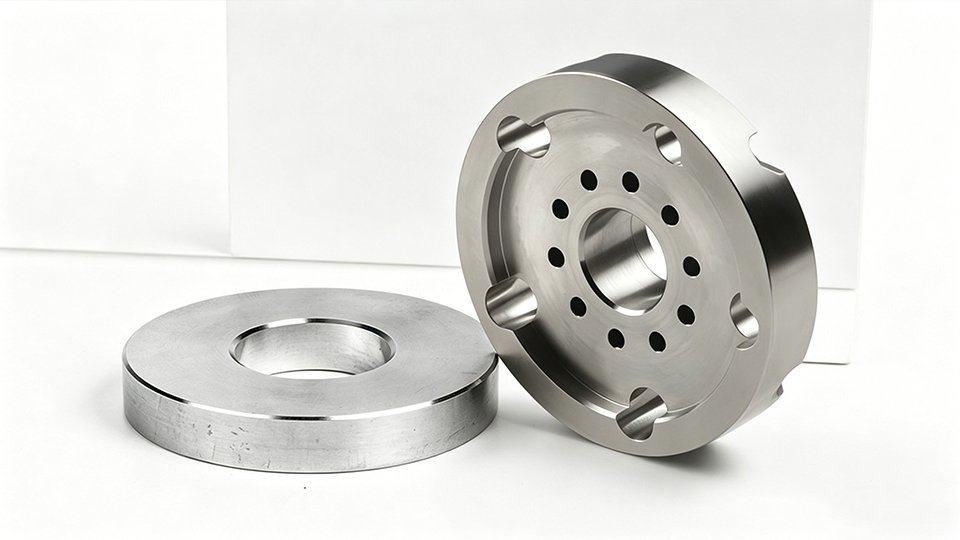
Perché è così difficile?? Ciò deriva principalmente dal magnetismo e dalla conduttività estremamente deboli di questo materiale. Da un lato, L'acciaio inossidabile austenitico è non magnetico, quindi non innescherà una reazione magnetica. D'altra parte, la sua conduttività è molto inferiore a quella dell'alluminio, il che significa che anche la tecnologia multifrequenza ha difficoltà a catturarne la frequenza, soprattutto quando i frammenti di acciaio inossidabile sono molto piccoli.
Effetto della direzione: Un fattore importante che porta al fallimento del rilevamento
Un'altra sfida arriva da “effetto di direzione”. Quando un metallo sottile e lungo viene rilevato da diverse angolazioni, l'area della sezione trasversale è completamente diversa. A causa delle diverse reazioni dei vari metalli al campo elettromagnetico, metalli come l'acciaio inossidabile, che sono difficili da catturare, spesso richiedono la riduzione della frequenza di lavoro della macchina per ottenere risultati di rilevamento.
Tuttavia, farlo ha un costo – diminuirà la sensibilità della macchina ad altri metalli come ferro e alluminio. Come trovare un equilibrio tra “rilevamento dell'acciaio inossidabile” E “senza perdere altri metalli” è proprio il cuore della moderna tecnologia di rivelazione dei metalli industriali.
Quando il “dilemma dell’alluminio” diventa troppo complesso, Molti produttori farmaceutici e nutraceutici si chiedono se dovrebbero abbandonare del tutto i sistemi di rilevamento dei metalli commerciali e passare all’ispezione a raggi X. Entrambe le tecnologie hanno i loro distinti vantaggi, ma quale dovresti scegliere dipende dal tuo prodotto specifico, confezione, e bilancio.
Di seguito è riportato un confronto completo dai quattro punti di vista più importanti per i produttori:
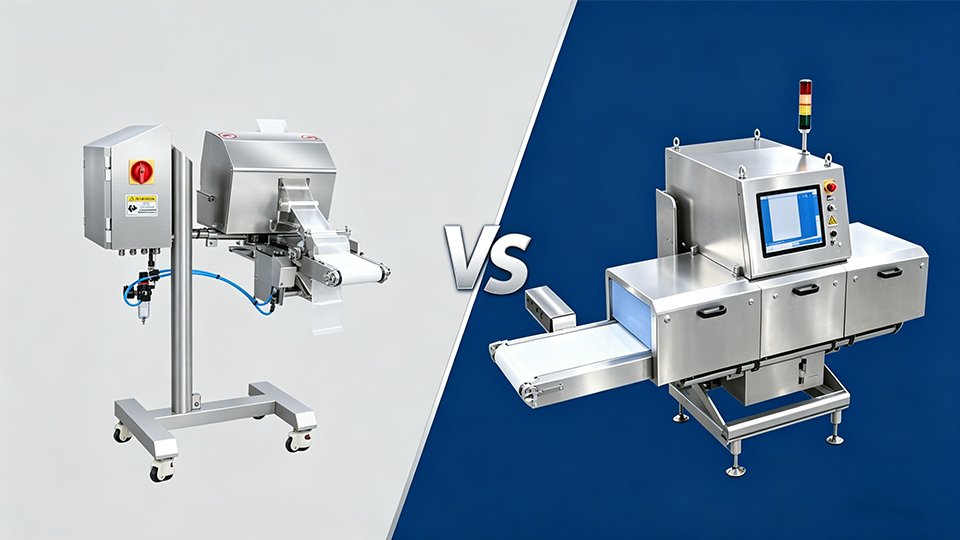
Tavolo 1- Confronto tra metal detector commerciale e sistema di ispezione a raggi X
| Fattore | Rilevatore di metalli avanzato | Sistema di ispezione a raggi X |
| Sensibilità di rilevamento della lamina | Da moderato ad alto. Funziona con un foglio sottile; limitato con un foglio spesso. | Alto. Rileva facilmente attraverso l'alluminio. |
| Costo | Da basso a moderato. Conveniente e con poca manutenzione. | Alto. Sostituzione costosa di attrezzature e componenti. |
| Manutenzione & Sicurezza | Semplice. Calibrazione di routine, nessun rischio per la sicurezza. | Complesso. Richiede conformità alle radiazioni e controlli di sicurezza |
| Capacità di rilevamento | Solo metalli. | Materiali diversi |
Se la tua priorità è l'efficienza dei costi e l'imballaggio standard, quindi scegli un metal detector a nastro trasportatore
Per la produzione standard, un metal detector a nastro trasportatore è spesso la scelta più pratica. Se il tuo prodotto è disponibile in bottiglie di plastica, quindi l'utilizzo di un trasportatore per metal detector industriale sarebbe un'opzione migliore. Per la maggior parte linee di produzione di integratori farmaceutici e nutrizionali, questi sistemi sono convenienti, facile da mantenere, e rilevare facilmente ferrosi, non ferroso, e impurità dell'acciaio inossidabile.
Se il tuo imballaggio è complesso o la contaminazione va oltre il metallo, quindi scegli Radiografia
Secondo a 2023 analisi di mercato di Grand View Research, si prevede che il mercato globale dell’ispezione a raggi X industriale sia in espansione 7.5% Di più, guidato dalle complesse esigenze di confezionamento nei settori alimentare e farmaceutico. I sistemi a raggi X funzionano in base alle differenze di densità, è quindi possibile rilevare una gamma più ampia di impurità. Questo sistema di rilevamento si adatta bene agli imballaggi complessi.
Se stai bilanciando prestazioni e budget, allora scegli i sistemi di rivelazione dei metalli
Mentre i sistemi a raggi X offrono funzionalità più diversificate, costano di più. Al contrario, Il sistema di rivelazione di metalli in linea industriale è in genere più economico e più facile da utilizzare, rendendoli più vantaggiosi per le applicazioni di routine. Proprio come Sarah Jenkins, un revisore senior del controllo qualità per un marchio farmaceutico globale, osserva che, sebbene i sistemi a raggi X forniscano una visibilità senza precedenti sui prodotti avvolti in fogli di alluminio, il loro elevato costo totale di proprietà spesso rende i metal detector la scelta più redditizia per le linee nutraceutiche di medie dimensioni.
Selezionare il sistema di screening dei metalli rilevato appropriato è strategico quanto scegliere la formulazione dei tuoi integratori. Ecco diversi suggerimenti per iniziare.
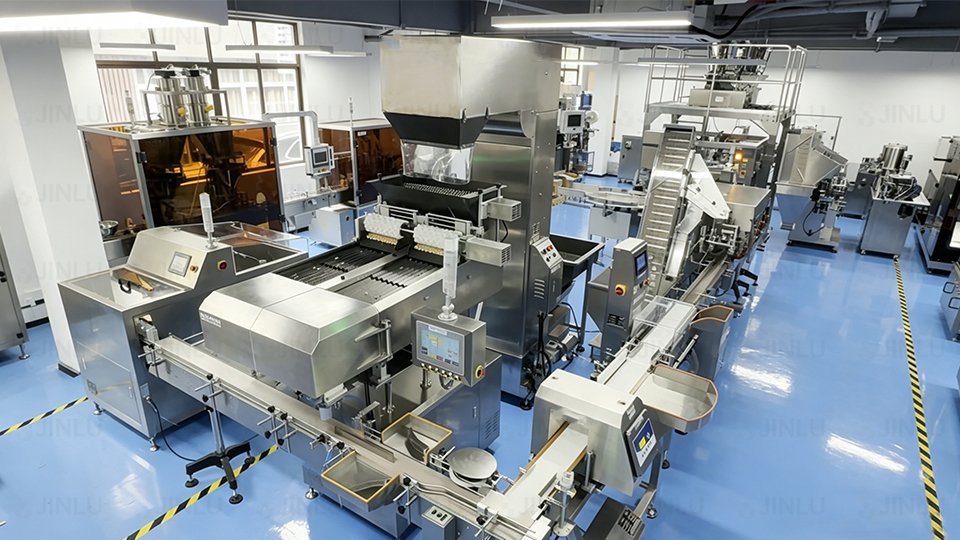
Durante la ricerca di un'unità industriale di rilevamento metalli, i produttori potrebbero fare meglio a considerare queste funzionalità:
Funzionamento multifrequenza: La macchina dovrebbe essere in grado di eseguire più frequenze contemporaneamente per eliminare l'effetto del prodotto.
Capacità di pulizia: La macchina deve resistere alla pulizia con acqua ad alta pressione senza cortocircuiti, per gli ambienti farmaceutici richiedono una pulizia rigorosa.
Rifiuto automatico: Indipendentemente dal modo in cui viene rifiutato, il sistema di scarto deve agire istantaneamente e garantire l'assenza di guasti.
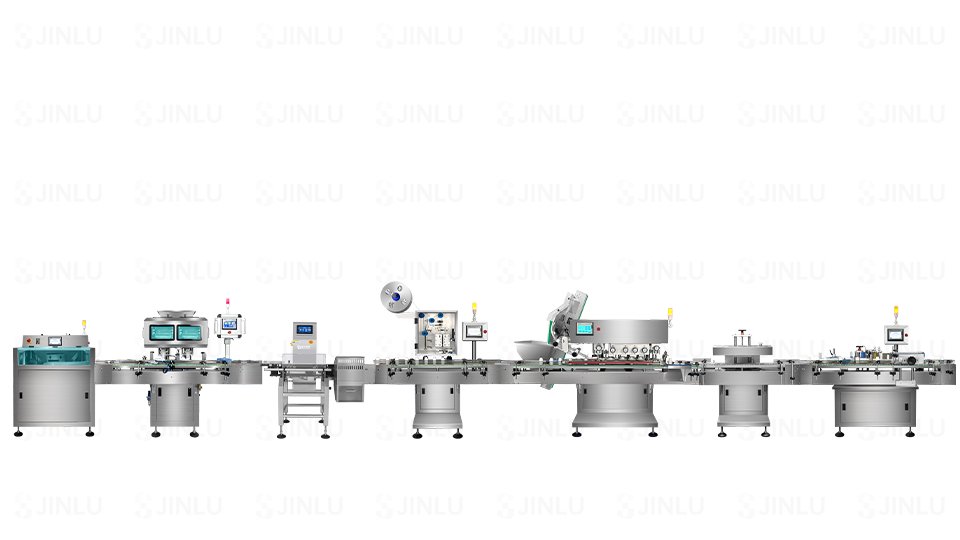
Avere una macchina eccezionale è solo metà dell'opera, diventa quindi fondamentale collaborare con un fornitore esperto di metal detector o con produttori affidabili di metal detector. Jinlu L'imballaggio è finito 30 anni di dedizione R&Esperienza nel settore delle macchine per l'imballaggio, impegnata a sviluppare e fornire macchine altamente affidabili per Fortune 500 aziende in tutto il mondo. Di seguito sono riportate le caratteristiche distintive delle soluzioni di sistemi di trasporto per rilevatori di metalli di Jinlu Packing:
Destinato a trattare il confezionamento complesso, i nostri metal detector a gravità e i metal detector industriali lattiero-caseari sono progettati per proteggere i prodotti da non conformità.
In una parola, mentre otteniamo facilmente "sì" quando chiediamo se i metal detector rilevano l'alluminio, ciò che è molto più difficile è trovare un equilibrio tra il sistema industriale di rilevazione metalli e la vostra linea di produzione. Se vuoi eliminare senza sforzo i falsi scarti, vieni e consultateci per maggiori informazioni.
Acciaio inossidabile austenitico, Ovviamente. A causa delle sue proprietà completamente non magnetiche e della bassa conduttività, la macchina difficilmente riesce a individuarlo come se cercasse di individuare un fantasma nella nebbia!
SÌ, assolutamente! Anche in polvere, l'alluminio mantiene la sua elevata conduttività elettrica. Perciò, È facile per il rilevatore di metalli in linea rilevarlo immediatamente.
I metal detector industriali sono progettati per catturare due categorie principali: metalli a base di ferro e metalli con basse proprietà magnetiche ma elevata conduttività. Ciò garantisce che le funzionalità di rilevamento del metal detector coprano quasi tutti i comuni contaminanti di fabbrica.
Se stai facendo dei lavori di ristrutturazione dell'ufficio fai-da-te e hai bisogno di trovare un perno di metallo, un cercatore di perni di base funziona perfettamente per individuare viti o perni di legno, utilizzando sensori magnetici o capacitivi.
Riferimenti
[1] Servizio di ispezione e sicurezza alimentare dell'USDA (FSIS): Riepilogo dei casi di richiamo.
[2] La cassetta degli attrezzi di ingegneria: Conduttività elettrica dei materiali.
[3] Ricerca sulla grande visione: Dimensioni del mercato dei sistemi di ispezione a raggi X industriali, Condividere & Rapporto sull'analisi delle tendenze.