
- Macchine
- Competenza
- Risorse
- Certificati
- Di
- Contatto
- Macchine
- Competenza
- Risorse
- Certificati
- Di
- Contatto
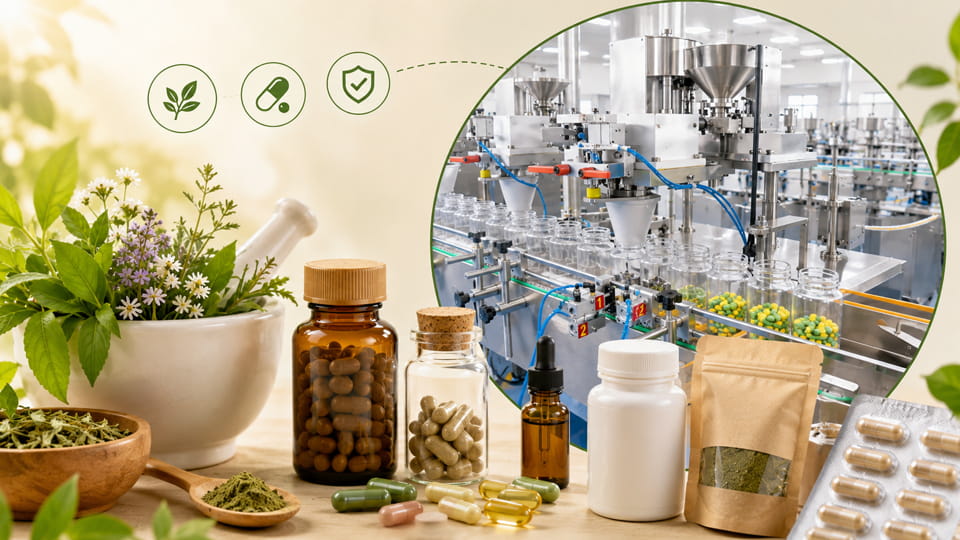
A prima vista, gli integratori alimentari e i farmaci possono sembrare molto simili. Entrambi possono essere venduti come compresse, capsule, polveri, Gummies, o liquidi, ed entrambi spesso utilizzano processi di produzione e confezionamento comparabili. Tuttavia, le somiglianze finiscono in gran parte qui.
Quando si confrontano integratori alimentari e farmaci, le differenze maggiori risiedono nella destinazione d'uso, requisiti normativi, standard di qualità, e obblighi di conformità. Integratori alimentari sono progettati per integrare la dieta e sostenere la salute generale, Mentre farmaci sono destinati a diagnosticare, trattare, impedire, o gestire le malattie. A causa di questi scopi diversi, i produttori devono seguire regole diverse per la formulazione, produzione, convalida, etichettatura, e imballaggio.
Per produttori di integratori e prodotti farmaceutici, comprendere queste distinzioni è essenziale quando si selezionano le apparecchiature di produzione, progettazione di linee di confezionamento, e garantire la conformità normativa. In questa guida, esploreremo le principali differenze tra integratori alimentari e farmaci e cosa significano per le moderne operazioni di produzione e confezionamento.
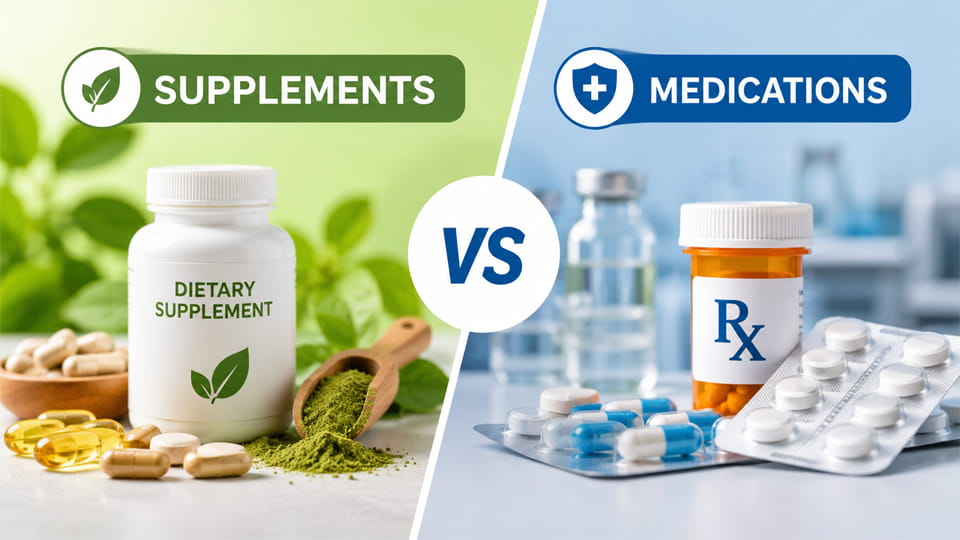
Integratori alimentari (chiamato anche nutraceutici O integratori alimentari) sono prodotti assunti per via orale per aggiungere valore nutrizionale. Secondo la legge statunitense (DSHEA 1994), un integratore deve contenere uno o più “ingredienti dietetici” come le vitamine, minerali, erbe, aminoacidi o altri prodotti botanici, destinato a supplemento la dieta. Gli esempi includono compresse multivitaminiche, capsule di olio di pesce, estratti di erbe, o proteine in polvere. Nell'UE, il termine integratori alimentari viene utilizzato: sono “fonti concentrate di nutrienti o altre sostanze” sotto forma di dose (capsule, polveri, liquidi, ecc.). Gli integratori possono fornire i nutrienti mancanti nella dieta o supportare la salute generale, ma lo sono non autorizzato a richiedere la cura o la prevenzione delle malattie. Le etichette in genere riportano a Fatti supplementari pannello e dichiarazioni di non responsabilità (per esempio. “Non destinato a diagnosticare, trattare, cura, o prevenire qualsiasi malattia”). La normativa UE armonizza le vitamine/minerali consentiti negli integratori (Direttiva 2002/46/CE) e richiede la valutazione del rischio dei nuovi ingredienti da parte dell'EFSA.
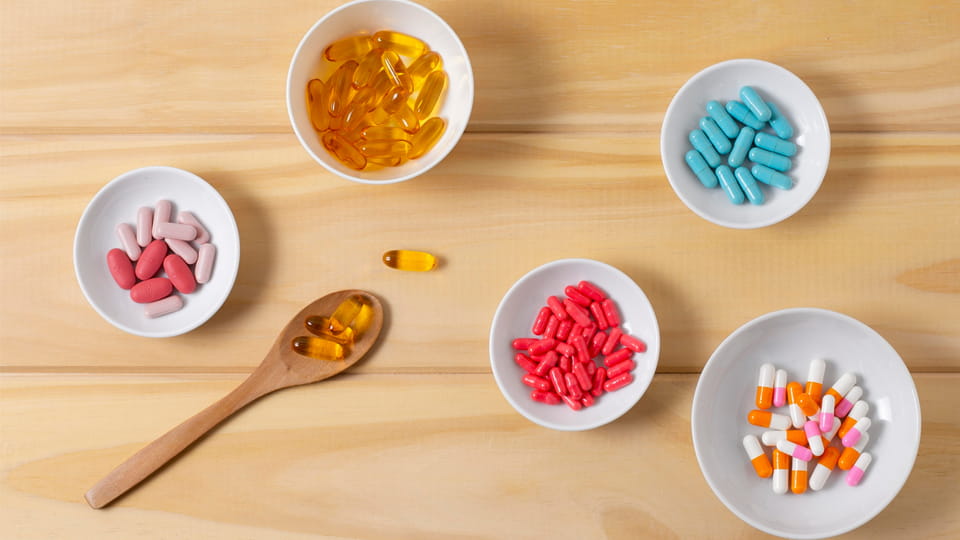
Punti chiave per gli integratori: nessuna prescrizione necessaria; regolamentati come alimenti; l'etichettatura deve elencare gli ingredienti e l'uso suggerito; i produttori devono seguire Regole cGMP dietetiche della FDA (21 CFR111) per garantire l’identità, purezza, e la forza dei prodotti. La FDA lo fa non rivedere gli integratori per la sicurezza o l'efficacia prima della vendita, quindi la responsabilità spetta al produttore (che deve notificare alla FDA eventuali eventi avversi gravi, vedere sotto).
Farmaci (droghe) includono farmaci da prescrizione e da banco (OTC) farmaci usati per il trattamento, cura, mitigare o prevenire le malattie umane. La FDA definisce a farmaco come qualsiasi sostanza destinata all'uso nella diagnosi, cura, mitigazione, trattamento, o prevenzione delle malattie, o influenzare la struttura/funzione del corpo. Ciò include sia i prodotti farmaceutici di marca che quelli generici, biologici, e alcuni rimedi OTC (antidolorifici, antiacidi, sciroppi per la tosse, ecc.). Al contrario, gli integratori alimentari escludono specificamente le sostanze commercializzate per il trattamento delle malattie.
I farmaci devono soddisfare rigorosi standard normativi. Negli Stati Uniti, i nuovi farmaci richiedono una nuova domanda di farmaco (NDA) o NDA abbreviato (per i generici), supportato da dati di studi clinici che dimostrano sicurezza ed efficacia. Il Centro per la valutazione e la ricerca sui farmaci della FDA (CDR) monitora circa 11.000 farmaci commercializzati, applicare Attuali buone pratiche di produzione (cgmp) per i prodotti farmaceutici (21 CFR210–211) per garantire una qualità costante. Nell'UE, i medicinali devono essere autorizzati dall’EMA o dalle agenzie nazionali, e i produttori devono conformarsi alle GMP dell’UE (come coordinato dall’EMA) per garantire l’elevata qualità e la conformità al dossier approvato. L'imballaggio dei farmaci in genere richiede funzionalità come sigilli a prova di manomissione, contenitori a prova di bambino (Legge sulla prevenzione dei veleni), tracciamento serializzato (DSCSA, FMD dell’UE), ed un'etichettatura estesa (Codici NDC, istruzioni, scadenza) che sono più rigorosi degli integratori.
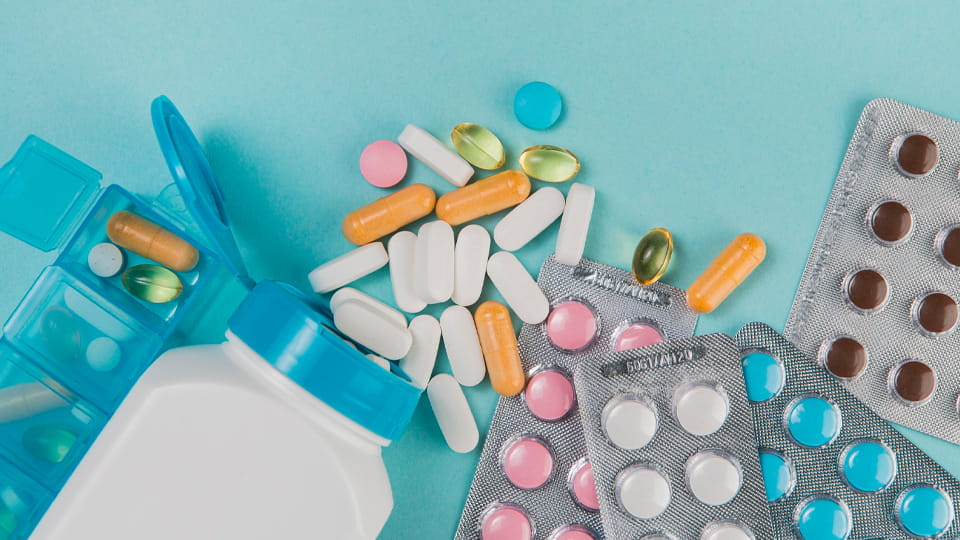
Punti chiave per i farmaci: È richiesta l'approvazione FDA/EMA prima della commercializzazione; sperimentazioni cliniche e dossier tecnici; rigorosa conformità cGMP; etichettatura regolamentata (Fatti sulla droga); e sia i farmaci Rx che molti farmaci da banco richiedono robusti controlli di sicurezza/qualità.
La differenza fondamentale è intento. I farmaci sono specificamente destinati alla diagnosi, trattare, o curare le malattie. Gli integratori sono destinati a integrare la dieta. Così:
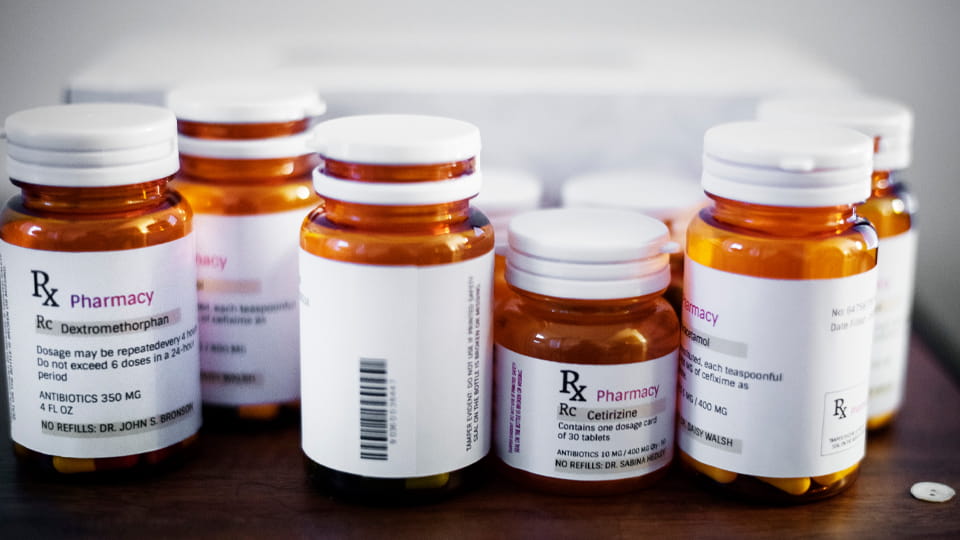
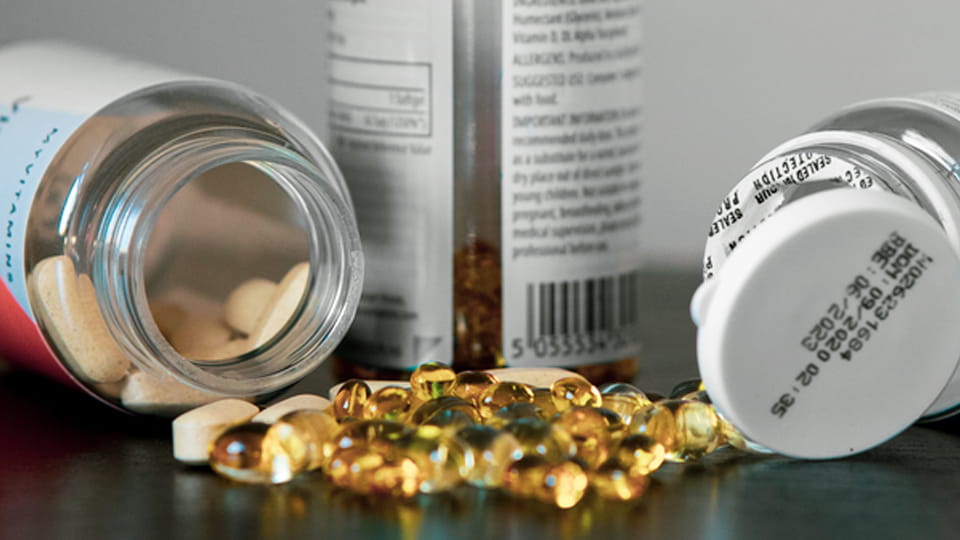
Molte forme di dosaggio si sovrappongono tra integratori e medicinali. Entrambi possono esserlo:
Dal punto di vista delle attrezzature, le macchine sono molto simili. Conforme alle GMP linea di conteggio/riempimento che gestisce flaconi di vitamine da 50 ml può spesso riempire anche flaconi farmaceutici di dimensioni simili (magari con piccoli aggiustamenti). Le linee blister per dosi solide gestiscono qualsiasi pillola. Comprimitrici rotanti O filler di capsule sul lato a monte producono il forme di dosaggio; a valle, le linee divergono leggermente fino all'etichettatura/ispezione. Le principali differenze tra i macchinari derivano dalla scala di produzione e dalle caratteristiche normative (per esempio. telecamere di ispezione più sofisticate su una linea farmaceutica).
Quando si sceglie l'attrezzatura, concentrarsi sul prodotto formato, volume, e bisogni di conformità:
Tabelle di seguito riepiloghiamo le differenze principali e suggeriamo l'attrezzatura per tipo di prodotto.
| Attributo | Integratori alimentari | Farmaci (Droghe) |
| Definizione/Utilizzo | Nutrienti/erbe per integrare la dieta | Trattare/diagnosticare/prevenire la malattia |
| Approvazione richiesta | Nessuna pre-approvazione da parte della FDA (DSHEA) | Approvazione FDA/EMA (NDA/TU/BLA) |
| Test clinici | Nessuna sperimentazione clinica obbligatoria | Prove rigorose per la sicurezza/efficacia |
| Regime GMP | GMP dietetico (21 CFR111) | GMP farmaceutico (21 CFR210–211, GMP dell’UE) |
| Etichettatura | Fatti supplementari; Dichiarazione di non responsabilità "non per il trattamento". | Fatti sulla droga; include indicazioni, dosaggio, effetti collaterali |
| Affermazioni | Solo dichiarazioni di struttura/funzione | Sono consentite indicazioni terapeutiche specifiche |
| Controllo degli imballaggi | Per uso alimentare standard; berretti per bambini se necessario | Chiusure antimanomissione/a prova di bambino obbligatorie; serializzazione |
| Test di qualità | Test in batch per produttore (identità, purezza) | Controllo di qualità completo (potenza, dissoluzione, stabilità) |
| Prodotti di esempio | Vitamine, minerali, erbe, amminoacidi | Aspirina, antibiotici, ormoni, Analgesici da banco |
| Forma del prodotto | Formati tipici di imballaggio | Macchinari consigliati |
| Compresse | Bottiglie (contare & cappuccio); Carte blister | Pressa per compresse; Rivestimento; Macchina per contare; Riempitrice di bottiglie & Cappero; Macchina da blister; Astucciatore |
| Capsule | Bottiglie (con essiccante); Carte blister | Macchina per il riempimento di capsule; Macchina per contare; Riempitrice di bottiglie & Cappero; Macchina da blister; Astucciatore |
| Polveri/Granuli | Bustine/Stick pack; Buste stand-up; Vasi (vasche) | Miscelatori/granulatori; Confezionatrice in bustine/stick; Riempitrice per buste preconfezionata; Riempitore per barattoli di polvere; Sigillante; Astucciatore |
| Liquidi | Bottiglie (contagocce o tappo); Fiale | Linea di riempimento liquidi; Tappatrice (a prova di bambino, se necessario); Etichettatrice; Astucciatore |
| Caramelle gommose/gommose | Confezioni blister; Bottiglie | Depositante gommoso; Macchina confezionatrice in blister; Macchina per contare; Riempitrice di bottiglie; Astucciatore |
Ogni cella elenca sia le linee di integratori che quelle di farmaci: la stessa macchina può spesso gestirli entrambi con piccole modifiche. Ad esempio, Quello di Jinlu macchine da imballaggio con blister può confezionare vitamine, pillole o integratori gommosi proprio come fanno le compresse farmaceutiche.
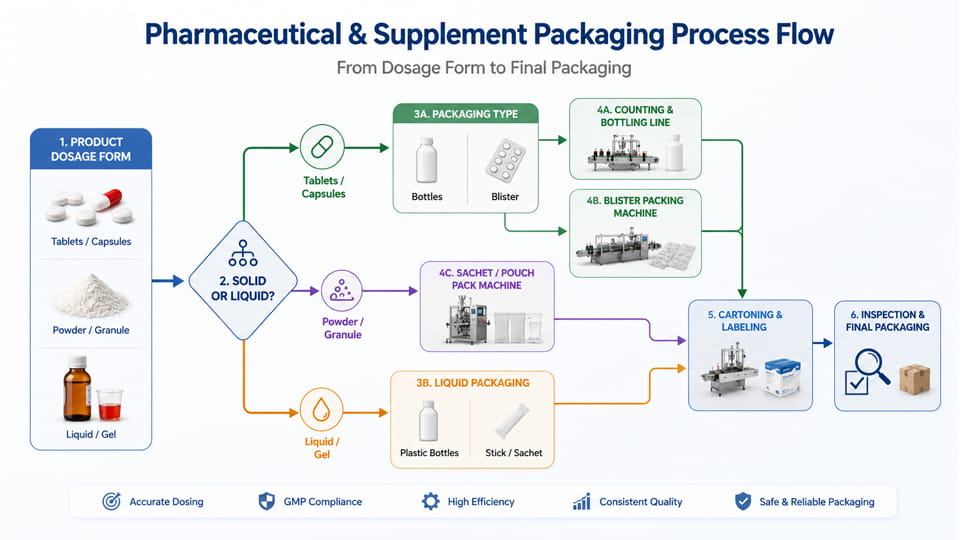
Diagramma della sirena: Il diagramma di flusso sopra illustra un processo decisionale semplificato. Inizia con la forma del prodotto (tavoletta solida, capsula, polvere, ecc.), utilizzare le attrezzature di produzione adeguate (premere, riempitivo, miscelatore), quindi scegli una linea di confezionamento. Bottiglie, vesciche, bustine, e i cartoni sono gli endpoint comuni.
Entrambi i settori possono utilizzare operazioni unitarie simili (miscelazione delle polveri, granulazione, compressione della compressa, riempimento della capsula). Tuttavia, alcuni passaggi divergono:
Nonostante queste differenze, L'esperienza di Jinlu nel confezionamento farmaceutico fa sì che la sua attrezzatura sia adatta per gli integratori con modifiche minime. Per esempio, la nostra macchina per il conteggio delle capsule elenca “uso farmaceutico e medico”., COUNT CARBERE, capsule, pillole, ecc., 2-40mm, produzione 100 bottiglie/ora, precisione >99.98%". Quella stessa macchina può contare Vitamine gommose o integratori per animali domestici con la stessa facilità delle pillole.
Una tipica linea di flaconi di compresse/capsule per integratori potrebbe includere: riordinatore di bottiglie → contatore di compresse/capsule → posizionatore/serraggio tappi → sigillatrice a induzione → etichettatrice → codificatore a getto d'inchiostro → trasportatore. Per i farmaci, la linea potrebbe essere molto simile ma racchiusa in una cappa a flusso laminare (per ambienti sterili/non contaminati) e includerà un sistema di visione per controllare l'etichetta e le prove di manomissione. La linea di conteggio di Jinlu può integrarsi con apparecchiature di tappatura ed etichettatura per un risultato completo soluzione chiavi in mano.

Per la produzione farmaceutica ad alta velocità, una macchina blisteratrice (per esempio. JL DPP-270Max) forma e sigilla i fogli blister, che alimentano direttamente un'astucciatrice. L'astucciatrice prende ogni blister e lo inserisce in una scatola di cartone stampata, poi chiude e talvolta sigilla il cartone. L'intero flusso può funzionare a diverse migliaia di unità all'ora. I produttori di integratori utilizzano spesso linee simili per articoli come compresse effervescenti o vitamine confezionate in blister. I macchinari sono sostanzialmente gli stessi (Le nostre macchine confezionatrici in blister possono migliorare la produttività nel confezionamento delle compresse, capsule…), ma le funzionalità della camera bianca e dell'ispezione possono essere adattate per soddisfare le GMP.
[jl_youtube src=”https://www.youtube.com/embed/1Bb_J6rluac”]
Comprendere le differenze tra integratori alimentari e farmaci è fondamentale per i progettisti delle apparecchiature e i responsabili della produzione nel settore dei prodotti sanitari. Mentre i macchinari di lavorazione attivi (comprimitrici, filler di capsule, vesciche, Linee di conteggio, ecc.) è ampiamente condiviso, le richieste normative differiscono: gli integratori rientrano nelle norme alimentari/dietetiche e si basano sulla sicurezza gestita dal produttore, mentre i farmaci richiedono processi convalidati e approvazioni normative. Quando si seleziona l'attrezzatura per l'imballaggio, gli acquirenti dovrebbero allineare le macchine alla forma del prodotto e alle esigenze normative: garantire Conformità GMP, corretta movimentazione dei materiali, ed eventuali caratteristiche speciali (a prova di bambino, a prova di manomissione, serializzazione) necessari per i farmaci. Un partner esperto in attrezzature può personalizzare le soluzioni per ciascun caso.
Abbinando attentamente il tipo di prodotto all'attrezzatura, utilizzando risorse come Imballaggio JinluLe macchine riempitrici per capsule di, Presse per compresse, Confezionatrici in blister, Conteggio delle linee, Riempitrici di bustine/sacchetti, e cartonizzatori: i produttori possono costruire linee efficienti che soddisfano sia la domanda del mercato che gli standard normativi. Questa sinergia tra know-how di processo e macchinari giusti garantisce la sicurezza, produzione conforme sia che si producano integratori o medicinali.
Gli integratori alimentari hanno lo scopo di integrare la dieta e sostenere la salute generale, mentre i farmaci sono progettati per diagnosticare, trattare, impedire, o gestire le malattie. A causa di questi scopi diversi, i farmaci sono soggetti ad un’approvazione normativa più rigorosa, Test, e requisiti di conformità rispetto agli integratori.
NO. Nella maggior parte delle giurisdizioni, compresi gli Stati Uniti, gli integratori alimentari sono regolati diversamente dai farmaci. Gli integratori sono generalmente classificati secondo le normative relative agli alimenti, mentre i farmaci sono regolamentati come farmaci e devono soddisfare specifici requisiti di sicurezza ed efficacia prima di entrare nel mercato.
Spesso sì, con aggiustamenti. Se una linea è costruita secondo cGMP (inossidabile, facile da pulire, ecc.), può eseguire entrambi i tipi di prodotto. Potrebbe essere necessario modificare stampi o impostazioni. La cautela principale è di natura normativa: assicurarsi che gli integratori siano etichettati in modo appropriato, e se si passa a un farmaco, convalidare eventuali fasi di sterilizzazione/pulizia. Le macchine di Jinlu, ad esempio, sono multiuso, si dice che un riempitivo per conteggio sia ideale per "quasi tutte le forme di compresse e capsule".
Generalmente, no – la legge sugli imballaggi per la prevenzione dei veleni (PPPA) copre i farmaci e alcune sostanze pericolose. Alcuni integratori (per esempio. pillole di ferro, che può essere tossico per i bambini) potrebbero rientrare nel PPPA. La maggior parte delle vitamine e delle pillole a base di erbe non richiedono legalmente tappi a prova di bambino, ma molti produttori li utilizzano come misura di sicurezza e di marketing. È buona pratica seguire le aspettative dei consumatori.
Entrambi hanno GMP, ma GMP supplementare (21 CFR111) è un sottoinsieme delle GMP farmaceutiche (21 CF210/211). Per esempio, gli integratori richiedono test di identità degli ingredienti e alcuni test di impurità, ma non impongono la validazione clinica dei processi. Tuttavia, tutte le GMP significano che devi mantenere le cose pulite, registrare i dati di produzione, e testare i prodotti per garantire le indicazioni sull'etichetta. Se la FDA ispeziona una linea di integratori, controlleranno la corretta pulizia, procedure documentate, e testare i risultati proprio come farebbero in una fabbrica farmaceutica. Per i prodotti farmaceutici, La FDA prevede ulteriori livelli: metodi validati, studi di stabilità, controlli ambientali più rigorosi, ecc.
È ancora importante. Mentre le aziende di integratori non presentano un rapporto alla FDA, devono ancora dimostrare che il loro prodotto è quello che dicono. Ciò significa attrezzatura (come una comprimitrice o una macchina blister) dovrebbe essere qualificato (IR/WH/PQ) per garantire che produca costantemente la forma di dosaggio corretta. Come minimo, Gli standard USP o aziendali richiederebbero test di pesatura e contenuto. Buone pratiche di qualità moderna (MQP) negli integratori rispecchia sempre più il settore farmaceutico, soprattutto per i mercati di esportazione. Salita, Per esempio, menziona la conformità con “cGMP, CE, FDA, ed EMA” per le sue macchine confezionatrici, indicando che progettano macchine per soddisfare tali requisiti.
I fattori chiave includono: velocità della macchina rispetto al volume previsto, flessibilità (può gestire diverse forme di bottiglie o tipi di blister?), facilità di pulizia (parti inossidabili, CIP), e funzionalità di automazione (come i servocomandi, HMI, e ispezione). Considera anche il servizio post-vendita e i pezzi di ricambio. Jinlu evidenzia una consegna in 7 giorni e una garanzia di 3 anni sulle sue macchine, riflettendo un forte supporto post-vendita. Gli acquirenti dovrebbero anche chiedere informazioni sull'integrazione (per esempio. la macchina per il conteggio può sincronizzarsi facilmente con un'astucciatrice esistente?). Finalmente, conformità: garantire che la macchina possa produrre imballaggi di “grado farmaceutico”, se necessario, anche per gli integratori. Le linee di confezionamento di Jinlu soddisfano gli standard CE e FDA, e enfatizzano l'utilizzo di componenti di marca (come Omron, Siemens) per affidabilità.
Riferimenti:
1.Domande e risposte sugli integratori alimentari — NOI. Amministrazione degli alimenti e dei farmaci
2.Attuali buone pratiche di produzione (CGMP) per Alimenti e Integratori Dietetici — NOI. Amministrazione degli alimenti e dei farmaci
3.Integratori dietetici ed erboristici — NCCIH
4.Guida alla conformità per le piccole imprese: Attuali buone pratiche di produzione nel settore manifatturiero, Confezione, Etichettatura, o operazioni di holding per integratori alimentari – NOI. Amministrazione degli alimenti e dei farmaci
5.Integratori alimentari: Cosa devi sapere — Istituti Nazionali di Sanità
6.Linee guida per la qualità: produzione — Agenzia europea per i medicinali