- Macchine
- Competenza
- Risorse
- Certificati
- Di
- Contatto
- Macchine
- Competenza
- Risorse
- Certificati
- Di
- Contatto
La granulazione è un passaggio fondamentale produzione di compresse che trasforma le polveri fini in quelle più grandi, granuli uniformi. Senza granulazione, molte polveri (API e eccipienti) hanno scarsa fluidità e comprimibilità, portando a problemi come la segregazione, riempimento non uniforme dello stampo, e compresse deboli. In pratica, la maggior parte delle formulazioni non può essere compressi direttamente perché le polveri grezze tendono ad essere troppo fini e incoerenti. Granulazione (bagnato o asciutto) Migliora il flusso di polvere, controllo delle polveri, fondono uniformità e rilegatura, che a sua volta produce compresse di peso costante, durezza e distribuzione attiva. Sebbene la compressione diretta sia più semplice (meno passaggi, costo inferiore), richiede proprietà eccezionali della materia prima. Questo articolo spiega perché di solito è necessaria la granulazione prima della compressa, copre i vantaggi e i compromessi di granulazione a umido o a secco, e offre una guida pratica sulla scelta del processo giusto.
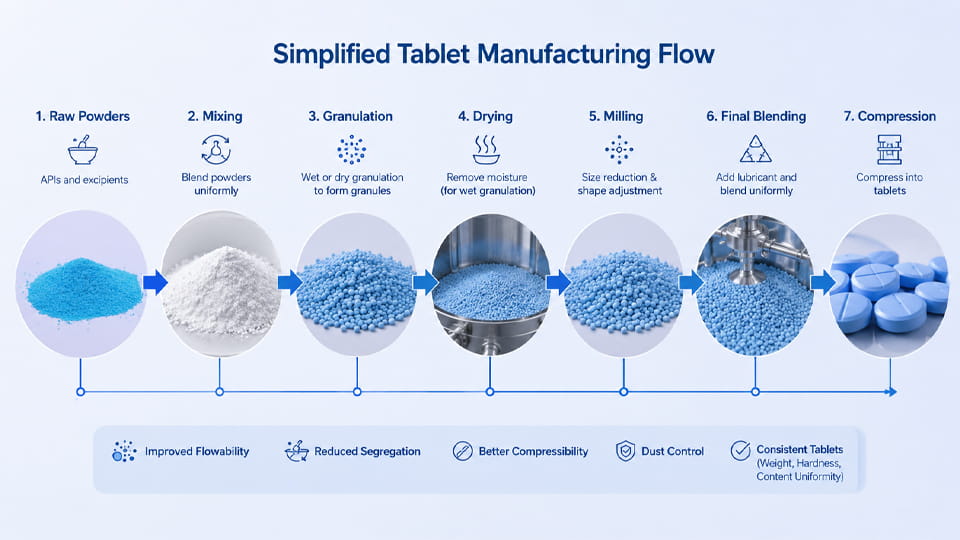
Figura: Diagramma di flusso semplificato per la produzione di tablet. Polveri grezze + gli eccipienti sono mescolati, granulato (bagnato o asciutto), essiccato (se bagnato), fresato, miscelato con lubrificante, poi compresso in compresse.
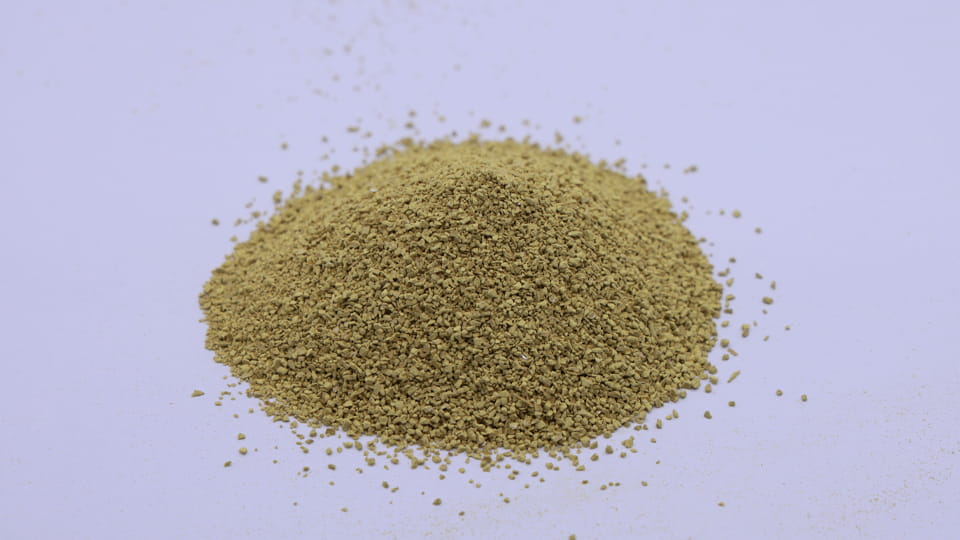
La granulazione è a ingegneria delle particelle processo che “trasforma polveri fini in polveri più grandi, particelle uniformi chiamate granuli”. Nella produzione farmaceutica, granulazione (bagnato o asciutto) viene utilizzato per agglomerare le polveri in granuli con migliore fluidità, comprimibilità, e uniformità. Per esempio, UN granulatore miscelatore ad alta azione di taglio (granulatore umido) aggiunge legante soluzione alla polvere, formando una massa umida, che viene poi essiccato (comunemente in un essiccatore a letto fluido) e macinato in granuli. In alternativa, la granulazione a secco utilizza la pressione meccanica (compattazione o colpi di rulli) per comprimere e frantumare la polvere in granuli.
Sia la granulazione a umido che quella a secco mirano a produrre granuli che lo siano denso, scorrevole ed omogeneo. Questi granuli alimentano il pressa per compresse in modo più affidabile della polvere sciolta. I granuli inoltre generano meno polvere e tendono a comprimersi in compresse più resistenti. Insomma, la granulazione è un passaggio fondamentale per garantire che le compresse soddisfino gli attributi di qualità (peso uniforme, forza, precisione della dose) quando le polveri grezze da sole non sono ideali per la pastigliatura diretta.
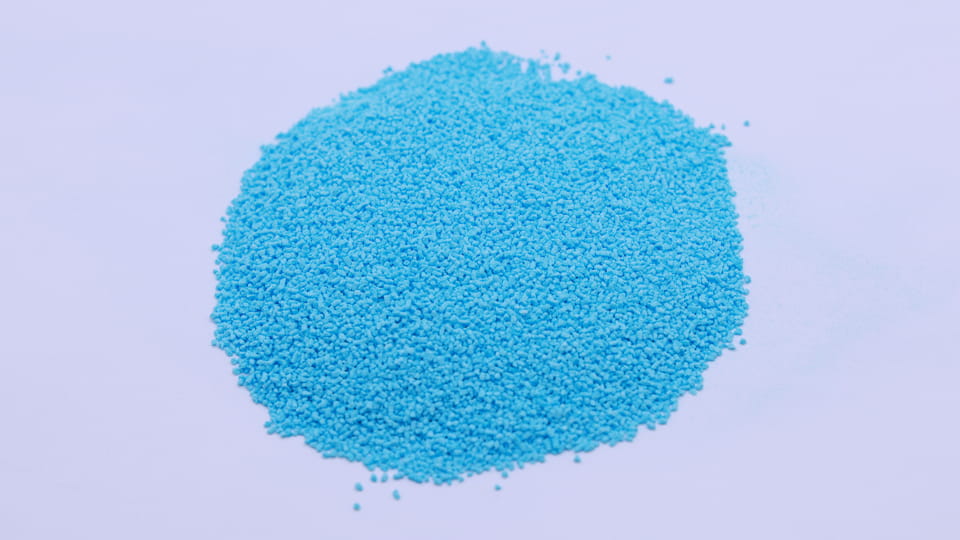
Teoricamente sì (per alcune formulazioni): Alcuni API ed eccipienti (per esempio. cellulosa microcristallina, lattosio atomizzato) avere eccellente inerente fluidità e comprimibilità. Queste rare formulazioni possono essere compressione diretta (DC) compresse senza previa granulazione. La compressione diretta è la via più semplice: miscelare le polveri + lubrificante, quindi inserire direttamente in una comprimitrice. Evita attrezzature e passaggi aggiuntivi (nessuna asciugatura), risparmiando tempo e costi.
Ma in pratica, la maggior parte delle polveri non può: La maggior parte delle API di piccole molecole sono molto fini e coese, con scarse proprietà di flusso e compressione. Se le polveri non riescono a fluire uniformemente, la cavità dello stampo si riempirà in modo insufficiente o eccessivo, causando una variazione del peso della compressa. Se le polveri non si comprimono bene, le compresse saranno morbide, intasamento o rottura. Piccole dosi (pochi mg di API) mescolati con grandi volumi di eccipienti spesso subiscono segregazione (L'API fine si separa dal vettore grossolano). Insomma, ad eccezione degli eccipienti altamente specializzati per compressione diretta, la maggior parte delle miscele farmaceutiche Bisogno granulazione per risolvere problemi di flusso/comprimibilità.
La compressione diretta è praticabile solo quando la miscela Già ha un ottimo flusso e compattazione. Ad esempio, miscele binarie di eccipienti molto scorrevoli con una compressa ad alto dosaggio possono funzionare. La compressione diretta viene scelta anche per i farmaci estremamente caldi- o sensibile all'umidità, poiché salta le fasi di bagnatura e asciugatura. Tuttavia, ciò richiede un'attenta selezione degli eccipienti (PER ESEMPIO., lattosio a compressione diretta, Centro clienti, eccipienti co-processati) e spesso formulazioni personalizzate.
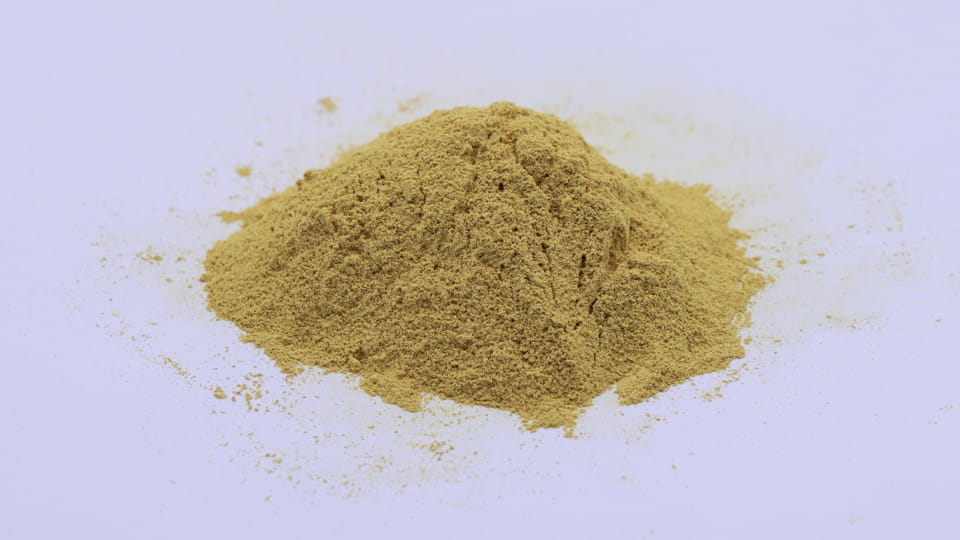
In sintesi, la granulazione risolve le principali sfide di flusso/compressione delle polveri grezze. Senza di esso, le compresse avrebbero variazioni di peso inaccettabili, durezza e dose. Il compromesso sono passaggi aggiuntivi (miscelazione, essiccazione, fresatura), ma per la maggior parte dei prodotti farmaceutici, la granulazione è il modo affidabile per garantire la qualità del prodotto.
Compressione diretta (DC) è il più semplice, processo tablet più conveniente, e questo è preferibile quando funzionerà. DC riduce al minimo i passaggi (solo miscelazione e compattazione), richiede meno attrezzature (miscelatore + premere) ed evita l'essiccazione. È il metodo da utilizzare se l’API e gli eccipienti sono già molto fluidi, altamente comprimibile, e amalgamare uniformemente. Eccipienti altamente solubili come lattosio o alcoli zuccherini atomizzati, combinato con un API ad alto dosaggio, spesso consentono DC. Viene scelto anche per i farmaci sensibili all'umidità/al calore che si degraderebbero in un processo a umido.
Tuttavia, soddisfare tali requisiti materiali è impegnativo. Gli eccipienti per la DC devono essere selezionati “criticamente” per mostrare flusso e comprimibilità eccellenti. Se tali condizioni non sono soddisfatte, Le compresse DC soffrono di variazioni di peso e di bassa resistenza. Così, DC è davvero adatto solo per circa il 10-20% delle formulazioni; la maggior parte richiede la fase ingegneristica della granulazione.
Vantaggi della compressione diretta: meno operazioni unitarie, minori costi di capitale/attrezzatura, nessuna fase di asciugatura (consente di risparmiare tempo/energia), e la convalida più semplice. Viene spesso utilizzato anche in prodotti combinati a dose fissa con un'elevata percentuale di riempitivi direttamente comprimibili. Ma per qualsiasi miscela con scarso flusso o rischio di segregazione, la granulazione è solitamente inevitabile.
Entrambi i percorsi possono produrre tablet, ma differiscono ampiamente in complessità e prestazioni. La tabella seguente riassume le principali differenze:
| Parametro | Compressione diretta (DC) | Granulazione (Bagnato/Asciutto) |
| Complessità del processo | Basso (mescolare-miscelare quindi premere) | Più alto (mescolare, granulato, Asciutto, mulino, quindi premere) |
| Attrezzatura | Miscelatore, pressa per compresse | Granulatore o compattatore ad alto taglio, asciugatrice, mulino, pressa per compresse |
| Requisiti di fluidità | Deve essere eccellente | La granulazione migliora notevolmente il flusso |
| Comprimibilità | Limitato dalle proprietà della polvere grezza | Migliorato dal legame dei granuli |
| Uniformità dei contenuti | Più difficile da raggiungere (rischio di segregazione) | Meglio (segregazione ridotta al minimo) |
| Generazione di polvere | Alto (polveri fini) | Basso (granuli, meno multe) |
| Adatto per la maggior parte delle API | NO (poche eccezioni) | SÌ (ampia gamma, soprattutto. API con flusso scarso) |
| Qualità della tavoletta | Moderare (dipende dalla formulazione) | Alto (peso costante, forza) |
Complessivamente, la granulazione è più complessa e costosa, ma offre proprietà della polvere superiori. DC è snella ed economica, ma solo quando le materie prime soddisfano intrinsecamente criteri rigorosi.
Una volta necessaria la granulazione, la domanda successiva è bagnato vs asciutto. Ognuno ha pro e contro.


Scegliere il bagnato o l'asciutto: Se la tua API è in grado di gestire umidità/calore e il prodotto richiede un'uniformità di prim'ordine, è preferita la granulazione a umido. Se l'energia e il capitale sono limitati o il farmaco è sensibile, la granulazione a secco è attraente. In pratica, la granulazione a umido è più comune per le compresse tradizionali, mentre per casi specifici viene utilizzata la granulazione a secco (per esempio. metformina, aspirina).
Le attrezzature chiave della linea di produzione delle compresse sono in linea con il processo scelto. Per granulazione ad umido, UN granulatore miscelatore ad alta azione di taglio (macchina granulatore a umido) viene utilizzato per mescolare polvere e legante, seguito da a essiccatore a letto fluido per asciugare i granuli. Per granulazione secca, UN compattatore a rulli (macchina granulatore a secco) viene utilizzato per compattare la polvere in nastri. I granuli (da bagnato o asciutto) vengono poi macinati se necessario e infine immessi in a comprimitrice rotativa, che li comprime in compresse. Dopo la compressione, le compresse possono andare in a rivestimento di compresse O macchina confezionatrice.
| Attrezzatura (Esempio Jinlu) | Funzione primaria |
| Granulatore miscelatore ad alto taglio | Miscela polveri e legante liquido per formare granuli umidi. (Granulazione ad umido) |
| Essiccatore a letto fluido | Asciuga uniformemente i granuli bagnati (spesso dopo la miscelazione ad alto taglio). |
| Compattatore a rulli (Granulatore a secco) | Compatta la polvere in nastri o pezzi per la granulazione a secco. |
| Pressa rotativa per compresse | Comprime polvere o granuli in compresse ad alta velocità. |
Ciascuno di questi è disponibile presso Jinlu Packing (Vedere Granulatore miscelatore ad alta azione di taglio, Compattatore a rulli (Granulatore a secco), E Macchina rotativa per compresse nel nostro catalogo prodotti).
Segni che la formula necessita di granulazione: Se noti problemi come peso incoerente, spolverare della polvere, tappatura delle compresse, o miscele separate durante le prove, probabilmente è necessaria la granulazione. Per esempio, se la miscelazione dell'API con l'eccipiente produce un risultato molto soffice, miscela leggera, spesso non si comprime bene. Anche, API a dosaggio molto basso (<<50 mg) in genere richiedono la granulazione per garantire una distribuzione uniforme. Insomma, se qualsiasi proprietà sfusa (fluire, densità) è povero in termini di fattibilità, pianificare la granulazione.
Suggerimenti per migliorare la fluidità/comprimibilità: Oltre alla granulazione, i formulatori possono provare: ingegneria delle dimensioni (macinazione o grane più grossolane per evitare multe eccessive), danza planante (per esempio. 0.5–2% di silice colloidale o talco aggiunto appena prima della compressa per ridurre l'attrito), O lubrificanti (stearato di magnesio) giudiziosamente. A volte può essere utile l'essiccazione a spruzzo o l'utilizzo di agglomerati sferici. Anche la riduzione del contenuto di umidità e il controllo dell'umidità prevengono la formazione di grumi. Corretto miscelatore progetto (per esempio. alimentazione sottovuoto) può attenuare la polvere. Finalmente, ottimizzazione dei parametri della comprimitrice (profondità di riempimento, tempo di dimora) aiuta a compensare il flusso marginale.
Produzione ad alta velocità: Su una moderna rotativa, anche piccoli problemi di flusso causano una deriva del peso. Il feedback del peso in tempo reale e la calibrazione frequente diventano essenziali. Le macchine ad alta velocità utilizzano spesso la compressione a doppio stadio (rullo di precompressione) e alimentatori a paletta per migliorare la consistenza del riempimento. Se tu dovere compressa una polvere poco scorrevole, prendere in considerazione l'aggiornamento a una macchina con alimentatori forzati o doppie camme di riempimento. Verifica sempre che l'uniformità dei contenuti mantenga la massima velocità. Un'alimentazione ben granulata semplifica drasticamente i cicli ad alta velocità: i granuli mantengono un riempimento costante anche a 200,000 compresse all'ora.
In sintesi, La “granulazione prima della compressa” è necessaria perché la maggior parte degli API e degli eccipienti non possono essere pressati direttamente in compresse di qualità. La granulazione risolve i problemi fondamentali della polvere: il flusso, polvere, segregazione e comprimibilità – che le polveri grezze non possono gestire. Mentre la compressione diretta ha il suo posto per formulazioni molto specializzate, la fase di granulazione garantisce una qualità costante delle compresse. Scegliendo la tecnica di granulazione appropriata (bagnato contro. Asciutto) e ottimizzazione dei parametri di processo, i produttori garantiscono che i tablet soddisfino tutte le specifiche (peso uniforme, durezza, dissoluzione) alla scala richiesta. La granulazione non è solo una spesa extra: è la chiave per l’affidabilità, produzione di compresse ad alta velocità.
Che tu stia costruendo una nuova linea di produzione di tablet, ammodernamento delle apparecchiature esistenti, o valutare il processo migliore per una formulazione specifica, selezionare la giusta tecnologia di granulazione è una decisione importante.
A Imballaggio Jinlu, aiutiamo i produttori farmaceutici, produttori di nutraceutici, e organizzazioni di produzione a contratto (CMO) scegliere soluzioni adeguate per la granulazione ad umido, granulazione secca, compressione della compressa, rivestimento, e imballaggio. Il nostro team di ingegneri può fornire consigli pratici in base alla vostra capacità produttiva, caratteristiche della formulazione, Requisiti GMP, e obiettivi di automazione. Inviaci la specifica dei requisiti utente (UR), obiettivi di produzione, o dettagli del prodotto, e ti aiuteremo a identificare la soluzione di granulazione e produzione di compresse più adatta al tuo progetto.
La granulazione prima della compressa viene utilizzata per migliorare la scorrevolezza della polvere, comprimibilità, e uniformità dei contenuti. Le polveri fini spesso non fluiscono in modo uniforme nello stampo della comprimitrice, che può comportare una variazione di peso, scarsa durezza della compressa, e difetti di fabbricazione. Convertendo le polveri in granuli uniformi, i produttori possono ottenere una produzione di tablet più stabile ed efficiente.
SÌ, alcune formulazioni possono essere compresse direttamente senza granulazione. Questo processo è noto come compressione diretta. Tuttavia, la compressione diretta funziona solo quando il principio attivo farmaceutico (API) e gli eccipienti hanno eccellente fluidità e comprimibilità. Molte polveri farmaceutiche richiedono la granulazione per ottenere compresse di qualità costante.
I principali vantaggi includono:
• Migliore scorrevolezza della polvere
• Migliore comprimibilità
• Ridotta separazione degli ingredienti
• Migliore uniformità dei contenuti
• Minore generazione di polvere
• Maggiore durezza della compressa
• Maggiore efficienza produttiva
Questi vantaggi aiutano i produttori a produrre tablet con qualità costante e meno problemi di produzione.
Una scarsa fluidità può causare un riempimento incoerente dello stampo durante la compressione. Di conseguenza, le compresse possono avere pesi variabili, contenuto farmacologico incoerente, e tassi di rifiuto più elevati. Uno scarso flusso della polvere può anche ridurre l’efficienza della comprimitrice e aumentare i tempi di inattività.
La granulazione prevede la conversione delle polveri in granuli prima della compressione, mentre la compressione diretta salta la fase di granulazione e comprime direttamente la polvere miscelata.
La granulazione generalmente fornisce una migliore fluidità, comprimibilità, e uniformità dei contenuti, mentre la compressione diretta offre un processo più semplice ed economico quando la formulazione è adatta.
La granulazione a umido viene generalmente utilizzata quando le polveri hanno caratteristiche di flusso scarse, scarsa comprimibilità, o una tendenza alla segregazione. Viene inoltre comunemente selezionato quando i produttori devono migliorare la durezza delle compresse e l'uniformità del contenuto. La granulazione ad umido è uno dei metodi più utilizzati nella produzione di compresse farmaceutiche.
La granulazione a secco è preferita per le formulazioni sensibili al calore o all'umidità. Poiché non viene utilizzato alcun legante liquido, aiuta a proteggere gli API sensibili all'umidità o termicamente instabili, migliorando al tempo stesso la fluidità e la comprimibilità della polvere.
SÌ. La granulazione può migliorare il legame delle particelle durante la compressione, con conseguente compresse più forti con una migliore integrità meccanica. I materiali opportunamente granulati spesso producono compresse con maggiore durezza e minore friabilità riducendo al contempo difetti come tappatura e laminazione.
La granulazione aiuta a distribuire l'API in modo più uniforme in tutta la formulazione e riduce la segregazione durante la movimentazione e il trasporto. Ciò è particolarmente importante per le formulazioni a basso dosaggio, dove anche piccole variazioni nella distribuzione delle API possono influire sulla qualità del prodotto e sulla conformità normativa.
Le comuni attrezzature per la granulazione farmaceutica includono:
• Granulatori miscelatori ad alto taglio
• Granulatori a letto fluido
• Compattatori a rulli
• Granulatori oscillanti
• Essiccatori a letto fluido
La scelta dell'attrezzatura dipende dalle caratteristiche della formulazione, scala di produzione, e se è necessaria la granulazione a umido o la granulazione a secco.
Riferimenti:
1.Q7A Guida alle buone pratiche di produzione per gli ingredienti farmaceutici attivi -- NOI. Amministrazione degli alimenti e dei farmaci
2.Allegato 2 Buone pratiche di fabbricazione dei prodotti farmaceutici dell’OMS: principi fondamentali -- CHI
3.Una revisione critica sulla granulazione di prodotti farmaceutici ed eccipienti: Principio, analisi e applicazioni tipiche —— ScienceDirect
4.Compressione diretta contro granulazione —— www.pharmtech.com
5.Uno studio di compressibilità e compattabilità di miscele di compresse reali: L'impatto della granulazione a umido e a secco rispetto a una miscela di compresse diretta —— ScienceDirect
6.Influenza delle variabili del processo di granulazione e compressione sulla portata dei granuli e sulle proprietà della compressa, con particolare riferimento alla variazione di peso —— ScienceDirect
7.Ingegneria delle particelle di eccipienti per la compressione diretta: Comprendere il ruolo delle proprietà dei materiali —— Biblioteca Nazionale di Medicina