

- Macchine
- Competenza
- Risorse
- Certificati
- Di
- Contatto
- Macchine
- Competenza
- Risorse
- Certificati
- Di
- Contatto
Difetti di riempimento della capsula può manifestarsi in diversi modi: peso di riempimento incoerente, fuoriuscita di polvere, mancata separazione delle capsule, chiusura scadente, conchiglie incrinate, inceppamento, o capsule vuote o riempite solo parzialmente. La causa non è sempre quella macchina per il riempimento di capsule si. Proprietà del flusso delle polveri, qualità dell'involucro della capsula, vuoto, impostazioni di dosaggio, allineamento degli utensili, velocità della macchina, e le condizioni operative possono influenzare le prestazioni di riempimento.
Questa guida spiega i difetti di riempimento delle capsule più comuni, cosa tipicamente li causa, e come risolverli passo dopo passo. Imparerai anche come capire se un problema è più probabilmente legato alla polvere, gusci delle capsule, o attrezzature di riempimento, e quali controlli effettuare prima di modificare le impostazioni della macchina o chiamare un tecnico dell'assistenza. Sia che utilizzi una macchina riempitrice automatica di capsule, gestire la produzione farmaceutica, oppure stanno valutando attrezzature per il riempimento di capsule per una nuova linea, questa guida fornisce un modo pratico per identificare la causa principale e ridurre i problemi di riempimento ricorrenti.

La tabella seguente riassume alcuni problemi frequenti di riempimento delle capsule, i loro sintomi, e cause tipiche. Ciascuno viene esplorato in dettaglio nelle sezioni che seguono.
| Tipo di difetto | Sintomo | Causa comune(S) |
| Fallimento della separazione | I cappucci e i corpi delle capsule si attaccano o cadono insieme quando non dovrebbero. | Cattiva qualità delle capsule, perdita di vuoto, utensili disallineati. |
| Rottura/crepe della capsula | Incrinato, capsule ammaccate o divise prima, durante, o dopo il riempimento. | Gusci deboli/fragili, pressione eccessiva, troppo pieno. |
| Variazione del peso di riempimento | Capsule riempite in modo insufficiente o eccessivo (peso fuori specifica). | Meccanismo di dosaggio difettoso, scarso flusso di polvere, problemi di svuotamento della tramoggia. |
| Residuo di polvere (Tappi polverosi) | La polvere aderisce all'esterno della capsula o fuoriesce. | Scarsa formazione di lumache, elevata umidità della polvere, controllo inadeguato della polvere. |
| Fallimenti di chiusura / Telescopico | Tappi non bloccati correttamente o disallineati (telescopico). | Segmenti di chiusura disallineati, impostazioni dei pin errate, contaminazione alla serratura. |
| Capsule vuote | Le capsule escono dalla linea senza alcun riempimento all'interno. | Difetti di separazione o mancanza dell'eliminatore delle capsule vuote; alimentazione inceppata. |
| Errori di alimentazione/indicizzazione | Capsule multiple alimentate, capsule saltate, o marmellate. | Disallineamento del caricatore, meccanismi di alimentazione usurati, difetti del meccanismo di doppia alimentazione. |
| Guarnizione/fascia danneggiata | Le capsule liquide perdono la tenuta, o il cinturino antimanomissione è difettoso. | Impostazioni di raggruppamento errate, spessore della fascia errato, riempire le perdite. |
Ogni difetto ha uno schema e un rimedio unici. Nelle sezioni seguenti, Copriamo queste otto categorie una per una: identificare i sintomi, individuare le cause profonde, e provare soluzioni.
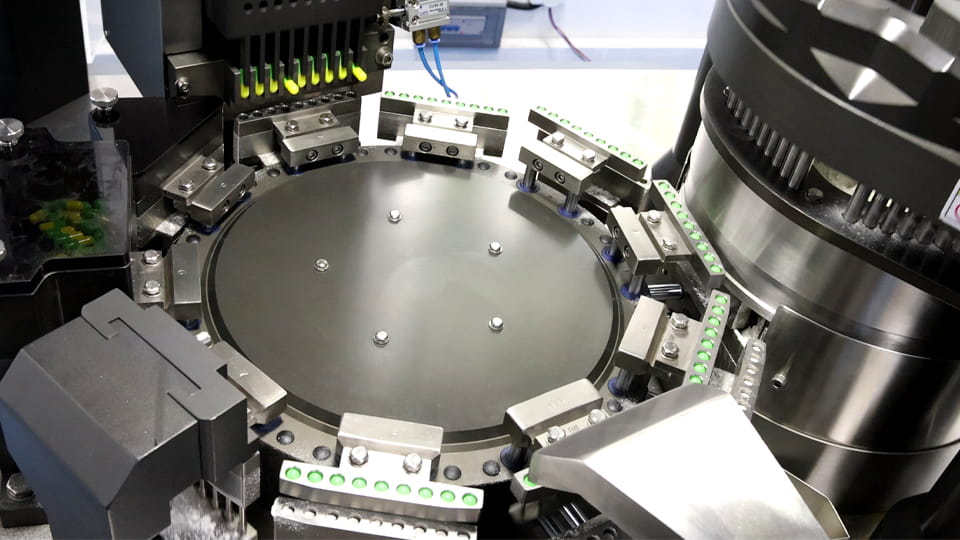
Nella maggior parte dei riempitivi per capsule, gusci delle capsule vuoti entrano su un piatto rotante e vengono separati da un sistema di aspirazione a vuoto in due parti: berretti (metà superiori) e corpi (metà inferiori). Se la separazione fallisce(Per saperne di più: Perché i cappucci e i corpi delle capsule non riescono a separarsi?), entrambe le metà rimangono unite o cadono in modo errato, fermando la linea.
Sintomo: Ogni ciclo, il cappuccio della capsula rimane sul corpo oppure i cappucci cadono in modo errato nell'anello di alimentazione. La macchina spesso si blocca o va in allarme.
Possibili cause: La scarsa qualità delle capsule o il vuoto inadeguato sono i principali colpevoli. Le capsule deformate o fragili potrebbero non essere rilasciate. Linee del vuoto sporche o che perdono, una pompa a vuoto debole, o filtri intasati possono compromettere l'aspirazione. Piastre o vassoi disallineati indicano che la capsula non può posizionarsi correttamente sotto aspirazione. Anche un'eccessiva umidità statica o errata può far aderire i tappi. Anche se il tuo sistema di aspirazione è nuovo, spesso si insinuano perdite o regolazioni errate, impedendo al tappo di staccarsi in modo pulito dal corpo.
Risoluzione dei problemi: Primo, ispezionare le capsule. Utilizzare un calibro passa/non passa per controllare lunghezze e diametri. Sostituire eventuali capsule non conformi alle specifiche o danneggiate. Controllare il vuoto: assicurarsi che la pompa sia dimensionata per la macchina e i tubi, valvole, e i filtri sono intatti. Monitorare il manometro del vuoto presso la stazione di rifornimento: dovrebbe corrispondere alle specifiche OEM ed essere stabile. Pulire o sostituire i filtri intasati e riparare le perdite. Regolare gradualmente la forza del vuoto: troppo forte può rompere i gusci, troppo debole non li separerà. Prossimo, verificare l'allineamento meccanico. La piastra di alimentazione delle capsule, segmento superiore, e la piastra di allineamento del corpo deve essere posizionata con precisione in modo che ciascuna metà sia posizionata direttamente sotto l'aspirazione. Se necessario, regolare la distanza della piastra di separazione o i perni di bloccaggio, seguendo il manuale della macchina. Abbassamento statico (utilizzando ionizzatori o regolando l'umidità) può anche aiutare il rilascio delle capsule fragili. Se la macchina è dotata di eliminatore di capsule vuote, assicurati che funzioni in modo che tutti gli inseparabili (raddoppiare) le capsule vengono rimosse prima del riempimento.
La separazione delle capsule è il primo passo fondamentale nel riempimento automatizzato. Una pompa a vuoto trascina il corpo verso il basso nella piastra di allineamento, separandolo dal suo cappuccio. Il vuoto stabile e l'allineamento preciso sono fondamentali per evitare che le capsule si blocchino.
Se gli aggiustamenti non lo risolvono, considera questi suggerimenti: Prova capsule fresche da un lotto o fornitore diverso (“produttore di capsule”) noto per tolleranze strette. Assicurarsi che la temperatura e l'umidità durante la conservazione non rendano le capsule troppo morbide o fragili. Finalmente, verificare che eventuali ausili meccanici per lo sblocco (come perni di separazione) funzionano se la tua macchina ne è dotata. Con pulito, gusci di alta qualità e un sistema di vuoto adeguatamente sintonizzato, i fallimenti nella separazione sono rari.
Sintomo: Vedi capsule rotte nella ciotola del mangime, gusci incrinati sull'uscita, o rottura delle capsule durante il riempimento/chiusura. Questi difetti rovinano il prodotto e possono sporcare la macchina.
Possibili cause: Le capsule possono rompersi se sono troppo fragili o se la macchina applica una forza eccessiva. Conchiglie invecchiate in modo improprio (troppo secco) o l'umidità assorbita nei momenti sbagliati può rompersi facilmente. Polvere eccessiva (sovradosaggio) crea troppa pressione interna quando il tappo è chiuso, causando spaccature o ammaccature all'estremità del cappuccio. Anche le capsule corrette possono rompersi se i perni di chiusura sono posizionati troppo in profondità o se il bloccaggio (sigillatura) la forza è troppo elevata. Sbalzi di temperatura (apparecchiature o ambienti caldi) e l'elettricità statica può rendere le shell più fragili durante l'elaborazione.
Risoluzione dei problemi: Primo, confermare la qualità della capsula: assicurati di utilizzare conchiglie fresche di buona qualità fornitore di capsule. Controllare l'umidità durante lo stoccaggio; UR ideale per gelatina o HPMC conchiglie riguarda 40-60%. Se troppo secco o troppo umido, le capsule possono diventare fragili o restare attaccate tra loro. Utilizzare un misuratore del diametro delle capsule: i gusci sovradimensionati o deformati sono più soggetti a crepe. Ridurre la profondità di chiusura e l’impostazione della pressione della macchina. Per macchine ad alta velocità, anche una piccola regolazione dei perni di compressione può eliminare lo stress che causa la rottura delle estremità della capsula.
Se la rottura persiste, esaminare il peso di riempimento: stai forzando troppo il riempimento?? Capsule troppo piene (anche da 5-10% sopra specifica) si spezzerà alla chiusura. Assicurarsi che il disco dosatore o i perni di compressione dosano correttamente; calibrarli o sostituirli se necessario. Finalmente, levigare eventuali bordi delle parti della macchina che entrano in contatto con i gusci: bave o piastre disallineate possono schiacciare le capsule. Dopo le modifiche, eseguire a velocità inferiore per verificare la risoluzione prima di riavviare.
Prevenire la rottura: Utilizza capsule HPMC di qualità se la tua formula è molto igroscopica; gestiscono l'umidità meglio della gelatina. Evitare un vuoto eccessivo o un'elettricità statica che potrebbe seccare i gusci. Rafforzare i controlli ambientali: picchi di temperatura superiori a 25°C o improvvisi cambiamenti di umidità possono innescare crepe. Di regola, ottimizzare il peso di riempimento e le impostazioni di chiusura al minimo necessario per una corretta sigillatura. In questo modo si evitano “ammaccature” o fori di spillo sulle estremità delle capsule causati da chiusure troppo aggressive.
Sintomo: Le capsule appaiono casualmente riempite in modo insufficiente (troppo leggero) o troppo pieno (troppo pesante), controlli del peso inadeguati. Questa incoerenza viola l'uniformità della dose e può significare il rifiuto da parte del controllo di qualità.
Possibili cause: Gli errori relativi al peso di riempimento spesso sono dovuti al sistema di dosaggio o alle proprietà della polvere. Un disco dosatore disallineato o usurato, perni di compressione, o la coclea erogherà volumi di polvere variabili. I problemi di flusso della polvere sono enormi: se l'impasto presenta grumi di umidità, scarsa granulazione, o segregazione, alcune capsule contengono più polvere e altre meno. Una tramoggia vuota o una velocità di alimentazione lenta possono far morire di fame le capsule in modo intermittente. Anche la velocità di rotazione dell'anello di riempimento vs. La mancata corrispondenza della velocità della coclea può causare sacche di riempimento eccessivo/insufficiente.
Risoluzione dei problemi: Inizia calibrando il meccanismo di dosaggio sul tuo dispositivo di riempimento delle capsule. Su un riempitore automatico, ciò significa controllare la distanza e il gioco del disco dosatore(S) e perni di compressione. Assicurarsi che la velocità della coclea e quella del disco corrispondano in modo che l'alimentazione della polvere sia uniforme. Se il problema è intermittente, ispezionare il contenitore della polvere: riempirlo prima che si verifichino allarmi di basso livello, e garantire il sistema di alimentazione (vibratori, agitatori) sta funzionando senza intoppi. Migliora il flusso della polvere asciugando la miscela, aggiunta di glidanti (per esempio. stearato di magnesio), o granulazione ad una dimensione delle particelle più stretta.
La formazione e il flusso adeguati dei frammenti di polvere sono fondamentali per l'accuratezza della dose. Il riempimento incoerente spesso deriva da dosatori non calibrati o da polveri con dimensioni dei granuli variabili. L'immagine mostra un operatore che regola con precisione un disco dosatore di polvere per garantire che ogni capsula riceva la giusta quantità.
Monitorare anche i fattori ambientali: l'elevata umidità può formare grumi di polvere, mentre l'elettricità statica provoca lanugine. Utilizzare controlli dell'umidità o aggiungere essiccanti se necessario. Dopo gli aggiustamenti, eseguire un lotto campione e controllare il peso delle capsule a intervalli. Se sotto/sovralimentazione continuano anche con una buona polvere e una meccanica pulita, il sistema di dosaggio stesso (perni o disco) potrebbe essere necessario sostituirlo a causa dell'usura.
Sintomo: Le capsule emergono con polvere visibile all'esterno, oppure vedi accumularsi multe sulla macchina. Una parte della polvere potrebbe fuoriuscire dalla capsula durante il riempimento o il bloccaggio, formando polvere fine(Per saperne di più: Come risolvere la perdita di polvere nel riempitivo della capsula?). Questo è spesso chiamato capsule “polverose”..
Possibili cause: Il processo di riempimento può lasciare una “macchia” di polvere che non entra completamente nella capsula. Se la lumaca non si forma in modo pulito, la polvere in eccesso viene sputata. Le ragioni includono la profondità errata del disco di dosaggio, lame usurate, o velocità di riempimento troppo elevate. La polvere ad alta umidità può anche attaccarsi e fuoriuscire. Se non c'è lucidatore per capsule oppure l'aspirazione della lucidatrice è spenta, la polvere sciolta sulle capsule non verrà rimossa. Anche l'elettricità statica può far aderire la polvere alle superfici. In sintesi, scarsa formazione di lumache, elevata umidità, e una raccolta inadeguata della polvere sono i soliti sospetti.
Risoluzione dei problemi: Controllare gli spilli di dosaggio e pigiatura: dovrebbero comprimere bene la polvere prima di riempirla. Regolare la sequenza di pressatura o il disco dosatore per formare un composto più compatto. A volte è utile utilizzare un foro di dosaggio più piccolo o una velocità di riempimento più lenta. Ispezionare la tramoggia e le condizioni di alimentazione: se la tua ricetta è cambiata (nuovo eccipiente) oppure il lotto ha molte multe, setacciare il composto o asciugarlo ulteriormente.
Garantire il lucidatore della capsula (se equipaggiato) funzioni alla velocità e al vuoto corretti. La lucidatura non pulisce solo la capsula, inoltre spinge la polvere sciolta indietro verso la tramoggia. Se alla tua linea manca un lucidatore, prendere in considerazione l'aggiunta di un'aspirazione ad alta capacità allo scivolo di scarico. Pulire regolarmente la riempitrice e i percorsi di alimentazione; anche piccoli grumi nelle fessure possono staccarsi e aderire alle capsule.
Sintomo: Le capsule non si bloccano correttamente oppure si uniscono in modo obliquo (telescopico). Potresti anche vedere il contenuto fuoriuscire dalla giuntura o dalla fasciatura (sulle capsule liquide, la fascia di tenuta è danneggiata). I prodotti appaiono disallineati o non completamente sigillati.
Possibili cause: I disallineamenti nella stazione di chiusura sono cause comuni. Se i segmenti superiore e inferiore dell'utensile di chiusura non sono perfettamente allineati, il cappuccio può scorrere da un lato (telescopico) invece di sedersi completamente. Anche una lunghezza o una pressione errata del perno di chiusura possono lasciare le capsule solo parzialmente bloccate. Un riempimento eccessivo può inceppare il tappo in alto in modo non uniforme. Contaminazione (polvere o grasso) nell'interfaccia cappuccio-corpo può impedire una tenuta ermetica. Per capsule liquide, viene applicata una “fascia” di materiale sigillante; se l'altezza o la temperatura della ruota di fascettatura sono disattivate, la fascia risulterà incompleta o spiegazzata.
Risoluzione dei problemi: Primo, controllare l'allineamento meccanico. Utilizzare spessimetri o un pezzo di prova per allineare la camma e le profondità dell'anello di bloccaggio. Regolare la corsa di chiusura in modo che il fondo di ciascun cappuccio tocchi il fondo a filo con la scanalatura del corpo. Controllare e pulire il tappo e il passaggio del corpo; anche un piccolo granello tra il cappuccio e il corpo impedisce la chiusura. Per custodie telescopiche, assicurarsi che ciascuna camera della capsula sui dischi sia priva di gioco laterale e che le camme di fasatura siano corrette. Ingranaggi o cuscinetti usurati potrebbero causare un lieve errore di indicizzazione.
Se si utilizzano capsule di varie dimensioni (lunghezza, diametro), regolare la tramoggia e il caricatore in modo che venga alimentato un solo formato, poiché le variazioni possono causare disallineamenti dei blocchi. Se le capsule “vibrano” nei binari di alimentazione, potrebbero arrivare nel falegname in modo non uniforme. Ridurre la forza di chiusura e ripetere il test: a volte basta ridurre di qualche decimo di millimetro la lunghezza del perno per risolvere un problema di bloccaggio.
Per capsule riempite di liquido: verificare le impostazioni di raggruppamento. Esegui un test senza contenuto per vedere se le bande si applicano correttamente; regolare la velocità della ruota del nastro, riscaldamento, e spessore della fascia. Un bel consiglio da JinLu: se si verificano difetti della fascia, verificare che il materiale della fascia di gelatina abbia una resistenza alla trazione adeguata e non si restringa prematuramente. Se tutto il resto fallisce, rimuovere e riposizionare/sostituire il perno di chiusura.
Sintomo: Il prodotto finito ha capsule senza polvere o contenuto – gusci effettivamente vuoti. Questo può superare l'ispezione visiva o il controllo del peso, causando problemi di qualità a valle.
Possibili cause: Il principale colpevole è un errore durante o prima della fase di riempimento. Se la separazione fallisce e una capsula vuota (Per esempio, un cappuccio o corpo libero) non è stato riempito ma non è stato espulso dall'eliminatore di capsule vuote, uscirà vuoto. Un altro caso è che l'alimentazione della polvere è stata interrotta: un inceppamento nella coclea o un tubo di alimentazione bloccato potrebbero impedire alla polvere di raggiungere la capsula in una stazione. Anche erogatori o sensori malfunzionanti possono attivare uno svuotamento (se la macchina pensa di essere piena ma in realtà non ha ricevuto polvere).
Risoluzione dei problemi: Osservare l'output e risalire a ciascuna capsula vuota fino al suo punto di origine nella macchina. Controllare l'espulsore della capsula vuota: è impostato troppo liberamente o è spento? L'espulsore dovrebbe eliminare tutte le metà della capsula che non si sono mai separate o non si sono mai mosse correttamente. Abilitalo o regolalo se disponibile. Ispezionare l'alimentazione della polvere: il livello della tramoggia è basso in quel momento? Cercare eventuali intasamenti parziali sulla coclea o sul disco dosatore. Esegui una fila lenta e osserva attentamente per catturare un animale affamato. Pulisci eventuali attrattori statici in cui la polvere potrebbe attaccarsi invece di fluire.
Se il problema è intermittente, verificare i tempi: vedere se le conchiglie vuote appaiono allo stesso intervallo, indicando uno slittamento meccanico. Se esce costantemente un vuoto, Dire, ogni 20a posizione, un rullo o un servo potrebbero saltare i denti. Stringere le cinghie e ispezionare i segnali di feedback dell'encoder.
Sintomo: Le capsule vengono alimentate due volte nella stessa camera (due tappi o due corpi) o non saltare nessuna capsula. In alternativa, le capsule potrebbero incepparsi nel caricatore o nei binari di alimentazione. Ciò porta ad arresti della macchina o ad una produzione irregolare.
Possibili cause: Gli errori nell'alimentazione delle capsule sono spesso meccanici. In macchine riempitrici semiautomatiche o macchine manuali, potrebbe essere il blocco di semina della capsula o una porta di alimentazione troppo grande. In sistemi completamente automatici, ruote di alimentazione usurate, magneti, o le guide disallineate causano inceppamenti. Un vuoto eccessivo durante l'alimentazione può anche far uscire anticipatamente una capsula dal caricatore, portando al raddoppio. Al contrario, un caricatore o un vassoio intasato farà morire di fame l'anello di riempimento.
Risoluzione dei problemi: Per macchine semi/automatiche per la produzione di capsule, seguire questi passaggi: Assicurarsi che il contenitore delle capsule non sia riempito eccessivamente: a volte riducendo il livello delle capsule si evita di averne due contemporaneamente. Regolare il cancello in modo che le capsule cadano una per una; un'apertura troppo anticipata si traduce in un raddoppio. Controllare che la ruota dentata del disco e l'orientatore della capsula siano correttamente bloccati in posizione. Pulisci le piste di alimentazione e i caricatori: la polvere o gli oli appiccicosi possono bloccare le capsule. Se la tua macchina utilizza un'alimentazione a vuoto, ridurre l'aspirazione o aggiungere ugelli d'aria per separare le capsule bloccate. Sostituire eventuali molle o parti in gomma dell'alimentatore usurate.
Su macchine con capsule in vaschette prebloccate o caricatori di preriempimento, assicurati che le vasche siano dello stile corretto e in buona forma. Controllare i sensori o le camme che rilevano la posizione della capsula; se un sensore è sporco o disallineato, la macchina potrebbe pensare che sia presente una capsula quando non lo è, causando errori di indicizzazione.
Sintomo: In capsule rigide riempite di liquido (che spesso presentano una “fascia” di gelatina per sigillare il cappuccio al corpo), la fascia di tenuta è incompleta, inclinato, o sbucciatura. Potresti vedere una sbavatura o uno spazio vuoto dove dovrebbe trovarsi la fascia.
Possibili cause: La formazione di bande difettose è solitamente un problema nella stazione di bandatura del riempitore di capsule liquide. Se l'altezza o l'angolo della ruota di bordatura sono errati, la fascia non si applicherà in modo uniforme. Anche una velocità non corretta della ruota rispetto alla velocità della bottiglia provoca bande sottili o grumose. Se la soluzione sigillante (tipicamente una miscela di gelatina o polimero) è troppo caldo o freddo, non si legherà correttamente. Una ruota del nastro usurata o uno spessore del nastro diverso possono produrre difetti. Anche, se le capsule sono disallineate vanno in banding (a causa dei problemi di chiusura o di alimentazione di cui sopra), le bande usciranno distorte.
Risoluzione dei problemi: Primo, isolare la fase di fasciatura. Senza riempimento di liquido, far passare le capsule vuote attraverso la fascia e osservare attentamente. Regolare l'altezza e la tensione della ruota di fascettatura in modo che tocchi appena la giunzione del cappuccio e del corpo. Impostare la velocità della ruota in modo che la larghezza della banda corrisponda alla circonferenza della capsula senza allungarsi. Calibrare la temperatura: la maggior parte dei bander ha bisogno del gel a una temperatura intorno ai 40–45°C. Se le fasce sono troppo sottili, raffreddarlo un po' o rallentare il rullo; se grumoso, ispezionare la soluzione della fascia per individuare eventuali detriti. Controllare i rulli laterali che sostengono la capsula: dovrebbero semplicemente far rotolare la capsula alla velocità corretta. Finalmente, assicurarsi che il liquido di riempimento non fuoriesca prima della fasciatura, se le capsule emergono già bagnate, la fascia non si attaccherà. Riparare prima eventuali fuoriuscite di materiale di riempimento.
Se dopo le regolazioni le bande continuano a “danzare” sulle capsule, la radice potrebbe avere una dimensione della capsula incoerente o una chiusura avvenuta nei passaggi precedenti. Rivisita anche quelli. Nei casi più gravi, potrebbe essere necessario sostituire il materiale della ruota di fascettatura (se indossato). Utilizzare sempre uno spessimetro, se disponibile, per verificare le impostazioni.
Quando si verifica un problema, un approccio sistematico fa risparmiare tempo. Ecco una sequenza suggerita:
Una competenza chiave è distinguere se un difetto è dovuto a macchina o il Materiali. Ecco alcune linee guida:
Generalmente, iniziare con i materiali, se possibile: provare una corsa di controllo con una polvere e capsule standard di buona qualità. Se il difetto persiste, è quasi certamente meccanico. Al contrario, se un altro lotto di capsule risolve immediatamente il problema, allora la macchina andava bene.
Il modo migliore per ridurre i difetti è prevenirli. Considera queste misure:
Combinando la manutenzione preventiva programmata con il monitoraggio in tempo reale, molti difetti possono essere eliminati prima che interrompano la produzione.

A volte, i difetti derivano da problemi che solo il produttore della macchina può risolvere. Contatta il supporto del produttore quando:
Tieni a portata di mano i dettagli del contratto di supporto. Quando si segnala un problema, essere predisposto con il modello della macchina ed il numero di matricola, una chiara descrizione del difetto, ed eventuali codici di errore. Foto o brevi video del difetto in azione possono essere preziosi. Una rapida chiamata in anticipo può farti risparmiare ore di congetture in seguito.
I difetti di riempimento delle capsule possono essere frustranti, ma con un approccio strutturato è possibile ridurre al minimo i tempi di inattività e gli scarti. Le chiavi sono buona manutenzione preventiva, materiali di alta qualità, E attenta calibrazione della macchina. Imparando i sintomi e le cause sopra descritti, gli ingegneri e gli operatori di produzione possono diagnosticare rapidamente i problemi. Quando sorgono problemi, passare prima attraverso i controlli dei materiali, quindi le impostazioni dell'apparecchiatura. Se un difetto persiste, dopo tutto, non esitare a sfruttare l’esperienza del tuo produttore, hanno visto tutto!
Pronto per una produzione di capsule più fluida? Contatta JinLu Imballaggio per le ultime novità in termini di apparecchiature affidabili per il riempimento di capsule e supporto di esperti. I nostri ingegneri possono aiutare a risolvere qualsiasi problema persistente e consigliare la soluzione giusta macchina di riempimento della capsula automatica o aggiornamenti per eliminare definitivamente i difetti.
Le crepe sulla punta spesso indicano che il guscio è diventato fragile o che la forza di riempimento è troppo elevata. Controllare l'umidità della capsula (dovrebbe essere ~ 12-15% per la gelatina). Se si tratta di un nuovo lotto o di un clima più caldo, idratare la stanza. Anche, ispezionare i perni di chiusura: una piccola regolazione può alleviare la forza in eccesso.
Un improvviso calo del peso di riempimento indica solitamente un problema di alimentazione. Cercare un inceppamento nel contenitore della polvere o un livello basso del contenitore. Controllare inoltre che l'agitatore della tramoggia funzioni. Ricalibrare i dischi dosatori nel caso in cui uno si sia spostato. Se le polveri si accumulano a causa dell'umidità, schermarli e asciugarli.
La doppia alimentazione viene comunemente risolta regolando il cancello di alimentazione della capsula o la fasatura del meccanismo di semina. Nella nostra guida semi-auto, la soluzione era rallentare la ruota di semina e allineare il blocco di smistamento per centrare ciascuna capsula una per una. Assicurarsi inoltre che la tramoggia non sia sovraffollata, e quel vuoto non è troppo forte all'alimentazione (che può tirarne due contemporaneamente).
In genere non senza un passaggio completo. Differenti lunghezze/diametri delle capsule spesso richiedono la sostituzione dell'intera attrezzatura (parti come piastre segmentate, anelli di riempimento, camme). L'utilizzo di formati misti senza riattrezzamento porta a inceppamenti e fallimenti nella chiusura. Pianifica sempre cicli separati per ciascun formato di capsula.
Un inceppamento progressivo può segnalare un surriscaldamento o una deriva della macchina. Controllare se è necessario rabboccare la lubrificazione o se un motore si sta riscaldando e perde potenza. Anche, ispezionare i percorsi delle capsule per individuare eventuali accumuli di residui. L'espansione termica può causare il serraggio delle parti; un test di raffreddamento più lungo potrebbe rivelare problemi.
Riferimenti:
1.PubMed —— Studio di vari fattori che influenzano l'incapsulamento sulla macchina riempitrice automatica per capsule con tappo
2.PubMed —— Gli effetti delle caratteristiche del materiale sul peso di riempimento delle capsule e sulla variabilità del peso nelle macchine con ugelli dosatori
3.ScienceDirect—— L'effetto delle caratteristiche del materiale e dei parametri di processo sull'uniformità del letto di polvere durante un processo di riempimento delle capsule di un dosatore a basso dosaggio
4.RicercaGate —— Difetti delle capsule e rimedi per le industrie farmaceutiche
5.PDA Giornale di Scienze e Tecnologie Farmaceutiche —— Sviluppo di uno schema di controllo del processo per la riduzione della variazione di peso delle capsule
6.ScienceDirect—— Riempimento della polvere in capsule di gelatina dura su una macchina riempitrice a pressa