
- Macchine
- Competenza
- Risorse
- Certificati
- Di
- Contatto
- Macchine
- Competenza
- Risorse
- Certificati
- Di
- Contatto
Nel linguaggio quotidiano "farmaco" E "medicinale" sono spesso usati in modo intercambiabile. Nel settore farmaceutico, Tuttavia, di solito implicano diverse fasi del ciclo di vita del prodotto. UN farmaco è generalmente la sostanza farmacologica attiva (API) che fornisce effetti terapeutici. UN medicinale (a volte chiamato a medicinale) è il prodotto finito: il farmaco formulato e confezionato per l'uso da parte del paziente. Questa distinzione influisce sul modo in cui vengono sviluppati i prodotti, fabbricato, e confezionato. In termini semplici, ogni medicina inizia con un farmaco (principio attivo), ma non tutti i farmaci diventano medicinali commerciabili. Le differenze in questi termini possono influenzare forma di dosaggio progetto, stato normativo, E scelta delle macchine per l'imballaggio.
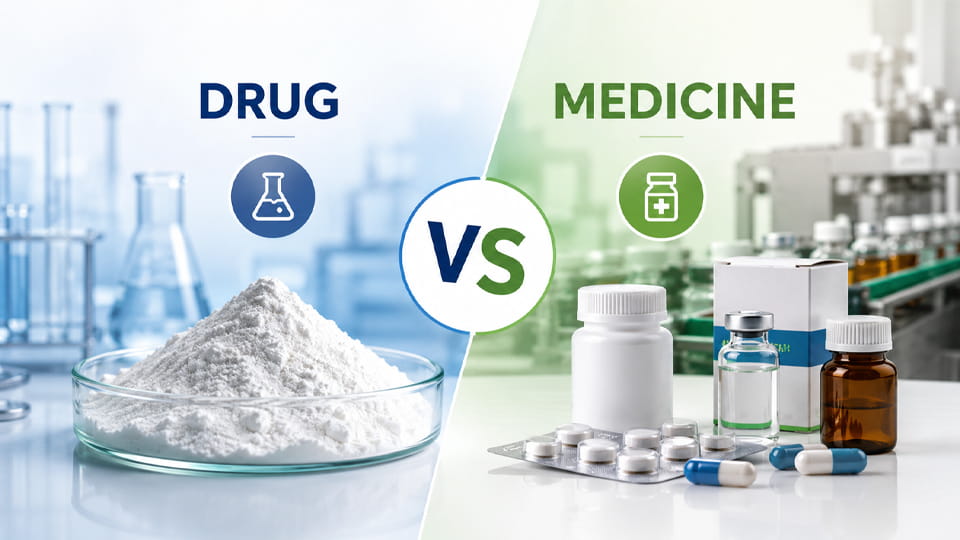
In termini farmaceutici, UN farmaco è una sostanza chimica o biologica attiva utilizzata per la diagnosi, cura, mitigare, trattare, o prevenire le malattie. La FDA definisce un farmaco in generale come “Una sostanza destinata all'uso nella diagnosi, cura, mitigazione, trattamento, o prevenzione delle malattie” negli esseri umani o negli animali. In pratica, "farmaco" spesso si riferisce al principio attivo puro (API) si. Per esempio, l'ibuprofene o l'amoxicillina come polvere verrebbero chiamati una sostanza farmaceutica prima di essere trasformati in un compressa o capsula.
Punti chiave su droghe nella produzione farmaceutica:
In sintesi, UN farmaco è la sostanza terapeutica grezza o API – il “cosa” che dà a un medicinale il suo effetto. Questo termine è comune nello sviluppo e nella regolamentazione delle formulazioni.
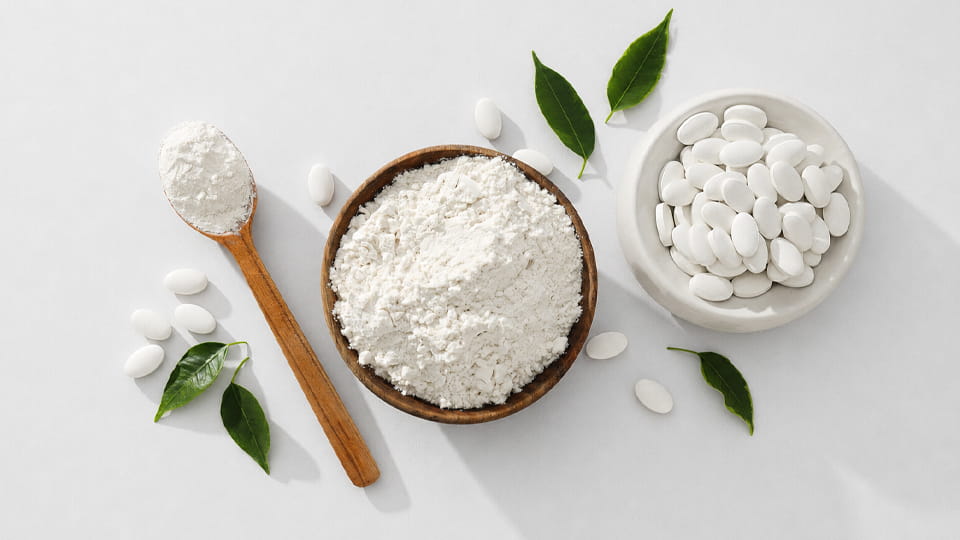
UN medicinale (O medicinale) è un prodotto farmaceutico finito destinato all'uso da parte del paziente. Contiene uno o più farmaci (API) più componenti inattivi (eccipienti) ed è confezionato per un'erogazione e un utilizzo sicuri. In altre parole, una volta che un farmaco è formulato in una forma di dosaggio (tavoletta, capsula, liquido, ecc.) ed etichettato in un contenitore, diventa un medicinale pronto per la vendita.
In termini semplici, UN medicinale è il confezionato, prodotto pronto per il paziente utilizzato per diagnosticare o trattare una condizione. Include il farmaco come ingrediente principale, ma anche tutte le altre cose (eccipienti, contenitore, etichetta).
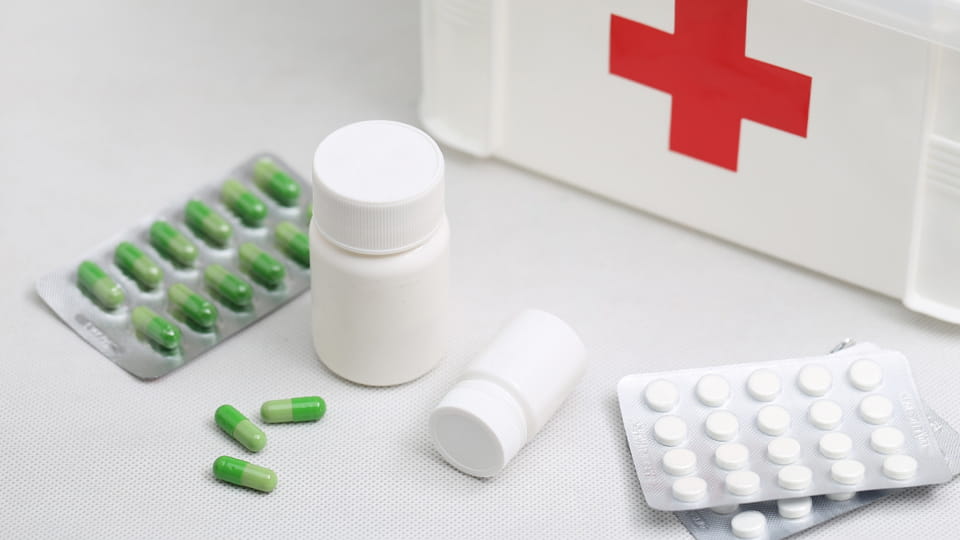
Di seguito è riportato un riepilogo dei distinzioni chiave tra un farmaco e un medicinale. Le differenze sono sottili nel linguaggio semplice ma importanti nei contesti produttivi e normativi:
| Aspetto | Farmaco | Medicinale (Prodotto medicinale) |
| Significato di base | Sostanza attiva (API) con effetto terapeutico | Prodotto finito contenente il farmaco, pronto per l'uso da parte del paziente |
| Palcoscenico | Spesso si riferisce a un ingrediente in fase iniziale o a un composto di ricerca | Si riferisce alla forma di dosaggio finale una volta formulata e confezionata |
| Composizione | Il principio attivo puro (per esempio. polvere di aspirina) | Include l'API + eccipienti, contenitore, etichetta (per esempio. compressa di aspirina in blister) |
| Usa il contesto | Produzione, R&D, normativo (processo di approvazione) | Uso clinico, prescrivere, erogazione (negli ambienti sanitari) |
| Regolamento | La definizione ampia di “farmaco” della FDA include le API | Prodotti finiti rigorosamente regolamentati (Approvazioni FDA/EMA, GMP) |
| Esempio | API dell'ibuprofene, proteine dell'insulina (sostanza sfusa) | Compresse di ibuprofene, iniezioni di insulina in fiale |
In parole povere: UN farmaco è la sostanza chimica/biologica attiva con effetto farmacologico. UN medicinale è quel farmaco più formulazione e confezionamento, destinati ad un utilizzo sicuro da parte dei pazienti. Come ha affermato una fonte farmaceutica, “Ogni medicina inizia come una droga, ma non tutti i farmaci diventano medicine”. Ad esempio, la morfina pura è una sostanza farmaceutica; una volta formulato in dosi iniettabili con soluzione salina e sigillato in fiale, diventa una medicina (un prodotto antidolorifico).
Il punto cruciale è questo medicinale implica un regolamento, prodotto consumabile, mentre farmaco può significare solo il principio attivo grezzo o una classe più ampia di composti. La tabella sopra evidenzia queste differenze.
Per comprendere appieno il concetto di “farmaco vs medicina”.," aiuta a chiarire i termini correlati spesso utilizzati nel settore farmaceutico:
In conclusione: Nella produzione farmaceutica, “sostanza farmaceutica” è l'API, “prodotto farmaceutico” è la forma di dosaggio formulata (compresse, capsule, iniezione, ecc.), E "medicinale" è ciò che si chiama prodotto farmaceutico una volta che è un prodotto terapeutico pronto per il mercato. Per esempio, la metformina è una sostanza farmaceutica, il prodotto farmaceutico è una compressa di metformina da 500 mg, e quella tavoletta (nella sua confezione) è la medicina che il paziente prende.
Comprendere questi termini è vitale: una volta che conosciamo la forma di dosaggio di un prodotto farmaceutico, possiamo selezionare il giusto linea di confezionamento per trasformarlo in una medicina stabile.
Formulazione & Sviluppo della forma di dosaggio: Un crudo sostanza farmaceutica di per sé non è pronto per il paziente. Deve essere formulato in una forma di dosaggio adeguata (tavoletta, capsula, sciroppo, iniezione, ecc.) – questa è una parte importante dello sviluppo produttivo. Ciascuna forma di dosaggio richiede eccipienti e trattamenti specifici (miscelazione, granulazione, sterilizzazione) diventare a prodotto farmaceutico. Per esempio, gli API sensibili per i prodotti biologici iniettabili necessitano di un trattamento asettico, mentre un API stabile per una pillola passa attraverso l'essiccazione e la compressione della compressa.
Approvazione normativa: Agenzie come la FDA o l'EMA esaminano i dati sulla sostanza farmaceutica E il prodotto farmaceutico/medicinale. Valutano la sicurezza dell'API e l'efficacia della formulazione finale. La medicina finita deve soddisfare standard rigorosi (GMP, stabilità, etichettatura). della FDA cgmp le norme riguardano esplicitamente i processi e le attrezzature di confezionamento, quindi il modo in cui si confeziona un medicinale (ancor più di una droga cruda) è altamente regolamentato.
Imballaggio ed etichettatura: La distinzione detta le esigenze di imballaggio. Una sostanza farmaceutica ha in genere un imballaggio minimo (batteria, fiale per la conservazione). Una medicina, Tuttavia, richiede imballaggio primario che protegge il dosaggio (per esempio. pacchetti di blister, bottiglie, fiale) E imballaggio secondario (cartoni) per informazioni e tracciabilità. Per esempio, compresse (prodotto finito) necessitano di blister resistenti all'umidità o di sistemi di chiusura e bottiglia per garantire la durata di conservazione. Un medicinale iniettabile necessita di fiale o fiale di vetro sterili oltre a sigilli anti-manomissione. Ogni combinazione di API e forma di dosaggio ha una soluzione di confezionamento corrispondente.
Selezione dell'attrezzatura: Se pensi solo alle API, potresti prendere in considerazione reattori o miscelatori. Ma una volta che una sostanza è un prodotto farmaceutico che necessita di imballaggio, ci vuole la giusta linea di confezionamento. Macchine confezionatrici in blister, macchine per il riempimento di capsule, riempitivi liquidi, linee di riempimento flaconi, macchine astucciatrici – tutti diventano rilevanti. Riconoscere la “medicina” significa che il prodotto confezionato spinge all’acquisto di queste macchine.
Insomma, comprendere la “droga vs medicina” aiuta i team di progetto a sapere quando e come per integrare l’imballaggio nel flusso di produzione. Garantisce che il prodotto farmaceutico non sia semplicemente formulato, ma adeguatamente tutelati e presentati al mercato.
Il confezionamento è l’ultimo passaggio fondamentale che trasforma un farmaco formulato in un medicinale che i pazienti possono utilizzare in sicurezza. In imballaggio farmaceutico, imballaggio primario è in diretto contatto con il dosaggio (il prodotto farmaceutico) e fornisce la prima barriera al degrado. Per esempio, spesso vengono inserite capsule e compresse di gelatina dura alluminio-plastica pacchetti di blister, mentre entrano gli sciroppi liquidi plastica (PET/HDPE) bottiglie. I farmaci iniettabili vengono riempiti fiale o fiale di vetro sterili. Ciascun contenitore primario viene scelto per la sua inerzia e le sue proprietà barriera.
Una volta sigillato l'imballaggio primario, imballaggio secondario (cartoni, etichette, volantini) fornisce informazioni sul paziente e dati sul lotto. Ad esempio, i blister o le fiale sono raggruppati in astucci di cartone marchiati con foglietti illustrativi, numeri di lotto, e codici a barre – fondamentali per la conformità e la sicurezza del paziente.
A JinLuPacking, le nostre macchine automatizzano questi passaggi. Un automatico macchina confezionatrice per blister può sigillare migliaia di compresse in blister all'ora; UN macchina per il riempimento di capsule dosa il farmaco in capsule; UN linea di riempimento e tappatura bottiglie conta le compresse o riempie gli sciroppi nelle bottiglie; e un macchina astucciatrice avvolge e imballa i prodotti finiti. Tutte queste fasi – riempimento, tappatura, avvolgimento – garantire che il medicinale finale sia dosato accuratamente, sicuro, e pronto per la distribuzione.
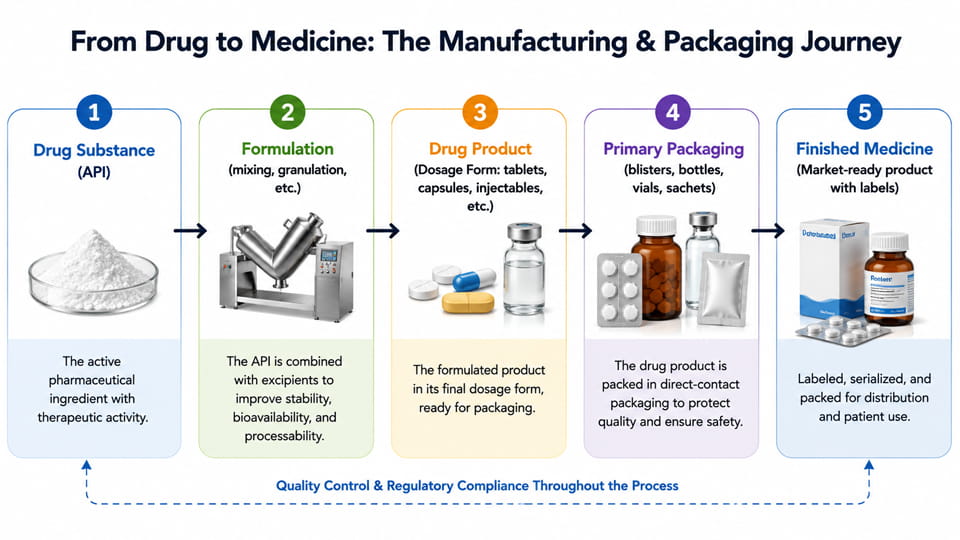
Figura: Diagramma di flusso del farmaco → Medicina: L'attivo sostanza farmaceutica (API) è formulato in a prodotto farmaceutico (forma farmaceutica specifica). Poi si sposta in imballaggio primario (per esempio. blister per compresse, bottiglie per sciroppi, fiale di vetro per iniettabili). Finalmente, diventa a medicina finita con imballo secondario (cartoni/etichette) per l'uso da parte del paziente.
Forme di dosaggio diverse richiedono soluzioni di confezionamento diverse. La tabella seguente riassume gli abbinamenti tipici:
| Forma di dosaggio | Imballaggio primario comune | Esempio JinLuAttrezzatura |
| Compresse (Orale solido) | Pacchetti di blister (Lamina in PVC/PVDC), o plastica bottiglie con tappi a vite | Macchina confezionatrice in blister; Conteggio delle compresse & Linea di imbottigliamento |
| Capsule (Orale) | Pacchetti di blister, o flaconi simili a compresse | Riempitrice automatica per capsule; Macchina da blister |
| Liquido orale (Sciroppi) | Plastica (PET/HDPE) bottiglie con tappi a prova di bambino | Sistema di riempimento e tappatura di liquidi; Decodifica della bottiglia |
| Polvere / Bustina | Confezioni in bustine monodose (buste in alluminio o laminato) | Macchina confezionatrice per bustine/stick pack; Linea di buste preconfezionate |
| Iniettabili (Sterile) | Bicchiere fiale, ampolle, o siringhe preriempite, più sigilli in lamina | Riempimento di fiale/fiale & Linea di arresto; Sigillante a induzione |
| Unguenti/Creme | Tubi laminati (alluminio o plastica) | Macchina per riempire e sigillare tubi |
| Capsule morbide | Bottiglie (ANIMALE DOMESTICO) o blister | Macchina per blister per capsule softgel; Linea di conteggio |
La scelta dipende da fattori come la stabilità della forma della dose, sterilità, e comodità del paziente. Per esempio, compresse e capsule spesso usano macchine blister O linee di riempimento bottiglie, mentre i liquidi necessitano sciacquatrici per bottiglie, riempimento, e macchine tappatrici. Iniettabile i farmaci richiedono sistemi di riempimento sterili in condizioni di camera bianca. Ogni soluzione è supportata da macchinari di confezionamento specializzati per garantire che il prodotto farmaceutico diventi protetto, etichettato medicinale che incontra Norme GMP.
Per renderlo concreto, ecco alcuni esempi che mostrano come specifici farmaci si trasformano in medicinali:
Ogni esempio mostra: Farmaco (API) → Formulazione (compresse, riempimento, ecc.) → Confezione (vescica, bottiglia, fiala, bustina) → Medicinale (prodotto finale con etichetta).
Non necessariamente. Ogni medicina parte da un farmaco, ma non tutti i farmaci diventano medicinali. Molti composti chimici o biologici (droghe) non raggiungere mai i pazienti. Alcuni farmaci rimangono in R&D o vengono utilizzati solo per la ricerca, e altri vengono utilizzati al di fuori delle strutture mediche (per esempio. droghe ricreative). Solo quando viene formulato un farmaco, testato, e approvato diventa un medicinale.
Come nota una risposta alle FAQ, “L’aspirina è sia un farmaco che una medicina. È un farmaco nella sua forma chimica (acido acetilsalicilico) e diventa un medicinale quando formulato e utilizzato per trattare la febbre, Dolore, o infiammazione”. La chiave è la destinazione d'uso e la presentazione: l'uso come prodotto pronto per il paziente lo rende un medicinale.
In sintesi, solo approvato, prodotti destinati ai pazienti sono medicinali. Comprendere questo aiuta i produttori e gli enti regolatori a distinguere tra sostanze sperimentali e prodotti del mercato reale.
In sintesi, "farmaco" di solito si riferisce al principio attivo o a qualsiasi agente farmaceutico, Mentre "medicinale" (medicinale) si riferisce al finito, prodotto pronto per il paziente contenente quel farmaco. Questa distinzione è importante per la produzione farmaceutica: guida R&D, stato normativo, e scelte di confezionamento. Comprendere questi termini aiuta a garantire il passaggio di una sostanza farmaceutica attraverso la formulazione e confezione correttamente per diventare una stalla, medicina conforme.
Quando sviluppo di una nuova forma farmaceutica, Ricordare: la giusta linea di confezionamento (confezionatrice in blister, riempitivo della capsula, linea di bottiglie, riempitivo della fiala, cartoniere, ecc.) è essenziale per proteggere il medicinale e incontrare GMP. Per esempio, i produttori di tablet si affidano macchine per l'imballaggio con blister E linee di conteggio/riempimento, mentre i prodotti iniettabili richiedono macchine per il riempimento e la tappatura di flaconi/fiale e garantire l'imballaggio secondario. JinLuImballaggio offre una gamma completa di macchine per l'imballaggio farmaceutico su misura per ogni forma di dosaggio – da tavoletta & formazione di vescicole sulla capsula A confezionamento delle bustine E astucciamento.
Pronto a trasformare il tuo farmaco in un medicinale pronto per il mercato? Esplora le nostre soluzioni: tavoletta & macchine blisteratrici per capsule per dosi solide, macchine riempitrici per capsule in polvere/capsule liquide, bustina & macchine per buste preconfezionate per polveri, e astucciatrici per l'inscatolamento finale. Le nostre attrezzature aiutano a proteggere la qualità del prodotto, garantire la sicurezza del paziente, e semplificare la linea di produzione dal farmaco al medicinale finito.
Non esattamente. Nelle conversazioni informali si sovrappongono, ma tecnicamente per farmaco spesso si intende il principio attivo o una qualsiasi sostanza farmacologica, mentre un medicinale è il prodotto finito dato ai pazienti. Si può dire che “ogni medicina contiene un farmaco”., ma un farmaco di per sé potrebbe non essere una medicina finché non viene formulato”.
Sono essenzialmente lo stesso concetto nella maggior parte dei contesti farmaceutici. Un prodotto farmaceutico è la forma farmaceutica completa (tavoletta, capsula, iniezione) pronto per la vendita. Un medicinale è il modo in cui viene chiamato il prodotto farmaceutico quando è confezionato per l’uso da parte del paziente. In pratica, prodotti farmaceutici approvati (con etichettatura) sono medicinali.
Una sostanza farmaceutica (o API) è il principio attivo puro – la sostanza chimica o biologica che ha l’effetto terapeutico. Un prodotto farmaceutico è la formulazione finale contenente quella sostanza, più eccipienti, in una forma di dosaggio (pillola, soluzione, ecc.). Pensa al sale e alla saliera: il sale (sostanza farmaceutica) è l'ingrediente; il sale con l'antiagglomerante in una bottiglia (prodotto farmaceutico) è il prodotto utilizzabile.
Il packaging è fondamentale per trasformare un farmaco in un medicinale. Come notano le risorse JinLuPacking, imballaggio farmaceutico (pacchetti di blister, fiale, bottiglie) protegge la stabilità e il dosaggio del prodotto farmaceutico, e garantisce il rispetto delle normative. Un imballaggio e un'etichettatura adeguati trasformano una sostanza farmaceutica sfusa in una cassaforte, medicina facile da usare.
SÌ. Un composto come l'ibuprofene o il paracetamolo è una sostanza farmaceutica. Quando viene trasformato in un tablet OTC con le istruzioni, è anche una medicina. Dipende dalla forma e dall'uso. Come notato sopra, l’aspirina è chimicamente un farmaco ma viene chiamata medicina una volta che è in compresse per alleviare il dolore. È lo stesso con molti antidolorifici, antibiotici, ecc.
I medici spesso usano il termine “farmaco” nel senso neutro di qualsiasi agente farmaceutico. Nel gergo clinico e nel diritto (come la legge FDA), “farmaco” è il termine ufficiale per una sostanza terapeutica. Copre tutto, dallo sciroppo per la tosse alla chemioterapia. Nel frattempo, La “medicina” è più a misura di paziente. Quindi un medico potrebbe prescrivere l'ibuprofene (farmaco) come antidolorifico (medicinale).
Riferimenti:
1.Glossario dei termini Drugs@FDA -- NOI. Amministrazione degli alimenti e dei farmaci
2.Classificazione dei prodotti come farmaci e dispositivi e ulteriori problemi di classificazione dei prodotti -- NOI. Amministrazione degli alimenti e dei farmaci
3.Glossario (Termini P: prodotto farmaceutico, eccipiente, materiale di partenza) -- CHI
4.Glossario di prequalificazione -- CHI
5.Forme di dosaggio | FDA -- NOI. Amministrazione degli alimenti e dei farmaci
6.Q7A Guida alle buone pratiche di produzione per gli ingredienti farmaceutici attivi -- NOI. Amministrazione degli alimenti e dei farmaci
