
- Macchine
- Competenza
- Risorse
- Certificati
- Di
- Contatto
- Macchine
- Competenza
- Risorse
- Certificati
- Di
- Contatto
Gli integratori di fibre sono in forte espansione, spinti dalle tendenze relative alla salute dell’intestino e al controllo del peso. Infatti, la fibra è “una delle categorie più versatili” dei nutraceutici e il mercato globale è in rapida crescita (circa 10,4 miliardi di dollari 2025 a ~$11,3 miliardi 2026). Se fai integratori, conosci la fibra (solubile o insolubile) è un ingrediente chiave. Esempi comuni includono la buccia di psillio, inulina, metilcellulosa e destrina di grano. Fibre solubili (come lo psillio o l'inulina) può gelificare in acqua e nutrire i batteri intestinali, mentre le fibre insolubili (come la cellulosa) aggiungere massa. Queste fibre supportano la salute digestiva e cardiometabolica, rendendoli popolari negli integratori prebiotici e per la salute dell'intestino. In questa guida spiegheremo come vengono formulati gli integratori di fibre, fabbricati e confezionati – dalle polveri di fibre grezze alle macchine per il riempimento di capsule e stick-pack – in modo da poter pianificare una linea di produzione fluida per 2026.
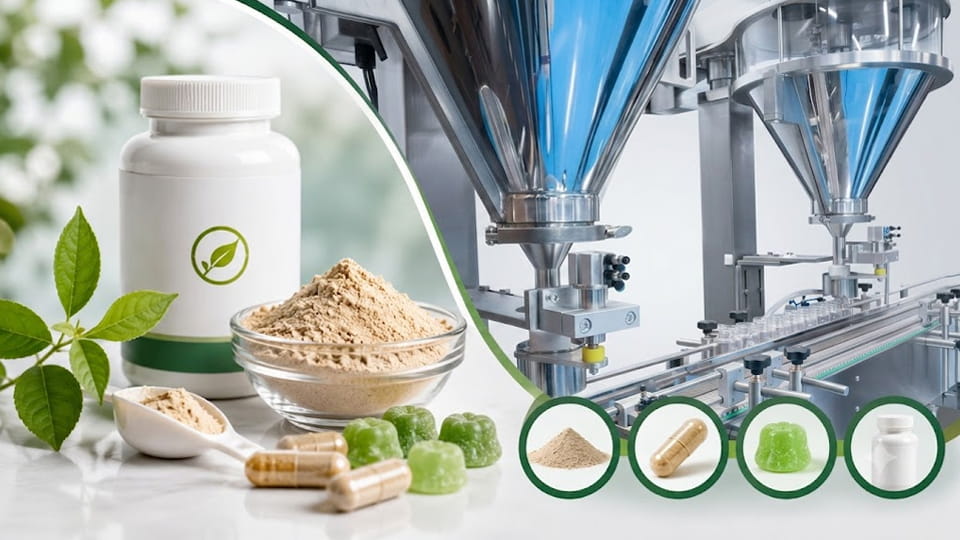
Gli integratori di fibre forniscono fibre alimentari (solubile e insolubile) in forma concentrata. Fibre solubili (per esempio. psillio ricorda, inulina, glucomannano) sciogliersi in acqua per formare gel viscosi che aiutano la digestione, sostenere la salute dell’intestino e aiutare a ridurre il colesterolo. Fibre insolubili (per esempio. cellulosa, crusca di frumento, semi di lino) aggiungere volume alle feci, facilitare i movimenti intestinali. Gli ingredienti comuni degli integratori includono psillio E inulina, spesso commercializzato per la salute dell'apparato digerente. La Mayo Clinic rileva che l'inulina e lo psillio sono tra gli integratori di fibre più popolari. L’assunzione di fibre aiuta a regolare la funzione intestinale e può favorire il controllo del peso aumentando la sazietà. La maggior parte degli integratori di fibre sono disponibili in tre formati.
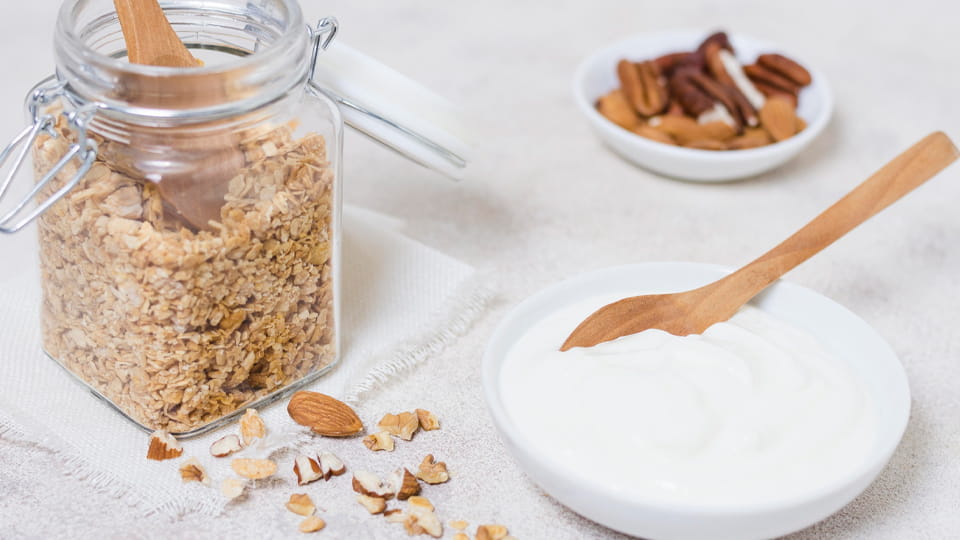
Ogni formato (polvere, capsula, gommoso) coinvolge diverse apparecchiature di lavorazione e confezionamento, quindi i marchi spesso si specializzano in base al formato. Le formule ricche di fibre come la buccia di psillio sono igroscopiche e richiedono un attento controllo dell'umidità nella confezione.
Dopo la miscelazione, la polvere di fibra deve essere confezionata in un formato di facile consumo. Il più comune fattori di forma della polvere sono stick pack o bustine monodose, e contenitori per prodotti sfusi (vaschette/barattoli). Le polveri monodose sono sempre più popolari per l'uso in movimento (pensa a una bustina di mix di bevande con fibre di psillio), mentre i vasetti/barattoli sono adatti agli integratori giornalieri ad alte dosi.
 Figura: Macchina stick pack ad alta velocità che produce bustine in polvere di fibra monodose.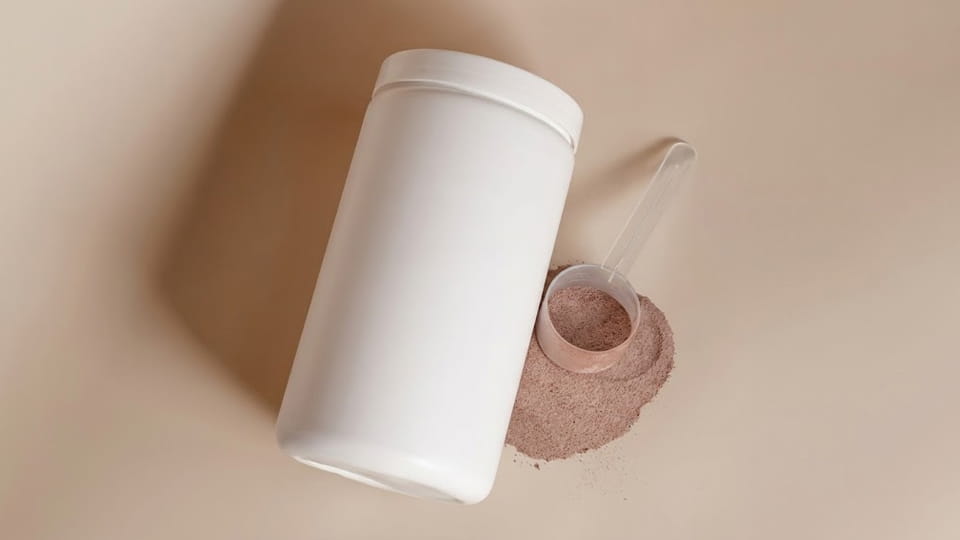
In tutti i casi, le parti a contatto con il materiale sono solitamente 316L acciaio inossidabile, e il cambio è progettato per essere rapido (diverse larghezze dei pacchetti o dimensioni dei contenitori). Quando imposti la tua linea, considerare che le polveri hanno una scorrevolezza diversa rispetto alle compresse: potresti aver bisogno di agitatori, dispersori o anche un trasferimento sottovuoto per garantire che ogni bustina o barattolo riceva la dose completa di fibre.
Entra anche la fibra capsula o compressa modulo (per esempio. capsule di buccia di psillio, capsule di metilcellulosa). Il processo qui è simile a qualsiasi integratore: dopo il riempimento, i prodotti sono confezionati per la vendita al dettaglio.
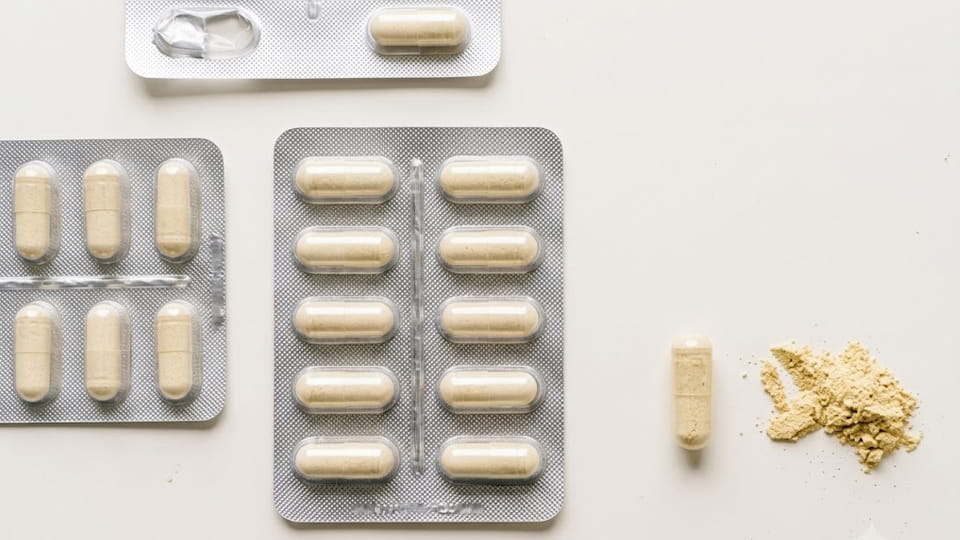
Indipendentemente dalla forma, le etichette sono cruciali. La legge federale lo richiede Fatti supplementari, elenco degli ingredienti, direzioni, e lotto/scadenza sul contenitore. Sigilli antimanomissione (come le guarnizioni a induzione in alluminio sotto il tappo) sono standard, e molte marche aggiungono essiccanti all'interno per proteggerli dall'umidità. In pratica, ogni bottiglia o cartone includerà un codice a barre e un codice lotto per la tracciabilità.
La fibra può anche essere consegnata sotto forma di caramelle gommose (pensare "vitamine gommose e fibre"per bambini o adulti). La produzione è simile alle caramelle: una gelatina- o la miscela di fibre a base di pectina viene cotta, versato negli stampi, raffreddato, quindi tagliare. Dopo la formazione, le vitamine gommose sono gestite da attrezzature per il riempimento di dolciumi.
Per l'imballaggio, di solito entrano le caramelle gommose in fibra barattoli o blister con barriere contro l'umidità. Le macchine per il conteggio automatizzato possono porzionare un numero fisso di caramelle gommose in barattoli, oppure le macchine blister possono formare cavità e sigillare ogni pezzo gommoso in carte con retro in alluminio. L'imballaggio adeguato è fondamentale, poiché le caramelle gommose sono umide, i barattoli sigillati o i blister ad alta barriera li proteggono dall'umidità. (Molte caramelle gommose alla vitamina C o alla melatonina utilizzano apparecchiature simili.) In entrambi i casi, l'etichettatura e la codificazione del lotto valgono come per le polveri e le capsule.

Gli integratori di fibre spesso mescolano fibre di origine vegetale per raggiungere dosaggio e obiettivi funzionali. Ricorda lo psillio (solubile, viscoso) è un top seller per il sollievo digestivo. Inulina (un prebiotico derivato dalla cicoria) E metilcellulosa sono altre fibre solubili comuni. Destrina di grano E gomma d'acacia (gomma arabica) aggiungere fibra solubile dal sapore delicato. Glucomannano (radice di konjac) E beta-glucano (da avena/orzo) sono fibre solubili ad alta viscosità. Fibre insolubili come la cellulosa o la destrina resistente vengono talvolta aggiunte come riempitivi o agenti di carica. Sono tutti a base vegetale e spesso etichettati come integratori per la “salute dell’apparato digerente” o “salute dell’intestino”.. In pratica, gli integratori di fibre possono essere etichettati come “fibra prebiotica” per le miscele di inulina/FOS, o “integratore di buccia di psillio” sulla bottiglia, evidenziando i benefici per l'intestino e la regolarità.
Nota del formulatore: fibre diverse si comportano diversamente. Le fibre solubili possono aggregarsi o gelificarsi quando sono bagnate, quindi le formule spesso includono agenti antiagglomeranti. Le polveri più fini scorrono meglio; la granulazione o la miscelazione migliora l'uniformità. I produttori mescolano la fibra con agenti di carica o aromi (per gusto e miscelabilità) nei mixer o frullatori a nastro per ottenere una polvere consistente. I prodotti in fibra di alta qualità soddisfano anche gli standard cGMP; i produttori eseguono test in loco per verificare l'umidità e la purezza, e utilizzare linee di lavorazione di livello farmaceutico.
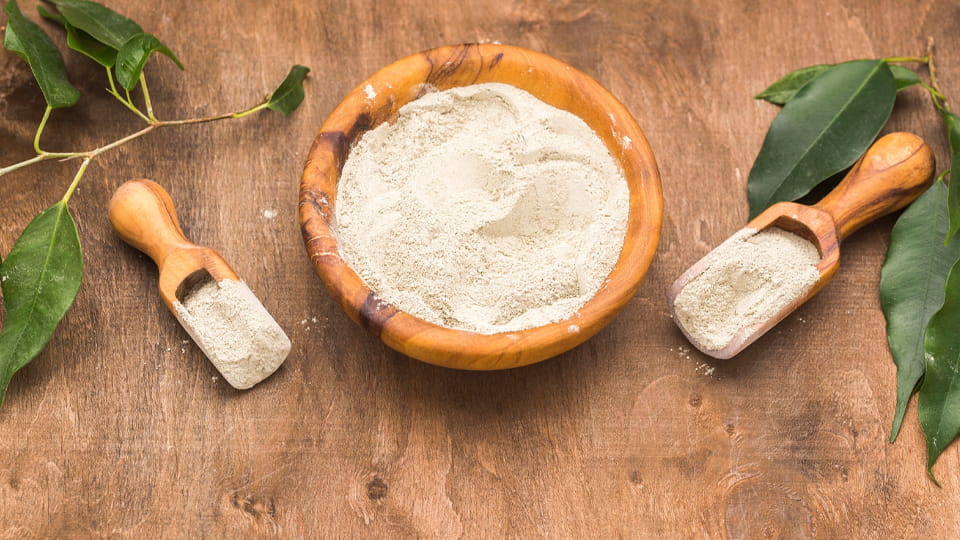
Il processo di produzione degli integratori di fibre segue le pratiche nutraceutiche standard ma deve tenere conto delle proprietà uniche degli ingredienti delle fibre (per esempio. solubilità gelatinosa, polverosità).
In sintesi, il flusso è: Materie prime → Pre-miscela → Miscelazione → Compilazione moduli (capsula, bustina, bottiglia) → Sigillatura/tappatura → Etichettatura → Imballaggio secondario (cartone).
Costruire una linea di integratori di fibre, integrerai diversi pezzi di attrezzatura. Le macchine comuni includono:
In pratica, una linea di integratori di fibre potrebbe assomigliare a questa: le polveri grezze entrano in un miscelatore → riempitrice a coclea → tappatrice di bottiglie → etichettatrice → astucciatrice. O, per stick pack: frullatore → confezionatrice stick multi-linea → uscita buste. COME JinLuImballaggio note, le linee di integratori spesso utilizzano form-fill-seal verticale (Vff) macchine per bustine di polvere e linee di riempimento bottiglie per liquidi/pillole. Le linee di produzione avanzate includono anche il rilevamento dei metalli e l'ispezione visiva per la sicurezza.
Punto chiave: Ogni macchina deve gestire le proprietà del flusso della fibra. Molti sistemi includono vibrazione o agitazione sulle tramogge per mantenere le fibre appiccicose in movimento. Coclee o alimentatori volumetrici garantiscono la giusta dose; le pesatrici multitesta possono pesare le miscele prima del riempimento. I materiali dell'attrezzatura sono acciaio inossidabile per uso alimentare, e pulizia in atto (CIP) le caratteristiche aiutano a soddisfare l'igiene GMP.
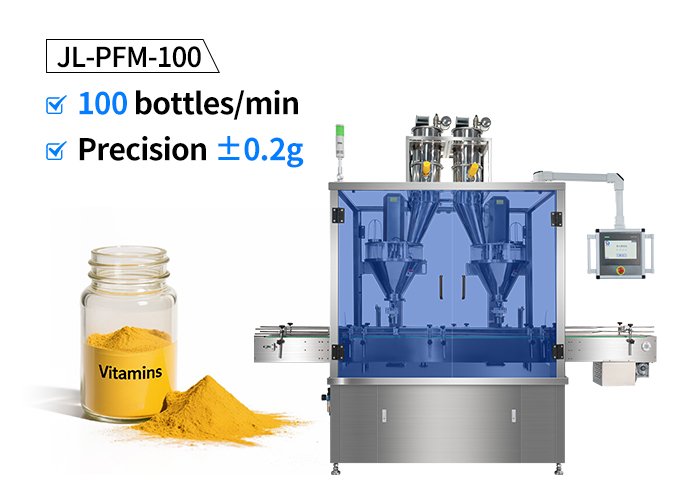
Gli integratori di fibre sono di alto valore, categoria in crescita – ma richiedono il giusto approccio di lavorazione e confezionamento. Da granulazione di polveri di psillio e inulina A riempimento di capsule o stick pack, ogni passaggio richiede attrezzature specializzate (miscelatori, riempitivi, macchine a capsule, imballatori di stick, ecc.) e severi controlli di qualità. Linee di confezionamento automatizzate (riempitrici di bottiglie, macchine blister, stazioni di etichettatura) garantire un dosaggio coerente e la sicurezza delle polveri, compresse, capsule o caramelle gommose.
Pronto per ampliare la tua linea di integratori di fibre? Una soluzione di packaging completa ti aiuterà a lanciare in tempo e a soddisfare le tue esigenze 2026 standard di qualità. Contatta gli esperti di Jinlu Packing: offriamo macchinari chiavi in mano – dai miscelatori di polveri e riempitrici a coclea alle macchine stick-pack e blister – progettati per integratori alimentari. La nostra attrezzatura è costruita per Conformità GMP, elevata precisione e cambi rapidi. Lascia che ti aiutiamo a produrre integratori di fibre (polveri di fibre, capsule o caramelle gommose) che rimangono freschi, sicuro e nel rispetto del budget. Richiedi oggi stesso un preventivo o maggiori informazioni sulle soluzioni di confezionamento degli integratori di fibre.
La maggior parte degli integratori di fibre sono prodotti utilizzando ingredienti di fibre naturali o di derivazione vegetale. Le materie prime comuni includono la buccia di psillio, inulina, destrina di grano, fibra di acacia, metilcellulosa, e glucomannano. A seconda del posizionamento del prodotto, i produttori possono utilizzare un'unica fonte di fibre o combinare più fibre solubili e insolubili per creare una formula bilanciata per la salute dell'apparato digerente e dell'intestino. Gli integratori di fibre sono disponibili in diverse forme, comprese le polveri, capsule, Gummies, compresse, e stick pack.
Il processo di produzione degli integratori di fibre include in genere l’approvvigionamento degli ingredienti, miscelazione delle formule, miscelazione, granulazione (se necessario), riempimento o compressione, confezione, e test di qualità. I prodotti in polvere vengono solitamente miscelati prima di essere riempiti in bottiglie o stick pack, mentre le capsule vengono riempite utilizzando macchine opercolatrici automatiche. Le caramelle gommose richiedono cottura, depositare, raffreddamento, e imballaggio.
I formati di imballaggio degli integratori di fibre più comuni includono:
• Bottiglie in HDPE o PET
• Confezioni stick
• Bustine
• Buste
• Confezioni blister (principalmente per capsule)
• Barattoli
La confezione ideale dipende dalla forma di dosaggio, posizionamento del prodotto, mercato di riferimento, e canale di distribuzione.
Per imballaggi in polvere di fibra, pacchetti di bastoncini, bustine, e le bottiglie sono le opzioni più popolari.
Le confezioni stick sono ideali per la praticità e i viaggi monodose, mentre le bottiglie sono comunemente usate per i prodotti domestici più grandi. Si consigliano materiali di imballaggio resistenti all'umidità per contribuire a mantenere la stabilità della polvere e la durata di conservazione.
Molti ingredienti delle fibre alimentari sono igroscopici, nel senso che assorbono l'umidità dall'ambiente circostante. L'umidità eccessiva può causare la formazione di grumi di polvere, ridotta fluidità, e una durata di conservazione più breve. Utilizzando materiali di imballaggio idonei, tenuta adeguata, e soluzioni per il controllo dell'umidità, come gli essiccanti, aiutano a mantenere la qualità del prodotto durante lo stoccaggio e il trasporto.
A seconda del formato del prodotto, i produttori comunemente usano:
• Macchine riempitrici di polveri
• Macchine riempitrici di capsule
• Riordinatori di bottiglie
• Macchine tappatrici
• Etichettatrici
• Macchine astucciatrici
• Confezionatrici stick pack e bustine
La selezione dell'attrezzatura compatibile aiuta a migliorare la precisione del riempimento, Efficienza della produzione, e la coerenza dell'imballaggio.
Quando si seleziona una soluzione di imballaggio, i produttori dovrebbero considerare:
• Formato del prodotto (polvere, capsula, gommoso, o tavoletta)
• Capacità produttiva
• Precisione di riempimento
• Compatibilità dei materiali di imballaggio
• Livello di automazione
• Conformità normativa
• Futura espansione della produzione
Una linea di confezionamento scalabile può ridurre i costi operativi supportando al contempo la crescita aziendale a lungo termine.
Un fornitore affidabile di apparecchiature dovrebbe fornire:
• Esperienza con il confezionamento di integratori alimentari
• Soluzioni personalizzate per linee di produzione
• Prestazioni stabili della macchina
• Supporto tecnico e formazione
• Disponibilità di pezzi di ricambio
• Servizio post-vendita
• Conformità agli ambienti di produzione orientati alle GMP
La scelta di un fornitore esperto può aiutare a ridurre i tempi di inattività e migliorare l’efficienza complessiva della produzione.
SÌ. Molte linee di confezionamento moderne sono modulari e possono essere configurate per confezionare diversi formati di prodotto, come la polvere di fibre, capsule, compresse, o caramelle gommose. Con opportuni cambi di parti e aggiustamenti della macchina, i produttori possono migliorare l’utilizzo delle apparecchiature riducendo gli investimenti in più linee di produzione dedicate.
Integratori di fibre solubili, come buccia di psillio e inulina, si sciolgono in acqua e sono ampiamente utilizzati per supportare la salute dell'apparato digerente, microbiota intestinale, e gestione del colesterolo.
Gli integratori di fibre insolubili aggiungono principalmente volume alle feci e aiutano a mantenere un movimento intestinale regolare. Molti prodotti moderni combinano entrambi i tipi di fibre per offrire benefici per la salute più ampi.
Riferimenti:
1.Domande e risposte sugli integratori alimentari -- NOI. Amministrazione degli alimenti e dei farmaci
2.Documenti orientativi sugli integratori alimentari & Informazioni sulla regolamentazione -- NOI. Amministrazione degli alimenti e dei farmaci
3.I benefici per la salute delle fibre alimentari variano —— Istituti Nazionali di Sanità
4.Integratori di fibre e benefici per la salute clinicamente provati: Come riconoscere e consigliare una terapia con fibre efficace —— Biblioteca Nazionale di Medicina
5.Inulina e oligofruttosio come fibra alimentare: una revisione delle prove —— Biblioteca Nazionale di Medicina
6.Come faccio a scegliere il miglior integratore di fibre? —— Clinica di Cleveland
7.Tipi di fibra: Fibra solubile e insolubile —— WebMD