
Les suppléments de fibres sont en plein essor – stimulés par les tendances en matière de santé intestinale et de gestion du poids. En fait, les fibres sont « l’une des catégories les plus polyvalentes » des nutraceutiques et le marché mondial connaît une croissance rapide (environ 10,4 milliards de dollars 2025 à ~11,3 milliards de dollars en 2026). Si vous faites des suppléments, tu connais la fibre (soluble ou insoluble) est un ingrédient clé. Les exemples courants incluent la cosse de psyllium, inuline, méthylcellulose et dextrine de blé. Fibres solubles (comme le psyllium ou l'inuline) peut se gélifier dans l'eau et nourrir les bactéries intestinales, tandis que les fibres insolubles (comme la cellulose) ajouter du volume. Ces fibres soutiennent la santé digestive et cardiométabolique, ce qui les rend populaires dans les suppléments prébiotiques et pour la santé intestinale. Dans ce guide, nous expliquerons comment les suppléments de fibres sont formulés., fabriqués et emballés – des poudres de fibres brutes aux machines de remplissage de gélules et de stick-pack – afin que vous puissiez planifier une ligne de production fluide pour 2026.
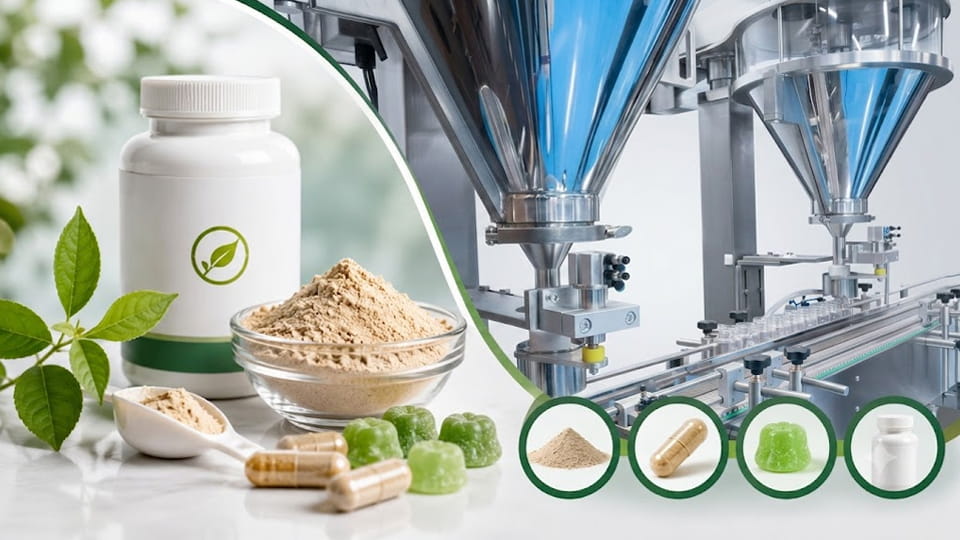
Les suppléments de fibres fournissent des fibres alimentaires (soluble et insoluble) sous forme concentrée. Fibres solubles (par exemple. psyllium, souviens-toi, inuline, glucomannane) dissoudre dans l'eau pour former des gels visqueux qui facilitent la digestion, soutenir la santé intestinale et aider à réduire le cholestérol. Fibres insolubles (par exemple. cellulose, son de blé, graines de lin) ajouter du volume aux selles, faciliter les selles. Les ingrédients courants des suppléments comprennent psyllium et inuline, souvent commercialisé pour la santé digestive. La clinique Mayo note que l'inuline et le psyllium sont parmi les suppléments de fibres les plus populaires.. L'apport en fibres aide à réguler la fonction intestinale et peut faciliter le contrôle du poids en augmentant la satiété.. La plupart des suppléments de fibres se présentent sous l'un des trois formats suivants.
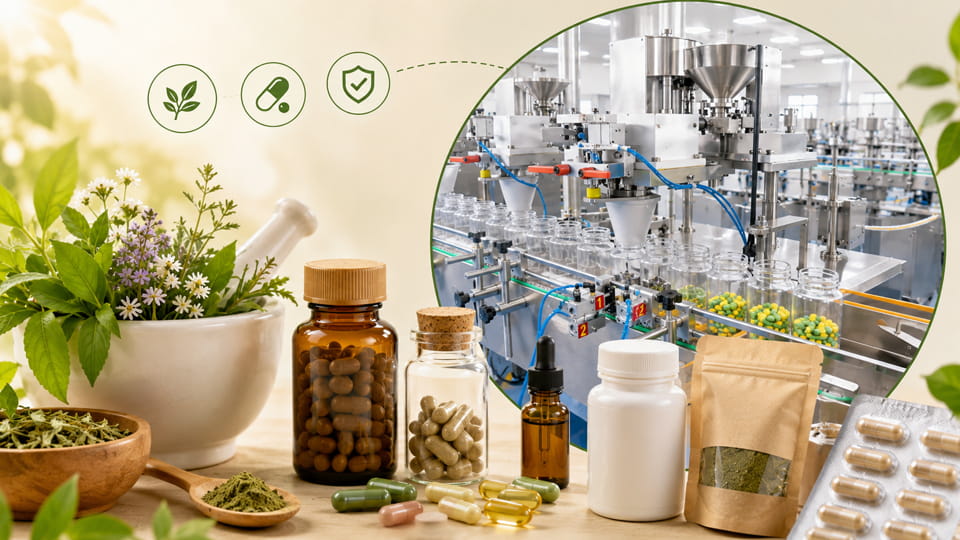
Chaque format (poudre, capsule, gommeux) implique différents équipements de traitement et d’emballage, donc les marques se spécialisent souvent par format. Les formules riches en fibres comme la cosse de psyllium sont hygroscopiques et nécessitent un contrôle minutieux de l'humidité dans l'emballage..
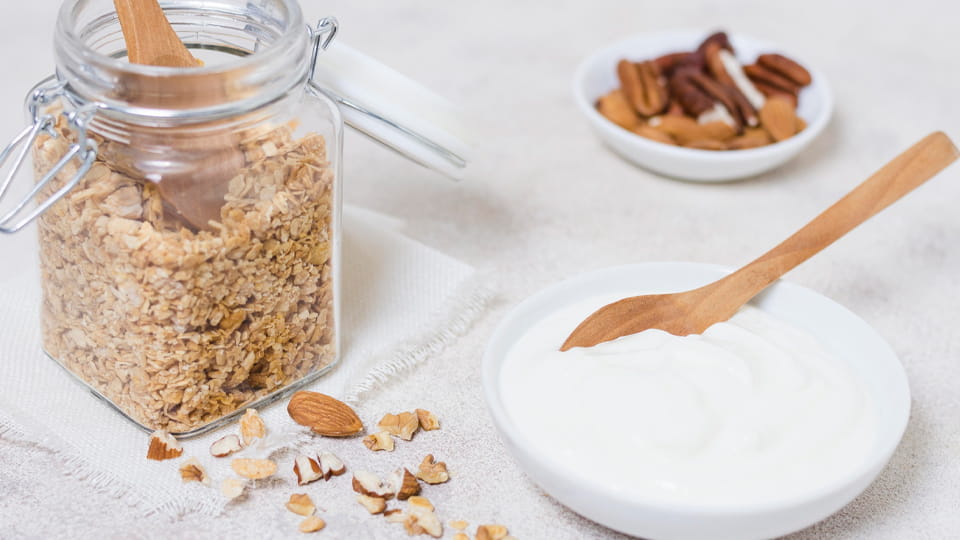
Après mélange, la poudre de fibres doit être emballée dans un format convivial. Le plus courant facteurs de forme de poudre sont des sticks ou des sachets en portion individuelle, et conteneurs pour vrac (pots/pots). Les poudres en portion individuelle sont de plus en plus populaires pour une utilisation en déplacement (pensez à un sachet de mélange pour boisson aux fibres de psyllium), tandis que les pots/pots conviennent aux suppléments quotidiens à forte dose.
 Chiffre: Machine d'emballage en bâtonnets à grande vitesse produisant des sachets de poudre de fibres en portion individuelle.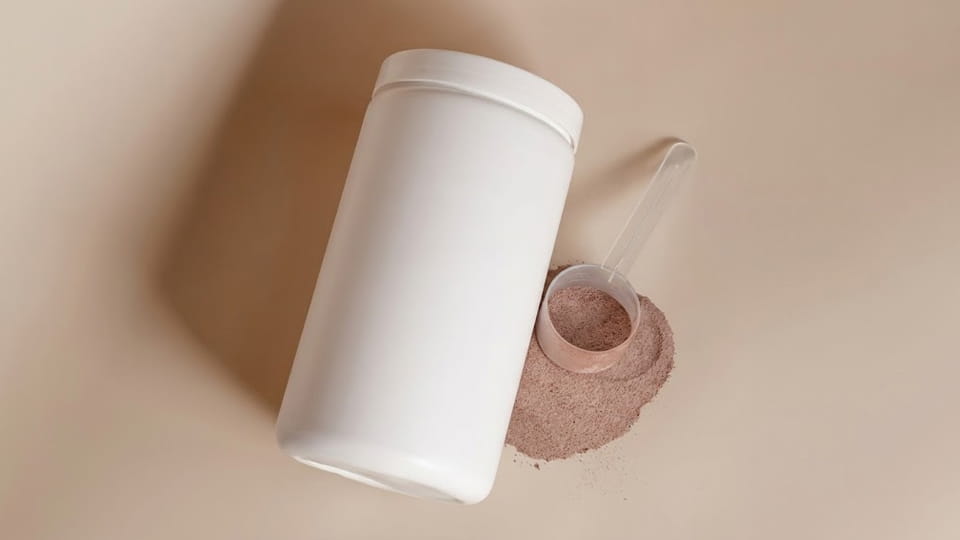
Dans tous les cas, les pièces en contact avec le matériau sont généralement 316L en acier inoxydable, et le changement est conçu pour être rapide (différentes largeurs de paquets ou tailles de conteneurs). Lors de la configuration de votre ligne, considérez que les poudres ont un débit différent de celui des comprimés: vous aurez peut-être besoin d'agitateurs, des disperseurs ou même un transfert sous vide pour garantir que chaque sachet ou pot reçoive la pleine dose de fibres.
La fibre entre également en jeu capsule ou comprimé formulaire (par exemple. capsules de cosse de psyllium, caplets de méthylcellulose). Le processus ici est similaire à n’importe quel supplément: après remplissage, les produits sont emballés pour la vente au détail.
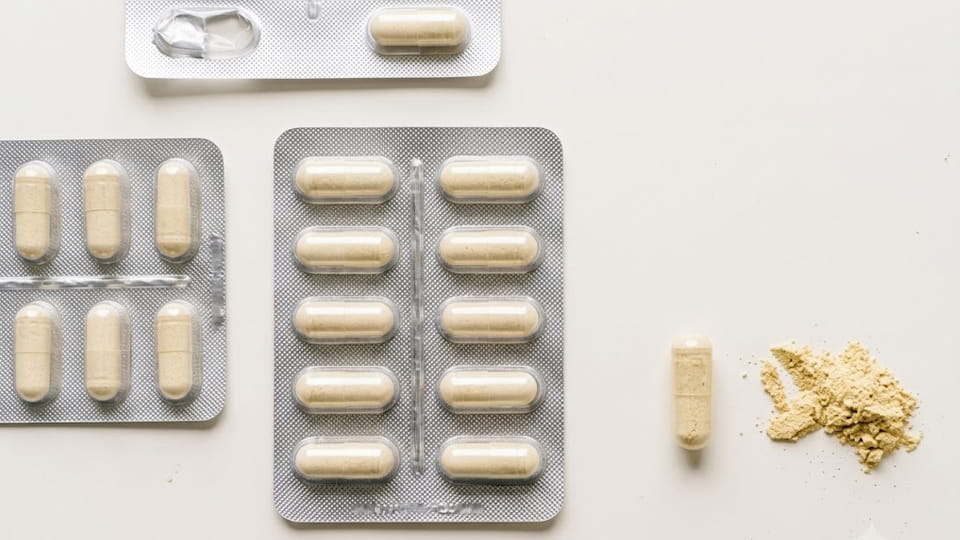
Quelle que soit la forme, les étiquettes sont cruciales. La loi fédérale exige Faits sur les suppléments, liste des ingrédients, instructions, et lot/expiration sur le conteneur. Sceaux inviolables (comme des joints d'induction en aluminium sous le capuchon) sont standards, et de nombreuses marques ajoutent des déshydratants à l'intérieur pour se protéger de l'humidité. En pratique, chaque bouteille ou carton comprendra un code-barres et un code de lot pour la traçabilité.
Les fibres peuvent également être livrées sous forme de bonbons (pense "vitamines gommeuses aux fibres» pour les enfants ou les adultes). La production est similaire à celle des bonbons: une gélatine- ou un mélange de fibres à base de pectine est cuit, coulé dans des moules, refroidi, puis coupe. Après avoir formé, les vitamines gommeuses sont gérées par équipement de remplissage de confiserie.
Pour l'emballage, les bonbons gélifiés aux fibres entrent généralement pots ou blisters avec barrières contre l'humidité. Les machines de comptage automatisées peuvent répartir un nombre fixe de bonbons gélifiés dans des pots, ou les blisters peuvent former des cavités et sceller chaque morceau de gomme dans des cartes à dos d'aluminium. Un emballage approprié est la clé, puisque les bonbons gélifiés sont humides – des pots scellés ou des cartes blister à haute barrière les protègent de l’humidité. (De nombreux bonbons gélifiés à la vitamine C ou à la mélatonine utilisent un équipement similaire.) Dans les deux cas, l'étiquetage et le codage des lots s'appliquent comme pour les poudres et les capsules.

Les suppléments de fibres mélangent souvent des fibres végétales pour atteindre les objectifs posologiques et fonctionnels.. Psyllium, souviens-toi (soluble, visqueux) est un best-seller pour le soulagement digestif. Inuline (un prébiotique dérivé de la chicorée) et méthylcellulose sont d'autres fibres solubles courantes. Dextrine de blé et gomme d'acacia (gomme arabique) ajouter des fibres solubles au goût doux. Glucomannane (racine de konjac) et bêta-glucane (à partir d'avoine/orge) sont des fibres solubles à haute viscosité. Des fibres insolubles comme la cellulose ou la dextrine résistante sont parfois ajoutées comme charges ou agents gonflants. Tous sont à base de plantes et sont souvent étiquetés comme des suppléments de « santé digestive » ou de « santé intestinale ».. En pratique, les suppléments de fibres peuvent être étiquetés « fibres prébiotiques » pour les mélanges inuline/FOS, ou « supplément de cosse de psyllium » sur la bouteille, mettant en avant les bénéfices intestinaux et de régularité.
Note du formulateur: différentes fibres se comportent différemment. Les fibres solubles peuvent s'agglutiner ou se gélifier lorsqu'elles sont mouillées, les formules incluent donc souvent des agents anti-agglomérants. Les poudres plus fines s'écoulent mieux; la granulation ou le mélange améliore l'uniformité. Les fabricants mélangent les fibres avec des agents gonflants ou des arômes (pour le goût et la mixabilité) dans des mélangeurs ou des mélangeurs à ruban pour obtenir une poudre homogène. Les produits en fibres de haute qualité répondent également aux normes cGMP; les producteurs effectuent des tests sur place pour vérifier l'humidité et la pureté, et utiliser des lignes de traitement de qualité pharmaceutique.
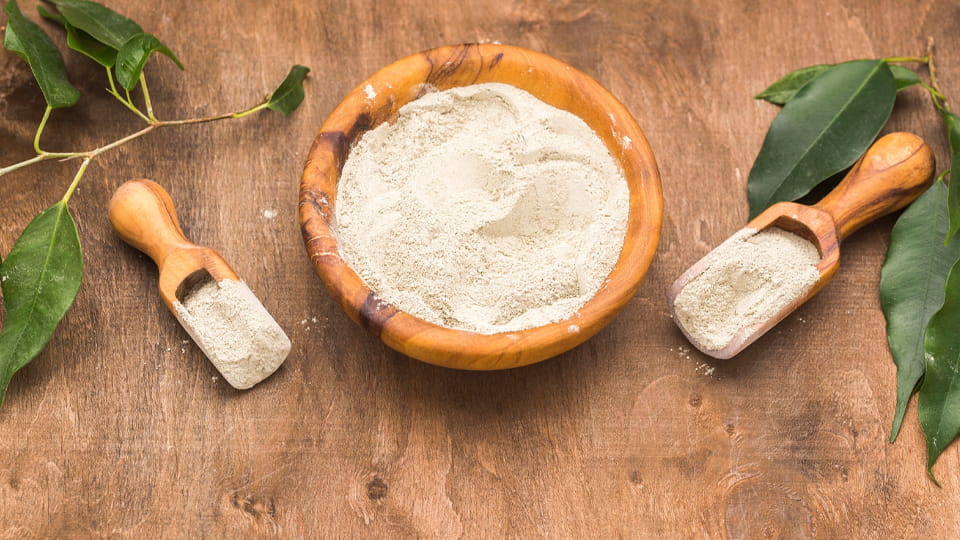
Le processus de fabrication des suppléments de fibres suit les pratiques nutraceutiques standard mais doit tenir compte des propriétés uniques des ingrédients fibreux. (par exemple. solubilité gélatineuse, poussière).
En résumé, le flux est: Matières premières → Pré-mélange → Mélange → Remplissage de formulaires (capsule, sachet, bouteille) → Scellage/bouchage → Étiquetage → Emballage secondaire (carton).
Construire une ligne de suppléments de fibres, vous intégrerez plusieurs équipements. Les machines courantes incluent:
En pratique, une ligne de suppléments de fibres pourrait ressembler à ceci: les poudres brutes vont dans un mélangeur → remplisseuse à vis → capsuleuse de bouteilles → étiqueteuse → encartonneuse. Ou, pour les packs de sticks: mélangeur → emballeuse de bâtonnets multivoies → sortie de sachets. Comme JinLuEmballage remarques, les lignes de suppléments utilisent souvent formage-remplissage-scellement vertical (Vff) machines pour sachets de poudre et lignes de remplissage de bouteilles pour liquides/pilules. Les lignes de production avancées incluent également la détection des métaux et l'inspection visuelle pour des raisons de sécurité..
Point clé: Chaque machine doit gérer les propriétés d’écoulement de la fibre. De nombreux systèmes incluent vibration ou agitation sur les trémies pour maintenir les fibres collantes en mouvement. Des vis sans fin ou des doseurs volumétriques assurent la bonne dose; les peseuses associatives peuvent peser les mélanges avant le remplissage. Les matériaux de l'équipement sont en acier inoxydable de qualité alimentaire, et nettoyage en place (CIP) les fonctionnalités aident à respecter l’hygiène GMP.
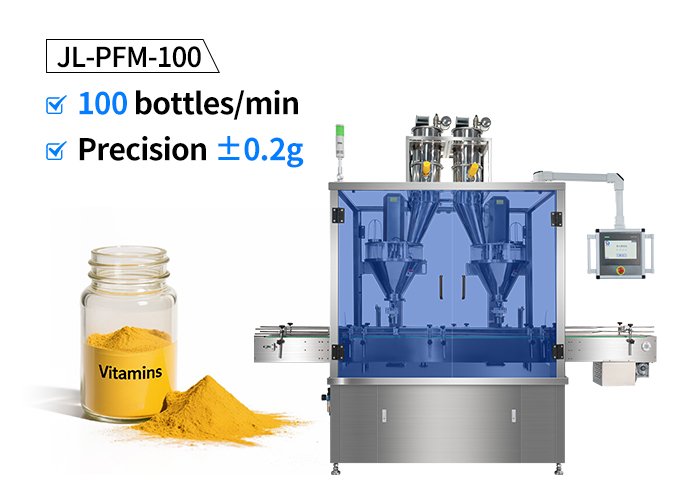
Les suppléments de fibres sont de grande valeur, catégorie en pleine croissance – mais ils exigent la bonne approche de transformation et d’emballage. Depuis poudres de psyllium et d'inuline en granulation à remplir des capsules ou des stick packs, chaque étape nécessite un équipement spécialisé (mélangeurs, charges, machines à capsules, emballeurs de bâtons, etc.) et des contrôles de qualité stricts. Lignes de conditionnement automatisées (remplisseurs de bouteilles, machines à cloques, stations d'étiquetage) garantir un dosage constant et la sécurité des poudres, comprimés, capsules ou bonbons gélifiés.
Prêt à faire évoluer votre gamme de suppléments de fibres? Une solution d'emballage complète vous aidera à lancer à temps et à respecter 2026 normes de qualité. Contactez les experts de Jinlu Packing: nous proposons des machines clé en main – depuis les mélangeurs de poudre et les remplisseuses à vis jusqu'aux machines de stick-pack et de blisters – conçues pour compléments alimentaires. Notre équipement est conçu pour Conformité BPF, haute précision et changements rapides. Laissez-nous vous aider à produire des suppléments de fibres (poudres de fibres, capsules ou bonbons gélifiés) qui reste frais, sûr et dans les limites du budget. Obtenez dès aujourd’hui un devis ou plus d’informations sur les solutions d’emballage de suppléments de fibres.
La plupart des suppléments de fibres sont produits à partir d'ingrédients fibreux naturels ou d'origine végétale.. Les matières premières courantes comprennent la cosse de psyllium, inuline, dextrine de blé, fibre d'acacia, méthylcellulose, et du glucomannane. En fonction du positionnement du produit, les fabricants peuvent utiliser une seule source de fibres ou combiner plusieurs fibres solubles et insolubles pour créer une formule équilibrée pour la santé digestive et intestinale. Les suppléments de fibres sont disponibles sous plusieurs formes, y compris les poudres, gélules, gummies, comprimés, et des packs de bâtons.
Le processus de fabrication des suppléments de fibres comprend généralement l'approvisionnement en ingrédients, mélange de formules, mélange, granulation (si nécessaire), remplissage ou compression, conditionnement, et tests de qualité. Les produits en poudre sont généralement mélangés avant d'être conditionnés en bouteilles ou en sticks., tandis que les capsules sont remplies à l'aide de machines de remplissage automatiques de capsules. Les gummies nécessitent une cuisson, dépôt, refroidissement, et emballage.
Les formats d'emballage de suppléments de fibres les plus courants comprennent:
• Bouteilles en PEHD ou PET
• Packs de bâtons
• Sachets
• Pochettes
• Blisters (principalement pour les capsules)
• Pots
Le conditionnement idéal dépend de la forme galénique, positionnement du produit, marché cible, et canal de distribution.
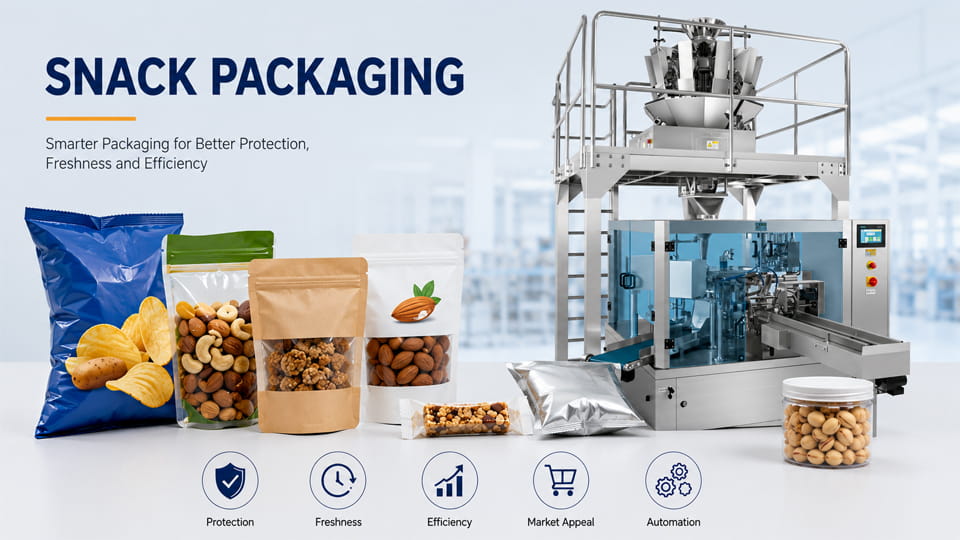
Pour l'emballage de poudre de fibres, paquets de bâtons, sachets, et les bouteilles sont les options les plus populaires.
Les packs de sticks sont idéaux pour la commodité d'une portion individuelle et les voyages, tandis que les bouteilles sont couramment utilisées pour les produits ménagers plus gros. Des matériaux d'emballage résistants à l'humidité sont recommandés pour aider à maintenir la stabilité et la durée de conservation de la poudre..
De nombreux ingrédients de fibres alimentaires sont hygroscopiques, ce qui signifie qu'ils absorbent l'humidité de l'environnement. Un excès d'humidité peut provoquer des agglomérations de poudre, fluidité réduite, et durée de conservation plus courte. Utiliser des matériaux d'emballage adaptés, bonne étanchéité, et des solutions de contrôle de l'humidité telles que des dessicants aident à maintenir la qualité du produit tout au long du stockage et du transport..
Selon le format du produit, les fabricants utilisent couramment:
• Machines de remplissage de poudre
• Machines de remplissage de gélules
• Démêleurs de bouteilles
• Machines à boucher
• Étiqueteuses
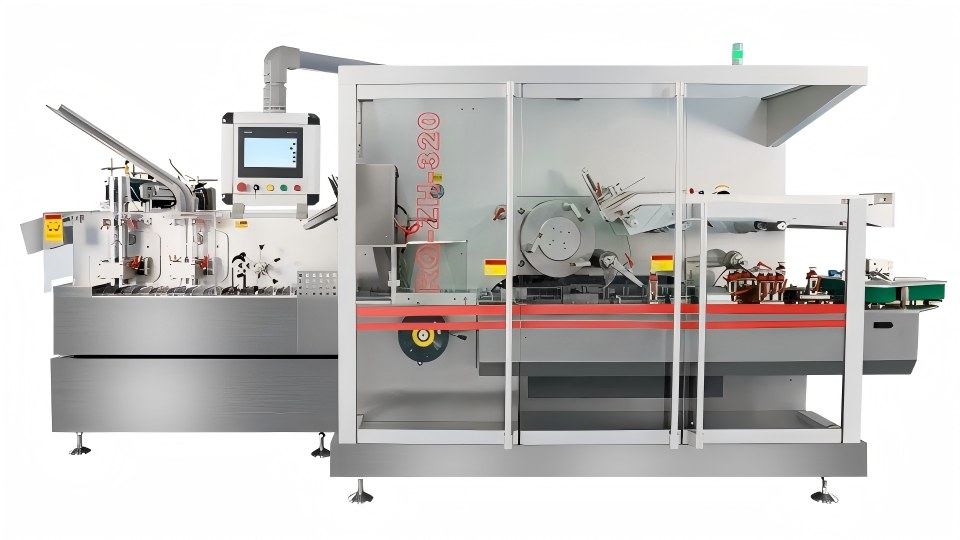
• Encartonneuses
• Machines d'emballage de stick packs et de sachets
La sélection d’équipements compatibles contribue à améliorer la précision du remplissage, efficacité de production, et la cohérence de l'emballage.
Lors de la sélection d'une solution d'emballage, les fabricants devraient considérer:
• Format du produit (poudre, capsule, gommeux, ou tablette)
• Capacité de production
• Précision de remplissage
• Compatibilité des matériaux d'emballage
• Niveau d'automatisation
• Conformité réglementaire
• Expansion future de la production
Une ligne de conditionnement évolutive peut réduire les coûts d'exploitation tout en soutenant la croissance de l'entreprise à long terme.
Un fournisseur d'équipement fiable doit fournir:
• Expérience avec l'emballage de compléments alimentaires
• Solutions de lignes de production personnalisées
• Performances stables de la machine
• Support technique et formation
• Disponibilité des pièces de rechange
• Service après-vente
• Conformité aux environnements de production orientés GMP
Le choix d'un fournisseur expérimenté peut contribuer à réduire les temps d'arrêt et à améliorer l'efficacité globale de la production..
Oui. De nombreuses lignes d'emballage modernes sont modulaires et peuvent être configurées pour emballer différents formats de produits, comme la poudre de fibres, gélules, comprimés, ou des bonbons. Avec pièces de rechange et réglages de machine appropriés, les fabricants peuvent améliorer l'utilisation des équipements tout en réduisant les investissements dans plusieurs lignes de production dédiées.
Suppléments de fibres solubles, comme l'enveloppe de psyllium et l'inuline, se dissolvent dans l’eau et sont largement utilisés pour soutenir la santé digestive, microbiote intestinal, et gestion du cholestérol.
Les suppléments de fibres insolubles ajoutent principalement du volume aux selles et aident à maintenir des selles régulières.. De nombreux produits modernes combinent les deux types de fibres pour offrir des bienfaits plus larges pour la santé..
Références:
1.Questions et réponses sur les compléments alimentaires -- NOUS. Administration des aliments et des médicaments
2.Documents d'orientation sur les compléments alimentaires & Informations réglementaires -- NOUS. Administration des aliments et des médicaments
3.Les bienfaits des fibres alimentaires pour la santé varient —— Instituts nationaux de la santé
4.Suppléments de fibres et bienfaits pour la santé cliniquement prouvés: Comment reconnaître et recommander une thérapie par fibres efficace —— Bibliothèque nationale de médecine
5.Inuline et oligofructose comme fibres alimentaires: un examen des preuves —— Bibliothèque nationale de médecine
6.Comment choisir le meilleur supplément de fibres? —— Clinique de Cleveland
7.Types de fibres: Fibres solubles et insolubles ——WebMD