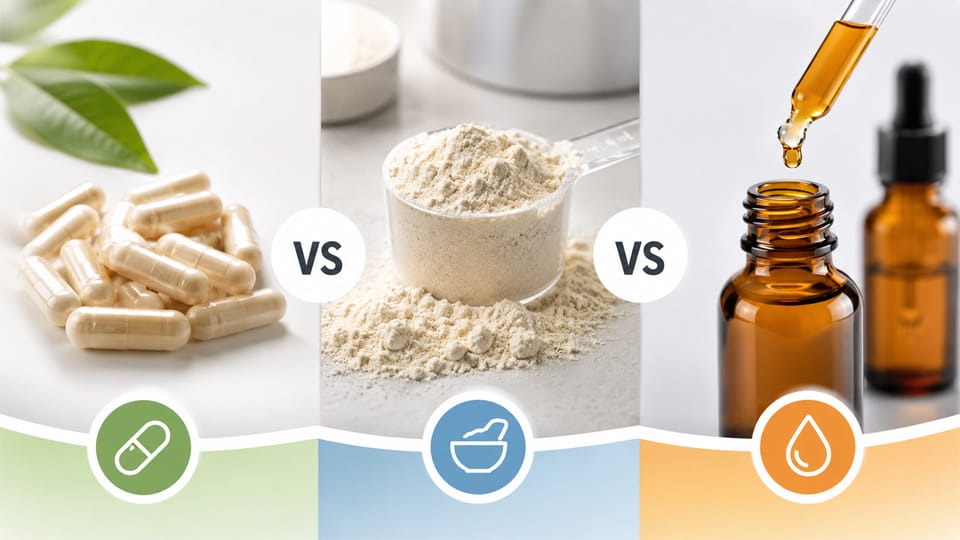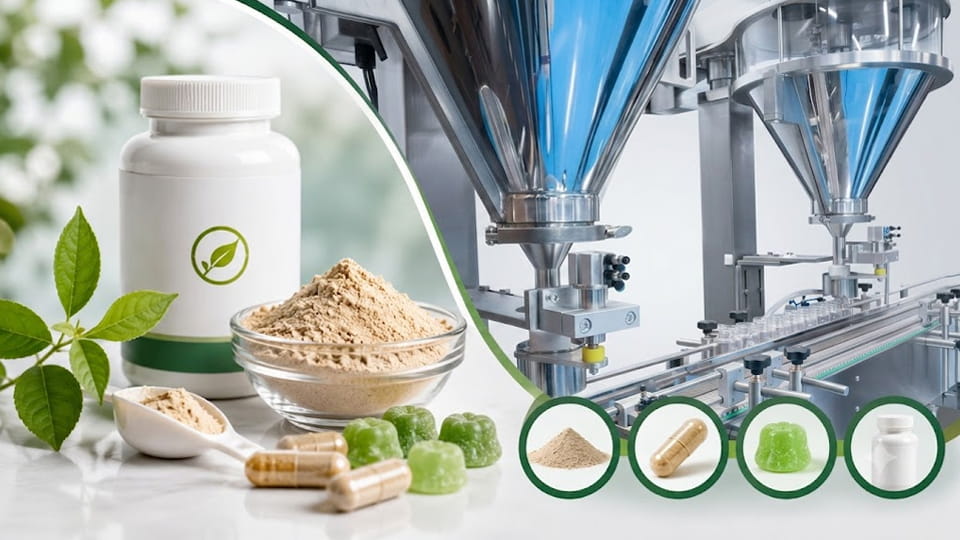

À première vue, les compléments alimentaires et les médicaments peuvent se ressembler beaucoup. Les deux peuvent être vendus comme comprimés, gélules, poudres, gummies, ou liquides, et tous deux utilisent souvent des processus de fabrication et d'emballage comparables. Cependant, les similitudes s'arrêtent en grande partie là.
En comparant les compléments alimentaires et les médicaments, les plus grandes différences résident dans l'utilisation prévue, exigences réglementaires, normes de qualité, et obligations de conformité. Compléments alimentaires sont conçus pour compléter l’alimentation et soutenir la santé globale, alors que médicaments sont destinés à diagnostiquer, traiter, prévenir, ou gérer les maladies. En raison de ces différents objectifs, les fabricants doivent suivre des règles de formulation différentes, production, validation, étiquetage, et emballage.
Pour les fabricants de suppléments et de produits pharmaceutiques, comprendre ces distinctions est essentiel lors de la sélection des équipements de production, concevoir des lignes de conditionnement, et assurer la conformité réglementaire. Dans ce guide, nous explorerons les principales différences entre les compléments alimentaires et les médicaments et ce qu'elles signifient pour les opérations modernes de fabrication et de conditionnement..
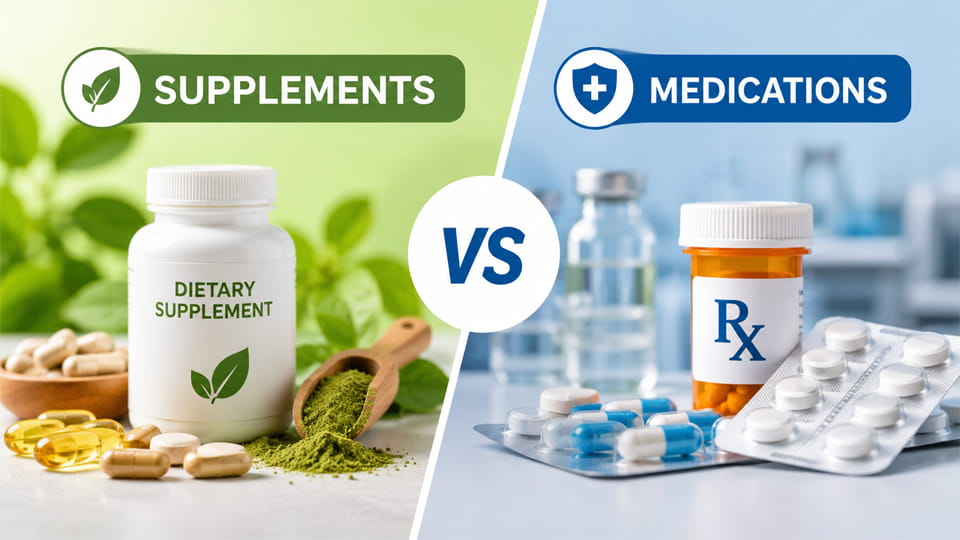
Compléments alimentaires (aussi appelé produits nutraceutiques ou compléments alimentaires) sont des produits pris par voie orale pour ajouter une valeur nutritionnelle. Par la loi américaine (DSHEA 1994), un supplément doit contenir un ou plusieurs « ingrédients alimentaires » tels que des vitamines, minéraux, herbes, acides aminés ou autres plantes, destiné à supplément le régime. Les exemples incluent les comprimés multivitaminés, capsules d'huile de poisson, extraits à base de plantes, ou poudres de protéines. Dans l'UE, le terme compléments alimentaires est utilisé: ce sont des « sources concentrées de nutriments ou d’autres substances » sous forme de dose (gélules, poudres, liquides, etc.). Les suppléments peuvent fournir les nutriments manquants dans l’alimentation ou favoriser la santé générale, mais ils le sont pas autorisé à revendiquer le traitement ou la prévention d’une maladie. Les étiquettes portent généralement un Faits sur les suppléments panneau et avertissements (par exemple. « non destiné à diagnostiquer, traiter, guérir, ou prévenir toute maladie »). La loi de l’UE harmonise les vitamines/minéraux autorisés dans les suppléments (Directive 2002/46/CE) et nécessite une évaluation des risques des nouveaux ingrédients par l'EFSA.
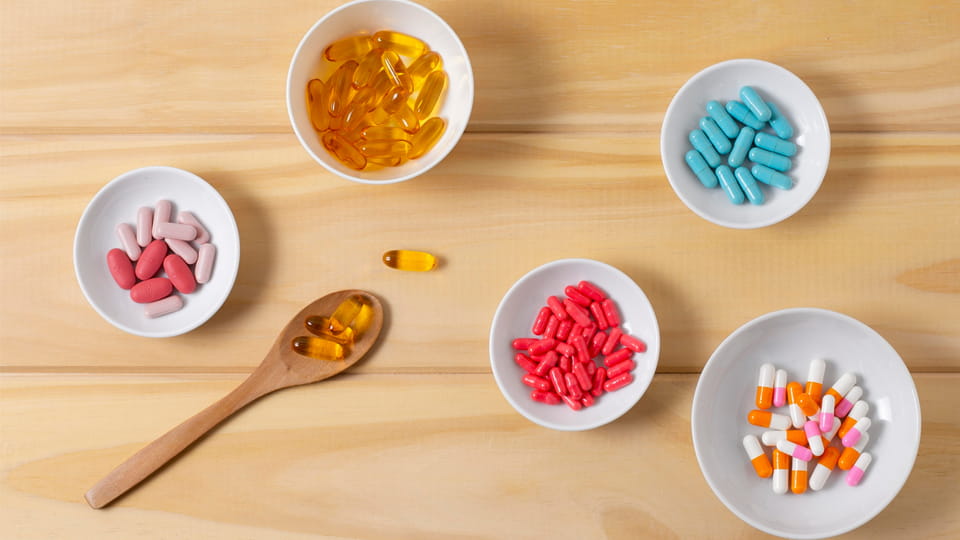
Points clés pour les suppléments: aucune ordonnance n'est nécessaire; réglementé comme aliment; l'étiquetage doit énumérer les ingrédients et l'utilisation suggérée; les fabricants doivent suivre Règles diététiques cGMP de la FDA (21 CFR111) pour garantir l'identité, pureté, et la solidité des produits. La FDA le fait pas examiner les suppléments pour en vérifier la sécurité ou l’efficacité avant la vente, donc la responsabilité incombe au fabricant (qui doit informer la FDA de tout événement indésirable grave, voir ci-dessous).
Médicaments (drogues) inclure les médicaments sur ordonnance et en vente libre (De gré à gré) médicaments utilisés pour traiter, guérir, atténuer ou prévenir les maladies humaines. La FDA définit un médicament comme toute substance destinée à être utilisée dans le diagnostic, guérir, atténuation, traitement, ou la prévention des maladies, ou pour affecter la structure/fonction du corps. Cela inclut les produits pharmaceutiques de marque et génériques., produits biologiques, et certains recours OTC (analgésiques, antiacides, sirops contre la toux, etc.). Par contre, les compléments alimentaires excluent spécifiquement les substances commercialisées pour le traitement des maladies.
Les médicaments doivent répondre à des normes réglementaires strictes. Aux États-Unis, les nouveaux médicaments nécessitent une demande de drogue nouvelle (NDA) ou NDA abrégée (pour les génériques), soutenu par des données d’essais cliniques démontrant la sécurité et l’efficacité. Le Centre d’évaluation et de recherche sur les médicaments de la FDA (CDR) surveille environ 11 000 médicaments commercialisés, application Bonnes pratiques de fabrication actuelles (cgMP) pour produits pharmaceutiques (21 CFR210-211) pour garantir une qualité constante. Dans l'UE, les médicaments doivent être autorisés par l’EMA ou les agences nationales, et les fabricants doivent se conformer aux BPF de l'UE (sous la coordination de l'EMA) pour garantir une haute qualité et le respect du dossier approuvé. L'emballage des médicaments nécessite généralement des fonctionnalités telles que des sceaux d'inviolabilité, contenants à l'épreuve des enfants (Loi sur la prévention des poisons), suivi sérialisé (DSCSA, FMD de l'UE), et un étiquetage approfondi (Codes NDC, instructions, expiration) qui sont plus stricts que les suppléments.
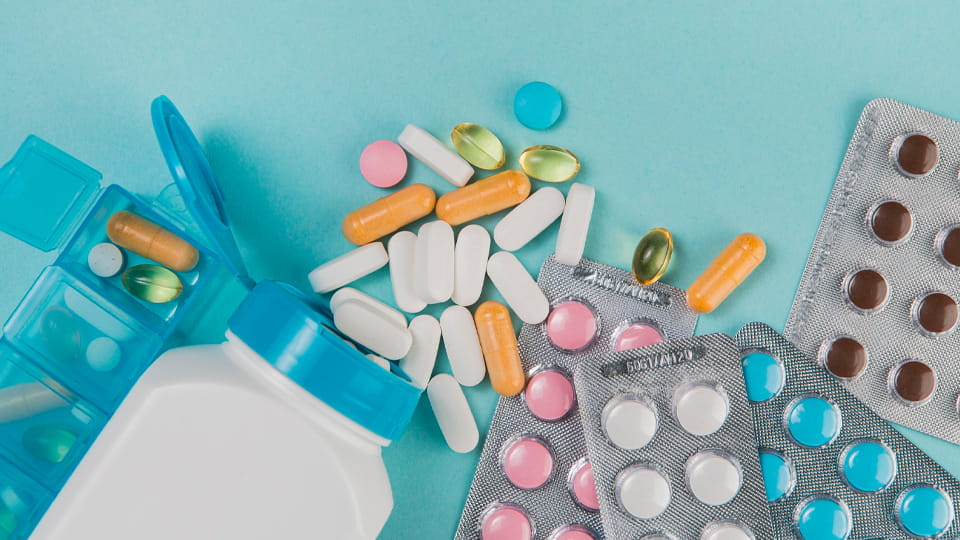
Points clés pour les médicaments: Approbation FDA/EMA requise avant la commercialisation; essais cliniques et dossiers techniques; conformité stricte aux BPF; étiquetage réglementé (Faits sur les médicaments); et tant les médicaments Rx que de nombreux médicaments en vente libre nécessitent des contrôles de sécurité/qualité rigoureux.
La différence fondamentale est intention. Les médicaments sont spécifiquement destinés à diagnostiquer, traiter, ou guérir des maladies. Les suppléments sont destinés à compléter le régime. Ainsi:
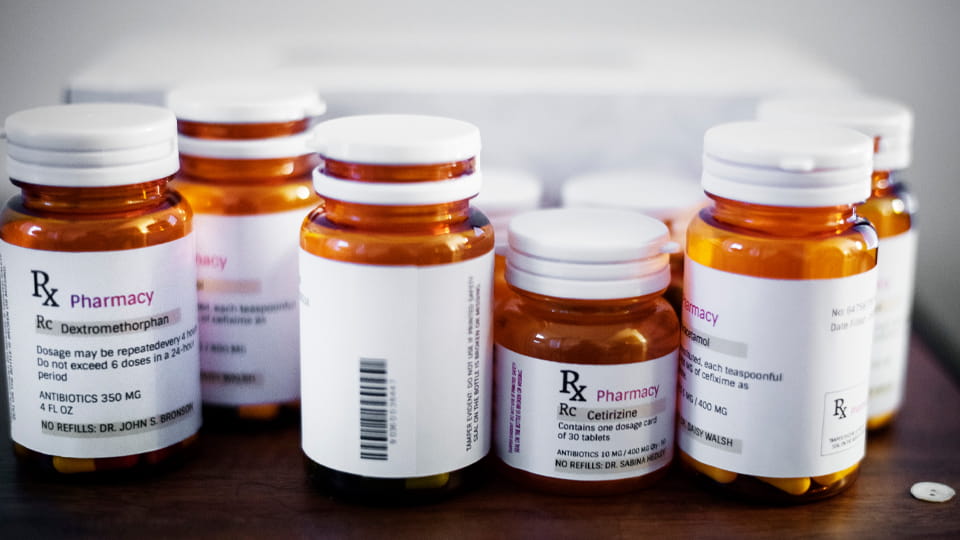
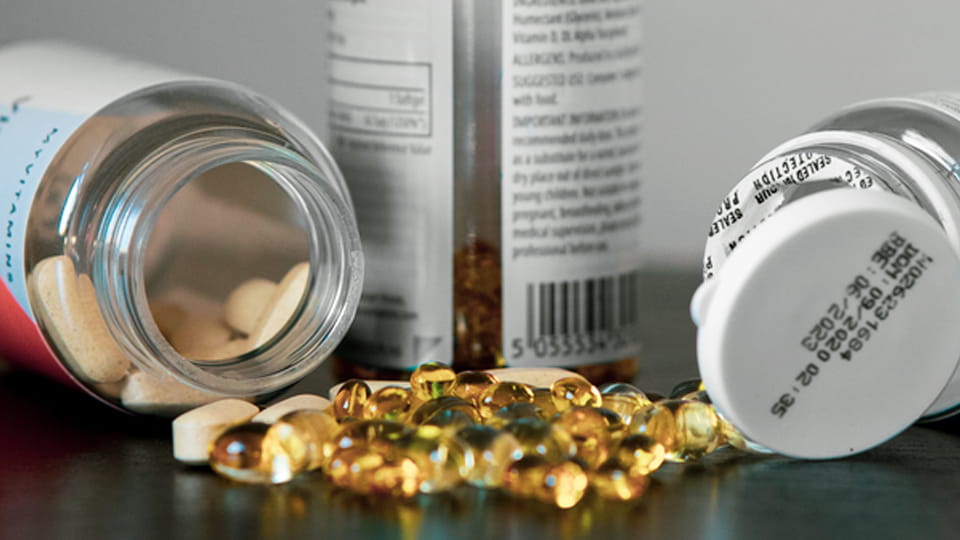
De nombreuses formes posologiques se chevauchent entre les suppléments et les médicaments. Les deux peuvent être:
Du point de vue de l'équipement, les machines sont très similaires. Un produit conforme aux BPF ligne de comptage/remplissage qui gère des flacons de vitamines de 50 ml, peut souvent également remplir des flacons pharmaceutiques de taille similaire (peut-être avec des ajustements mineurs). Les lignes blister pour doses solides acceptent toutes les pilules. Presses à comprimés rotatives ou charges de capsule du côté amont produisent le formes posologiques; en aval, les lignes divergent peu jusqu'à l'étiquetage/inspection. Les principales différences entre les machines proviennent de l'échelle de production et des caractéristiques réglementaires. (par exemple. caméras d'inspection plus sophistiquées sur une ligne pharmaceutique).
Lors du choix de l'équipement, se concentrer sur le produit format, volume, et les besoins de conformité:
Tableaux ci-dessous résument les principales différences et suggèrent des équipements par type de produit.
| Attribut | Compléments alimentaires | Médicaments (Drogue) |
| Définition/Utilisation | Nutriments/herbes pour compléter le régime | Traiter/diagnostiquer/prévenir la maladie |
| Approbation requise | Aucune pré-approbation de la FDA (DSHEA) | Approbation FDA/EMA (NDA/VOUS/BLA) |
| Tests cliniques | Pas d'essais cliniques obligatoires | Essais rigoureux pour la sécurité/efficacité |
| Régime BPF | BPF alimentaires (21 CFR111) | BPF pharmaceutique (21 CFR210-211, BPF de l'UE) |
| Étiquetage | Faits sur les suppléments; Avis de non-responsabilité « pas destiné au traitement » | Faits sur les médicaments; comprend des indications, dosage, effets secondaires |
| Réclamations | Allégations de structure/fonction uniquement | Allégations thérapeutiques spécifiques autorisées |
| Contrôle des emballages | Qualité alimentaire standard; casquettes enfant si besoin | Fermetures inviolables/sécurité-enfants obligatoires; sérialisation |
| Tests de qualité | Tests par lots par fabricant (identité, pureté) | CQ complet (puissance, dissolution, stabilité) |
| Exemples de produits | Vitamines, minéraux, herbes, acides aminés | Aspirine, antibiotiques, hormones, Analgésiques en vente libre |
| Formulaire de produit | Formats d'emballage typiques | Machines recommandées |
| Comprimés | Bouteilles (compter & capuchon); Cartes blister | Presse à comprimés; Coucheuse; Machine à compter; Remplisseur de bouteilles & Capsuleuse; Machine à blisters; Encartonneuse |
| Capsules | Bouteilles (avec déshydratant); Cartes blister | Machine de remplissage de capsules; Machine à compter; Remplisseur de bouteilles & Capsuleuse; Machine à blisters; Encartonneuse |
| Poudres/granulés | Sachets/Packs de bâtonnets; Pochettes verticales; Pots (baignoires) | Mélangeurs/Granulateurs; Emballeur de sachets/bâtons; Remplisseur de pochette préfabriqué; Remplisseur de pot de poudre; Scellant; Encartonneuse |
| Liquides | Bouteilles (compte-gouttes ou bouchon); Ampoules | Ligne de remplissage de liquide; Coiffure (sécurité enfant si nécessaire); Étiqueteuse; Encartonneuse |
| Bonbons/à mâcher | Packs de cloques; Bouteilles | Déposant gommeux; Machine d'emballage sous blister; Machine à compter; Remplisseur de bouteilles; Encartonneuse |
Chaque cellule répertorie à la fois les lignes de suppléments et de médicaments: la même machine peut souvent gérer les deux avec des ajustements mineurs. Par exemple, Jinlu machines d'emballage sous blister peut emballer des vitamines, des pilules ou des suppléments gommeux, tout comme les comprimés pharmaceutiques.
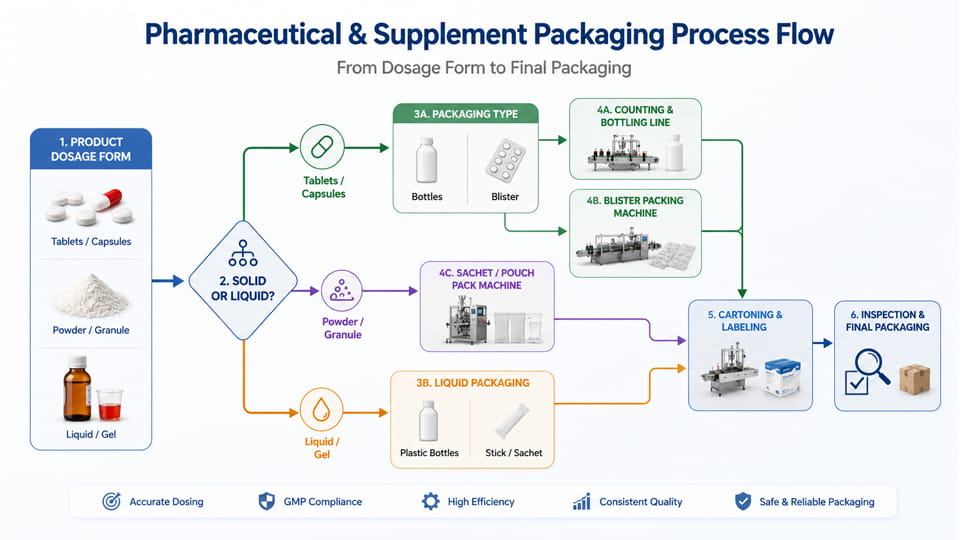
Diagramme de sirène: L'organigramme ci-dessus illustre un processus de décision simplifié. Commencez par le formulaire produit (comprimé solide, capsule, poudre, etc.), utiliser le matériel de production approprié (presse, filler, mixer), alors choisissez une ligne de conditionnement. Bouteilles, clochards, sachets, et les cartons sont les paramètres courants.
Les deux industries peuvent utiliser des opérations unitaires similaires (mélanger les poudres, granulation, compression de comprimés, remplissage de gélules). Cependant, certaines étapes divergent:
Malgré ces différences, L'expertise de Jinlu en matière d'emballage pharmaceutique signifie que son équipement est adapté aux suppléments avec un minimum de changements. Par exemple, notre compteuse de gélules répertorie les « usages pharmaceutiques et médicaux », compter les comprimés, gélules, pilules, etc., 2-40mm, sortir 100 bouteilles/heure, précision >99.98%». Cette même machine peut compter vitamines gommeuses ou des suppléments pour animaux de compagnie aussi facilement que des pilules.
Une ligne typique de flacons de comprimés/capsules pour suppléments peut inclure: redresseur de bouteilles → compteur de comprimés/capsules → placeur/torqueur de bouchons → scelleuse à feuille d'induction → étiqueteuse → codeur à jet d'encre → convoyeur. Pour les médicaments, la ligne peut être très similaire mais enfermée dans une hotte à flux laminaire (pour environnements stériles/non contaminés) et comprendra un système de vision pour vérifier l'étiquette et les preuves d'inviolabilité. La ligne de comptage de Jinlu peut s'intégrer à des équipements de capsulage et d'étiquetage pour une solution complète solution clé en main.

Pour une production pharmaceutique à grande vitesse, une machine à blisters (par exemple. JL DPP-270Max) forme et scelle des plaquettes thermoformées, qui alimentent directement une encartonneuse. L'encartonneuse prend chaque plaquette alvéolée et l'insère dans une boîte en carton imprimée, puis ferme et parfois scelle le carton. L'ensemble de ce flux peut fonctionner à plusieurs milliers d'unités par heure. Les fabricants de suppléments utilisent souvent des gammes similaires pour des articles tels que des comprimés effervescents ou des vitamines emballés sous blister.. La machinerie est en grande partie la même (Nos machines d'emballage sous blister peuvent améliorer la productivité dans l'emballage des comprimés, gélules…), mais les fonctionnalités de salle blanche et d'inspection peuvent être adaptées pour répondre aux BPF.
[jl_youtube src= »https://www.youtube.com/embed/1Bb_J6rluac »]
Comprendre les différences entre les compléments alimentaires et les médicaments est essentiel pour les planificateurs d'équipement et les responsables de production de l'industrie des produits de santé.. Alors que les machines de traitement actives (presses à comprimés, charges de capsule, clochards, compter les lignes, etc.) est largement partagé, les exigences réglementaires diffèrent: les suppléments relèvent des règles alimentaires/diététiques et reposent sur la sécurité gérée par le fabricant, alors que les médicaments nécessitent des processus validés et des approbations réglementaires. Lors de la sélection de l'équipement d'emballage, les acheteurs doivent aligner les machines sur la forme du produit et les besoins réglementaires: assurer Conformité BPF, manipulation appropriée des matériaux, et toutes les fonctionnalités spéciales (sécurité enfant, inviolable, sérialisation) requis pour les médicaments. Un partenaire d'équipement compétent peut adapter les solutions à chaque cas.
En faisant soigneusement correspondre le type de produit à l'équipement, en utilisant des ressources telles que Emballage JinluMachines de remplissage de capsules, Presses à comprimés, Emballeurs sous blister, Compter les lignes, Remplisseurs de sachets/pochettes, et encartonneuses : les fabricants peuvent construire des lignes efficaces qui répondent à la fois à la demande du marché et aux normes réglementaires.. Cette synergie de savoir-faire en matière de processus et de machines adaptées garantit la sécurité, une production conforme, que vous fabriquiez des suppléments ou des médicaments.
Les compléments alimentaires sont destinés à compléter le régime alimentaire et à soutenir la santé globale., alors que les médicaments sont conçus pour diagnostiquer, traiter, prévenir, ou gérer les maladies. En raison de ces différents objectifs, les médicaments sont soumis à une approbation réglementaire plus stricte, essai, et exigences de conformité que les suppléments.
Non. Dans la plupart des juridictions, y compris les États-Unis, les compléments alimentaires sont réglementés différemment des médicaments. Les suppléments sont généralement classés selon la réglementation relative aux aliments, considérant que les médicaments sont réglementés en tant que médicaments et doivent répondre à des exigences spécifiques en matière de sécurité et d'efficacité avant d'être mis sur le marché.
Souvent oui, avec ajustements. Si une lignée est construite selon cGMP (inoxydable, facile à nettoyer, etc.), il peut exécuter n'importe quel type de produit. Vous devrez peut-être modifier les moules ou les paramètres. La principale prudence est d’ordre réglementaire: s’assurer que les suppléments sont étiquetés de manière appropriée, et si vous passez à un médicament, valider les éventuelles étapes de stérilisation/nettoyage. Les machines Jinlu sont polyvalentes – par exemple, un remplisseur de comptage serait idéal pour « presque toutes les formes de comprimés et de gélules ».
En général, non – la Loi sur les emballages antipoison (PPPA) couvre les médicaments et certaines substances dangereuses. Quelques suppléments (par exemple. pilules de fer, qui peut être toxique pour les enfants) peut tomber sous le coup du PPPA. La plupart des vitamines et des pilules à base de plantes ne nécessitent pas légalement de bouchons à l'épreuve des enfants., mais de nombreux fabricants les utilisent comme mesure de sécurité et de marketing. Il est préférable de suivre les attentes des consommateurs.
Les deux ont GMP, mais GMP supplémentaire (21 CFR111) est un sous-ensemble des BPF pharmaceutiques (21 CFR210/211). Par exemple, les suppléments nécessitent des tests d'identité des ingrédients et des tests d'impuretés, mais n'exigent pas la validation clinique des processus. Cependant, tout GMP signifie que vous devez garder les choses propres, enregistrer les données de production, et tester les produits pour garantir les allégations sur l'étiquette. Si la FDA inspecte une ligne de supplément, ils vérifieront le bon nettoyage, procédures documentées, et les résultats des tests comme ils le feraient dans une usine pharmaceutique. Pour les produits pharmaceutiques, La FDA s'attend à des couches supplémentaires: méthodes validées, études de stabilité, des contrôles environnementaux plus rigoureux, etc..
C'est quand même important. Bien que les sociétés de suppléments ne déposent pas de rapport auprès de la FDA, ils doivent encore prouver que leur produit est ce qu'ils disent. Cela signifie un équipement (comme une presse à comprimés ou une machine à blister) devrait être qualifié (IR/WH/PQ) pour garantir qu'il produit systématiquement la forme posologique correcte. Au minimum, Les normes USP ou d'entreprise nécessiteraient des tests de pesée et de contenu.. Bonnes pratiques de qualité modernes (MQP) dans les suppléments, ils reflètent de plus en plus les produits pharmaceutiques, surtout pour les marchés d'exportation. Ils, Par exemple, mentionne le respect des « cGMP, CE, FDA, et EMA » pour ses machines à sachets, indiquant qu'ils conçoivent des machines pour répondre à ces exigences.
Les facteurs clés comprennent: vitesse de la machine par rapport au volume attendu, flexibilité (peut-il gérer différentes formes de bouteilles ou types de blisters?), facilité de nettoyage (pièces en acier inoxydable, CIP), et fonctionnalités d'automatisation (comme les servocommandes, IHM, et inspection). Pensez également au service après-vente et aux pièces détachées. Jinlu met en avant une livraison en 7 jours et une garantie de 3 ans sur ses machines, reflétant un solide support après-vente. Les acheteurs devraient également se renseigner sur l'intégration (par exemple. la machine à compter peut-elle facilement se synchroniser avec une encartonneuse existante?). Enfin, conformité: garantir que la machine peut produire des emballages de « qualité pharmaceutique » si nécessaire, même pour les suppléments. Les lignes d'emballage de Jinlu répondent aux normes CE et FDA, et ils mettent l'accent sur l'utilisation de composants de marque (comme Omron, Siemens) pour la fiabilité.
Références:
1.Questions et réponses sur les compléments alimentaires — NOUS. Administration des aliments et des médicaments
2.Bonnes pratiques de fabrication actuelles (CGMP) pour aliments et compléments alimentaires — NOUS. Administration des aliments et des médicaments
3.Suppléments diététiques et à base de plantes — CCNSI
4.Guide de conformité des petites entités: Bonnes pratiques de fabrication actuelles dans le secteur manufacturier, Conditionnement, Étiquetage, ou Opérations de Holding de Compléments Alimentaires – NOUS. Administration des aliments et des médicaments
5.Compléments alimentaires: Ce que vous devez savoir — Instituts nationaux de la santé
6.Directives de qualité: fabrication — Agence européenne des médicaments