
تعمیر و نگهداری تجهیزات دارویی صرفاً در مورد تعمیر دستگاه در هنگام توقف آن نیست. یک برنامه نگهداری خوب، تجهیزات را تمیز نگه می دارد, قابل اعتماد, دقیق, و آماده برای تولید و در عین حال کاهش زمان توقف غیرمنتظره و اجتناب از خطرات کیفیت. زیر روش تولید خوب فعلی FDA, تجهیزات مورد استفاده برای تولید, فرآیند, بسته بندی کردن, یا محصولات دارویی نگهدارنده باید در فواصل زمانی مناسب تمیز و نگهداری شوند, توسط رویه ها و سوابق مکتوب پشتیبانی می شود. خودکار, مکانیکی, و تجهیزات الکترونیکی نیز باید به طور معمول کالیبره شوند, مورد بازرسی قرار گرفت, یا تحت یک برنامه نوشته شده بررسی شده است.
برای یک کارخانه داروسازی, هدف عملی سرراست است: بدانید کدام ماشین ها بیشتر اهمیت دارند, مولفه هایی را که احتمالاً بر کیفیت محصول یا زمان به کارگیری تأثیر می گذارد، شناسایی کنید, آنها را قبل از شکست حفظ کنید, کار را مستند کنید, و به بهبود طرح از داده های عملیاتی واقعی ادامه دهید. راهنمای عملکرد خوب ISPE برای تعمیر و نگهداری به طور مشابه تعمیر و نگهداری را به عنوان یک برنامه ساختار یافته در منطقه GMP به جای مجموعه ای از کارهای تعمیر جدا شده در نظر می گیرد..
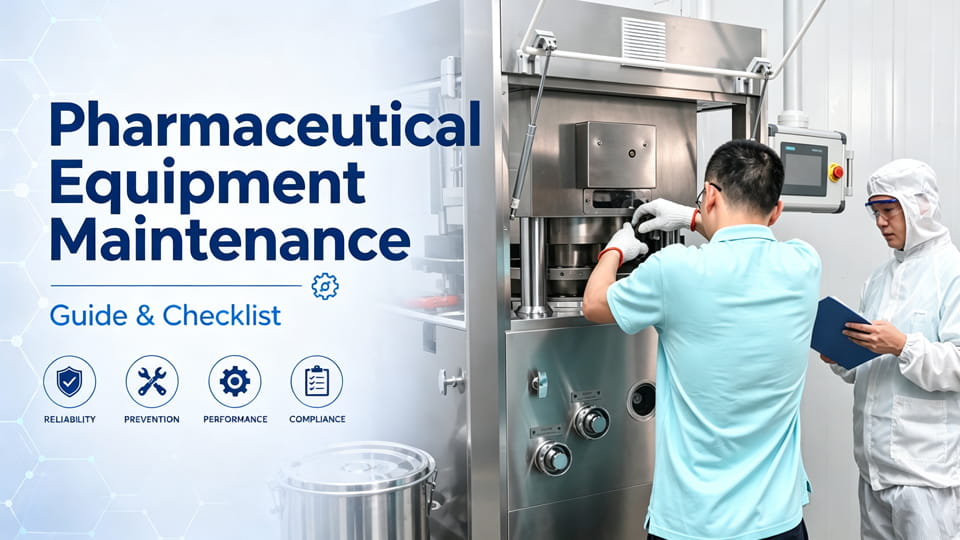
این راهنما نحوه ساخت آن سیستم را توضیح می دهد, با چک لیست عملی نگهداری تجهیزات دارویی, برنامه نگهداری, مشاوره مخصوص ماشین, و ملاحظات GMP برای پرس های تبلت, پرکننده های کپسول, دستگاه های تاول, ماشین های شمارش, و کارتن.
تعمیر و نگهداری تجهیزات دارویی بازرسی برنامه ریزی شده است, تمیز کردن, روانکاری, تنظیم, پشتیبانی کالیبراسیون, ترمیم کردن, و کار جایگزینی مورد استفاده برای حفظ عملکرد ماشین آلات تولید و بسته بندی داروها همانطور که در نظر گرفته شده است.
این موضوع بسیار بیشتر از یک تکنسین تعمیر و نگهداری با جعبه ابزار را پوشش می دهد. یک برنامه کامل نگهداری دارویی، تولید را به هم متصل می کند, مهندسی, تضمین کیفیت, اپراتورها, مدیریت قطعات یدکی, مستندات, و تامین کنندگان تجهیزات.
چرا این مهم است?
چهار روش مفید برای نگهداری وجود دارد:
| نوع تعمیر و نگهداری | ماشه | بهترین استفاده | محدودیت اصلی |
| نگهداری واکنشی | تجهیزات قبلاً از کار افتاده است | انتقادپذیری پایین, اجزای ارزان قیمت | خرابی برنامه ریزی نشده ایجاد می کند و ممکن است باعث آسیب ثانویه شود |
| نگهداری پیشگیرانه | زمان, چرخه ها, دسته ها, یا ساعات کار | قطعات سایش معمولی, روانکاری, بازرسی ها, سرویس برنامه ریزی شده | در صورت تنظیم نامناسب فواصل، می تواند قطعات را زودتر از زمان لازم تعویض کند |
| تعمیر و نگهداری مبتنی بر شرایط | شرایط اندازه گیری شده از یک حد تعریف شده عبور می کند | بلبرینگ, موتورها, سیستم های خلاء, اجزای حساس به دما | به اندازه گیری های قابل اعتماد و محدودیت های پذیرش نیاز دارد |
| تعمیر و نگهداری پیش بینی | روندها یا مدل ها نشان دهنده وخامت در حال توسعه است | تجهیزات حیاتی که در آن هشدار اولیه ارزش بالایی دارد | به داده های کافی نیاز دارد, نظم و انضباط نظارتی, و توان فنی |
برای اکثر تولید کنندگان دارو, بهترین پاسخ این است که تنها یک روش را انتخاب نکنید. از نگهداری پیشگیرانه به عنوان پایه استفاده می کند, نگهداری واکنشی برای اقلام کم خطر مناسب, و روش های مبتنی بر شرایط یا پیش بینی که در آن بحرانی بودن تجهیزات آنها را توجیه می کند.
یک عملی برنامه نگهداری پیشگیرانه در صنعت داروسازی با تجهیزات شروع می شود - نه با یک چک لیست عمومی که از اینترنت دانلود شده است.
یک گردش کار ساده به این شکل است:
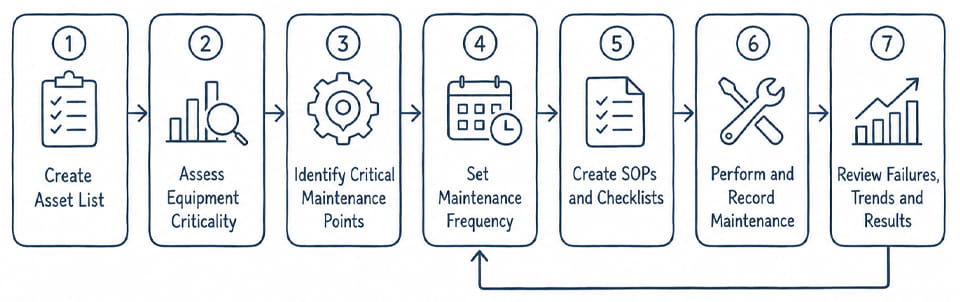
قسمت مهم فلش آخر است. برنامه نگهداری دارویی باید با یادگیری نحوه عملکرد تجهیزات بهبود یابد.
جدول زیر یک است الگوی شروع, فرکانس تنظیمی نیست. فواصل زمانی واقعی باید از توصیه های سازنده تجهیزات و ارزیابی ریسک سایت شما پیروی کند, ساعات کار, مواد, تاریخچه تعمیر و نگهداری, و حالت تایید شده. FDA به یک برنامه تعمیر و نگهداری نیاز دارد و اتحادیه اروپا GMP انتظار دارد تجهیزات به طور مناسب نگهداری شوند و تجهیزات اندازه گیری و کنترل مربوطه در فواصل زمانی مشخص بررسی شوند..
| فرکانس | وظایف توصیه شده برای نگهداری تجهیزات دارویی |
| روزانه / هر شیفت | مناطق قابل دسترسی با محصول را تمیز کنید; گرد و غبار و باقی مانده ها را حذف کنید; بررسی نشتی, سر و صدای غیر معمول, ارتعاش, قطعات شل, محافظ های آسیب دیده, آلارم های غیر عادی, مشکلات هوا/خلاء, و سایش ابزار آشکار; دستگاه های ایمنی را قبل از عملیات بررسی کنید |
| هفتگی | سنسورها را بررسی و تمیز کنید, فیلترها, زنجیر, کمربندها, خطوط خلاء, اتصالات پنوماتیک, فیدرها, ریل های راهنما, ابزار سازی, و نقاط استخراج گرد و غبار; در صورت نیاز نقاط تایید شده را روغن کاری کنید |
| ماهانه | بلبرینگ ها را بررسی کنید, بادامک ها, اجزای درایو, موتورها, اتصالات الکتریکی, مهر و موم, گیربکس ها, تراز ابزار, عملکرد خلاء, بخاری ها, و قطعات را می پوشند; بررسی تاریخچه آلارم و تعمیر |
| فصلنامه | بازرسی مکانیکی و الکتریکی عمیق تری را انجام دهید; تنظیمات بحرانی و ابزار دقیق را بررسی کنید; مدارهای ایمنی و مجموعه های با سایش بالا را بازرسی کنید; بررسی خرابی های مکرر و مصرف قطعات یدکی |
| سالانه | انجام بازرسی جامع یا تعمیرات اساسی برنامه ریزی شده بر اساس وضعیت دستگاه; قطعات با عمر محدود را در صورت لزوم تعویض کنید; بررسی وضعیت کالیبراسیون و سیستم های ایمنی; برنامه PM را مرور کنید, تاریخچه تعمیر و نگهداری, مستندات, و آموزش |
برای چک لیست نگهداری روزانه تجهیزات دارویی, اپراتورها اولین خط دفاع شما هستند. از آنها بخواهید که به دنبال تغییرات باشند: یک صدای جدید, پودر بیشتر در اطراف مهر و موم, پاسخ خلاء کندتر, یک موتور گرمتر, ردیابی فیلم ناپایدار, یا افزایش نرخ رد. تغییرات کوچک اغلب قبل از شکست کامل ظاهر می شوند.
کار هفتگی باید بر روی اجزایی متمرکز شود که گرد و غبار را جمع می کنند یا به تدریج شل می شوند, گرفتگی, خشک شدن, یا پوشیدن. تعمیر و نگهداری ماهانه بیشتر به سیستم های درایو می رود, اتصالات الکتریکی, هم ترازی, مهر و موم, ابزار سازی, و مجامع متحرک.
کار فصلی و سالانه نباید تبدیل به آیینی شود که در آن تکنسین ها صرفاً جعبه ها را علامت می زنند. وضعیت واقعی ماشین را با بازرسی های قبلی مقایسه کنید. تکرار خطاها را بررسی کنید. به اجزای جایگزین شده نگاه کنید. بپرسید که آیا فرکانس نگهداری هنوز درست است یا خیر.
روغن کاری مستحق مراقبت ویژه است. روان کننده بسیار کم اصطکاک را افزایش می دهد; استفاده از روان کننده نامناسب یا استفاده از آن در جایی که امکان آلودگی وجود دارد می تواند مشکل دیگری ایجاد کند. JinLu یک جداگانه دارد راهنمای روان کننده تجهیزات دارویی پوشش انتخاب روانکار و ملاحظات نگهداری برای ماشین آلات دارویی.
مشاوره تعمیر و نگهداری تجهیزات داروسازی عمومی فقط تا اینجا ادامه دارد. ارزش واقعی از دانستن اینکه چه چیزی در هر دستگاه باید بررسی شود به دست می آید.
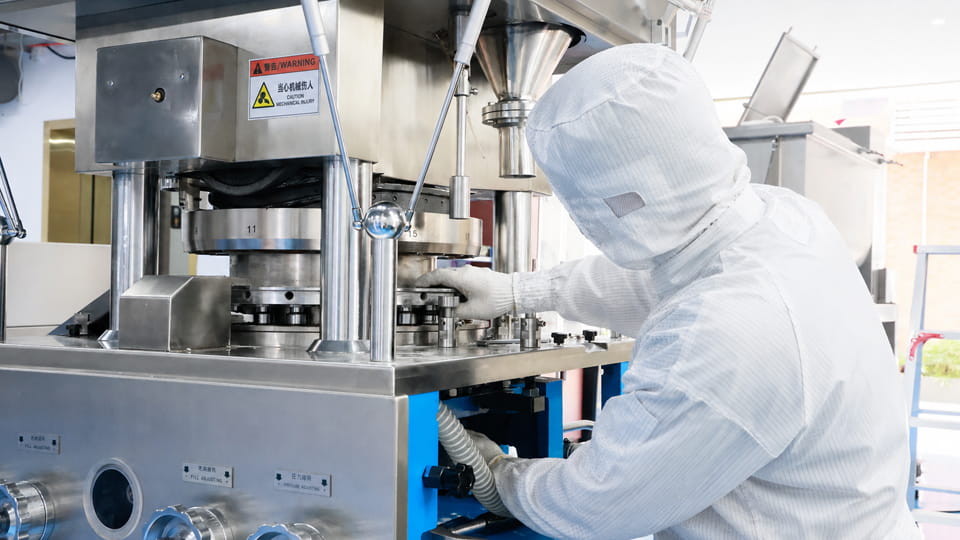
تعمیر و نگهداری پرس تبلت. روی مشت زدن و مرگ تمرکز کنید, برجک, مسیرهای بادامک بالا و پایین, غلتک های فشرده سازی, فیدر, سیستم درایو, نقاط روغن کاری, استخراج گرد و غبار, و حفاظت ایمنی. تجمع پودر در اطراف برجک یا ابزار می تواند سایش را تسریع کند و به نقص تبلت کمک کند, در حالی که ابزار آسیب دیده یا تراز ضعیف مستحق بررسی فوری است. پرس های تبلت JinLu از مجموعه هایی مانند برجک های چرخشی استفاده می کنند, فیدرهای نیرو, سیستم های خلاء, سیستم های فشرده سازی, و حفاظت از اضافه بار, ایجاد این نکات بازرسی منطقی در برنامه نگهداری پیشگیرانه پرس تبلت. JinLu’s را ببینید برد دستگاه پرس تبلت.
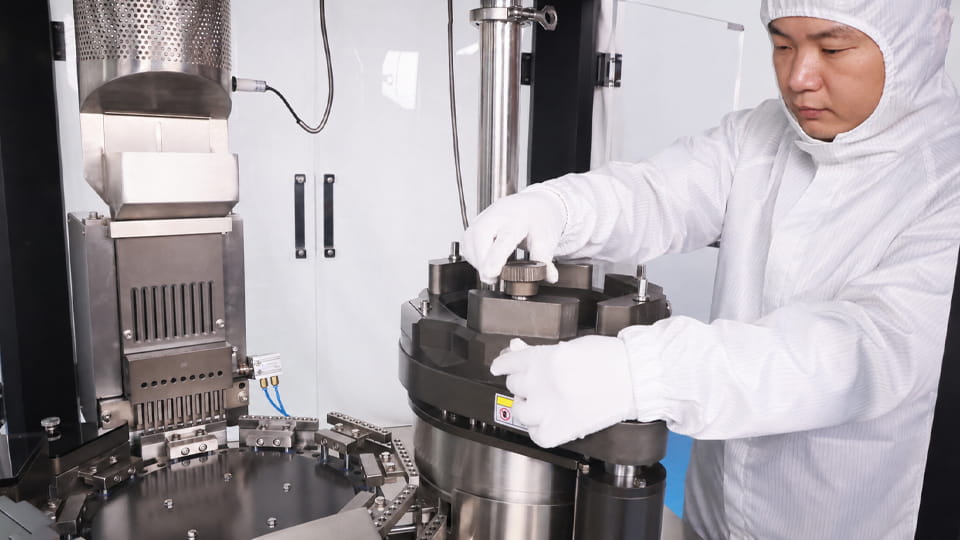
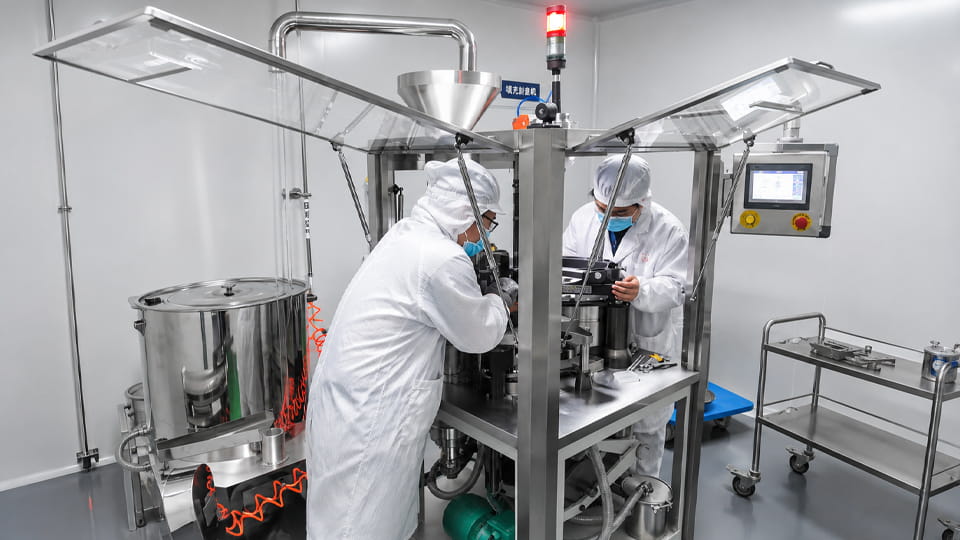
تعمیر و نگهداری دستگاه پرکن کپسول. فیدر کپسول را نگه دارید, سیستم جداسازی, دایره خالی, اجزای دوز, کوبیدن یا پر کردن مجموعه ها, ایستگاه قفل, بادامک ها, و مناطق کنترل گرد و غبار تمیز و به درستی تنظیم شده است. مخصوصاً مراقب ورود پودر به فضاهای مکانیکی باشید, کاهش عملکرد خلاء, ناهماهنگی کپسول, و صدای غیر طبیعی بادامک. پرکننده های کپسول اتوماتیک JinLu از مجموعه های پرکننده مدولار و, در مدل های خاص, یاتاقان های بدون روغن که برای کاهش نیازهای تعمیر و نگهداری طراحی شده اند. برای یک راهنمای عمیق تر در سطح جزء, ببینید نحوه نگهداری از دستگاه پر کردن کپسول خودکار و محدوده ماشین پرکن کپسول.
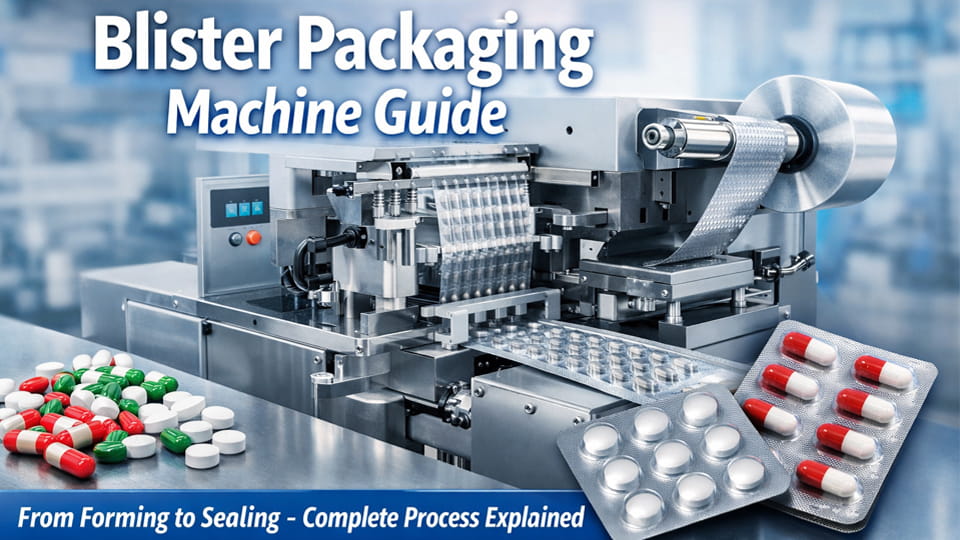
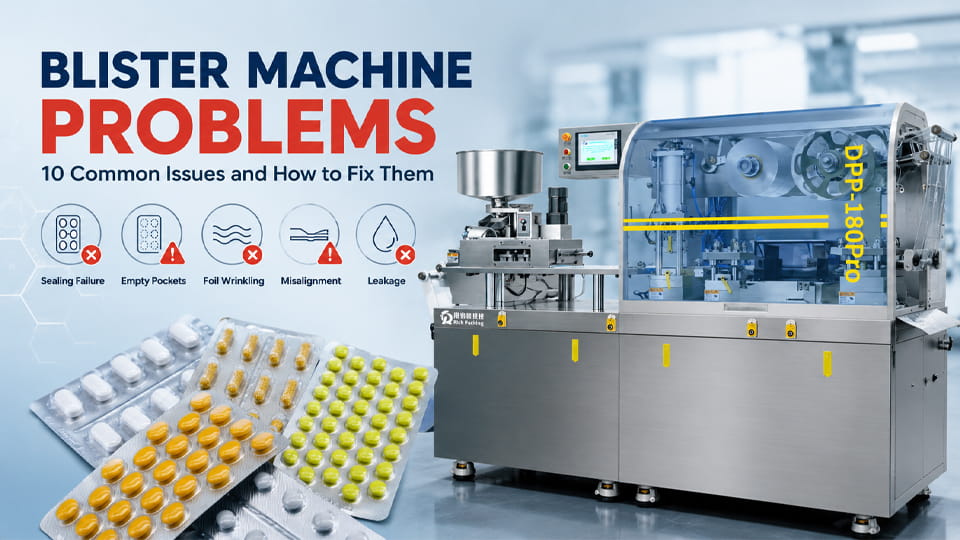
تعمیر و نگهداری دستگاه تاول. ایستگاه های شکل دهی و آب بندی را بازرسی کنید, بخاری ها, صفحات یا غلتک های آب بندی, غلطک های راهنما, تنش فیلم, فیدرها, ابزار برش, خنک کننده, حسگر, اجزای پنوماتیکی, و سیستم های خلاء. گرد و غبار یا بقایای سطوح درزگیر, اجزای فرسوده, تراز نادرست, و شرایط پردازش ناپایدار می تواند به سرعت به صورت مهر و موم ضعیف یا بسته های بد شکل ظاهر شود. ماشینهای تاولساز JinLu ترکیب میشوند, تغذیه, مهر و موم حرارتی, کشش, و عملکردهای برش, بنابراین تراز بین ایستگاه ها از اهمیت ویژه ای برخوردار است. را ببینید محدوده ماشین آلات بسته بندی تاول و جین لو راهنمای مشکلات ماشین تاول.
دستگاه های شمارش و کارتن سازی. روشن شمارنده قرص و کپسول, کانال های ارتعاشی را حفظ کنید, سطوح تغذیه, حسگرهای فوتوالکتریک یا بینایی, مناطق حذف گرد و غبار, جابجایی بطری, رد سیستم ها, و اجزای پنوماتیک تمیز و به درستی قرار گرفته اند. تجهیزات شمارش JinLu برای ادغام در خطوط بطری طراحی شده است, در حالی که محصول JL-16C آن از ماژولار استفاده می کند, طراحی محصور شده برای ساده سازی تعمیر و نگهداری و محدود کردن مشکلات گرد و غبار. در یک دستگاه کارتن سازی, به قطعات جاروبرقی دقت کنید, فنجان های مکنده, مجلات کارتن, زنجیر, راهنماها, حسگر, سیستم های اعلامیه, تشکیل ایستگاه ها, و تشخیص محصول/کارتن زیرا چندین ایستگاه هماهنگ باید به ترتیب کار کنند.
نگهدار, تمیز کردن, و کالیبراسیون مرتبط هستند, اما قابل تعویض نیستند.
| فعالیت | هدف اصلی | مثال معمولی |
| نظافت | باقیمانده محصول را حذف کنید, گرد و غبار, باقی مانده پاک کننده, و آلودگی | تمیز کردن ایستگاه دوز کپسول بعد از یک دسته |
| نگهدار | حفظ یا بازیابی عملکرد مکانیکی/الکتریکی | تعویض بلبرینگ فرسوده یا تنظیم سیستم درایو |
| کالیبراسیون | اطمینان حاصل کنید که یک دستگاه اندازه گیری یا کنترل با دقت تعریف شده کار می کند | بررسی دما, فشار, وزن, یا اندازه گیری نیرو در برابر یک مرجع |
FDA این مسئولیت ها را روشن می کند. بخش 211.67 نیاز به روش های کتبی تمیز کردن و نگهداری دارد, از جمله مسئولیت, برنامه ها, روش ها و مواد, جداسازی یا مونتاژ مجدد در صورت نیاز, حفاظت از تجهیزات تمیز, بازرسی تمیزی قبل از استفاده, و سوابق. بخش 211.68 کالیبراسیون معمول را اضافه می کند, بازرسی, یا بررسی خودکار, مکانیکی, و تجهیزات الکترونیکی تحت یک برنامه مکتوب.
بنابراین یک SOP مبتنی بر GMP می تواند از این چک لیست استفاده کند:
| عنصر SOP | چه چیزی را تعریف کنیم |
| هدف و دامنه | تجهیزات و فعالیت های تحت پوشش |
| مسئولیت | اپراتور, نگهدار, مهندسی, QA, یا نقش های پیمانکاری |
| فرکانس | زمان, ساعت کار, چرخه, دسته ای, یا ماشه مبتنی بر شرایط |
| ایمنی و آماده سازی | انزوا, قفل کردن, وضعیت تمیز کردن, PPE مورد نیاز |
| روش نگهداری | بازرسی, تنظیم, جایگزینی, روانکاری, ابزار, مواد تایید شده |
| جداسازی / مونتاژ مجدد | توالی و بررسی های لازم قبل از راه اندازی مجدد |
| معیارهای پذیرش | چه چیزی شرایط ماشین قابل قبول را تشکیل می دهد |
| بررسی های پس از تعمیر و نگهداری | پاکیزگی, نگهبانان, تنظیمات, اجرای آزمایشی, کالیبراسیون یا صلاحیت مجدد در صورت لزوم |
| مستند سازی | تاریخ, تکنسین, کار انجام شده, قطعات استفاده شده, یافته ها, انحرافات, تاییدیه ها |
موضع اتحادیه اروپا کاملاً همسو است. فصل GMP اتحادیه اروپا 3 می گوید تجهیزات ساخت باید طراحی شود, واقع شده است, و برای هدف مورد نظر خود نگهداری می شود; تعمیر و نگهداری نباید خطری برای کیفیت محصول ایجاد کند; تجهیزات باید به راحتی تمیز شوند; تجهیزات اندازه گیری و کنترل باید در فواصل زمانی مشخص با سوابق کالیبره و بررسی شوند; و تجهیزات معیوب باید حذف شوند یا در صورت امکان به وضوح شناسایی شوند.
این یک موضوع بازرسی فعال باقی می ماند تا یک الزام قدیمی که در یک کتاب مقررات نشسته است. نامه های هشدار FDA صادر شده در 2025 و 2026 همچنان به ذکر شرکت ها برای تمیز کردن و نگهداری تجهیزات ناکافی و یا خرابی های مرتبط با آن ادامه داده اند 21 CFR 211.67.
یکی از رایج ترین اشتباهات تعمیر و نگهداری این است اجرای همه چیز تا شکست. سایر موارد شامل دادن فاصله زمانی خدمات به هر دستگاه است, نادیده گرفتن تغییرات کوچک در نویز یا لرزش, استفاده از روان کننده اشتباه, روغن کاری بیش از حد, به تعویق انداختن بررسی حسگرها, نگهداری سوابق ضعیف, بدون حمل قطعات یدکی حیاتی, و شروع مجدد تولید بدون بازرسی مناسب پس از تعمیر و نگهداری.
تعمیر و نگهداری پیشبینیکننده میتواند برنامه را جلوتر ببرد. به جای سوال کردن, آیا زمان تعویض این بلبرینگ فرا رسیده است؟?" میپرسی, "آیا یاتاقان واقعا خراب می شود؟?” ورودی های مفید شامل لرزش است, دما, فشار, جریان موتور, تاریخچه زنگ هشدار, روندهای خلاء, و داده های فرآیند موجود. یک مطالعه تولید دارو با استفاده از یک خط پرکننده آسپتیک عامل نشان داد که تغییرات طولانی مدت در داده های نظارت بر فرآیند می تواند با خطاهای تجهیزات مرتبط باشد و برای حمایت از مداخلات برنامه ریزی شده قبلی استفاده شود..
فایده عملی این نیست که هر کارخانه ای به هوش مصنوعی نیاز دارد. این است که اطلاعات روند می تواند به حرکت تعمیر و نگهداری از یک تقویم ثابت به سمت تصمیم گیری های مبتنی بر شواهد کمک کند.
برای کاهش هزینه نگهداری, با اصول خسته کننده شروع کنید: استانداردسازی قطعات یدکی مشترک در صورت امکان, قطعات سایش مهم را در دسترس نگه دارید, اپراتورهای قطار متوجه خرابی آن شوند, روش های صحیح روغن کاری را دنبال کنید, خرابی های مکرر سند, و هنگامی که یک الگوی نامشخص است، OEM را درگیر کنید. جین لو, برای مثال, مستندات فنی را ارائه می دهد, آموزش, نگهداری پیشگیرانه و اصلاحی, عیب یابی از راه دور, و پشتیبان گیری پارامتر/نرم افزار به عنوان بخشی از ارائه پشتیبانی آن.
هزینه تعمیر و نگهداری نیز از شروع می شود تدارکات. FDA 21 CFR 211.63 به طور خاص نیاز به تجهیزات دارویی برای داشتن طراحی مناسب دارد, اندازه, و مکان برای تسهیل عملیات مورد نظر, تمیز کردن, و نگهداری. هنگام مقایسه تامین کنندگان ماشین آلات دارویی, به دنبال نقاط نگهداری قابل دسترس باشید, جداسازی آسان در تماس با محصول, ابزار مدولار, تشخیص عیب قابل درک, قطعات سایش به راحتی در دسترس, کتابچه های راهنمای خوب, پشتیبانی از راه دور, و زمان تحویل واقعی قطعات یدکی.
قبل از خرید یک سوال ساده از تامین کننده بپرسید: به تیم تعمیر و نگهداری خود نشان دهید که چگونه به آن دسترسی خواهیم داشت, تمیز کردن, بازرسی, و قطعاتی که اغلب فرسوده می شوند را تعویض کنید. ماشینی که ده دقیقه در هر تعویض صرفه جویی می کند یا بازرسی را آسان تر می کند، می تواند در طول عمر خود ارزشمندتر از ماشینی با قیمت خرید کمی پایین تر باشد..
در تولید دارو, نگهداری = قابلیت اطمینان + کیفیت + رعایت. خوب تعمیر و نگهداری تجهیزات دارویی کمتر در مورد انجام تعمیرات بیشتر و بیشتر در مورد انجام تعمیر و نگهداری صحیح در زمان مناسب است. انتخاب تجهیزات مناسب مرحله اول است; دنبال کردن یک برنامه تعمیر و نگهداری ساختاریافته به همان اندازه حیاتی است. با انجام معاینات روزانه, پایبندی به برنامه ها, و مستند کردن هر اقدامی, از غافلگیری جلوگیری می کنید, کاهش هزینه ها, و بیماران را ایمن نگه دارید.
و انتخاب jeinlu, ما ماشین های خود را طراحی می کنیم (پرس های تبلت, پرکننده های کپسول, و غیره) با رعایت سهولت بهداشت و نگهداری. اما حتی بهترین ماشین نیز به TLC نیاز دارد. ما شما را تشویق می کنیم که نکات این راهنما را برای تجهیزات خود به کار ببرید, و همیشه برای جزئیات به دفترچه راهنمای دستگاه خود مراجعه کنید.
اگر سؤالی در مورد برنامه های تعمیر و نگهداری دارید یا نیاز به پشتیبانی فنی برای خط خود دارید, مهندسان ما در Jinlu آماده کمک هستند. تعمیر و نگهداری مناسب باعث می شود خط شما به خوبی کار کند - و در نهایت, کیفیت شما را بالا نگه می دارد و هزینه ها را پایین نگه می دارد.
آماده برای بهبود زمان کارکرد دستگاه شما? با تیم پشتیبانی JinluPacking تماس بگیرید یا طیف کامل تجهیزات بسته بندی دارویی ما را بررسی کنید تا ببینید چگونه برای تمیز کردن و نگهداری آسان طراحی می کنیم.
هیچ فاصله نگهداری واحدی وجود ندارد که برای هر ماشین دارویی کار کند. فرکانس تعمیر و نگهداری باید بر اساس توصیه های سازنده تجهیزات باشد, ساعات کار, بار تولید, بحرانی بودن تجهیزات, خصوصیات محصول, و سابقه تعمیر و نگهداری قبلی. تجهیزات پرکاربرد یا حیاتی ممکن است نیاز به بازرسی روزانه یا هفتگی داشته باشند, در حالی که تعمیرات پیشگیرانه عمیق تر ممکن است ماهانه برنامه ریزی شود, فصلنامه, یا سالانه.
تعمیر و نگهداری پیشگیرانه، تعمیر و نگهداری برنامه ریزی شده است که قبل از خرابی تجهیزات انجام می شود. معمولاً شامل بازرسی می شود, تمیز کردن, روانکاری, تنظیم, تعویض قطعه سایش, بررسی های ایمنی, و تست عملکردی در فواصل زمانی مشخص. یک برنامه نگهداری پیشگیرانه خوب به تولیدکنندگان داروسازی کمک می کند تا خرابی های غیرمنتظره را کاهش دهند, عملکرد دستگاه را ثابت نگه دارید, و سایش اجزا را قبل از اینکه بر تولید یا کیفیت محصول تأثیر بگذارد شناسایی کنید.
چک لیست نگهداری تجهیزات دارویی باید قطعات مکانیکی را پوشش دهد, نقاط روغن کاری, سیستم های درایو, حسگر, قطعات الکتریکی, سیستم های پنوماتیک و خلاء, وسایل ایمنی, ابزار سازی, مهر و موم, فیلترها, و سایر قطعات سایش. همچنین باید شناسه تجهیزات را ثبت کند, تاریخ بازرسی, تکنسین, یافته ها, قطعات تعویض شده, اقدامات اصلاحی, و تاریخ نگهداری برنامه ریزی شده بعدی.
بله. GMP نیاز به نگهداری تجهیزات تولید دارو دارد تا نقص یا آلودگی بر کیفیت محصول تأثیر نگذارد.. تحت سازمان غذا و دارو 21 CFR 211.67, سازندگان باید رویه های مکتوب تمیز کردن و نگهداری تجهیزات را ایجاد و دنبال کنند, از جمله مسئولیت های محول شده, برنامه های تعمیر و نگهداری, روش ها, بازرسی ها, و سوابق. فاصله تعمیر و نگهداری دقیق باید با توجه به تجهیزات و فرآیند به جای استفاده از یک برنامه جهانی تعریف شود.
تعمیر و نگهداری پیشگیرانه معمولاً طبق یک زمان از پیش تعریف شده انجام می شود, ساعت کار, چرخه, یا برنامه تولید. تعمیر و نگهداری پیشبینیشده از دادههای وضعیت تجهیزات برای تعیین اینکه واقعاً چه زمانی به تعمیر و نگهداری نیاز است، استفاده میکند. به عنوان مثال, ارتعاش, دمای موتور, فشار خلاء, جریان الکتریکی, یا روندهای هشدار می توانند به شناسایی مشکلات در حال توسعه قبل از شکست کمک کنند. بسیاری از کارخانه های داروسازی از نگهداری پیشگیرانه به عنوان پایه و نگهداری پیش بینی کننده تجهیزات حیاتی استفاده می کنند.
تولیدکنندگان دارو باید سوابقی را حفظ کنند که به وضوح نشان دهد که چه تعمیراتی انجام شده است, زمانی که تکمیل شد, که آن را اجرا کرد, چه مشکلاتی پیدا شد, و چه اقدامات اصلاحی یا تعویض قطعات مورد نیاز بود. سوابق عمده تجهیزات ممکن است شامل اطلاعات تمیز کردن و استفاده نیز باشد, شناسایی تجهیزات, مراجع دسته ای, بازرسی ها, بررسی های کالیبراسیون, انحرافات, و فعالیت های بعدی. سوابق باید قابل ردیابی باشند, زمانی, و در طول بازرسی های GMP به راحتی قابل بازیابی است.
با یک لیست کامل تجهیزات شروع کنید و هر دستگاه را بر اساس تأثیر آن بر کیفیت محصول طبقه بندی کنید, ایمنی, و تولید. سپس دفترچه راهنمای تعمیر و نگهداری OEM را مرور کنید, شناسایی اجزای سایش حیاتی, و فواصل بازرسی یا تعویض را بر اساس ساعات کار تعریف کنید, شدت تولید, تاریخچه شکست, و ریسک. مسئولیت ها را تعیین کنید, چک لیست های مخصوص تجهیزات را ایجاد کنید, سند کار تکمیل شده, و به طور منظم برنامه را با استفاده از داده های تعمیر و نگهداری واقعی تنظیم کنید.
هر فعالیت تعمیر و نگهداری نیاز به صلاحیت مجدد کامل ندارد, اما تعمیرات یا تغییرات قابل توجه باید از نظر تأثیر آنها بر عملکرد تجهیزات و وضعیت تأیید شده ارزیابی شود. جایگزینی یک قطعه سایش معمول با یک قطعه معادل ممکن است فقط به بررسی های تعریف شده پس از تعمیر و نگهداری نیاز داشته باشد.. تغییرات موثر بر تنظیمات حیاتی, سیستم های کنترل, دقت اندازه گیری, نرم افزار, قطعات تماس با محصول, یا پارامترهای عملیاتی ممکن است نیاز به کالیبراسیون داشته باشند, تایید, تغییر کنترل, یا احراز مجدد جزئی قبل از شروع مجدد تولید.
موثرترین رویکرد ترکیب نگهداری پیشگیرانه مبتنی بر ریسک با بازرسی خوب اپراتور و دسترسی سریع به قطعات یدکی حیاتی است.. اپراتورها باید صدای غیرعادی را گزارش کنند, ارتعاش, دما, نشتی, از دست دادن خلاء, نقص سنسور, یا افزایش نرخ رد قبل از تبدیل شدن به شکست بزرگ. تیم های تعمیر و نگهداری نیز باید خرابی های مکرر را تجزیه و تحلیل کنند, تاریخچه خدمات دقیق را نگه دارید, نظارت بر اجزای حیاتی, و زمانی که مشکلات مکرر در داخل قابل حل نباشد، با سازنده تجهیزات کار کنید.
خریداران باید قبل از تمرکز بر سرعت دستگاه و قیمت خرید، دسترسی به تعمیر و نگهداری را ارزیابی کنند. به دنبال دسترسی آسان به قطعات سایش باشید, جداسازی سریع محصول در تماس, ابزار مدولار, قطعات یدکی استاندارد, نقاط روغن کاری روشن, تشخیص مفید PLC, قطعات الکتریکی و پنوماتیکی قابل دسترسی, و مراحل تمیز کردن ساده. تامین کننده باید دستورالعمل های نگهداری را نیز ارائه دهد, لیست قطعات یدکی, آموزش, مستندات فنی, پشتیبانی از راه دور, و خدمات پس از فروش قابل اعتماد.
مراجع:
1.راهنمای تمرین خوب: Maintenance 2nd Edition —— ISPE
2.تضمین کیفیت داروها: خلاصه ای از دستورالعمل ها و مواد مرتبط: حجم 2: شیوه های تولید خوب و بازرسی, 10th ed —— سازمان بهداشت جهانی
3.21 CFR § 211.182 گزارش تمیز کردن و استفاده از تجهیزات —— eCFR
4.I مبحث Q 7 روش تولید خوب برای مواد فعال دارویی —— آژانس دارویی اروپا
5.راهنمایی در مورد عملکرد خوب تولید و عملکرد خوب توزیع: پرسش و پاسخ —— آژانس دارویی اروپا
6.تعمیر و نگهداری پیشگیرانه هدفمند تجهیزات دارویی —— ResearchGate