آوردن یک محصول دارویی جدید به بازار بسیار بیشتر از ایجاد یک فرمول موثر است. یکی از مهمترین تصمیماتی که تولیدکنندگان با آن روبرو هستند، انتخاب بسته بندی مناسب است. بسته بندی انتخاب شده برای یک محصول دارویی می تواند به طور مستقیم بر پایداری آن تأثیر بگذارد, ماندگاری, انطباق با مقررات, ایمنی حمل و نقل, و تجربه بیمار. بسته ای که در برابر رطوبت محافظت نمی کند, اکسیژن, سبک, یا آلودگی می تواند کیفیت محصول را مدت ها قبل از رسیدن به دست مصرف کننده نهایی به خطر بیندازد. بنابراین بسته بندی صرفاً یک ظرف نیست، بلکه بخش اساسی سیستم حفاظت از محصول است.
برای تولید کنندگان دارو, مدیران تولید, و تیم های تدارکاتی, انتخاب بسته بندی مناسب مستلزم تعادل عوامل متعددی است, از جمله فرم دوز, سازگاری مواد, عملکرد مانع, ایمنی بیمار, کارایی تولید, و مقیاس پذیری آینده. این که آیا محصول تبلت است, کپسول, پودر, مایع, یا تزریقی, راه حل بسته بندی مناسب می تواند به اطمینان از یکپارچگی محصول و در عین حال حمایت از تولید تجاری کارآمد کمک کند. در این راهنما, ما فاکتورهای کلیدی را که هر سازنده باید در هنگام انتخاب بسته بندی برای یک محصول دارویی جدید در نظر بگیرد، بررسی خواهیم کرد.
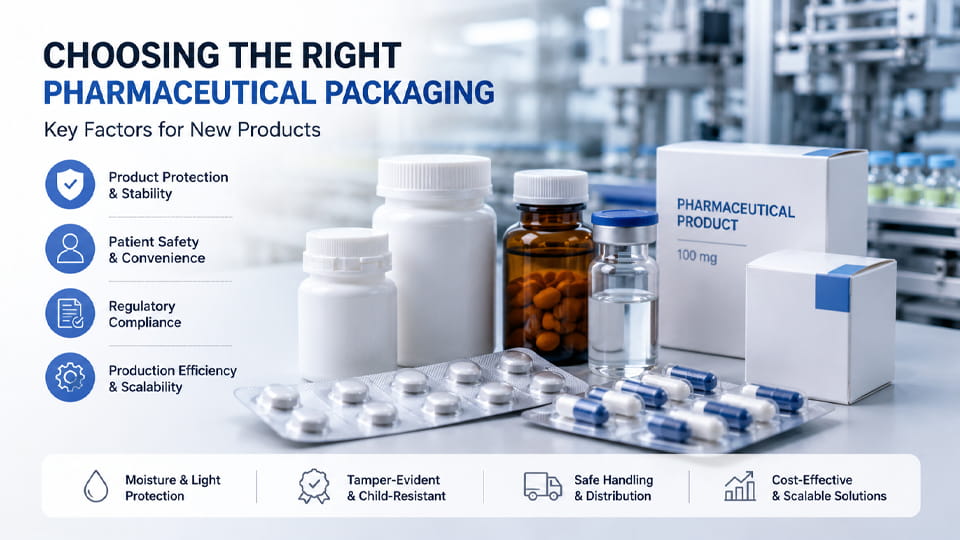
چرا انتخاب بسته بندی در داروسازی اهمیت دارد؟
بسته بندی دارویی است حیاتی, اختیاری نیست. برخلاف بسته بندی های معمولی مصرف کننده, بسته بندی دارو باید از یکپارچگی دارو در طول عمر مفید آن محافظت کنید. WHO و دستورالعمل های نظارتی تاکید می کنند که بسته بندی باید از داروها محافظت کند رطوبت, سبک, اکسیژن و سایر تهدیدات خارجی. به عبارت دیگر, ثبات و کیفیت محصولات دارویی را حفظ می کند از فساد یا دستکاری جلوگیری می کند.
عملکردهای کلیدی بسته بندی عبارتند از:
- حفاظت از محصول: رطوبت را دور نگه دارید, اکسیژن, سبک, گرما و آلاینده ها. به عنوان مثال, یک راهنمای USP اشاره می کند که قرص های جامد "باید از بخار آب محافظت شوند" زیرا رطوبت می تواند قدرت یا انحلال دارو را تغییر دهد. مواد با مانع بالا (فویل آلومینیومی, فیلم های پوشش داده شده, شیشه کهربایی) اغلب در جاهایی که حساسیت زیاد است استفاده می شود.
- انطباق با مقررات: بسته بندی باید مطابق با FDA باشد, EMA و WHO الزامات GMP. این شامل مناسب است یکپارچگی بسته شدن ظروف (CCI), مواد معتبر, و ویژگی هایی مانند دستکاری آشکار مهر و موم. بسته بندی مقاوم در برابر کودک برای بسیاری از داروها برای جلوگیری از بلع تصادفی مورد نیاز است. سریال سازی و قابلیت ردیابی (بارکدهای منحصر به فرد روی هر بسته) اکنون در بازارهای اصلی اجباری هستند (FDA DSCSA, اتحادیه اروپا FMD).
- ایمنی و انطباق بیمار: طراحی بسته باید از خطاهای دوز و استفاده نادرست جلوگیری کند. برچسبهای غیرقابل دستکاری و کلاههای ضد کودک "محافظت در برابر مسمومیت تصادفی". ویژگی های کاربر پسند (آسان باز, کمک های دوز, تاول های تقویم) به بیماران کمک کنید تا داروها را به درستی مصرف کنند.
- برند و ارتباطات: بسته بندی ثانویه (کارتن, برچسب ها) دستورالعمل ها را ارائه می دهد, هشدارها, و مارک تجاری. به گفته کارشناسان, برچسب ها باید بادوام و شفاف باشند تا از اختلاط جلوگیری شود. در واقع, یک تحلیل تقریباً پیدا شد 50% از یادآوری مواد مخدر به مشکلات بسته بندی/برچسب گذاری مرتبط هستند.
به طور خلاصه, بسته بندی یک محافظ فعال است. عدم انتخاب بسته مناسب می تواند منجر به تخریب API ها شود, آسیب بیمار, و سردردهای تنظیمی. بسته بندی مناسب "از کیفیت دارو محافظت می کند” و در نتیجه کارایی و شهرت محصول را تقویت می کند.

پله 1: ویژگی های محصول دارویی جدید خود را درک کنید
مرحله اول الف است ممیزی کامل محصول. بپرسید: شکل دوز چیست (تبلت, کپسول, پودر, مایع, قابل تزریق, و غیره)? این دارو چه حساسیت هایی دارد (رطوبت, اکسیژن, سبک, گرم کردن)? آیا به کنترل دوز خاصی نیاز دارد؟ (استنشاقی با دوز اندازه گیری شده, قطره چکان, سرنگ از پیش بارگذاری شده)?
- فرم دوز: قرص ها و کپسول ها معمولا با دوز جامد و اغلب در بسته بندی می شوند بسته ها یا بطری های تاول. مایعات/تعلیق وارد می شوند بطری ها یا ویال ها. تزریقی نیاز دارد ویال های استریل, آمپول یا سرنگ از پیش پر شده. گازها/ استنشاق ها از قوطی های تخصصی استفاده می کنند. پودرها یا گرانول ها را می توان در بسته بندی کرد ساشه ها, بسته ها یا بطری ها را بچسبانید.
- حساسیت های شیمیایی/فیزیکی: آیا دارو رطوبت سنجی است یا مستعد اکسیداسیون است? داروهای بسیار حساس به رطوبت (به عنوان مثال. قرص های جوشان) نیاز دارند بسته بندی با مانع بالا مانند تاولهای آلو آلو یا بطریهای با پوشش خشککننده. ترکیبات حساس به نور نیاز دارند ظروف مات یا رنگی. داروهای واکنشی به مواد بی اثر نیاز دارند (به عنوان مثال. شیشه, پلیمرهای خاص).
- ماندگاری و پایداری: هر گونه کنترل دمای مورد نیاز را در نظر بگیرید (تبرید) یا شرایط خلاء/استریل. برخی از واکسن ها یا بیولوژیک ها ممکن است به بسته بندی با زنجیره سرد یا ویال های تخصصی نیاز داشته باشند.
نکته کلیدی: بسته بندی اولیه باید بی اثر و محافظ باشد. نباید دارو را شسته یا جذب کند, و باید محیطی مهر و موم شده را حفظ کند. به عنوان مثال, FDA خاطرنشان می کند که ظروف خوراکی جامد باید دارای یک «نرخ کم نفوذ بخار آب, و سیستم بسته شدن باید مهر و موم ایجاد کند.. انجام تست سازگاری و مواد قابل استخراج با اجزای بسته بندی نامزد بسیار مهم است.
چک لیست برای ممیزی محصول:
- شکل/نوع دارویی (تبلت, کپسول, مایع, و غیره)
- شرایط نگهداری/پایداری (دما, رطوبت, سبک)
- الزامات دوز / تجویز (قطره چکان, پمپ, واحد دوز)
- ملاحظات استفاده از بیمار (پزشکی کودک در مقابل بزرگسالان, تحرک, سالمندان پسند)
- محدودیت های نظارتی (به عنوان مثال. اطلاعات بیمار بخشی از بسته اولیه است?)
این درک باعث انتخاب بسته بندی اولیه شما می شود (بسته در تماس مستقیم با دارو). بعدی, ما آن گزینه ها را مورد بحث قرار می دهیم.
پله 2: بسته بندی اولیه مناسب را انتخاب کنید
بسته بندی اولیه ظرفی است که دارو را نگه می دارد. مستقیماً دارو را لمس می کند. انواع بسته بندی اولیه رایج عبارتند از بسته های تاول, بطری ها (پلاستیک/شیشه), ویال / آمپول, کیسه, لوله ها, و غیره. هر کدام مزایا / معایبی دارند:
- بسته های تاول (Alu-Alu یا Alu-PVC): ایده آل برای اشکال جامد با دوز واحد (قرص ها, کپسول ها). فراهم می کنند مانع رطوبت/نور عالی, به خصوص الو الو (فویل سرد) نوع. تاول ها اطمینان حاصل می کنند که هر دوز تا زمان استفاده بسته است, بهبود انطباق و کاهش آلودگی متقابل. تاول های مدرن را می توان در برابر کودکان مقاوم کرد. تجهیزات: با سرعت بالا دستگاه های بسته بندی تاول شکل گیری دسته, تغذیه, آب بندی و برش حرارتی (به عنوان مثال. دستگاه های تاول زن Alu-Alu شرکت JinluPacking).
- بطری (پلاستیک یا شیشه): رایج برای بسته بندی چند واحدی (شربت ها, کپسول ها, قرص ها). بطری ها برای حجم های زیاد مقرون به صرفه هستند. بطری های شیشه ای (بوروسیلیکات نوع I) بی اثری شیمیایی عالی را ارائه می دهد و می تواند برای محافظت از نور به رنگ کهربایی درآید. بطری های پلاستیکی (HDPE, PP) سبک و نشکن هستند اما معمولاً نفوذپذیری رطوبت بالاتری دارند. بطری ها اغلب استفاده می کنند کلاه های ضد کودک. تجهیزات: ماشین های شمارش/پرکن بطری ها را پر می کنند و درپوش دارند, و می تواند مواد خشک کننده را وارد کنید یا فویل مهر و موم (در خطوط شمارش ببینید). خطوط پر کردن بطری و ماشین های درب اتوماتیک Jinlu این مراحل را یکپارچه می کنند.
- ساشه ها & بسته های استیک: برای پودر استفاده می شود, گرانول ها, یا مایعات تک دوز (به عنوان مثال. آنتی بیوتیک ها, ORS). این کیسه های فویل یا لمینت انعطاف پذیر هستند که از همه طرف مهر و موم شده اند. کیسه ها مانع بسیار خوبی هستند (اغلب با فویل آلومینیومی) و راحتی. تجهیزات: ماشین آلات بسته بندی ساشه شکل می گیرد, پر کردن, و این کیسه ها را یکجا مهر و موم کنید.
- ویال ها & آمپول: استاندارد برای تزریقات استریل (راه حل ها, پودرهای لیوفیلیزه). ویال ها (شیشه یا پلاستیک) با درپوش های لاستیکی استریلیت را حفظ می کند. آمپول (شیشه) تا زمان استفاده به صورت هرمتیک مهر و موم شده اند. هر دو خلوص بالایی دارند و برای سوزن/سرنگ مناسب هستند. تجهیزات: خطوط پر کردن ویال, از ماشین های درپوش و چین دار استفاده می شود (اغلب با مناطق جریان آرام برای عقیمی).
- دیگران: لوله ها (فلزی یا پلاستیکی) برای پمادها/کرم ها رایج هستند. سرنگ یا استنشاقی از قبل پر شده (MDI/DPI) شامل بسته بندی دستگاه سفارشی می شود. اینها اغلب به تجهیزات تخصصی پر کردن و مونتاژ نیاز دارند.
مناسب بودن هر گزینه به محصول شما بستگی دارد:
- هزینه در مقابل. حفاظت: جدول زیر انواع بسته های اولیه را مقایسه می کند:
| نوع |
بهترین برای |
سطح حفاظت |
هزینه |
تجهیزات |
| بسته تاول |
قرص, کپسول |
خیلی بالا (رطوبت/نور) |
واسطه |
دستگاه بسته بندی تاول |
| بطری |
قرص, شربت ها, قرص |
واسطه (با درج خوب است) |
کم |
خط پر کردن بطری / درپوش |
| ساشه/چوب |
پودرها, گرانول |
عالی (مانع فویل) |
واسطه |
ماشین بسته بندی کیسه |
| ویال / آمپول |
مواد تزریقی, سرم ها |
خیلی بالا (شیشه استریل) |
عالی |
پر کردن ویال & خط آب بندی |
بسته اولیه را انتخاب کنید که با شکل دوز و نیازهای مانع مطابقت داشته باشد. به عنوان مثال, یک قرص حساس به رطوبت ممکن است نیاز به یک تاول Alu-Alu یا یک بطری شیشه ای کهربایی با ماده خشک کننده. قرصهای معمولی OTC میتوانند در یک بطری پلاستیکی با درپوش الیافی قرار بگیرند (به علاوه ویژگی مقاوم در برابر کودکان).
نکته: اگر رعایت دوز واحد مهم است (به عنوان مثال, توزیع بیمارستان یا بسته های مسافرتی), ورق های تاول یا بسته های چوبی اغلب ترجیح داده می شوند. برای انعطاف پذیری (دوزها قابل تغییر است), بطری ها بهتر هستند.
پله 3: پایداری و الزامات ماندگاری را در نظر بگیرید
تصمیمات بسته بندی از ثبات جدایی ناپذیر است. ظرف اشتباه می تواند باعث تخریب یا خرابی برچسب شود. ملاحظات کلیدی:
- خواص مانع: از موادی استفاده کنید که عوامل حیاتی را مسدود می کنند. برای داروهای حساس به رطوبت, فویل یا شیشه با مانع بالا مورد نیاز است. به عنوان مثال, تاول های آلومینیومی سرد اساساً ورود رطوبت صفر را فراهم می کند. راهنمای پایداری FDA/ICH اشاره میکند که محصولات در ظروف واقعاً غیر قابل نفوذ هستند (به عنوان مثال, تاول های فویل یا شیشه مهر و موم شده) را می توان در شرایط عادی بدون مطالعات رطوبت خاص آزمایش کرد. برعکس, بسته های نیمه تراوا (مثل بعضی از پلاستیک ها) نیاز به ارزیابی دقیق رطوبت دارد.
- حفاظت از نور: API های حساس به نور به بسته بندی مات یا کهربایی نیاز دارند. به عنوان مثال, بطریهای شیشهای کهربایی یا کیسههای فلزی از اشعه ماوراء بنفش محافظت میکنند. یک روش معمول این است که در صورت نیاز ویال های شفاف را در روکش آلومینیومی بپیچید.
- سازگاری: اطمینان حاصل کنید که مواد بسته بندی با دارو واکنش نمی دهند. شیشه بی اثر است, اما برخی از پلاستیک ها می توانند ترکیبات را شسته یا جذب کنند. انجام مطالعات قابل استخراج/قابل شستشو بر روی اجزای اولیه. رهنمودهای نظارتی (FDA, EMA) انتظار می رود یکپارچگی بسته شدن ظروف (CCI) آزمایش در طول عمر مفید.
- تعیین ماندگاری: مطالعات پایداری (I Q1A/R2) باید از سیستم بسته بندی ظروف پیشنهادی. اگر کارآزمایی های ماندگاری تخریب را نشان دهند, ممکن است نیاز به تنظیم بسته بندی داشته باشید (به عنوان مثال. به یک مانع بهتر تغییر دهید) یا دستورالعملهای نگهداری / نگهداری برچسب.
- ویژگی های پیشرفته: برخی از بستهها حاوی مواد خشککننده یا جاذبهای اکسیژن هستند. لمینت های چند لایه (PET / آلومینیوم / PE) اغلب برای توزیع جهانی استفاده می شود. برای حفاظت با دقت بسیار بالا, بسته بندی فعال (جاذب رطوبت تعبیه شده) می توان استفاده کرد.
چک لیست سازگاری پایداری:
- در صورت نیاز مواد اولیه با مانع بالا را انتخاب کنید (الو الو, شیشه, لمینت ها).
- روش آب بندی را بررسی کنید (مهر و موم حرارتی, کلاه ها) انتقال بخار رطوبت کم را به دست می آورد (MVTR).
- ثبات تسریع شده را انجام دهید (40درجه سانتی گراد / 75٪ RH) طبق ICH برای اطمینان از عدم ورود رطوبت یا تغییرات شیمیایی.
- یکپارچگی بسته شدن کانتینر را برنامه ریزی کنید (تست ورود به خلاء یا رنگ) به ویژه برای محصولات مایع/استریل.
- اطمینان حاصل کنید که بسته بندی می تواند در برابر شوک های توزیع مقاومت کند (تست افت / ارتعاش با بسته بندی ثانویه / سوم).
با انتخاب بسته بندی که الزامات پایداری را از قبل برآورده می کند, بعداً از فرمول بندی مجدد یا بسته بندی مجدد پرهزینه جلوگیری می کنید.
پله 4: راحتی و انطباق بیمار را ارزیابی کنید
فراتر از حفاظت, بسته بندی مدرن باید به بیماران در استفاده صحیح از داروهای خود کمک کند. طراحی بسته بندی به طور مستقیم بر پایبندی تأثیر می گذارد و ایمنی. در نظر بگیرید:
- باز کردن / سهولت استفاده: بیماران مسن ممکن است با کلاه های تنگ دست و پنجه نرم کنند. ارائه کلاه های مناسب برای سالمندان یا مهر و موم های با لایه برداری آسان می توانند مفید باشند. برای داروهای واحد دوز, تاول های تقویم (روزها یا زمان های برچسب گذاری شده) می تواند به بیماران یادآوری کند که قرص صحیح مصرف کنند.
- کمک های دوز: اگر قابل اجرا باشد, شامل فنجان/قاشق های اندازه گیری مایعات است, قطره چکان برای چشم پزشکی, یا پمپ های با دوز اندازه گیری شده. علامت ها را روی ظرف پاک کنید (فارغ التحصیلی, نوارهای رنگی) بهبود دقت.
- قابلیت حمل: اگر بیماران مسافرت می کنند یا دارو حمل می کنند, ساشه های فشرده یا بطری های کوچک مفید هستند. ویژگی های دستکاری آشکار ایمنی را تضمین می کند.
- ویژگی های انطباق: برخی از بسته های اولیه برای انطباق طراحی شده اند: به عنوان مثال, دستگاه پخش قرص با آلارم داخلی, یا کارت های تاول هوشمند که میزان استفاده را ردیابی می کنند. اگر پایبندی بالا حیاتی است, چنین نوآوری هایی را در نظر بگیرید.
- برچسب ها و درج ها: از شفاف بودن اطمینان حاصل کنید, دستورالعمل های چند زبانه روی کارتن یا بروشور. بسته بندی خوب به داروسازان و بیماران با برچسب های خوانا کمک می کند, نمودارهای دوز, و آیکون های ذخیره سازی.
اساسا, بپرسید: آیا بیمار استفاده از این بسته را آسان و ایمن خواهد یافت؟? اگر نه, آنها ممکن است از محصول سوء استفاده کنند یا آن را رها کنند. از جمله ویژگی های بیمار محور (قفل کودک, آسان باز, برچسب زدن واضح) همچنین تنظیم کننده هایی را که بر ایمنی بیمار تاکید دارند راضی می کند.
پله 5: اطمینان از رعایت مقررات
بسته بندی دارو به شدت تنظیم شده است. مسائل کلیدی انطباق:
- مقاوم در برابر کودکان (CR) الزامات: بسیاری از کشورها (ایالات متحده, اتحادیه اروپا, AU) اجباری کردن بسته بندی CR برای داروهای خوراکی پرخطر. WHO خاطرنشان می کند "بسته های مقاوم در برابر کودکان ساخته شده اند" برای محافظت از کودکان. اطمینان حاصل کنید که داروهای تجویزی جامد و مایع خوراکی از کلاهک های تایید شده CR یا مکانیسم های فشاری در صورت لزوم استفاده می کنند.. (به عنوان مثال. ایالات متحده 16 CFR 1700 استانداردهای طلای اتحادیه اروپا EN 14375).
- مهر و موم های آشکار: FDA و دیگران به شواهدی نیاز دارند که نشان دهد بسته ای باز نشده است. باندهای دستکاری, بسته بندی های کوچک, یا مهر و موم های جدا شده روی بطری ها رایج است; مهر و موم فویل روی شیشه ها رایج است. حتی بستههای تاولزا نیز باید به سختی باز شوند و آسیبهای آشکاری به آنها وارد نشود.
- برچسب زدن: بسته های اولیه و ثانویه باید تمام اطلاعات مورد نیاز را داشته باشند (نام دارو, قدرت, فرم دوز, تعداد دسته/لات, انقضا, شرایط ذخیره سازی, سازنده). فونت ها باید خوانا و مطابق با دستورالعمل های دارویی باشند. به عنوان مثال, FDA 21 CFR 201.15 دوام برچسب را پوشش می دهد.
- سریال سازی و قابلیت ردیابی: مقرراتی مانند DSCSA FDA (ایالات متحده) و دستورالعمل داروهای جعلی اتحادیه اروپا نیاز به کدهای منحصر به فرد دارد (به عنوان مثال. 2بارکد D) روی هر واحد قابل فروش. طراحی بسته بندی باید دارای چاپ یا حکاکی شماره سریال و کدهای دیتا ماتریکس بر روی نوارهای تاول یا برچسب بطری باشد.. خط بسته بندی شما ممکن است به یک چاپگر کدگذاری و سیستم بینایی نیاز داشته باشد, و ادغام با پایگاه داده ردیابی و ردیابی.
- شیوه های تولید خوب (GMP): خطوط بسته بندی باید GMP را رعایت کند (قابلیت تمیز کردن, قابلیت ردیابی مواد, و غیره). تمام بسته های اولیه مورد استفاده باید دارای استاندارد GMP باشند (به عنوان مثال. ISO 15378 برای مواد بسته بندی). ماشین آلات باید باشد IR/WH/PQ واجد شرایط. (برای تجهیزات بسته بندی Jinlu به زیر مراجعه کنید).
نکته کلیدی نظارتی: انطباق را به عنوان یک فکر بعدی تلقی نکنید. به عنوان مثال, عدم درج یک ویژگی مشهود دستکاری می تواند ثبت محصول را مسدود کند. قوانین خاص کشور را زودتر مرور کنید - به عنوان مثال. USP <661> برای ظروف پلاستیکی, CFR 211 برای کنترل بسته بندی. همیشه بررسی کنید که بسته بندی و تجهیزات بسته بندی انتخابی می تواند این استانداردها را برآورده کند.
پله 6: تعادل هزینه بسته بندی و کارایی تولید
در این مرحله, ارزیابی کنید کل هزینه مالکیت (TCO) برای گزینه های بسته بندی. در نظر بگیرید:
- هزینه مواد: کیسهها و تاولهای انعطافپذیر ممکن است در هر واحد بیشتر از بطریهای ساده هزینه داشته باشند. فویل بلیستر آلو آلو گرانتر از فویل پی وی سی است. قیمت بطری های شیشه ای بیشتر از پلاستیک است.
- توان عملیاتی تجهیزات: فرمت های با مانع بالا مانند تاول ها ممکن است کندتر از خطوط بطری کار کنند, تاثیر بر تعداد تجهیزات مورد نیاز. برعکس, پرکننده های بطری می توانند به سرعت های بسیار بالایی دست یابند (چندین هزار بطری در ساعت) اما نیاز به unscramblers, کلاه ها, و برچسب ها در یک خط.
- پیچیدگی خط: بسته بندی پیچیده تر (به عنوان مثال. تاول های با دوز واحد) نیاز به ماشین های تخصصی دارد. بررسی کنید که آیا سرمایه گذاری و نگهداری سرمایه با بودجه شما مطابقت دارد یا خیر.
- کار: خطوط تمام اتوماتیک کار دستی را کاهش می دهد اما سرمایه را افزایش می دهد. ماشین های نیمه خودکار هزینه کمتری دارند اما به اپراتورهای بیشتری نیاز دارند.
- لجستیک: بسته بندی ثانویه/ثالثه نیز هزینه دارد. بطری های شیشه ای بزرگ برای حمل سنگین تر هستند. کارتن های حجیم هزینه حمل و نقل را افزایش می دهد.
- ضایعات و بازده: پردازش بیشتر (به عنوان مثال. مشت زدن تاول) ممکن است قراضه تولید کند. مواد هدر رفته را ارزیابی کنید (از تاول ها پاک کنید, بطری های شکسته, و غیره).
خشن انجام دهید مقایسه هزینه: به عنوان مثال. هزینه هر بسته نهایی شامل مواد و فرآوری. سرعت را نیز در نظر بگیرید (واحد در ساعت) و اندازه دسته مورد نیاز.
بوها چک لیست TCO:
- هزینه مواد بسته بندی در هر واحد را مقایسه کنید.
- توان عملیاتی مورد نیاز ماشین را در مقابل تقاضا ارزیابی کنید.
- هزینه های نیروی کار و انرژی را برای هر خط محاسبه کنید.
- شامل هزینه های دفع / بازیافت زباله.
- عامل خطر دوباره کاری (به عنوان مثال. اگر بسته بندی شکست بخورد, هزینه برچسب زدن یا بسته بندی مجدد).
- افزایش مقیاس در آینده: اگر حجم دو برابر شود, این مقیاس حل را انجام می دهد?
اغلب مواد کم هزینه بهترین نیستند اگر منجر به فراخوان یا رد شود. ایجاد تعادل بسیار مهم است: گاهی اوقات پرداخت بیشتر برای مانع یا اتوماسیون بهتر، بازدهی و انطباق بالاتری را به همراه دارد.
پله 7: اطمینان حاصل کنید که بسته بندی می تواند به تقاضای آینده برسد
فقط راه اندازی فوری را در نظر نگیرید, اما چرخه عمر طولانی مدت از محصول:
- خلبان در مقابل. تجاری: برای دسته های اولیه بالینی یا بازارهای کوچک, می توانید از خطوط دستی یا نیمه خودکار استفاده کنید. برای تولید در مقیاس بزرگ, یک خط کاملاً خودکار مورد نیاز خواهد بود. از انتخاب خود اطمینان حاصل کنید (یا پیشنهاد فروشنده) امکان ارتقاء مدولار را فراهم می کند.
- ماژولار بودن تجهیزات: آیا می توانید خطوط یا واحدهایی را برای افزایش سرعت اضافه کنید? به عنوان مثال, برخی از دستگاه های تاول زنی می توانند جیب های چرخشی بیشتری اضافه کنند. خطوط بطری می توانند پرکننده های موازی اضافه کنند.
- ادغام: انتها به انتها فکر کنید: شمارش/پر کردن → آب بندی → کارتن سازی → بسته بندی کیس → پالت سازی. اگر با Jinlu Packing یا مشابه آن شریک هستید, آنها می توانند طراحی کنند خط بسته بندی کلید در دست که شامل سریال سازی می شود, کارتن سازی, بسته بندی کیس, و غیره.
- مقیاس بندی نظارتی: هرگونه تغییر در اجزای بسته بندی (به عنوان مثال. تامین کننده بطری جدید) اگر بر ثبات یا انطباق تأثیر بگذارد، نیاز به تأیید مجدد نظارتی دارد. کنترل کیفیت تامین کننده بسته بندی و فروشندگان پشتیبان را برنامه ریزی کنید.
- محصولات آینده: اگر ممکن است شرکت شما اشکال دارویی دیگری تولید کند (به عنوان مثال. یک ژل در آینده), تجهیزات انعطاف پذیر را انتخاب کنید. پرکنندههای کپسول مدولار یا ماشینهای تاولزنی که میتوانند فرمتهای مختلف را مدیریت کنند، میتوانند سرمایهگذاری خوبی باشند.
مشارکت زودهنگام مهندسان بسته بندی یا مشاور می تواند از گلوگاه ها در آینده جلوگیری کند. همانطور که یکی از کارشناسان صنعت اشاره می کند, بسته بندی باید به موازات توسعه فرمولاسیون در نظر گرفته شود, نه به عنوان یک فکر بعدی.» تصمیمات اولیه درست، افزایش مقیاس و گسترش خطوط را هموارتر می کند.
اشتباهات رایج در انتخاب بسته بندی که باید از آنها اجتناب کنید
- خیلی دیر گذاشتن انتخاب بسته بندی: بسته بندی را تنها پس از قفل شدن فرمول تعیین نکنید. در مطالعات پایداری اولیه باید از بسته بندی نهایی استفاده شود, نه کوزه های ساختگی.
- رد شدن از تست های پایداری: هرگز تصور نکنید که یک ظرف کار می کند; همیشه داروی خود را در ظرف/بسته واقعی تحت شرایط ICH آزمایش کنید. در غیر این صورت یک فرمول پایدار در صورت ضعیف بودن بسته بندی می تواند تخریب شود.
- تمرکز فقط روی هزینه: مواد ارزان قیمت ممکن است در هزینه های اولیه صرفه جویی کنند، اما هزینه بیشتری در فراخوان یا کوتاه شدن عمر مفید دارند. تعادل هزینه با حفاظت.
- نادیده گرفتن عوامل بیمار: یک بطری استاندارد ممکن است با اهداف هزینه مطابقت داشته باشد, اما اگر بیماران نتوانند آن را باز کنند یا بچسبند, محصول در بازار ضعیف خواهد بود.
- دست کم گرفتن نیازهای نظارتی: عدم درج مهر و موم غیر قابل دستکاری یا بسته شدن مقاوم در برابر کودکان در صورت لزوم می تواند تأیید را متوقف کند.. همیشه با دستورالعمل ها مشورت کنید.
- نادیده گرفتن زنجیره تامین: زمان عرضه بسته بندی و عمر مفید را در نظر بگیرید. برخی مواد تخصصی (مانند آسترهای اکسیژن گیر) ممکن است زمان تحویل طولانی داشته باشد.
با اجتناب از این خطاها و بررسی متقابل عملکردی (آر&D, QA, تولید, نظارتی), اطمینان حاصل می کنید که بسته بندی انتخابی شما امکان پذیر است, سازگار, و موثر است.
بسته بندی توصیه شده بر اساس نوع محصول دارویی جدید
| نوع محصول |
بسته بندی اولیه توصیه شده |
| قرص / کپسول |
واحد دوز بسته های تاول (Alu-Alu یا PVC/Alu) یا فله بطری ها. درب بطری های مقاوم در برابر کودکان. تجهیزات ایده آل: دستگاه بسته بندی تاول یا قرص / کپسول شمارش & خط بطری. |
| پودرهای خوراکی / گرانول |
ساشه ها یا بسته های (برای تک دوز); یا بطری ها (برای فله). ماشین آلات بسته بندی ساشه برای دوز واحد, پرکننده های مارپیچ برای بطری ها. |
| مایعات / شربت |
بطری های پلاستیکی یا شیشه ای با درپوش پیچ (اغلب با مهر و موم فویل و درپوش مقاوم در برابر کودک). برای خلوص بالا, شیشه نوع I. تجهیزات: خط پر کردن مایع (پمپ ها, پوشش در خط). |
| مواد تزریقی |
ویال یا آمپول شیشه ای (استریل) یا سرنگ های از پیش پر شده. در اتاق تمیز از دستگاه های پرکننده و پرکننده ویال استریل استفاده کنید. |
| کرم ها/پمادها (نیمه جامد) |
لوله یا شیشه (لوله های آلومینیومی / پلاستیکی, ظروف شیشه ای / پلاستیکی). لوله هایی با مهر و موم های آشکار. دستگاه های نیمه اتوماتیک یا خودکار پرکن لوله. |
| قرص های پر سر و صدا |
لوله یا بطری های آلومینیومی (برای خشک نگه داشتن); اغلب با خشک کننده. بسته های تاول فویل آلومینیومی نیز رایج است. ماشین آلات لوله کشی (برای تبلت ها) یا ماشین های تاول زنی. |
| شیاف |
سینی های تاول زده (معمولا Alu/PVC یا Alu/Alu) یا جعبه هایی از واحدهای بسته بندی شده جداگانه. تاول پکرها یا ترموفرمرها. |
| اسپری های استنشاقی / بینی |
قوطی های MDI یا کارتریج های DPI (دستگاه خاص). هماهنگی با سازنده دستگاه; تجهیزات پر کردن/پر کردن قوطی سفارشی. |
این نقشه برداری کمک می کند تا اطمینان حاصل شود که هر فرم دارویی محافظت مناسب را دریافت می کند. به عنوان مثال, بسته های تاول برای دوزهای خوراکی جامد عالی هستند, در حالی که ویال های شیشه ای برای تزریق های استریل ضروری است. جدول همچنین تجهیزات را نشان می دهد: به عنوان مثال. دستگاه های بسته بندی تاول, خطوط پر کردن و درب بطری, ماشین آلات بسته بندی ساشه, پرکننده های ویال, و غیره.
چگونه بسته بندی جینلو به شرکت های داروسازی کمک می کند
بسته بندی جینلو پیشرو است سازنده ماشین آلات بسته بندی دارویی. ما راه حل های کلید در دست برای خطوط جدید بسته بندی دارو ارائه می دهیم. پیشنهادات کلیدی:
- دستگاه های بسته بندی تاول: دستگاه های تاول پر سرعت برای بسته های PVC/Alu یا Alu-Alu. طرح های سفارشی متناسب با فرمت تبلت/کپسول و الزامات سرعت.
- پر کردن بطری & خطوط درپوش: پر کردن خودکار بطری, دربندی, و سیستم های برچسب گذاری. خطوط شمارش و پر کردن ما می توانند unscramblers را ادغام کنند, درج کننده های خشک کن, فویل مهر و موم, و درپوش برای بطری های قرص/صمغ.
- ماشین آلات کارتن سازی: کارتن های افقی و عمودی برای نصب کارتن ها در اطراف تاول ها, بطری ها, یا کیسه ها. ویژگی هایی مانند 100% اسکن کد برای سریال سازی و تغییر سریع.
- سیستم های سریال سازی / کدگذاری: ما میتوانیم خطوط را با کدگرهای جوهرافشان/لیزر و بازرسی بینایی برای چاپ و تأیید دستهای تجهیز کنیم., انقضا, و کدهای منحصر به فرد.
- خطوط کامل بسته بندی: از تغذیه محصول تا بسته بندی کیس, ما می توانیم یک خط کاملا یکپارچه طراحی کنیم که نیازهای cGMP و سریال سازی را برآورده کند. ماشین های ما برای تمیز کردن آسان ساخته شده اند (فولاد ضد زنگ SUS316L) و شامل مستندات IQ/OQ.
- پشتیبانی کنید & رعایت: ما با صلاحیت ماشین کمک می کنیم (IR/WH/PQ) و نصب و آموزش در محل را در سراسر جهان ارائه دهید.
با همکاری با ما, شما نه فقط تجهیزات را دریافت می کنید, اما تخصص بسته بندی. ما روش بسته بندی انتخابی شما را تضمین می کنیم (خط تاول, خط بطری, و غیره) برای محصول و نیازهای نظارتی شما بهینه شده است, راه اندازی محصول خود را روان تر کنید.
نتیجه گیری
انتخاب بسته بندی مناسب برای یک محصول دارویی جدید یک تصمیم چند جانبه. این نیاز به تعادل پایداری دارو دارد, ایمنی بیمار, رعایت, هزینه, و مقیاس پذیری. به یاد داشته باشید: بهترین بسته بندی آن است که محصول شما را تا زمانی که به دست بیمار برسد ایمن و موثر نگه می دارد. موضوع فقط جذاب یا ارزان بودن نیست، بلکه به کیفیت نیز مربوط می شود. با تجزیه و تحلیل دقیق خواص محصول, تست گزینه های بسته بندی, و پیروی از مقررات, تولید کنندگان می توانند از فراخوان های پرهزینه اجتناب کنند و مطمئن شوند که داروی آنها قوی باقی می ماند, خالص, و امن. با یک استراتژی بسته بندی خوب انتخاب شده (و ماشین آلات مناسب), شما هم از مشتریان و هم از اعتبار برند خود محافظت می کنید.
سوالات متداول درباره انتخاب بسته بندی برای یک محصول دارویی جدید
چرا بسته بندی برای یک محصول دارویی جدید مهم است؟?
بسته بندی بسیار بیشتر از یک دارو است. از محصول دارویی در برابر رطوبت محافظت می کند, اکسیژن, سبک, آلودگی, و آسیب فیزیکی. بسته بندی مناسب همچنین به اطمینان از رعایت مقررات کمک می کند, ایمنی بیمار, ثبات محصول, و عمر مفید در سراسر توزیع و ذخیره سازی.
در انتخاب بسته بندی دارویی چه عواملی باید در نظر گرفته شود?
تولیدکنندگان باید چندین عامل را ارزیابی کنند, از جمله:
• فرم دوز (تبلت, کپسول, مایع, پودر, قابل تزریق)
• حساسیت به رطوبت و اکسیژن
• الزامات حفاظت از نور
• اهداف ماندگاری
• الزامات نظارتی
• راحتی بیمار
• هزینه های بسته بندی
• راندمان تولید
• مقیاس پذیری آینده
راه حل بسته بندی ایده آل باید محافظت از محصول را متعادل کند, رعایت, و بهره وری عملیاتی.
بهترین بسته بندی برای قرص و کپسول چیست؟?
بسته ها و بطری های تاول زده رایج ترین گزینه ها هستند.
• بسته بندی بلیستر محافظت عالی در برابر رطوبت و آلودگی را فراهم می کند و در عین حال راحتی دوز واحد را ارائه می دهد..
• بطری ها برای تولید با حجم بالا مقرون به صرفه هستند و معمولاً برای تبلت ها استفاده می شوند, کپسول ها, و مکمل های غذایی.
بهترین انتخاب به نیازهای ثبات محصول و بازار هدف بستگی دارد.
بسته بندی چگونه بر پایداری دارو تأثیر می گذارد?
مواد بسته بندی مستقیماً بر قرار گرفتن دارو در معرض عوامل محیطی مانند رطوبت تأثیر می گذارد, اکسیژن, و نور. بسته بندی ضعیف می تواند تخریب را تسریع کند, کاهش قدرت, و عمر مفید را کوتاه می کند. به همین دلیل است که آزمایش پایداری معمولاً با استفاده از پیکربندی بسته بندی نهایی در نظر گرفته شده برای توزیع تجاری انجام می شود.
چگونه شرکت های داروسازی می توانند از انطباق بسته بندی اطمینان حاصل کنند?
تولیدکنندگان باید آن مواد بسته بندی را بررسی کنند, برچسب ها, بسته شدن, و تجهیزات بسته بندی با مقررات قابل اجرا مانند FDA مطابقت دارند, GMP اتحادیه اروپا, سریال سازی, و الزامات بسته بندی مقاوم در برابر کودکان. کار با تامین کنندگان با تجربه تجهیزات بسته بندی دارویی می تواند به ساده سازی فرآیندهای اعتبار سنجی و انطباق کمک کند..
چه زمانی باید بسته بندی در طول توسعه محصول دارویی در نظر گرفته شود?
بسته بندی باید در اسرع وقت در طول توسعه محصول ارزیابی شود. انتظار تا زمانی که تجاری سازی می تواند مشکلات ثبات ایجاد کند, تاخیرهای نظارتی, هزینه های طراحی مجدد بسته بندی, و چالش های تولید. انتخاب بسته بندی اولیه به تولیدکنندگان اجازه می دهد تا مطالعات پایداری دقیق را انجام دهند و استراتژی بسته بندی تجاری کارآمدتری را توسعه دهند.
چگونه ماشین آلات بسته بندی دارویی مناسب را برای یک محصول جدید انتخاب کنم؟?
با ارزیابی شروع کنید:
• نوع محصول و شکل دوز
• فرمت بسته بندی (تاول, بطری, ساشه, ویال)
• ظرفیت تولید مورد نیاز
• سطح اتوماسیون
• الزامات نظارتی
• برنامه های توسعه آتی
انتخاب تجهیزات بسته بندی دارویی مقیاس پذیر می تواند به کاهش هزینه های سرمایه گذاری آتی و حمایت از رشد بلند مدت کسب و کار کمک کند..
مراجع:
1.سیستم های بسته بندی ظروف برای بسته بندی داروهای انسانی و بیولوژیک —- ایالات متحده. سازمان غذا و داروی
2.ICH Q8 توسعه دارویی —— پایگاه داده ICH
3.شیوه های تولید خوب برای محصولات دارویی -- سازمان بهداشت جهانی
4.USP Q&بوها: استانداردهای سیستم های بسته بندی پلاستیکی برای محصولات دارویی —— usp.org
5.تست یکپارچگی بسته شدن ظروف - جنبه ها و رویکردهای عملی در صنعت داروسازی —— pda.org
