دستگاه کپسوله سازی سافت ژل: نهایی 2026 راهنمای ساخت کارآمد کپسول سافت ژل
دستگاه کپسوله سازی سافت ژل: نهایی 2026 راهنمای ساخت کارآمد کپسول سافت ژل
ژوئن 17, 2026
بدون نظر
کپسول های سافت ژل قرص های یک تکه با پوشش ژل هستند که می توانند روغن ها را در خود نگه دارند, مواد مغذی مایع, یا تعلیق ها. بر خلاف کپسول های سخت دو تکه, نرم ژل ها تشکیل می شوند, در یک مرحله پیوسته پر و مهر و موم شده است. بوها دستگاه کپسوله سازی سافت ژل یک سیستم الکترومکانیکی است که دو روبان ژلاتینی را میچرخاند در حالی که پر مایع بین آنها تزریق میشود. این تضمین می کند که هر نرم ژل دارای یک پوسته مهر و موم شده و دوز دقیق است. در این راهنمای دوستانه, ما نحوه عملکرد دستگاه های سافت ژل را توضیح خواهیم داد, طرح کلی فرآیند تولید سافت ژل, و ویژگی های کلیدی را پوشش دهد (ظرفیت, دقت, انطباق با GMP) برای کمک به انتخاب تجهیزات مناسب. در پایان, خواهید دید که چرا ژل های نرم در داروها و مواد مغذی محبوب هستند, و چگونه خطوط خودکار امروزی (2026 نسخه!) می تواند تولید را سریع انجام دهد, تمیز کردن, و سازگار است.
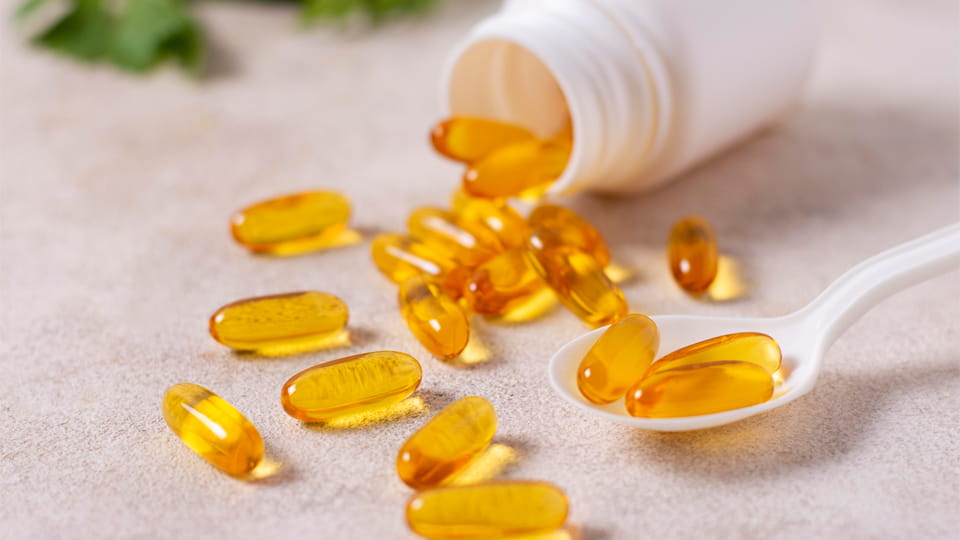
سافت ژل ها کپسول های ژلاتینی نرمی هستند که با روغن یا مواد مایع پر شده اند. یک دستگاه کپسوله سازی Softgel مدرن شکل می گیرد, پر می کند, و این کپسول ها را یکجا آب بندی می کند. نتیجه یک براق است, کپسول یکنواخت که به راحتی بلعیده می شود و از نظر طراحی هوادار است.
دستگاه کپسوله سازی سافت ژل چیست؟?
بوها دستگاه کپسوله سازی سافت ژل (دستگاه سافت ژل یا دستگاه کپسول نرم نیز نامیده می شود) یک سیستم دای چرخشی تخصصی برای تولید کپسول های ژلاتینی نرم است. بر خلاف کپسول های سخت دو تکه, یک دستگاه نرم ژل مخلوط ژلاتین/ روان کننده را به دو نوار پیوسته ذوب می کند و آنها را دور یک مایع پرکننده دقیق به هم می چسباند.. در یک مرحله دستگاه پوسته را تشکیل می دهد و مایع فعال را تزریق می کند, تولید یک کپسول ضد آب یک تکه. ماشین های سافت ژل در صنایع داروسازی و صنایع غذایی ضروری هستند. به عنوان مثال, بسیاری روغن ماهی یا مکمل های ویتامین به صورت ژل نرم تحویل داده می شوند, که به راحتی بلعیده می شوند و به طور موثر روغن ها و مواد حساس را می پوشانند.
اجزای کلیدی معمولاً عبارتند از a ژلاتین را ذوب کنید (تا ژلاتین حل و مایع شود), درام ریخته گری (که نوارهای ژلاتینی مسطح را تشکیل می دهند), بوها پمپ پر و گوه تزریق (اندازه گیری پر مایع), رول های قالب چرخشی (برای شکل دادن و مهر و موم کردن کپسول ها), و نوار نقاله / خشک کن (برای از بین بردن رطوبت). هر قسمت در تولید کپسول های یکنواخت نقش دارد. ماشین های مدرن با صفحه نمایش لمسی PLC کنترل می شوند, و ساخته شده از فولاد ضد زنگ برای دیدار GMP معیارها.
چرا سافت ژل? کپسول های سافت ژل در داروسازی و مکمل ها مورد علاقه هستند زیرا می توانند روغن ها را در خود نگه دارند, تعلیق, یا مایعات حساس در یک پوسته پایدار. آنها فراهمی زیستی را افزایش می دهند و به راحتی بلع می شوند. چون پوسته مهر و موم شده است, ژل های نرم ضد هوا از روغن ها محافظت می کنند (مانند روغن ماهی یا روغن های ویتامین) و طعم ماسک. آنها همچنین اشکال و رنگ های خلاقانه ای را برای برندسازی ارائه می دهند. (سافت ژل ها کپسول های شفافی هستند که برای ویتامین E می بینید, امگا 3.)
1. مخلوط پوسته ژلاتین را آماده کنید: پودر ژلاتین (از کلاژن حیوانی یا منبع گیاهی) با یک نرم کننده مخلوط می شود (معمولا گلیسیرین یا سوربیتول) و آب در یک مخزن گرم شده. مخلوط در خلاء نگه داشته می شود تا حباب ها از بین بروند و پیر شوند (اغلب 3-24 ساعت) برای رسیدن به ویسکوزیته و دمای یکنواخت. یک رنگ یا مات کننده (دی اکسید تیتانیوم) در صورت نیاز می توان آن را فیلتر کرد. نتیجه واضح است, شربت ژلاتین مذاب الاستیک آماده شکل گیری. درجه بالا (USP) ژلاتین قوام را تضمین می کند.
2. مواد پر را آماده کنید: همزمان, مواد فعال (روغن, تعلیق, امولسیون ها) در یک مخزن ضد زنگ با میکسرها مخلوط می شوند. روغن ها (روغن ماهی, ترکیب ویتامین) یا ژل ها همگن می شوند, و هر پودر (ویتامین ها, مواد معدنی) خوب آسیاب می شوند (اطراف 80 مش) معلق ماندن. برای از بین بردن حباب های هوا زیر خلاء کار کنید. دما کنترل می شود (اغلب 20-40 درجه سانتیگراد) بنابراین پر شده به راحتی جریان می یابد اما اجزای حساس را تخریب نمی کند. یک بار یکنواخت, مایع پر شده به داخل قیف پرکننده دستگاه پمپ می شود.
3. تشکیل روبان: هسته فرآیند در دستگاه کپسوله سازی اتفاق می افتد. شربت ژلاتین گرم از ذوب به دو سرد پمپ می شود درام ریخته گری. هر درام می چرخد و به طور یکنواخت ژلاتین مذاب را به صورت یک نوار نازک می پوشاند (معمولاً 0.8 میلی متر ضخامت دارد). فن های خنک کننده یا کانال های خنک کننده روی درام ها، ژلاتین را به ورقه های پایدار تبدیل می کند. اکنون دو نوار ژلاتینی موازی دارید که به طور هماهنگ به سمت پمپ بنزین حرکت می کنند.
4. پر کردن, مهر و موم, و برش: درست قبل از اینکه دای رول شود, یک گوه تزریق گرم شده دوز دقیقی از مایع پر شده را بین دو روبان تزریق می کند. یک پمپ همگام حجم پر را با دقت 1-3٪ کنترل می کند. بلافاصله پس از آن, در رول های قالب چرخشی روبان ها را به هم فشار دهید. قالب ها اشکال کپسولی را برش می دهند (گرد, بیضی شکل, مستطیل, و غیره) و لبه های ژلاتین را در اطراف مایع ذوب کنید. به لطف گرما و فشار, دو لایه ژلاتین به یک کپسول مهر و موم شده متصل می شود. هر ژلاتین اضافی (قراضه) خراشیده شده است. نتیجه: فردی, کپسول های نرم ژل تشکیل شد که روی یک نوار نقاله می افتند.
5. جداسازی و انتقال: همانطور که کپسول ها از ناحیه قالب خارج می شوند, یک سیستم جمع آوری (نوار نقاله یا ناودان) ژلات نرم تمام شده را از باقی مانده ژلاتین جدا می کند. یک "صفحه قراضه" فلزی لبه های بریده شده را به سمت دور هدایت می کند, بنابراین فقط کپسول ها ادامه می دهند. نوار نقاله به آرامی ژل های نرم را به واحد خشک کن می برد. در این مرحله، هر کپسول کامل است اما داخل آن هنوز نرم و مرطوب است.
6. خشک کردن و پرداخت: ژل های نرم تازه حاوی 30 تا 40 درصد رطوبت هستند. وارد الف می شوند خشک کن (یک درام چرخان) جایی که گرم, هوای تمیز به آرامی رطوبت را از بین می برد. این ممکن است با خشک کردن سینی یا کابینت برای چندین ساعت برای رسیدن به رطوبت هدف نهایی دنبال شود. در طول خشک شدن, کپسول ها سفت و براق می شوند. اغلب یک درام پولیش یا پولیش از یک لایه روغن ریز برای صاف نگه داشتن پوسته استفاده می کند. پس از خشک شدن, کپسول ها بازرسی شده و قابل دسته بندی هستند, شمارش کرد, و بسته بندی شده است.
هر یک از این مراحل به شدت کنترل می شود. اپراتورها ضخامت نوار را بررسی می کنند, پر کردن وزن, و مهر و موم یکپارچگی در سراسر. تست های آزمایشگاهی (تست های انفجاری, بررسی وزن) اطمینان حاصل کنید که هر دسته با مشخصات مطابقت دارد. کل خط باید در دما و رطوبت ثابت کار کند (معمولاً 20-25 درجه سانتیگراد و 30-35٪ RH) برای جلوگیری از نقص پوسته. به طور خلاصه, تولید سافت ژل دقیق است, روند مداوم از ابتدا (مواد خام) به پایان رساندن (کپسول های خشک شده).
کپسول های سافت ژل را در قالب خالی کنید. در دستگاه کپسوله سازی Softgel, دو روبان ژلاتینی به هم می رسند و مایع پرکننده بین آنها تزریق می شود. قالب چرخشی اطراف آن، سپس کپسول ها را در یک مرحله برش داده و مهر و موم کنید.
اجزای اصلی یک ماشین سافت ژل
یک خط نرم ژل مدرن از ماژول های تخصصی تشکیل شده است. در اینجا به قسمت های اصلی و نقش آنها اشاره می شود:
مخزن ذوب ژلاتین (تانک نگهدارنده): یک مخزن گرم شده محلول ژلاتین را ذوب و ذخیره می کند. دما دقیقاً کنترل می شود (~65-70 درجه سانتیگراد) و در خلاء نگهداری می شود تا مخلوط را گاز زدایی کند. یک مجاور مخزن سرویس ژلاتین ژلاتین مذاب را در دمای فرآیند نگه می دارد و دستگاه را از طریق لوله های گرم شده تغذیه می کند.
هاپر و پمپ را پر کنید: این قیف دارو پر مایع آماده شده را نگه می دارد (روغن یا سوسپانسیون). بوها پمپ سروو محور یا سیستم اندازه گیری پیستون حجم دقیقی از پر را به گوه تزریق می دهد. دوز دقیق در اینجا (به عنوان مثال. ± 2%) حیاتی است. سیستم ها اغلب دارای گرمایش/خنک کردن هستند تا پرهای چسبناک بسیار روان را حفظ کنند.
جعبه پخش و درام های ریخته گری: جعبه پخش کننده بالای درام های چرخان قرار می گیرد و ژلاتین را به طور مساوی روی آنها توزیع می کند. هر درام ژلاتین را به صورت یک ورقه یا روبان پیوسته می چرخاند و خنک می کند. فن های کششی و خنک کننده مناسب ضخامت یکنواخت را تضمین می کند. چرخش صاف درام بسیار مهم است - هر گونه سکسکه می تواند باعث پارگی نوار شود.
غلتک های روانکاری: قبل از مونتاژ قالب, غلتک های روانکاری یک لایه بسیار نازک از روغن نباتی (به عنوان مثال. MCT یا روغن معدنی سبک) به هر روبان. این کار از چسبیدن ژلاتین به غلتک ها یا مرگ در حین آب بندی جلوگیری می کند. از مصرف زیاد روغن اجتناب می شود, زیرا روغن کاری بیش از حد می تواند خشک شدن را طولانی کند. این پوشش ملایم باعث می شود که نوارها به آرامی در ناحیه قالب سر بخورند.
گوه تزریق: این قلب پر کردن است. یک گوه بخاری/نازل مایع پرکننده را بین نوارهای ورودی بلافاصله قبل از آب بندی تزریق می کند.. گوه دما را حفظ می کند (در صورت استفاده از ژل گیاهی بالاتر است) بنابراین پس از افزودن پر، روبان ها به درستی می چسبند. باید کاملاً هماهنگ شود; حتی ناهماهنگی جزئی باعث نشتی می شود. ماشینهای پیچیده فشار گوه و زمانبندی را کنترل میکنند تا مطمئن شوند که هر پرکننده در یک جیب شکلدهی قرار میگیرد.
مونتاژ قالب روتاری: دو فولاد ضد زنگ غلتک های قالب مش با هم, هر کدام دارای حفره هایی به شکل کپسول نهایی هستند. همانطور که روبان های پر شده عبور می کنند, دیز پرس (و اغلب کمی گرم می شود) لبه های ژلاتینی, آب بندی کپسول در اطراف مایع. مجموعه قالب نیز شامل:
بوها غلتک استریپر, که کپسول های تشکیل شده را از قالب ها جدا می کند.
مرگ مسواک زدن برای حذف هر گونه ژلاتین از سطح قالب.
بوها غلتک منقل برای خارج کردن ضایعات ژلاتین اضافی. نتیجه کامل است, نرم ژل های یکسان.
نوار نقاله و خشک کن: یک بار مهر و موم شد, کپسول ها روی یک تسمه نقاله یا لوله ضد زنگ می ریزند. آنها به سمت الف حرکت می کنند خشک کن, که با عبور هوای گرم به آرامی آنها را به هم می زند. خشک کن بیشتر رطوبت را از بین می برد. بعد از غلت زدن, کپسول ها را می توان برای خشک کردن و پرداخت نهایی روی سینی ها قرار داد, آنها را محکم و درخشان می کند.
سیستم کنترل: یک صفحه نمایش لمسی PLC تمام عملیات را کنترل می کند: سرعت پمپ, دمای درام, چرخش قالب, و غیره. آلارم ها و سنسورها دما را کنترل می کنند, سطوح خلاء, و کیفیت کپسول در زمان واقعی. این اتوماسیون تولید با توان بالا را با حداقل مداخله اپراتور امکان پذیر می کند.
شناخت این قطعات به کارکرد و عیب یابی کمک می کند. به عنوان مثال, گرفتگی نازل بر وزن پر تأثیر می گذارد, در حالی که یک مرگ به موقع می تواند باعث آب بندی بد شود. نگهداری منظم جعبه پخش کننده, گوه, و غلطک کپسول ها را یکنواخت نگه می دارد.
نمای جانبی دستگاه کپسوله سازی سافت ژل
ماشین سافت ژل چگونه کار می کند
از نظر عملی, بوها دستگاه کپسوله سازی سافت ژل چرخه کپسوله سازی مداوم را انجام می دهد. در اینجا یک توالی ساده از اقدامات در طول تولید آمده است:
جریان ژلاتین: ژلاتین گرم از مخزن ذوب به جعبه پخش جریان می یابد, پوشاندن درام ها به شکل روبان.
تشکیل روبان: هر درام یک ورقه نازک ژلاتین ریخته می شود. فن های خنک کننده و کت های درام ورق ها را به ضخامت مورد نظر سخت می کنند.
تراز روبان: دو نوار در مرکز دستگاه به هم می رسند, یکی از هر طرف درام.
تزریق پر: گوه تزریق بین روبان ها سوراخ می شود و مایع دقیقی از مایع را پمپ می کند (روغن, محلول ویتامین, و غیره) بین آنها. هر تزریق یک حفره از پر شدن ایجاد می کند.
مهر و موم: روبان ها, در حال حاضر پر کردن, به منطقه مرگ حرکت کنید. قالب های چرخشی آنها را به هم فشار می دهد, ترکیب ژلاتین و برش اشکال کپسول.
تخلیه کپسول: غلتک های استریپر کپسول های تازه ساخته شده را از قالب ها روی نوار نقاله فشار می دهند.
روغن کاری: قبل از آب بندی, روبان ها برای جلوگیری از چسبندگی کمی روغن کاری شده بودند. بعد از آب بندی, هر روغن اضافی ریز اغلب در خشک کردن بعدی حذف می شود.
خشک شدن: کپسول ها (هنوز نرم و مرطوب) وارد خشک کن شوید. پس از چند ساعت خشک شدن, رطوبت آنها به سطح پایدار کاهش می یابد.
این روش درون خطی کارآمد است و کپسول های ثابتی تولید می کند. این فرآیند قالب چرخشی استاندارد صنعتی برای ژل های نرم است. تولید کنندگان عمده (تکنوفر, وجود دارد, جبهه) همه از این طرح استفاده می کنند. ماهیت پیوسته آن به معنای خروجی بالا است: برخی از ماشین های مدرن ساخته می شوند 300,000 ژل نرم در ساعت.
چک لیست تولید کپسول سافت ژل
هنگام برنامه ریزی یک خط نرم ژل یا ارزیابی تجهیزات, این عوامل را در نظر داشته باشید:
حجم تولید: اندازه دستگاه و تعداد قالب ها را با نیازهای خروجی خود مطابقت دهید. واحدهای آزمایشگاهی روی میز (مقیاس کوچک) تولید چند هزار در ساعت, در حالی که خطوط تولید بزرگ (با مجموعه قالب های متعدد) می تواند بیش از 100000-300000 کپسول در ساعت باشد. رشد آینده را در نظر بگیرید - یک ماشین کمی بزرگتر ممکن است بازدهی داشته باشد.
اندازه کپسول & شکل: اطمینان حاصل کنید که قالب ها از اندازه کپسول مورد نیاز شما پشتیبانی می کنند (#0, #00, و غیره) و اشکال (گرد, بیضی شکل, سفارشی). اگر محصولات متنوعی را اجرا می کنید، ابزار تغییر سریع مفید است. برخی از تولیدکنندگان شکل های غیر استاندارد را برای برندسازی درخواست می کنند; تأیید کنید که دستگاه می تواند قالب های سفارشی شما را کنترل کند.
مواد را پر کنید: دستگاه های سافت ژل برای مایعات یا خمیرها ساخته می شوند. اگر محصول شما پودر خشک است, شما به یک پرکننده کپسول سخت نیاز دارید, یک دستگاه سافت ژل نیست. برای روغن ها یا سوسپانسیون ها, دستگاه باید دارای یک پمپ سازگار باشد (برخی از پمپ ها روغن های با ویسکوزیته بالا را بهتر مدیریت می کنند). در مورد نفت بپرسید- و گزینه های پمپ مخصوص خمیر.
سطح اتوماسیون: می توانید پیدا کنید نیمه اتوماتیک و تمام اتوماتیک کپسولاتورهای نرم ژل. یک خط کاملاً خودکار ژلاتین را به طور مداوم تغذیه می کند و پر می کند و دست به کار می شود, ایده آل برای گیاهان دارویی بزرگ. واحدهای نیمه خودکار ممکن است برای تمیز کردن نیاز به تغذیه دستی یا توقف بیشتری داشته باشند. برای تقاضای بالا, خودکار بهترین است. (در چک لیست خریدار, SaintyCo تأکید می کند که "شما باید به سراغ دستگاه کپسوله سازی Softgel کاملاً خودکار بروید".)
ساخت و ساز & نظافت: به دنبال ماشین های ساخته شده از فولاد ضد زنگ باشید (SUS304 یا SUS316) با پرداخت های پرداخت شده. تمام سطوح باید مطابق با FDA/CE باشند و به راحتی تمیز شوند (گوشه های گرد, بدون شکاف پنهان). ماشین های خوب برای تغییر سریع طراحی شده اند: قیف ها, سینی ها, و می میرد که برای تمیز کردن بلند می شوند. این به حفظ بهداشت دقیق کمک می کند. در نظر بگیرید که چقدر سریع می توانید خط بهداشتی را از بین ببرید.
دقت و کنترل: پمپ پرکننده و کنترلهای دستگاه تعیین میکنند که دوز شما چقدر دقیق است. ماشینهای پیشرفته از پمپهای سروو و کنترل PLC برای ضربه زدن به تحملهای سنگین وزن استفاده میکنند (اغلب ± 1-3٪ از هدف). بررسی های داخلی در فرآیند (لودسل ها یا سنسورها) می تواند کمبود یا پر شدن بیش از حد را در زمان واقعی تشخیص دهد. پاک کردن HMI با صفحههای لمسی به اپراتورها اجازه میدهد تنظیمات را سریع انجام دهند (سرعت, پر کردن حجم, و غیره).
GMP و گواهینامه ها: برای مصارف دارویی, تجهیزات باید با طراحی cGMP مطابقت داشته باشند. یعنی جوشکاری فوق العاده صاف (<0.8 میکرومتر پولیش), محفظه های موتور مهر و موم شده, و مواد (مانند گواهی 316 فولاد) که دستورالعمل های FDA را رعایت می کنند. ماشین های معتبر دارای نشان CE هستند (استاندارد ایمنی اروپا), و ممکن است UL/CSA نیز داشته باشد. آنها, برای مثال, ماشین آلات خود را مطابق با استانداردهای cGMP برای کیفیت و ایمنی طراحی می کند. همیشه تأیید کنید که تأمینکننده اسناد انطباق و هرگونه پشتیبانی لازم برای تأیید اعتبار IQ/OQ/PQ را ارائه میکند..
فضا & آب و برق: خطوط سافت ژل می توانند بزرگ باشند. ردپا را بررسی کنید و مطمئن شوید که گیاه شما می تواند ارتفاع را در خود جای دهد (خشک کن ها می توانند بلند باشند). وکیوم را نیز در نظر بگیرید, خنک کننده آب (برای درامز), و برق مورد نیاز. برخی از سیستم ها از الف استفاده می کنند پمپ وکیوم گردش آب برای بیرون کشیدن هوا از ژلاتین; برخی دیگر از سیستم های هوای فشرده استفاده می کنند. خطوط مدرن اغلب با UPS پشتیبان برای کنترل های حیاتی همراه هستند.
تجهیزات پشتیبانی: علاوه بر کپسولاتور, برنامه ریزی برای تجهیزات بالادستی/پایین دستی. شما به یک مخزن ذوب ژل نیاز دارید, مخلوط کن, غربال ها, و احتمالا الف آسیاب کلوئیدی یا هموژنایزر برای پر کردن شما. پایین دست, بوها پولیش (برای درخشش کپسول ها), دستگاه بازرسی (برای مرتب کردن ردها), و ماشین های شمارش/بسته بندی رایج هستند. تامین کننده باید راهنمایی کند که چه موارد اضافی مورد نیاز است.
خلاصه, دستگاهی را انتخاب کنید که متناسب با اندازه کپسول شما باشد, نیازهای خروجی, و نوع محصول. تعادل عملکرد (سرعت, دقت) در برابر هزینه. نکات خرید از کارشناسان شامل بررسی سابقه برند است, سهولت در تغییر ابزار, و خدمات گنجانده شده است. یک تامین کننده خوب شما را از طریق آزمایش آزمایشگاهی راهنمایی می کند, چربی, و راه اندازی در محل.
چرا سافت ژل? مزایا و برنامه ها
کپسول های سافت ژل مزایای متعددی نسبت به سایر اشکال دارویی دارند:
فراهمی زیستی بهبود یافته: مایع را پر کنید (اغلب محلول روغن است) باعث جذب بهتر مواد مغذی محلول در چربی می شود (ویتامین های A, D, اشمیه, k, امگا 3). آنها می توانند آزادسازی سریعتر یا سازگارتر مواد فعال را نسبت به قرص های خشک ارائه دهند.
سهولت بلع: سافت ژل ها صافی دارند, شکل و احساس گرد. بسیاری از بیماران (به خصوص کودکان و افراد مسن) بلعیدن آنها راحت تر از قرص های بزرگ است.
آب بندی محکم: زیرا پوسته ژلاتین به صورت هرمتیک بسته شده است, ژل های نرم از اکسید شدن روغن های حساس جلوگیری می کنند و بوها/طعم ها را می پوشانند. مهر و موم هوا از پر شده در برابر رطوبت و اکسیژن محافظت می کند.
برندسازی سفارشی: سافت ژل ها را می توان در اشکال مختلف ساخت (سیلندر, مثلثی, و غیره), اندازه, و رنگ برای تمایز برند. افزودنی های موجود در پوسته می توانند آنها را مات یا پاستلی رنگ کنند, که با کپسول های دو تکه سخت تر است.
پر کردن همه کاره: برخلاف تبلت ها, ژل های نرم می توانند حاوی مخلوطی از مایعات باشند, تعلیق, یا پودرهای محلول. این برای عصاره های گیاهی یا فرمول های ترکیبی که راحت تر در روغن معلق می شوند عالی است.
صنایعی که از ماشینهای کپسولهسازی نرم ژل استفاده میکنند شامل صنایع دارویی میشوند (ویتامین ها, داروهای روغن ماهی), مواد مغذی (مکمل), و حتی لوازم آرایشی (روغن های زیبایی مغذی). به عنوان مثال, ژلاتین گیاهی یا نرم ژل های نشاسته ای برای دیدار با بازارهای گیاهی و حلال در حال افزایش هستند. توانایی دستگاه برای رسیدگی به پرهای تخصصی (مانند آلوئه, روغن CBD, روغن های ضروری) آن را به یک دارایی کلیدی تبدیل می کند.
نتیجه گیری
ماشینهای کپسولهسازی Softgel علم سیالات پیچیده را به یک موضوع ساده تبدیل میکنند, فرآیند خودکار. با ریختن دو روبان ژلاتینی, تزریق مایع بین آنها, و آب بندی کپسول ها با قالب های دقیق, این ماشین ها مواد خام را به کپسول های نرم ژل با کیفیت تبدیل می کنند. در این راهنما ما کل را پوشش دادیم فرآیند تولید سافت ژل - از آماده سازی مواد تا خشک کردن - و آنچه که یک ماشین را می سازد برجسته کرد سازگار با GMP و کارآمد. دیدیم که روش قالب چرخشی استاندارد طلای این صنعت است, امکان سرعت بالا, تولید یکنواخت ویتامین, روغن ماهی, و نرم ژل های گیاهی.
چه مدیر تولید دارو باشید, یک R&عضو تیم D, یا یک مهندس تدارکات, درک این مراحل به شما کمک می کند تا بیشترین بهره را از تجهیزات خود ببرید. محبوبیت ژل های نرم همچنان در حال افزایش است, و توسط 2026 تکنولوژی قابل اعتمادتر و همه کاره تر از همیشه است. اگر به دنبال توسعه یا ارتقای خط تولید سافت ژل خود هستید, اکنون زمان اقدام است.
آماده برای افزایش تولید سافت ژل شما?با تیم ما تماس بگیرید برای بحث در مورد سیستم های کپسوله سازی softgel سفارشی, قیمت گذاری, و گزینه های دارای گواهی GMP. اجازه دهید به شما کمک کنیم تا دستگاه نرم ژل عالی را برای عملیات خود انتخاب کنید - و تولید کپسول خود را به یک دستگاه ساده تبدیل کنید., فرآیند با کیفیت بالا.
مشکلات رایج & عیب یابی (سوالات متداول) در دستگاه کپسوله سازی سافت ژل
چرا کپسول های سافت ژل من نشت می کنند یا می ترکند؟?
نشتی ها اغلب نشان دهنده یک مهر و موم ضعیف است. علل شایع شامل نوار ژلاتینی است که خیلی مرطوب/نرم است (از رطوبت زیاد یا پلاستیک سازی بیش از حد), رول های قالب نامناسب, یا درجه حرارت/فشار آب بندی خیلی کم. راه حل: بررسی کنید که ویسکوزیته پوسته ژلاتین و نسبت مخلوط درست باشد; تنظیم گلیسیرین در مقابل. سطح سوربیتول; اطمینان حاصل کنید که رول های قالب تراز و گرم شده اند (مشخصات مطابقت, معمولاً 45-55 درجه سانتیگراد); و زمان/فشار نوک آب بندی را بررسی کنید. همچنین سیستم روغن کاری را بررسی کنید (روغن اضافی می تواند آب بندی را ضعیف کند). کنترل شدید رطوبت در اتاق کپسوله (به عنوان مثال. 30-35٪ RH) به جلوگیری از سرماخوردگی کمک می کند, مهر و موم های شکننده.
چگونه می توانم از ایجاد حباب هوا در کپسول جلوگیری کنم؟?
حباب های هوا می توانند از هوای حبس شده در مخلوط ژلاتین یا داخل پر شوند. در طول مخلوط کردن، ژلاتین مذاب را همیشه با خلاء گاز زدایی کنید (اکثر مخازن ذوب دارای یک پورت خلاء هستند). به همین ترتیب, مواد پر را تحت خلاء ملایم یا هم زدن آهسته مخلوط کنید تا هوا خارج شود. یک پر کننده به خوبی گاز زدایی شده (بدون کف و کف) و ژلاتین فضای خالی را در ژل های نرم تمام شده به حداقل می رساند. بررسی کنید که خطوط لوله و پمپ ها نشتی نداشته باشند که هوا را بکشد. در صورت لزوم پمپ تزریق را کاهش دهید تا تلاطم کاهش یابد.
چه چیزی باعث ناهماهنگی وزن / اندازه کپسول می شود?
تغییرپذیری معمولاً از پمپ دوز یا ضخامت روبان ناشی می شود. از پمپ پرکننده اطمینان حاصل کنید (پیستون) کالیبره شده و با سرعت ثابت کار می کند. تنظیمات HMI را برای وزن پر یا ضربه پیستون بررسی کنید. همچنین بررسی کنید که ضخامت روبان ژلاتینی یکنواخت باشد (از گیج دستگاه یا سنسور استفاده کنید). دمای ناهموار درام یا مسدود شدن خروجیها میتواند باعث ضخیمتر شدن یک روبان شود. حتی ناهماهنگی های کوچک در زمان بندی قالب می تواند حجم کپسول را تغییر دهد. به طور منظم کالیبراسیون ماشین آلات را بررسی کنید و ابزار را از نظر سایش بررسی کنید.
چرا روبان ژلاتین می شکند یا چروک می شود؟?
مشکلات روبان اغلب به ویسکوزیته یا دمای نادرست مربوط می شود. اگر نوارها خیلی شکننده هستند, ژلاتین ممکن است نرم کننده بسیار کم یا رطوبت بسیار کم داشته باشد; افزایش گلیسیرین یا خشک شدن آهسته. اگر خیلی چسبناک باشد, ممکن است رطوبت کم باشد یا مخلوط خیلی داغ باشد. مطمئن شوید که خنک کننده درام یکنواخت است و سرعت فن مناسب است. سرعت سطح درام ها باید با تنظیمات دستگاه مطابقت داشته باشد. نوسانات دما/رطوبت اتاق نیز می تواند بر کیفیت روبان تاثیر بگذارد. کنترل دقیق دستور العمل و محیط مخلوط ژلاتین کلیدی است.
چگونه از چسبندگی جلوگیری کنیم, کپسول های چسبنده?
خشک شدن ناکافی یا رطوبت بالا معمولاً مقصر هستند. مطمئن شوید که خشک کن کار می کند و کپسول ها به رطوبت مورد نظر می رسند (<10%). در خشک کن قبل از لیوان, گرم استفاده کنید (داغ نیست) هوای کم رطوبت. پس از غلتیدن, اطمینان حاصل کنید که سینی ها یا تونل دارای RH و جریان هوا مناسب هستند. اگر گیاه خیلی مرطوب باشد, رطوبتگیرها یا برنامههای خشک کردن کندتر را در نظر بگیرید. همچنین فرمولاسیون را بررسی کنید - گلیسیرین زیاد باعث چسبندگی پوسته می شود; در صورت نیاز, نسبت را تنظیم کنید یا حداقل ضد ضربه را اضافه کنید (به عنوان مثال. یک پوشش سیلیکونی سبک در پولیش).
چرا کپسول ها گاهی روی غلتک ها یا نوار نقاله می چسبند؟?
این اغلب به معنای مشکلات روانکاری یا جریان است. اطمینان حاصل کنید که غلتک روغن یا سیلیس روان کننده به درستی روی روبان ها پخش می شود. هرگونه تجمع بر روی میله ها یا غلطک های پخش کننده را تمیز کنید. همچنین, الکتریسیته ساکن می تواند باعث چسبندگی شود; تسمه های زمین و دستگاه های ضد الکتریسیته ساکن (یا رطوبت کمی بالاتر) می تواند کمک کند. تمیز کردن منظم مسیر کپسول مانع از انتقال کپسول می شود.
خروجی من کمتر از حد انتظار به نظر می رسد - چگونه توان عملیاتی را بهبود بخشم?
بررسی کنید که همه پمپها با RPM تنظیمشده کار کنند و دستگاه در حالت «خرابی» یا آزمایشی کار نکند. (گاهی اوقات PLC حالت هایی دارد). در صورت نیاز, دور در دقیقه را به تدریج افزایش دهید (اگر پر و ژل اجازه دهد). از عدم توقف در تغذیه پرکننده اطمینان حاصل کنید (به عنوان مثال. ژلاتین را نگه دارید و مخازن را پر کنید). برای ماشین های بزرگ, اطمینان حاصل کنید که پمپ های چند پلانجری هماهنگ هستند. نگهداری پیشگیرانه خوب (به عنوان مثال. الک های تمیز, بدون گرفتگی) زمان واقعی را به حداکثر می رساند. بالاخره, شکل و اندازه کپسول را تأیید کنید - استفاده از یک قالب کوچکتر یا RPM بالاتر می تواند به ازای اندازه، درپوش در ساعت را افزایش دهد..
بررسیهای کیفیت در طول اجرای نرمافزار حیاتی است?
علاوه بر بازرسی پس از اجرا, بررسیهای کلیدی در حین فرآیند شامل ضخامت و شفافیت نوار است (از سنج های داخلی استفاده کنید), پر کردن وزن (بررسی وزن دوره ای), و یکپارچگی مهر و موم (تست های انفجاری تصادفی). بسیاری از تولیدکنندگان از سیستم های بینایی آنلاین برای تشخیص عیوب استفاده می کنند (رگه های رنگی, نشت ها را پر کنید, ذرات). نگه داشتن گزارش های دقیق تولید و کالیبره کردن سنسورها/پمپ ها روزانه به حفظ ثبات کمک می کند.
مد کوچک, بنیانگذار Jinlupacking, به ارمغان می آورد 20 سالها تخصص در بخش ماشین آلات دارویی. تحت رهبری او, جینلو تبدیل به یک تامین کننده قابل اعتماد با طراحی یکپارچه شده است, تولید, و فروش. پتی مشتاق به اشتراک گذاری دانش عمیق خود در صنعت است تا به مشتریان کمک کند تا پیچیدگی های بسته بندی دارو را طی کنند., اطمینان حاصل شود که آنها نه تنها تجهیزات را دریافت می کنند, اما یک مشارکت خدمات یک مرحله ای واقعی متناسب با اهداف تولید آنها.