
Für einen Pharma-Auftragshersteller, Die Die beste Kapselfüllmaschine ist normalerweise nicht die Maschine mit der höchsten Geschwindigkeit auf dem Typenschild. Es handelt sich um die Maschine, die sich zuverlässig und mit dem geringsten Gesamtverlust an Produktionszeit zwischen Ihren realen Produkten bewegen kann.
Das bedeutet, über „Kapseln pro Stunde“ hinauszuschauen. Ein CMO oder CDMO mit mehreren Produkten muss dies berücksichtigen Kapselgrößen, Pulververhalten, Pellets, Mikrotabletten, Kombinationsprodukte, Reinigungsanforderungen, Werkzeugänderungen, Eindämmung, Bedienerzeit, Validierung, und nachgelagerte Qualitätskontrolle. Wesentlich Anbieter von Kapselfüllgeräten verdeutlichen den gleichen Punkt auf unterschiedliche Weise: Flexibilität entsteht durch austauschbare Dosiersysteme, breite Produktkompatibilität, kurze Umstellungen, einfache Reinigung, und integrierte Gewichtskontrolle – nicht nur Geschwindigkeit.
Für die meisten Vertragshersteller mehrere SKUs im kommerziellen Maßstab, ein flexibler vollautomatische Kapselfüllmaschine im mittleren Geschwindigkeitsbereich ist oft der beste Ausgangspunkt. Bei kleinen Losgrößen und häufig wechselnden Chargen sind halbautomatische Anlagen immer noch sinnvoll. Besonders schnelle Maschinen machen Sinn, wenn große Kampagnen den Terminkalender dominieren. Und wenn potente Verbindungen im Spiel sind, Die Eindämmung kann jedes andere Auswahlkriterium außer Kraft setzen. Mit OEB 4/OEB sind spezielle Kapselfüllgeräte erhältlich 5 Containment- und Nassreinigungs- oder Wash-in-Place-Systeme, Dies zeigt, wie sehr sich diese Anforderung vom Kauf eines Standard-Allzweck-Kapselers unterscheidet.
Die praktische Regel ist einfach:
Wählen Sie die Kapselfüllmaschine, die Ihnen die höchste nutzbare Tagesleistung für Ihren gesamten Produktmix bietet – nicht die höchste theoretische Stundenleistung für ein einfaches Produkt.
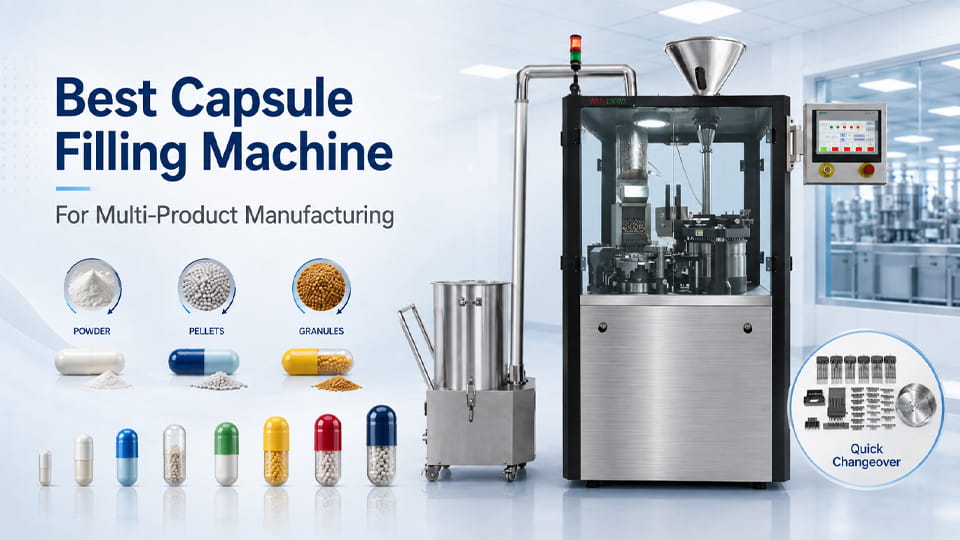
Pharmazeutische CMOs (Vertragshersteller) Führen Sie viele SKUs auf gemeinsam genutzten Leitungen aus. Sie müssen oft zwischen Produkten wechseln, Kapselgrößen, und Formeln schnell. Eine Einzweckmaschine (für eine Größe oder ein Produkt konfiguriert) Diese Vielfalt kann ohne mehrere Einheiten nicht erreicht werden. Ein Füller für mehrere Größen deckt Nr. 000–Nr. 5 ab (größte bis kleinste Hartkapsel) in einer Maschine. Dadurch können CMOs Ausrüstung konsolidieren, Platz und Kapital sparen. Es beschleunigt auch die Einführung neuer Produkte: anstatt für jede SKU eine neue Verkapselungsmaschine zu bestellen, Eine einstellbare Maschine kann mehrere Rezepte produzieren.
Jedoch, Flexibilität bringt Kompromisse mit sich. Umrüstungen werden zu einem Engpass, wenn der Werkzeugwechsel langsam oder komplex ist (siehe nächster Abschnitt). Reinigung und Validierung sind ebenfalls kritisch: Eine CMOs-Abfüllmaschine für Kapseln muss zwischen verschiedenen Medikamenten leicht zu desinfizieren sein, um Kreuzkontaminationen zu vermeiden (nicht dedizierte Ausrüstung muss zwischen den Chargen gereinigt werden). Zusamenfassend, CMOs benötigen Kapselfüller, die für schnelle Formwechsel ausgelegt sind, schonende Reinigung, und präzise Dosierung, sodass eine Maschine viele Produkte zuverlässig herstellen kann GMP Regeln.
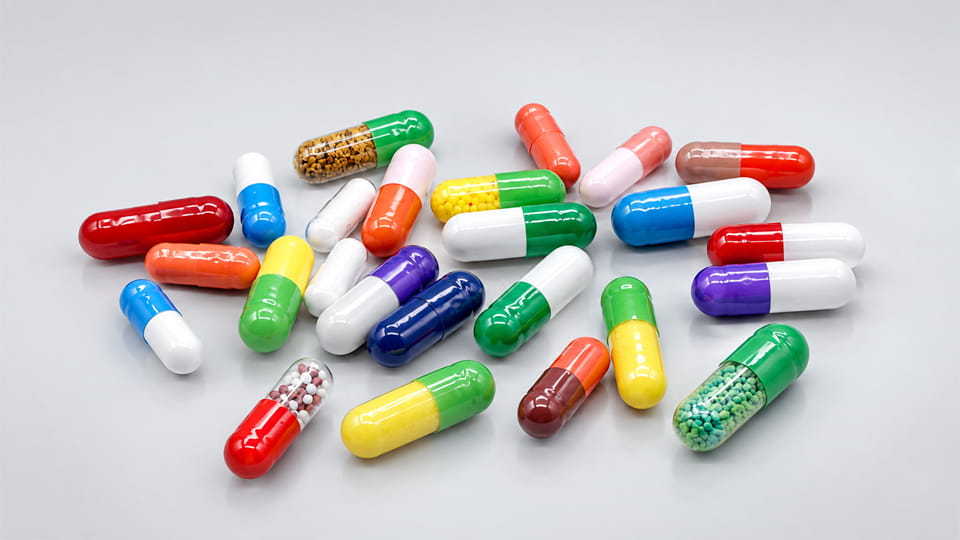
Bei der Bewertung von Maschinen für eine Umgebung mit mehreren Produkten, Konzentrieren Sie sich auf diese Faktoren (Tabelle unten), Dann lesen Sie die Details danach. Eine ausgewogene Auswahl minimiert Kompromisse in Ihrem gesamten Portfolio.
| Faktor | Worauf man suchen sollte |
| Kapselgrößenbereich | Unterstützt alle benötigten Größen (#000–#5 ist in der Pharmaindustrie üblich) ohne spezielle Mods. Ebenso wichtig ist ein schneller Größenwechsel. |
| Formulierungstypen | Behandelt Ihre Pulver/Granulate. Prüfen Sie, ob Ihr spezifisches API-Pulver dosiert werden kann, Pellets oder Mikrotabletten. Einige Modelle dosieren sogar Flüssigkeiten (erfordern spezielle Düsen). |
| Produktionsgeschwindigkeit | Nennleistung (Kapseln/Std) sollte Ihre höchste Laufrate überschreiten. Beachten Sie jedoch, dass die angegebenen Geschwindigkeiten ideale Bedingungen voraussetzen (Größe #00, frei fließendes Pulver). |
| Einfache Umstellung | Suchen Sie nach modularen Werkzeugen und schnell anpassbaren Designs. Moderne Maschinen können Formsätze austauschen <30 Minuten (15 min bei fortgeschrittenen Modellen). |
| Reinigung/CIP-Design | GMP erfordert eine validierte Reinigung zwischen den Produkten. Bevorzugen Sie Kontaktteile aus Edelstahl und CIP-Fähigkeit oder eine werkzeuglose Demontage. |
| Füllgenauigkeit | Dosiersystem prüfen (Schnecke/Scheibe, Stopfstifte) und Präzisionsspezifikationen. Gute Füllstoffe weisen eine Gewichtsschwankung von ca. ±1–3 % auf. Werbung für High-End-Linien >97% Füllgenauigkeit. |
| Automatisierungsebene | Vollautomatische Maschinen laufen im Dauerbetrieb mit minimalem Arbeitsaufwand (Automatisches Laden/Sperren, SPS-Steuerung), Halbautomatische Modelle erfordern zwar einen Bediener, kosten aber weniger (siehe unten). |
| Validierungsunterstützung | Bestätigen Sie, dass das Gerät die Protokolle IQ/OQ/PQ unterstützt, Datenprotokolle und CFR21 Teil 11 wenn nötig. Prüfen Sie, ob der Lieferant Validierungsdokumente oder Unterstützung bereitstellt. |
| Fußabdruck & Skalierbarkeit | Für CMOs, Grundfläche und zukünftiges Wachstum sind von Bedeutung. Eine einzige flexible Maschine spart Platz im Vergleich zu mehreren dedizierten Einheiten, aber stellen Sie sicher, dass es skalierbar ist (z.B. Hinzufügen von Stationen oder Verknüpfen von Füllern, wenn die Lautstärke steigt). |
Jeder der oben genannten Faktoren sollte auf Ihre Situation zugeschnitten sein. Zum Beispiel, wenn Sie mit Potenz umgehen APIs, Die Reinigung/CIP-Design wird äußerst entscheidend (Sie benötigen eine vollständige Eindämmung oder häufige validierte Reinigungen, um die Bediener zu schützen und Kreuzkontaminationen zu verhindern). Wenn Sie häufig zwischen vielen Kapselgrößen wechseln, Dann ist „Umrüstfreundlichkeit“ von größter Bedeutung; wie unten angegeben, Das Überspringen der Automatisierung der Formatänderung kann stundenlange Ausfallzeiten kosten.
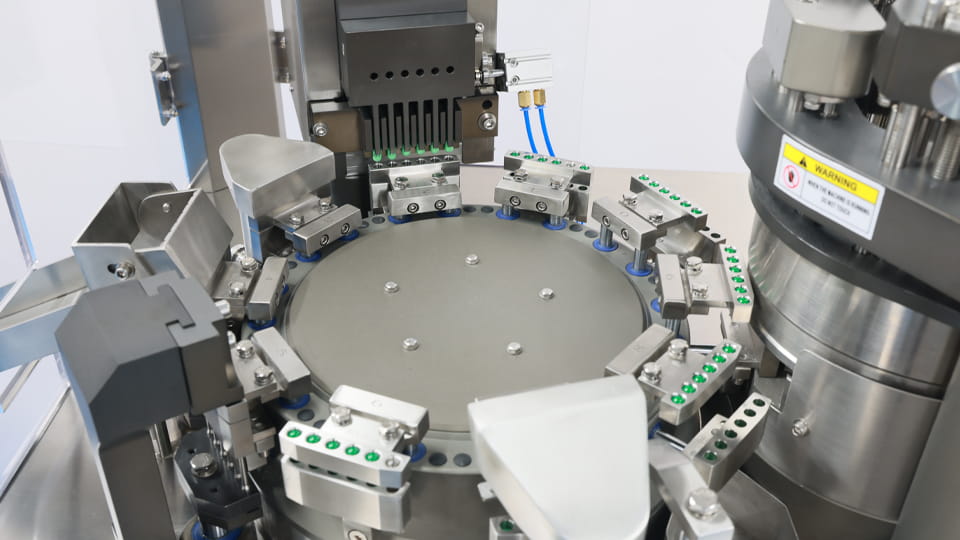
Ein hoher Kapseldurchsatz ist ansprechend, Aber die Effizienz in der Praxis hängt von mehr als der Höchstgeschwindigkeit ab. Hersteller geben häufig Maschinenkapazitäten unter idealen Bedingungen an, aber die tatsächliche Ausgabe kann sein viel niedriger wenn Ihr Produkt eine Herausforderung darstellt. Zum Beispiel, Feine oder klebrige Pulver können eine Schnecke blockieren, oder kleine Kapseln ergeben ein langsameres Tempo. Berücksichtigen Sie immer die Auswirkungen der Kapselgröße, Pulverfluss, und Ausfallzeiten.
Zur Kapazitätsplanung, Beginnen Sie mit der gewünschten Ausgabe (Kapseln pro Charge oder pro Jahr) und rückwärts arbeiten. Bestimmen Sie, wie viele Produktionsstunden Sie realistischerweise betreiben können (z.B. zwei Schichten vs. 24×7). Teilen Sie dann die benötigten Kapseln durch die Betriebsstunden auf, um eine Zielkapseln/Stunde zu erhalten. Vergleichen Sie dies mit der effektiven Geschwindigkeit der Maschine (oft 80–90 % seiner maximalen Bewertung). Notiz: Eine Überdimensionierung kann bei anderen Anlagenteilen nach hinten losgehen (Zählen, Capping, Beschriftung) kann nicht mithalten. Wie ein Führer es ausdrückte, Die Installation eines 150.000/h-Abfüllers auf einer 80.000/h-Linie verursacht 47% Leerlaufzeit, Geld verschwenden. Streben Sie immer nach einem ausgeglichenen Leitungsdurchsatz.
Effizienz erfassen, berücksichtigen auch Umrüst- und Reinigungsverluste. Selbst eine „30-minütige“ Umstellung reduziert die Kapazität, wenn sie zwischen den einzelnen Chargen erfolgt. Wenn Ihre Linie häufig die SKUs wechselt, Berücksichtigen Sie diese Ausfallzeitfenster in Ihrer Berechnung. In der Praxis, Zielen Sie auf einen Füller, dessen wirksam Kapazität (tatsächliche Laufzeitausgabe) übersteigt Ihren Spitzenbedarf, Sie haben also Spielraum für Umstellungen oder kleinere Verzögerungen.
Lange Umrüstungen können die Vorteile einer flexiblen Maschine zunichte machen. Herkömmliche rotierende Kapselfüllmaschinen sind häufig erforderlich 4–6 Stunden für eine Größenänderung. Moderne Konstruktionen verwenden Servoantriebe und schnell verriegelbare Formplatten, um dies drastisch zu reduzieren – oft sogar um ein Vielfaches 30–45 Minuten für einen Full-Size-Tausch. Bei der Bewertung, Bitten Sie Lieferanten, eine Größenänderung Ihrer Kapselgrößen nachzuweisen.
Die einfache Umrüstung erfolgt durch modulare Komponenten: typischerweise die Kapselzufuhrstation, die oberen/unteren Formplatten, Dosierscheibe und Schaber, die Füllstäbe, und die Auswurfführungen müssen alle gegen eine neue Größe ausgetauscht werden. Maschinen mit werkzeuglosem Spannen oder indexierten Formgehäusen können hier Zeit sparen. Zum Beispiel, Jinlus NJP-Serie verwendet a modularer Formenbau Dies ermöglicht einen vollständigen Formwechsel im Untergeschoss 15 Minuten. In einem realen Fall, Umstellung von einem nockengetriebenen Füller auf einen servobetriebenen Einschnitt-Wechsel von 6 Stunden bis 35 Minuten, übersparen \$120,000 pro Jahr.
Zusammenfassend, Umstellungen minimieren: Suchen Sie nach Maschinen mit Quick-Mold-Release, voreingestellte Anpassungsfunktionen, und gespeicherte „Rezepte“, sodass Bediener die Offsets nicht jedes Mal manuell feinabstimmen müssen. Wenn Sie Dutzende Größenänderungen pro Quartal erwarten, Die Umrüstgeschwindigkeit sollte ein Top-Auswahlkriterium sein.
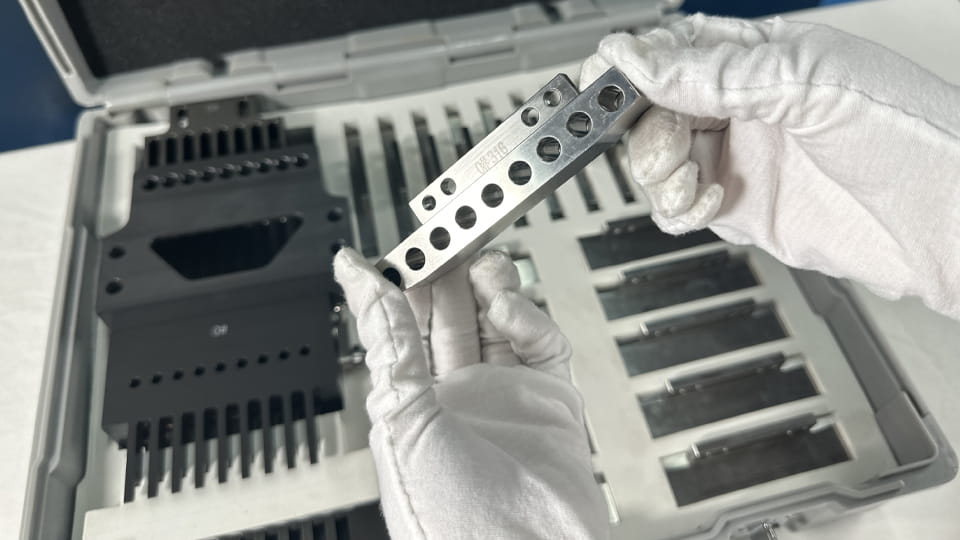
Ein pharmazeutischer CMO muss strenge Reinigungs- und Kontaminationskontrollen durchsetzen, wenn er mehrere Produkte auf einer Maschine laufen lässt. FDA-Anleitung (und einfache GMP-Logik) Sag das Nicht dedizierte Geräte müssen zwischen verschiedenen Produkten gereinigt werden um Kreuzkontaminationen zu verhindern. Tatsächlich, In einem Warnschreiben der FDA wurde kürzlich darauf hingewiesen, dass es „aus Sicht des CGMP inakzeptabel ist, Arzneimittel mit derselben Ausrüstung herzustellen, die auch für die Herstellung nicht-pharmazeutischer Produkte verwendet wird“, ohne eine gründliche Reinigung durchzuführen.
Um diese Anforderungen zu erfüllen, Wählen Sie einen Pillenkapselfüller mit Sanitärdesign: glatte 316L-Edelstahlkonstruktion, abgerundete Kanten, minimale Spalten, und abgedichtete Lager, wo möglich. Viele Maschinen unterstützen mittlerweile Clean-in-Place (CIP): Integrierte Sprühkugeln und zirkulierende Reinigungssysteme, mit denen Sie Innenflächen ohne vollständige Demontage reinigen können. Wenn CIP nicht verfügbar ist, Überprüfen Sie, ob alle Trichter, Dosierscheiben, und die Futterschalen können zur manuellen Reinigung ohne Werkzeug entfernt oder geöffnet werden.
Erstellen Sie außerdem validierte Reinigungsprotokolle: im schlimmsten Fall Verschmutzung (z.B. hochwirksame oder klebrige Inhaltsstoffe) müssen bis zu akzeptablen Rückstandsgrenzen entfernbar sein. Der Lieferant pharmazeutischer Geräte sollte Reinigungsanleitungen oder sogar simulierte Kontaminationstests bereitstellen. Endlich, Führen Sie wie unten beschrieben gründliche Reinigungsprotokolle 21 CFR 211.67(B). (Wie ein FDA-Inspektor erinnerte, Eine unzureichende Reinigungsvalidierung ist ein wiederholter Verstoß.) Zusamenfassend: Design auf Reinigbarkeit ausrichten und alles dokumentieren. Wenn die Maschine zwischen den Chargen nicht schnell und zuverlässig gereinigt werden kann, ist die Sicherstellung schneller Umrüstungen nicht erforderlich.
Nicht alle Formeln haben den gleichen Ablauf. Kapselfüllanlagen verwenden unterschiedliche Dosiermechanismen, um Produktschwankungen gerecht zu werden. Zu den gängigen Systemen gehören::
Streben Sie eine Füllgewichtsgenauigkeit innerhalb von ±1–3 % des Ziels an. Maschinen der Spitzenklasse (wie High-End-Pharma Kapselmaschinen) werben in diesem Bereich für Präzision. Zum Beispiel, Der automatische Füller NJP-3800D von Jinlu sorgt für die Wartung >97% Gewichtsgenauigkeit. Überprüfen Sie immer anhand von Testdaten: Fragen Sie die Anbieter nach typischen Gewichtsschwankungen bei Ihrer Zielkapselgröße und Ihrem Zielgewicht.
Die Auswahl des Dosiersystems sollte zu Ihrem Material passen. Wenn du sehr gut zurechtkommst, elektrostatisch, oder kohäsive Pulver, Stellen Sie sicher, dass Funktionen wie antistatische Beschichtungen oder Fluidisierungsplattformen verfügbar sind. Und stellen Sie immer sicher, dass das Material der Kontaktteile zu Ihrer Chemie passt (allgemein 304 oder 316 Edelstahl ist Standard). Zusammenfassend, Passen Sie die Dosiertechnik an Ihr Produkt an und bestätigen Sie Genauigkeitsangaben mit Beweisen.
Die Wahl zwischen einer Maschine mehrerer Größen oder mehreren dedizierten Maschinen ist ein klassischer Kompromiss. Bedenken Sie diese Vor- und Nachteile (Tabelle unten) im Kontext Ihrer SKUs und Mengen.
| Aspekt | Eine Maschine in mehreren Größen | Mehrere dedizierte Maschinen |
| Kapselsortiment | Bewältigt den gesamten Bereich (z.B. #000–#5) mit Umstellungen. Erfordert Werkzeugwechsel zwischen den Größen. | Jede Maschine ist auf eine Größe zugeschnitten (Kein Austausch pro Maschine erforderlich). |
| Kapitalkosten | Vorne absenken: Kaufen Sie ein High-End-Gerät statt vieler. | Höher: mehrere Maschinen (oft mit überlappenden Merkmalen). |
| Grundfläche | Spart Platz mit nur einer Stellfläche. | Größere Stellfläche; Mehrere Einheiten benötigen mehr Platz. |
| Durchsatz | Begrenzt durch die maximale Geschwindigkeit einer Maschine. Bei hohen Volumina, Möglicherweise benötigen Sie eine sehr große Maschine. | Der kombinierte Durchsatz kann höher sein (Parallellauf); Die Größe kann dem Volumen jedes Produkts entsprechen. |
| Flexibilität beim Produktmix | Sehr hoch: Jedes Produkt kann dieselbe Maschine verwenden (mit Umschaltung). Ideal für viele SKUs. | Maschinell repariert; Ein Produktwechsel bedeutet, Chargen zwischen Maschinen zu verschieben oder zusätzliche Einheiten zu kaufen. |
| Umstellung & Ausfallzeit | Bei jeder Größenänderung kommt es zu Ausfallzeiten (und Reinigung) in dieser einen Zeile. | Keine Ausfallzeiten bei Formatwechseln an jeder Einheit (sie bleiben aufgestellt); aber Sie müssen trotzdem gereinigt werden. |
| Risiko einer Kreuzkontamination | Reinigung bei jeder Charge zwischen den Produkten, höheres Kreuzkontaminationsrisiko bei unsachgemäßer Reinigung. | Sofern pro SKU oder Eindämmung dediziert, geringeres Kreuzkontaminationsrisiko (mit weniger Reinigungszyklen erforderlich). |
| Wartung | Nur eine Maschine zur Wartung und Ersatzteilbevorratung. | Mehr Maschinen bedeuten mehr Wartung und mehr zu verwaltende Teile. |
| Verwendung | Wenn die Nachfrage für einige Größen gering ist, kann es zu Leerlaufzeiten kommen. | Bei Bedarf kann jede Maschine kontinuierlich in der vorgesehenen Größe laufen. |
| Zukünftige Skalierung | Skalieren Sie, indem Sie auf ein schnelleres Modell upgraden oder später eine Maschine desselben Typs hinzufügen. | Um die Kapazität für eine Größe zu erhöhen, Fügen Sie weitere Einheiten dieser Größe hinzu. |
Ein einzelner flexibler Füllstoff ist im Allgemeinen am besten, wenn: Du hast viele kleine bis mittlere Chargen und benötigen Platz oder Kapitaleffizienz, und Sie können Umstellungen planen. Mehrere dedizierte Maschinen sind besser, wenn: Ein oder zwei Produkte dominieren das Volumen (Rechtfertigung ihrer eigenen Maschinen), oder wenn das Kontaminationsrisiko eine strikte Trennung erfordert (z.B. Eine Maschine für Hochwirksames, ein anderer für Standard Formulierungen). Für die meisten CMOs mit mehrere Produkte mittlerer Stückzahl, Eine anpassungsfähige Maschine – oder ein Paar flexibler Maschinen – ist oft optimal.
Halbautomatische und vollautomatische Kapselfüllmaschinen haben jeweils Anwendungsfälle. Im Allgemeinen:
| Besonderheit | Halbautomatischer Füller | Vollautomatischer Füller |
| Ausgabe (Kapseln/Std) | Mäßig: ~10.000–40.000 (typisch) | Hoch: ~30.000–200.000+ (bis zu 468k in Topmodellen) |
| Investitionskosten | Untere (Zehntausende USD). | Viel höher (typischerweise sechsstellige Preise). |
| Bedienerarbeit | Erfordert 1 Bediener beim Laden von Kapseln und Pulver. | Minimal (1–2 Operatoren) – Automatische Zufuhr und Auswurf der Maschine. |
| Flexibilität | Gut: Viele können die Größe wechseln, aber manuelles Laden verlängert die Zykluszeit. | Gut: Einige können auch die Größe wechseln, aber mit voreingestellten Programmen; sehr schneller Dauerlauf. |
| Umstellung | Im Allgemeinen einfacher (weniger Stationen), Der Austausch von Teilen dauert jedoch immer noch Minuten. | Dauert auch Minuten, Maschinen verfügen jedoch häufig über automatische Anpassungen und eine Rezeptspeicherung für die Umstellung. |
| Grundfläche | Geringerer Platzbedarf. | Größer, mit mehr Stationen/Geschütztürmen. |
| Typische Benutzer | Kleine Unternehmen, Nutrazeutika, Vertragslabore, oder CMOs mit <40k/h-Bedarf (als „Brückenlösung“.). | Große Pharma-/Nutra-Hersteller mit hoher Nachfrage. Besser, wenn die Nachfrage es rechtfertigt >50k/h Durchsatz. |
In der Praxis, finden viele Vertragspartner halbautomatische Kapselfüllmaschinen Ideal für Anfangsmengen oder Pilotchargen, da sie den Arbeitsaufwand im Vergleich zur manuellen Produktion erheblich reduzieren, ohne dass für eine komplette Linie zu viel ausgegeben wird. Aber wenn die Produktlinien wachsen oder sich diversifizieren, die Konsistenz und Geschwindigkeit vollautomatischer Rotationsmaschinen werden attraktiv. Der Tabelle oben betont, dass Halbautomaten Geschwindigkeit gegen Kosten und Einfachheit eintauschen, wohingegen automatische Maschinen bei hohen Lautstärken hervorragende Leistungen erbringen, für deren Betrieb jedoch erhebliche Investitionen und technisches Geschick erforderlich sind.

Beim Sprechen mit Hersteller von Pharmamaschinen oder OEMs, direkt nachfragen:
Bonus: „Welche Sicherheits-/Eindämmungsfunktionen für wirksame APIs??” Gegebenenfalls, Überprüfen Sie Handschuhfachisolatoren oder Filtersysteme. Die Bereitschaft des Anbieters, diese Fragen ausführlich zu beantworten, zeichnet einen Partner aus, der die CMO-Anforderungen versteht.
Um Geräte zu dimensionieren oder Maschinenmengen auszuwählen, Befolgen Sie diese Schritte:
Irren Sie immer auf der Seite von Flexibilität mit Spielraum. Für Auftragsarbeiten, Die Nachfrage kann steigen oder sich ändern. Wählen Sie eine Maschine, die Ihren Ansprüchen gerecht wird genau Die Grundlinie könnte später zu Kapazitätsengpässen führen. Wenn das Budget es zulässt, eine Maschine mit 20–30 % zusätzlicher Kapazität (oder die Option, einfach eine weitere Einheit hinzuzufügen) ist oft sicherer.
Zusammenfassung der Überlegungen:
In der Praxis, Die meisten CMOs beginnen mit einer flexiblen halbautomatischen oder kleineren automatischen Kapselmaschine (als Generalist fungieren) und fügen Sie Spezialmaschinen nur dann hinzu, wenn das Volumen eines Produkts oder regulatorische Anforderungen dies rechtfertigen.
Als Beispiel einer Mehrproduktmaschine, Jinlu NJP-Serie automatischer Kapselfüller veranschaulicht viele der gewünschten Spezifikationen. Zum Beispiel, Die NJP-1500D Modell:

Jinlu sichert Maschinen auch mit Garantien und Dokumentation (siehe unsere Holen Sie sich ein Angebot und Kontaktseiten). Zur Veranschaulichung heben wir die NJP-Spezifikationen hervor, Idealerweise sollte jeder Anbieter diese Funktionen für eine CMO-Anwendung erfüllen oder übertreffen.
Verwenden Sie diese Checkliste, um Anbieter nebeneinander zu vergleichen. Der beste Kapselfüllgerät denn Ihr CMO wird Ihren aktuellen Bedürfnissen gerecht Und Lassen Sie etwas Spielraum für die Projekte von morgen.
Bei der Wahl der richtigen Kapselmaschine kommt es auf Flexibilität an, Geschwindigkeit, und Qualität. Für CMOs mit mehreren Produkten, Eine hochwertige automatische Kapselfüllmaschine bietet oft die nötige Vielseitigkeit: Es unterstützt alle Größen (#000–#5), schnelle Formwechsel, und validierte Reinigung. Die NJP-Serie von Jinlu ist ein Beispiel für eine solche Ausrüstung, Die Grundsätze gelten jedoch für jedes Modell eines Anbieters. Bewerten Sie Maschinen anhand Ihres spezifischen Portfolios und Ihrer Prioritäten, Und zögern Sie nicht, Technik- und Qualitätssicherungsteams frühzeitig einzubeziehen.
Wenn Sie bereit sind, fortzufahren, Entdecken Sie Jinlus Kapselfüller-Angebote (siehe unsere Kapselfüllmaschine Abschnitt) Oder kontaktieren Sie unsere Vertriebsingenieure für ein individuelles Angebot. Stellen Sie sicher, dass der Anbieter Ihren Multi-SKU-Workflow und die gesetzlichen Anforderungen versteht. Mit der richtigen Maschine, Ihr CMO kann eine breite Produktpalette effizient herstellen, GMP-Standards erfüllen, und schnell auf Kundenanforderungen reagieren.
Wir sind bereit, Ihre Anforderungen an die Kapselfüllung zu besprechen? Kontaktieren Sie Jinlu Packing über unser Nehmen Sie Kontakt auf Seite oder fordern Sie ein detailliertes Angebot an, um eine optimale Lösung zu finden.
Für die meisten kommerziellen CMOs mit mehreren Produkten, Die beste Wahl ist eine flexible, vollautomatische Kapselfüllmaschine, deren Größe sich eher an realen Chargenvolumina als an der maximal möglichen Geschwindigkeit orientiert. Priorisieren Sie die Formulierungskompatibilität, schnelle mechanische Umstellung, Reinigbarkeit, Kapselgrößenbereich, Wiederholbare Dosierung, Validierungsunterstützung und effektive Tagesleistung.
Ja, sofern die Maschine mit den erforderlichen Wechselteilen ausgestattet ist. Jinlu listet derzeit auf #000, #00, #0, #1, #2, #3, #4 Und #5 Hartkapseln für den NJP-1200C, NJP-1500D und NJP-7800D. Eine Änderung der Kapselgröße erfordert normalerweise Format-/Werkzeugänderungen, Daher sollten Käufer jede geplante Größe im URS und im Angebot angeben.
Ja, Geeignete industrielle Kapselfüller können Pulver und Pellets verarbeiten, und einige Architekturen können Kombinationen mithilfe separater Dosierstationen in dieselbe Kapsel füllen. ACG, Syntegon und MG2 dokumentieren alle die Fähigkeit zur Multimaterial- oder Kombinationsabfüllung in ihren Kapselabfüllportfolios. Die genaue Konfiguration sollte überprüft werden, da „unterstützt Pulver und Pellets“ nicht unbedingt bedeutet, dass die gleichzeitige Kombinationsbefüllung standardmäßig enthalten ist.
Trennen Sie immer den mechanischen Wechsel vom validierten Produktwechsel. Jinlu veröffentlicht etwa 15-minütige Formwechselzahlen für den NJP-1200C, NJP-1500D und NJP-7800D, Eine vollständige Produktumstellung kann aber auch eine Linienräumung umfassen, Demontage, Reinigung, Trocknen, Inspektion, Überprüfung und dokumentierte Freigabe. Die FDA erwartet, dass die Reinigungsprozesse nachweislich wirksam sind, Daher hängt die vollständige Umrüstzeit stark vom Produkt und dem validierten Reinigungsverfahren des Standorts ab.
Für kleine Chargen kann ein halbautomatischer Kapselfüller eine gute Wahl sein, da die Investitionskosten geringer sind und die Ausrüstung relativ einfach ist. Eine vollautomatische Kapselfüllmaschine wird mit zunehmender kommerzieller Stückzahl immer attraktiver, Arbeitskosten, Die Anforderungen an die Wiederholgenauigkeit und die nachgelagerte Automatisierung nehmen zu. Jinlus aktuelle halbautomatische CGN-208D ist mit bis zu gelistet 30,000 Kapseln/Stunde, gegenüber 72,000, 90,000 Und 468,000 Kapseln/Stunde für die drei oben besprochenen Automatikmodelle.
Beginnen Sie mit hygienischem Design, zugängliche produktberührende Teile, effektive Staubbekämpfung und ein wissenschaftlich fundiertes Reinigungsverfahren. Anschließend validieren Sie die Reinigung gemäß den Anforderungen des Qualitätssystems der Einrichtung. Für wirksame Produkte, Beurteilen Sie, ob eine spezielle Ausrüstung oder eine speziell entwickelte Eindämmung erforderlich ist, anstatt sich auf eine gewöhnliche Staubabsaugung zu verlassen. Die FDA identifiziert die Vermeidung von Kontamination und Verschleppung als Hauptgrund für die Gerätereinigung, während spezielle Kapselausrüstung mit OEB-zertifizierter Eindämmung und WIP-Reinigung erhältlich ist.
Für die pharmazeutische Produktion mehrerer Produkte gibt es keinen sinnvollen Preis für eine einzelne Kapselfüllmaschine, da die Konfiguration die Kosten erhöht. Ausgabe, Kapselwerkzeuge, Dosiermodule, Pulver- oder Pelletdosierer, Eindämmung, Kontrollwägen, Automatisierung, Validierungsdokumentation, Installation, Ersatzteile und Service wirken sich auf das Projekt aus. Vergleichen Sie die Gesamtbetriebskosten und die Kosten pro verkaufsfähiger Kapsel, nicht nur der Kaufpreis.
Die genaue Qualifizierungsstrategie hängt vom Qualitätssystem des Pharmaherstellers und den geltenden Marktanforderungen ab. EU-GMP-Anhang 15 beschreibt explizit den IQ, OQ und PQ und diskutiert auch URS und FAT/SAT. In den Richtlinien zur Prozessvalidierung der FDA wird ebenfalls erwartet, dass Geräte vor der kommerziellen Prozessqualifizierung als für den vorgesehenen Verwendungszweck geeignet qualifiziert werden. Die Dokumentation des Herstellers kann diese Arbeit unterstützen, es ersetzt jedoch nicht die eigenen genehmigten Qualifizierungs- und Validierungsverantwortungen des Benutzers.
Das ideale Dosiersystem hängt von den Produkteigenschaften ab.
• Bei Pulverformulierungen kommen häufig Stampfnadel- oder Dosiersysteme zum Einsatz.
• Granulat erfordert spezielle Zufuhrmechanismen.
• Pellets und Mikrotabletten erfordern möglicherweise spezielle Dosiereinheiten.
Eine flexible Kapselfüllmaschine sollte mehrere Füllmethoden unterstützen, um den wechselnden Produktionsanforderungen gerecht zu werden.
Es hängt von der Produktionsstrategie ab. Für Hersteller mit vielen SKUs eignet sich oft eine flexible Kapselfüllmaschine, häufige Produktwechsel, und mittlere Produktionsmengen. Für Produkte mit sehr hohen Stückzahlen oder spezielle Anwendungen können spezielle Maschinen effizienter sein.
Referenzen:
1.Auswirkungen der Pulverfließeigenschaften auf die Gleichmäßigkeit des Kapselfüllgewichts —— Taylor & Franziskus Online
2.Niedrig dosierte Kapselabfüllung von Inhalationsprodukten: kritische Materialeigenschaften und Prozessparameter —— Nationalbibliothek für Medizin
3.Die Auswirkung von Materialattributen und Prozessparametern auf die Gleichmäßigkeit des Pulverbetts während eines Füllvorgangs einer Niedrigdosis-Dosatorkapsel —— ScienceDirect
4.MODELLIERUNG EINES DOSATORKAPSELFÜLLPROZESSES FÜR HARTSCHALENKAPSELN —— WILEY Online-Bibliothek
5.Pulverabfüllung in Hartgelatinekapseln auf einer Tamponfüllmaschine —— ScienceDirect