
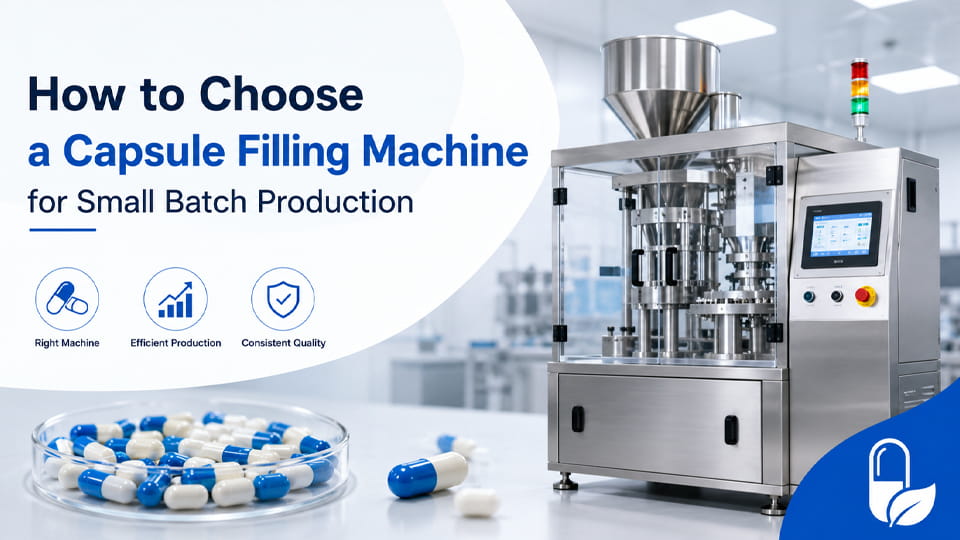
Die Produktion von Kapseln in kleinen Mengen ist bei Nutrazeutika üblich, pflanzliche Nahrungsergänzungsmittel, klinische Studien, R&D, Nullserien und Auftragsfertigung. Das Richtige wählen Kapselfüllmaschine ist für Marken und Labore im Frühstadium von entscheidender Bedeutung, um die Kosten auszugleichen, Flexibilität, Und GMP-Konformität. Im Gegensatz zu großvolumigen Pharmalinien, Bei diesen Vorgängen werden häufig begrenzte Auflagen verarbeitet, mehrere SKUs, und sich weiterentwickelnde Formeln. Das Recht Kapselfüller steigert den Durchsatz und die Konsistenz, ohne zu viel zu investieren. Im Vergleich zur Handbefüllung (manuelle Kapselablagen), Eine Maschine kann die Leistung von einigen Hundert auf Zehntausende Kapseln pro Stunde vervielfachen, bei gleichzeitiger Verbesserung der Dosierungsgenauigkeit. Aber Automatisierung gibt es in vielen Formen. Einige Hersteller beginnen mit a manueller Kapselfüller (kein Strom nötig, niedrige Kosten) oder ein halbautomatische Kapselfüllmaschine (assistierte Operation) bevor bei steigenden Volumina auf die vollständige Automatisierung umgestellt wird. Dieser Leitfaden durchbricht den Fachjargon, erklärt, wie man zusammenpasst Verkapselungsmaschinen Typ und Spezifikationen entsprechend Ihren Kleinserienanforderungen.
Kapselfüllmaschinen werden pharmaübergreifend eingesetzt, Ergänzungen, und pflanzliche Produkte, für Pulver, Pellets, und sogar Flüssigkeiten. Wir untersuchen ihre Fähigkeiten und Designmerkmale, um Ihnen bei der Entscheidung zu helfen, welches für Ihre Waage das Richtige ist. Wir decken auch regulatorische Faktoren wie GMP-Hygiene und Betreiberanforderungen ab, Denn auch kleine Linien müssen Qualitätsstandards erfüllen.
„Kleinserie“ bezieht sich im Allgemeinen auf relativ kleine Mengen oder flexible Produktionsläufe. Die Definitionen variieren, Ein praktischer Maßstab ist jedoch die Leistung pro Lauf oder pro Stunde. Zum Beispiel, Typischerweise werden manuelle Füller verwendet sehr kleine Chargen (unter ~500 Kapseln pro Lauf). Halbautomatische Maschinen passen kleine bis mittlere Auflagen (in der Größenordnung von 1,000–5.000 Kapseln pro Stunde). Automatische Füller werden gerechtfertigt, wenn der Produktionsbedarf übersteigt ~5.000–10.000 Kapseln pro Stunde. Diese Faustregeln stimmen mit Branchenbeobachtungen überein: Sobald die tägliche Nachfrage über ungefähr steigt 15,000 Kapseln, Viele Hersteller rüsten von manuellen auf halbautomatische Geräte um, um die Arbeitskosten zu senken.
In praktischer Hinsicht, Wir können Skalierung kategorisieren als: R&D/Lab-Skala (Hunderte pro Tag), Kleine Charge (Tausende pro Tag), Mittel/kommerziell (Zehntausende pro Tag), Hohe Lautstärke (100k+ pro Stunde). Kleinserienproduzenten verarbeiten oft mehrere SKUs oder wechselnde Rezepturen, Sie brauchen also Flexibilität. Dieser Leitfaden konzentriert sich auf die manuelle und halbautomatische Geräte die im Bereich unter 50.000 Kapseln/Tag gedeihen, Berücksichtigen Sie dabei noch die automatischen Maschinen, wenn Sie eine Vergrößerung planen.
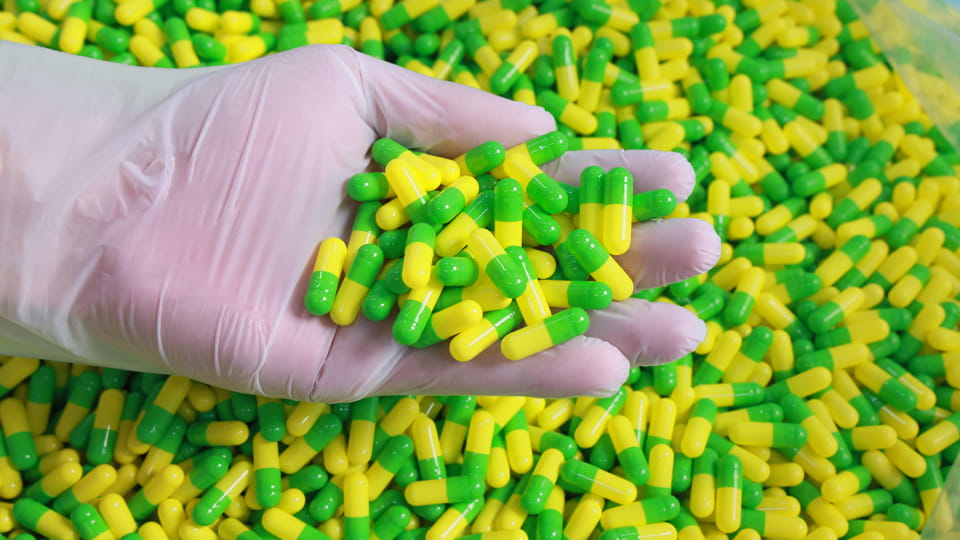
Kapselfüllmaschinen lassen sich in drei große Kategorien einteilen: Handbuch, Halbautomatisch, Und Vollautomatisch. Jedes hat unterschiedliche Geschwindigkeitskompromisse, kosten, Arbeit, und Komplexität. (Es gibt spezielle Varianten, z.B. flüssige Kapselfüller oder Softgel-Kapseln, aber hier konzentrieren wir uns auf harte zweiteilige Kapselausrüstung.)
Manuelle Kapselfüller (manchmal genannt Kapseltabletts oder Plattenfüller) benötigen keinen Strom und verwenden einfache Stopfwerkzeuge. Die Bediener verteilen das Pulver in Tabletts mit Kapselkörpern, von Hand stampfen, und Kappe von Hand.
Zusammenfassend, Das manuelle Befüllen ist äußerst erschwinglich und leicht zu erlernen, Bei mehr als ein paar hundert Kapseln pro Durchlauf wird es jedoch aufgrund von Ermüdung und Inkonsistenz des Bedieners schnell unpraktisch.
Halbautomatische Kapselfüller Kombinieren Sie Bedienersteuerung mit Maschinenunterstützung. Typischerweise, Ein Bediener lädt leere Kapseln in Trichter und Pulver in das Dosiersystem, aber die Maschine automatisiert Schlüsselschritte wie die Ausrichtung der Kapsel, Füllung, und manchmal eine Obergrenze. Zum Beispiel, Viele Modelle verwenden einen vibrierenden Kapselbehälter und ein pneumatisches Vakuum, um die Kapselkörper und -kappen zu trennen und zu präsentieren, Anschließend dosiert eine Schnecke oder ein Stampfer das Pulver, und ein mechanisches System verriegelt die Kapseln.

Figur: Ein Jinlu CGNT-209 halbautomatische Kapselfüllmaschine, Kompatibel mit den Kapselgrößen #000–#5 und einer Leistung von ca. 40.000 Kapseln/Stunde.
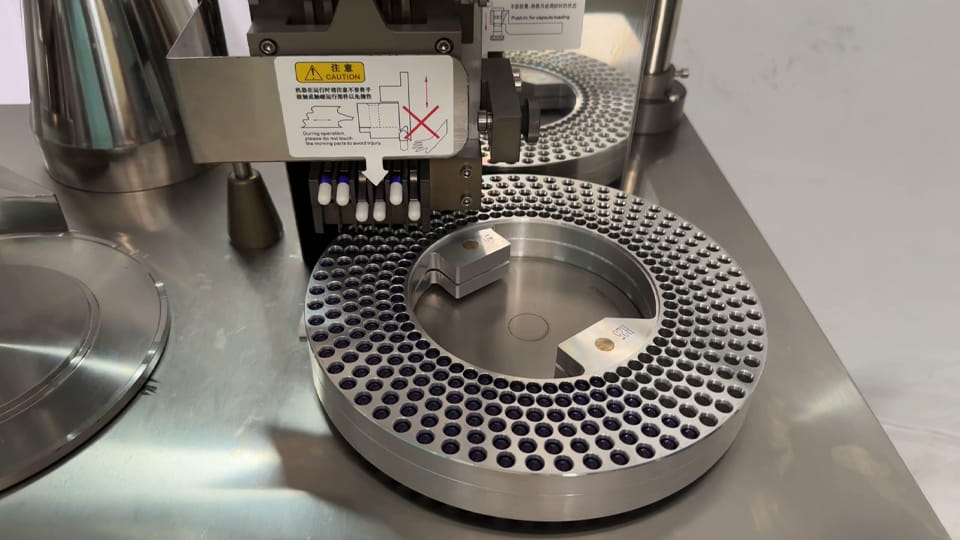
Vollautomatische Kapselfüller arbeiten jeden Schritt kontinuierlich mit minimaler menschlicher Beteiligung. Sie laden leere Kapseln automatisch, trennen und orientieren, Dosieren Sie das Füllmaterial präzise, Die Hälften wieder zusammenfügen, Mängel prüfen, und fertige Kapseln auswerfen. Bei diesen Maschinen kommen häufig komplexe Drehtische mit vielen Dosierstationen zum Einsatz.

Figur: Eine Hochgeschwindigkeit automatische Kapselfüllmaschine (Jinlu NJP-3800D) Nennleistung ca. 228.000 Kapseln/Stunde. Diese Einheiten bieten einen unübertroffenen Durchsatz, eignen sich jedoch am besten für die Produktion im großen Maßstab.
Flüssige Kapselfüller (Besonderer Hinweis): Einige Kapselmaschinen sind für Flüssigkeits- oder Ölfüllungen ausgelegt. Mithilfe von Mikropumpen oder Düsen dosieren sie Flüssigkeiten in Hartkapseln. Diese Maschinen sind in der Regel immer noch Rotationsmaschinen und können Zehntausende pro Stunde leisten. Während wertvoll für Öle und Suspensionen, Sie erfordern eine sorgfältige und oft spezielle Reinigung Gelatine- oder HPMC-Kapseln um Undichtigkeiten zu verhindern. Wir konzentrieren uns hier auf die Trockenpulver-Abfüllmaschinen, aber denken Sie daran a Flüssigkeitsfähige Maschine ist eine Option, wenn Ihre Formel dies erfordert.
Zusammenfassend, Die Wahl des Maschinentyps hängt von Ihrem Produktionsumfang und Ihrem Budget ab. Manuelle Füller (<~500/Tag) sind am einfachsten und günstigsten; halbautomatisch (bis zu ~40.000/Stunde) bedienen die meisten Kleinproduzenten; und Automaten (>~50.000/Stunde) sind für den Bedarf mit hohem Volumen gedacht.
Bei der Bewertung von Kapselfüllmaschinen, Konzentrieren Sie sich auf die Spezifikationen und Designmerkmale, die für die Kleinserienproduktion am wichtigsten sind. Zu den Schlüsselfaktoren gehören:
Passen Sie die Maschinengeschwindigkeit an Ihre Durchsatzanforderungen an. Manuelle Abfüller schaffen nur ein paar Hundert bis ein paar Tausend Kapseln pro Stunde. Halbautomatische Maschinen gehen in die Zehntausende: Viele Modelle laufen 10,000–40.000 Kapseln/Stunde im Dauereinsatz. Vollautomatische Ausrüstung übertrifft 100,000 Kapseln/Stunde.
Es ist klug, die Kopffreiheit beizubehalten: wenn sich die Nachfrage verdoppeln könnte, Erwägen Sie ein schnelleres Modell oder eines mit modularen Upgrades. Vermeiden Sie jedoch eine Überdimensionierung (siehe Fehler unten).
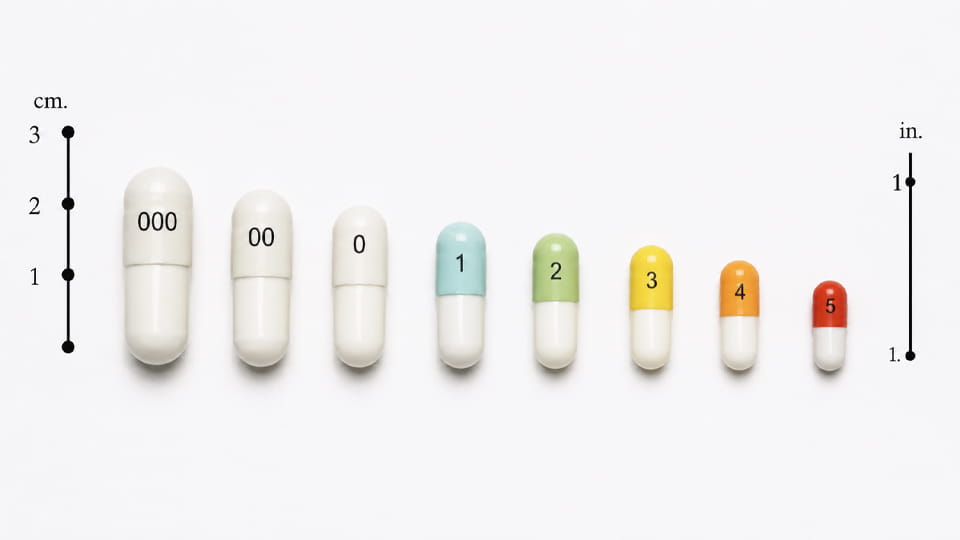
Ihr Füller muss damit umgehen Kapselgrößen Sie verwenden. Hartkapseln reichen von 000 (größte) Zu 5 (am kleinsten). Ernährung und Pharma werden häufig verwendet #00, 0, 1, 2, usw. Stellen Sie sicher, dass die Maschine Ihre Größen ab Werk unterstützt.
Größenflexibilität ist für kleine Hersteller mit mehreren Produkten von entscheidender Bedeutung. In einem Einkaufsführer stellt Jinlu fest, dass die Kompatibilität mit mehreren Größen ein großes Plus ist, spart Kosten und Platz.
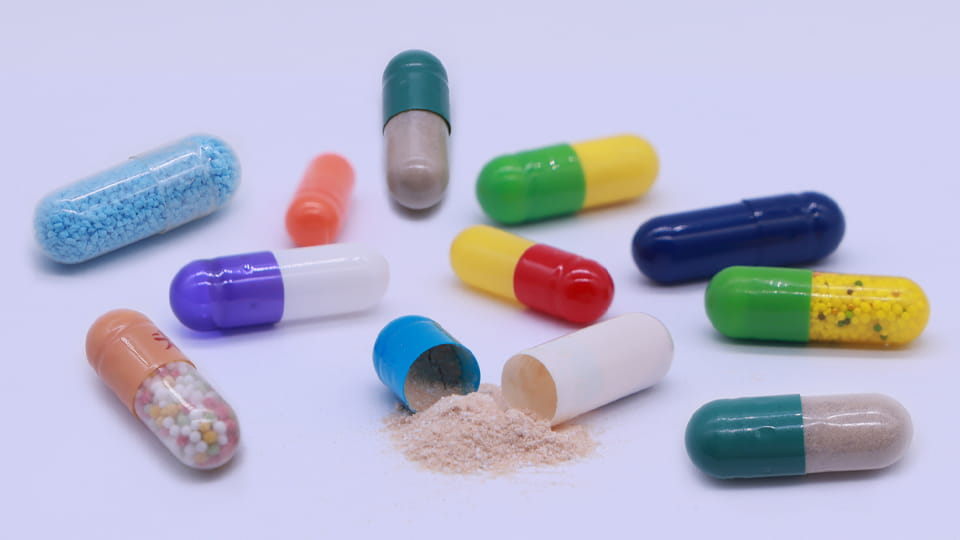
Kapselfüllmaterialien variieren stark im Durchfluss, Dichte, und Klebrigkeit. Ihre Maschine sollte die spezifischen Pulver oder Granulate verarbeiten, die Sie verwenden.
Zusamenfassend: Fragen Sie den Anbieter, ob er Formeln wie Ihre ausgefüllt hat, und erwägen Sie, wenn möglich, einen Probelauf oder eine Demonstration anzufordern.
Das genaue Füllgewicht ist bei der Kapselproduktion nicht verhandelbar. Suchen Sie nach Maschinen mit präziser Dosiersteuerung:
Fragen Sie immer nach Daten oder Erfahrungsberichten zur Füllkonsistenz. Schon ein kleiner Gewichtsfehler einer Kapsel kann darauf hinweisen, dass das Produkt nicht den Spezifikationen entspricht. Erinnern, Das Beschleunigen sollte nicht zu Lasten der Genauigkeit gehen – die besten Maschinen gleichen hohe Geschwindigkeit mit strenger Kontrolle aus.
Bei der Herstellung von Arzneimitteln/Nahrungsergänzungsmitteln sind Reinigungsfähigkeit und Kontaminationskontrolle erforderlich:
Für kleine Produzenten, Ausfallzeiten für Reinigungsarbeiten. Eine mühsam zu reinigende Maschine verlangsamt die Produktion und birgt das Risiko einer Kreuzkontamination. Machen Reinigbarkeit ist ein entscheidender Kauffaktor.
Bewerten Sie das menschliche Element:
Zusamenfassend, vergleiche die Gesamtarbeitskosten (Löhne + Overhead) versus Maschinenkosten. Denken Sie daran, dass bei halbautomatischen Maschinen der Bedieneraufwand durch Investitionsausgaben ersetzt wird.
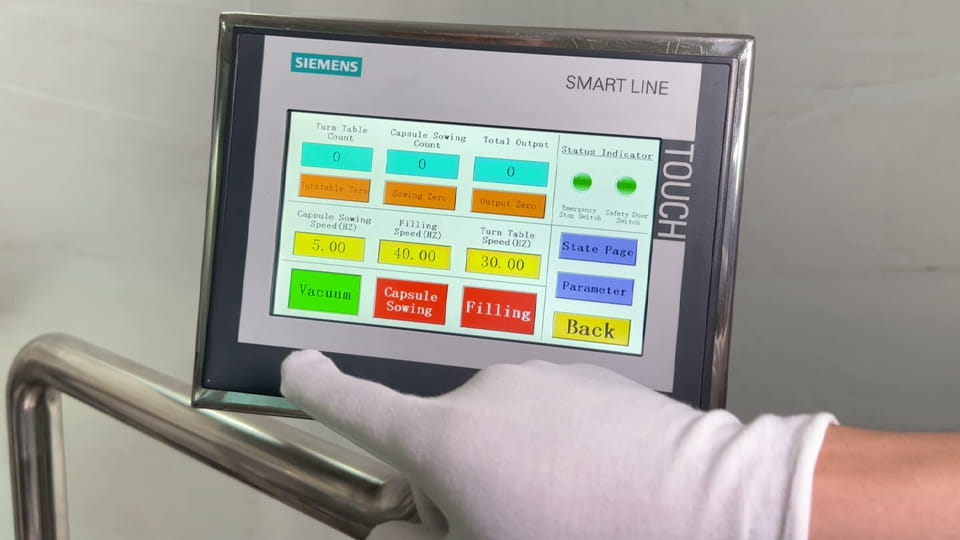
Heute auch für Kleinstmengen, Denken Sie voraus:
Planen Sie es wachsen anmutig. Viele kleine Unternehmen wachsen aus ihrem ersten Kapselfüller heraus; Wählen Sie eines mit Upgrade-Pfad oder kaufen Sie etwas mehr als den heutigen Bedarf Kosten sparen die Straße runter.
| Besonderheit | Manueller Kapselfüller | Halbautomatischer Füller | Automatischer Füller |
| Typische Investition | Sehr niedrig (Hunderte von $) | Medium (~5.000–20.000 US-Dollar+) | Hoch (sechsstellig) |
| Ausgabe (Kapseln/Std) | 500–2.000 (Max) | 10,000–40.000 (stabile Reichweite) | 30,000+ Zu 200,000+ |
| Arbeitsaufwand erforderlich | Hoch (eine Person pro Tablett) | Mäßig (1 Bediener pro Maschine) | Niedrig (1–2 Operatoren pro Zeile) |
| Benutzerfähigkeit | Sehr niedrig | Mäßig (etwas Training) | Hoch (erfordert eine technische Ausbildung) |
| Genauigkeit & Konsistenz | Variable (betreiberabhängig) | Gut (maschinengeregelt) | Exzellent (strenge Kontrolle) |
| GMP-Konformität | Basic (offene Tabletts, Acryl) | Gut (beiliegende Dosierung, SS-Teile) | Exzellent (vollständig umschlossen, SS316) |
| Am besten für | R&D, Labor, Hobby, <500/Tag | Kleine bis mittlere Fabriken (~Tausende/Tag) | Große Produktion (>100k/h) |
| Beispielprodukte | Handtabletts, 300/400-Lochplatten | Jinlu CGN-208D (30k/h), CGNT-209 (40k/h) | Jinlu NJP-3800D (228k/h) |
Für die meisten kleinen Startups im Bereich Nahrungsergänzungsmittel oder Pharma, A halbautomatische Kapselfüllmaschine trifft den Sweet Spot. Diese Maschinen kosten weitaus weniger als große automatische Maschinen, bieten aber eine viel höhere Geschwindigkeit und Konsistenz als manuelle Methoden. Ein Halbautomat (30–40.000 Kapseln/Stunde) kann den wachsenden Produktionsbedarf ohne den Personalaufwand für die manuelle Befüllung bewältigen. Sie erfüllen in der Regel auch die GMP-Designanforderungen (rostfreie Teile, geschlossene Trichter) wichtig für Ersthersteller.
Manuelle Füller haben Sie immer noch einen Platz, wenn Ihre Lautstärke extrem niedrig ist (individuelle Compoundierung oder Spezialformeln) oder das Budget ist die Hauptbeschränkung. Aber seien Sie sich des Wendepunkts bewusst: wie JinluPacking feststellt, einmal Die tägliche Produktion übersteigt ~15.000 Kapseln, die versteckten Kosten des Handbuchs (nacharbeiten, im Laufe der Zeit) Oftmals amortisiert sich eine halbautomatische Maschine.
Automatische Maschinen übersteigen in der Regel die Anforderungen eines Startups; Ziehen Sie sie nur in Betracht, wenn Sie eine sehr schnelle Skalierung erwarten oder bereits über großvolumige Verträge verfügen. Zum Beispiel, Ein Vertragshersteller, der mehrere Kunden bedient, könnte eine kleine automatische Einheit rechtfertigen (<$50k) oder eine gebrauchte Maschine, um Großaufträge zu erfüllen.
Zusammenfassend: Handbuch für kleine, gelegentliche Chargen; Halbautomatisch für die meisten wachsenden Unternehmen; Automatisch für große Mengen. Sprechen Sie mit Lieferanten über Ihre Prognosen – einige können Modelle der Mittelklasse vorschlagen. Jinlupacking, zum Beispiel, ermutigt Unternehmen, ihre halbautomatischen Linien „aufzurüsten“, um Produktionsziele auf der nächsten Ebene zu erreichen.
Vermeiden Sie diese Fallstricke, indem Sie eine Maschine sorgfältig darauf abstimmen dein Produktionsplan und arbeiten eng mit seriösen Lieferanten zusammen, die Sie beraten können. So kommt ein Jinlu-Führer zu dem Schluss, Diese Entscheidung sollte eine Partnerschaft sein – wählen Sie Geräte aus, die dies tun Wachsen Sie mit Ihrem Unternehmen.
Die Wahl einer Kapselfüllmaschine ist für jeden Kleinhersteller eine entscheidende Entscheidung. Es wird Ihre Effizienz beeinträchtigen, Produktqualität, und Skalierbarkeit. Die wichtigsten Punkte zusammenfassen:
Vor allem, mit erfahrenen Lieferanten zusammenarbeiten und suchen Sie nach Referenzen oder Fallstudien (Angebote auf der Website von Jinlu Nachricht Und Fallstudien) wenn Sie Ihre Auswahl abschließen. Mit der richtigen Maschine, Ihre Kleinserien-Kapselproduktion läuft reibungslos, konsistent produzieren, Hochwertige Kapseln, die den Vorschriften entsprechen und Ihre Kunden begeistern.
Für die meisten Kleinserienszenarien, Ein halbautomatischer Kapselfüller bietet das beste Preis-Leistungs-Verhältnis. Es bietet einen hohen Durchsatz (~30.000–40.000 Kapseln/Stunde) ohne die Kosten einer vollautomatischen Linie. Manuelle Abfüller sind nur für sehr kleine Volumina optimal (Dutzende bis einige hundert Kapseln). Vollautomatische Maschinen sind in der Regel für großvolumige Einsätze gedacht.
Manuelle Kapselfüller werden im Allgemeinen NICHT für sehr kleine oder R-Kapseln empfohlen&D verwenden. Ihnen fehlt die Geschwindigkeit und Konstanz, die für kommerzielle Läufe erforderlich sind. Die Branchenerfahrung zeigt, dass der Bedarf einmal mehr als ein paar Tausend Kapseln pro Tag beträgt, Die manuelle Befüllung wird zum Engpass. Für gleichbleibende Qualität und Effizienz im Produktionsumfeld, Es wird empfohlen, auf einen halbautomatischen Füller umzurüsten.
Die meisten Hartkapselmaschinen akzeptieren Kapselgrößen 000 (größte) bis hin zu 5 (am kleinsten). Übliche Größen bei Nutrazeutika sind 00, 0, 1, Und 2. Zum Beispiel, Sowohl die halbautomatischen als auch die automatischen Maschinen von Jinlu decken alle Größen ab #000 durch #5. Überprüfen Sie zur Sicherheit die Produktspezifikationen; Um die Größe zu ändern, ist in der Regel ein Austausch der Füllschale oder Form erforderlich, aber viele Designs bewirken diesen Wandel schnell.
Renommierte Kapselfüller für den Pharmabereich werden nach cGMP-Standards hergestellt. Sie verfügen normalerweise über Rahmen aus Edelstahl SUS304/316, geschlossene Dosierkammern, und glatte Oberflächen für eine einfache Reinigung. Suchen Sie nach CE/FDA-Zertifizierungen oder cGMP-Konformitätsaussagen. Maschinen von Qualitätslieferanten (wie JinluPacking) sind mit abgerundeten Ecken gestaltet, Hygienegehäuse, und werden oft mit Validierungsunterstützung geliefert. Überprüfen Sie die Materialien und das Design immer anhand der GMP-Anforderungen.
Automatische Maschinen weisen in der Regel die höchste Genauigkeit auf (oft innerhalb von ±1–3 % des Zielgewichts) durch präzise Schneckensysteme und Feedback-Steuerungen. Halbautomaten erreichen in der Regel eine ähnliche oder etwas geringere Präzision. Die manuelle Befüllung bietet die größte Variation (betreiberabhängig). Wenn eine genaue Dosierung entscheidend ist, Wählen Sie eine Maschine mit einem Feineinstellungs-Dosiersystem und ziehen Sie Modelle mit Inline-Gewichtskontrolle in Betracht. Fragen Sie immer den Verkäufer nach typischen Daten zu Gewichtsschwankungen.
Zumindest, verfügen über genaue Kapselzähler und Konformitätsprüfungen (z.B. Gewichtskontrollen, Desintegrationstester). Möglicherweise benötigen Sie auch Blister- oder Flaschenverpacker, Versiegelungen, und Etikettiermaschinen. Jinlu bietet Kapselzählmaschinen und Blisterpacker an, Zum Beispiel. Vergessen Sie nicht die HSE-Ausrüstung (Staubmasken, Staubsauger) um verschüttetes Pulver zu beseitigen.
Spezifikationen (z.B. „100.000 Kapseln/Stunde“) hängen stark von den Bedingungen ab. Fordern Sie stets eine Werksabnahmeprüfung an (FETT) oder Probelauf mit Ihren tatsächlichen Kapseln und Pulver. Dieser Praxistest ist der sicherste Weg, die Kapazität zu bestätigen, Genauigkeit, und Kompatibilität. Bei seriösen Lieferanten ist es üblich, Käufern vor dem endgültigen Kauf Tests zu ermöglichen.
Referenzen:
1. Dosierungsform Arzneimittelhersteller cGMPs (10/93) -- UNS. Lebensmittel- und Arzneimittelbehörde
2.Arzneimittelinformationen – Richtlinien zur Kapselherstellung -- WER
3.Das Abfüllen von Pulvern in zweiteilige Hartkapseln —— Nationalbibliothek für Medizin
4.Untersuchung verschiedener Faktoren, die die Verkapselung auf der automatischen Kapselfüllmaschine im Deckel beeinflussen —— Nationalbibliothek für Medizin