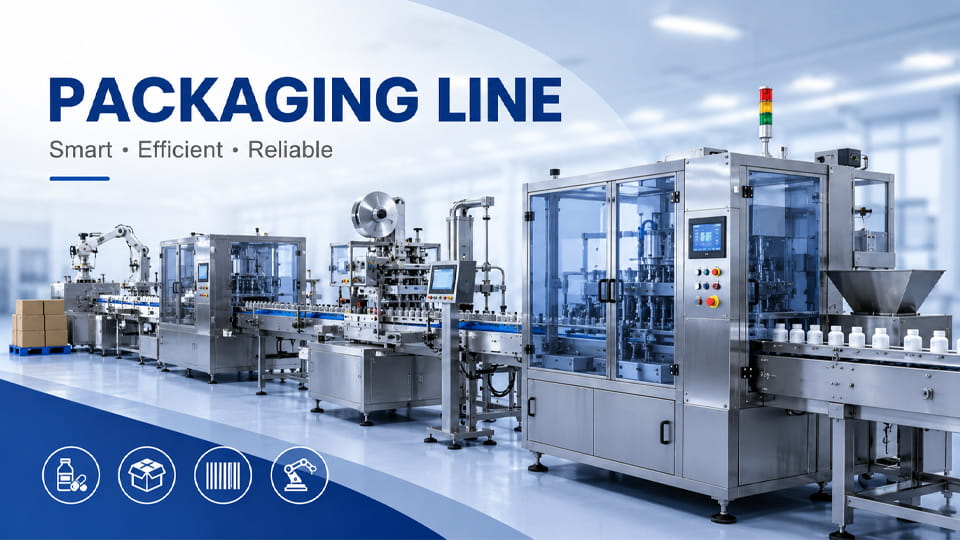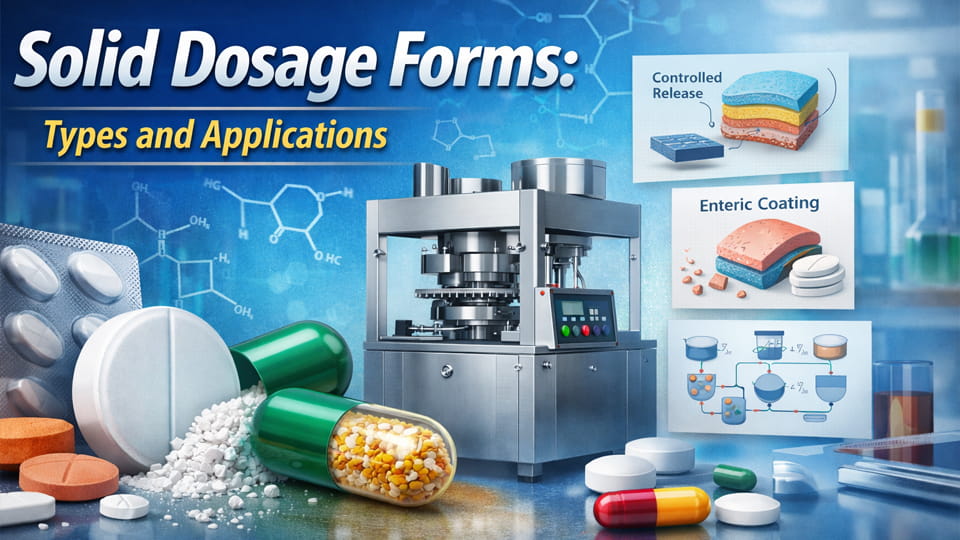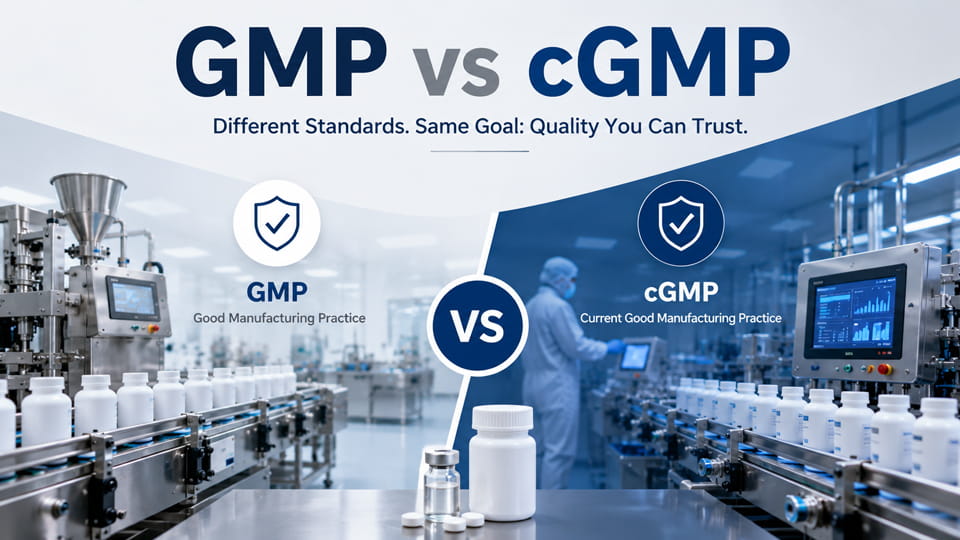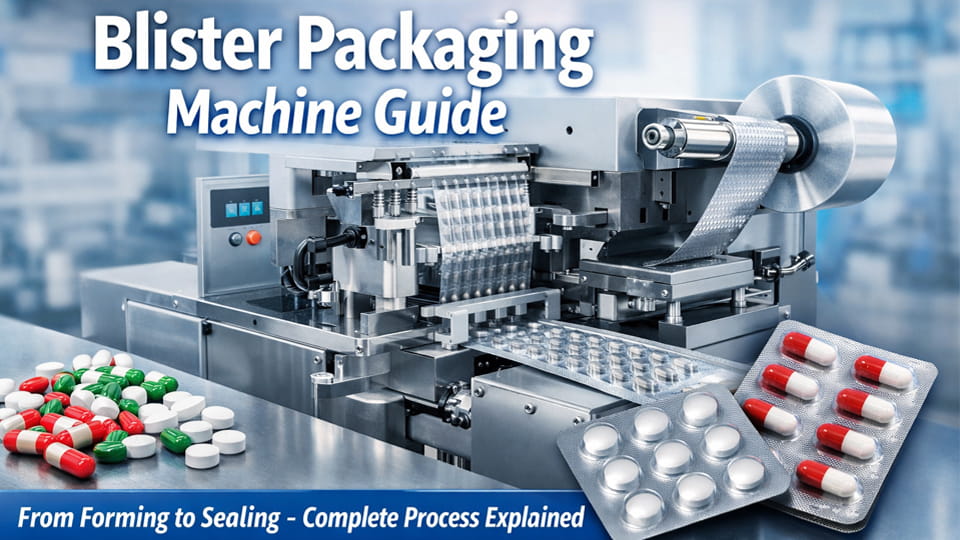

Pharmazeutische Verpackungsausrüstung müssen strenge Qualitäts- und Sicherheitsstandards erfüllen. Der Ausfall eines Lieferanten kann dazu führen Produktrückrufe oder regulatorische Maßnahmen. Lieferantenqualifizierung ist ein Risikomanagementprozess, der „das Vertrauen schafft, dass Lieferanten … eine gleichbleibende Qualität in Übereinstimmung mit den gesetzlichen Anforderungen liefern können“.. Tatsächlich, In den EU-GMP-Richtlinien heißt es ausdrücklich, dass die Auswahl und Pflege von Verpackungsmateriallieferanten „eine ähnliche Aufmerksamkeit erfordert wie Ausgangsmaterialien“.. Due Diligence – nicht nur Kostenvergleich – ist unerlässlich. Durch die vorherige Überprüfung eines Lieferanten wird sichergestellt, dass die Maschinen den cGMP-Standards entsprechen (Materialqualität, Sauberkeit, Validierungsunterstützung) und dass der Anbieter Ihr Projekt konsequent unterstützen kann.
Zu den Schlüsselfaktoren gehört die Einhaltung gesetzlicher Vorschriften (FDA, EU-GMP), Design und Verarbeitungsqualität (z.B. 316L-Herstellung aus Edelstahl), Qualitätssysteme der Lieferanten (ISO 9001/13485, CAPA-Prozess), Dokumentation (Validierungsprotokolle), Kapazität, Service, und langfristiger Wert. In diesem Leitfaden werden die einzelnen Schritte aufgeschlüsselt:
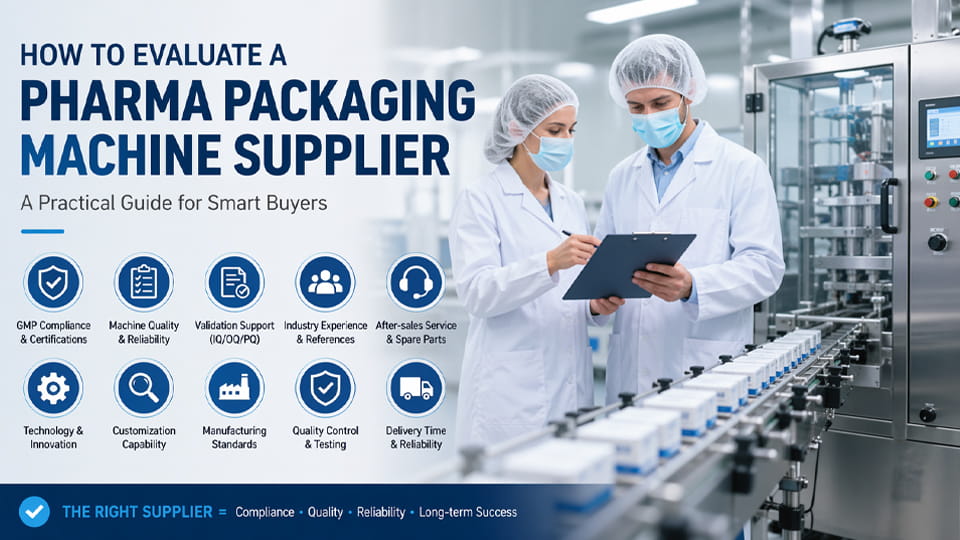
Um einen zuverlässigen auszuwählen Lieferant von Pharmaverpackungsmaschinen, Befolgen Sie diese Schritte:
Skizzieren Sie klar und deutlich Ihre Prozessanforderungen (Ausgabe, Verpackungsarten, Formate) und Qualitätskriterien (GMP-Hygiene, Reinraumkompatibilität). Identifizieren Sie etwaige Sonderoptionen (z.B. Aseptisches Design, Reinrauminstallation, Materialien in pharmazeutischer Qualität). Wenn Sie präzise Anforderungen haben, können Sie Anbieter direkt vergleichen. Berücksichtigen Sie den Projektumfang: komplette Linie oder einzelne Maschinen, halb vs. vollautomatisch, spezielle Materialien (316L Edelstahl, Von der FDA zugelassene Kunststoffe), und alle Leistungsspezifikationen (Geschwindigkeit, Genauigkeit). Beziehen Sie Ihre Qualitätssicherung ein, Engineering- und Produktionsteams, um alle Anforderungen im Voraus zu erfassen. Lieferanten fragen in ihren Angeboten häufig nach Benutzeranforderungen, Daher ist ein schriftliches Datenblatt oder eine Angebotsanfrage unerlässlich.
Die Einhaltung gesetzlicher Vorschriften ist nicht verhandelbar. Stellen Sie sicher, dass die Ausrüstung und Dokumentation des Lieferanten cGMP erfüllen (FDA) oder EU-GMP-Standards. Zum Beispiel, Qualitätssystemverordnung der FDA (21 CFR 820) und ISO 11607 (für sterile Verpackungen) erfordern, dass Verpackungsprozesse gemäß IQ/OQ/PQ-Protokollen validiert werden. Fordern Sie Konformitätsbescheinigungen an (CE-Kennzeichnung, FDA 510(k) falls relevant), und prüfen Sie, ob die Prozesse des Lieferanten mit Standards wie ISO übereinstimmen 13485 oder ISO 9001. Die GMP-Zertifizierung eines Lieferanten oder eine starke Erfolgsbilanz in der Pharmabranche zeugen von seinem Engagement für Compliance. Stellen Sie sicher, dass das Maschinendesign den GMP-Grundsätzen entspricht (z.B. keine Toträume, leicht zu reinigende Oberflächen, Sanitäroberflächen). Gemäß Branchenrichtlinien, Pharmazeutische Maschinen sollte Edelstahl 316L mit entsprechender Politur und Passivierung verwenden, um Korrosion zu widerstehen und die Reinigung zu erleichtern – ein Detail, das Prüfer erwarten. (Wenn der Lieferant günstigere Materialien verwendet, Das ist eine rote Fahne.) Bestätigen Sie außerdem die Prozesse zur Rückverfolgbarkeit und Dokumentation von Materialien: Alle Teile und Schweißnähte sollten gemäß den ASME BPE- oder FDA-Richtlinien dokumentiert werden.
Maschinenkonstruktion im Detail prüfen. Hochwertig Pharmaverpackungsausrüstung wird ein solides Design haben, robuster Rahmen, Sanitärwächter, und modulare Komponenten. Suchen Sie nach Funktionen wie: servoangetriebene Aktuatoren (für Präzision), validierte Sicherheitsverriegelungen, und Schmierstoffe in Lebensmittel-/Pharmaqualität (NSF- oder FDA-zugelassen). Prüfen Sie, ob die Kontaktteile hochwertig sind (316L rostfrei, elektropoliert oder passiviert). Bewerten Sie ihre Technik: Sind die Schweißnähte glatt?? Sind Nähte und Sensoren ausgerichtet?? Vergleichen Sie die Maschinen mehrerer Anbieter, um offensichtliche Mängel zu erkennen (lose Komponenten, falsch ausgerichtete Förderer, Rostflecken). Viele Unternehmen listen GMP-Merkmale in Broschüren auf; Überprüfen Sie sie nach Möglichkeit physisch. In dieser Phase, eine Inspektion durch Dritte oder einen Zeugenlauf im Werk (Videodemo) kann bei der Beurteilung der Bauqualität hilfreich sein.
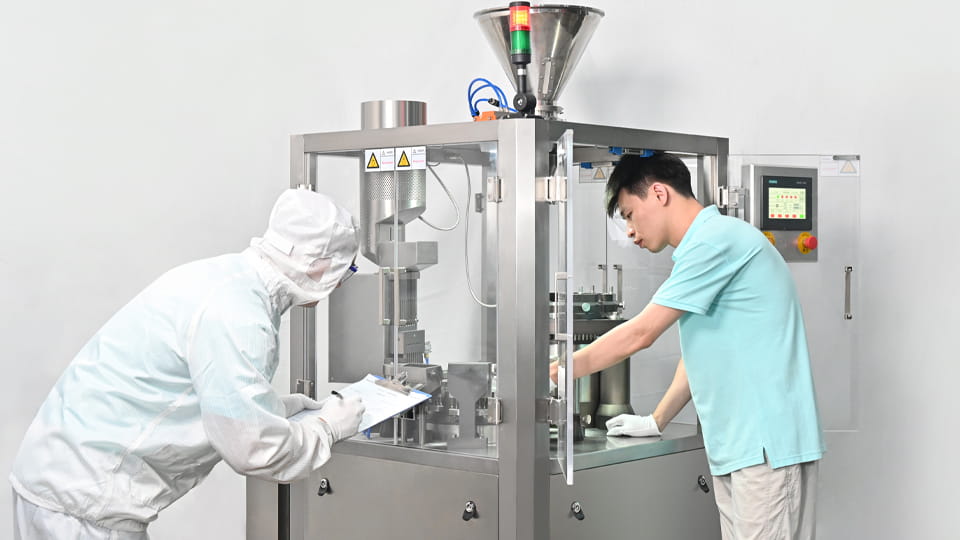
Bild: Qualitätskontrollinspektion an einer pharmazeutischen Maschine.
Ein seriöser Lieferant verfügt über ein dokumentiertes Qualitätsmanagementsystem (QMS). Bevorzugen Sie Anbieter mit ISO 9001 Zertifizierung; wenn sie Medizin/Pharma bedienen, ISO 13485 ist ein Bonus. Für ISO 13485:2016, Hersteller müssen Lieferanten sorgfältig auswählen und bewerten, um strenge Regulierungs- und Qualitätsstandards einzuhalten. Prüfen Sie, ob der Lieferant eine „Liste qualifizierter Lieferanten“ führt und regelmäßige Lieferantenaudits durchführt. Fragen Sie nach Qualitätshandbüchern oder Verfahrensbeschreibungen. Der Lieferant sollte über ein robustes CAPA verfügen (Korrigierende und vorbeugende Maßnahmen) Verfahren. Zum Beispiel, wenn ein Anbieter Probleme protokolliert, untersucht die Grundursachen und implementiert Korrekturen, Das deutet auf ein ausgereiftes QMS hin. Branchenleitlinien weisen darauf hin, dass Leistungsprobleme auftreten, Von den Herstellern wird erwartet, dass sie „geeignete Korrekturmaßnahmen ergreifen“.,” sogar bis zum Austausch eines Lieferanten. Fragen Sie den Lieferanten, wie er mit Nichtkonformitäten oder Ausfällen vor Ort umgeht: Verfügen sie über eine interne Änderungskontrolle und ein CAPA-Register?? Dokumentierte Prozesse zur Ersatzteilkontrolle und Rückverfolgbarkeit sind ebenfalls von entscheidender Bedeutung. Wenn ein Lieferant kein formelles QMS hat oder Qualitätsfragen vermeidet, Betrachten Sie es als ernstes Problem.
Suchen Sie nach Lieferanten mit nachgewiesener Erfahrung in der Pharmaverpackung. Fragen Sie nach, wie lange sie schon Pharmamaschinen herstellen und nach Beispielen (ohne die Vertraulichkeit zu verletzen). Fallstudien oder Kundenlisten können Fachwissen offenbaren (Siehe „Unsere Kunden“-Logos für bekannte Pharmaunternehmen). Bewerten Sie ihre Produktpalette: ein auf Pharma spezialisierter Hersteller (Blase, Beutel, Fläschchenleitungen) wird Ihre Bedürfnisse eher verstehen als ein Anbieter allgemeiner Verpackungen. Fordern Sie Referenzen oder zumindest Erfahrungsberichte von aktuellen Kunden an, insbesondere in Ihrer Region oder Branche. Erkundigen Sie sich nach vergangenen Projekten: Entsprachen sie den Spezifikationen?? Waren die Validierungsdokumente vollständig?? Wie schnell wurden etwaige Kinderkrankheiten gelöst?? Die Bereitschaft eines Lieferanten, Erfolge zu teilen (und gewonnene Erkenntnisse) zeigt Transparenz.
Alle Pharmageräte müssen mit einer ausführlichen Dokumentation für Ihr Validierungsteam geliefert werden. Bestätigen Sie, dass der Lieferant alles vollständig bereitstellt IQ/OQ/PQ-Protokolle, Benutzerhandbücher, und Kalibrierzertifikate. Installationsqualifikation (IQ) stellt sicher, dass die Maschine gemäß Spezifikation gebaut und installiert wurde; Betriebsqualifikation (OQ) testet Funktionsparameter; Leistungsqualifizierung (PQ) validiert die Ausgabequalität. Gemäß FDA-Richtlinien, „IQ, OQ, PQ-Protokolle sind Methoden zum Nachweis, dass Geräte … ein hohes Maß an Qualitätssicherung bieten.“. Stellen Sie sicher, dass der Anbieter diese Schritte unterstützt. Enthalten sie Vorlagen für IQ/OQ/PQ?? Werden sie Zeuge der Inbetriebnahmeläufe sein?? Gute Lieferanten unterstützen oft bei der Protokollerstellung oder führen die Tests sogar vor Ort durch. Überprüfen Sie auch die Dokumentation wie die Stückliste (Stückliste), Schaltpläne, und Materialzertifikate (für Edelstahl, Laufwerke, usw.) werden zur Verfügung gestellt. Alle Dokumente sollten nachvollziehbar sein – idealerweise in digitaler Form – und auf dem neuesten Stand gehalten werden (insbesondere wenn ein Design während der Produktion überarbeitet wurde). Ohne solide Dokumentation, Ihr Validierungsteam kann die Maschine nicht offiziell genehmigen.
Kapazität ist wichtig. Erkundigen Sie sich nach den Produktionskapazitäten und dem aktuellen Auftragsbestand des Lieferanten. Können sie Ihren Zeitplan einhalten, ohne Abstriche zu machen?? Groß, Ausgelastete Werke haben möglicherweise lange Vorlaufzeiten oder drängen auf Eilaufträge. Ein zuverlässiger Anbieter bietet einen realistischen Lieferplan (Planen Sie Zeit für die Werkzeugbereitstellung ein, Prüfung und Versand). Überprüfen Sie deren Betriebskapital- oder Konsignationslagerpraktiken: Haben sie kritische Teile bereit, um die Bearbeitungszeit zu verkürzen?? Einige Lieferanten halten Standardmodelle auf Lager, um eine schnelle Lieferung zu ermöglichen. Kompromisse: Für eine höhere Qualität kann eine etwas längere Vorlaufzeit akzeptabel sein. Stellen Sie einfach sicher, dass Sie verstehen, was zum Beispiel die Kosten verursacht, Überseeversand vs. beschleunigte Luftfracht. Bestätigen Sie auch den Versandversicherungs- und Logistikplan: Wer kümmert sich um den Zoll?, Gibt es eine Inspektion vor dem Versand??
Service kann Vorgänge über Erfolg oder Misserfolg entscheiden. Ein guter Lieferant bietet Schulungen an, Ersatzteile, und zeitnahe Unterstützung nach dem Kauf. Garantiebedingungen klären (Dauer, Abdeckung) – JinLuPacking, Zum Beispiel, bietet 3 Jahre Garantie auf Kartoniermaschinen. Fragen Sie, wie sie mit Pannen umgehen: Gibt es lokalen Support oder Vor-Ort-Service?? 24/7 Hotline? Ersatzteile sind regional vorrätig? Erwägen Sie ein Service Level Agreement (SLA). Auch, Erkundigen Sie sich nach Software- oder Steuerungssystem-Updates: Sind neue Optionen oder Verbesserungen abwärtskompatibel?? Ein Pluspunkt ist die inklusive Inbetriebnahme und Schulung vor Ort. Das Servicenetzwerk des Anbieters (Vertriebshändler oder Büros) ist wichtig für globale Kunden. Letztlich, Wählen Sie einen Lieferanten, der auch nach der Lieferung engagiert bleibt – einen, der schnell auf Probleme vor Ort reagiert und zukünftige Probleme proaktiv verhindert.
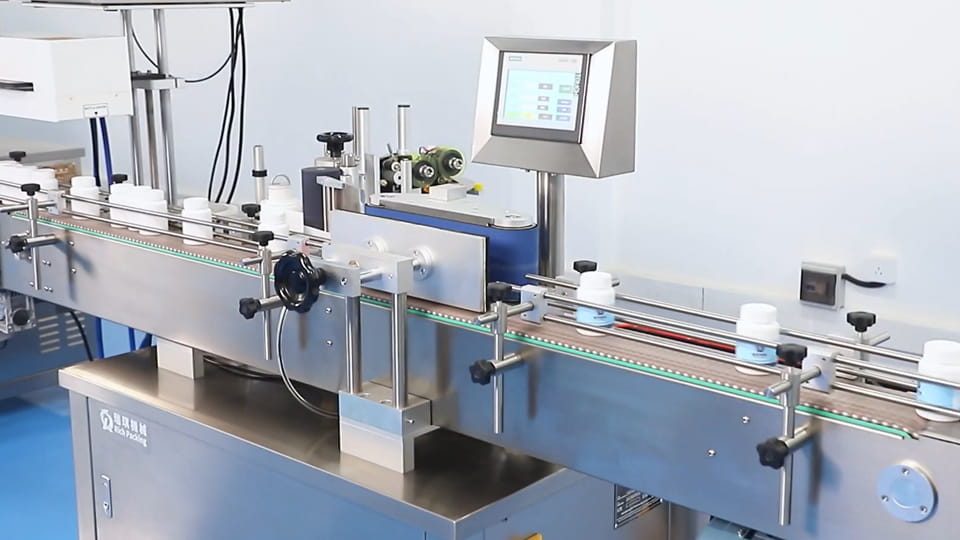
Bild: Fördersystem in einer sauberen Produktionsanlage.
Sehen ist Glauben. Besichtigen Sie die Fabrik des Lieferanten oder vereinbaren Sie einen virtuellen Rundgang. Wichtige Prüfpunkte: Sauberkeit (besonders kritische Bereiche), Layout (logischer Ablauf, Trennung von Fertigung/Montage), und Dokumentationspraktiken (sind SOPs sichtbar?). Prüfen Sie, ob Kalibrierlabore und Prüfstände vor Ort sind. Bewerten Sie die Bestandskontrolle und Gesundheits-/Sicherheitspraktiken. Informieren Sie sich über die Ausbildung und Fluktuation Ihrer Mitarbeiter; Erfahrene Mitarbeiter sind ein gutes Zeichen. Wenn möglich, Bringen Sie eine Checkliste mit und inspizieren Sie eine ihrer Maschinen am Band. Haben sie ihre eigenen Qualitätsprüfungen bestanden?? Überprüfen Sie auch alle Zertifizierungen (ISO-Zertifikate, FDA 510(k), Ce, usw.) ausgestellt. Ein Audit schafft Vertrauen: Ein Lieferant, der Ihren Besuch begrüßt, zeigt Vertrauen in seine Prozesse. Denken Sie daran, Fragen im Voraus vorzubereiten und Notizen oder Fotos zu machen (mit Erlaubnis). Das Audit sollte entweder Ihre Wahl bestätigen oder Probleme aufdecken, die korrigiert werden müssen, bevor Sie fortfahren.
Endlich, Vorschläge ganzheitlich vergleichen. Das niedrigste Angebot ist nicht immer das beste – berücksichtigen Sie die langfristigen Kosten und den Wert. Berechnen Sie die Gesamtbetriebskosten (Tco): Anfangspreis + Installation + Qualifikation + Ausfallrisiko + Ersatzteile + Energieeffizienz + Wartung + Ausbildung. Eine Maschine mit höherer Genauigkeit und Zuverlässigkeit kann den Ausschuss reduzieren und Kosten für Nacharbeiten einsparen. Berücksichtigen Sie Vorteile wie Energieeinsparungen durch moderne Antriebe oder schnellere Zykluszeiten. Denken Sie auch über eine Finanzierung nach: Einige Anbieter bieten Finanzierung oder Leasing an, was den Cashflow erleichtern könnte. Wenn Sie mehrere Angebote haben, wägen Sie jeden Aspekt systematisch ab. Nutzen Sie die Checkliste zur Lieferantenbewertung (unten) als Leitfaden. Dann treffen Sie eine fundierte Entscheidung.
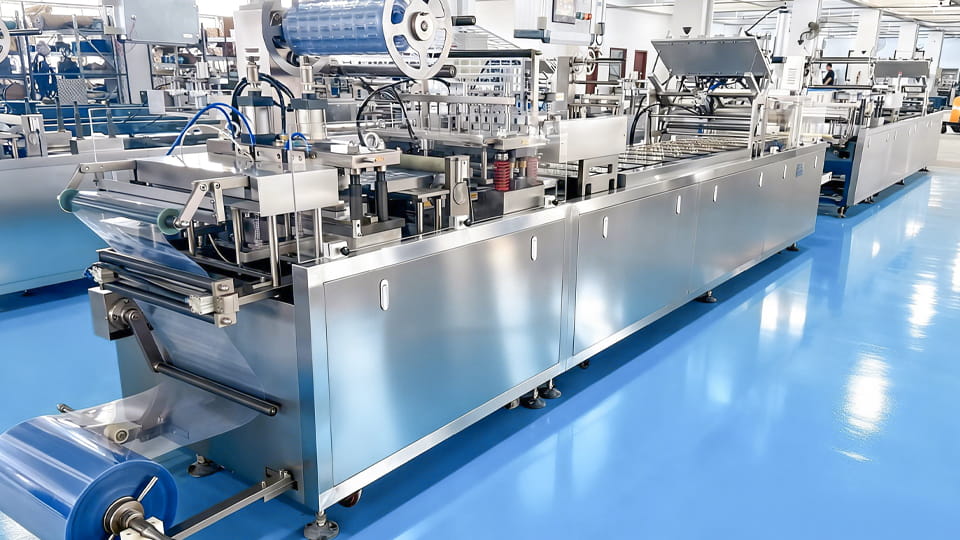
Bild: Abschließende Qualitätskontrolle an einer Blisterverpackungslinie.
Indem wir diese Fallstricke vermeiden und unserem strukturierten Prozess folgen, Sie entscheiden sich für einen Lieferanten, der Ihnen zuverlässige Ausrüstung und Sicherheit liefert.
Nutzen Sie diese Checkliste, um potenzielle Lieferanten zu bewerten und zu vergleichen. (▶️ Laden Sie die PDF-Checkliste herunter zum einfachen Nachschlagen.)
| Bewertungskriterien | Schlüsselfragen |
| Regulatorisch & GMP-Konformität | Erfüllt der Lieferant die GMP-Standards der FDA/EU?? Sind Maschinen aus 316L-Edelstahl gefertigt & erforderliche Beschichtungen (Elektropolieren/Passivieren)? Sind relevante Zertifizierungen (Ce, Ce, FDA 510(k) usw.) an Ort und Stelle? |
| Qualitätsmanagementsystem (QMS) | Verfügt der Lieferant über ISO? 9001 (oder ISO 13485) Zertifizierung? Gibt es einen dokumentierten CAPA- und Risikomanagementprozess?? Wie kontrollieren sie Nichtkonformitäten? (z.B. Korrekturmaßnahmen)? |
| Erfahrung & Referenzen | Wie viele Jahre in pharmazeutischen Verpackungen? Können sie anonymisierte Fallstudien oder Kundenreferenzen teilen?? Haben sie ähnliche Verpackungslinien geliefert? (Blase, Karton, usw.)? |
| Maschinendesign & Verarbeitungsqualität | Sind Materialien und Oberflächen in Pharmaqualität? (z.B. glatte Schweißnähte, Sanitärdesign). Sind Toleranzen und Leistung validiert?? Sind Sicherheitssysteme (Wachen, Verriegelungen) robust? |
| Validierung & Dokumentation | Bietet der Anbieter vollständige IQ/OQ/PQ-Protokolle und Validierungsunterstützung? (fachkundige Anleitung, Testen)? Sind Handbücher, Kalibrierzertifikate, und Zeichnungen zur Verfügung gestellt? |
| Fabrikkapazität & Vorlaufzeit | Können sie Ihren Zeitplan einhalten?? Haben sie Kapazität? (Fachpersonal, Herstellungsressourcen)? Wie hoch ist die vorgeschlagene Vorlaufzeit und kann diese garantiert werden?? Wie haben sie den Lieferzeitplan definiert?? |
| After-Sales-Unterstützung & Ausbildung | Welche Garantie wird angeboten?? Ist Ersatzteilsupport vor Ort verfügbar?? Bieten sie Startunterstützung und Bedienerschulung?? Ist technischer Support (Hotline, vor Ort) leicht verfügbar? |
| Gesamtkosten & Wert | Über den Stückpreis hinaus, Wie hoch sind die langfristigen Kosten?? (Energieverbrauch, Wartung, Ersatzteile). Enthält der Vorschlag alle notwendigen Zubehörteile?? Berücksichtigen Sie Effizienz- und Ertragsverbesserungen. |
Das Richtige wählen Lieferant von Pharmaverpackungsmaschinen Dabei geht es sowohl um Menschen und Prozesse als auch um Hardware. Eine gründliche Bewertung – von der Einhaltung gesetzlicher Vorschriften bis zum Kundendienst – stellt sicher, dass Sie mit einem Lieferanten zusammenarbeiten, der mit Ihrem Unternehmen wachsen kann. Wie Branchenexperten feststellen, „Lieferantenqualifizierung … sollte die damit verbundenen Risiken identifizieren und mindern“. Befolgen Sie diese 10-Schritte-Anleitung und Checkliste, um das Risiko Ihrer Investition zu verringern.
Bereit, voranzukommen? Fordern Sie ein Angebot an von unserem Team oder Laden Sie die Checkliste herunter oben, um Ihre Bewertung vorzubereiten. Wir sind hier, um Ihnen bei der Suche nach dem perfekten Ausrüstungspartner zu helfen.
Ein Lieferant von Pharmaverpackungsmaschinen ist ein Unternehmen, das entwirft, produziert, und liefert Geräte zur Verpackung pharmazeutischer Produkte wie Tabletten, Kapseln, Flüssigkeiten, oder Pulver. Ein zuverlässiger Lieferant muss nicht nur Maschinen bereitstellen, sondern auch die Einhaltung der GMP-Vorschriften sicherstellen, Validierungsunterstützung (IR/WH/PQ), und langfristigen technischen Service.
Die Lieferantenbewertung ist von entscheidender Bedeutung, da sich die Verpackung direkt auf die Produktsicherheit auswirkt, Etikettiergenauigkeit, und regulatorische Einhaltung. Studien zeigen, dass lieferantenbezogene Probleme einen großen Teil der GMP-Inspektionsergebnisse ausmachen, Lieferantenqualifizierung zu einem zentralen Bestandteil der Qualitätssicherung machen.
Zu den Schlüsselfaktoren gehört die GMP-Zertifizierung (FDA/EU), Verwendung von Materialien in pharmazeutischer Qualität (z.B. 316L Edelstahl), und robuste Dokumentation. Achten Sie auf die Einhaltung von Standards wie ISO 9001/13485 und FDA 21 CFR Teil 820. Stellen Sie sicher, dass die Maschinen eine glatte Oberfläche haben und alle Oberflächen, die mit dem Produkt in Berührung kommen, reinigbar und validiert sind.
IQ, OQ und PQ sind Validierungsstufen, die beweisen, dass eine Maschine korrekt installiert ist, funktioniert wie vorgesehen, und leistet konstant. Sie sind in der Pharmaindustrie von entscheidender Bedeutung, um eine qualitativ hochwertige Produktion sicherzustellen. Tatsächlich, FDA-Vorschriften und ISO 11607 Verpackungsvalidierung über IQ/OQ/PQ zur Voraussetzung machen.
Fragen Sie nach Einzelheiten zu den Garantiebedingungen, Reaktionszeiten, und Servicenetzwerk. Bietet der Lieferant eine Inbetriebnahme und Schulung vor Ort an?? Prüfen Sie, ob Ersatzteile vor Ort vorrätig sind. Überprüfen Sie Online- oder Kundenfeedback: Zulieferer, die Pharmaunternehmen beliefern, heben dies häufig hervor 24/7 Support und globale Servicezentren (Zum Beispiel, JinLuPacking wirbt mit weltweitem Vor-Ort-Service und technischem Support).
Überprüfen Sie den Produktionsfluss, Sauberkeit, Mitarbeiterschulung, und Dokumentation. Überprüfen Sie, ob Qualitätsaufzeichnungen und Kalibrierungsprotokolle geführt werden. Bewerten Sie, wie sie mit Sicherheit und Hygiene umgehen. Ein gutes Audit bestätigt auch, dass das Versprechen eingehalten wird (Designmerkmale, Materialien) tatsächlich gebaut ist. Zur Risikokontrolle, Regelmäßige Audits werden von der ISO empfohlen 13485 und GMP-Richtlinien.
Nicht für Pharmaprojekte. Ein niedriges Gebot kann im Vorfeld Geld sparen, birgt aber später das Risiko von Qualitätsproblemen und Ausfallzeiten. Berücksichtigen Sie die Gesamtbetriebskosten: Maschineneffizienz, Zuverlässigkeit, Ersatzteile, und die Einhaltung gesetzlicher Vorschriften können versteckte Kosten verursachen. Etwas teurer, Ein bewährter Lieferant liefert oft langfristig einen besseren Wert. Verwenden Sie die obige Checkliste, um die Kosten mit kritischen Faktoren wie Qualität und Compliance in Einklang zu bringen.
Referenzen:
1.Q7A Leitfaden zur guten Herstellungspraxis für pharmazeutische Wirkstoffe --UNS. Lebensmittel- und Arzneimittelbehörde
2.Lieferantenqualifizierung im Pharmabereich: Ein GMP-orientierter Leitfaden für Audits, Risikobewertung, und Lieferantengenehmigung in 2026 ——pharmuni.com
3.GMP-Anforderungen für die Lieferantenqualifizierung ——gmp-compliance.org
4.Überblick über die Verpackungsvalidierung für Arzneimittel ——ispe.org