Das Richtige auswählen Pharmazeutische Verpackungsmaschine ist entscheidend für die Gewährleistung der Produktsicherheit, Vorschriftenregulierung, und effiziente Produktion. Der weltweite Pharmaverpackungsmarkt boomt – eine Prognose geht davon aus, dass er sogar übertreffen wird $160 Milliarden von 2026. Gleichzeitig, Die Aufsichtsbehörden verlangen strenge Qualitätskontrollen: z.B. CGMP der FDA (21 CFR-Teile 210–211) strenge Anforderungen an die Fertigung stellen, Verarbeitung, und Verpackung von Medikamenten. In der Praxis, fast die Hälfte davon Arzneimittelrückrufe Verpackungs- oder Etikettierungsfehler vorliegen, Hervorheben der Einsätze. In diesem Ratgeber, Wir gehen alle wichtigen Überlegungen durch – das Produktformat, Kapazität, Einhaltung, Automatisierung, Anbieterunterstützung, und mehr – damit Sie sicher die richtige Pharmaverpackungsausrüstung für Ihre Bedürfnisse auswählen können. Wir decken Maschinentypen ab (Blasenmaschinen, Kapselfüller, Kartonierer, usw.), Vergleichen Sie automatische mit halbautomatischen Systemen, und enthalten Expertentipps, eine Vergleichstabelle, ein Flussdiagramm der Auswahlschritte, eine FAQ, und umsetzbare Empfehlungen.
Warum die Wahl der richtigen Maschine wichtig ist
Pharmaverpackung ist weitaus kritischer als gewöhnliche Verbraucherverpackungen. Es schützt die Arzneimittelqualität, sorgt für Dosiergenauigkeit, und gewährleistet die Patientensicherheit. Zum Beispiel, Die WHO-Richtlinien betonen, dass die Verpackung Medikamente vor Feuchtigkeit schützen muss, Licht, Sauerstoff, und andere schädliche Einflüsse während ihrer gesamten Haltbarkeitsdauer. Ebenfalls, Die CGMP-Regeln der FDA schreiben vor, dass „Methoden, Einrichtungen, „Kontrollen und Kontrollen“ bei der Verarbeitung und Verpackung müssen die Sicherheit und korrekte Zusammensetzung eines Arzneimittels gewährleisten. In praktischer Hinsicht, Eine schlechte Verpackung kann dazu führen Kontamination, falsche Kennzeichnung, Dosierungsfehler, oder Gerätefehlfunktionen – bis hin zur Schädigung des Patienten. In der Tat, Die Analyse der Rückrufdaten zeigt bis zu 50% der Arzneimittelrückrufe sind auf Verpackungs- oder Etikettierungsfehler zurückzuführen. Das bedeutet ein scheinbar kleines Versehen (falscher Barcode, beschädigte Blase, falsch gezählte Tabletten) kann einen kostspieligen Rückruf oder eine behördliche Warnung auslösen.
Über Sicherheit hinaus, Die richtige Maschine steigert die Produktivität und senkt die Kosten. Moderne Pharmalinien integrieren die Abfüllung, Versiegelung, Zählen und Etikettieren in automatisierten Hochgeschwindigkeitssystemen. Durch die Auswahl von Geräten, die Ihren Produktionsanforderungen und Ihrem Automatisierungsgrad entsprechen, können Sie den Durchsatz erheblich verbessern und den Arbeitsaufwand reduzieren. Umgekehrt, Die falsche Wahl kann zu häufigen Staus führen, inkonsistente Füllungen, und Ausfallzeiten – beeinträchtigen die Effizienz. Und weil Pharmafabriken oft laufen 24/7, Außerplanmäßige Wartungsarbeiten können katastrophale Folgen haben. Aus diesen Gründen, Branchenexperten legen Wert auf eine ausgewogene Auswahl: „Die Auswahl pharmazeutischer Verpackungsausrüstung erfordert eine sorgfältige Bewertung der GMP-Compliance-Fähigkeiten, Validierungsbereitschaft, und langfristige Betriebssicherheit“. Zusammenfassend, Die richtige Maschine sorgt dafür Qualität und Compliance (Vermeidung von Mängeln/Rückrufen) beim Optimieren Produktionskapazität und Kosten.
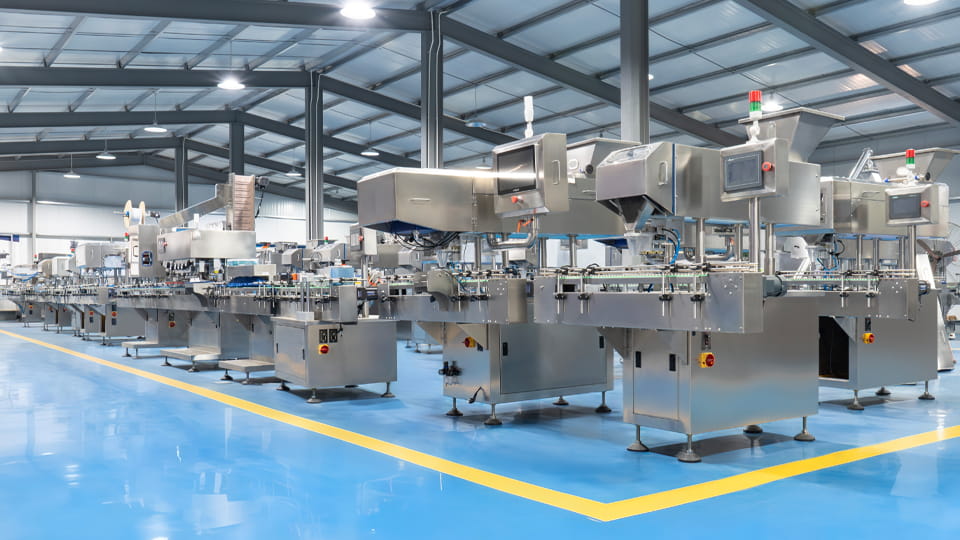
Arten von pharmazeutischen Verpackungsmaschinen
„Pharmazeutische Verpackungen“ umfassen viele Produkte und Formate. Maschinen fallen hinein Primärverpackung (erste Schicht in Kontakt mit Medikament) Und Sekundär-/Tertiärverpackung (Umkartons, Bündel, Paletten). Zu den typischen Maschinen gehören::
- Abfüll- und Dosiermaschinen: Für Flüssigkeiten, Cremes, oder Pulver in Fläschchen/Flaschen/Beuteln. Beispiele: flüssige Füllstoffe, Pulverfüllmaschinen, Sirupfüllstoffe. Wenn es sich bei Ihrem Produkt um ein flüssige Medikamente, Wählen Sie eine Maschine, die für Flüssigkeiten ausgelegt ist (peristaltische oder Kolbenfüller). Für Pulver/Granulat (z.B. Großtabletten werden verpackt), Ideal sind volumetrische oder Schneckenfüller.
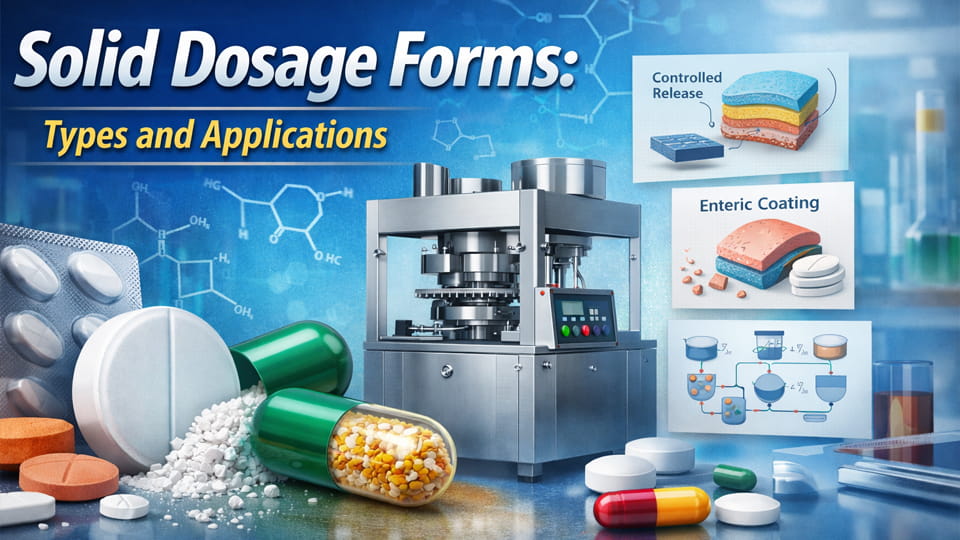
- Kapsel-/Tablettenausrüstung: Für Kapseln oder Tabletten, Schlüsselmaschinen sind Kapselfüllmaschinen, Tablettenpressen, Und Zähl-/Abfüllmaschinen. Moderne Kapselfüller können die Platzierung automatisieren, Trennung, Füllung, und Verriegeln von Kapseln. Tablettenpressen verdichten Pulver zu Tabletten. Zählmaschinen (optische Zähler) Füttern und zählen Sie feste Dosen in Flaschen oder Beutel. Wie JinLuPacking feststellt, In feste Dosis „Alles beginnt mit der genauen Zählung“ – Hochgeschwindigkeits-Mehrkanalsensoren sorgen dafür, dass jede Flasche/jeder Beutel genau die richtige Zählung hat.
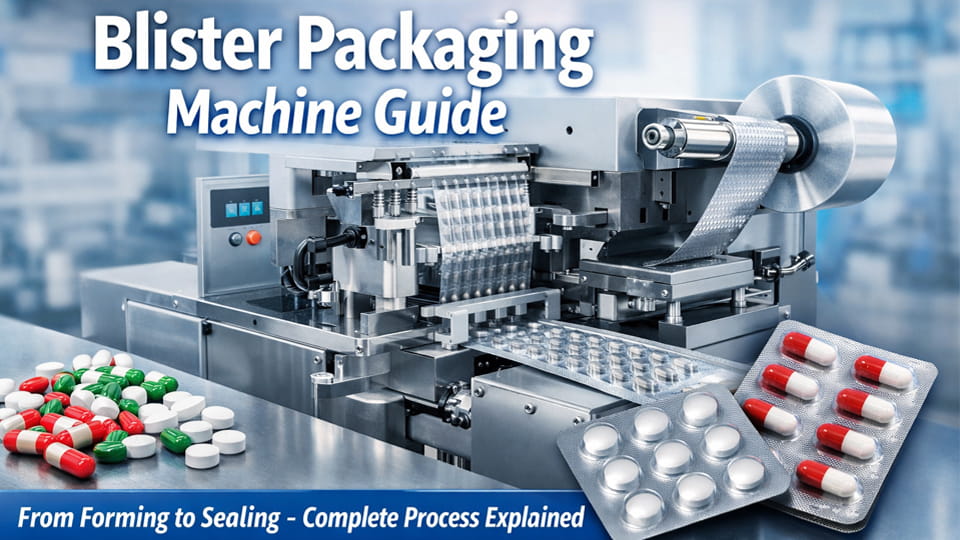
- Blasenverpackungsmaschinen: Für Tabletten/Kapseln in Blisterpackungen. Diese Tiefziehschalen versiegeln Pillen unter Folie. Blistermaschinen kommen als flache Platte (indiziert) oder rotierend kontinuierlich Typen, mit verschiedenen Formaten (PVC-basierte oder kaltgeformte Folie). Sie eignen sich ideal für die Verpackung von Einzeldosen.
- Kartonier-/Verpackungsmaschinen: Sekundärverpackung. Kartonierer Kartons falten und verschließen, häufig Einlegen von Blisterpackungen oder Flaschen plus Patientenbroschüren. Das können sie sein horizontal (Seitenlast) oder Vertikale (Top-Load) Kartonierer automatisieren das Aufrichten von Kartons, Inhalte werden geladen, und Versiegelung – Reduzierung der manuellen Arbeit und Sicherstellung konsistenter Kartonverschlüsse (wichtig für die GMP-Rückverfolgbarkeit). Moderne Kartonierer verwenden hygienisches Edelstahldesign und manipulationssichere Siegel, um strenge Vorschriften einzuhalten.
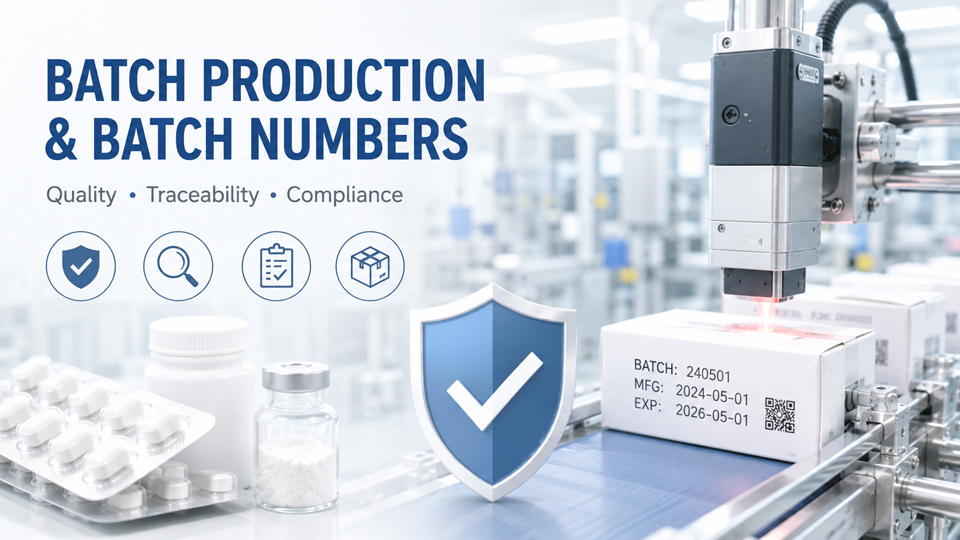
- Etikettierer und Inspektoren: Etikettierungsmaschinen Bringen Sie vorgedruckte Etiketten mit Chargencodes auf Flaschen/Kartons an, Ablaufdaten, und Barcodes. Inspektionssysteme (Kamerasicht, Metalldetektoren, Röntgen) Überprüfen Sie die Füllgenauigkeit, Fremdpartikel, Markenpräsenz, und Codelesbarkeit. Für Compliance, Suchen Sie nach Geräten, die die Serialisierung unterstützen (rückverfolgbare Barcodes) und Fehlerzurückweisung.
- Integrierte Verpackungslinien: In der Praxis, Pharmafabriken verwenden häufig komplette Zeilen Kombination der oben genannten Maschinen. Zum Beispiel, Eine Tabletten-zu-Karton-Linie könnte eine Tablettenpresse umfassen, Trockenmitteleinsetzer, Kapselzähler, Flaschen -Unkrambler, Fülleinheit, Messmaschine, Induktionsversiegelung, Beschriftung, Karton, und Endkontrollband. Diese End-to-End-Systeme können als Linie vormontiert und validiert werden, was die Qualifizierung und den Footprint vereinfacht. .
Zusamenfassend, Wählen Sie Maschinen aus, die zu Ihrer Darreichungsform und Ihrem Verpackungsformat passen. Wie ein Reiseführer rät, „Blisterverpackungsmaschinen sind ideal für Tabletten, während horizontale Form-Füll-Siegel-Systeme für die Beutelverpackung mit hohem Durchsatz verwendet werden.“. Ihr Produkt verstehen (Tablette, Kapsel, flüssig, Pulver) und gewünschtes Paket (Blase, Flasche, Beutel, vorgefertigter Beutel, usw.) ist der erste Schritt bei der Auswahl einer Maschine.
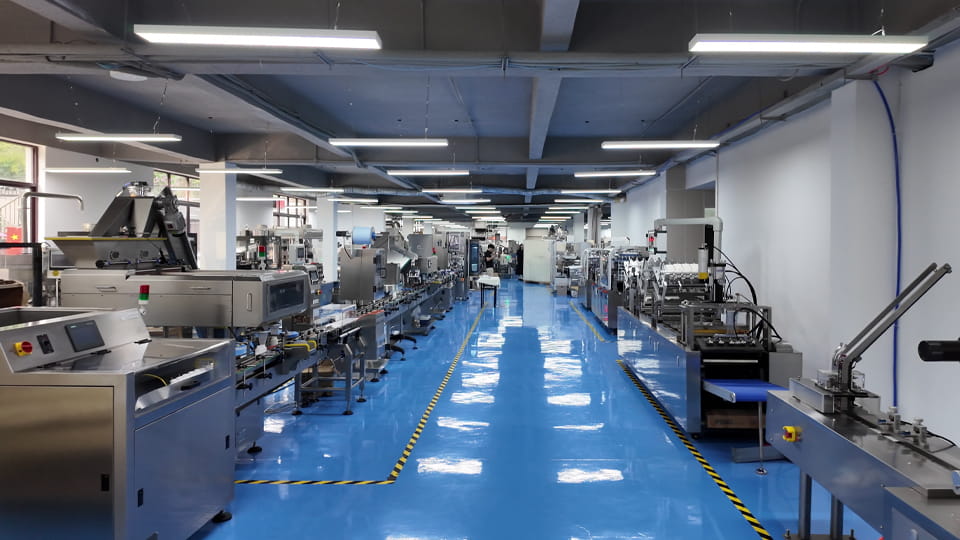
Zu berücksichtigende Schlüsselfaktoren
Bei der Bewertung bestimmter Maschinen oder Anbieter, Beachten Sie diese kritischen Faktoren:
- Produkt & Kompatibilität des Verpackungsformats: Stellen Sie sicher, dass die Ausrüstung genau Ihre Produktform und Ihren Behälter verarbeiten kann. Darreichungsform und Behältnistyp Gegenstand: Tabletten, Kapseln, Flüssigkeiten, Pulver haben alle einzigartige Anforderungen an die Handhabung. Zum Beispiel, Bei zählbaren Feststoffen kommen Zähl- oder Blistersysteme zum Einsatz, während Flüssigkeiten Flüssigkeitsfüller mit dichten Verschlüssen erfordern. Überprüfen Sie auch Größe und Geometrie: Einige Maschinen können mehrere Füllgewichte oder Behältergrößen verarbeiten, andere sind engagiert. Flexibilität ist der Schlüssel, wenn Sie mehrere SKUs planen. In Maschinenbeschreibungen werden häufig kompatible Formate angegeben; Überprüfen Sie dies nach Möglichkeit anhand von Beispielproduktversuchen.
- Produktionsgeschwindigkeit & Kapazität: Passen Sie den Durchsatz der Maschine an Ihren aktuellen und zukünftigen Bedarf an. Maschinen haben „Nenngeschwindigkeit“ (z.B. Flaschen/Min. oder Blister/Min) und eine praktische Ausgabe (unter Berücksichtigung von Umstellungen). Überspezifikation (sehr hohe Geschwindigkeit) verschwendet Geld und Platz; Eine unzureichende Spezifikation führt zu Engpässen. Viele Hersteller (wie JinLu) Geschwindigkeiten angeben: z.B. Einige Kapsellinien können Hunderttausende Kapseln pro Stunde verarbeiten, Zählmaschinen >99.98% genau bei ~6.000 Flaschen/h, und Kartonierer bis zu 450 Kartons/Min. Berücksichtigen Sie nicht nur die aktuelle Produktion, sondern auch das Wachstum – JinLuPacking empfiehlt die Auswahl einer Kapazität, „die Ihrem aktuellen Bedarf entspricht und gleichzeitig Raum für Wachstum lässt“.. Suchen Sie nach modularen Maschinen oder mehrspurigen Optionen, wenn Sie mit einem Anstieg des Volumens rechnen.
- Genauigkeit & Qualitätskontrolle: Hohe Präzision ist in der Pharmaindustrie nicht verhandelbar. Abfüll- und Zählgeräte müssen dies gewährleisten Keine zusätzlichen oder fehlenden Pillen, richtige Dosierung, und eine zuverlässig versiegelte Verpackung. Ziel der obersten Linie ist es, „in jedem Behälter kein einziges Stück übrig zu lassen und nicht ein Stück zu verpassen“.. Bewerten Sie jede Maschine Genauigkeitsangaben: z.B. Ein Zählfüller könnte behaupten 99.98% Genauigkeit. Um enge Toleranzen einzuhalten, empfehlen wir mehrkanalige optische Sensoren oder eine servogesteuerte Dosierung. Achten Sie auch auf integrierte Qualitätsmerkmale: z.B. Bildverarbeitungssysteme zur Überprüfung der Zählungen, Leckerkennung, Gewichtskontrollwaagen. Die Maschine sollte sich integrieren Inprozesskontrollen um Fehler zu erkennen (Chargenausschuss, Warnungen) um eine gleichbleibende Qualität zu gewährleisten.
- GMP & Vorschriftenregulierung: Pharmazeutische Maschinen müssen strenge Hygiene- und Dokumentationsstandards erfüllen. Suchen cGMP-konformes Design: Alle produktberührenden Teile sind vorhanden Edelstahl (SUS316L) oder andere Materialien in Pharmaqualität, glatte Oberflächen (keine Toträume oder Spalten), und einfache Demontage zur Reinigung. Oberflächen sollten Korrosion/Kontamination widerstehen. Die Maschine sollte haben Sicherheitsvorrichtungen, versiegelte Bedienfelder, und wo möglich werkzeuglose Umrüstungen. Ebenso wichtig ist die Software-Compliance: Moderne Pharmalinien fallen oft unter die FDA 21 CFR Teil 11 (elektronische Aufzeichnungen) und EU-GMP-Anhang 11 (computergestützte Systeme). Wir empfehlen, sicherzustellen, dass die Geräte unterstützt werden elektronische Aufzeichnungen, Audit-Trails, und rollenbasierter Zugriff, und wird mit einem umfassenden Validierungspaket geliefert (Designdokumente, FAT/SAT-Protokolle, IQ/OQ/PQ-Vorlagen). Zusamenfassend, Die Maschine muss sein Validierungsbereit. Priorisieren Sie beim Export Maschinen mit CE-Kennzeichnung oder anderen lokalen Zertifizierungen. Denken Sie an die Verpackungsrichtlinien (WER, FDA, EU) Alle sorgen dafür, dass die Produktintegrität durch Sauberkeit erhalten bleibt, validierte Prozesse.
- Flexibilität & Umstellungszeit: Pharmazeutische Linien verarbeiten oft viele Produkte. Suchen Sie nach Maschinen mit schnelle Umrüstmöglichkeiten. Zu den Merkmalen könnten servoangetriebene verstellbare Köpfe gehören, Speicher-„Rezepte“ für Einstellungen, und werkzeugloser Austausch von Formen oder Führungen. JinLuPacking betont „werkzeuglos“., schnelle Umstellung mit Rezeptspeicherung“ zur Handhabung mehrerer SKUs. Eine Maschine, die das Format in wenigen Minuten wechseln kann (vs. Std.) zahlt sich durch geringere Ausfallzeiten und höhere OEE aus. Halbautomatische Maschinen sind einfacher einzustellen, erfordern jedoch Bediener; Vollautomatische Maschinen ermöglichen bei guter Konstruktion in der Regel schnellere Werkzeugwechsel. Berücksichtigen Sie auch die Flexibilität des Layouts – vertikaler oder horizontaler Feed, Fahrspuren, usw., um unterschiedliche Paketgeometrien zu berücksichtigen.
- Automatisierungsebene: Entscheiden Sie zwischen halbautomatisch (einige manuelle Schritte) Und vollautomatisch Systeme. Automatische Verpackungslinien minimieren Arbeitsaufwand und menschliches Versagen, konsequent erreichen 24/7 Durchsatz. Zum Beispiel, automatische Kartonierer aufgerichtet, Laden und Verschließen von Kartons mit minimalem Bedieneraufwand, während halbautomatische Kartonierer eine manuelle Kartonbeladung benötigen. Vollautomatische Zähl-/Abfülllinien integrieren Vibrationsförderer und Pick-and-Place-Arme für Tabletten, manuelles Zählen entfällt. Der Kompromiss: Automaschinen kosten mehr und sind komplex in der Installation. Halbautomatische Maschinen kosten weniger, binden aber Arbeitskräfte und laufen mit geringerer Geschwindigkeit. Wir vergleichen sie in der folgenden Tabelle:
| Besonderheit |
Automatische Maschine |
Halbautomatische Maschine |
| Durchsatz |
Sehr hoch (kontinuierlich, 24/7) |
Mäßig (Batch oder intermittierend) |
| Arbeitsbedarf |
Niedrig (Kleines Team zur Überwachung) |
Höher (Bediener für die Beschickung/Handhabung) |
| Flexibilität |
Medium (dediziertes Format; schneller bei Lautstärke) |
Hoch (Die manuelle Handhabung ermöglicht vielfältige Formate) |
| Umstellungszeit |
Kann länger sein (komplexer Aufbau) |
Normalerweise kürzer (einfachere Mechanik) |
| Anschaffungskosten |
Höher (komplexe Steuerungen & Robotik) |
Untere |
| Wartung |
Komplex (erfordert geschulte Techniker) |
Einfacher (Vom Benutzer zu wartende Teile) |
Zusamenfassend, Verwenden Sie automatische Maschinen für hochvolumig, stabile Produktion. Wenn Ihre Chargenläufe klein oder selten sind, Halbautomatisch kann im Rahmen des Budgets ausreichen. (Zum Beispiel, Eine halbautomatische Blistermaschine darf Blister möglicherweise nur heißversiegeln, während der Bediener die Pillen von Hand einfüllt.) Welches Level Sie auch wählen, Stellen Sie sicher, dass die Steuerung modern ist (SPS/HMI, Sicherheitsverriegelungen) und dass die Benutzeroberfläche intuitiv ist.
- Hygiene & Reinigbarkeit: Pharmazeutische Maschinen müssen es sein leicht zu reinigen und zu sterilisieren um Kreuzkontaminationen zu verhindern. Stellen Sie sicher, dass alle Kontaktteile zum Abwaschen zugänglich sind, und keine Ecken fangen Pulver oder Flüssigkeiten ein. Viele Pharmamaschinen verwenden Werkzeuglose Schnellwechselteile zum Reinigen. Überlegen Sie, ob die Maschine unterstützt CIP (Clean-in-Place) oder Wischreinigungszyklen. Das Design sollte es ermöglichen chemische Reinigung (Zum Beispiel, austauschbare Teile zur Aufnahme von Pulvern). Bewerten Sie auch Filter und Belüftung, wenn Pulver im Spiel sind. In Pharmaumgebungen sind strenge Reinigungsprotokolle erforderlich, Planen Sie daher tägliche/wöchentliche Wartungsroutinen ein. (Für die Spitze: Lesen Sie den Rat von HMC – Pharmalinien erfordern „strenge Reinigungsprotokolle, um Rückstände zu entfernen und Kreuzkontaminationen zwischen Chargen zu verhindern“.)
- Datenintegrität & Rückverfolgbarkeit: Die Maschine sollte eine vollständige Chargenrückverfolgbarkeit ermöglichen. Zu den zu suchenden Funktionen gehören: serialisierte Barcodes (für Einzeldosispackungen), Datenprotokollierung von Prozessparametern, und Integration mit werkseigenen MES/ERP-Systemen. Erstklassige Maschinen bieten Prüfprotokolle für alle kritischen Parameter (Temperaturen, Gewichte, zählt). Zur Serialisierung (von vielen Märkten wie DSCSA in den USA oder FMD in der EU gefordert), Stellen Sie sicher, dass die Linie die Sichtprüfung von 1D-/2D-Codes durchführen kann, Schlechte Codes ablehnen, und aggregierte Eltern-Kind-Daten (Z.B., Verknüpfung einzelner Blisterpackungen mit ihrem Karton). Grundsätzlich, Die Ausrüstung soll Ihnen dabei helfen, die Rückverfolgungsvorschriften der FDA und der EU zu erfüllen. Moderne Maschinen verfügen oft über OEE (Gesamtanlageneffektivität) auch Überwachungs-Dashboards.
- Gesamtbetriebskosten (Tco): Schauen Sie über den Aufkleberpreis hinaus. In Betracht ziehen Energieverbrauch (Heizelemente, Vakuumpumpen, Motoren), Verbrauchskosten (Film, Folie, Pulver, Ersatzteile wie Dichtungen), Und Serviceanforderungen. Eine sehr billige Maschine kann hohe Ausfallzeiten haben oder nicht standardmäßige Teile verwenden. Umgekehrt, Eine Qualitätsmaschine verbraucht möglicherweise mehr Energie, erzeugt aber weniger Abfall. Zu den Faktoren gehören: Wartungsarbeiten (wie oft und wie schwer zu pflegen), Lieferzeiten für Ersatzteile (wichtig für importierte Maschinen), und Finanzierung/ROI. Wie der Jinlu-Blog für Blistermaschinen feststellt, „Hochwertige Maschinen haben möglicherweise höhere Vorlaufkosten, können aber Abfall und Ausfallzeiten reduzieren.“. Zusammenfassend, Berechnen Sie die Lebenszykluskosten: Kaufpreis + Betriebskosten + Wartung. Anbieter stellen hierfür häufig TCO-Tools oder Rechner zur Verfügung.
- Lieferantenerfahrung & Unterstützung: Endlich, Wählen Sie einen seriösen Hersteller mit Pharmaerfahrung. Verpackungsausrüstung ist eine langfristige Investition; Du willst einen Partner, nicht nur ein Verkäufer. Überprüfen Sie die Erfolgsbilanz des Lieferanten: Gibt es Referenzanlagen in Ihrer Region/Branche?? Sind ihre Maschinen für Pharmakunden validiert?? Priorisierung von Lieferanten mit nachgewiesener GMP-Expertise, umfassende Validierungsunterstützung, und nachgewiesene Erfolgsbilanz in regulierten Branchen. Bewerten Sie auch den Kundendienst: Bieten sie Unterstützung bei der Inbetriebnahme an? (FAT/SAT/IQ/OQ), Ersatzteillager, Ferndiagnose, und Training? Ein guter Lieferant hilft Ihnen bei der Optimierung Ihres Layouts, Unterstützung bei behördlichen Prüfungen, und kümmern uns um Notfälle. Vermeiden Sie Nachtverkäufer – achten Sie auf Branchenzertifizierungen (ISO, Ce), Garantien, und globale Netzwerke.
Unten ist ein Flussdiagramm, das den Auswahlprozess zusammenfasst:

Automatisch vs. Halbautomatische Verpackung: Ein Vergleich
Bei der Festlegung des Umfangs der Optionen, Es hilft, vollautomatische Linien mit halbautomatischen Alternativen zu vergleichen. Automatische Linien integrieren die Zuführung, Bildung, Füllung, und Versiegelung in einem kontinuierlichen Prozess, während halbautomatische Linien manuelle Eingriffe erfordern (z.B. Laden von Flaschen oder Kartons per Hand). Im Allgemeinen:
- Automatisch Systeme bieten sehr hoher Durchsatz (oft unerlässlich für >100 Kartons/Min, oder große Kapselchargen). Sie arbeiten mit minimaler Arbeitsaufwand (1–2 zu überwachende Operatoren), was menschliches Versagen reduziert. Außerdem erfassen sie in der Regel automatisch vollständige Datenprotokolle. Der Nachteil ist höhere Kapitalkosten und Komplexität. Für die Wartung sind geschulte Techniker erforderlich.
- Halbautomatisch Maschinen sind geringere Kosten und einfacher. Sie benötigen möglicherweise Arbeitskräfte, um Produkte oder Kartons zuzuführen, damit sie geeignet sind für kleine bis mittlere Auflagen. Umstellungen erfolgen tendenziell schneller (weniger Bewegungsachsen), und das Training ist einfacher. Jedoch, Manuelle Schritte erhöhen die Arbeitskosten und die Variabilität. Halbautomatische Linien erreichen selten die gleiche Geschwindigkeit wie vollautomatische Linien.
Hier ist ein kurzer Vergleich der wichtigsten Attribute:
| Besonderheit |
Automatische Linie |
Halbautomatische Linie |
| Durchsatz |
Sehr hoch (100+ Einheiten/Min) |
Mäßig (Abhängig von der Geschwindigkeit des Bedieners) |
| Arbeit |
Niedrig (1–2 Personen, meistens zuschauen) |
Höher (Mehrere Bediener führen Teile zu) |
| Flexibilität |
Medium (optimiert für ein bestimmtes Format) |
Hoch (Bediener können sich im Handumdrehen anpassen) |
| Umstellung |
Erfordert möglicherweise Ingenieursarbeit (weitere Teile/Werkzeuge) |
Oft schneller (weniger Teile auszutauschen) |
| Anschaffungskosten |
Hoch (SPS, Robotik, Sensoren) |
Untere (grundlegende Aktuatoren und Förderer) |
| Wartung |
Intensiv (spezielle technische Fähigkeiten) |
Einfacher (allgemeine mechanische Wartung) |
In der Praxis, Viele Pharmalinien kombinieren beides: z.B. eine automatische Abfüllstation, die einen halbautomatischen Kartonierer beschickt, oder umgekehrt. Der Schlüssel liegt darin, mit dem übereinzustimmen den richtigen Grad an Automatisierung für Ihre Volumina. Wenn Sie eine Skalierung planen oder 24/7 laufen, Vollautomatisierung zahlt sich in der Regel aus. Für Pilotchargen oder Budgetbeschränkungen, Eine halbautomatische Tisch- oder Tischmaschine könnte ausreichen.
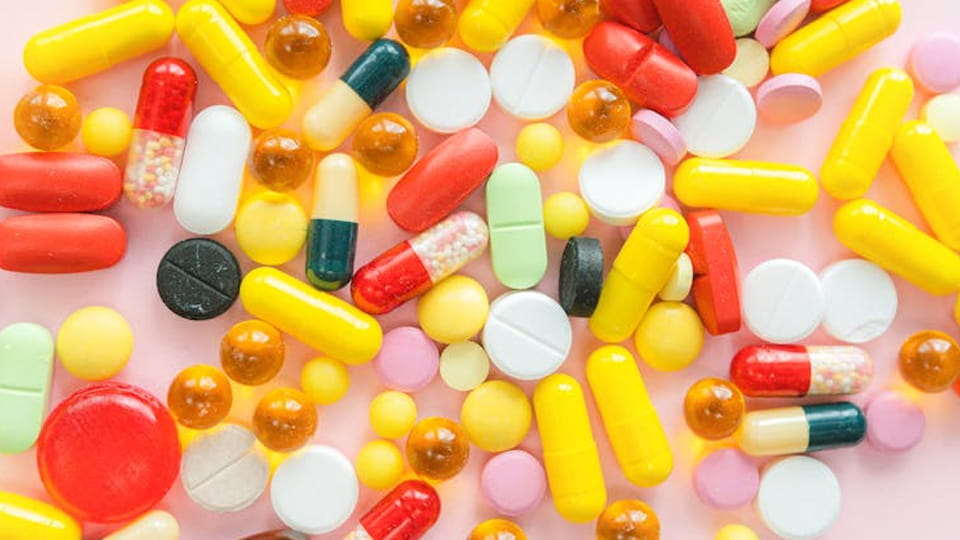
Häufige Fallstricke, die es zu vermeiden gilt
- Compliance ignorieren: Sparen Sie niemals an GMP-Funktionen, um Kosten zu sparen. Nicht konforme Maschinen führen zu Prüfungsfehlern oder Rückrufen.
- Kauf der „günstigsten“ Option: Einem sehr niedrigen Gebot kann es an Präzision oder Unterstützung mangeln. Berücksichtigen Sie den langfristigen ROI, nicht nur der Vorabpreis.
- Zukünftige Bedürfnisse vernachlässigen: Kaufen Sie nicht für nur das heutige Ausgabe; Lassen Sie Raum für Wachstum oder neue Produkte.
- Überspringen von Werksabnahmetests: Testen Sie die Maschine immer im Werk mit Ihren Proben (FETT) vor dem Versand. Ebenfalls, Führen Sie eine Standortabnahme durch (SA) Arbeiten Sie mit Ihrem Team zusammen, um sicherzustellen, dass es den Spezifikationen entspricht.
- Mit Blick auf Versorgungsunternehmen & Integration: Überprüfen Sie die Anforderungen der Einrichtung (Leistung, Luft, Wasser) und stellen Sie sicher, dass die Maschine zu Ihrem Grundriss passt. Stellen Sie außerdem sicher, dass es sich reibungslos in bestehende Förderbänder oder Steuerungssysteme integrieren lässt.
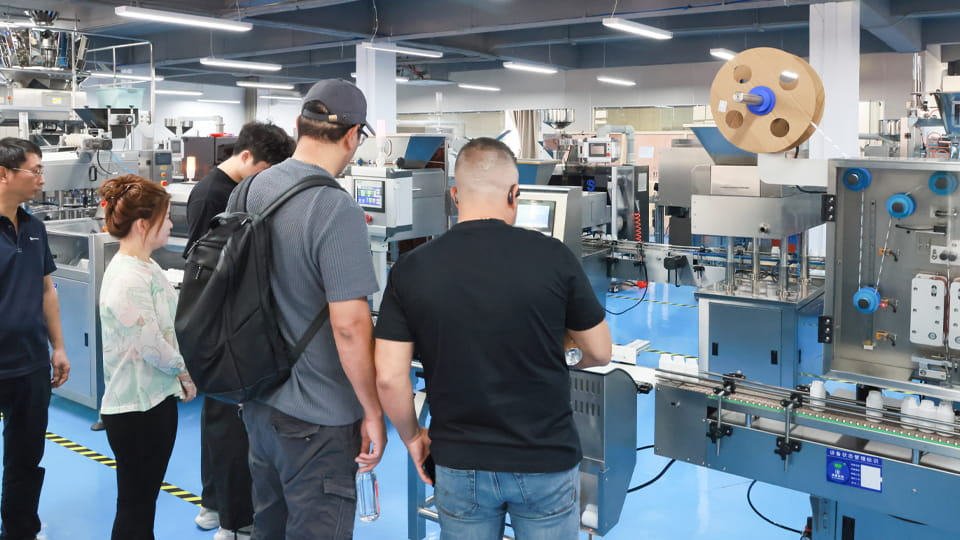
So wählen Sie den richtigen Lieferanten aus
Die Zusammenarbeit mit dem richtigen Gerätehersteller ist ebenso wichtig wie die Auswahl der Maschine selbst. Suchen:
- Branchenkompetenz: Anbieter, die sich darauf spezialisiert haben Pharma-Ausrüstung werden über die FDA/EMA/WHO-Standards und Validierungsprotokolle auf dem neuesten Stand sein. Sie können Sie bei der Gestaltung und Qualitätskontrolle beraten. Wie ein Reiseführer feststellt, „Das von Ihnen gewählte Gerät muss zu Ihrer Darreichungsform passen, Verpackungsformat, regulatorische Anforderungen, und Produktionskapazität“, Erfahrung ist also wichtig.
- Validierungsunterstützung: Stellen Sie sicher, dass der Anbieter eine vollständige Dokumentation bereitstellt: Pläne für Werks-/Standortabnahmetests, IQ/OQ/PQ-Protokolle, Risikobewertungen, und Softwarevalidierungspakete. Im Idealfall helfen sie sogar bei der SAT-Durchführung.
- Kundendienst: Informieren Sie sich über die Garantiebedingungen und darüber, wie das Unternehmen mit Ersatzteilen und Service umgeht. Haben sie ein lokales Büro oder einen Händler?? Ist Remote-Support verfügbar?? Ein Anbieter, der Teile schnell versenden oder Techniker entsenden kann, minimiert Ausfallzeiten.
- Ruf & Referenzen: Fragen Sie nach Referenzen oder Fallstudien ähnlicher Installationen. Auswahl von Firmen mit starker technischer Unterstützung, globale Serviceteams, validierte Pharmaprojekte, und bewährte Maschinenzuverlässigkeit.
- Anpassungsfähigkeit: Ihre Produktion kann besondere Anforderungen haben (spezielle Materialien, Reinraumspezifikationen, usw.). Ein guter Lieferant passt Maschinen individuell an (z.B. spezielle Kammern, Automatisierung hinzugefügt, Sprache der Benutzeroberfläche) Ihren Anforderungen entsprechend. Sie, Zum Beispiel, bietet schlüsselfertige Linien, die auf die Platz- und Prozessanforderungen zugeschnitten sind.
Durch sorgfältige Überprüfung der Lieferanten auf diese Punkte, Sie reduzieren das Projektrisiko. Erinnern: „Der richtige Ausrüstungspartner wird zu einer Erweiterung Ihrer Qualitäts- und Engineering-Teams.“.
Auswahlflussdiagramm
Zur Klarheit, Hier ist eine einfache Flussdiagramm der Auswahlschritte:

Nächste Schritte
Die Wahl der richtigen Maschine ist ein komplexer, aber lohnender Prozess. Wir empfehlen, eine detaillierte zu verfassen Spezifikation der Benutzeranforderungen (URS) für Ihr Team, Auflistung aller unverzichtbaren Funktionen oben. Dann holen Sie Angebote und Datenblätter von seriösen Lieferanten ein. Vor dem Kauf, Anfrage a Werksabnahmetest Und, wenn möglich, ein Test vor Ort mit Ihren tatsächlichen Produkten.
Bei JinLu-Verpackungsmaschinen, Wir sind auf End-to-End-Pharmaverpackungslinien spezialisiert. Unsere Produkte (Kapselfüller, Blisterpacker, Zählmaschinen, Kartonierer, usw.) sind auf GMP-Konformität und Präzision ausgelegt. Wir empfehlen Ihnen, unsere Produktseiten zu erkunden (sehen Interne Links unten) und kontaktieren Sie unsere Ingenieure für maßgeschneiderte Lösungen. Ob Sie eine automatische Kartonierlinie benötigen, eine halbautomatische Blistermaschine, oder eine voll integrierte Flaschenlinie, Wir können Sie durch den Auswahl- und Validierungsprozess begleiten.
FAQs zu pharmazeutischen Verpackungsmaschinen
Was genau ist eine „pharmazeutische Verpackungsmaschine“??
Dabei handelt es sich um automatisierte Geräte, die in der Pharmaindustrie zum Verpacken von Arzneimitteln verwendet werden. Dazu können Maschinen zum Abfüllen von Flüssigkeiten in Fläschchen gehören, Tabletten in Flaschen zählen, Blasenbildende Pillen in Tabletts, Kartonieren von Produkten in Kartons, und so weiter. Im Wesentlichen, alle Maschinen, die zur Eindämmung beitragen, Etikett, Siegel, oder gebündelte Medikamente sind Teil der Pharmaverpackungsausrüstung.
Warum sind GMP-Standards für diese Maschinen so wichtig??
Gute Herstellungspraxis (GMP) Standards (FDA 21CFR, EU-GMP, Leitlinien der WHO) stellen Sie sicher, dass Ihre Produkte eine gleichbleibend hohe Qualität haben. Maschinen, die den Anforderungen entsprechen, verfügen über ein hygienisches Design (Edelstahl 316L, reinigbare Oberflächen), validierte Kontrollen (genau, nachvollziehbare Vorgänge), und ordnungsgemäße Dokumentation. Bei nicht konformen Geräten besteht die Gefahr einer Kontamination oder von Produktionsfehlern, die zu Rückrufen oder behördlichen Vorwürfen führen können.
Wie viel kosten diese Maschinen??
Die Kosten variieren stark je nach Maschinentyp und Komplexität. Ein einfacher halbautomatischer Tisch-Pillenzähler könnte ein paar tausend US-Dollar kosten, wohingegen eine automatische Hochgeschwindigkeits-Blisterlinie oder eine integrierte Flaschenlinie Zehntausende oder sogar Hunderttausende kosten kann. Berücksichtigen Sie immer die Gesamtbetriebskosten (siehe oben). Am besten holen Sie Angebote von mehreren Anbietern ein, nachdem Sie Ihre Anforderungen definiert haben.
Welche Verpackungsmaschine eignet sich am besten für Tabletten??
Das hängt von Ihrem Format ab. Zum Abzählen von Tabletten in Flaschen oder Beutel, Ideal ist eine automatische Zähl-/Füllmaschine. Für Einzeldosisverpackungen, Eine Blistermaschine ist üblich. Zur Großverpackung in einer Flasche, eine automatische Flaschenfüll- und Verschließlinie (mit vorgeschaltetem Tablettenzähler) verwendet wird. Einige Unternehmen nutzen auch Stick-Pack- oder Sachet-Maschinen für die Einzeldosis-Verpackung von Tabletten. Bewerten Sie die Vor- und Nachteile jedes Formats (kosten, Schutz, Benutzerpräferenz) bevor Sie sich für die Maschine entscheiden.
Meine Produkte sind feuchtigkeitsempfindlich. Was sollte ich beachten?
Für feuchtigkeitsempfindliche Tabletten oder Kapseln, Möglicherweise benötigen Sie eine Kaltformung (Allzeit) Blistermaschinen oder spezielle Trockenmittelsysteme. Stellen Sie sicher, dass die Dichtungen der Maschine pharmazeutischer Qualität sind, und erwägen Sie integrierte Trocknungs- oder Stickstoffinertisierungsoptionen. Die Verpackungsmaterialien selbst (Folie vs. PVC-Folie) sind gleichermaßen wichtig.
Kann ich eine Maschine für mehrere Produkte verwenden??
Viele Maschinen sind einigermaßen verstellbar, Der Wechsel zwischen völlig unterschiedlichen Produkten kann jedoch eine Herausforderung sein. Wählen Sie Geräte mit Rezepten/Einstellungen für verschiedene Formate. Werkzeuglos, Schnellwechselwerkzeuge ermöglichen die Handhabung mehrerer Artikel auf derselben Maschine. Jedoch, wenn Sie eine große Produktvielfalt erwarten, Modulare Maschinen oder mehrere dedizierte Linien können effizienter sein.
Referenzen:
1.Richtlinien zur Verpackung pharmazeutischer Produkte(Annektieren 9) - WER.
2.Fragen und Antworten zu aktuellen Anforderungen der Guten Herstellungspraxis | Ausrüstung - UNS. Lebensmittel- und Arzneimittelbehörde.
3.GMP-Verpackung in 2026: Anforderungen, Richtlinien, Kontrollen, und Primär- vs. Sekundärverpackung – pharmuni.com.
4.Globale Verpackungsvorschriften und -standards – GMP-Navigator.