
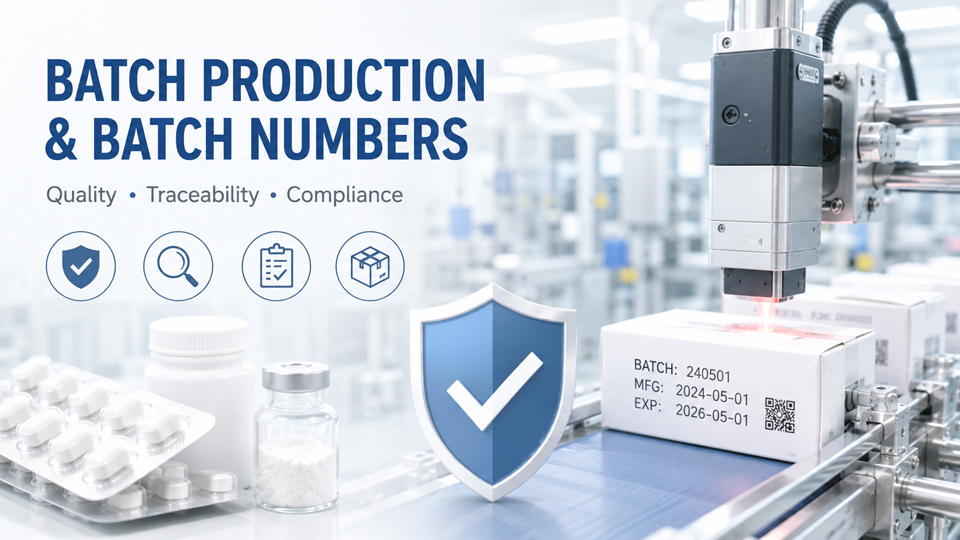
In der pharmazeutischen Herstellung, Serienfertigung bleibt die Standardmethode zur Herstellung von Arzneimitteln. Jeder Charge – einer definierten Menge, die in einem Durchgang produziert wird – wird ein Unikat zugewiesen Chargennummer. Diese Zahl ist entscheidend für Rückverfolgbarkeit, Qualitätskontrolle, Und GMP/FDA-Konformität. Durch die Verknüpfung von Produkten mit ihren Chargenaufzeichnungen, Hersteller können Probleme schnell untersuchen, Defekte isolieren, und bei Bedarf gezielte Rückrufe durchführen. Modern Verpackungsleitungen (Blasenbildung, Abfüllung, Kartonierung, Beschriftung) Integrieren Sie Codierungs- und Inspektionssysteme, die Chargennummern auf jeder Einheit drucken und überprüfen. In diesem Artikel wird erläutert, was Chargenproduktion und Chargennummern sind, warum sie in der Pharmaindustrie wichtig sind, Und wie Verpackungsmaschinen (Kodierdrucker, Etikettierer, Vision-Systeme, usw.) sorgen für eine genaue Chargenverfolgung. Wir behandeln auch Best Practices und FAQs, um Beschaffungs-/Produktionsmanagern und Verpackungsingenieuren zu helfen, zu verstehen, wie sie die Chargennummerierung nutzen können Qualität, Compliance und Effizienz.
In der Pharmaindustrie, A “Charge” bezieht sich typischerweise auf eine bestimmte Produktmenge, die während eines einzelnen Produktionszyklus – basierend auf denselben Produktionsanweisungen – hergestellt wird und einheitliche Qualitätsmerkmale aufweist. Nach Angaben der USA. FDA-Definition, A “Charge” ist eine bestimmte Menge eines Arzneistoff- oder Darreichungsformmaterials, die eine einheitliche Qualität haben soll.
Bei der Massenproduktion handelt es sich um die Herstellung eines Menge einstellen eines Produkts auf einmal, Anschließend wird ein neuer Lauf für die nächste Charge gestartet. Dabei werden die Rohstoffe in jedem Produktionsschritt verarbeitet (mischen, Granulation, Kompression, usw.) für eine Charge, alle Schritte abschließen, Anschließend wird die Ausrüstung gereinigt, bevor die nächste Charge beginnt. Es ist anders als Kontinuierliche Fertigung, wo die Linie niemals stoppt. In der traditionellen Stapelverarbeitung, „Die aktuelle Charge muss abgeschlossen sein, bevor eine nachfolgende Charge verarbeitet werden kann.“.
Chargenläufe kommen in der Pharmaherstellung besonders häufig vor, da viele Rezepturen strenge Kontrollen und gelegentliche Reinigungen zwischen den Chargen erfordern. Jede Charge produziert a feste Anzahl an Einheiten - sagen 100,000 Tabletten bzw 50,000 Kapseln. Indem Sie dies tun, Unternehmen können ihre Produktion an die Nachfrage und Qualitätsanforderungen anpassen. Zum Beispiel, wenn sich die Formel einer Tablette ändert oder anders ist Tablettenpresse ist nötig, Die neue Charge startet unter kontrollierten Bedingungen neu. Dieser schrittweise Ansatz hilft bei der Aufrechterhaltung Konsistenz.
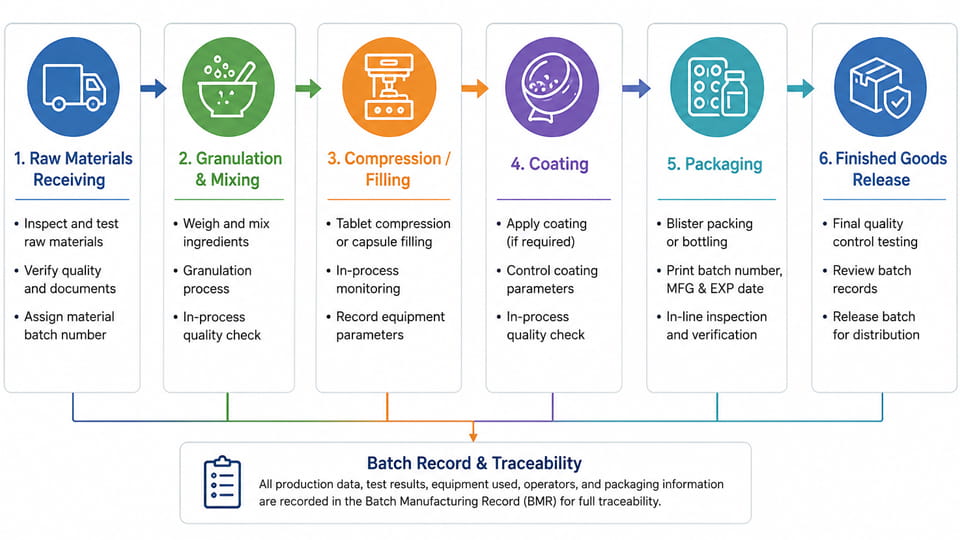
Figur: Vereinfachter Batch-Produktionsablauf in der pharmazeutischen Herstellung.
In der Praxis, nach der Kapselfüllung oder Tablettenverdichtung der Charge, Die Linie bleibt oft stehen, wird gereinigt, und die nächste Charge wird gestartet. Dies ist ein Eckpfeiler von GMP, denn es verhindert Kreuzkontaminationen und ermöglicht die individuelle Kontrolle jeder Charge. Wenn etwas schief geht (Angenommen, ein Labortest schlägt fehl), nur diese Charge ist isoliert. Wie eine Branchenquelle feststellt, „mit Batch-Produktion, Pharmaunternehmen können bestimmte Mengen eines Produkts produzieren und dann ihre Prioritäten entsprechend der sich ändernden Nachfrage anpassen.“.
A Chargennummer (Manchmal wird eine Losnummer angerufen) ist ein eindeutiger Code, der einer Produktcharge zugewiesen wird. Es ist auf jedes Gerät gestempelt oder aufgedruckt (oder sein Paket) aus dieser Charge. In einfachen Worten, Eine Chargennummer verknüpft jede Tablette oder jedes Fläschchen mit dem genauen Produktionslauf. Laut Experten, „Eine Chargennummer ist eine eindeutige Kennung, die einer Gruppe von Produkten zugewiesen wird, die gemeinsam unter den gleichen Bedingungen hergestellt wurden.“. Ein anderer Branchenführer bringt es auf den Punkt: Eine Charge ist die Menge, die in einem einzigen Durchgang produziert wird, und die Chargennummer identifiziert diesen Lauf.
Wie sieht eine Chargennummer aus?? Es gibt kein einheitliches globales Format – Unternehmen erstellen ihre eigene Codierung. Oftmals enthält eine Chargennummer eine Kombination aus Datum, Linien- oder Anlagencode, und eine Sequenz. Zum Beispiel: B12345678-AB, Dabei könnte „B“ ein Produktcode oder eine Kategorie sein, Die Nummern sind eine fortlaufende Chargen-ID, und „AB“ könnte die Anlage oder Linie angeben. Ebenfalls, eine Zahl wie TAB240501-001 könnte als „TAB“ zerfallen (Produktcode für Tablet), „240501“ (Mai 1, 2024), und „001“ (Charge 1 des Tages). Ein weiteres Beispiel: CAP250318A03 könnte Kapseln bedeuten (KAPPE), Datum 25.03.18, Linie A, Charge 03. Der Schlüssel ist Konsistenz: Jeder Teil des Codes hat eine Bedeutung.
Unabhängig vom Format, Die Chargennummer wird in allen Produktionsaufzeichnungen erfasst. Es ist „durchgängig und systematisch dokumentiert – von der Produktion bis zur Lagerung“. Normalerweise wird es gedruckt auf beiden Primärverpackungen (wie eine Pillendose) und auf Sekundärverpackungen (wie ein Karton oder eine Kiste). Zusamenfassend, Die Chargennummer ist die Verbindung zwischen dem Produkt im Regal und seiner Herstellungsgeschichte.
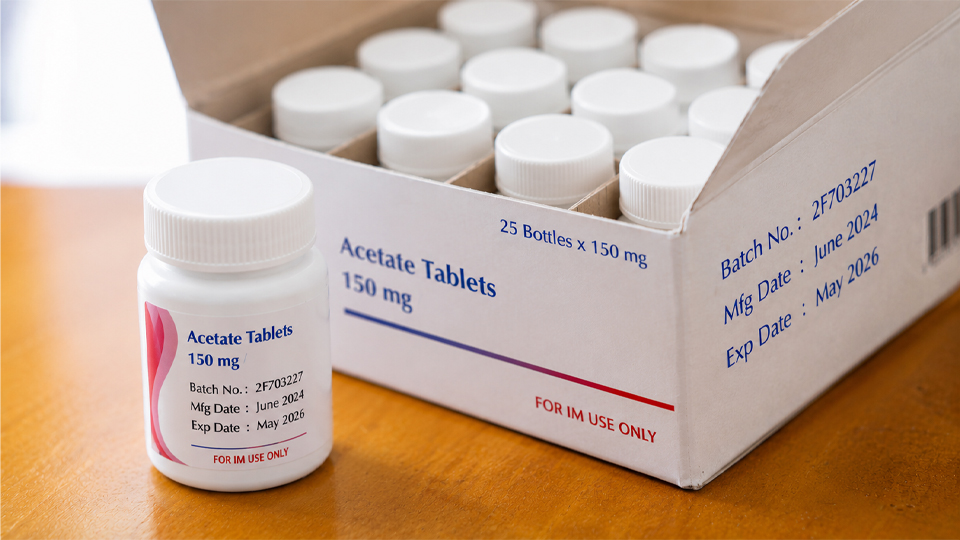
Eine Chargennummer scheint möglicherweise nur ein zusätzliches Etikett zu sein, aber es ist tatsächlich ein GMP-Anforderung und ein entscheidendes Qualitätswerkzeug. Aufsichtsbehörden auf der ganzen Welt schreiben die Chargennummerierung für pharmazeutische Produkte vor. Zum Beispiel, die CGMP-Regeln der US-amerikanischen FDA (21 CFR 211.130) Es ist ausdrücklich vorgeschrieben, dass auf den Etiketten von Arzneimitteln eine Chargen- oder Kontrollnummer angegeben sein muss „ermöglicht die Bestimmung des Herstellungsverlaufs und die Kontrolle der Charge“. Mit anderen Worten, Jedes in den USA verkaufte Medikament muss eine Charge haben (viel) Nummer darauf, damit die gesamte Geschichte nachvollzogen werden kann. Ähnlich, Die GMP-Richtlinien der EU und PIC/S machen deutlich, dass jede Charge eindeutig identifiziert und aufgezeichnet werden muss, um Produktqualität und Patientensicherheit zu gewährleisten.
Warum ist es so wichtig?? Wir können die Gründe nach Rückverfolgbarkeit gruppieren, Einhaltung, Qualität, erinnert sich, und Untersuchungen:
Chargennummern sind Rückverfolgbarkeitsanker. Sie stellen eine direkte Verbindung zwischen dem fertigen Produkt und allem her, was zu seiner Herstellung beigetragen hat. Mit Chargennummer, Du kannst antworten „Welche Rohstoffe, Betreiber, Maschinen, und Testergebnisse gingen in diese Charge ein?”. Zum Beispiel, wenn eine Medikamentencharge gekennzeichnet ist BN12345, Qualitätsteams wissen genau, welche Chargennummern der Zutaten verwendet wurden (sagen, API viele und Hilfsstoff viele), welche Tablettenpresse verwendet wurde, welche Bediener im Dienst waren, und sogar die Ergebnisse von In-Prozess-Kontrollen und abschließenden QC-Tests. “BAtch-Nummern dienen einem grundlegenden Zweck: Rückverfolgbarkeit”. Damit können Sie Probleme lokalisieren und jeden Schritt von Anfang bis Ende überprüfen. Zusamenfassend, Jede Chargennummer ist wie eine detaillierte Brotkrumenspur im Herstellungsprozess.
Pharmazeutische GMP (Gute Herstellungspraxis) Vorschriften erfordern diese Rückverfolgbarkeit. Behörden erwarten, dass die Historie jeder Charge aufgezeichnet wird. Zum Beispiel, in EU GMP Q&A, Die Inspektoren weisen darauf hin, dass Massen- und Fertigproduktchargen rückverfolgbar verknüpft werden sollten (häufig unter Verwendung verwandter Chargencodes). Sie warnen davor, dass unabhängige Chargennummern bei Bulk vs. letzte Packungen ist "unerwünscht" weil es die Rückrufbemühungen verwirren kann. Auf einem höheren Niveau, Die PIC/S-Richtlinien besagen, dass Unternehmen diese einhalten müssen Verteilungsaufzeichnungen für jede Charge sodass jede Charge bei Bedarf schnell zurückgerufen werden kann. Ebenfalls, ICH Q7A (für APIs) sagt: „Es sollte ein System vorhanden sein, mit dem die Verteilung jeder Charge … leicht bestimmt werden kann, um einen Rückruf zu ermöglichen.“. Mit anderen Worten, Die Aufsichtsbehörden erwarten, dass die Chargennummern in das gesamte GMP-Aufzeichnungssystem eingebunden sind: Aufzeichnungen zur Chargenfertigung, Verpackungsaufzeichnungen, Verteilungsprotokolle, usw. Ohne Chargennummern, Es wäre unmöglich, diese Anforderungen zu erfüllen.
Durch die Angabe einer Chargennummer wird die Qualitätskontrolle systematischer. Jede Charge wird auf ihre eigenen Vorzüge geprüft: Test, Auflösung, Reinheit, Sterilität und so weiter. Wenn ein Test fehlschlägt, Das Labor kann die Charge schnell anhand ihrer Nummer identifizieren und alle Einheiten mit diesem Code entfernen. Wie ein Reiseführer betont, „Wenn ein Qualitätsproblem festgestellt wird, Die betroffene Charge kann schnell isoliert und analysiert werden, um die Grundursache zu identifizieren und zu beheben.“. In der Praxis, Dies bedeutet, dass inkonsistente oder minderwertige Ergebnisse nur eine Charge betreffen, nicht die gesamte Produktion. Die Chargennummer verknüpft das fehlgeschlagene Testergebnis mit dem tatsächlichen Chargenmaterial. Dieser Ansatz garantiert, dass Korrekturmaßnahmen ergriffen werden (wie Wiederaufbereitung oder Ablehnung) nur dort anwenden, wo es nötig ist, und nicht versehentlich zu anderen guten Chargen.
Chargennummern sind in einer Rückrufsituation unverzichtbar. Wenn ein Sicherheitsbedenken besteht – sagen wir, B. eine bei Labortests festgestellte Verunreinigung oder von Patienten gemeldete unerwünschte Ereignisse – das Unternehmen muss genau identifizieren, welche Produkte betroffen sind. Weil jede versendete Schachtel oder Flasche diesen eindeutigen Chargencode hat, Der Rückruf kann nur auf diese Einheiten abzielen. Gemäß den PIC/S-Richtlinien müssen Vertriebsaufzeichnungen für jede Charge geführt werden „um den Rückruf zu erleichtern“. Und Branchenexperten stimmen dem zu: „Die Rückverfolgbarkeit von Chargen ist für die Wirksamkeit von Produktrückrufen von entscheidender Bedeutung.“. GMP Trends warnt vor eindeutigen Chargennummern, Eine Erinnerung wird zum Albtraum. Wenn zwei verschiedene Produkte eine Chargennummer teilen, Möglicherweise müssen Sie mehr vom Markt abholen als nötig, Es besteht die Gefahr, dass Patienten geschädigt werden oder rechtliche Konsequenzen entstehen. Mit der richtigen Chargencodierung, nur die problematische Charge wird zurückgezogen, Zeitersparnis, Kosten und Sorgen. „Anstatt alle Produkte zurückzurufen, Es müssen nur die betroffenen Chargen zurückgezogen werden.“ in einem gezielten Rückruf.
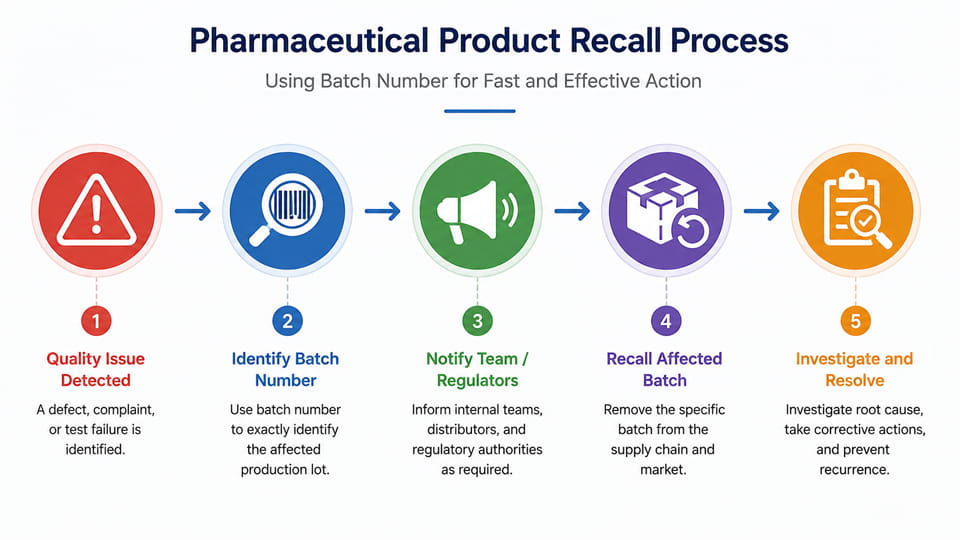
Figur: Vereinfachter Produktrückrufprozess anhand von Chargennummern.
Immer wenn etwas schief geht – sei es eine Kundenbeschwerde, eine Abweichung, oder ein fehlgeschlagener Test – Chargennummern machen Untersuchungen einfach. Qualitätsteams können alle Aspekte dieser Charge zurückverfolgen. Sie wissen es genau WHO habe es gehandhabt, Wann Und Wo es wurde gemacht, Und welche Materialien wurden verwendet. „Wer hat ein Produkt hergestellt?, als es hergestellt wurde, wo es hergestellt wurde, welche Maschinen und Rohstoffe verwendet wurden“. Diese Informationen bedeuten, dass Sie nicht raten müssen. Zum Beispiel, wenn a Tablettenhärte Test schlägt fehl, Die Qualitätssicherung kann prüfen, ob diese bestimmte Charge eine andere Granulationsfeuchte oder eine andere Pressgeschwindigkeit hatte. Mit anderen Worten, Chargennummern beseitigen blinde Flecken und beschleunigen die Ursachenanalyse.
Zusammenfassend, Chargennummern werden von den Aufsichtsbehörden verlangt (FDA, EMA/PIC/S, WER) weil sie dafür sorgen vollständige Rückverfolgbarkeit und Kontrolle jeder hergestellten Charge. Sie unterstützen direkt die GMP-Compliance, Qualitätssicherung, und sicher, effiziente Rückrufe. Tatsächlich, in regulierten Branchen wie der Pharmaindustrie, Die Chargennummerierung ist nicht optional – Es ist eine gesetzliche Anforderung. Wenn ein Hersteller einen Fehler nicht auf seine Charge zurückführen kann, Aufsichtsbehörden können Strafen verhängen und Rückrufe könnten katastrophale Ausmaße annehmen.
In vielen Branchen, die Bedingungen Chargennummer Und Losnummer werden oft synonym verwendet. In Pharmazeutika, „Chargennummer“ ist häufiger (an GMP und das Chargenprotokoll gebunden), aber das Konzept ist ähnlich. Der Hauptunterschied liegt im Umfang:
| Chargennummer | Losnummer | |
| Definition | Identifiziert a Einzelproduktion eines Produkts unter einer Reihe von Bedingungen. | Bezieht sich oft auf eine größere Gruppe, die mehrere Chargen umfassen kann, die dasselbe Rezept oder denselben Zeitrahmen verwenden. |
| Industriegebrauch | Standard in der Pharmaindustrie (und Biologika) für die Chargenproduktion und Freigabetests. | Kommt häufig in Lebensmitteln vor, Kosmetika, usw.; wird manchmal in der Pharmaindustrie verwendet, kann aber mehrere Chargen abdecken. |
| Rückverfolgbarkeit | An die detaillierte Historie einer Charge gebunden (Materialien, Ausrüstung, Aufzeichnungen). | Bindet mehrere Chargen zusammen, normalerweise zur Gruppierung bei Stichproben oder Qualitätssicherung, statt einer detaillierten Nachverfolgung. |
| Beispiel | Charge #001 für einen Lauf im Januar 1, 2024 einer Antibiotika-Tablette (ein Lauf). | Viel 202401 könnte Batch enthalten #001 Und #002 der gleichen Antibiotika-Tabletten, die im Januar hergestellt wurden 2024. |
A Chargennummer bezieht sich normalerweise auf einen bestimmten Fertigungslauf, wohingegen a Losnummer kann mehrere Läufe umfassen, die unter ähnlichen Bedingungen durchgeführt wurden. In der Praxis, einige Unternehmen verwenden sie synonym. Aber im strengen Sinne der GMP, jede Charge hat einen eigenen Datensatz und eine eigene Nummer. Viele regulatorische Dokumente (wie FDA und PIC/S) eigentlich beziehen Los- oder Chargennummer zusammen, Aus Gründen der Rückverfolgbarkeit wird darauf hingewiesen, dass sie funktionell gleich sind.
Eine Chargennummer kann wie eine einfache Kombination aus Buchstaben und Zahlen aussehen, Doch dahinter verbirgt sich ein sorgfältig konzipiertes Identifikationssystem. Jedes Pharmaunternehmen legt seine eigenen Nummerierungsregeln durch interne Standardarbeitsanweisungen fest (Sops), Dadurch wird sichergestellt, dass nie zwei Produktionschargen die gleiche Kennung erhalten.
Eine typische Chargennummer vereint in der Regel mehrere Herstellungsinformationen. Zum Beispiel:
TAB-240501-001
Anstatt zufällige Charaktere zu sein, Jeder Abschnitt hat eine spezifische Bedeutung. “TAB” kann ein Tablet-Produkt darstellen, “240501” gibt das Herstellungsdatum an, während “001” identifiziert die erste Produktionscharge, die an diesem Tag fertiggestellt wurde.
Einige Hersteller fügen auch zusätzliche Identifikatoren wie Produktionslinien hinzu, Werkstätten, oder Verschiebungen. Ein Kapselhersteller, zum Beispiel, könnte eine Chargennummer generieren wie CAP-250318-B02, Wo “B” bezieht sich auf Produktionslinie B und “02” stellt die zweite Charge dar, die in dieser Schicht produziert wurde.
Das genaue Format variiert von Unternehmen zu Unternehmen, Aber jedes effektive Chargennummerierungssystem folgt drei Grundprinzipien:
Diese Prinzipien ermöglichen es Herstellern, innerhalb von Minuten die vollständige Produktionshistorie jedes Produkts abzurufen, Das ist genau das, was Aufsichtsinspektoren bei GMP-Audits erwarten.
Für jede Charge ist der gesamte Herstellungsprozess in einem Dokument zu dokumentieren Aufzeichnung der Chargenproduktion (BPR), auch als a bezeichnet Aufzeichnung der Chargenfertigung (BMR). Diese Aufzeichnungen dienen als Produktionstagebuch für jede Charge, der Nachweis, dass das Produkt nach der genehmigten Formel hergestellt wurde, Herstellungsanweisungen, und GMP-Anforderungen. Gemäß den FDA-Vorschriften, Für jede Arzneimittelcharge muss ein Chargenproduktions- und Kontrollprotokoll erstellt werden, das vollständige Produktions- und Kontrollinformationen enthält.
Ein typischer BPR umfasst::
Der Chargennummer erscheint im gesamten BPR und dient als Schlüsselidentifikator, der alle Fertigungsaufzeichnungen miteinander verknüpft. Sobald die Produktion abgeschlossen ist, Die BPR muss von der Qualitätssicherung überprüft und genehmigt werden (Qualitätssicherung) Abteilung, bevor die Charge freigegeben werden kann. Bei GMP-Inspektionen, Die Aufsichtsbehörden prüfen sorgfältig, ob die in der BPR erfassten Informationen mit der auf dem Endprodukt aufgedruckten Chargennummer übereinstimmen. Ein umfassendes Chargenaufzeichnungssystem ermöglicht es Herstellern, Produktionsaufzeichnungen schnell abzurufen, Laborergebnisse, und Verteilungsinformationen bei einer Qualitätsuntersuchung, Kundenbeschwerde, oder Produktrückruf auftritt, Damit ist es einer der Grundpfeiler des modernen pharmazeutischen Qualitätsmanagements.
Moderne pharmazeutische Verpackungslinien sind üblicherweise mit automatischen Codierungs- und Inspektionssystemen ausgestattet, die dies ermöglichen Drucken und überprüfen Sie Chargennummern automatisch während des gesamten Verpackungsprozesses. Abhängig vom Verpackungsformat, Verschiedene Gerätetypen wenden Chargeninformationen auf unterschiedliche Weise an:
Die schlüsselfertigen pharmazeutischen Verpackungslösungen von Jinlu Packaging integrieren die Codierung, Inspektion, und Automatisierung in einer einzigen Produktionslinie. Zum Beispiel, Eine Blisterverpackungslinie kann automatisch ein Unikat drucken Chargennummer und QR-Code auf jeder Blisterverpackung, während ein Inline-Vision-Inspektionssystem sofort die Druckqualität und -genauigkeit überprüft. Diese automatisierte Überprüfung reduziert menschliche Fehler erheblich und verbessert gleichzeitig die Produktrückverfolgbarkeit und Datenintegrität.
Zusammenfassend, eine breite Palette an pharmazeutischen Verpackungsgeräten – einschließlich Tablettenpressen, Kapselfüllmaschinen, Blisterverpackungsmaschinen, Flaschenverpackungslinien, Etikettiermaschinen, Und Kartoniermaschinen– kann in Tintenstrahl- oder Lasercodierungssysteme integriert werden, um Chargennummern und andere Rückverfolgbarkeitsinformationen auf Primär- oder Sekundärverpackungen zu drucken. Durch die Automatisierung der Chargennummernverwaltung, Pharmahersteller können die Produktionseffizienz verbessern, Stärkung der Produktrückverfolgbarkeit, und stellen die Einhaltung globaler GMP-Anforderungen sicher.
Zusammenfassend, Chargenproduktion und Chargennummerierung sind das Rückgrat von Safe, konforme pharmazeutische Herstellung. Sie ermöglichen es Unternehmen, Medikamente mit Zuversicht herzustellen – in der Gewissheit, dass sie jedes Problem jederzeit zurückverfolgen und isolieren können. Die Serienfertigung gewährleistet eine einheitliche Qualität und eine diskrete Kontrolle, während die Chargennummern den Tracking-Anker liefern. Zusammen, Sie erfüllen die GMP-Regeln und schützen die Patientensicherheit. Die Alternative – Produktion ohne eindeutige Chargen oder Stückzahlen – ist in einem regulierten Umfeld nahezu undenkbar.
Für Arzneimittel, Investitionen in leistungsfähige Verpackungsmaschinen bedeuten auch Investitionen in die Rückverfolgbarkeit. Die Programmierer von Jinlu Packing, Etikettiermaschinen, Kartonierer und Inspektionssysteme sind unter Berücksichtigung von GMP gebaut und stellen sicher, dass jede Einheit über die korrekten Chargeninformationen verfügt. Um sicherzustellen, dass Ihre nächste Charge sicher ist, konform und vollständig dokumentiert, halten schlüsselfertige Lösungen die Chargencodierung und automatische Rückverfolgbarkeit integrieren.
Bereit, Ihre Rückverfolgbarkeit zu verbessern? Entdecken Sie das gesamte Sortiment von Jinlu Packing Pharmazeutische Verpackungsmaschinen – von Chargencodierern und Etikettierern bis hin zu Kartonierern und Sichtprüfung – konzipiert für den Druck, verifizieren, und erfassen Sie Ihre Chargennummern fehlerfrei. Kontaktieren Sie Jinlu um zu besprechen, wie man eine Verpackungslinie aufbaut, die jede Charge auf Kurs hält.
Eine Chargennummer (oder Losnummer) ist ein eindeutiger Code, der einem Produktionslauf eines Arzneimittels zugewiesen wird. Es identifiziert alle Einheiten, die gemeinsam unter den gleichen Bedingungen hergestellt wurden. Der Code verknüpft das Produkt mit seinen Herstellungsunterlagen (Zutaten, Verfahren, Tests). Im Wesentlichen, Es handelt sich um eine Identifikationsmarke für eine Medikamentencharge.
Chargennummern ermöglichen eine Rückverfolgbarkeit. Wenn Qualitätsprobleme oder Sicherheitsbedenken auftreten, Unternehmen und Aufsichtsbehörden können diese Charge über jeden Schritt hinweg schnell zurückverfolgen – Rohstoffe, Ausrüstung, Betreiber, Testergebnisse, Verteilung, usw. Dies ist nach GMP-Regeln erforderlich und ermöglicht es, nur die betroffene Charge und nicht alles zurückzurufen.
In Pharmazeutika, Sie werden oft synonym verwendet, aber manchmal mit Nuancen. Eine Chargennummer bezieht sich normalerweise auf einen bestimmten Produktionslauf. Eine Chargennummer kann sich manchmal auf eine Gruppe von Chargen beziehen, die unter ähnlichen Bedingungen hergestellt wurden. Viele Hersteller behandeln sie als Synonyme, Aber der Schlüssel liegt in der Konsistenz Ihrer Dokumentation.
Bei der Massenproduktion handelt es sich um die Herstellung einer begrenzten Produktmenge in einem Durchgang. Jede Charge durchläuft den gesamten Herstellungsprozess, Dann ist es abgeschlossen, bevor mit dem nächsten begonnen wird. Es ist die traditionelle Art und Weise, Tablets zu verwenden, Kapseln, usw. werden – im Gegensatz zu einem kontinuierlichen Fließverfahren – Schritt für Schritt hergestellt.
Unternehmen erstellen Chargennummern in einem festgelegten Format. Zu den gemeinsamen Elementen gehört ein Datum (Z.B., JJMMTT), ein Produkt- oder Anlagencode, Schicht- oder Zeilenkennung, und eine fortlaufende Nummer. Zum Beispiel, „TAB240501-001“ könnte Tablets von bedeuten 2024-05-01, Charge 001. Einige fügen Buchstaben hinzu, um weitere Informationen zu erhalten. Das genaue Format variiert, aber es ist im Qualitätssystem definiert und wird konsequent angewendet.
Abhängig vom Schema Ihres Unternehmens, Eine Chargennummer kann Dinge wie das Produktionsdatum verschlüsseln, Produktcode, Ausstattungslinie, Verschiebung und Reihenfolge. Ziel ist es, die Charge eindeutig identifizierbar zu machen. Zum Beispiel, Yaveon erklärt das in einem Code wie B12345678-AB, „B“ könnte auf den Produkttyp hinweisen, „12345678“ die spezifische Charge, und „AB“ die Site oder Linie.
Rückverfolgbarkeit bedeutet, dass Sie den Weg eines Produkts durch die Herstellung verfolgen können. Dies ist für die Patientensicherheit und die Einhaltung gesetzlicher Vorschriften von entscheidender Bedeutung. Wenn ein Problem mit der Arzneimittelsicherheit auftritt, Sie müssen wissen, welche Chargen betroffen sein könnten. Mit der Rückverfolgbarkeit können Sie antworten, „In welchen Chargen wurde dieser Rohstoff verwendet??“ und „Welche Einheiten gingen in welche Märkte?“?„Ohne es, Unternehmen konnten keine genauen Rückrufe oder Untersuchungen durchführen. Aus genau diesem Grund schreiben die Regulierungsbehörden die Rückverfolgbarkeit in GMPs vor.
Wenn bei einem Arzneimittel ein Defekt oder eine Verunreinigung festgestellt wird, Das Unternehmen verwendet Chargenprotokolle, um herauszufinden, welche Produkteinheiten betroffen sind. Sie benachrichtigen die Aufsichtsbehörden, weisen Sie dann Großhändler und Apotheken an, die betroffenen Chargennummern zurückzugeben oder unter Quarantäne zu stellen. Aufgrund der Chargennummern, Es wird nur die fehlerhafte Charge gezogen. Aus diesem Grund führen wir Vertriebsaufzeichnungen „für jede Charge … um den Rückruf zu erleichtern“.. Nach dem Entfernen des Produkts, Die Qualitätssicherung untersucht die Grundursache, um ein erneutes Auftreten zu verhindern.
Ein BMR (auch Batch Production Record genannt) ist das detaillierte Protokoll aller bei der Herstellung einer Charge durchgeführten Schritte. Es enthält den Produktnamen, Chargennummer, Formeln, verwendete Ausrüstung, Namen der Betreiber, Zeitstempel, und alle Testergebnisse. GMP erfordert, dass im BMR „der Name und die Chargennummer des Produkts“ aufgeführt werden.. Der BMR ist im Wesentlichen die „Geburtsurkunde“ einer Charge.
Die Batch-Produktion bietet Flexibilität für Mehrproduktanlagen und eine einfachere Dokumentation für jeden Lauf. Es ist einfacher, Prozesse Schritt für Schritt zu validieren und zu qualifizieren. Wenn ein Problem zu spät in einem Stapel festgestellt wird, Die gesamte Charge kann verschrottet werden, ohne dass dies Auswirkungen auf andere Produkte hat. Die kontinuierliche Fertigung bietet Effizienzvorteile, erfordert jedoch häufig hohe Investitionen und strenge Kontrollen. Viele Pharmaunternehmen verlassen sich immer noch auf den Batch-Modus, insbesondere für kleinere oder spezialisierte Medikamente.
Referenzen:
1.Serienfertigung\Losnummer—— Wikipedia
2.Fragen und Antworten zu aktuellen Anforderungen an die gute Herstellungspraxis – Aufzeichnungen und Berichte -- UNS. Lebensmittel- und Arzneimittelbehörde
3.21 CFR § 211.188 – Chargenproduktions- und Kontrollaufzeichnungen. —— Institut für Rechtsinformation
4.Q7A Leitfaden zur guten Herstellungspraxis für pharmazeutische Wirkstoffe -- UNS. Lebensmittel- und Arzneimittelbehörde