Der Kauf neuer Pharmageräte ist nur die halbe Miete – die eigentliche Frage ist: Kann es den IQ bestehen?, OQ, und PQ?
In Pharmazeutische Herstellung, Eine Maschine, die nicht ordnungsgemäß qualifiziert werden kann, stellt ein Risiko dar, kein Vermögenswert. Aufsichtsbehörden erwarten klare Beweise dafür, dass die Ausrüstung korrekt installiert ist, agiert in Grenzen, und unter realen Produktionsbedingungen eine konstante Leistung erbringt . Ohne das, Selbst die fortschrittlichste Verpackungslinie kann nicht in der GMP-Produktion eingesetzt werden.
Deshalb ist es wichtig, den IQ zu verstehen, OQ, Und PQ ist nicht nur ein technisches Detail – es wirkt sich direkt auf Ihre Compliance aus, Projektzeitplan, und ob Ihre Investition tatsächlich einen Wert liefert.
IQ, OQ und PQ stehen für Installationsqualifikation, Betriebsqualifikation, Und Leistungsqualifizierung. Hierbei handelt es sich um aufeinanderfolgende Schritte zur Qualifizierung von Geräten vor dem Einsatz in der GMP-Pharmaproduktion. Zusamenfassend: IQ prüft, ob die Maschine korrekt installiert ist; OQ testet, ob es unter allen erforderlichen Einstellungen ordnungsgemäß funktioniert; PQ stellt sicher, dass es während der realen Produktion eine konstante Leistung erbringt. Laut FDA, „Qualifikation“ bedeutet den Nachweis, dass die Ausrüstung für den vorgesehenen Verwendungszweck geeignet ist. IQ/OQ/PQ sind die dokumentierten Aktivitäten zum Nachweis der Eignung und Funktion jeder Stufe. Zusammen, sie sind Teil des Ganzen Validierung Prozess für ein Fertigungssystem, Gewährleistung der Produktqualität und -konformität.
Gerätequalifikation vs. Prozessvalidierung: IQ/OQ/PQ konzentrieren sich auf die Maschine (die „Gerätequalifikation“), während die Prozessvalidierung den gesamten Herstellungsprozess abdeckt. In der Praxis, Die Gerätequalifizierung ist oft der erste Schritt in einem Validierungs-Masterplan. Durch Abschluss von IQ/OQ/PQ auf einem Kapselfüller, Blistermaschine, Flaschenlinie, usw., Ein Hersteller erhält einen dokumentierten Nachweis, dass das Gerät entspricht den Spezifikationen und ist produktionsbereit.
| Bühne (IR/WH/PQ) | Zweck | Schlüsselaktivitäten / Tests | Typische erstellte Dokumente |
| IQ | Überprüfen Sie die korrekte Installation der Ausrüstung | Standort prüfen, Dienstprogramme (Leistung, Luft, Wasser), Installation gemäß Handbuch; Seriennummern und Zubehör erfassen | IQ-Protokoll/Checkliste und Bericht |
| OQ | Überprüfen Sie die Betriebsfunktionen innerhalb der Grenzwerte | Führen Sie Tests in allen Betriebsbereichen durch (Mindest-/Höchstgeschwindigkeiten, Temperaturen, Drücke); Testalarme und Verriegelungen, Kontrollen überprüfen | OQ-Protokoll und Bericht |
| PQ | Beweisen Sie eine konstante Leistung in der Produktion | Führen Sie mehrere Produktionschargen mit dem tatsächlichen Produkt durch (oder so tun) unter Worst-Case-Bedingungen; Überprüfen Sie die Ausgänge (Ertrag, Genauigkeit) | PQ-Protokoll und Bericht |
Tisch 1: Vergleich des IQ, OQ, PQ-Stufen (angepasst an Industriestandards).
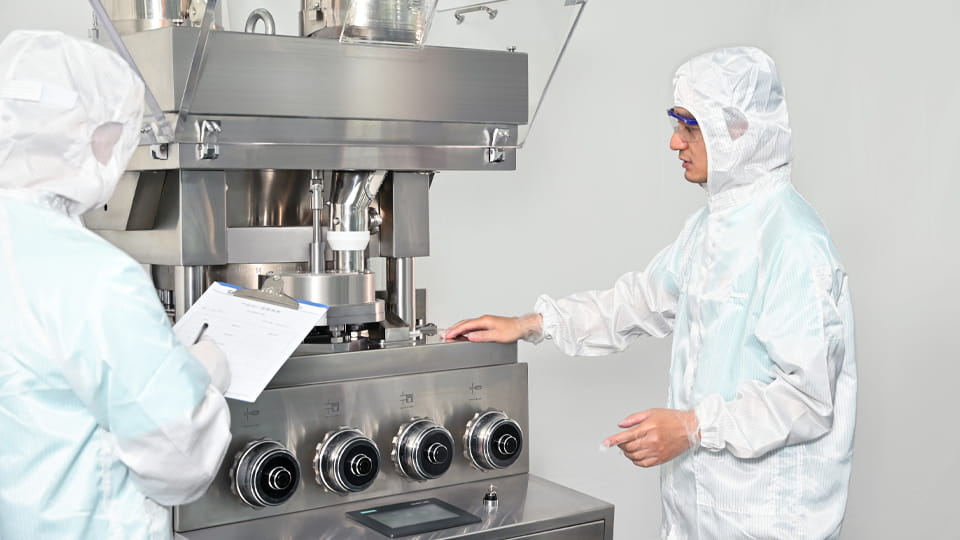
Pharmazeutische Ausrüstung müssen strenge GMP-Vorschriften einhalten. In den USA, FDAs 21 CFR Teil 211 (Pharma) Und 21 CFR 820 (Medizinprodukte) erfordern ausdrücklich die Validierung von Fertigungssystemen. IQ/OQ/PQ bilden das Rückgrat dieser Compliance. Zum Beispiel, Die FDA gibt an, dass Qualifizierungsaktivitäten „der Herstellung von Produkten im kommerziellen Maßstab zwangsläufig vorausgehen“. In der EU, GMP-Anhang 15 In ähnlicher Weise wird die Qualifizierung der Ausrüstung während ihres gesamten Lebenszyklus vorgeschrieben. Ziel ist es, sicherzustellen, dass die Ausrüstung zuverlässig sichere Produkte produziert.
Ohne richtigen IQ/OQ/PQ, Unternehmen sind mit erheblichen Risiken konfrontiert: Produktmängel, Chargenrückrufe, regulatorische Zitate, und Sicherheitsrisiken. Eine ordnungsgemäße Qualifizierung schafft Vertrauen in die Maschine Genau genommen tut, was es tun soll – zum Beispiel, dass ein Blisterpacker bei der richtigen Temperatur versiegelt oder ein Flüssigfüller das richtige Volumen abgibt. In der Praxis, Ein vollständiges Validierungsprogramm hilft, Überraschungen zu vermeiden: „Wenn es richtig gemacht wird, Die drei Phasen der Qualifizierung sind sorgfältig und zeitaufwändig. Jedoch, Sie sind entscheidend für die Gewährleistung wiederholbarer Prozesse und stabiler Produktqualität.“. Zusamenfassend, IQ/OQ/PQ sind in GMP-Einstellungen obligatorisch. Für jeden Verpackungslinie (Blase, Flasche, Karton, usw.), IQ/OQ/PQ sind erforderlich, um sowohl die FDA- als auch die EU-Anforderungen zu erfüllen. Die Maschinen von Jinlu werden mit vollständigen IQ/OQ/PQ-Dokumentationsvorlagen geliefert, Weil, wie unsere Experten sagen, „Die Maschine muss validierungsbereit sein“.
Im IQ-Phase, Wir überprüfen, ob die Ausrüstung korrekt geliefert und eingerichtet wurde. Dies bedeutet, dass vor jedem Produktionstest die Maschine und ihre Umgebung überprüft werden müssen. Zu den wichtigsten IQ-Checks gehören::
Das Ergebnis von IQ ist ein schriftlicher IQ-Bericht/Protokoll, der jede Prüfung dokumentiert und bestätigt, dass die Installation wie erwartet erfolgt. Wenn etwas außerhalb der Spezifikation liegt, Es muss korrigiert werden, bevor Sie fortfahren. Ein erfolgreicher IQ bedeutet „das Gerät ist wie vorgesehen installiert“ – eine Voraussetzung für jeden Test. (In der Praxis, Einige Tests beginnen möglicherweise im IQ als „testbereite“ Elemente, aber Akzeptanzkriterien gibt es in OQ/PQ.)
OQ testet die Funktionen des Geräts unter kontrollierten Bedingungen. Jetzt ist die Maschine ordnungsgemäß installiert, wir verifizieren alle Betriebsparameter und Steuerungssysteme. OQ umfasst typischerweise:
Der Weißer Bericht zeigt die Ergebnisse jedes Tests an und vergleicht sie mit Akzeptanzkriterien (die aus Designspezifikationen oder URS stammen). Erst wenn die OQ bestanden ist, fahren wir fort. (Manchmal können sich OQ und IQ in einem kombinierten Bericht namens IOQ überschneiden, aber die Logik bleibt sequentiell.)
Ein Hauptziel von OQ ist: „Unter allen angegebenen Bedingungen, Tut die Maschine, was sie tun soll??” Wenn etwas schief geht (z.B. Ein Sensor ist falsch ausgerichtet), Es wurde korrigiert und erneut getestet.
PQ ist die letzte Stufe, Hier beweisen wir, dass die Ausrüstung während der tatsächlichen Produktion ordnungsgemäß funktioniert. Während OQ möglicherweise leer ausgeführt wurde, PQ verwendet reale oder simulierte Produkte. Die Schritte umfassen:
Am Ende von PQ, Wir haben den Beweis dafür dokumentiert „Die qualifizierte Ausrüstung produziert unter realen Bedingungen stets konforme Produkte.“ Mit anderen Worten, Die Maschine ist bereit für die GMP-Produktion.
Zum Beispiel, wenn PQ auf einer Kapselfüllmaschine erfolgreich ist, Wir wissen, dass seine Dosierungsgenauigkeit, Einsetzen der Kapsel, und Rotorgeschwindigkeit funktionieren schichtübergreifend ohne Drift. Dies vervollständigt das Validierungsdreieck und gibt der Qualitätssicherung/Regulierung die Gewissheit, dass die Linie keine fehlerhaften Chargen produziert. Anschließend werden die Geräte für die routinemäßige Fertigung freigegeben und in regelmäßige Wartungspläne einbezogen.
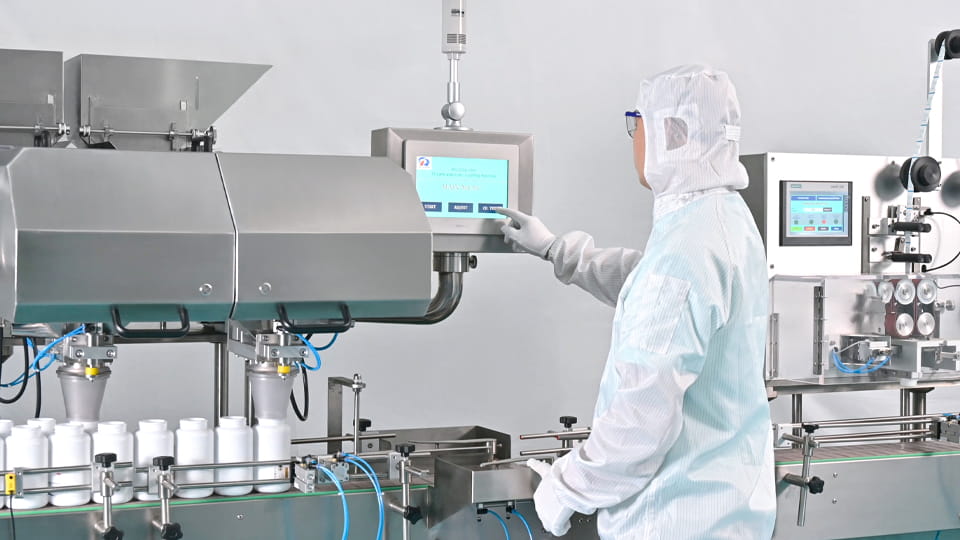
Es ist wichtig, die Terminologie zu klären. Qualifikation bezieht sich normalerweise auf Ausrüstung, wohingegen Validierung bezieht sich oft auf Prozesse oder Systeme. In vielen GMP-Frameworks, IQ/OQ/PQ werden berücksichtigt Teile der Validierung eines Fertigungssystems. In diesem Sinne:
Daher, Ausrüstung IQ/OQ/PQ qualifiziert Maschinen. Ein separates Prozessvalidierung würde diese Maschinen in den eigentlichen Produktionsprozess einbinden (wie Tablettenkomprimierung plus Beschichtung, usw.). Tatsächlich, IQ/OQ/PQ werden manchmal genannt Gerätequalifikation (EQ) Schritte. A Designqualifikation (DQ) Der Schritt kann dem IQ vorausgehen, Sicherstellen, dass das Design den Benutzeranforderungen entspricht (URS) bevor Sie Geräte bauen oder kaufen.
Hier ist ein einfacher Ablauf der Phasen im Lebenszyklus eines Projekts:

Jeder Pfeil ist eine Übergabe: Du musst DQ beenden (Verifizierung, dass Design URS entspricht) vor IQ (Überprüfung der ordnungsgemäßen Installation). Erst nach Abschluss der PQ können Sie behaupten, dass die Ausrüstung validiert ist, und mit der Prozessvalidierung beginnen (z.B. Durchführung tatsächlicher Produktionskampagnen).
Die Gerätequalifizierung ist Teil der Gesamtausrüstung Lebenszyklus:
Jeder Schritt erzeugt eine Dokumentation. Zum Beispiel, Die Verpackungsmaschinen von Jinlu werden mit einem geliefert IQ/OQ/PQ-Validierungskit und FAT/SAT-Protokolle. Das bedeutet, dass der Einkäufer Zeit sparen kann, indem er bei der Qualifizierung auf die Vorlagen des Herstellers zurückgreift. Ein typischer Zeitrahmen kann je nach Komplexität Wochen bis Monate umfassen.
Laut FDA/EU, geschulte QS- und Engineering-Teams (und manchmal externe Berater) sollte diese Schritte durchführen oder miterleben. Das Endergebnis: ein disziplinierter, Der dokumentierte Ablauf vom Design bis zur PQ stellt sicher, dass Ihre Linie konform ist.
Jede Art von Verpackungsmaschine in einer GMP-Anlage muss qualifiziert werden. Hier sind gängige Beispiele:

Bild: Eine halbautomatische Kapselfüllmaschine (Jinlu CGNT-209). Die Validierung solcher Maschinen erfordert eine sorgfältige Überprüfung der Kapselausrichtung, Dosiergenauigkeit, und Versiegelung während IQ/OQ/PQ.
Fallbeispiel: Kapselfüllmaschine IQ/OQ/PQ
Zur Veranschaulichung, Stellen Sie sich vor, Sie qualifizieren sich für einen vollautomatischer Kapselfüller für Vitamine:
Wenn diese Schritte abgeschlossen sind und die Ergebnisse bestehen, der Kapselfüller ist für die Produktion qualifiziert. Es ist bereit, mit Zuversicht echte Produkte zu verpacken.
Trotz seiner Bedeutung, Die Gerätequalifizierung stößt oft auf Hürden:
Das ist Jinlus Erfahrung Der beste Weg, diese Herausforderungen zu meistern, ist Planung. Beginnen Sie frühzeitig mit der Validierungsplanung, Definieren Sie den URS und den Testplan mit dem Anbieter, und stellen Sie sicher, dass alle Beteiligten sich auf die Kriterien einigen. Auch der Einsatz von Vorlagen und Checklisten beschleunigt den Prozess.
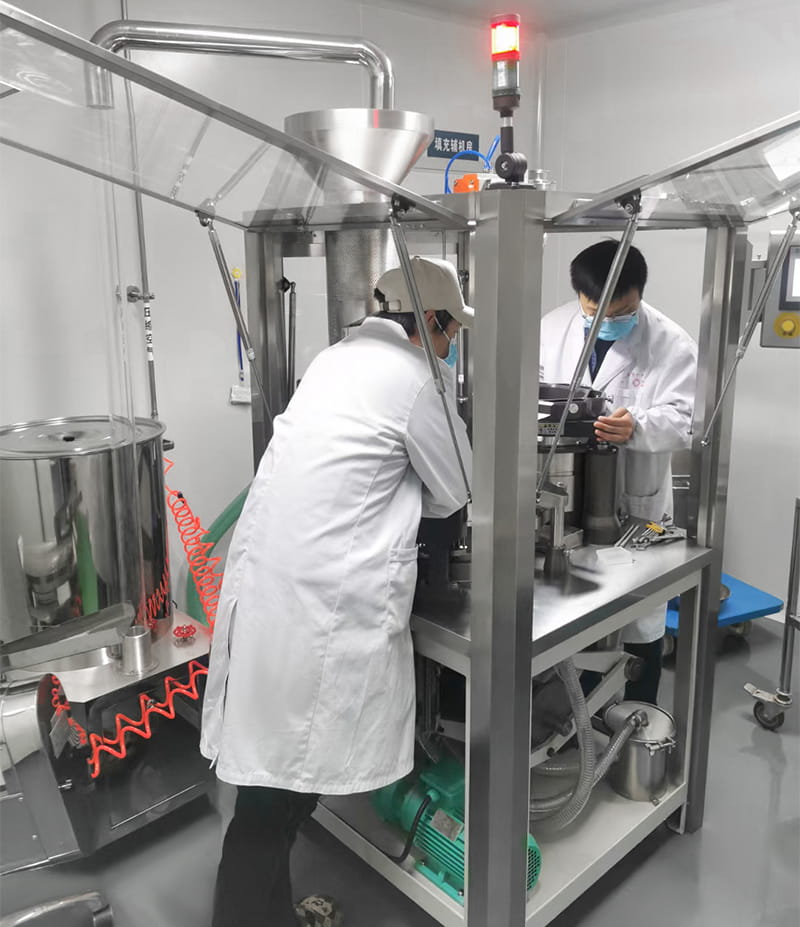
Um IQ/OQ/PQ zu optimieren und ein konformes Ergebnis sicherzustellen:
Indem Sie diese Best Practices befolgen, Unternehmen können Überraschungen bei Audits reduzieren. Wie Jinlu-Gründer Petty Fu oft bemerkt: Auswahl von Maschinen von erfahrenen GMP-Lieferanten „Stellt sicher, dass sie eine präzise Ausgabe liefern, Compliance-Zertifikate, und lokale Unterstützung“. Mit anderen Worten, Validieren Sie mit Zuversicht und wählen Sie einen Partner, der bereits über Validierung spricht.
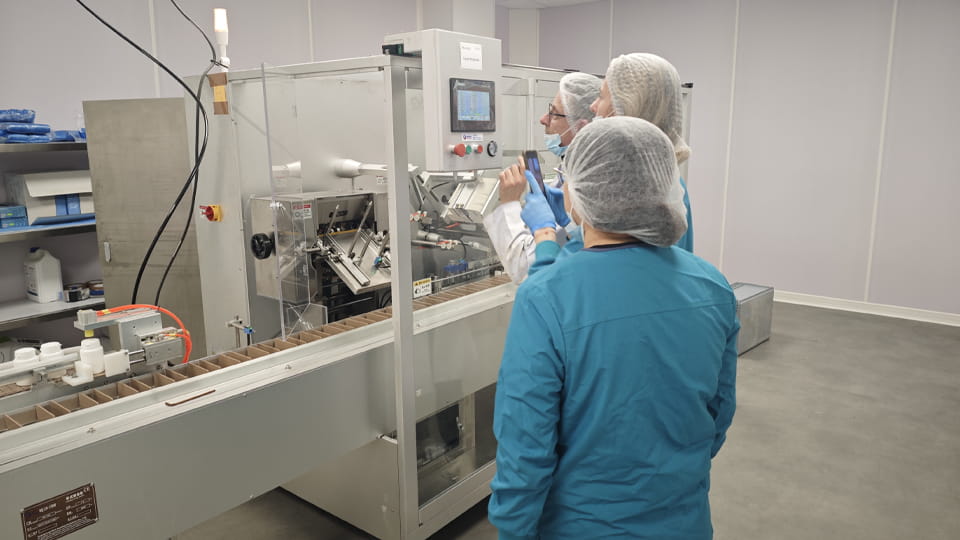
In der pharmazeutischen Herstellung, IQ, OQ, und PQ sind nicht verhandelbar. Diese strukturierten Validierungsschritte beweisen, dass Ihre Ausrüstung – von Kapselfüllern über Blisterpacker bis hin zu Flaschenlinien – zweckmäßig und GMP-konform ist. Ein gut ausgeführtes IQ/OQ/PQ-Programm trägt dazu bei, kostspielige Fehler zu vermeiden und gewährleistet eine gleichbleibende Qualität.
Die Wahl eines Lieferanten mit starker Validierungsunterstützung ist von entscheidender Bedeutung. Pharmazeutische Verpackungsmaschinen von Jinlu Packing Komm mit GMP-gerechtes Design Und umfassende Dokumentation (FAT/SAT/IQ/OQ/PQ-Protokolle) um die Compliance zu optimieren. Unser Team kann Ihnen bei der Definition von URS helfen, Führen Sie IQ/OQ-Tests durch, und erstellen Sie die erforderlichen Berichte.
👉 Gesucht Pharma-Ausrüstung Das vereinfacht die Compliance? Kontaktieren Sie Jinlu noch heute für Verpackungsmaschinen mit vollständiger IQ/OQ/PQ-Unterstützung und schlüsselfertigen Validierungsdiensten. Wir sorgen dafür, dass Ihre neue Leitung installiert wird, getestet, und dokumentiert für eine problemlose GMP-Zertifizierung.
In einfachen Worten, Installationsqualifikation (IQ) stellt sicher, dass die Ausrüstung korrekt installiert ist (Richtiger Standort, Dienstprogramme, und Komponenten). Betriebsqualifikation (OQ) testet die Funktionen des Geräts unter normalen und extremen Einstellungen (Bestätigung aller Kontrollen, Alarm, und Grenzen). Leistungsqualifizierung (PQ) bestätigt, dass die Ausrüstung in der tatsächlichen Produktion eine konstante Leistung erbringen kann, unter Verwendung realer Materialien und Bedingungen. Zusammen, IQ/OQ/PQ dokumentieren, dass die Maschine wie vorgesehen funktioniert.
Ja. Regulatorische Richtlinien (FDA, EU, WER) verlangen, dass alle kritischen Geräte in einer pharmazeutischen Anlage vor der Verwendung qualifiziert werden. Zum Beispiel, FDAs 21 CFR 211 und EU-GMP-Anhang 15 Beide erfordern eine strenge Gerätequalifizierung. Das Überspringen von IQ/OQ/PQ birgt das Risiko von Verstößen gegen Vorschriften und möglichen Produktrückrufen. In der Praxis, jede neue Verpackungsmaschine in einer Pharmalinie (Blasenbildner, Füllstoffe, Kartonierer, usw.) sollte über IQ/OQ/PQ validiert werden, wenn es mit dem Produkt in Berührung kommt.
Normalerweise handelt es sich dabei um eine gemeinsame Anstrengung. Der Maschinenlieferant hilft oft durch die Bereitstellung von Dokumentation und die Durchführung von Werksabnahmetests. Die Durchführung erfolgt durch das Qualitäts-/Validierungsteam des Käufers (oder Zeugen) der Standort IQ/OQ/PQ. Häufig, der OEM (Sie, Zum Beispiel) bietet Validierungsdienstleistungen oder Beratung im Rahmen der Inbetriebnahme an. Letztlich, Das einkaufende Unternehmen ist dafür verantwortlich, sicherzustellen, dass IQ/OQ/PQ vor der Produktherstellung abgeschlossen und dokumentiert werden.
PQ kommt, nachdem IQ und OQ erfolgreich abgeschlossen wurden. Sobald die Maschine installiert ist (IQ) und Funktionstests bestehen (OQ), Die PQ erfolgt während tatsächlicher oder simulierter Produktionsläufe. Normalerweise ist es der letzte Schritt: Zum Beispiel, Führen Sie drei aufeinanderfolgende Chargen oder einen vollständigen Produktionsversuch durch und überwachen Sie dabei die Leistung. PQ findet häufig während einer Erstinbetriebnahmeperiode statt, bevor die Linie offiziell für die Routineproduktion freigegeben wird.
Absolut. Auch wenn die Verpackung unkompliziert erscheint, Die Regulierungsbehörden behandeln es als Teil des kontrollierten Herstellungsprozesses. Jede Primärverpackungsmaschine muss qualifiziert sein. Zum Beispiel, wie auf Jinlus Website vermerkt, „für regulierte Produkte, Führen Sie die Installation durch, Betriebs- und Leistungsqualifizierung (IR/WH/PQ) nach Bedarf“. Eine Kartoniermaschine, die Ihr fertiges Produkt verarbeitet, muss nachweislich ordnungsgemäß funktionieren (z.B. faltet Kartons zuverlässig, fügt Etiketten ein), was IQ/OQ/PQ leisten. Im Wesentlichen, Alle Geräte, die die Produktqualität oder Rückverfolgbarkeit beeinträchtigen könnten, müssen qualifiziert werden.
Referenzen:
1.Offizielles Dokument zur Qualifizierung und Validierung – EU-GMP-Anhang 15.
2.LEITFADEN FÜR EINE GUTE HERSTELLUNGSPRAXIS FÜR MEDIZINPRODUKTE ANHÄNGE – Anhang zum PIC/S GMP-Leitfaden 15 (Globaler GMP-Standard).
3.Die Geschichte & Zukunft der Validierung – ispe.org.
4.Qualifikation (DQ, IQ, OQ, PQ) – gempex.com.