
In der pharmazeutischen Herstellung, Umstellungszeit bezieht sich auf die Ausfallzeit, wenn eine Produktionslinie anhält, um von einem Produkt zu wechseln (oder Charge) zu einem anderen. Zum Beispiel, Eine Tablettenlinie, die von Produkt A auf Produkt B wechselt, muss möglicherweise gereinigt werden, Matrizen-/Werkzeugwechsel, und Kalibrierung, bevor die Produktion wieder aufgenommen werden kann. Per Definition, Umstellungszeit ist „die Gesamtzeit, die zwischen der Produktion des letzten guten Produkts des vorherigen Laufs und des ersten guten Produkts des folgenden Laufs verstrichen ist.“. Jede für die Umstellung aufgewendete Minute ist verlorene Produktionszeit (und damit entgangener Gewinn). Tatsächlich, Verpackungslinien können 5–15 Umstellungen pro Schicht durchführen, Wenn Sie also jedes Mal nur ein paar Minuten einsparen, können Tausende von Produktionsminuten pro Jahr eingespart werden.
Umstellungen umfassen typischerweise vier Phasen: abschalten, Aufräumen, aufstellen, Und Start-up. Das Herunterfahren stoppt die Linie, Durch die Reinigung werden Rückstände entfernt (um eine Kontamination zu verhindern), Setup installiert das neue Format (Werkzeuge, Führer, Rezepte), und das Startup optimiert die Linie, bis die Qualitätsspezifikationen erfüllt sind. In der Pharmaindustrie, Eine strenge Reinigung und Validierung machen Umrüstungen besonders langwierig. Durchschnittlich, rund 20–30 % Der Zeitaufwand in einer Pharmaanlage kann für Umstellungsaktivitäten aufgewendet werden. Mit anderen Worten, Fast ein Drittel des Tages kann für die Reinigung und Einrichtung aufgewendet werden, insbesondere in Mehrproduktanlagen, wo „Der ganze Tag kann für eine umfassende Reinigung der Produktionslinie aufgewendet werden.“.

Warum ist es wichtig: Lange Umstellungen tun weh Produktionseffizienz und Kosten. Jede weitere Minute Ausfallzeit verringert die Gesamtanlageneffektivität (OEE) und Durchsatz. Zum Beispiel, Eine Studie ergab, dass eine Fabrik das tut 10 Umstellungen pro Tag verschwenden ca 8,000 Minuten pro Jahr, wenn jede Änderung nur 3–5 zusätzliche Minuten dauert. Das sind Hunderte von Stunden (und Tausende von Dollar) jedes Jahr verloren. Durch die Verkürzung der Umrüstzeit, eine Pflanze gewinnt mehr Mehrwert Laufzeit. Es ermöglicht außerdem kleinere Chargengrößen und eine flexiblere Planung – entscheidende Vorteile, wenn sich die Arzneimittelnachfrage schnell ändert. Zusamenfassend, Eine Reduzierung der Umrüstzeiten bedeutet mehr Produktion pro Schicht, weniger Leerarbeit, und bessere Reaktionsfähigkeit auf Marktbedürfnisse.
Pharmazeutische Produktion steht vor besonderen Hürden. Im Gegensatz zu vielen Konsumgüterindustrien, Medikamente erfordern höchste Qualitäts- und Reinheitsstandards. Vor dem Produktwechsel, gründliche Reinigung und Validierung sind zwingend erforderlich, um Kreuzkontaminationen zu vermeiden. Dies kann mehrstufig erfolgen Clean-In-Place (CIP) Zyklen, die 30–60 Minuten dauern (oder mehr für sehr viskose oder wirkungsstarke Produkte). Nach der Reinigung, Qualitätssysteme erfordern oft den Nachweis, dass die Ausrüstung steril und frei von dem vorherigen Medikament ist. Dieser regulatorische Aufwand verlängert natürlich die Ausfallzeiten.
Darüber hinaus, Pharmalinien führen oft a große Auswahl an Produkten – verschiedene Moleküle, Formulierungen, Und Verpackungsformate. Wechseln zwischen Tablets unterschiedlicher Größe, oder von Tabletten zu Kapseln, kann einen physischen Austausch der Matrizen bedeuten, Formen oder Zuführungen an Maschinen. Jede Anpassung fügt Minuten hinzu. Wie eine Quelle feststellt, "Im Allgemeinen, Anlagen, die eine große Vielfalt an Produkten herstellen, werden wahrscheinlich längere Umrüstzeiten haben … da der Wechsel zwischen Produkten das Anpassen von Einstellungen und den Austausch von Werkzeugen erfordert.“. Bei schnelllebigen Konsumgütern, Linien dürfen nur ein Produkt pro Tag verarbeiten. In der Pharmaindustrie, Eine Linie wechselt möglicherweise mehrmals pro Woche das Produkt, oder sogar pro Schicht, Vergrößerung der Umstellungswirkung.
Endlich, Dabei kommt es auf die Fähigkeiten und die Koordination des Bedieners an. Inkonsistente Methoden über mehrere Schichten hinweg können dazu führen, dass der Austausch identischer Produkte sehr unterschiedlich lange dauert. Ohne Standardverfahren und gut ausgebildete Besatzungen, Ein Team könnte einen Wechsel vornehmen 15 Minuten, während ein anderer dauert 30, was zu weiterer Ineffizienz führt.
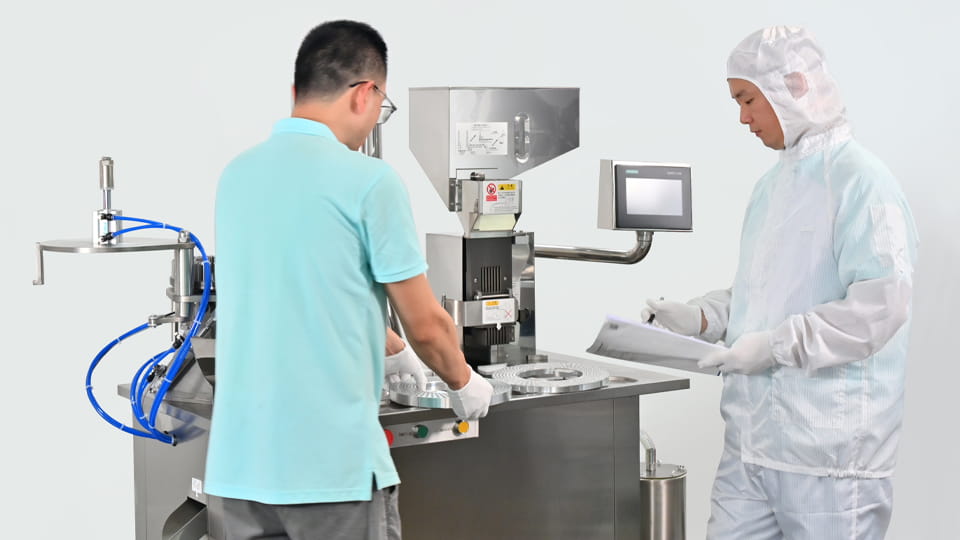
Eine bewährte Methode zur Bewältigung der Umstellungszeit ist die SCHMIED (Einminütiger Werkzeugwechsel) Methodik aus der Lean Manufacturing. Ziel von SMED ist es, die Umrüstzeiten im einstelligen Bereich zu verkürzen (Minuten) indem man so viele Aufgaben wie möglich verschiebt draußen von Ausfallzeiten. In der Praxis, Das bedeutet, dass die Arbeit im Voraus vorbereitet und durchgeführt werden muss, Standardisierungsschritte, und den eigentlichen Austausch rationalisieren. Zum Beispiel, Zu den SMED-Grundsätzen gehören::
Durch konsequente Anwendung dieser Lean/SMED-Taktiken, Viele Einrichtungen haben ihre Wechselzeiten von Stunden auf Minuten verkürzt. Zum Beispiel, Neugestaltung der pharmazeutischen Verpackungslinie von JinLu (Verwendung von Schnellspannteilen und synchronisierten Teams) erreichte bei seinen Maschinen eine Umrüstzeit von „nahezu Null“.. Shoplogix berichtet, dass erstklassige Verpacker durchschnittlich etwa 17 Minuten pro Umstellung benötigen 50 Minuten für Nachzügler – eine Lücke, die mit Lean-Methoden geschlossen werden kann.
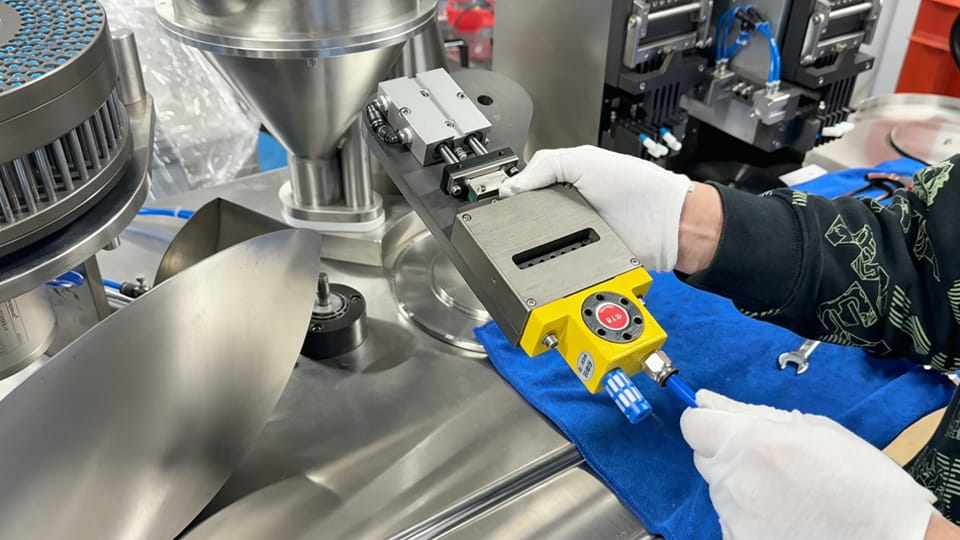
Basierend auf Branchenerfahrung, hier sind konkrete Tipps die Beschaffungsingenieure und Linienbetreiber umsetzen können:
Gemeinsam, Diese Taktiken verwandeln Umstellungen von gefürchteten Verlangsamungen in schnelle, fast schon alltägliche Ereignisse. Zum Beispiel, Ein halbfester Hersteller verkürzte seine Umrüstzeit 56 Minuten bis 10 Minuten (ein 82% Reduktion) durch den Umstieg von schweren Stahlbehältern (was eine Reinigung erforderte) hin zu Einweg-Flüssigkeitsbeuteln, die eine Reinigung völlig überflüssig machen. Das ist zwar ein Extremfall, es unterstreicht die Idee: wenn die Reinigung Ihre größte Hürde ist, Finden Sie Wege, es zu beseitigen oder zu vereinfachen. Auch in traditioneller Ausstattung, jede Minute, die Sie sparen – sei es durch Schnellspanner, Parallelarbeit, oder Vorbereitung – ist zusätzliche Produktionszeit.
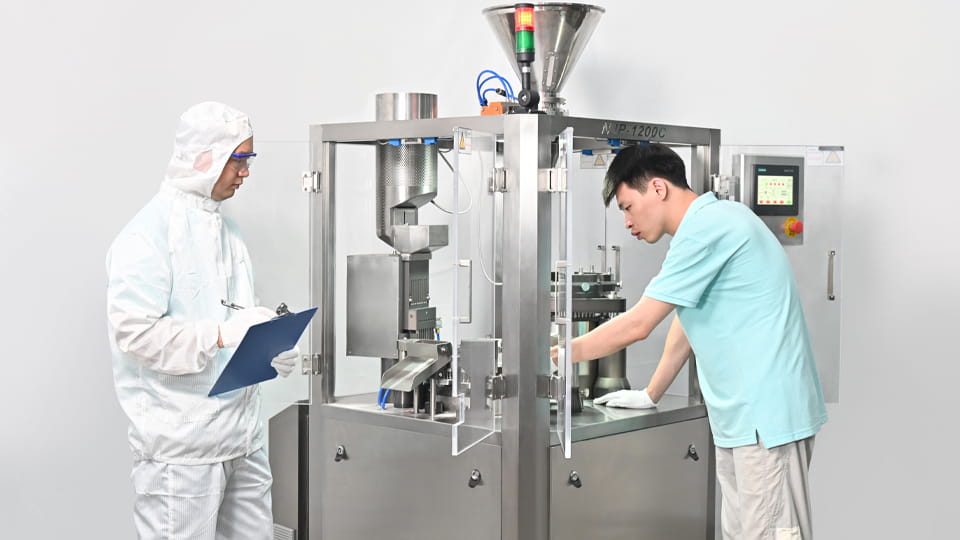
Modern Pharmazeutische Verpackungsmaschinen Integrieren Sie zunehmend Funktionen, um die Umrüstzeit zu verkürzen. Zum Beispiel:
Auf jeden Fall, wenn Sie bewerten Verpackungsmaschinen (sei es Blase, Kapsel, Abfüll- oder Kartoniergeräte), fragen Sie nach Umstellungsfunktionen. In Maschinendatenblättern wird häufig die Angabe „Formatwechselzeit“ oder „Schnellwechseldesign“ aufgeführt, sofern vorhanden. Anbieter sagen in der Regel, dass einer der „Hauptvorteile“ ihres Designs die kürzere Ausfallzeit zwischen den Chargen ist. Integration dieser Funktionen auf Maschinenebene mit guten Prozesspraktiken (wie oben aufgeführt) ergibt die größte Gesamtreduzierung.
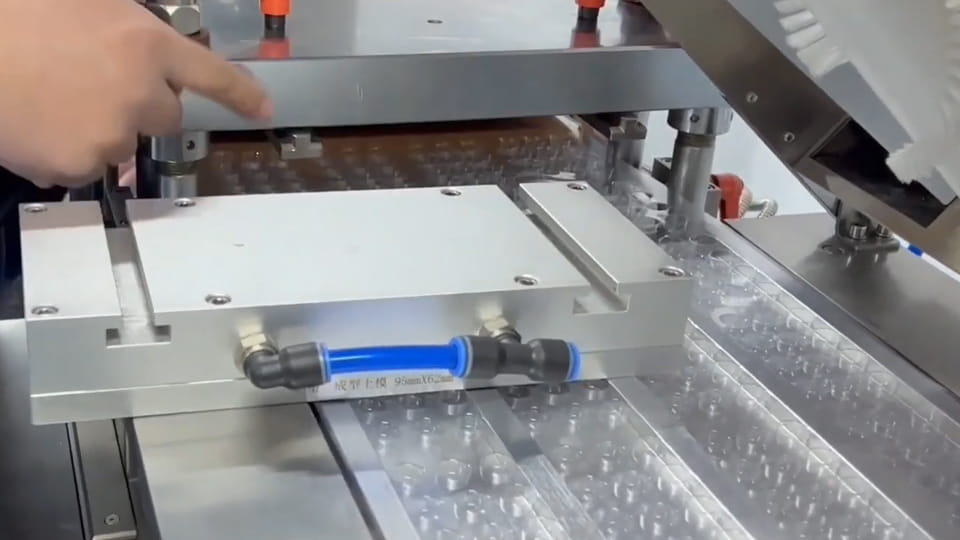
Die Reduzierung der Umrüstzeit bedeutet mehr als nur die Reduzierung von Ausfallzeiten – sie wirkt sich auf den gesamten Betrieb aus. Kürzere Umrüstzeiten direkt den Durchsatz steigern: Ein größerer Teil des geplanten Laufs wird für die Herstellung des Produkts aufgewendet. Es auch verbessert Qualität und Konsistenz: gut dokumentiert, Häufige Umstellungen tragen zur Aufrechterhaltung der Sauberkeit und Kalibrierung bei, Dadurch verringert sich das Risiko von Defekten aufgrund überstürzter Reinigung oder vergessener Schritte. Kleinere Chargen, ermöglicht durch schnelle Umstellungen, bedeuten weniger überschüssige Lagerbestände und frischere Produkte, die in der Pharmaindustrie aus Gründen des Ablaufs und der Rückverfolgbarkeit wichtig sind.
Tatsächlich, Datengesteuerte Umstellungsansätze können verborgene Vorteile aufdecken. Von Timing jeder Phase (abschalten, Reinigung, aufstellen, Start-up) und Vergleich mit Zielen, Teams können genau erkennen, wo Zeit verloren geht. Viele Einrichtungen haben festgestellt, dass sie sich einfach ein Ziel setzen (Zum Beispiel, eine 30-minütige Gesamtumstellung) und die Verfolgung von Echtzeitzeiten motiviert zu Lean-Verbesserungen. Wie das Sprichwort sagt, „Wenn man es nicht messen kann, man kann es nicht verbessern.“
Endlich, Schnelle Umstellungen machen eine Anlage mehr kundenorientiert. Wenn die Nachfrage nach einem bestimmten Medikament steigt oder a abrufen erzwingt einen schnellen Leitungswechsel, Eine Anlage mit optimierten Umstellungen kann sich innerhalb von Stunden statt Tagen anpassen. Diese Agilität kann ein Wettbewerbsvorteil sein, was kleinere Losgrößen ermöglicht, kundenspezifische Produkte, und bessere Nutzung teurer Geräte. Auf Dauer, Der Investitionsaufwand zur Verkürzung der Umrüstzeiten wird durch eine höhere OEE ausgeglichen, geringere Kosten pro Einheit, und zufriedenere Kunden.
Zusammenfassend, Umstellungszeit In der Pharmaherstellung handelt es sich um eine kritische Ausfallzeit, die jeder Verpackungsbetrieb bewältigen muss. Durch das Verständnis der erforderlichen Schritte und der Faktoren, die eine Pharmaumstellung langwierig machen (strenge Reinigung, häufige Formatwechsel, behördliche Kontrollen), Hersteller können Verbesserungen anstreben. Einführung von Lean/SMED-Strategien – Vorbereitung der Teile auf die Zukunft, Standardisierungsverfahren, Verwendung von Schnellverschluss- und modularen Designs, Schulung von Bedienern, und die Nutzung der Automatisierung – können die Umstellungsdauer drastisch verkürzen. Moderne Blisterverpackungsmaschinen, Kapselfüller und Zähllinien verfügen häufig über integrierte Schnellwechselfunktionen; Die Wahl der richtigen Ausrüstung und deren intelligente Nutzung ist Teil der Lösung.
Ob Sie Produktionsleiter sind, Verpackungsingenieur, oder Einkaufsspezialist bei einem Pharmaunternehmen, Die Konzentration auf die Umstellungszeit kann sich auszahlen. Nur ein paar Minuten schneiden Durch das Ausschalten jedes Formatwechsels werden jede Woche Stunden zusätzliche Laufzeit hinzugefügt. Und wie Brancheninsider gezeigt haben, Im besten Fall können Umstellungen, die früher Stunden gedauert haben, auf nur noch wenige Minuten reduziert werden. Indem Sie die oben genannten Tipps umsetzen, Ihr Betrieb kann diesem Ziel näher kommen – einen reibungslosen Betrieb gewährleisten, Produkte fließen, und die Kosten sinken.
Unter Umrüstzeit versteht man den Zeitraum zwischen der Produktion des letzten Gutprodukts einer Charge und dem ersten Gutprodukt der nächsten Charge. Es beinhaltet die Reinigung, Anpassung der Ausrüstung, Materialersatz, und Validierungsschritte.
Die Umrüstzeit wirkt sich direkt auf die Geräteverfügbarkeit aus, Produktionseffizienz, und Kosten. Längere Umrüstzeiten bedeuten mehr Ausfallzeiten und einen geringeren Ausstoß, während kürzere die Flexibilität und Reaktionsfähigkeit auf die Marktnachfrage verbessern.
Zu den häufigsten Ursachen gehören::
• Manuelle Reinigungs- und Validierungsverfahren
• Mangel an standardisierten Prozessen
• Komplexität der Ausrüstung
• Schlechte Bedienerschulung
• Ineffiziente Materialhandhabung
Diese Faktoren erhöhen die Ausfallzeiten und verringern die Gesamtanlageneffektivität (OEE).
SCHMIED (Einminütiger Werkzeugwechsel) ist eine Lean-Manufacturing-Methodik, die darauf abzielt, die Umrüstzeit auf einstellige Minutenwerte zu reduzieren, indem Rüstprozesse optimiert und Maschinenstillstandszeiten minimiert werden.
SMED arbeitet nach:
• Trennung interner und externer Aufgaben
• Vorbereitungen durchführen, während die Maschinen noch laufen
• Standardisierung von Verfahren
• Eliminierung unnötiger Schritte
Dieser Ansatz kann Ausfallzeiten erheblich reduzieren und die Effizienz verbessern.
• Interne Aktivitäten: Aufgaben, die ein Anhalten der Maschine erfordern (Z.B., Werkzeugwechsel)
• Externe Aktivitäten: Aufgaben, die bei laufender Maschine erledigt werden können (Z.B., Materialien vorbereiten)
Die Reduzierung interner Aufgaben ist der Schlüssel zu schnelleren Umstellungen.
Zu den wichtigsten Vorteilen gehören:
• Erhöhte Produktionskapazität
• Niedrigere Betriebskosten
• Kleinere Losgrößen
• Reduzierter Lagerbestand
• Verbesserte Produktqualität
• Größere Produktionsflexibilität
Die Umrüstzeit ist bei Geräten wie z. B. von entscheidender Bedeutung:
• Blisterverpackungsmaschinen
• Kapselfüllmaschinen
• Zählen & Abfülllinien
Diese Maschinen erfordern häufige Formatwechsel und Reinigung, Optimierung unerlässlich machen.
Die Automatisierung verbessert die Umrüsteffizienz um:
• Standardisierung von Verfahren
• Reduzierung menschlicher Fehler
• Ermöglicht schnellere Anpassungen
• Bereitstellung von Echtzeitüberwachung und Datenanalyse
Digitale Tools und MES-Systeme können Leistung und Konsistenz weiter optimieren.
Referenzen:
1.Der Beitrag von Lean-Manufacturing-Tools zur Verkürzung der Umrüstzeiten in der Pharmaindustrie. Ein SMED-Projekt – ScienceDirect.
2.Eine Reduzierung der Umrüstzeit durch die Integration schlanker Praktiken: Eine Fallstudie aus der Pharmabranche – ResearchGate.
3.Zeitersparnis und Produktivität steigern die SMED-Implementierung: Fall eines Pharmaunternehmens – ieccmexicoreview.com.
4.Optimierung von Rüstvorgängen durch Anwendung von SMED-Techniken. Die Zambon S.p.A. Fall – These.unipd.it.