Shrink Wrapping Machine: The Ultimate Guide to Efficient, Tamper-Evident Packaging
Shrink Wrapping Machine: The Ultimate Guide to Efficient, Tamper-Evident Packaging
December 22, 2025
No Comments
A shrink wrapping machine (also called a shrink packaging machine) is industrial equipment that wraps products in a plastic shrink film and then heats it to create a tight, protective seal. These machines typically use thermoplastic films such as polyolefin (POF), PVC, or polyethylene (PE) that contract when heated. When a product is enclosed in the film and subjected to a heat source (shrink tunnel or heat gun), the film “shrinks” by thermal contraction and forms a clear, snug envelope around the item. This yields a package that is durable, moisture-resistant, dustproof and tamper-evident. Because the film conforms tightly to any shape, shrink wrapping provides a neat, professional appearance while also safeguarding goods during storage and transit.
Shrink machines come in manual, semi-automatic and automatic varieties. Manual (handheld) models require the operator to pull film around each product and heat it with a gun. Semi-automatic combo units (L-bar sealers with shrink tunnels) allow an operator to place items and then the machine seals and shrinks them. Fully automatic machines use conveyors and robotics to feed, seal and heat-shrink dozens of items per minute. Many packaging operations—especially those for global buyers and industrial users—prefer heavy-duty, industrial-grade shrink wrapping equipment built for continuous, high-speed production. Industry suppliers note that modern systems range from compact L-bar sealers for small batches to high-speed automatic wrappers for mass production, all designed for stable output and consistent quality.
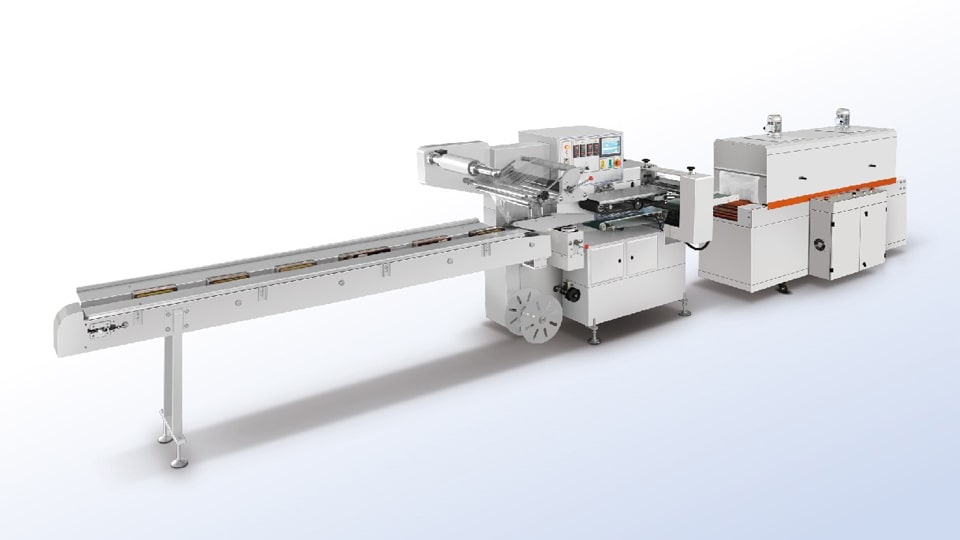
FS-590 Automatic Heat Shrink Wrapping Machine
How Shrink Wrapping Machines Work (Working Principle)
The core operating principle of a shrink wrapping machine is the same across types: heat plus polymer film causes contraction. In practice, the process involves several key stages:
Film Loading & Product Placement: The operator (or an automatic feeder) unwinds a sheet or centerfold of shrink film and positions the product inside it. In manual/semi-automatic setups the film is typically pulled over or folded around the item. On automated lines, sensors and conveyors align the product and wrap the film around it. (Shrink films are usually polyolefin, PVC, or PE – materials known to shrink uniformly under heat.)
Sealing: Once the product is enveloped in film, the machine uses a heat-sealing mechanism to close the package. An L-shaped sealing bar (common in combo machines) or a continuous sealer heats and bonds the film edges. This may involve an impulse (electric) heater or heated wire that fuses the plastic. Cutting elements trim any excess film, creating a neat sealed pouch.
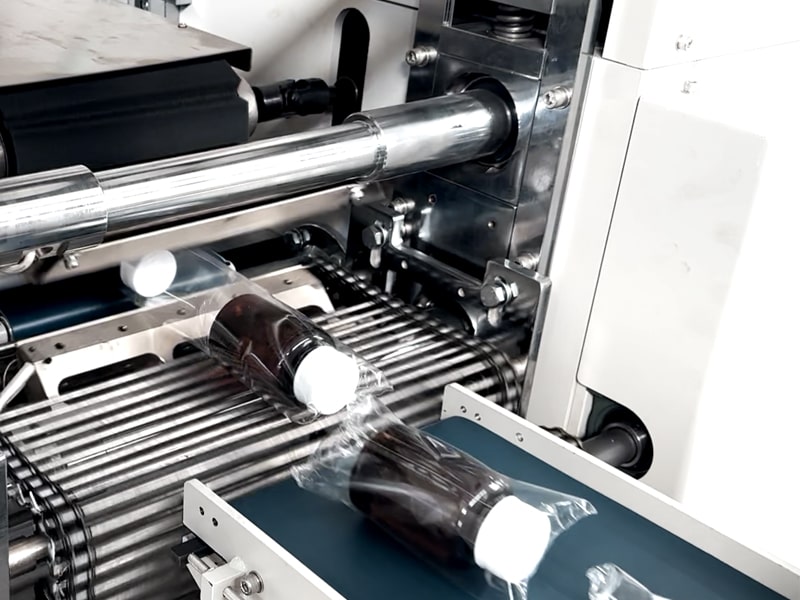
Heat Shrinking: The sealed product is then conveyed (manually or automatically) into a shrink tunnel or placed under a heat gun. Inside a tunnel—a heated chamber with controlled airflow—the film is exposed to hot air (typically 160–220 °C). The heat causes the polymer chains in the film to relax and pull the film tight against the product. As one guide explains: “the heat causes the film to soften and conform closely to the product, creating a snug wrap”. By adjusting tunnel temperature and conveyor speed for the film type, modern machines ensure even, uniform shrinkage.
Cooling: After heating, the package passes into a cooling zone (sometimes just ambient air or fans). Cooling solidifies the film’s new shape, locking the tight fit around the product. Proper cooling prevents the film from wrinkling or stretching as it sets. The end result is a clear, smooth package that holds items securely and is ready for boxing or palletizing.
In summary, shrink wrapping is essentially a heat-driven wrapping process. The plastic film thermally contracts (shrinks) around whatever it covers. By stepwise placement, sealing and heating of the film, the machine produces a stable, low-profile package. An expert breakdown notes these steps: film application, sealing edges, heat shrinking, then cooling to finalize the package.
Key Components of a Shrink Wrapping Machine
To achieve this process, a typical shrink wrap machine consists of a few core components:
Film Dispenser: Holds the roll of shrink film and feeds it into the machine. The film is often run through tension rollers or guide rails to align it properly.
Sealer (L-bar or Heat Sealer): A heated bar or sealing device that clamps down on the film edges around the product. For example, many semi-auto machines use an L-bar sealer, which creates two perpendicular seals in one motion. High-speed wrappers may use continuous (impulse) heat bars or ultrasonic sealers to quickly close the film.
Conveyor System: Moves products through the sealing station and into the heat-shrink tunnel. Automatic machines use infeed and outfeed conveyors; manual machines may require the operator to place and remove items.
Shrink Tunnel: A long insulated chamber with heating elements (and often fans). The tunnel generates even hot airflow that surrounds the wrapped product. Most tunnels allow temperature adjustment (often via digital controls) to suit different film materials.
0
Cooling Zone: (Sometimes integrated or simply open air.) Once the product exits the tunnel, it may pass through fans or enter a cooler area to solidify the film shape.
These parts work together under operator or automated control. For example, one supplier describes a modern automatic L-bar system: the infeed conveyor brings items to the sealer, the sealer encloses and cuts the film, then a shrink tunnel applies heat, and finally the product exits to a cooling conveyor. By automating these steps, industrial shrink wrapping equipment can run continuously at high speeds for large product volumes.
Types and Variations of Shrink Wrapping Machines
Shrink wrapping machines come in several configurations to suit different production needs:
Manual (Handheld) Shrink Wrap Systems: These are simple units or guns where an operator manually wraps each item. They usually include a heat shrink gun and a small dispensing frame. The user pulls the film around the item, seals it with a heat wire or bar, then applies the heat gun. While low-cost and flexible, manual systems are best for low-volume tasks, trade shows or repair shops.
Semi-Automatic L-Bar Sealers: A common type of shrink wrapper for small- to mid-volume production. The operator places the product on a table under an L-shaped sealing bar, which then closes to seal and trim the film around the item. The wrapped item is then transferred (often manually) into a separate shrink tunnel. These L-bar sealer machines are versatile for various product shapes; they use a centerfold shrink film to form a “bag” that is sealed on three sides.
Automatic Shrink Wrapping Machines: These combine sealing and shrinking into one continuous line. Products are automatically fed into the machine, enclosed in film (often by an in-line bag maker or continuous sealer), and conveyed through the heat tunnel without operator intervention. Some automatic models use side seal or chamber seal technology. For example, high-speed side-seal machines can package 40–50 bags per minute by sealing and cutting on-the-fly. Automation reduces labor and increases output, which is vital for large manufacturers and global distribution.
Shrink Bundlers and Shrink Tunnel Only: Some setups separate the wrapping and shrinking steps entirely. A shrink bundling machine forms a film bag around a group of products (like multiple cans or bottles). Then an independent shrink tunnel (stainless-steel chamber with adjustable heat and airflow) performs the shrinking. Bundlers are useful for repetitive, uniform loads (e.g. bundling beverages or packs).
Specialized Machines: There are also equipment like shrink chambers (table-top units with hood), or integrated shrink wrap bag sealers that combine an L-bar sealer with a small built-in oven.For example, a “shrink chamber” uses a hinged hood over a film rack and L-bar, ideal for small runs or delicate items. These are lower-cost alternatives for modest throughput.
Each type is essentially a form of shrink wrap equipment, and all share the working principle of sealing film then heat-shrinking it. When choosing a machine, factors include production volume, product size/shape, and whether full automation is needed. For example, labemachine.com recommends adjusting machine settings (temperature, seal timing) to match the film and product size when operating different models.
Applications and Benefits of Shrink Wrapping
Shrink wrapping machines are widely used across industries. Because they produce tight, clear packages, they are ideal for:
Retail and Consumer Goods: Items like CDs, games, toys, books, cosmetics, and small electronics are often shrink-wrapped for protection and improved shelf appeal. The film is see-through, so the product stays visible, which enhances presentation.
Food & Beverage Packaging: Shrink wrappers bundle products (e.g. beverage multipacks, snack packs) and seal fresh foods. The industry literature notes that 37% of shrink wrap machine usage in 2023 came from food & beverage packaging. Shrink wrap is cost-effective for food because it extends shelf life, protects against moisture/dust, and offers tamper-evidence (important for regulatory compliance). For instance, shrink-wrapped milk cartons or bottle packs are common in supermarkets.
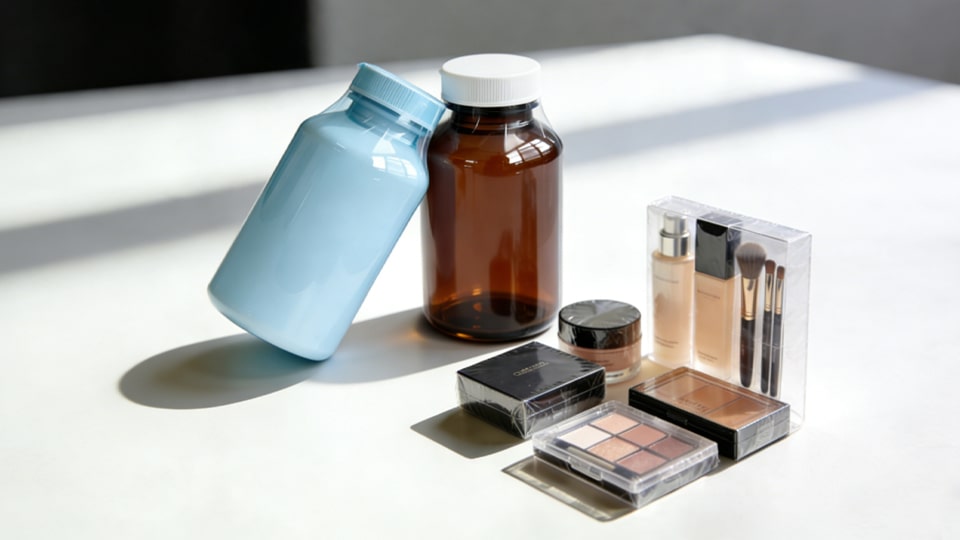
Pharmaceuticals and Cosmetics: These sectors require tamper-evident, sterile packaging. A shrink wrap machine can tightly seal blister packs, medication boxes or cosmetic sets to show if a box has been opened. As one equipment provider notes, shrink machines are valued in the pharmaceutical industry for dustproof, moisture-resistant wrapping. The process also reduces plastic film waste compared to bulkier box packaging.
Electronics and Industrial Goods: Small electronic parts, hardware, and industrial components are often shrink-wrapped in trays or bundles. Shrink wrapping keeps parts clean and together. Machine assemblies or spare parts shipped internationally are commonly protected by shrink film around cartons or pallets.
E-commerce and Mail-Order Packaging: With the rise of online sales, many businesses use shrink wrap to bundle and protect ordered goods. It helps meet “click-and-ship” packaging standards by ensuring products arrive intact. The global packaging report observes that e-commerce growth has increased demand for shrink wrap machinery, since it “protects items from damage during shipping” while being lightweight and efficient.
Pallet and Bulk Wrapping (in industrial contexts): Although not always called “shrink wrapping machines”, large industrial shrink tunnels are used to wrap full pallets of goods with shrink film for stability. These heavy-duty systems are indeed industrial-grade shrink wrapping equipment.
Key benefits of using a shrink wrapping machine include: a clear, professional look; strong protection (film is tear-resistant); reduced material usage; and speed of operation. For example, automated shrink wrappers provide high throughput with consistent results, reducing labor costs and errors. The airtight seal also helps preserve freshness in food and prevents moisture or tampering in sensitive products. Overall, shrink packaging can improve shelf appeal and durability of products while optimizing space (the film conforms tightly, using less plastic than rigid packaging).
How to Use a Shrink Wrapping Machine (Operation Steps)
Operating a shrink wrap machine correctly is essential for safety and efficiency. The general sequence is as follows:
Adjust Machine Settings: First, configure the machine for your product and film. Set the sealing bar to the correct position and the tunnel temperature/speed to match the film material. For most POF or PE films, recommended shrink temperatures range from about 120 °C up to 200 °C. Thicker or larger products may require higher heat or slower conveyor speed. Modern machines often allow digital presetting for different items.
Load the Shrink Film: Place a roll of shrink film onto the machine’s film holder or dispenser. Ensure the film roll is intact and centered on the core. Feed the film through any rollers or guides so it is flat and wrinkle-free. Check film tension: it should not be too loose (causing misfeeds) or too tight (causing tears). Smooth film feed ensures neat wrapping.
Wrap and Seal the Product: Place the product in the correct position on the machine (or on the conveyor). If using a manual L-bar sealer, put the product inside the open film “bag” and pull the film ends around it. Activate the sealing bar (often by pressing a switch or pedal). The heat-sealing bar will clamp over the film edges, fuse them, and (in combo machines) cut off excess film. This forms a sealed plastic pouch around the item.
Initiate Shrinking: As soon as the bag is sealed, send it into the shrink tunnel. In semi-auto machines, you or the conveyor push it in; in full-auto, the machine feeds it automatically. Inside the tunnel, hot air is applied, and the film will immediately start to contract. You should hear the film tighten around the item. It usually only takes a few seconds per package in the tunnel.
Inspect the Result: Once the package exits the tunnel, visually check the wrap. The film should be smooth and tightly formed, with no gaps or loose areas. If the film is wrinkled or not fully shrunk, you may need to increase the heat or slow the belt. Good practice is to periodically inspect samples and adjust settings (temperature, sealing pressure, film slack) for perfect seals.
Safety and Maintenance: Always keep hands away from the heat sealer and tunnel vents during operation. Wear heat-resistant gloves when handling packages immediately after shrinking. Regularly clean the sealing bar and tunnels of debris or residue. Lubricate moving parts as instructed by the manufacturer. Proper care will prolong the machine’s life and maintain packaging quality.
Following these steps ensures reliable operation. As one packaging resource advises: “Load the film, put your product inside, seal the film, and apply heat to shrink it. Adjust temperature settings depending on the film type”. Whether working with a simple L-bar or a complex automatic line, the principle is the same: form the package, seal it, then shrink it under controlled heat.
Conclusion
In summary, a shrink wrapping machine is a versatile packaging tool that applies heat-shrinkable film around products to create tight, protective wraps. Its working principle – seal a polymer film then heat it to contract – makes it suitable for countless applications, from retail goods to industrial shipments. Shrink packaging machines enhance product durability, hygiene and appearance, while also being cost-effective and efficient.
For industrial and global buyers seeking heavy-duty packaging lines, industrial-grade shrink wrap machines offer automated, high-speed performance. Market analysts forecast strong growth in this equipment, driven by trends like e-commerce and streamlined logistics. With proper operation, shrink wrappers protect goods from moisture and tampering, improve shelf presentation, and help exporters comply with shipping standards.
Overall, understanding the working principles and usage of shrink wrap machines – and selecting the right type and film – allows manufacturers to significantly boost packing efficiency and quality. By integrating shrink wrapping systems, businesses can meet the demands of global markets with safe, attractive packaging that stands up to transit and storage.
FAQs on Shrink Wrapping Machine
What is a shrink wrapping machine?
A shrink wrapping machine is industrial packaging equipment that wraps products in a plastic shrink film and then uses heat to shrink the film tightly around the item, creating a protective, tamper-evident package. The process improves product appearance and protects goods from dust, moisture, and damage during transport.
How does a shrink wrap machine work?
Shrink wrapping machines combine sealing and heat-shrinking processes. First, shrink film (often polyolefin or PVC) is applied around the product. Then, heat is applied (typically via a hot air shrink tunnel), causing the film to contract and conform tightly to the product’s shape, forming a secure wrap.
What types of shrink wrapping machines are available?
There are several types:
• Manual shrink wrap machines — require hand feeding and heat guns.
• Semi-automatic shrink packaging machines — use L-bar sealers with shrink tunnels.
• Automatic shrink wrap machines — fully automated lines for high-speed industrial production.
Each type suits different production volumes and operational needs.
What shrink film should be used with a shrink wrap machine?
Shrink films are usually made from PVC, polyolefin (POF), or polyethylene. Polyolefin films are common in industrial packaging due to strength and clarity. The choice depends on product size, shape, and performance requirements (e.g., puncture resistance, environmental conditions).
What products can be shrink wrapped?
Shrink wrap is versatile. It can be used for food products, beverage bottles, electronics, cosmetic items, and pharmaceuticals. It protects products from moisture, dust, and tampering while improving shelf presentation.
What are the main benefits of using shrink wrap equipment?
Shrink wrapping offers:
• Tight, protective packaging
• Tamper-evident seals
• Improved product visibility
• Space-saving and transport efficiency
Durable protection against environmental factors such as dust and moisture.
How do I choose the right shrink wrapping machine?
Consider:
• Production speed and capacity
• Product dimensions and orientation
• Level of automation needed (manual, semi-auto, fully automatic)
• Shrink film compatibility
These factors help ensure the machine meets your specific packaging needs.
Is shrink wrapping difficult?
Shrink wrapping is simple with practice and the right equipment. Automatic shrink wrap machines reduce manual work and help achieve consistent results, while manual or semi-automatic systems require more operator handling and technique.
How long does a shrink wrapping machine last?
The lifespan of a shrink wrapping machine depends on build quality, usage, and maintenance. Industrial-grade machines built for continuous operation tend to last many years with proper care, regular cleaning, and scheduled servicing.
Can shrink wrap machines be integrated into a production line?
Yes, automatic shrink wrap machines can be integrated into larger packaging lines with conveyors, labeling, and inspection systems, improving throughput and operational efficiency.
Petty Fu, Founder of Jinlupacking, brings over 30 years of expertise to the pharmaceutical machinery sector. Under his leadership, Jinlu has grown into a trusted supplier integrating design, production, and sales. Petty is passionate about sharing his deep industry knowledge to help clients navigate the complexities of pharma packaging, ensuring they receive not just equipment, but a true one-stop service partnership tailored to their production goals.