
Wondering which coating is right for you? Let’s explore the differences between Enteric Coating vs Film Coating.
In the world of pharmaceutical tablets, coatings are often the unsung heroes. Thin, almost invisible layers quietly guard each tablet’s journey through the body. Sometimes they shield the active ingredient from aggressive stomach acid. Other times, they help control how and when a tablet or a capsule is released. In many cases, the performance of a medication depends as much on its coating as on its formula. In this article, we explore two of the most widely used coating technologies, enteric coating vs film coating, and compare how they work, where they are used, and how they are manufactured.
Key Takeaways:
Enteric coating is a specialized protective layer applied to tablets, meaning the medication such as probiotic capsules and tablets is enteric-coated and protected from stomach acid. It is like a tiny raincoat on your pill. It keeps the medicine safe from the stomach’s strong acid, so the pill stays whole until it reaches the intestines, where it opens up and starts working. Enteric coating is important for medicines that get destroyed by stomach acid or need to be absorbed in the intestines to work properly.
Non-enteric coatings dissolve in the stomach, while enteric coatings resist stomach acid, dissolving only in the intestines.
Not quite! Enteric coating is made from acid-resistant polymers, also known as enteric coating materials, such as cellulose acetate phthalate or methacrylic acid copolymers, that stay intact in your stomach and only dissolve when they reach the gentler environment of the intestines. This clever “coat” protects the oral medication from stomach acid and prevents irritation to your stomach lining.
The answer is a big “No”. Enteric-coated tablets are designed like time-release capsules for your stomach. They bypass the acidic environment and only dissolve where they are meant to. Crushing enteric-coated tablet is like popping the safety lock early: the medicine can be destroyed by stomach acid or cause irritation.
Enteric coating is more than just a shiny layer on a pill. It acts like a tiny shield, keeping medicine safe from stomach acid and making sure it only releases where it can do the most good. It also helps protect your stomach from irritation. Here’s a simple overview of what enteric coating does and where it’s commonly used:
Table1-Benefits And Examples of Enteric Coating
| Benefit / Purpose | What It Does | Example / Typical Medication |
| Protects sensitive medicine | Stops drugs that could irritate your stomach | Aspirin, certain probiotics |
| Targets the right spot | Ensures medicine only releases in the intestines | Omeprazole, some enzyme supplements |
| Better effectiveness | Ensures the drug isn’t destroyed by stomach acid | Omeprazole, enteric-coated aspirin |
| Easier on your stomach | Reduces nausea or discomfort | Probiotics, anti-inflammatory medicinal products |
These are typical enteric coating examples in real products, such as enteric-coated aspirin, probiotics, and enzyme supplements. Used in both enteric coating tablets and capsules, this approach protects the medication in the stomach and releases it only in the intestine. As a result, enterically coated medicines work more effectively while being gentler on the stomach.
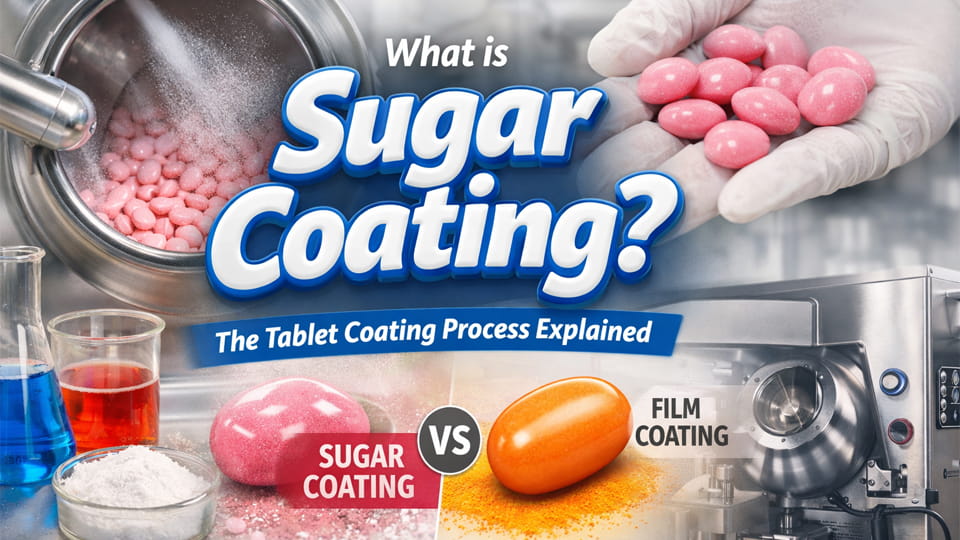
Film coating refers to the application of a thin polymer layer over a tablet. In other words, a film-coated tablet is produced through film coating, which refers to the application of a thin polymer layer over a tablet. The purpose of film coating is to protect the active ingredients from moisture, air, or light and enhance the pill’s appearance. Unlike enteric coating, film coatings dissolve in the stomach, enabling the medicinal products to be absorbed directly in the upper GI tract.
Film coatings come mainly in two types. Water-based coatings are most common film coating type for they’re safe, flexible, and eco-friendly. The other one, solvent-based coatings, are used for moisture-sensitive drugs but are less popular because of safety and environmental concerns.
A film coating is basically a thin, protective shell made of polymers like HPMC, plasticizers for flexibility, and sometimes colorants for branding. It keeps the pill stable, smooth, and easy to swallow. These materials form the smooth film coating on tablets, making film-coated tablets stable and easy to swallow.
Some film-coated tablets can be split, but not all. If a tablet has a scored line, it’s often safe to cut it. If it doesn’t, splitting may change the dose or how the medicine is absorbed. To be sure, it’s best to check the packaging or ask a pharmacist before breaking a tablet.
Film coating isn’t just a pretty finish. By adjusting the coating formulation and thickness, manufacturers can also influence how film-coated tablets release their active ingredients in the stomach. All of these perks improve how the medication performs and how comfortable it feels to take.
Table2-Benefits and Examples of Film Coating
| Benefit / Feature | What It Does | Examples / Common Uses |
| Taste masking & easier swallowing | Hides bitterness; smooth surface | Allergy tablets like Zyrtec, large multivitamins |
| Protection from environment | Guards against moisture, light, air | Many OTC pain relievers, longshelf vitamins |
| Stability & shelf life | Reduces degradation during storage and transport | Heart medications, daily supplements |
| Controlled release | Adjusts how quickly the medication dissolves and enters the body | Extendedrelease formulations |
| Better appearance and identification | Adds color, gloss for recognition | Branded pharmaceuticals |
Taken together, these points highlight the film-coated tablets advantages in real use. On one hand, film coating for tablets improves taste masking, appearance, and swallowability, which is why many film-coated tablets examples are found in daily medicines and supplements. On the other hand, because film-coated pills dissolve in the stomach, they are not suitable for therapeutic drugs that need to bypass gastric acid or require intestinal release.
Both enteric coating and film coating improve how tablets work, but they differ in several aspects. This comparison highlights the key differences between film-coated tablets and enteric-coated tablets in terms of release, materials, and use cases. The table below gives you a quick snapshot of their core differences:
Table 2-Main Differences Between Enteric Coating and Film Coating
| Feature | Enteric Coating | Film Coating |
| Primary purpose | Protects drug from stomach acid and delays release until the intestine | Protects the tablet surface and improves swallowability |
| Release mechanism | Only dissolves in the intestine (pHdependent) | Usually dissolves in the stomach (pHindependent) |
| Materials | pH-sensitive polymers that resist acid | Polymers that dissolve in water/low pH |
| Typical applications | Therapeutic drugs sensitive to acid or irritating to stomach | General protection, aesthetics, taste masking |
| Manufacturing complexity | Higher; requires precise pH control | Lower; simpler and faster process |
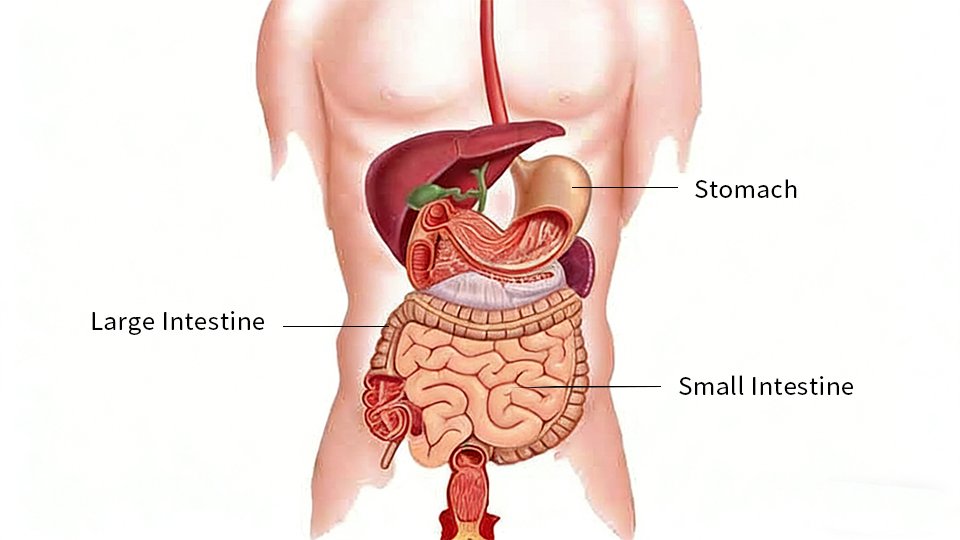
Enteric Coating: To Protect the pill from stomach acid, and only dissolves in the intestines.
Film Coating: To shield the tablet from moisture, masks taste, and makes swallowing easier.
Enteric coatings are pH-dependent: They stay intact in low pH (stomach) but dissolve when they hit a higher pH in the intestine.
Film coatings are pH-independent: they dissolve quickly upon contact with fluids in the stomach and release the medication there.
Enteric coatings: Made from acid-resistant polymers that only dissolve in the intestines. These are specially designed to survive stomach acid.
Film coatings: Made from smooth, water-soluble polymers with a bit of plasticizer or color to make pills look nice and slide down easily.
Enteric Coating: Ideal for medicines that can be ruined by stomach acid or cause irritation like proton pump inhibitors, certain antibiotics, and probiotics.
Film Coating: is widely used for everyday tablets and supplements, where the main goals are ease of swallowing, taste masking, and protection during storage.
Are film-coated tablets better than enteric-coated tablets? The answer depends on where the pharmaceuticals needs to work and what patients need most. A few practical factors related to the medication itself, like how it behaves in the body and what patients need, have a significant impact on your choice. Below is a quick comparison to help guide your decision:
Table 4-Which Coating Fits Your Medicine Best
| Key Factor | Enteric Coating | Film Coating |
| Needs to survive stomach acid | √ | |
| Releases medication in intestine | √ | |
| Easy to swallow | √ | |
| Protects from moisture/light | √ | |
| Can be used for many common tablets | √ | |
| Lower coating cost and easier manufacture | √ |
Some medicines are picky. If the pharmaceuticals cannot handle stomach acid or might irritate your stomach, enteric coating keeps it safe until it reaches the small intestine. This is also why medicine like omeprazole have an enteric coating: without it, stomach acid would break down the active ingredient before it can work. Film coatings dissolve in the stomach and are perfect for medication that are stable and need to act fast.
Big, bitter pills can be hard to swallow. Film coating smooths the surface, masks taste, and makes swallowing easier. This is especially helpful for children, seniors, or daily supplements. Enteric-coated tablets can be swallowed but their focus is on timing rather than comfort.
Film coating shields against moisture, light, and oxygen, keeping pills safe on the shelf. Enteric coating is a specialized guard against stomach acid. It helps the medicine reach the intestine intact and reduces stomach upset.
Film coating is usually simpler and cheaper. It uses fewer layers and easier materials. Enteric coating requires precise, acid-resistant polymers and careful formulation, making it more complex and sometimes costlier to produce.
From a manufacturing perspective, both coating processes are core to the pharmaceutical application of tablet enteric coating and film coating. Understanding which coating suits a medicine and its users is only part of the story. Every tablet starts in the factory, and the way it is coated can make a big difference to its effectiveness and patient experience. Whether it’s enteric coating or film coating, producing a high-quality, reliable tablet requires careful control of materials, timing, and machinery. Next, let’s take a closer look at how these coatings are actually applied, the processes involved, and the equipment that makes it all possible.
Since tablets are currently the most popular forms to be coated, the following will take tablet coating for example. Even though enteric coating and film coating serve different purposes, the film coating process and enteric coating process are surprisingly similar in practice. Both coating go through the essential steps of applying the coating, drying, and curing. The image below breaks down each step side by side, showing the unique quirks and challenges of each type, so you can see exactly how these tiny protective layers are put on your pills.
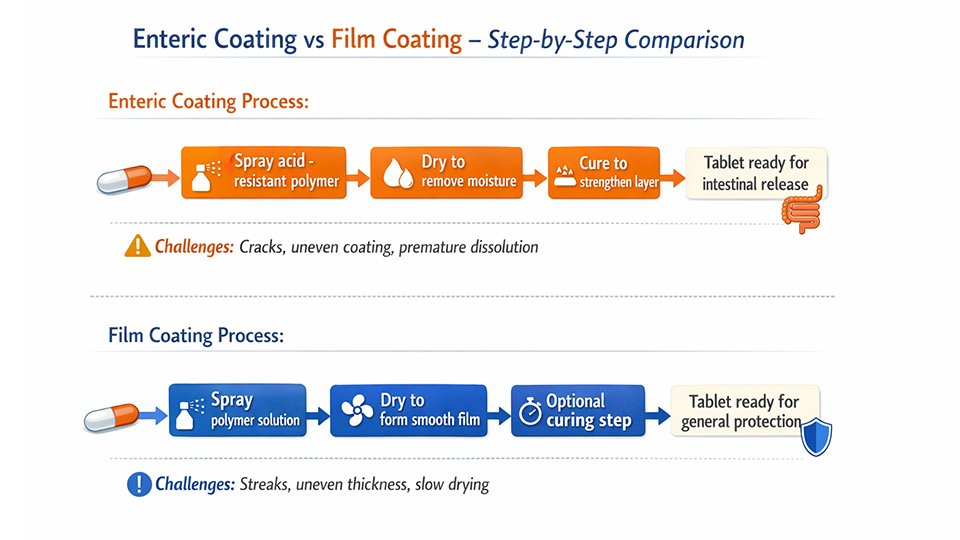
Coating tablets may seem straightforward, yet even experts run into issues. The four most common ones are:
Some tablets end up with thicker coating while others are too thin. This affects how the oral medication is released and can make tablets look inconsistent. It usually happens when spray rate, pan rotation, or airflow isn’t perfectly balanced.
Coatings can crack or peel if drying is too fast or if the polymer formulation isn’t right. This exposes the tablet to moisture and can reduce shelf life or cause stomach irritation for enteric-coated medicine.
Tablets may stick to each other or to the machine during coating. High humidity, over-wet spraying, or wrong pan speed are common causes. Sticking leads to missing coating spots and production delays.
Sometimes tablets end up with a rough surface instead of a smooth finish. This happens if the coating of tablets dries too quickly or spray parameters aren’t optimized. It can affect swallowing and the visual quality of the tablets.
Getting a tablet coated well is not just about the formula. The machine matters just as much. A good tablet coating machine helps control how the coating is sprayed, dried, and set, so each tablet comes out smooth and consistent. With the right coating machines for tablets, manufacturers can avoid common headaches like patchy coating, sticking, or coatings that release too early or too late. That’s why reliable equipment has become a key part of making both film-coated and enteric-coated tablets work the way they should.
ACG Group (India): A global leader in pharmaceutical machinery with tablet coating and fluid bed systems that offer precise process control and uniform spray distribution. Their equipment helps ensure each tablet receives the same amount of coating, reducing patchiness.
LTPM (China): Advanced tablet coaters from LTPM use programmable control systems and adjustable spray arms to maintain consistent coating distribution across different tablet shapes and sizes.
Glatt Group (Germany): Pioneer in fluid bed technology that helps control temperature and airflow during drying, minimizing stress on the coating layer and preventing cracks or peeling. Fluid bed units also improve uniformity and drying efficiency.
Thomas Processing (USA): Offers sophisticated tablet coating solutions that include controlled temperature and airflow settings to maintain the integrity of sensitive coatings.
Syntegon (Germany): A well-known global supplier of process and packaging technology whose coating machines are designed with optimized drum movement and exhaust systems to reduce tablet sticking or picking during coating.
Senieer (China): Provides integrated coating of tablets and drying solutions with precise airflow and spray balance that significantly reduce sticking issues during large batch runs.
Pharmaland (China): Some high-efficiency film coating machines incorporate PLC control and flexible air exchange systems that promote smooth drying and prevent rough surfaces.
T&T MACHINERY (Vietnam): Their advanced film coaters with adjustable spraying and air handling systems help ensure even film formation without surface defects.
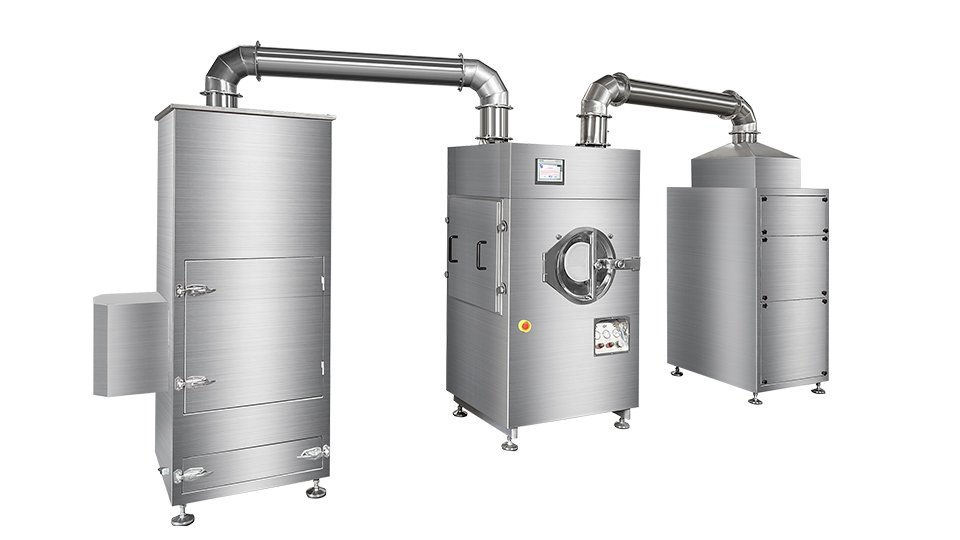
Our coating machines are designed with these challenges in mind, providing stable, even, and efficient coating for both film and enteric-coated tablets. Beyond the machine itself, we back you with full service support to keep production running smoothly:
This combination of reliable machines and comprehensive support ensures manufacturers can produce high-quality coated tablets consistently while minimizing downtime or quality issues.
Enteric coating and film coating each play a key role in how tablets protect, release, and deliver medicine. When comparing film coating and enteric coating, the right choice comes down to medicine behavior, patient needs, and manufacturing capability. While their functions differ, both rely on precise processes and reliable equipment to overcome common coating challenges and ensure consistent quality.
At Jinlu Packing, we follow a simple belief: creating value for customers is creating value for ourselves. This philosophy guides our focus on equipment reliability, service support, and long-term partnership. With the right coating solution, better tablets today lead to stronger products tomorrow.
[1] OSHA – Machine Guarding Standards. U.S. Occupational Safety and Health Administration.
[2] UL Solutions – Machine Safety Standards. Underwriters Laboratories.
[3] IEC 60204-1 – Safety of Machinery: Electrical Equipment of Machines. International Electrotechnical Commission.