
باللغة اليومية "دواء" و "الدواء" غالبا ما تستخدم بالتبادل. في صناعة الأدوية, لكن, وهي تشير عادة إلى مراحل مختلفة من دورة حياة المنتج. أ دواء بشكل عام هي المادة الدوائية الفعالة (واجهة برمجة التطبيقات) الذي يوفر تأثيرات علاجية. أ الدواء (تسمى أحيانا أ المنتج الطبي) هو المنتج النهائي – الدواء المصمم والمعبأ لاستخدام المريض. يؤثر هذا التمييز على كيفية تطوير المنتجات, المصنعة, ومعبأة. بعبارات بسيطة, كل دواء يبدأ بدواء (العنصر النشط), ولكن ليس كل دواء ينتهي به الأمر كدواء قابل للتسويق. الاختلافات في هذه الشروط يمكن أن تؤثر شكل جرعة تصميم, الوضع التنظيمي, و اختيار آلات التعبئة والتغليف.
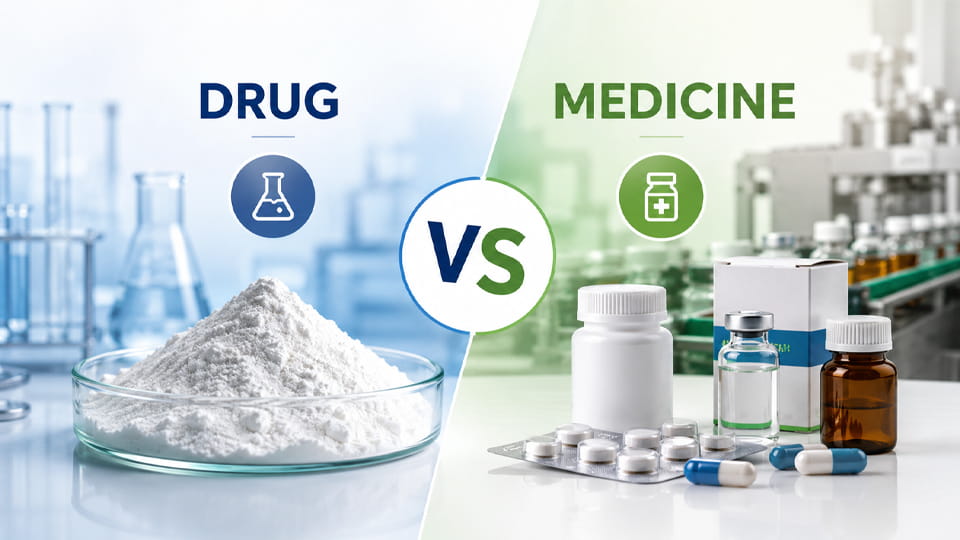
من الناحية الصيدلانية, أ دواء هي مادة كيميائية أو بيولوجية نشطة تستخدم في التشخيص, دواء, يخفف من, يعامل, أو الوقاية من المرض. تعرف إدارة الغذاء والدواء الأمريكية (FDA) الدواء على نطاق واسع بأنه "مادة مخصصة للاستخدام في التشخيص, دواء, التخفيف, علاج, أو الوقاية من المرض"في البشر أو الحيوانات. في الممارسة العملية, "دواء" غالبًا ما يشير إلى العنصر النشط النقي (واجهة برمجة التطبيقات) نفسها. على سبيل المثال, يُطلق على الإيبوبروفين أو الأموكسيسيلين كمسحوق مادة دوائية قبل تحويلها إلى دواء قرص أو كبسولة.
النقاط الرئيسية حول المخدرات في تصنيع الأدوية:
في ملخص, أ دواء هي المادة العلاجية الخام أو API – "ماذا" الذي يعطي الدواء تأثيره. هذا المصطلح شائع في تطوير الصياغة والتنظيم.
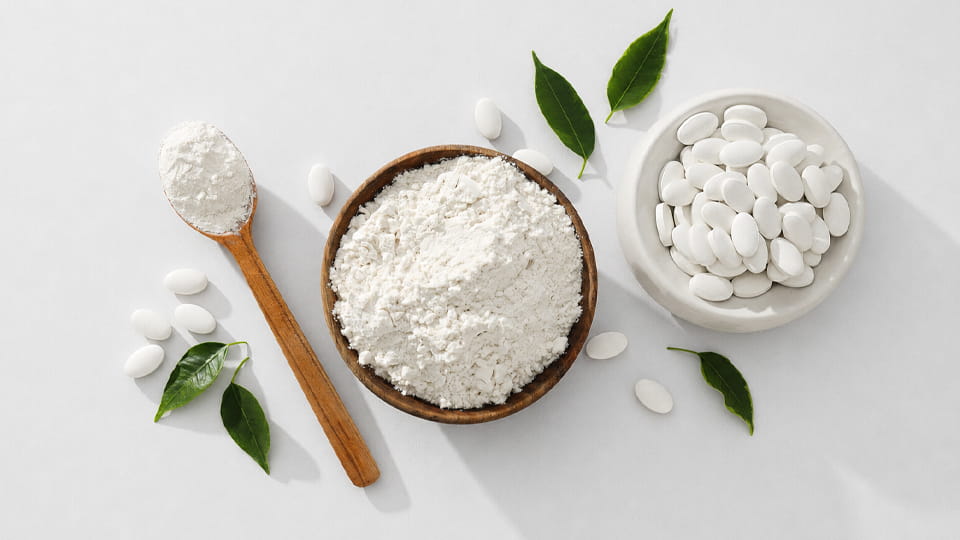
أ الدواء (أو المنتج الطبي) هو أ المنتج الصيدلاني النهائي مخصص لاستخدام المريض. أنه يحتوي على واحد أو أكثر من المخدرات (واجهات برمجة التطبيقات) بالإضافة إلى المكونات غير النشطة (سواغ) ويتم تعبئتها للتوزيع والاستخدام الآمن. بعبارة أخرى, بمجرد صياغة الدواء في شكل جرعة (قرص, كبسولة, سائل, إلخ.) ووضع علامة عليها في حاوية, فيصبح دواءً جاهزاً للبيع.
بعبارات بسيطة, أ الدواء هو المعبأة, منتج جاهز للمريض يستخدم لتشخيص أو علاج حالة ما. ويشمل الدواء باعتباره العنصر النجمي, ولكن أيضًا كل الأشياء الأخرى (سواغ, حاوية, ملصق).
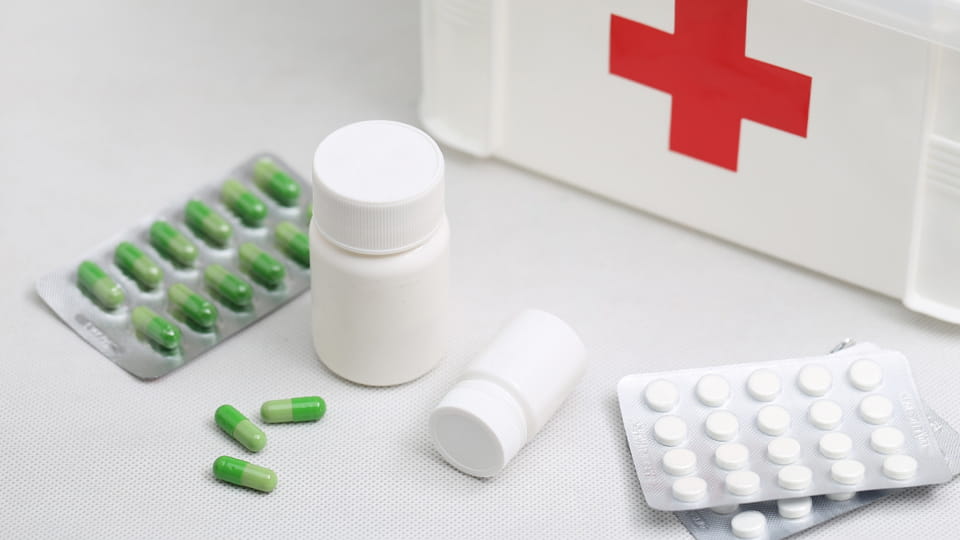
وفيما يلي ملخص لل الفروق الرئيسية بين الدواء والدواء. الاختلافات دقيقة في اللغة البسيطة ولكنها مهمة في سياقات التصنيع والتنظيم:
| وجه | دواء | الدواء (المنتج الطبي) |
| المعنى الأساسي | المادة الفعالة (واجهة برمجة التطبيقات) مع تأثير علاجي | المنتج النهائي الذي يحتوي على الدواء, جاهزة لاستخدام المريض |
| منصة | غالبًا ما يشير إلى مكونات المرحلة المبكرة أو مركب الأبحاث | يشير إلى شكل الجرعة النهائي بمجرد صياغته وتعبئته |
| تعبير | العنصر النشط النقي (على سبيل المثال. مسحوق الأسبرين) | يتضمن واجهة برمجة التطبيقات + سواغ, حاوية, ملصق (على سبيل المثال. قرص الأسبرين في نفطة) |
| استخدم السياق | تصنيع, ص&د, التنظيمية (عملية الموافقة) | الاستخدام السريري, وصف, الاستغناء (في إعدادات الرعاية الصحية) |
| أنظمة | يشمل التعريف الواسع "للدواء" الذي تعتمده إدارة الغذاء والدواء الأمريكية واجهات برمجة التطبيقات (APIs). | المنتجات النهائية الخاضعة للرقابة الصارمة (موافقات إدارة الغذاء والدواء الأمريكية/EMA, GMP) |
| مثال | ايبوبروفين أبي, بروتين الأنسولين (مادة السائبة) | أقراص ايبوبروفين, حقن الأنسولين في قوارير |
بعبارات واضحة: أ دواء هي المادة الكيميائية/البيولوجية النشطة ذات التأثير الدوائي. أ الدواء هو هذا الدواء بالإضافة إلى التركيبة والتعبئة, مخصص للاستخدام الآمن من قبل المرضى. كما قال أحد مصادر الأدوية, "كل دواء يبدأ كدواء, ولكن ليس كل دواء يصبح دواء". على سبيل المثال, المورفين النقي هو مادة مخدرة; بمجرد صياغتها في جرعات قابلة للحقن بمحلول ملحي ومختومة في قوارير, يصبح دواء (منتج لتخفيف الآلام).
النقطة الحاسمة هي ذلك الدواء يعني تنظيما, منتج استهلاكي, بينما دواء يمكن أن يعني فقط المادة الفعالة الخام أو فئة أوسع من المركبات. ويسلط الجدول أعلاه الضوء على هذه الاختلافات.
لفهم "المخدرات مقابل الطب" بشكل كامل,” فهو يساعد على توضيح المصطلحات ذات الصلة المستخدمة غالبًا في مجال الصيدلة:
خلاصة القول: في تصنيع الأدوية, "مادة مخدرة" هو واجهة برمجة التطبيقات, "منتج دوائي" هو شكل الجرعة المصاغة (أقراص, كبسولات, حقن, إلخ.), و "الدواء" هو ما تسميه المنتج الدوائي بمجرد أن يصبح منتجًا علاجيًا جاهزًا للسوق. على سبيل المثال, الميتفورمين مادة دوائية, قرص الميتفورمين 500 ملغ هو المنتج الدوائي, وهذا الجهاز اللوحي (في عبوته) هو الدواء الذي يتناوله المريض.
فهم هذه المصطلحات أمر حيوي: بمجرد أن نعرف الشكل الدوائي للمنتج الدوائي, يمكننا اختيار الحق خط التعبئة والتغليف لتحويله إلى دواء مستقر.
صياغة & تطوير شكل الجرعة: خام مادة مخدرة في حد ذاته ليس جاهزًا للصبر. يجب أن يتم صياغته في شكل جرعات مناسب (قرص, كبسولة, شراب, حقن, إلخ.) - وهذا جزء رئيسي من تطوير التصنيع. يتطلب كل شكل جرعة سواغات ومعالجة محددة (خلط, تحبيب, تعقيم) لتصبح أ منتج المخدرات. على سبيل المثال, تحتاج واجهات برمجة التطبيقات الحساسة للمستحضرات البيولوجية القابلة للحقن إلى معالجة معقمة, بينما تمر واجهة برمجة التطبيقات المستقرة للحبوب بعملية التجفيف وضغط الأقراص.
الموافقة التنظيمية: تقوم وكالات مثل إدارة الغذاء والدواء الأمريكية (FDA) أو وكالة الأدوية الأوروبية (EMA) بمراجعة البيانات المتعلقة بالمادة الدوائية و المنتج الدوائي / الدواء. يقومون بتقييم سلامة API وفعالية الصيغة النهائية. يجب أن يفي الدواء النهائي بمعايير صارمة (GMP, استقرار, وضع العلامات). ادارة الاغذية والعقاقير CGMP تغطي القواعد بشكل صريح عمليات ومعدات التعبئة والتغليف – فكيف تقوم بتعبئة الدواء (حتى أكثر من المخدرات الخام) يتم تنظيمه بشكل كبير.
التعبئة والتغليف ووضع العلامات: التمييز يملي احتياجات التعبئة والتغليف. عادةً ما تحتوي المادة الدوائية على الحد الأدنى من التغليف (الطبول, قوارير للتخزين). دواء, لكن, يتطلب التعبئة والتغليف الأولية الذي يحمي الجرعة (على سبيل المثال. حزم نفطة, زجاجات, قوارير) و التغليف الثانوي (كرتون) للحصول على المعلومات وإمكانية التتبع. على سبيل المثال, أقراص (المنتج النهائي) تحتاج إلى عبوات نفطة مقاومة للرطوبة أو أنظمة إغلاق الزجاجات لضمان مدة الصلاحية. يحتاج الدواء القابل للحقن إلى قوارير أو أمبولات زجاجية معقمة بالإضافة إلى أختام واضحة للتلاعب. تحتوي كل مجموعة من API وشكل الجرعة على حل تعبئة مطابق.
اختيار المعدات: إذا كنت تفكر فقط في واجهات برمجة التطبيقات, قد تفكر في المفاعلات أو الخلاطات. ولكن بمجرد أن تصبح المادة منتجًا دوائيًا تحتاج إلى التعبئة والتغليف, أنت بحاجة إلى خط التغليف المناسب. ماكينات تعبئة البليستر, كبسولة ملء آلات, الحشو السائل, خطوط تعبئة القارورة, آلات الكرتون - كل تصبح ذات صلة. إن التعرف على "الدواء" يعني أن المنتج المعبأ يطالب بشراء هذه الآلات.
باختصار, إن فهم "المخدرات مقابل الطب" يساعد فرق المشروع على المعرفة متى وكيف لدمج التعبئة والتغليف في سير عمل الإنتاج. إنه يضمن أن المنتج الدوائي لا يتم صياغته فقط, ولكن محمية بشكل صحيح وعرضها على السوق.
التعبئة والتغليف هي الخطوة الحاسمة الأخيرة التي تحول الدواء المُصاغ إلى دواء يمكن للمرضى استخدامه بأمان. في التعبئة والتغليف الصيدلانية, التعبئة والتغليف الأولية على اتصال مباشر مع الجرعة (المنتج الدوائي) ويوفر الحاجز الأول أمام التدهور. على سبيل المثال, غالبًا ما تدخل كبسولات وأقراص الجيلاتين الصلبة الألومنيوم والبلاستيك حزم نفطة, بينما يدخل الشراب السائل بلاستيك (الحيوانات الأليفة/الكثافة) زجاجات. تمتلئ الأدوية القابلة للحقن قوارير زجاجية معقمة أو أمبولات. يتم اختيار كل حاوية أولية لخمولها وخصائصها الحاجزة.
بمجرد إغلاق العبوة الأولية, التغليف الثانوي (كرتون, التسميات, منشورات) يوفر معلومات المريض وبيانات الدفعة. على سبيل المثال, يتم تجميع عبوات الفقاعات أو القوارير في علب كرتون من الورق المقوى ذات العلامات التجارية مع نشرات التعليمات, أرقام الدفعة, والرموز الشريطية – أمر بالغ الأهمية للامتثال وسلامة المرضى.
في JinLuPacking, أجهزتنا تقوم بأتمتة هذه الخطوات. أوتوماتيكي آلة تعبئة الفقاعة يمكن أن يغلق آلاف الأقراص في بثور في الساعة; أ آلة ملء كبسولة جرعات الدواء في كبسولات; أ خط تعبئة وتغطية الزجاجات يقوم بحساب الأقراص أو تعبئة الشراب في زجاجات; و أ آلة التغليف بالكرتون يغلف وصناديق المنتجات النهائية. كل هذه المراحل – ملء, السد, التغليف - تأكد من تناول جرعات الدواء النهائية بدقة, آمن, وجاهزة للتوزيع.
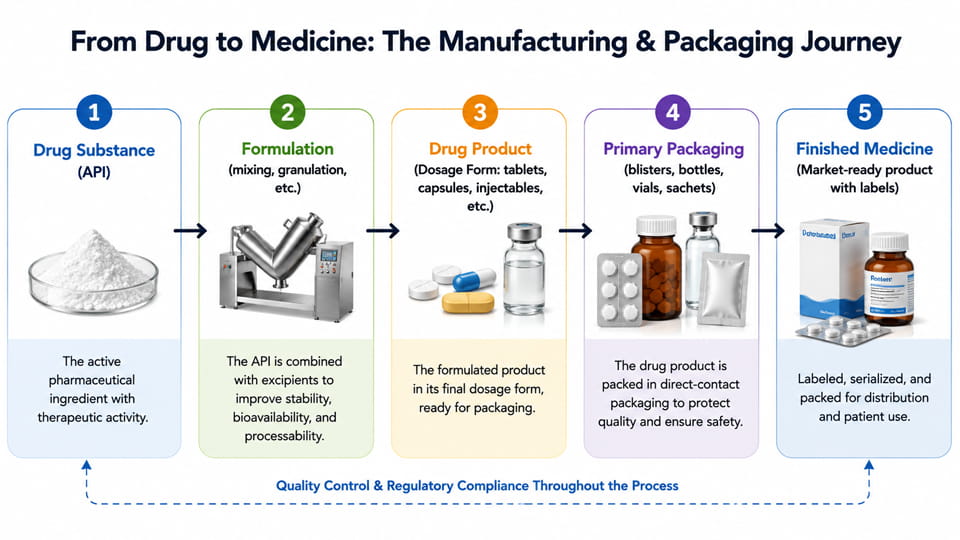
شكل: مخطط انسيابي للأدوية → الطب: النشط مادة مخدرة (واجهة برمجة التطبيقات) يتم صياغتها في منتج المخدرات (شكل جرعة محددة). ثم ينتقل إلى التعبئة والتغليف الأولية (على سبيل المثال. عبوات نفطة للأقراص, زجاجات للعصائر, قوارير زجاجية للحقن). أخيراً, يصبح الطب النهائي مع التغليف الثانوي (كرتون/التسميات) لاستخدام المريض.
تتطلب أشكال الجرعات المختلفة حلول تغليف مختلفة. يلخص الجدول أدناه عمليات الاقتران النموذجية:
| نموذج الجرعة | التغليف الأساسي المشترك | مثال JinLuEquipment |
| أقراص (الصلبة عن طريق الفم) | حزم نفطة (احباط PVC / PVDC), أو البلاستيك زجاجات مع قبعات المسمار | ماكينة تعبئة الفقاعات; عد الأجهزة اللوحية & خط تعبئة الزجاجات |
| كبسولات (شفوي) | حزم نفطة, أو زجاجات مشابهة للأقراص | آلة تعبئة الكبسولة الأوتوماتيكية; آلة نفطة |
| السائل عن طريق الفم (شراب) | بلاستيك (الحيوانات الأليفة/الكثافة) زجاجات مع قبعات آمنة للأطفال | نظام تعبئة وتغطية السوائل; زجاجة Unscrambler |
| مسحوق / الكيس | عبوات كيس ذات جرعة واحدة (أكياس احباط أو صفح) | آلة تعبئة الأكياس/العصا; خط الحقيبة الجاهزة |
| الحقن (معقمة) | زجاج قوارير, أمبولات, أو المحاقن المعبأة مسبقا, بالإضافة إلى الأختام احباط | ملء القارورة / الأمبولة & خط التوقف; السدادة التعريفي |
| المراهم / الكريمات | أنابيب مغلفة (الألومنيوم أو البلاستيك) | آلة تعبئة وختم الأنبوب |
| كبسولات هلامية | زجاجات (حيوان أليف) أو عبوات نفطة | آلة نفطة كبسولة سوفتغيل; خط العد |
يعتمد الاختيار على عوامل مثل ثبات شكل الجرعة, العقم, وراحة المريض. على سبيل المثال, غالبًا ما تستخدم الأقراص والكبسولات آلات نفطة أو خطوط تعبئة الزجاجات, بينما تحتاج السوائل شطف الزجاجة, تعبئة, وآلات السد. قابل للحقن تتطلب الأدوية أنظمة تعبئة معقمة في ظل ظروف غرف الأبحاث. ويتم دعم كل حل بواسطة آلات تعبئة متخصصة لضمان أن يصبح المنتج الدوائي محميًا, المسمى الدواء الذي يجتمع معايير GMP.
لجعلها ملموسة, وفيما يلي بعض الأمثلة التي توضح كيف تتحول أدوية معينة إلى أدوية:
يظهر كل مثال: دواء (واجهة برمجة التطبيقات) → صياغة (أقراص, تعبئة, إلخ.) → التغليف (بثرة, زجاجة, قارورة, الكيس) → الدواء (المنتج النهائي مع التسمية).
ليس بالضرورة. كل دواء يبدأ من دواء, ولكن ليس كل دواء يصبح دواء. العديد من المركبات الكيميائية أو البيولوجية (المخدرات) لا تصل للمرضى أبداً. تبقى بعض الأدوية في R&د أو تستخدم فقط للبحث, والبعض الآخر يستخدم خارج الإعدادات الطبية (على سبيل المثال. المخدرات الترفيهية). فقط عندما يتم صياغة الدواء, تم اختباره, وأقر هل يصبح دواء.
كملاحظات الإجابة على الأسئلة الشائعة, "الأسبرين دواء ودواء في نفس الوقت. وهو دواء في شكله الكيميائي (حمض أسيتيل الساليسيليك) ويصبح دواءً عند صياغته واستخدامه لعلاج الحمى, ألم, أو التهاب". المفتاح هو الاستخدام المقصود والعرض التقديمي: استخدامه كمنتج جاهز للمريض يجعله دواءً.
في ملخص, تمت الموافقة عليه فقط, المنتجات المخصصة للمريض هي الأدوية. إن فهم ذلك يساعد الشركات المصنعة والمنظمين على التمييز بين المواد التجريبية ومنتجات السوق الحقيقية.
في ملخص, "دواء" يشير عادة إلى العنصر النشط أو أي عامل دوائي, بينما "الدواء" (المنتج الطبي) يشير إلى الانتهاء, منتج جاهز للمريض يحتوي على هذا الدواء. هذا التمييز مهم لتصنيع الأدوية: إنه يرشد ر&د, الوضع التنظيمي, وخيارات التعبئة والتغليف. يساعد فهم هذه المصطلحات على ضمان نقل المادة الدوائية من خلال التركيبة والتركيب التعبئة والتغليف بشكل صحيح لتصبح مستقرة, الطب المتوافق.
متى تطوير شكل جرعات جديد, يتذكر: خط التعبئة والتغليف الصحيح (باكر نفطة, حشو الكبسولة, خط الزجاجة, حشو القارورة, كرتون, إلخ.) ضروري ل حماية الدواء والاجتماع GMP. على سبيل المثال, يعتمد مصنعو الأجهزة اللوحية على ماكينات تعبئة الفقاعات و خطوط العد/التعبئة, بينما تتطلب المنتجات القابلة للحقن آلات تعبئة وتغطية القارورة / الأمبولة والتعبئة الثانوية الآمنة. JinLuPacking يقدم مجموعة كاملة من ماكينات تعبئة الأدوية مصممة خصيصا لكل شكل جرعة – من قرص & تقرحات الكبسولة ل التعبئة الكيس و التغليف بالكرتون.
على استعداد لتحويل الدواء الخاص بك إلى دواء جاهز للسوق? اكتشف حلولنا: قرص & آلات تغليف نفطة الكبسولة للجرعات الصلبة, آلات تعبئة الكبسولة للمسحوق/كبسولات سائلة, الكيس & آلات الحقيبة الجاهزة للمساحيق, وآلات التغليف الكرتوني للملاكمة النهائية. تساعد معداتنا على حماية جودة المنتج, ضمان سلامة المرضى, وتبسيط خط الإنتاج الخاص بك من الدواء إلى الدواء النهائي.
ليس بالضبط. في المحادثة غير الرسمية يتداخلون, ولكن من الناحية الفنية، فإن الدواء غالبًا ما يعني المادة الفعالة أو أي مادة دوائية, في حين أن الدواء هو المنتج النهائي المعطى للمرضى. ويمكن القول: "إن لكل دواء دواءً, لكن الدواء في حد ذاته قد لا يكون دواءً إلا بعد صياغته".
وهي في الأساس نفس المفهوم في معظم السياقات الصيدلانية. المنتج الدوائي هو شكل الجرعة المكتمل (قرص, كبسولة, حقن) جاهزة للبيع. الدواء هو ما يسمى المنتج الدوائي عندما يتم تعبئته لاستخدام المريض. في الممارسة العملية, المنتجات الدوائية المعتمدة (مع وضع العلامات) هي الأدوية.
مادة مخدرة (أو واجهة برمجة التطبيقات) هو العنصر النشط النقي – المادة الكيميائية أو البيولوجية التي لها التأثير العلاجي. المنتج الدوائي هو الصيغة النهائية التي تحتوي على تلك المادة, بالإضافة إلى السواغات, في شكل جرعة (حبة, حل, إلخ.). فكر في الملح ومملح الملح: الملح (مادة مخدرة) هو العنصر; الملح مع عامل مضاد للتكتل في زجاجة (منتج المخدرات) هو المنتج القابل للاستخدام.
التعبئة والتغليف أمر بالغ الأهمية لتحويل الدواء إلى دواء. كما لاحظت موارد JinLuPacking, التعبئة والتغليف الصيدلانية (حزم نفطة, قوارير, زجاجات) يحمي استقرار المنتج الدوائي وجرعته, ويضمن الامتثال للوائح. إن التغليف والتوسيم المناسبين يحولان المادة الدوائية السائبة إلى خزنة, دواء سهل الاستخدام.
نعم. مركب مثل الإيبوبروفين أو الأسيتامينوفين هو مادة دوائية. عندما يتم تحويله إلى قرص OTC مع التعليمات, بل هو أيضا دواء. ذلك يعتمد على الشكل والاستخدام. كما ذكر أعلاه, الأسبرين دواء كيميائيًا ولكنه يسمى دواء بمجرد وجوده في أقراص لتخفيف الألم. إنه نفس الشيء مع العديد من مسكنات الألم, المضادات الحيوية, إلخ.
غالبًا ما يستخدم الأطباء كلمة "دواء" بالمعنى المحايد لأي عامل دوائي. في المصطلحات السريرية والقانون (مثل قانون ادارة الاغذية والعقاقير), "المخدرات" هو المصطلح الرسمي لمادة علاجية. وهو يغطي كل شيء من شراب السعال إلى العلاج الكيميائي. في أثناء, "الدواء" أكثر ملاءمة للمرضى. لذلك قد يصف الطبيب الإيبوبروفين (دواء) كمسكن للآلام (الدواء).
مراجع:
1.Drugs@FDA مسرد المصطلحات -- نحن. إدارة الغذاء والدواء
2.تصنيف المنتجات كأدوية وأجهزة ومشكلات إضافية تتعلق بتصنيف المنتجات -- نحن. إدارة الغذاء والدواء
3.مسرد (مصطلحات P: منتج صيدلاني, سواغ, مادة البداية) -- من
4.معجم التأهيل المسبق -- من
5.أشكال الجرعات | ادارة الاغذية والعقاقير -- نحن. إدارة الغذاء والدواء
6.السؤال السابع أ: إرشادات ممارسات التصنيع الجيدة للمكونات الصيدلانية الفعالة -- نحن. إدارة الغذاء والدواء
