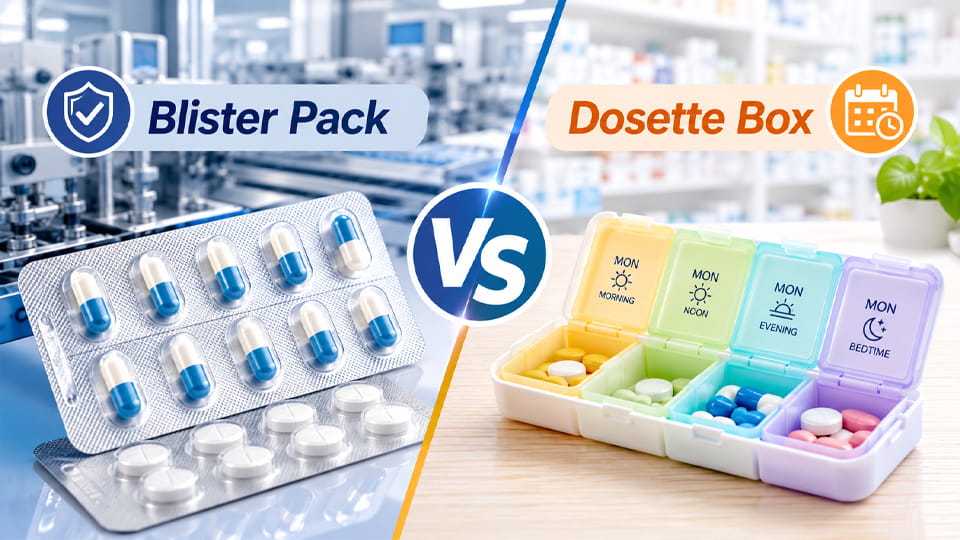

Lựa chọn quyền máy đóng gói vỉ là một quyết định quan trọng đối với các nhà sản xuất dược phẩm. Viên nén và viên nang có kích thước khác nhau, hình dạng, và độ nhạy, điều đó có nghĩa là máy đóng gói chúng cũng phải khác nhau. Hướng dẫn này giải thích những điểm khác biệt chính giữa máy ép vỉ dạng viên và máy ép vỉ dạng viên nang, bao gồm mọi thứ từ hình học khoang và bộ cấp liệu đến tốc độ sản xuất và tuân thủ quy định. Chúng tôi so sánh hệ thống tạo hình nhiệt với tạo hình nguội và tấm phẳng với hệ thống quay, phác thảo các yếu tố hàng đầu cần xem xét, và chỉ ra những cạm bẫy thường gặp khi chọn sai máy. Đến cuối, bạn sẽ hiểu chính xác những gì cần tìm—dù bạn cần dòng máy tính bảng được cấp bằng bàn chải hay dòng viên nang hoàn toàn tự động với bộ nạp định hướng—để bạn có thể đưa ra quyết định mua hàng sáng suốt.
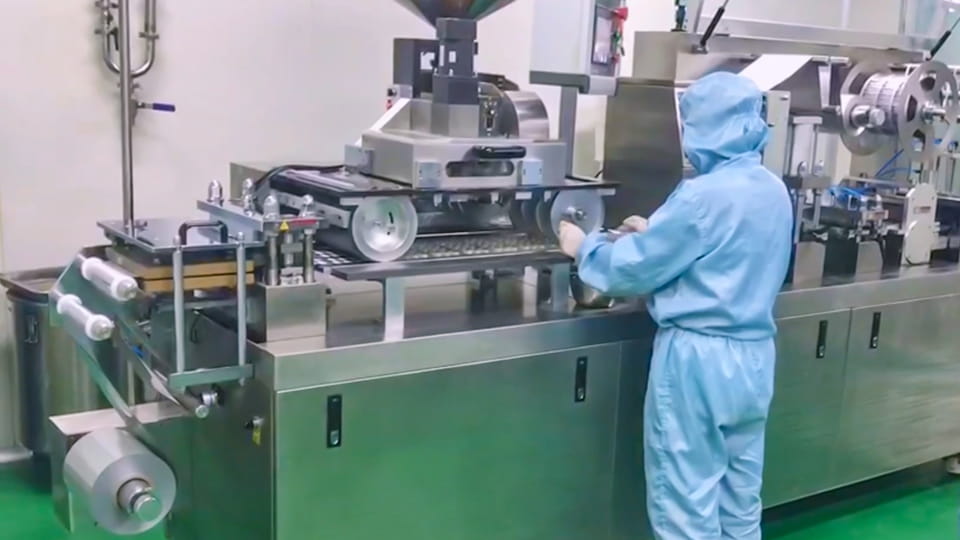
Nhân vật: Dây chuyền đóng gói vỉ/viên nang hiện đại trong phòng sạch đạt tiêu chuẩn GMP. Máy ép vỉ tự động tạo hình, điền vào, niêm phong, và cắt màng PVC hoặc màng nhôm để tạo ra bao bì theo đơn vị liều lượng.
Máy đóng gói vỉ là thiết bị chuyên dụng tạo thành các khoang riêng lẻ (vỉ) từ một màng nhựa hoặc nhôm, lấp đầy chúng bằng sản phẩm, và sau đó dán chúng lại bằng giấy bạc. Họ thực hiện bốn bước cốt lõi—hình thành, điền vào, niêm phong, và cắt—sản xuất gọn gàng, gói hàng giả mạo. Những máy này có mặt khắp nơi trong dược phẩm: bạn sẽ thấy họ đóng gói máy tính bảng, viên nang, hoặc thậm chí thuốc lá điện tử và hàng tiêu dùng nhỏ. Máy đóng gói vỉ chất lượng cao đảm bảo an toàn và thời hạn sử dụng của sản phẩm bằng cách niêm phong chính xác từng bộ phận, đồng thời tuân thủ các tiêu chuẩn nghiêm ngặt của GMP/FDA.
Dòng vỉ dạng viên và viên nang có chung kiến trúc cơ bản, nhưng các chi tiết khác nhau. Cái túi (khoang) hình học của một chiếc máy tính bảng tròn rất khác so với hình dạng trong một thời gian dài, viên nang hai mảnh, và hệ thống cấp liệu/định hướng phải phù hợp. Ví dụ, một viên thuốc tròn 10mm tiêu chuẩn chỉ cần một bề mặt nông, túi tròn, trong khi một 0# (21.7 mm) viên nang gelatin cứng đòi hỏi một sâu, khoang hình bầu dục thon dài. Kết quả là, một đường vỉ viên nang thường bao gồm một “bộ nạp định hướng” để sắp xếp các viên nang một cách chính xác (từ đầu đến đuôi) trước khi họ vào trạm xăng. Viên nang có thể nhào lộn hoặc đảo ngược, vì vậy một máy nạp viên nang thường được sử dụng để lật từng viên nang vào một vị trí đồng nhất. Ngược lại, máy tính bảng dễ dàng hơn để cho ăn với một bộ nạp bàn chải hoặc tấm rung, vì hầu hết các máy tính bảng đều đối xứng và có thể được nạp ngẫu nhiên vào các túi tròn.
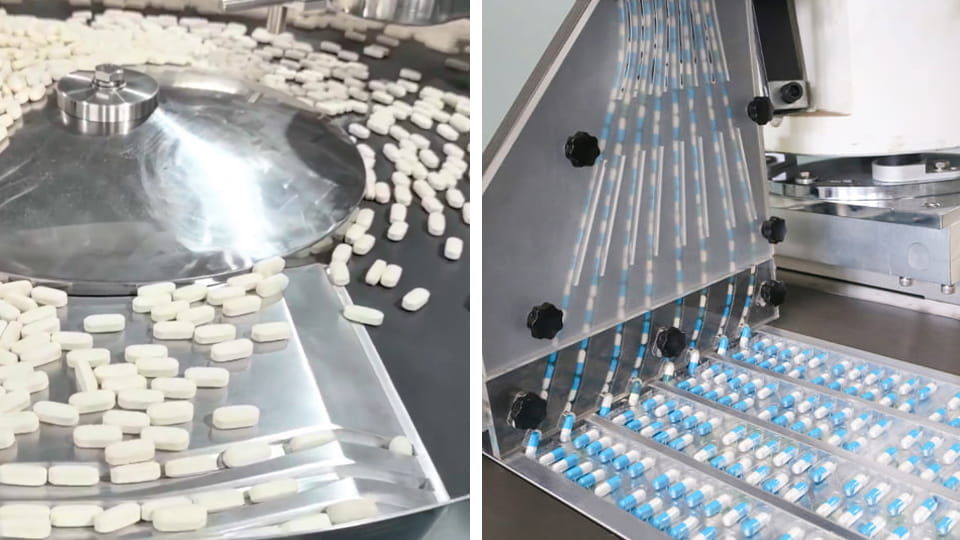
Nhân vật: Đường vỉ cho viên nang. Khoang máy tính bảng (hình tròn) vs khoang nang (hình bầu dục thon dài) ra lệnh thiết kế trung chuyển khác nhau và điều kiện hình thành.
MỘT máy đóng gói vỉ là một thiết bị dược phẩm tự động hóa việc đóng gói theo đơn vị liều lượng. Nó tạo thành các lỗ sâu (vỉ) trong một mạng lưới nhựa hoặc nhôm, lấp đầy chúng bằng sản phẩm, sau đó niêm phong chúng bằng giấy bạc hoặc giấy lót. Trong dược phẩm, màng hình thành thường là PVC/PVDC hoặc nhôm (cho dạng lạnh), và phần nắp là lá nhôm. Trình tự cơ bản là: thư giãn màng → trạm tạo hình → trạm nạp/cấp → trạm hàn kín → đục lỗ/cắt.
[jl_youtube src=”https://www.youtube.com/embed/hC-yo-ToX6s”]
Quá trình này tạo ra các vỉ thuốc được hàn kín rõ ràng là giả mạo, Vệ sinh, và dễ dàng cho bệnh nhân sử dụng. Một máy đóng gói vỉ tốt đảm bảo chất lượng hình thành và niêm phong ổn định, thường tích hợp các hệ thống quan sát để phát hiện và loại bỏ các túi trống hoặc các đơn vị bị điền sai.
Mặc dù thoạt nhìn dòng máy tính bảng và viên nang trông giống nhau, của họ sự khác biệt chính có nghĩa là bạn không thể trao đổi sản phẩm trên bất kỳ máy nào mà không cần điều chỉnh. Ba điểm khác biệt chính về phần cứng là: hình dạng túi (chết hình học), trung chuyển/định hướng, và từ chối logic.
Làm sai những điều này có thể làm hỏng sản xuất: hình dạng túi không chính xác dẫn đến hư hỏng niêm phong hoặc phồng rộp bị biến dạng, và lỗi cấp liệu dẫn đến phế liệu hoặc nhớ lại. Như Jinlupacking ghi chú, ”hình học dụng cụ, cơ chế cho ăn, và logic từ chối là những gì quyết định liệu bạn có nhận được 98.5% hiệu quả hoặc 84% hiệu quả trong tuần sản xuất đầu tiên”.
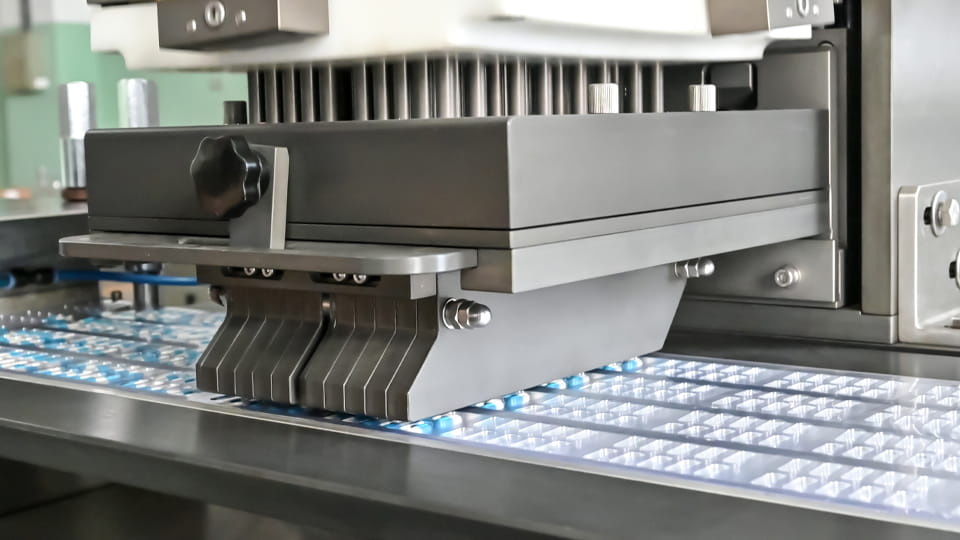
Để tóm tắt trong một tài liệu tham khảo nhanh, đây là cách điển hình máy vỉ máy tính bảng so sánh với một máy vỉ viên nang:
| Tính năng | Máy ép vỉ máy tính bảng | Máy ép viên nang |
| Hình dạng khoang | Hình bầu dục tròn hoặc nông (đáy phẳng) | Hình bầu dục thon dài (vẽ sâu hơn) |
| Độ sâu khoang điển hình | ~4–8 mm | ~9–14 mm |
| Vật liệu tạo hình | PVC/PVDC hoặc PET (để ép nóng) | Thường là PVC/PVDC hoặc nhôm (để tạo hình nhiệt hoặc tạo hình nguội) |
| Nhiệt độ hình thành | ~120–140 °C (PVC) | ~145–165 °C (PVC; hoặc không có nhiệt đối với Alu-Alu dạng lạnh) |
| Hệ thống cho ăn | Khay nạp bàn chải hoặc tấm rung (không định hướng) | Bộ nạp định hướng (máng trọng lực, ray dẫn hướng, hoặc quỹ đạo) |
| Định hướng sản phẩm | ngẫu nhiên (viên đối xứng) | Cố định từ đầu đến đuôi (viên nang phải đối mặt theo cùng một cách) |
| Logic Tầm nhìn/Từ chối | Phát hiện máy tính bảng rỗng/hỏng | Phát hiện thiếu, đảo ngược, hoặc viên nang nạp chéo |
| Hiệu quả tốc độ | Thông thường cao hơn (điền đơn giản hơn) | Thấp hơn một chút (do các bước định hướng) |
| Chi phí chuyển đổi | Thấp hơn (khuôn phẳng đơn giản) | Cao hơn (khuôn phức tạp cho hình dạng viên nang) |
| Xử lý rủi ro | Thấp (máy tính bảng rất mạnh mẽ) | Cao hơn (viên nang có thể tách ra hoặc nắp riêng biệt) |
Điểm mấu chốt: Máy tính bảng sử dụng khuôn phẳng đơn giản và bộ nạp tiêu chuẩn, trong khi máy viên nang thường thêm máng định hướng hoặc bộ cấp liệu quay và khuôn sâu hơn. Nhiều máy cao cấp (giống như người mẫu của Jinlu) được xây dựng để xử lý cả hai, nhưng yêu cầu chuyển đổi công cụ/khuôn đã được xác nhận và đôi khi chuyển đổi bộ nạp tự động để thực hiện việc đó. Nếu máy thực sự có hai mục đích, hệ thống trung chuyển của nó phải hỗ trợ cả hai chế độ (ví dụ. một thanh dẫn hướng có thể điều chỉnh được có thể bị vô hiệu hóa đối với máy tính bảng).
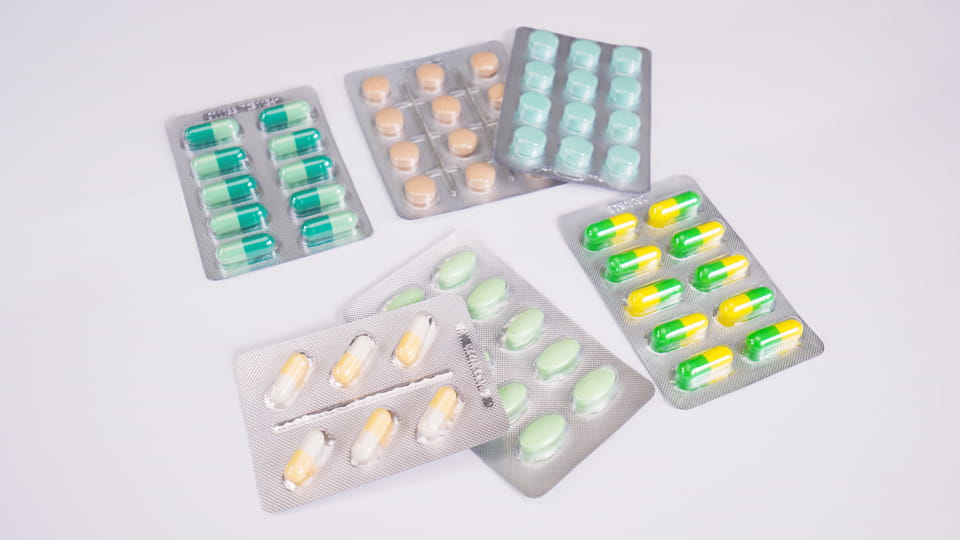
Khi lập kế hoạch cho dây chuyền đóng gói của bạn, coi như công nghệ tạo hình (tạo hình nhiệt và tạo hình lạnh) Và phong cách máy móc (tấm phẳng vs quay):
Khi nào nên sử dụng cái nào: Chọn ép nóng nếu sản phẩm của bạn ổn định về độ ẩm và bạn cần tốc độ và khả năng hiển thị (ví dụ. máy tính bảng OTC, chất bổ sung). Chọn dạng lạnh (Mọi thời đại) nếu thuốc của bạn nhạy cảm với oxy/độ ẩm hoặc cần thời hạn sử dụng rất dài. Một số dòng sử dụng phương pháp lai (màng nhiệt có nắp Alu hoặc lớp phủ PVDC) để cân bằng chi phí và rào cản.
Máy ép vỉ cũng có hai dạng cơ học chính:
Chọn cái nào? Nếu bạn sản xuất nhiều SKU khác nhau hoặc cần rút sâu (như Alu-Alu), Một tấm phẳng máy thường là tốt nhất. Nếu bạn chạy một lô sản phẩm rất lớn (ví dụ. hàng triệu gói vỉ mỗi tháng), Một quay máy trả hết thông lượng. Ví dụ, của Jinlu DPP-180Pro là model dạng tấm phẳng (tối đa ~4.800 tấm/giờ) tốt cho sự linh hoạt, Trong khi Model quay DPH-270Max có thể đánh 11,200 vỉ/giờ cho sản lượng hàng loạt tốc độ cao.
| Tính năng | Máy tấm phẳng | Máy quay |
| phong cách hình thành | Không liên tục (tấm ép mỗi chu kỳ) | liên tục (trống quay) |
| Tối đa. Tốc độ | Vừa phải (hàng chục đến ~ 100 lần cắt/phút) | Rất cao (thường 180+ cắt giảm/phút) |
| Tốt nhất cho | Lô nhỏ/trung bình; vẽ sâu (Mọi thời đại) gói | Gói Alu-PVC khối lượng lớn (sản xuất hàng loạt) |
| Chi phí khuôn | Thấp hơn (tấm phẳng rẻ hơn) | Cao hơn (khuôn hình trụ chính xác) |
| Thời gian chuyển đổi | Nhanh (trao đổi khuôn đơn giản hơn) | Chậm hơn (căn chỉnh và thay thế rất phức tạp) |
| Dấu chân trên mỗi đầu ra | lớn hơn (cần nhiều máy cho cùng một đầu ra) | Nhỏ gọn hơn (một máy bằng nhiều tấm phẳng) |
Khi lựa chọn dây chuyền đóng gói vỉ, tập trung vào bảy yếu tố này để đảm bảo phù hợp nhất và tránh những sai lầm tốn kém sau này:
Bằng cách đánh giá cẩn thận từng yếu tố, bạn sẽ tránh được một cái bẫy thông thường: mua một chiếc máy rẻ hơn phù hợp với nhu cầu ngày nay nhưng không đáp ứng được yêu cầu của ngày mai (Ví dụ, thiếu bộ nạp cho SKU viên nang mới hoặc cần thay thế hoàn toàn để có tốc độ cao hơn).
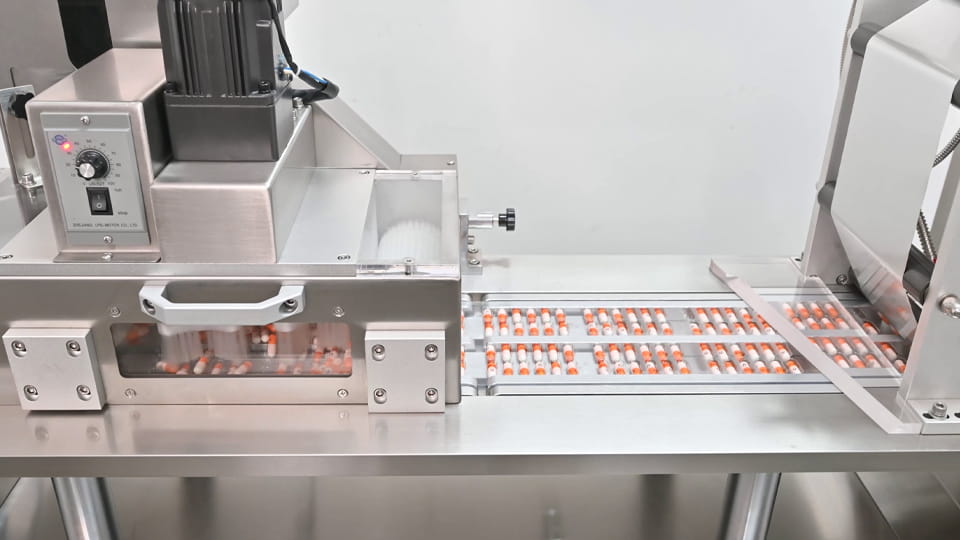
Việc lựa chọn máy ép vỉ là một việc phức tạp, quyết định có tính rủi ro cao. Đội ngũ thu mua thường mắc phải những lỗi này:
Bằng cách học hỏi từ những sai lầm này, bạn có thể ưu tiên giá trị và hiệu suất lâu dài thay vì chỉ đánh dấu vào các ô trong bảng thông số kỹ thuật.
Nếu bạn sản xuất chủ yếu là máy tính bảng:
Nếu bạn sản xuất chủ yếu là viên nang:
Nếu bạn làm cả hai:

Không phải tất cả các máy đóng gói vỉ đều được tạo ra như nhau. Bạn muốn một nhà cung cấp hiểu rõ nhu cầu dược phẩm và cung cấp sự hỗ trợ mạnh mẽ. Đóng gói Jinlu, ví dụ, điểm nổi bật:
Việc lựa chọn nhà sản xuất uy tín cũng quan trọng không kém thông số kỹ thuật của máy. Tìm kiếm những người xuất bản tài liệu xác nhận, cung cấp đào tạo, và có hồ sơ theo dõi việc lắp đặt dược phẩm.
Lựa chọn máy đóng gói vỉ phù hợp là một quyết định mang tính chiến lược. Bằng cách kết hợp cẩn thận loại máy đến của bạn sản phẩm (máy tính bảng vs viên nang) Và nhu cầu sản xuất, bạn có thể tối đa hóa hiệu quả và chất lượng. Hãy nhớ xem xét thiết kế máng ăn, định dạng máy, khả năng tương thích vật liệu, và tuân thủ quy định. Việc bỏ qua những chi tiết này có thể khiến bạn mất thời gian ngừng hoạt động và sản phẩm bị loại bỏ. Thay vì, làm theo cách tiếp cận danh sách kiểm tra của người mua: xác định yêu cầu của bạn, xác minh từng máy chống lại chúng, và thuê nhà cung cấp mà bạn tin tưởng (với sự bảo đảm và hỗ trợ vững chắc).
Lựa chọn quyền Máy đóng gói vỉ không chỉ là về thiết bị - mà còn là đảm bảo sản xuất ổn định, chất lượng sản phẩm, và ROI dài hạn. Nếu bạn dự định nâng cấp dây chuyền đóng gói dược phẩm của mình hoặc vẫn so sánh các lựa chọn giữa máy tính bảng và viên nang, bây giờ là thời điểm thích hợp để hành động.
👉 Nói chuyện với nhóm của chúng tôi tại Jinlu Packing ngay hôm nay
👉 Nhận giải pháp tùy chỉnh dựa trên sản phẩm và năng lực của bạn
👉 Yêu cầu báo giá hoặc tư vấn kỹ thuật - không có nghĩa vụ
Chúng tôi sẽ giúp bạn kết hợp máy đóng gói vỉ phù hợp với nhu cầu sản xuất thực sự của bạn - không chỉ thông số kỹ thuật trên giấy.
Có thể, nhưng nó phụ thuộc vào thiết kế của máy. Một máy vỉ thực sự có định dạng kép phải có dụng cụ có thể hoán đổi cho nhau (bộ khuôn) và một hệ thống cho ăn có khả năng cho ăn cả viên ngẫu nhiên và viên nang định hướng. Trong thực tế, điều này có nghĩa là chi phí thêm (dụng cụ khuôn đặc biệt và bộ nạp định hướng viên nang). Nếu thỉnh thoảng sản xuất hỗn hợp, một máy duy nhất với bộ dụng cụ chuyển đổi có thể hoạt động, nhưng để chuyển đổi thường xuyên, máy chuyên dụng có thể thực tế hơn.
Đối với thuốc nhạy cảm với độ ẩm hoặc nhạy cảm với ánh sáng, dạng lạnh (Mọi thời đại) gói vỉ được ưa thích. Tấm nhôm hoàn chỉnh cung cấp một rào cản gần như không thấm nước, kéo dài thời hạn sử dụng. Lưu ý máy phải hỗ trợ tạo hình nguội (áp suất cao, không có nhiệt). Nếu cần tốc độ và khả năng hiển thị, một số sử dụng gói lai (khoang chịu nhiệt với lớp phủ nhôm hoặc PVDC) để bảo vệ trung gian.
Thermoforming (PVC/PET) hoạt động với hầu hết các máy tính bảng không quá nhạy cảm với độ ẩm. Nó cung cấp sản xuất nhanh chóng và rõ ràng, gói có thể kiểm tra. Tuy nhiên, đối với dạng viên có dạng hạt ướt hoặc có tính hút ẩm, bạn có thể cần màng phủ PVDC hoặc chuyển sang dạng nguội. Cũng, một số vật liệu (như retinoid) có thể tương tác với PVC, vì vậy việc kiểm tra khả năng tương thích là điều khôn ngoan.
Các dòng viên nang thường sử dụng bộ nạp định hướng. Các loại phổ biến bao gồm bộ cấp liệu bằng ray dẫn hướng, máng trượt trọng lực, hoặc thiết bị xoay viên nang. Mục đích là đưa từng viên nang vào trong khoang. Jinlu và những người khác cung cấp các nguồn cấp quỹ đạo hoặc các kênh rung để đạt được điều này. Luôn kiểm tra với nhà cung cấp để biết máy cấp liệu của họ có thể xử lý kích thước và hình dạng viên nang của bạn hay không.
• Tối ưu hóa việc cho ăn: Đảm bảo mịn màng, cho ăn không bị kẹt. Máy cấp liệu được thiết kế tốt với khả năng khuấy hoặc định hướng thích hợp giúp giảm tình trạng dừng máy
• Tốc độ và sự ổn định: Khớp tốc độ vận hành với dung sai của sản phẩm. Chạy chậm hơn tốc độ tối đa có thể giảm số lần bị từ chối và thời gian ngừng hoạt động.
• Giảm chuyển đổi: Chuẩn hóa kích thước vỉ nếu có thể. Sử dụng hệ thống chuyển đổi nhanh (giống như 15 phút thay khuôn của Jinlu).
• Bảo trì phòng ngừa: Giữ thiết bị được hiệu chuẩn (nhiệt độ, áp lực ) và sạch sẽ. Hệ thống thị giác cần được kiểm tra và vệ sinh thường xuyên.
• Đào tạo người vận hành: Người vận hành có tay nghề cao, hiểu được các sắc thái (VÍ DỤ., điều chỉnh cho ăn, thiết lập khuôn) là vô giá.
• Tích hợp bố cục: Hợp lý hóa dòng nguyên liệu. Liên kết tự động với máy ép viên và thùng carton giúp cắt giảm thời gian nhàn rỗi.
• Giám sát dữ liệu: Sử dụng dữ liệu PLC để phát hiện xu hướng (nhiệt độ vượt quá, từ chối gai) và sửa chúng sớm.
Bằng cách giải quyết những yếu tố này, bạn tối đa hóa năng suất và thời gian hoạt động trên dây chuyền sản xuất vỉ của mình.
Tài liệu tham khảo:
1.Gói vỉ —— Wikipedia
2.Hướng dẫn đầy đủ về máy đóng gói vỉ —— dược phẩm-tech.com
3.Tối ưu hóa thiết kế bao bì dạng vỉ cho dược phẩm dạng rắn —— Khoa học trực tiếp
4.Bao bì vỉ dược phẩm, phần II: Máy móc và lắp ráp --- Cổng nghiên cứu
5.Phát hiện khuyết tật của bao bì vỉ dược phẩm dựa trên việc so khớp mẫu hình dạng --- Cổng nghiên cứu