Child-Resistant Blister Packaging: How to Choose Peel-Push, Có thể bóc vỏ & Senior-Friendly Designs
Child-Resistant Blister Packaging: How to Choose Peel-Push, Có thể bóc vỏ & Senior-Friendly Designs
Tháng Mười 27, 2026
Không có bình luận
Child-resistant blister packaging is all aboutkeeping kids safe without making it impossible for adults to get their medicine. Pharmaceutical companies and packaging engineers must balance two goals: make the seal hard for a child under 5 to open, but still easy enough for an adult (especially older patients) to access the pills. Unlike a standard push-through blister (where a tablet is simply pressed through foil), child-resistant blisters add steps or features. Ví dụ, đẩy vỏdesigns require you to lift a foil tab before pushing out the pill, trong khi có thể bóc vỏdesigns use a tearable lid that you lift off. These extra steps frustrate young children but can be managed by adults. Trong hướng dẫn này, we’ll explain how each blister design works, how to keep seniors in mind, and what testing or machine changes you may need.
Effective child-resistant blister packaging means integrating safety into the design from the start. It’s not just about thicker foil – the entire package (lớp, niêm phong, and opening method) must be qualified by the applicable standards. Ví dụ, ISO 14375:2018is an international standard that defines performance requirements fornon-reclosable pharmaceutical packagingdesignated as child-resistant. It specifies how much force and what tests are needed, though note that it’s intended fortype approval (design qualification) rather than daily quality checks. Tương tự như vậy, ISO 8317:2015covers reclosable child-resistant packaging andexplicitly measures both child protection and adult accessibility. Ở Mỹ, the Poison Prevention Packaging Act (PPPA) requires that at least 85% of children cannot open the package in 5 phút (80% TRONG 10 phút) while at least 90% của người lớn (ages 50–70) can open and reclose it. We’ll refer to these rules as we discuss designs below.
What Is Child-Resistant Blister Packaging?
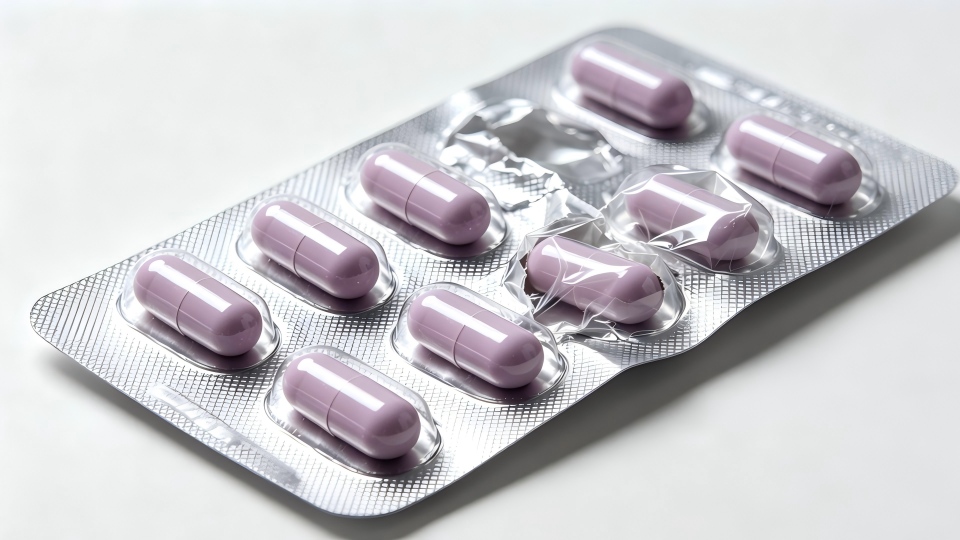
Child-resistant blister packagingrefers to unit-dose blisters designed with extra barriers or steps to prevent young children from accessing the medicine. Trong thực tế, this means adding an element beyond a plain press-through foil. Ví dụ, some packages usemulti-layer foils with peel tabs, đặc biệt grooves or cuts, or requiretwo-step actions. The goal is to make it significantly harder for a 4-year-old to open (a child-resistance test typically requires ≥85% of 42–51-month-oldskhôngopening it in 5 phút), while still allowing an adult or senior patient to remove a tablet with reasonable effort.
How Child-Resistant Blisters Work
A conventionalGói vỉhas a plastic cavity (PVC, THÚ CƯNG, or other film) and a single-layer aluminum foil lid. The user pushes the pill through the foil to eject it. Child-resistant designsmodify this in various ways:
Extra Layer or Tab:A peel-push blister adds an outer foil or paper layer with a pull-tab. The patient first peels back this layer, then presses through the inner foil.
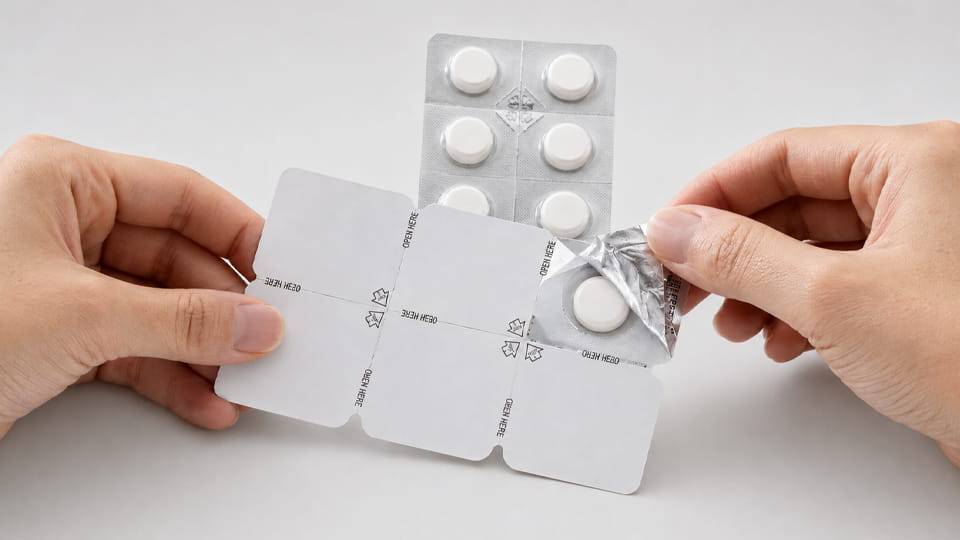
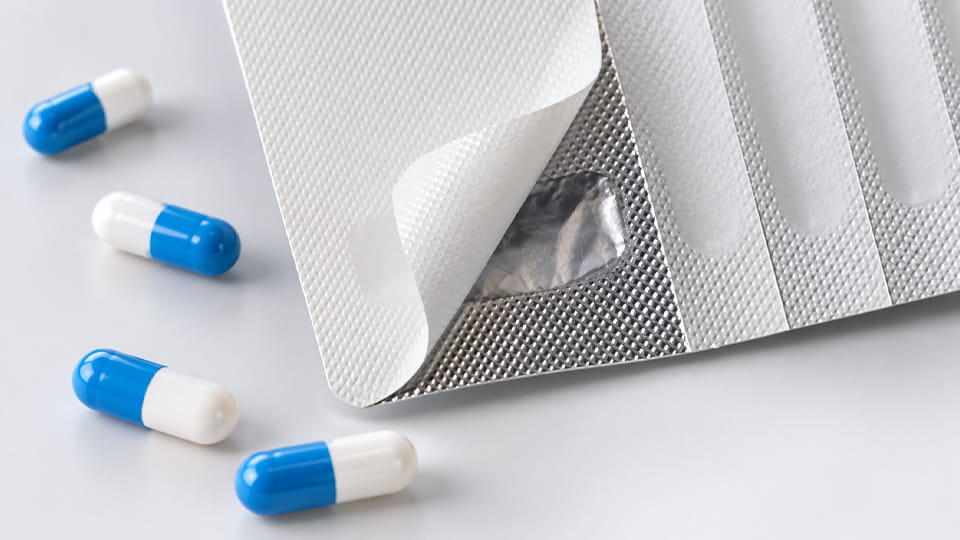
Peelable Lid:The pack has a foil laminated to paper or plastic, and a small tab to lift. Instead of pressing the pill, the user lifts the tab and peels the foil (with backing) off.
Complex Cut/Lock:Some designs include perforations or cutouts that must align before pressing, or require twisting a panel. These are less common in single-use blisters but exist in multi-dose systems.
Phê bình, “child-resistant” is a legal term with testing requirements– simply making foil thicker or using a rigid plastic alone does not guarantee safety. According to ISO 14375:2018, package performance must be verified by testing (type approval), not assumed from materials. And as the CPSC notes, it’s thecomplete packageand opening method that determine resistance.
Child-Resistant vs. Senior-Friendly: Why Both Matter
Designing for child safety is only half the equation. If a blister is too hard for an elderly patient or someone with limited dexterity, compliance and patient safety suffer. As the U.S. CPSC FAQ explains, special packaging must be “child-resistantVàsenior-friendly.” In practice, ít nhất 90% of adults should be able to open the package in 5 phút (and reclose it if needed). Senior-friendly design means:
Manageable opening force:Not so stiff that arthritis patients can’t peel the tab or press the pill out.
Clear instructions and grip areas:Lớn, visible arrows or textured tabs help identify where to peel or press.
Protecting the pill:The mechanism should avoid damaging fragile tablets (a peelable lid is gentler on brittle pills than a push-through burst).
Nhớ: “child-resistant” doeskhôngmean child-proof or adult-proof. The package must meet regulatory tests (ví dụ. CHÚNG TA. 16 CFR 1700.20 hoặc ISO 14375 for non-reclosable packs) but it shouldthất bạieasily for a patient. As one industry guideline notes, what truly matters is user experience – seniors can often handle a peel-push pack that a simple foil would defeat.
Child-Resistant ≠ Childproof
It’s important to avoid confusion: “Child-resistant” packaging is expected to slow down most children, but no package is 100% childproof. If a determined child tries hard enough, they might eventually open it. The regulatory tests accept that a few children (lên đến 15%) may succeed within the test time. Rather, CR packaging is about adding significant difficulty. Ví dụ, a thicker foil alone or higher push force iskhôngsufficient to claim CR – you still have to pass the official protocol. And note: CR blister standards (ISO 14375) focus on one-time use packs (like pill blisters) and do not apply to re-closable pill bottles (which use ISO 8317).
Tóm lại:Child-resistant blister packs use multi-layer lids, peel tabs or special openings. They must be validated by testing to ensure kids are deterred and adults (50–70 years old) can open them. Đồng thời, senior-friendly features like easy-peel tabs, clear markings, and moderate peel/push forces help users access medication safely.
Peel-Push vs. Peelable vs. Push-Through Blisters
Pharma blisters come in several lid styles. Here’s how they differ:
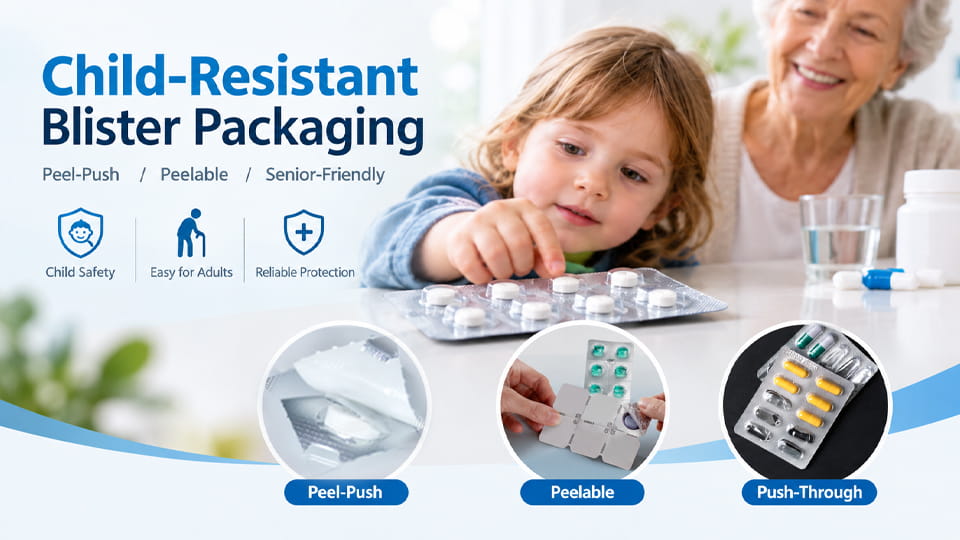
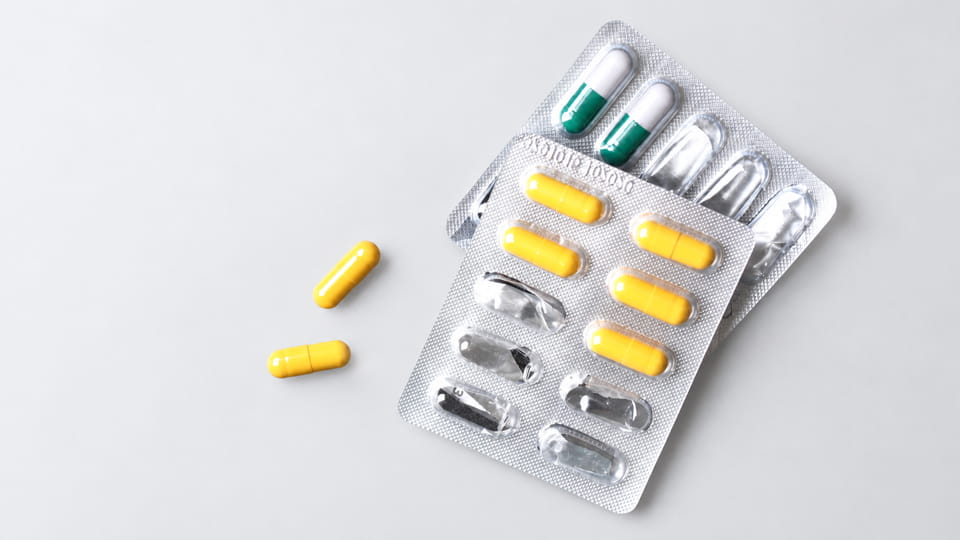
Đẩy qua (Direct Push) mụn nước:The most familiar design. A solid aluminum foil covers each cavity; the patient simply pushes the pill through the foil into their hand. This is aone-step, single-actionBecause it uses thick, hard foil, it naturally provides a strong moisture/oxygen barrier. It’s fast and intuitive – no learning curve. Tuy nhiên, it iskhônginherently child-resistant.Requiring more push force or thicker foil alone doesn’t meet CR rules. Cũng, pushing can crush fragile tablets, and without a pull tab it demands finger strength – often a problem for seniors or arthritis patients. Tóm lại, push-through is easy to use but easily defeated by determined children (and indeed by most kids who have tried).
Có thể bóc vỏ (Peel-Open) mụn nước:These have a hinged or torn-out foil. Typically the lidding foil is laminated to paper or PET, with a small pull-tab. Người dùng lifts the tab and peels the foil backto release the pill. This one-step motion is gentler: no punching force on the tablet, so it’s better for fragile or coated meds. Seniors and those with weak handsloveeasy-peel foils – they drastically reduce the required force. Many companies market “elder-friendly” peel tabs for this reason. Về nhược điểm, peel-open designs give up some barrier performance. A paper/PET backing layer lets more moisture through than pure foil. (Mẹo: combine a high-barrier forming film likePVC/PVDCunder the peel lid to meet stability.) Cũng, peelable blisters must have precise sealing and clear tear cues (printed arrows, notches) so the user can’t tear it off incorrectly. Điều quan trọng, a simple peel tabtự nóis not a CR feature – any child who learns to pull a tab could open it, so additional safety layers would be needed for true CR compliance (xem phần 3).
Đẩy vỏ (Two-Step) mụn nước:This is a hybrid designed for child resistance. The package hastwo layers of foil. Đầu tiên, người dùng vỏaway an outer layer (usually paper/PET/aluminum). Sau đó, the pill is pushed through a remaining inner aluminum foil. Có hiệu lực, it’s a “peel then push” action. Because two steps are required, it’s much harder for children to figure out or exert force on. Many peel-push packs incorporate visual cues (arrows or color tabs) to guide the correct two-step sequence. Thuận lợi: Khi làm đúng, peel-push blisters meet CR requirements – studies show adults (even seniors) can do the two-step motion comfortably. Patients still get unit doses, but with extra protection. Cân nhắc:This design is more complex and expensive. The special lidding foil often has perforations, score lines, or alignment keys, and you must ensure the seal remains tight after lamination. Always prototype and validate with certified CR tests if you go this route. (Simply calling it “peel-push” does not guarantee legal compliance.)
Tóm lại, đẩy quais easiest for users but not CR; có thể bóc vỏis senior-friendly but usually needs thicker foil and good seals; đẩy vỏis deliberately child-resistant yet still adult-accessible, at the cost of extra complexity. Pick the opening style that best matches your product needs and user profile.
Comparison at a Glance:
– Đẩy qua (Alu Foil): 1-step open; rào cản mạnh mẽ; not child-resistant, lực mạnh có thể làm vỡ viên thuốc, tough for weak hands.
– Có thể bóc vỏ (Paper/Alu or PET/Alu): 1-step peel; easy for seniors, protects tablets; rào cản vừa phải (paper backing); needs sturdy seal and tear tab.
– Đẩy vỏ (Peel + Xô): 2-step open; meets CR goals, still delivers unit doses; more expensive/complex, phải duy trì tính toàn vẹn của con dấu.
Balancing Child Resistance with Senior-Friendly Access
A truly successful CR blister design is one thatforces two steps or a deliberate actionto thwart kids, while still allowing adults to open it without tools or frustration. Here are some practical tips:
Opening Force vs. rào cản:The seal strength must be enough that a toddler can’t yank it off, but not so strong that granny pulls a muscle. Always measure the peel/push force required (with a force meter) and compare to ergonomic data: Ví dụ, many seniors comfortably exert only a few Newtons of force. If it’s higher, consider a larger pull tab or friction-enhancing textures. Tests like vacuum or dye leakage ensure the seal itself isn’t compromised by making it too weak.
Tabs, Indents and Cues:For peelable or peel-push designs, clear cues are essential. Use printed arrows or words on the foil to show exactly where to grip and tear. A colored pull tab or thumb-notch makes it obvious where to apply force. In CR packs (đẩy vỏ), the second layer is often hidden until the first peel is done; ensure that adult users know to peel first. (Training labels or pictograms on the carton can help.) Good labeling – e.g. "Bước chân 1: Lift – Step 2: Push Out” – turns the CR process into an easy routine, even for seniors.
Consider Disabilities:If your user group includes people with arthritis or very limited hand strength, favorpeelable or peel-pushover direct push-through. Those designs eliminate the need to push on the pill and allow a grip on the foil itself. Trong thực tế, CPSC’s adult-use test actually involves many older participants (up to age 70). Design with them in mind: a large tab, longer pull arc, or even longer warning lines can make a big difference in usability.
Do Not Over-Rely on Thickness:Simply using a thicker aluminum or adding layers isnot a substitutefor CR design. CPSC’s guidelines note that requiring more push force or thicker foilkhôngmeet the intent of being child-resistant. Children can apply surprisingly strong forces, or worse – they might use scissors or bite. Thay vì, use multi-layer or tabbed systems if CR is required, and always label your product correctly (see “Additional Requirements” below).
Nguyên vật liệu, Testing and Regulatory Requirements
Choosing child-resistant blister packaging isn’t just about opening mechanics. You must also select materials that protect the drug and meet any legal standards:
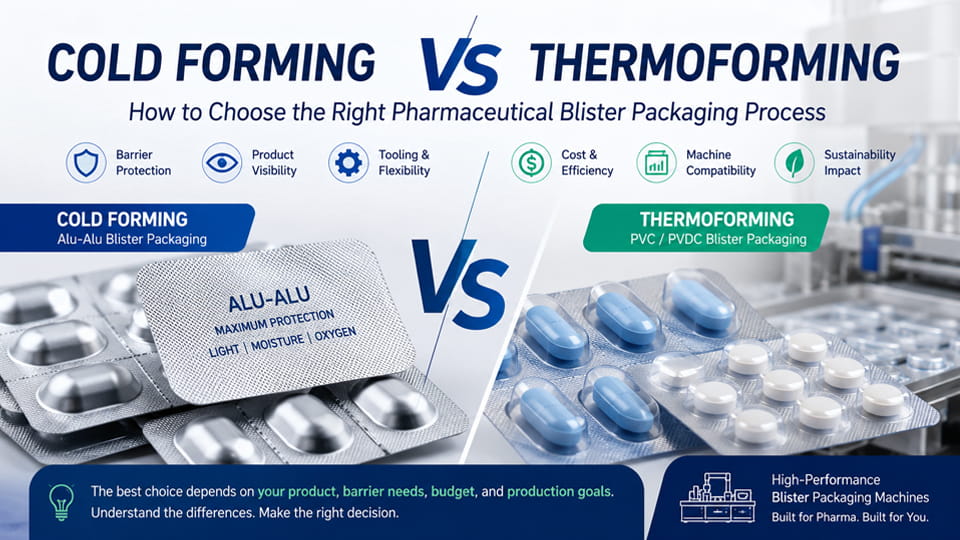
Lidding Materials:Most blisters use aluminum as the primary barrier. For CR or easy-peel designs, lids are usually laminated (ví dụ. nhôm + giấy + THÚ CƯNG). Barrier needs come first:if the drug is moisture- hoặc nhạy cảm với ánh sáng, you may need a premium foil or even double-sided foil (Mụn nước Alu-Alu). Mọi thời đại (aluminum on both cavity and lid) gives the best protection but costs more. A laminating layer (paper or PET) can help with printing and tear handling, but lowers the barrier unless paired with high-barrier plastic (PVC/PVDC). Always check the WVTR/O2TR of your chosen foil.
Heat-Seal Compatibility:The lid’s heat-seal lacquer (PVdC, acrylic, vân vân.) must match your blister film (PVC, THÚ CƯNG, PP) and machine settings. Each foil has an optimal sealing temperature and dwell time. In lab trials, adjust your sealing bars so that the seal is strong (no leaks) but the lid itself isn’t scorched. For multi-layer CR foils, you may need slightly higher temperature or pressure – confirm this on the actual machine.
Peel and Push Force Testing:Once you have a candidate foil and machine run, measure the force needed to open it. You should aim for a peel (or push) force that fits your target users. Typical requirements for pharmaceutical blisters are in the 3–15 Newton range depending on design and user (ví dụ, MỘT 80-90 year old might only manage 4–6 N of push). If it’s out of range, consider a thicker or thinner seal coating, or a larger tab.
Child-Resistance Testing:If you need to certify your design as CR, you must perform formal child/adult tests under the relevant protocols. Ở Mỹ, CR packaging is defined by the16 CFR 1700series, which outlines the PPPA testing procedures. A child-resistant blister pack must be tested per CPSC’s child panel and adult panel guidelines. Ghi chú: CPSC willkhôngaccept alternative standards (such as ISO 8317 hoặc ISO 14375) for regulatory certification of U.S. “special packaging”. Those ISO protocols exist (ISO 14375:2018 covers non-reclosable pharma packaging), but they are voluntary and cannot replace 16 CFR testing if you are marketing under U.S. quy định.
Standards and Labels:Beyond testing, ensure your materials meet pharmacopeia (ví dụ. USP, EP) and Good Manufacturing Practices. If your product is subject to PPPA, you’ll also need to include the proper CR labeling on the package (ví dụ. the statement “Child-resistant package” or “Package not child-resistant” on non-CR versions). Trong thực tế, CHÚNG TA. rules allow one package size of a regulated non-ingestible product to be non-CR if labeled “for households without young children”, but all other sizes must be CR and labeled accordingly.
Shelf-Life and Stability:Don’t forget shelf life. Any new foil or multi-layer structure can change your product’s stability profile. Conduct accelerated aging or humidity testing on representative blister packs. Ví dụ, if adding a paper layer in the lid, verify that water vapor transmission still keeps the drug potent throughout its claimed shelf life.
Adult-Friendly Testing:Besides the mandated tests, it can be wise to run your own informal usability tests with older adults. Even if you pass formal criteria, seeing how a real senior reacts to your packaging can highlight issues (like a poor tab design or ambiguous instructions) before you launch.
How to Choose the Right Design and Packaging Machine
Putting it all together, here’s a practical checklist for selecting a child-resistant blister solution:
Define Product Requirements:Start with the drug itself. Is it fragile or coated? Moisture/oxygen sensitive? This affects whether a push-through (which stresses the tablet) or high-barrier foil is acceptable. Ví dụ, avoid push-through if the tablets are brittle or uncoated – they’d crack under force. Determine your barrier needs: a simple PVC/Alu foil may suffice for stable pills, but a PVDC-coated or Alu-Alu blister might be needed for hygroscopic drugs.
Identify the User Profile:Who will open these packs? If the medication is intended for seniors, tàn tật, or vision-impaired patients, lean toward easy-peel or peel-push designs. If it’s an OTC pediatric or high-risk drug, prioritize CR structures. Align your choice with user strength and dexterity. (Hint: if in doubt, consult your target patient demographics and consider focus group testing.)
Balance Safety vs. Trị giá:Child-resistant features usually add cost – specialty laminates, extra machining, testing time. Only add what you need. Ví dụ, don’t use a fancy multi-layer CR foil if a standard push-through is adequate and legal for your product. Ngược lại, don’t skimp on CR design if your drug truly needs it. Budget time and resources for prototyping and compliance testing if you aim for CR packaging.
Khả năng tương thích của máy:Check that your blister machine can handle the chosen materials. For thick peel-push laminates, ensure the feeder and unwind system supports the heavier rolls. Verify the forming tool and die cutter match any new tab shapes or notches. You may need different tooling for dual-layer (đẩy vỏ) giấy bạc vs. paper-backed lid. Làm việc với bạn nhà cung cấp thiết bị đóng gói (like Jinlu Packing or others) to review settings: you might require longer seal dwell time or sharper perforation blades. Always run machine trials with real foil rolls and correct sealing profiles.
Prototype and Test:Once you have a design and materials, produce small batches. Performkiểm tra tính toàn vẹn của con dấu (trống, kiểm tra rò rỉ) and measure opening forces. Have staff, ideally of varying age and strength, try opening the packs. If child-resistant is required, send samples to a certified test lab for official child/adult panel testing under 16 CFR 1700.20. Use the test feedback to iterate on tab size, perforation pattern, or foil type.
By following these steps – considering product needs, users, regulations and equipment – you’ll arrive at the blister design that fits your scenario.
Can Your Blister Packaging Machine Handle Child-Resistant Designs?
Once you’ve settled on a child-resistant design and materials, confirm that your production line can implement it. Not every standard blister machine can process exotic foils or additional steps without adjustment. Key points to check:
Web Feeding and Tension:If your peel-push foil is a laminated web (paper/foil/PVC), ensure the feeder can handle the thicker material. Paper layers can stretch or wrinkle differently than plain foil. You may need a special unwinding station or tension control.
Lidding Foil Roll Change:Many blister machines assume standard Alu rolls. A composite foil (with paper or PET backing) might need a heavier roll or different unwinder. Discuss with your supplier (như Jinlu Đóng gói) about foil edges (often scored for heat-seal) and if sensors/readers need adjustment for non-reflective surfaces.
Heat-Seal Parameters:Foils with thicker laminates or coatings often require higher temperature or longer dwell to seal. Ngược lại, too much heat can delaminate paper layers. You’ll need to fine-tune sealing bars. Some machines allow segmented heat zones to accommodate different foil types.
Cutting/Stamping:Standard molds punch the plastic cavity and often cut trim around the card. A peel-push design might need an extra cut (for the peel tab) or a special insert that leaves a little flange. Nếu vậy, you need a custom tool or insert. Ví dụ, some peel-push blister cards have a notch where the foil is weaker; your foil lamination process might incorporate a perforation.
Stacking and Packing:A peel-push or peelable blister might be thicker than normal. Check that the boxing or cartoning line can still handle the blister sheet without jamming. Some packers index based on thickness.
Trial Runs:This is critical. Before full production, run a pilot: feed your chosenforming film Và giấy bạc đậy nắpthrough the blister machine. Kiểm tra cavity formation, foil registration, chất lượng niêm phong, và cắt. We recommend producing at least a few hundred units and testing them for seal and CR performance before ramping up.
If you have an existing blister machine, some modifications are often possible:
Add an extra foil feeder for a second lid layer.
Install a custom heat-seal tool with patterned bars.
Slow down the line speed to allow proper sealing.
For advanced setups, Jinlu Packaging machines can be customized or new models (like a DPP series) specified for special foils.
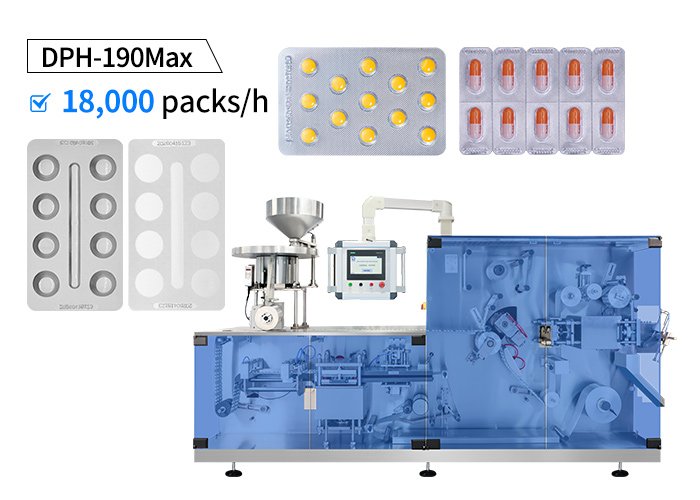
Máy đóng gói vỉ tốc độ cao DPH-190Max
Tóm lại, don’t assume your standard line will work out of the box. Factor in setup time for materials trials. It’s far better to discover in the lab or pilot phase that, nói, a given foil wrinkles or a tab alignment is off, than to have scrap on the main line.
For more info on machine compatibility, xem của chúng tôi Máy đóng gói vỉpage and consult your equipment supplier. Linking with our product experts early can save headaches.
Kết luận và các bước tiếp theo
Designing child-resistant blister packaging is a multi-faceted challenge: medicine protection, user safety, and ease-of-use must all align. There’s no single “best” design—push-through, có thể bóc vỏ, and peel-push each have their place. The right choice depends on your drug’s sensitivity, khả năng của bệnh nhân của bạn, and the regulations you face. Khắp, keep the end-user (the patient) and regulatory tests in mind.
By carefully selecting the blister structure, materials and by validating with testing, you can ensure your packaging keeps children safeVàseniors healthy. Jinlu Packing’s team can help at every step—from choosing a blister lidding foil to configuring your blister packing machine for special peel-push applications. Liên hệ với chúng tôito discuss your product’s requirements and how our equipment can handle customized CR blister solutions.
FAQs on Child-Resistant Blister Packaging
What is child-resistant blister packaging?
It’s unit-dose blister packaging engineered so young children have difficulty opening it. This typically means adding layers, tabs or steps beyond the standard press-through foil. The design is tested so that most children (under 5) can’t open it under controlled conditions. Tuy nhiên, it should still allow adults (including seniors) to remove doses.
How is peel-push blister packaging different from peelable?
Peel-push uses a two-step action: first peel a protective tab or foil layer, then push the tablet through a second foil. Peelable means a single layer lid is simply lifted off (like peeling a sticker). Peel-push is inherently more child-resistant (if tested) because it requires coordination of two steps.
Are peelable blister packs automatically child-resistant?
KHÔNG. A standard peelable lid (one-step peel) is not CR by itself. It may be easier for seniors, but children could also pull the tab off. To be CR, a peelable design usually needs an extra element (like a hidden tab) and must pass official tests.
What does “senior-friendly” blister mean?
Senior-friendly design focuses on ease of opening: tab lớn hơn, lower peel/push forces, good instructions and contrast. Thiết yếu, 90% of older adults should be able to open it within the test time. It’s about accessibility—remember, a product can be child-resistant and senior-friendly if designed and tested properly.
Can a simple push-through blister be made child-resistant?
Not reliably. Simply using thicker foil or harder seals isn’t accepted as meeting child-resistant standards. If CR is required, you typically need at least a peel-push feature or an additional mechanism. Push-through alone usually fails CR tests.
What standards or tests apply to child-resistant pharmaceutical blisters?
For non-reclosable blister packs, ISO 14375:2018 is the main international standard. It outlines performance and test methods for CR pharma packages. Ở Mỹ, 16 CFR 1700.20 (PPPA) is used for testing, but ISO 14375 covers the same principles for blisters. For reclosable containers, ISO 8317:2015 applies.
What if our blister pack is already produced – can we just add warning label and call it child-resistant?
KHÔNG. You can’t claim child-resistant without testing. Labels or warnings have specific rules, and actual CR claims must be backed by passing the tests. Cũng, regulatory bodies require compliance before marketing as child-resistant.
How are child-resistant blister packs tested?
A certified testing lab will use groups of children (thường xuyên 50 aged ~4 years) and senior adults (100 aged 50–70) per protocols like 16 CFR 1700.20. Children get 5 phút (plus a demo) and must mostly fail to open; seniors get 5 minutes to open and must succeed 90% of the time. These protocols are strict – you can’t substitute a bench test or assume performance without human trials.
Will my current blister machine handle peel-push foil?
Nó phụ thuộc. Most blister machines can be adjusted for new foil types, but you must verify. Check foil width, Độ dày, and feeding method. Some peel-push designs use paper laminates which may need special unwinding. Always run a material trial on the actual machine to catch any issues (wrinkling, misfeed, seal problems) before full production.
What is a practical way to start designing a child-resistant blister?
Begin by defining your user profile and regulatory needs. Then sketch a concept (ví dụ. peel tab on foil). Make a rough prototype (even hand-made) and try it on family seniors. If the concept seems to work, have your material supplier provide samples of the needed foil and schedule a test on your line. Cuối cùng, engage a testing lab or use published test protocols to verify. Collaborating early with your machine vendor (như Jinlu) is key to ensure equipment modifications are accounted for.
Petty fu, Người sáng lập Jinlupacking, mang lại 20 năm kinh nghiệm trong lĩnh vực máy móc dược phẩm. Dưới sự lãnh đạo của ông, Jinlu đã phát triển thành một nhà cung cấp thiết kế tích hợp đáng tin cậy, sản xuất, và bán hàng. Petty đam mê chia sẻ kiến thức chuyên sâu về ngành của mình để giúp khách hàng giải quyết sự phức tạp của bao bì dược phẩm, đảm bảo họ không chỉ nhận được thiết bị, mà là mối quan hệ đối tác dịch vụ một cửa thực sự phù hợp với mục tiêu sản xuất của họ.