×
Dịch vụ trực tuyến
✉️Email: 💬WhatsApp: +86 18011793320
💡
  • Trang chủ
  • Blog
  • Snack Packaging: The Complete Guide to Packaging Types, Máy móc & Giải pháp

Snack Packaging: The Complete Guide to Packaging Types, Máy móc & Giải pháp

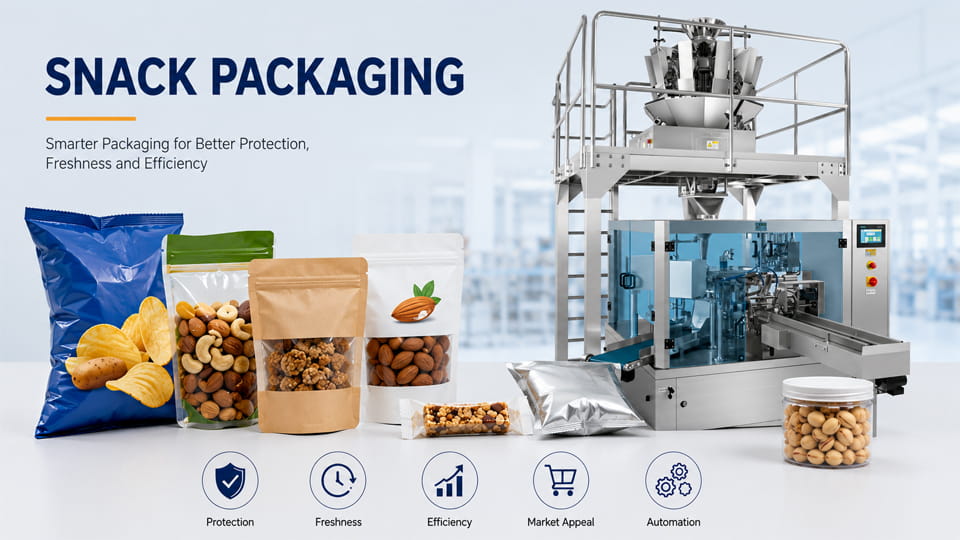
The global snack foods market is booming, and so is the demand for effective snack packaging. Trong thực tế, the snack packaging market was valued at over $20 billion in 2025 and is projected to exceed $21.8 billion in 2026. Snack packaging is more than just a bag or box – it’s a complete system designed to protect product quality and improve efficiency. The right package keeps snacks fresh and safe (blocking moisture, ôxy, và ánh sáng), makes handling and shipping easy, and presents your product attractively on the shelf. Trong khi đó, the packaging format determines what machinery you’ll need: from simple VFFS lines for chips to automated premade-pouch systems for nuts and candy.

Whether you make potato chips, quả hạch, kẹo, popcorn or dried fruit, mục tiêu là như nhau: protect your product, make production efficient, and appeal to consumers. We’ll show you which packaging formats (Túi gối, Túi đứng lên, flow wrappers, vân vân.) are best for different snacks, what materials and barrier films you need, and how machines like VFFS or premade-pouch packers fit into the line. This will help you compare options – e.g. choosing a cost-efficient VFFS pillow bag for potato chips, versus a premium stand-up pouch for spiced nuts – and build a snack packaging solution that balances hạn sử dụng, tốc độ, và thương hiệu.

Snack Packaging Guide


What Is Snack Packaging?

“Snack packaging” refers to the wrappers, túi xách, túi, and containers used for snack foods – things like chips, quả hạch, trái cây sấy khô, bánh quy, kẹo, beef jerky, protein bars, và hơn thế nữa. Packaged snacks are typically pre-portioned for convenience. Common snack packages include flexible bags or pouches (Túi gối, Túi đứng lên, flat sachets), flow-wrapped bars or cookies, and small cartons or trays. Effective snack packaging must protect the product from moisture, ôxy, ánh sáng và ô nhiễm, while providing an attractive, convenient package. As the industry report notes, snack packaging comes in “several types, depending on the snack type, its required shelf life, and the brand’s sustainability goals”. Ví dụ, potato chips often come in nitrogen-flushed pillow bags to stay crispy, while premium nuts may be sold in resealable stand-up pouches, and individual candies might be in twist wraps or cartons. All of these formats fall under “snack packaging,” each tailored for specific products and use cases.

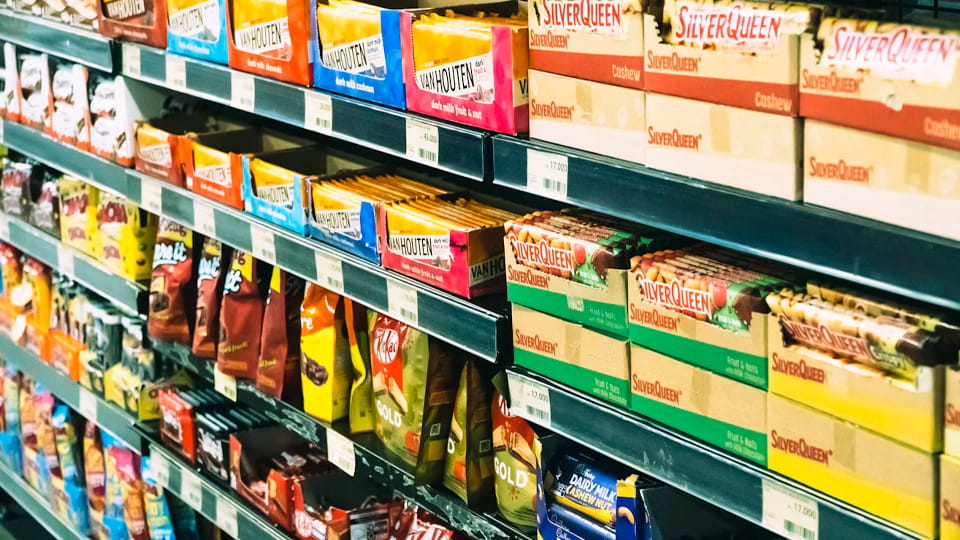
A store filled with lots of snacks


Why Snack Packaging Matters

Snack foods are exposed to air, moisture and handling, so packaging must lock in freshness and flavor. The right snack packaging creates a barrier against oxygen, light and moisture, which helps snacks stay crisp and tasty longer. Good packaging also ensures safety and hygiene – a well-sealed bag keeps contaminants out and preserves quality. Đồng thời, snack packages carry branding and nutrition labels. A large, colorful pouch can catch a shopper’s eye on the shelf. Tóm lại, snack packaging is the first defense for product quality the first handshake with the customer. It combines functional protection with marketing impact.

  • Protect Quality & Độ tươi: Many snacks (chip, crackers, quả hạch) go stale when exposed. Packaging keeps oxygen and moisture at bay.
  • Enhance Convenience: Resealable pouches or single-serve sachets make snacks easy to use on the go. Tear notches, zippers or spouts add convenience.
  • Boost Branding and Shelf Appeal: Flexible bags allow full-color printing. A big, flat surface means logos and designs can really stand out.
  • Prevent Damage & Loss: Cushioning space, like the “air” in chip bags (actually nitrogen), prevents fragile snacks from crushing in transit. Strong pouches or rigid containers also resist punctures or tears. Without proper packaging, products crack or leak, leading to waste and returns.
  • Extend Shelf Life: High-barrier films and modified-atmosphere filling (ví dụ. nitrogen flush) can double snack shelf life, giảm chất thải.

Theo các chuyên gia về bao bì, flexible materials are especially ideal for snack foods because they are lightweight, strong and offer barrier protection while keeping printing vibrant. From party-size chip bags to single-serve nut packs, choosing the right packaging style and film is a key step toward a successful snack product.


Common Snack Packaging Types

Snack packaging comes in many formats. Here are the most popular styles used today:

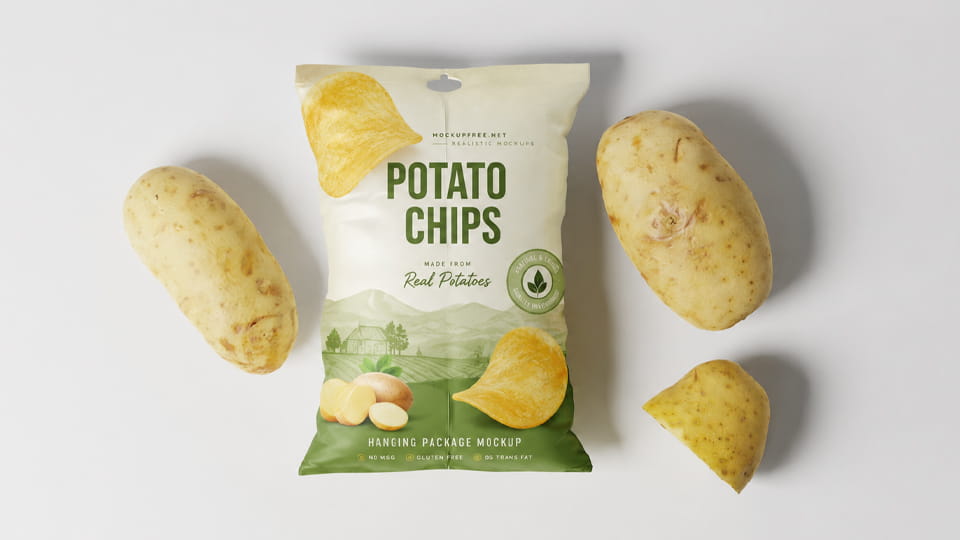
  • Túi đựng gối: These are the simple three-side-sealed bags you see for chips, pretzels or candy. MỘT túi đựng gối is flat when empty and “puffs” out into a pillow shape when filled. It is sealed on the back and at the top and bottom. Pillow pouches use less film than some other styles, so they’re cost-effective and pack tightly. Họ là very common for snack foods – think potato chips, bánh quy xoắn, popcorn and nuts. (Many pillow pouches also include features like a hang hole or resealable zipper.) Because of the low material cost, pillow bags are often the go-to choice for bulk snack bags.
    pillow-style snack bag with a hang hole for potato chips
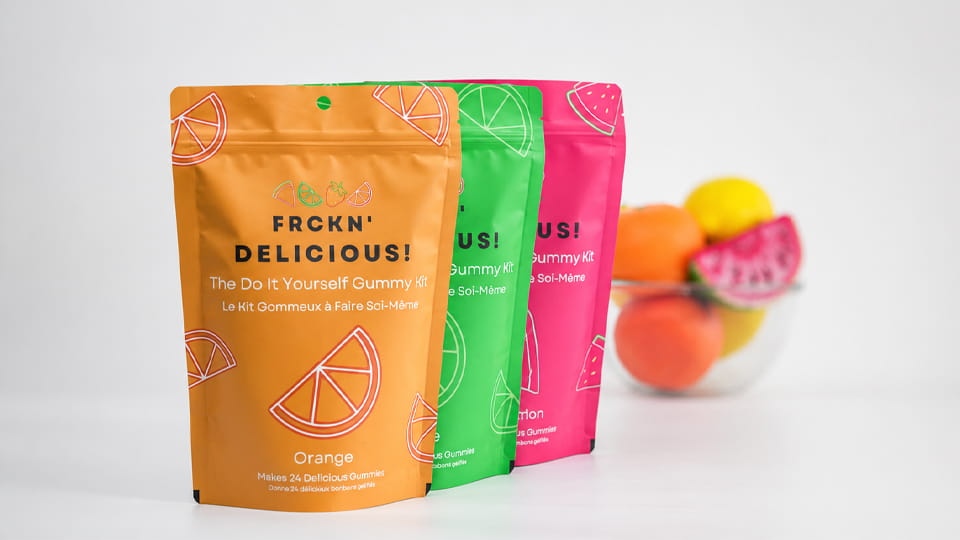
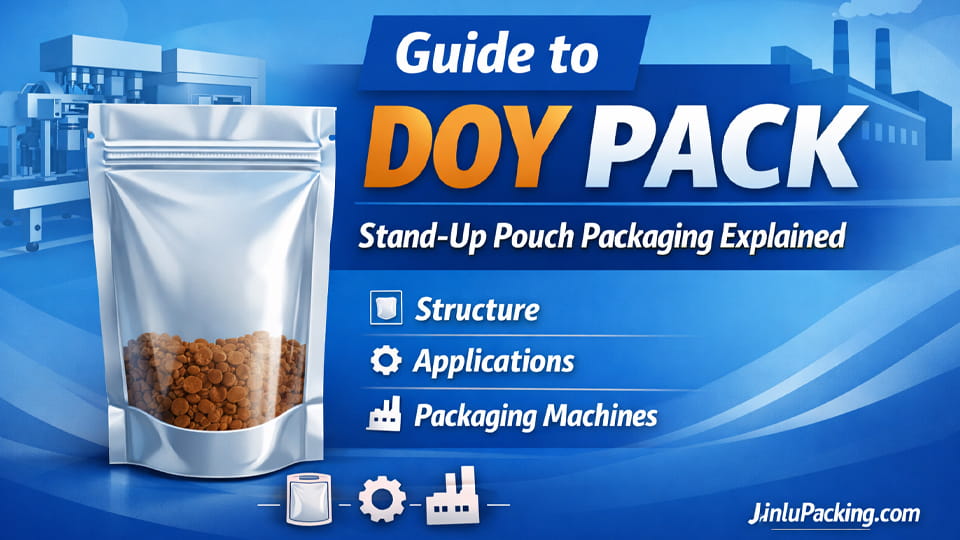
  • đứng lên (có dây buộc) Túi: These bags have a gusset (folded bottom) so they stand upright on a shelf. Stand-up pouches usually cost more film but give a premium look. Many feature a zip-lock or spout for reclosure. Stand-up pouch packaging is ideal for products with extra volume or needing shelf appeal. Ví dụ, higher-end nuts or trail mixes often use stand-up bags to stand out. These pouches keep snacks fresh and offer a large surface for branding. Despite slightly higher film cost, many snack brands prefer them for the improved visibility and convenience.
    Resealable stand-up snack pouches (with a zipper closure)
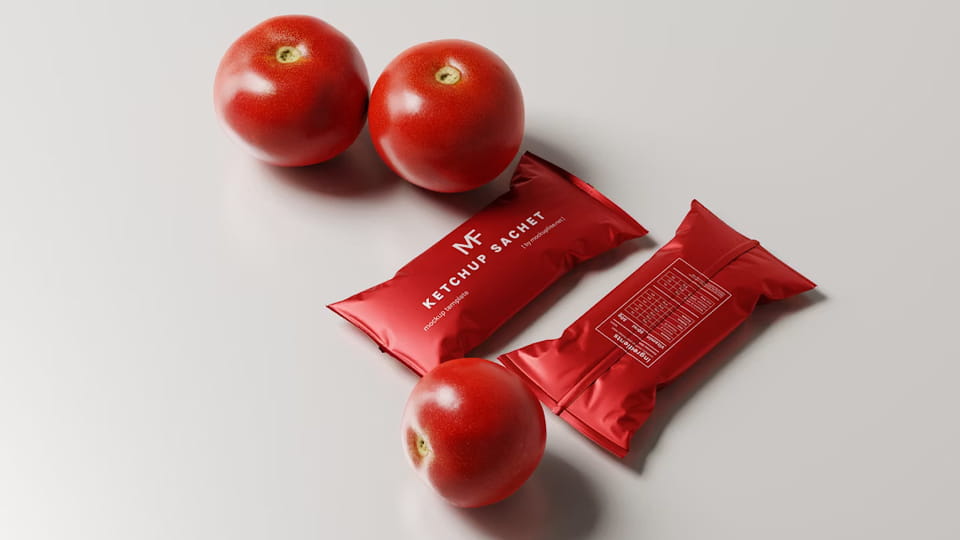
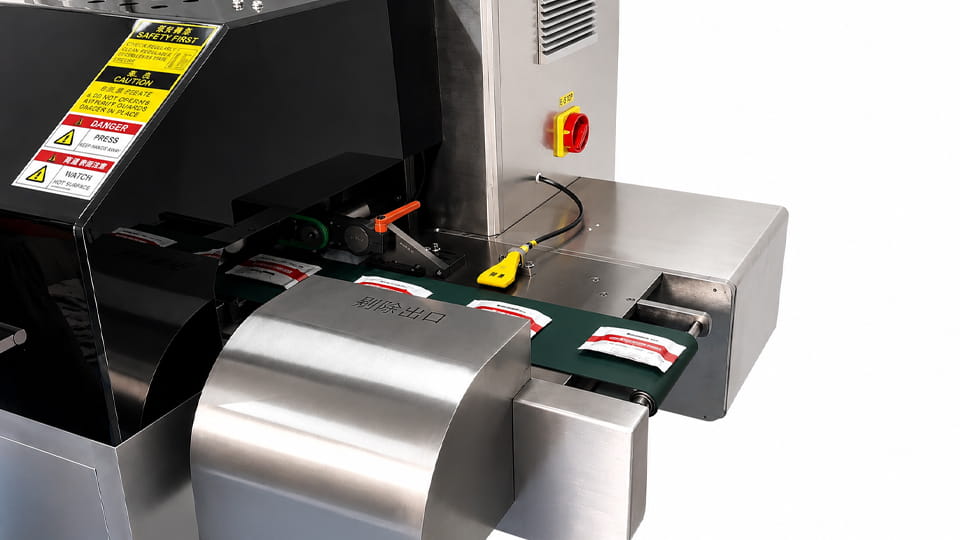
  • Gói và gói dính: These are small, single-serve packets sealed on three or four sides. Sachets are perfect for condiments, small candy portions, or one-time-use snacks like jerky seasoning. Gói dính (long skinny sachets) are common for powdered drink mixes or small candies. They use minimal material and are very portable, but are not resealable. Machines called máy đóng gói gói hoặc máy đóng gói dính fill and seal these packs at high speed. Sachets are often made from simple laminated films that give just enough barrier for a short shelf life.
    Ketchup sachet
  • Flow Wrap & Bar Wrappers: Some snacks (granola bars, thanh kẹo, biscuits) use horizontal flow-wrap machines. These machines wrap individual bars or stacks of crackers in a tight film horizontally, then seal the ends (like how candy bars are wrapped). Flow-wrap creates a tight pillow-pack around each bar. It’s fast and works well for solid items.
    horizontal flow-wrap machine
  • Đóng gói túi làm sẵn: For more complex pouch designs (tấm nhiều lớp, vòi phun, zip closures), nhiều công ty sử dụng máy đóng túi làm sẵn. These machines load flat, pre-formed bags from a magazine, mở chúng, fill the product, sau đó niêm phong chúng. Premade pouch machines handle anything from stand-up zipper bags to spouted drink pouches. They are common when pouch features (like easy-open spouts) add consumer value. For snack items like trail mix or chips, Một premade zipper pouch can be filled and sealed at rates up to ~50–60 bags per minute with precise dosing.
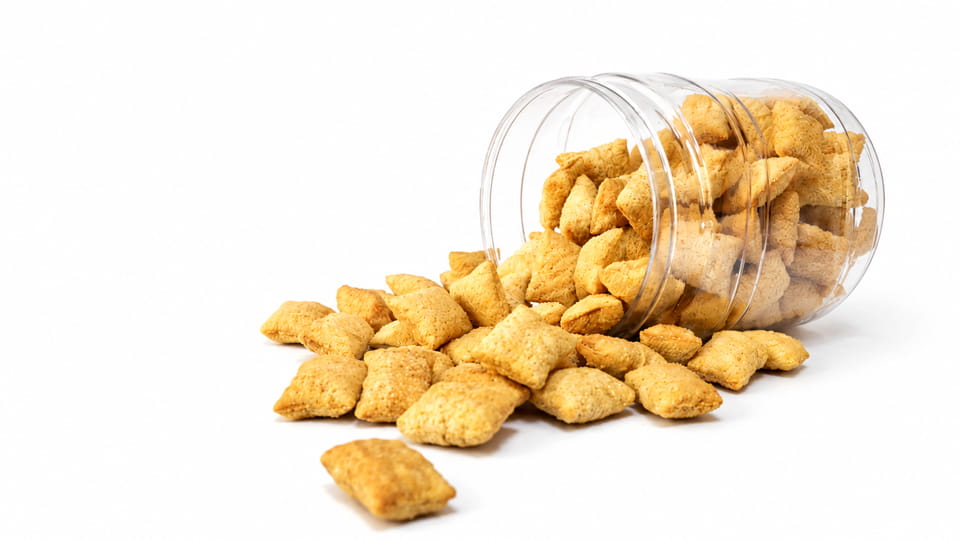
  • Thùng chứa cứng (Hộp, lọ, Cans): While much snack packaging is flexible, some products use cartons, tins or jars. Ví dụ, bulk pretzels may come in cardboard boxes, and some nuts or popcorn are sold in plastic jars. Rigid packaging is heavier and costlier, but it’s good for fragile snacks or when reusing containers (like cookie jars). Tuy nhiên, most high-speed snack lines focus on flexible pouches, so rigid containers are less common on automated snack packaging lines.
    Snacks spilled out of a plastic can

Each packaging type has its own benefits. Pillow bags are fastest and cheapest; stand-up pouches offer reclosure and shelf appeal; sachets are ideal for small or single-serve items; and flow-wrapped pouches suit bars or similarly shaped snacks. The “best” type depends on the snack (chips vs. granola bar vs. quả hạch), shelf-life needs, branding priorities, và ngân sách đóng gói.


Packaging Materials for Snacks

Most snack pouches are made from flexible films – laminated plastic (and sometimes foil or paper) that can be heat-sealed. The choice of material is crucial because snacks need protection from air, moisture and sometimes light. Common materials and laminates used in snack packaging include:

  • Polyethylene (Thể dục) and Polypropylene (PP): These plastics (thường thành từng lớp) form the basic heat-sealable barrier. Low-density PE (LDPE) and linear LDPE are very common as the inner sealant layer. Oriented PP (BOPP) is used on the outer for printability. Polyethylene and polypropylene films can block moisture well and provide good seal strength.
  • Polyester (THÚ CƯNG): PET film adds strength and high-barrier properties (it’s a common “middle” layer in laminates). A laminate might be PET//adhesive//PE, Ví dụ. Such films help prevent oxygen transmission.
  • Metallized Films/Aluminum Foil: Some snack films have a thin metal (nhôm) layer for superior oxygen/light barrier. Ví dụ, potato chips often use a metallized film or foil laminate so they stay crispy. These films block 100% of light and moisture.
  • Phim nhiều lớp: Most snack pouches are multi-layer laminates combining the above (and sometimes nylon or EVOH). Laminated films merge layers to deliver durability and barrier strength. Ví dụ, Một 5- or 7-layer film might include PET, nhôm, adhesive and PE. kết quả: a durable bag that keeps air out. Laminates extend shelf life dramatically without adding bulk.
  • Biodegradable/Compostable Films: There’s a trend toward plant-based films like PLA. These can reduce plastic waste, but they are generally more expensive and still maturing for moisture barrier needs. Some premium snack brands experiment with compostable bags (PLA or cellulose based) for crackers, nuts or chips.
  • Paper or Coated Paper: A few snacks (like crackers or tea-flavored chips) use paper-based pouches with a thin plastic or foil lining. These have a more natural look but usually use a lining for moisture protection.

Trong mọi trường hợp, the outer layer is usually printable so brands can use bright colors. The inner layers and adhesives keep air, moisture and oils from escaping. Machine sealing requirements also dictate material: high-speed machines need films that seal cleanly at high temperature. Ví dụ, continuous heat sealers on snack lines typically work with PE, PP, PET and laminated films. Trong thực tế, one industry report notes that modern snack-pack films are usually PE or PET-based laminates for strength and barrier.


Snack Packaging Machines & Thiết bị

Packaging machines turn those films and pouches into filled snack bags. In a typical snack line, machines handle weighing/filling, bag forming, sealing and even case-packing. Here are the major categories of equipment:

  • Con dấu điền mẫu dọc (VFF) Máy móc: VFFS machines form a bag from a roll of film (usually pillow or gusseted style) by making vertical seals. MỘT máy VFFS then fills it (by gravity or with a weigher) and seals the top. These lines are very common in snack packaging. They can run at speeds like 30–200 bags per minute for chips, nuts and granular snacks. VFFS lines have a small footprint and can integrate multihead weighers or cup fillers to portion the snack. A multihead weigher drops, nói, 100g of chips into each bag at high speed. Because VFFS forms bags on the fly, it’s ideal for high-volume products like potato chips or popcorn where the package is simple (often a pillow pack or simple gusset).
  • Horizontal Flow-Wrap (HFF) Máy móc: Horizontal flow-wrap machines wrap snacks horizontally in a film tube and seal the ends, much like wrapping a candy bar. HFFS is often used for single items or row-pack style packaging. Ví dụ, the machines running candy, granola bars, biscuits or multi-packs of crackers use this style. According to industry analysis, HFFS systems excel at solid products like snack bars and cookies, running from dozens up to 1,500 packs per minute depending on design. The finish is usually very neat (since it’s horizontal) and can handle longer products or grouped items. The trade-off is that HFFS units are larger and more complex.
  • Máy đóng gói túi làm sẵn: These machines deal with pre-made bags (túi phẳng, doypack, túi đứng, gói, vân vân.). The machine picks up a pre-made empty pouch, opens it with a vacuum gripper, fills it from above, and then seals it (usually with a fin heat-seal). These are used when you need special pouch features (dây kéo có thể khóa lại, vòi phun, heavy laminate stability). Ví dụ, a stand-up zipper pouch for trail mix or nuts is often packed this way. Modern premade pouch machines (like Jinlu’s zipper pouch machine) can reach around 50–60 bags per minute with high dosing accuracy. They often include options like dust extraction or nitrogen flush for sensitive snacks.

    Máy đóng gói túi làm sẵn
    Máy đóng gói túi làm sẵn
  • Weighing and Filling Systems: Almost all snack lines have a weighing/filling station. This could be a multihead weigher for dry snacks, a cup or auger filler for powders or nuts, or a volumetric cup filler. Multihead weighers are especially common for chips, nuts and trail mixes because they deliver precise portions very fast (often ±0.5–2g accuracy at speeds up to 100 weighments per minute). Accurate weighers prevent overfilling (product giveaway) and ensure each bag has the correct weight. Some lines for bulk snacks use simple volumetric fillers (rẻ hơn, good for loose materials but less precise) or simple cup fillers for liquids and sauces.
  • Sachet/Stick-Packing Machines: These are specialized Vertical machines. Stick pack machines form, fill and seal long narrow bags (giống ketchup sticks hoặc que cà phê). Sachet machines form small flat packets, often at very high speed (hàng trăm mỗi phút) for powdered or single-use snack portions (like soy sauce packets, gia vị, nuts in small pouches).

    Máy đóng gói dạng gói
    Máy đóng gói dạng gói
  • Cho ăn & vận chuyển: Trước khi đổ đầy, snacks are often sorted and fed by vibrating tables or conveyors to ensure a steady flow into the filler. For fragile snacks, gentle conveyors prevent breakage. For free-falling products like popcorn, lifts and diverters ensure a consistent feed to the weigher or filler.
  • Sealers: Sau khi điền, the snacks need sealing. Heat sealers (continuous or impulse) create airtight seals on the bag material. For high-speed snack lines, continuous seal bars running at temperatures around 150–250°C seal 60–150+ bags per minute. These seals lock out air and moisture. Ngược lại, impulse sealers use short, high-temperature pulses and are used on thicker films or slower lines.
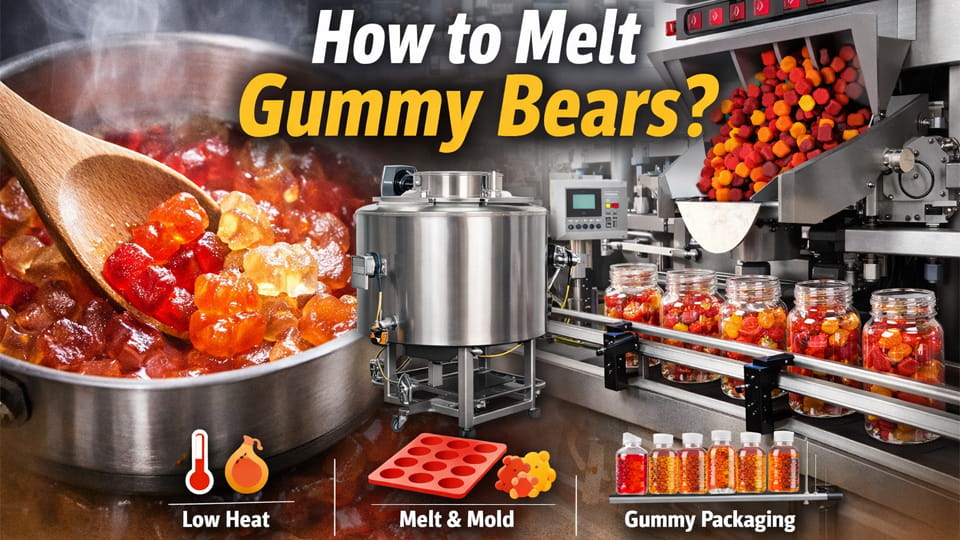
  • Đếm & Máy đóng chai: Not all snacks are packed in pouches. Products such as gummies, quả hạch, chocolate beans, jelly beans, kẹo, and freeze-dried fruits are often packaged in bottles. MỘT automatic counting & Máy làm đầy uses electronic sensors to count each piece accurately before filling bottles, ensuring consistent quantities with minimal product giveaway. A complete snack dây chuyền đóng chai can also integrate bottle unscrambling, desiccant insertion, giới hạn, niêm phong, Và ghi nhãn, making it an ideal solution for high-volume bottled snack production.

    Dây chuyền đóng chai kẹo dẻo gấu JL-16R
    Dây chuyền đóng chai kẹo dẻo gấu JL-16R
  • Dây chuyền đóng gói tích hợp: Many snack producers buy an integrated line from one vendor. Ví dụ, a line may include a multihead weigher feeding a VFFS bagger, then a date coder (for printing dates) and an automatic case packer at the end. Automated lines can achieve fast ROI: eliminating manual bagging slashes labor costs and inconsistencies.

Tóm lại, snack packaging machinery ranges from compact tabletop fillers for small operations up to high-speed automated lines for large plants. The key is matching the machine style to your product. As Wolf Packing notes: fully automatic snack packaging systems can achieve 60–150+ packages per minute with minimal labor. This kind of speed, combined with precise weighing and sealing, ensures every bag is correctly filled and sealed, maximizing throughput and product consistency.


Snack Packaging Machines: From Filling to Finished Packs

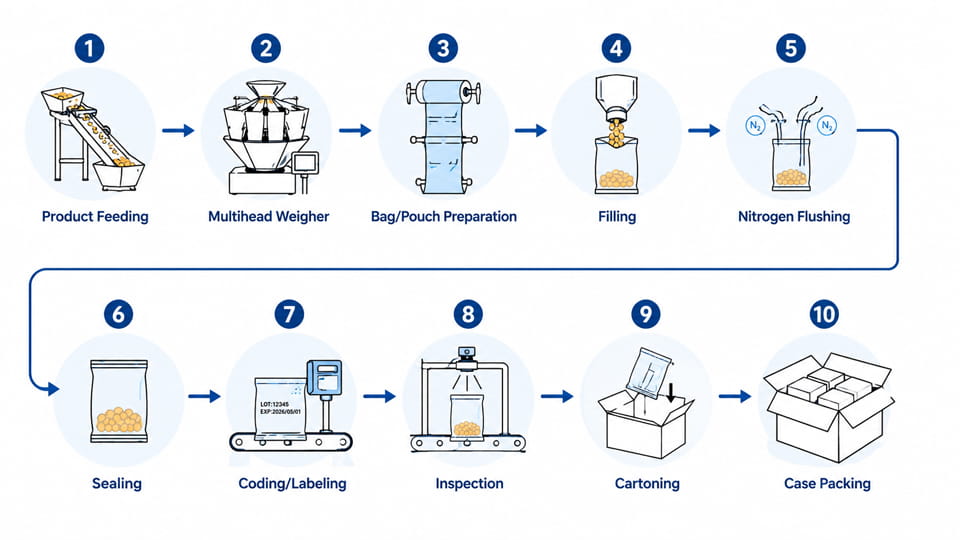
A typical snack dây chuyền đóng gói follows these steps (see flowchart below):

  1. Cho ăn sản phẩm: Snacks are fed from a hopper or conveyor into the weigher or filler. Sometimes vibratory feeders or screw feeders are used for sticky products.
  2. Cân (Multihead Weigher): The snack is weighed into precise portions. (For liquid or powder snacks, a dosing pump or piston filler might be used instead.)
  3. Bag/Pouch Preparation: The machine either forms a bag from film (như trong VFFS) hoặc picks up a premade pouch (as in doypack machines).
  4. Lấp đầy: The weighed portion is dropped into the opened bag/pouch. Multiple lanes can fill many bags in parallel.
  5. Nitrogen Flushing (không bắt buộc): Trước khi niêm phong, many snack lines inject nitrogen gas into the bag to push out oxygen, prolonging freshness.
  6. Niêm phong: The open end of the bag is sealed by heat-sealing jaws. Machines apply the correct heat and pressure for a tight seal.
  7. Coding/Labeling: The filled bag is marked with date/lot codes using inkjet printers or laser coders for traceability.
  8. Điều tra (Cân kiểm tra / Vision): The bag passes through a checkweigher to verify weight. Vision systems can inspect seal integrity or print quality.
  9. Đóng thùng: Groups of bags or sachets may be picked and inserted into cartons by a cartoning machine.
  10. Đóng gói trường hợp: Cuối cùng, cartons are loaded into shipping cases or pallets by a case packer and sealed.
Flowchart of automated snack packaging process, from feeding to case packing
A flow diagram of an automated snack packaging line

Each of these steps can be automated and synchronized. The diagram above (a Mermaid flowchart) illustrates the flow from product feeding to final case packing.


Choosing the Right Machine for Your Snack

No single machine fits all snacks. The “best” packaging machine depends on product shape, fill rate and bag style. Here are some guidelines:

  • Khoai tây chiên & Granola (Loose, Free-Flowing): A VFFS line with a multihead weigher is typically used. Chips drop easily into a bag from above. VFFS is great for high speed (30–200 bags/min) and has a small footprint. Choose a film with good oxygen barrier and consider a nitrogen flush for extra crispness.
  • Nuts & Dried Fruits: Similar to chips, these work well on VFFS with a weigher. If you want stand-up bags with a zipper, use a premade pouch packer. Some lines offer bulk weigher feeders that handle large bag runs. Precision is key here – nuts can vary in size, so a multihead weigher reduces giveaway and ensures even weight.
  • Snack Bars & Kẹo: Horizontal flow-wrapper (HFF) machines shine with bars and wrapped candies. They can package one bar or multiple together quickly. If the bars come in a foil or paper flow-wrap, those machines can seal the ends tightly. For bite-size snacks (like popcorn clusters), an HFFS can form a horizontal pillow pack too.
  • Seasonings & nước sốt: Sachet or stick pack machines handle spice mixes, dip powders, or single-serve sauces. These machines run very fast (often hundreds of sticks per minute). They can also work with premade stick pouches.
  • Popcorn: Popcorn needs breathability (to avoid crushing) and a big bag. Many popcorn lines use VFFS with special bag conveyor belts to gently load popped corn. Some use horizontal baggers with large gusseted bottoms for the big bags.
  • Batch Size & Mức độ tự động hóa: Small producers might start with semi-automatic or volumetric machines (VÍ DỤ., a tabletop weighing filler into ziplock bags). Larger operations go fully automatic with conveyors and robotics. Fully automated lines might have only 1–2 operators for machines that weigh, cái túi, seal and case pack thousands of snacks per hour.
  • Output Requirements: Nếu bạn cần 100 túi/phút, definitely invest in automatic machines. If only a few bags per minute, a manual or semi-auto filler with hand-loading might suffice (though Wolf warns that manual packing has hidden costs and inefficiencies).
  • Chất liệu túi: Some machines only work with certain bag types. Ví dụ, most VFFS machines form pillow or gusseted bags, but they cannot make stand-up pouches with bottom gussets. Ngược lại, premade pouch machines can handle almost any bag shape but only if the bag is pre-formed.
  • Ngân sách & ROI: Automated snack machines can cost from tens to hundreds of thousands of dollars. Tuy nhiên, labor savings and increased throughput often pay back within 1–3 years for high-volume lines. Calculating ROI involves labor cost, giveaway reduction and efficiency gains – but experience shows even just a 1% reduction in product giveaway can save thousands per year on high-volume snack lines.
  • Industry Standards: Snack machines for food typically must meet sanitary standards (Thép không gỉ, easy-to-clean) and possibly HACCP/FDA guidelines if for human consumption. Choose equipment certified for bao bì thực phẩm. Also consider maintenance and service – reliable machines keep lines running smooth.

Tóm lại, think about your specific snack and production needs. If you’re packing potato chips or nuts, a high-speed VFFS with weighers is common. For energy bars or candy, a flow-wrapping machine or stick packer may be best. For mixed snack bags or resealable pouches, a premade pouch machine is ideal. The key is to match snack type + bag type + tốc độ with the right machine. Don’t hesitate to consult with machine experts: they’ll factor in product properties, desired output, and cost to recommend a solution.


Phần kết luận

The world of snack packaging offers many tasty options. From simple pillow bags and sachets to sophisticated stand-up pouches and flow wraps, each style has its place. Flexible packaging materials and laminates protect flavor, while high-speed VFFS or HFFS machines fill and seal bags quickly and accurately. By choosing the right pouch format and equipment – and by using modern, automated lines – snack makers can keep food fresh, consistent and eye-catching on the shelf. Nhớ, good snack packaging not only preserves product quality, it also boosts efficiency and profitability in production.

Whether you’re a seasoned operations manager or a new buyer looking for snack packers, we hope this guide has given you a clear overview. If you’re ready to improve your snack packaging line, consider talking to a packaging machine specialist. Đóng gói Jinlu, Ví dụ, offers a range of flexible packaging machines (from multihead weighers to VFFS and pouch packers) and can help design a custom solution. Liên hệ với chúng tôi ngay hôm nay to discuss how to optimize your snack packaging line and give your product the protection it deserves.


FAQs on Snack Packaging

What is snack packaging?

Snack packaging refers to the process of protecting, preserving, and presenting snack products using suitable packaging materials and packaging machines. It includes both flexible and rigid packaging solutions for products such as potato chips, quả hạch, bỏng ngô, kẹo, Gummies, trái cây sấy khô, bánh quy, and other ready-to-eat snacks.

What type of packaging is best for snacks?

The best packaging depends on the product characteristics. Pillow bags are ideal for high-volume products like chips and popcorn, while stand-up pouches provide better shelf appeal and resealability. Premade pouches are popular for premium snack brands, and bottles are often used for gummies, quả hạch, và kẹo.

What materials are commonly used for snack packaging?

The most common snack packaging materials include PE, THÚ CƯNG, BOPP, CPP, aluminum foil laminates, metallized films, and recyclable mono-material films. The right material depends on the required barrier against moisture, ôxy, ánh sáng, and grease to maintain product freshness.

Which machine is used for snack packaging?

Several types of snack packaging machines are available depending on the package format. Common equipment includes VFFS machines, premade pouch packaging machines, multihead weighers, đếm & filling machines for bottled snacks, máy đóng thùng, máy dán nhãn, and complete packaging lines.

What is the best packaging machine for snacks?

There is no single “tốt nhất” máy móc. A VFFS machine is ideal for pillow bags and high-speed production, while a premade pouch machine is better for stand-up pouches and premium packaging. For bottled products like gummies or nuts, an automatic counting & filling machine offers the highest accuracy and efficiency.

What is the difference between a VFFS machine and a premade pouch machine?

A VFFS (Con dấu điền mẫu dọc) machine forms bags from roll film, lấp đầy chúng, and seals them in one continuous process, making it highly cost-effective for mass production. A premade pouch machine fills and seals preformed pouches, allowing brands to use more attractive packaging styles such as stand-up pouches, túi dây kéo, and spouted pouches.

Can one snack packaging machine handle different snack products?

Đúng. Many modern snack packaging machines support quick changeovers and can package products such as chips, quả hạch, bỏng ngô, kẹo, biscuits, granola, hạt cà phê, and dried fruits. The filling system and machine settings are adjusted according to product size, hình dạng, và hình thức đóng gói.

Why is nitrogen flushing used in snack packaging?

Nitrogen flushing replaces oxygen inside the package with nitrogen gas to reduce oxidation, helping snacks stay crispy and fresh for a longer period. It also creates a protective cushion that minimizes product breakage during transportation.

How do I choose the right snack packaging solution?

Match the machine to your bag style and speed needs. If you use pillow bags for chips, choose a VFFS line sized for your output. If you use stand-up bags, get a premade pouch filler that fits your bag dimensions. Consider automation: a full line can integrate weigher + que + máy dò kim loại + cân kiểm tra. Use manufacturers’ guides and request demonstrations. The best machine fits your product, desired capacity, and budget – and don’t forget to factor in film waste, BẢO TRÌ, and ease of changeovers in your choice.

Can a complete snack packaging line be customized?

Đúng. Most industrial snack packaging lines can be customized according to your production requirements. Depending on your product, a complete solution may include feeding equipment, weighing or counting systems, máy chiết rót, sealing equipment, máy dò kim loại, cân kiểm tra, thùng giấy, and palletizing systems, providing an efficient end-to-end packaging process.


Tài liệu tham khảo:
1.Food Ingredients & Bao bì —— CHÚNG TA. Cục Quản lý Thực phẩm và Dược phẩm
2.Bao bì & Chất tiếp xúc với thực phẩm (FCS) —— CHÚNG TA. Cục Quản lý Thực phẩm và Dược phẩm
3.2024 Snack Foods Packaging Trends —— pmmi.org
4.Nitrogen – A Packaging Gas and Beyond —— Centre for Food Safety
5.Effect of nitrogen flushing on shelf-life of packaged potato chips —— Wiley onlinelibrary
6.New Packages and SKUs in the Snack Food Forecast —— Packworld

Chia sẻ bài viết này:
Hình ảnh của Petty fu
Petty fu

Petty fu, Người sáng lập Jinlupacking, mang lại 20 năm kinh nghiệm trong lĩnh vực máy móc dược phẩm. Dưới sự lãnh đạo của ông, Jinlu đã phát triển thành một nhà cung cấp thiết kế tích hợp đáng tin cậy, sản xuất, và bán hàng. Petty đam mê chia sẻ kiến ​​thức chuyên sâu về ngành của mình để giúp khách hàng giải quyết sự phức tạp của bao bì dược phẩm, đảm bảo họ không chỉ nhận được thiết bị, mà là mối quan hệ đối tác dịch vụ một cửa thực sự phù hợp với mục tiêu sản xuất của họ.

Mục lục

Gửi yêu cầu của bạn

Để lại một câu trả lời

Địa chỉ email của bạn sẽ không được công bố. Các trường bắt buộc được đánh dấu *

Nhận báo giá miễn phí

*Chúng tôi tôn trọng tính bảo mật của bạn và tất cả dữ liệu đều được bảo vệ. Dữ liệu cá nhân của bạn sẽ chỉ được sử dụng và xử lý cho giải pháp JL.