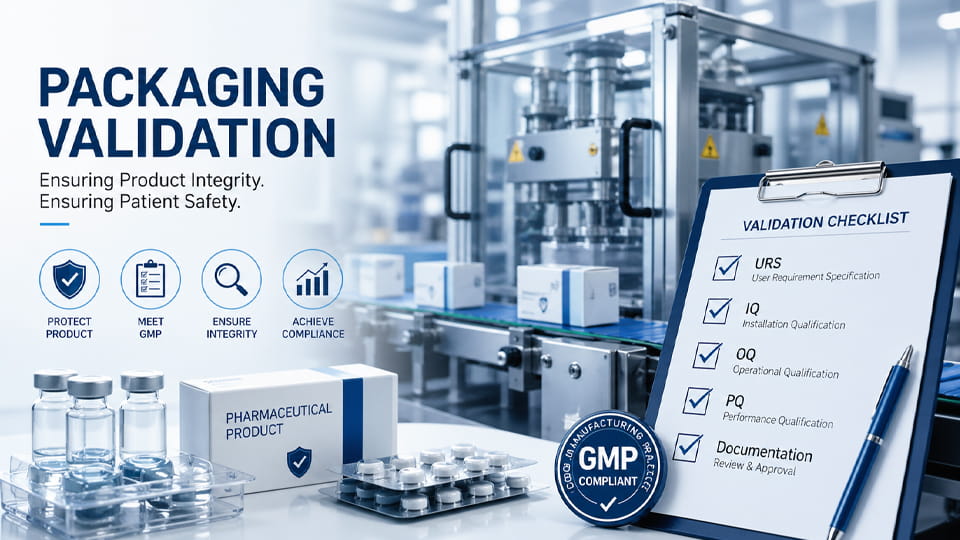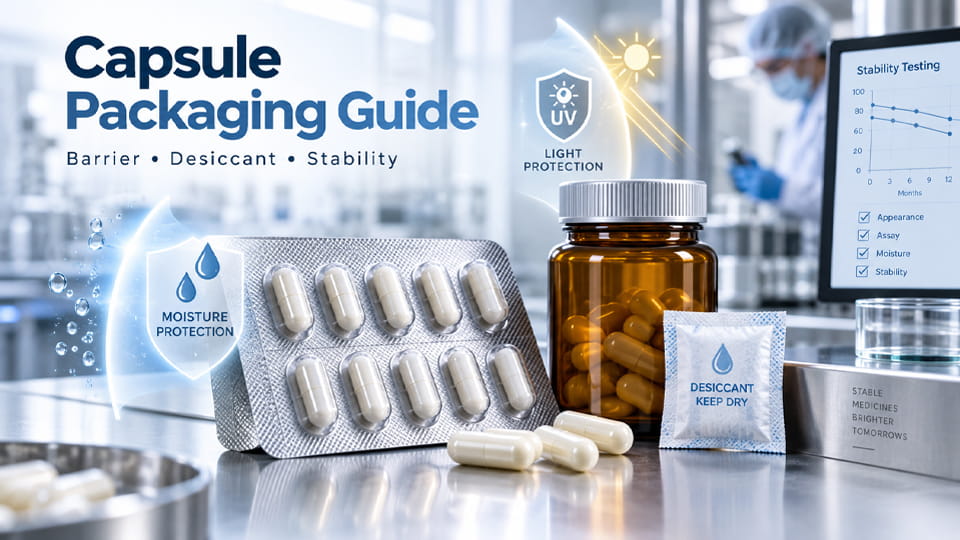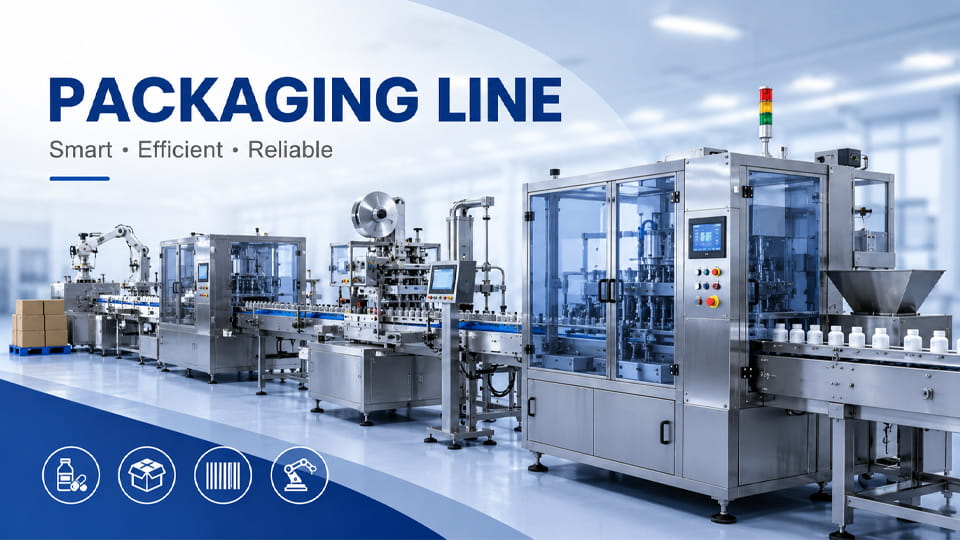

Yêu cầu ghi nhãn dược phẩm xác định thông tin phải xuất hiện trên bao bì thuốc để hỗ trợ nhận dạng sản phẩm, sử dụng an toàn, tuân thủ quy định, và truy xuất nguồn gốc. Tùy theo thị trường và loại sản phẩm, nhãn dược phẩm có thể bao gồm tên sản phẩm, hoạt chất(S), sức mạnh, dạng bào chế, Số lượng, số lô hoặc số lô, ngày hết hạn, điều kiện lưu trữ, cảnh báo, và thông tin ủy quyền tiếp thị hoặc nhà sản xuất. ở Mỹ, các yêu cầu được thiết lập thông qua các quy định của FDA như 21 Phần CFR 201, trong khi việc ghi nhãn sản phẩm thuốc của EU được điều chỉnh bởi luật dược phẩm của Châu Âu, bao gồm Chỉ thị 2001/83/EC. Các yêu cầu chính xác có thể khác nhau tùy theo loại thuốc, định dạng bao bì, và thị trường mục tiêu, vì vậy không có mẫu nhãn nào có thể hoạt động ở mọi nơi.
Dành cho các nhà sản xuất dược phẩm và đội đóng gói, tuân thủ không chỉ là tạo ra tác phẩm nghệ thuật chính xác. Các thông tin đã được phê duyệt cũng phải được áp dụng, in, kiểm tra, và được kiểm soát chính xác trong suốt quá trình sản xuất. Điều này trở nên đặc biệt quan trọng đối với vỉ, chai, thùng giấy, và các định dạng khác có không gian hạn chế hoặc dữ liệu thay đổi như số lô và ngày hết hạn phải được thêm vào trong quá trình đóng gói. Hiện đại Dòng đóng gói có thể sử dụng máy dán nhãn, hệ thống mã hóa hàng loạt, đầu đọc mã vạch hoặc DataMatrix, và hệ thống kiểm tra trực quan để giúp xác minh rằng thông tin phù hợp được áp dụng cho đúng sản phẩm. Trong hướng dẫn này, chúng tôi sẽ chia nhỏ các yêu cầu chính về ghi nhãn dược phẩm, so sánh các yêu cầu chính của FDA và EU, xem xét những cân nhắc đặc biệt cho các định dạng bao bì khác nhau, và giải thích cách thiết bị ghi nhãn và mã hóa có thể hỗ trợ một kết quả đáng tin cậy hơn quy trình đóng gói dược phẩm.
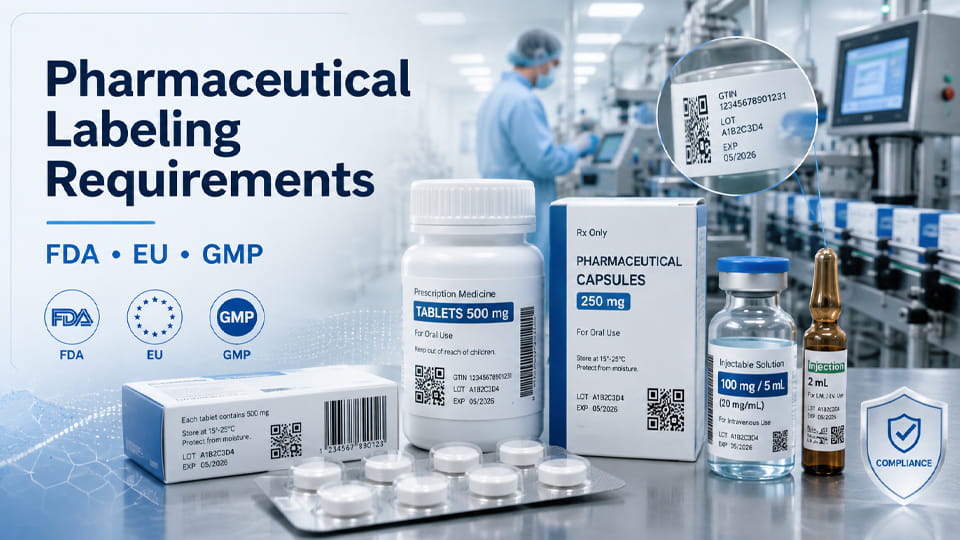
“Yêu cầu ghi nhãn dược phẩm” là các quy định chi phối những thông tin nào phải được in trên bao bì thuốc. ở Mỹ, hướng dẫn của FDA (Và 21 Phần CFR 201) xác định các câu lệnh và định dạng nhãn bắt buộc. Ví dụ, Hướng dẫn của FDA lưu ý rằng tất cả việc ghi nhãn thuốc theo toa phải tuân thủ 21 CFR 201.56(d) & 201.57, bao gồm nội dung và hình thức. Theo quy định, “Ghi nhãn” cho thuốc theo toa bao gồm ba thành phần: thông tin kê đơn chuyên nghiệp (gói chèn), nhãn thùng carton và thùng chứa, và ghi nhãn bệnh nhân. Về mặt thực tế, yêu cầu ghi nhãn đảm bảo mỗi gói đều xác định rõ ràng thuốc và công dụng của thuốc: thương hiệu và tên chung, hoạt chất(S), sức mạnh, dạng bào chế, Số lượng, và tên/địa chỉ nhà sản xuất phải xuất hiện, cùng với thông tin an toàn (cảnh báo, chỉ dẫn) và mã truy xuất nguồn gốc (lô, hết hạn). Những quy tắc này bảo vệ sự an toàn của bệnh nhân và cho phép thu hồi sản phẩm nếu cần.
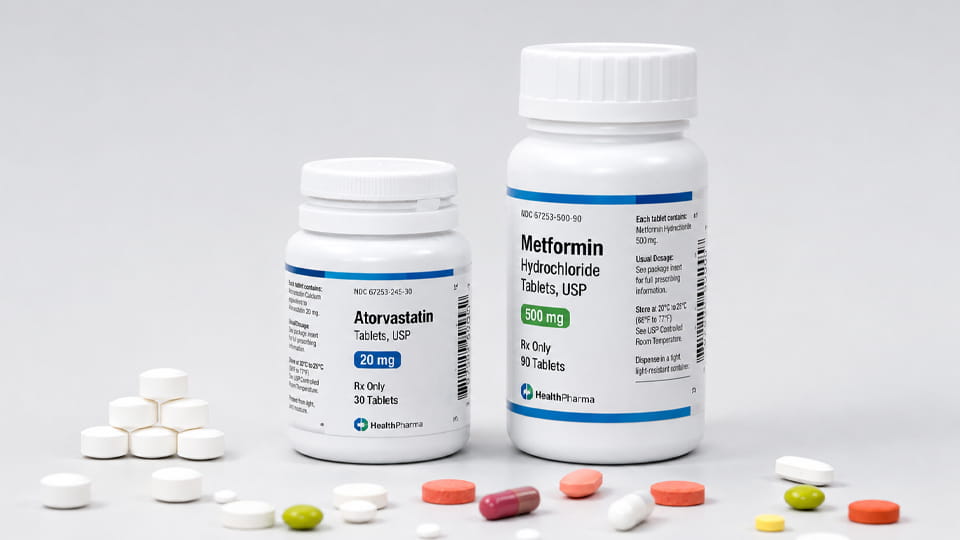
Nói cách khác, yêu cầu ghi nhãn đặt ra các tiêu chuẩn tối thiểu về thông tin rõ ràng và đầy đủ trên bao bì thuốc. Mục đích của chúng là ngăn ngừa những sai sót về thuốc và đảm bảo rằng bất kỳ ai (kiên nhẫn, người chăm sóc hoặc thanh tra viên) có thể xác minh sản phẩm. Ví dụ, FDA liệt kê rõ ràng ngày hết hạn và mã lô là bắt buộc (xem hộp “Nhãn cũng cho bạn biết” bên dưới), và luật pháp EU yêu cầu lô hàng và hạn sử dụng trên thùng carton. Hướng dẫn chăm sóc sức khỏe (Ema, AI) và các tiêu chuẩn ngành như GS1 quy định thêm các định dạng (ví dụ. Mã vạch DataMatrix) để hỗ trợ truy xuất nguồn gốc toàn cầu. Tổng thể, tuân thủ có nghĩa là nhãn của bạn phải khớp với các hộp kiểm trong bảng bên dưới.
| Phần tử nhãn | Mục đích |
| Tên sản phẩm (thương hiệu & chung chung) | Xác định tên thuốc, giảm sự nhầm lẫn. |
| hoạt chất(S) | Nêu rõ thành phần và hàm lượng thuốc. |
| Sức mạnh (liều lượng) | Cho biết liều lượng (ví dụ. mg mỗi viên/mL). |
| Dạng bào chế (viên thuốc, vân vân.) | Mô tả công thức (viên thuốc, viên nang, chất lỏng). |
| Nội dung ròng (đếm/khối lượng) | Hiển thị số lượng trong gói (ví dụ. 30 máy tính bảng). |
| Số lô/đợt | Cho phép truy xuất nguồn gốc và thu hồi nếu cần. |
| Hết hạn (hết hạn) ngày | Đảm bảo thuốc được sử dụng trước khi thuốc mất tác dụng. |
| Tên nhà sản xuất & Địa chỉ | Xác định nguồn trách nhiệm. |
| Điều kiện bảo quản | Hướng dẫn về nhiệt độ, ánh sáng, độ ẩm. |
| Cảnh báo/Thận trọng | Cảnh báo an toàn (VÍ DỤ., “Để xa tầm tay trẻ em”). |
| Đường dùng thuốc | Chỉ định sử dụng (VÍ DỤ., miệng, tiêm được). |
| Cách sử dụng/Chỉ định | (Không bắt buộc) Cho biết nó xử lý cái gì (đặc biệt. OTC). |
| Mã quy định (Số NDC/MA) | CHÚNG TA. Số giấy phép tiếp thị của NDC hoặc EU. |
| Thông báo bằng chứng giả mạo | (Tuyên bố “bằng chứng giả mạo” nếu được yêu cầu). |
| Mã vạch/DataMatrix | Mã hóa GTIN, lô, hết hạn quét. |
Mỗi yếu tố đều có lý do rõ ràng. Ví dụ, Tên sản phẩm và thành phần giúp bệnh nhân có được thuốc phù hợp; sức mạnh, hình thức và đường dùng đảm bảo liều lượng thích hợp; lưu trữ và cảnh báo bảo vệ an toàn; lô/đợt và hạn sử dụng cung cấp khả năng truy xuất nguồn gốc; và mã vạch (Ma trận dữ liệu GS1) để máy quét và xác minh gói hàng. Cơ quan quản lý (FDA, Ema, vân vân.) về cơ bản yêu cầu tất cả các mặt hàng này. Bảng trên liệt kê các trường phổ biến và chức năng của chúng. Trong mọi trường hợp, nhãn phải dễ đọc (cỡ chữ vừa đủ, sự tương phản) và sử dụng các định dạng tiêu chuẩn (ví dụ. Bố cục “Thông tin về thuốc” của FDA dành cho thuốc OTC).
Ở Hoa Kỳ, quy định của FDA (21 Phần CFR 201) và hướng dẫn chi tiết nội dung nhãn thuốc. Đơn thuốc (Rx) thuốc: Các yêu cầu chính bao gồm việc thiết lập (chung chung) tên thuốc (21 CFR 201.50), dạng bào chế, nội dung ròng, và hướng dẫn (21 CFR 201.55). Nhãn cũng phải hiển thị tên và địa chỉ của nhà sản xuất/đóng gói/nhà phân phối (201.1), Mã thuốc quốc gia (201.2), và tuyên bố “Chỉ Rx” nếu có. Các mã định danh quan trọng như số lô và ngày hết hạn được điều chỉnh bởi 21 CFR 201.17-18. Ví dụ, 201.17 yêu cầu vị trí ngày hết hạn trên bao bì, Và 201.18 đòi hỏi phải có sự kiểm soát (nhiều) số để nhận dạng. Trong thực tế, FDA yêu cầu in rõ ràng số lô và hạn sử dụng trên cả hộp đựng và thùng carton ngay lập tức. Ví dụ, Hướng dẫn “Thông tin về Thuốc” của FDA lưu ý rõ ràng rằng rất nhiều (lô) mã và ngày hết hạn phải xuất hiện trên nhãn OTC, và logic tương tự cũng áp dụng cho thuốc Rx.
Thuốc OTC (Bảng thông tin thuốc): Tất cả các loại thuốc không kê đơn phải có nhãn “Thông tin thuốc” được tiêu chuẩn hóa của FDA để giúp người tiêu dùng. Bảng này tuân theo một định dạng cố định với các phần như Thành phần hoạt chất(S), Mục đích(S), Công dụng, Cảnh báo, Chỉ đường, và các thành phần không hoạt động. Mục tiêu là sự nhất quán và rõ ràng (cấu trúc tương tự cho thuốc giảm đau, thuốc dị ứng, vân vân.). Ví dụ, “Thành phần hoạt tính(S)Dòng ” liệt kê dược chất và tác dụng, “Mục đích” đưa ra danh mục của nó, và “Cảnh báo/Chỉ dẫn” cung cấp hướng dẫn sử dụng. Ngoài những phần này, mọi nhãn OTC phải ghi ngày hết hạn (hoặc quy tắc hết hạn 3 năm mặc định) và mã lô, cùng với tên/địa chỉ của nhà sản xuất và số lượng tịnh. Trang FDA về Thông tin Thuốc OTC xác nhận: “Nhãn cũng cho bạn biết… ngày hết hạn… Mã lô hoặc lô… Tên và địa chỉ của nhà sản xuất… Số lượng tịnh”. Việc không đưa những thứ này lên nhãn OTC sẽ vi phạm các quy định ghi nhãn của FDA.
Quy định của FDA liệt kê nhiều tuyên bố ghi nhãn chi tiết. Ví dụ, 21 CFR 201.50-201.56 Và 201.100-201.128 dán nhãn thùng hàng và nhãn thùng carton. Một số điểm nổi bật bao gồm:
Ngoài CFR, Hướng dẫn của FDA làm rõ các quy tắc này. Đáng chú ý, FDA hiện nay định nghĩa việc ghi nhãn thuốc theo toa gồm ba phần: thông tin kê đơn chuyên nghiệp (gói chèn), nhãn vật lý trên thùng carton/container, và bất kỳ tờ rơi nào dành cho bệnh nhân. Nhãn bao bì phải ghi tên thuốc đã được công bố, sức mạnh, dạng bào chế, đơn vị liều lượng, số lô, ngày hết hạn, NDC, và tên/địa chỉ doanh nghiệp – về cơ bản bao gồm tất cả các hộp kiểm trong bảng trên của chúng tôi. Những điều này đảm bảo các hiệu thuốc phân phối đúng sản phẩm và bệnh nhân nhìn thấy thông tin an toàn quan trọng.
Ở Liên minh Châu Âu, Chỉ thị 2001/83/EC (như đã sửa đổi) và các quy định liên quan chi phối việc ghi nhãn sản phẩm thuốc. Các quy tắc nhìn chung tương tự như ở Hoa Kỳ nhưng có một số khác biệt (ví dụ. yêu cầu về ngôn ngữ, chi tiết ủy quyền tiếp thị). Bài báo 54 của 2001/83 chỉ định những gì phải có trên bao bì bên ngoài (hoặc đóng gói ngay nếu không có hộp bên ngoài). Nó phải hiển thị tên đầy đủ của sản phẩm, sức mạnh, dạng dược phẩm, và đường dùng. Cần nêu rõ sản phẩm dành cho người lớn hay trẻ em nếu phù hợp, và liệt kê bất kỳ cảnh báo hoặc biện pháp phòng ngừa đặc biệt nào (ví dụ. nhiệt độ bảo quản). Điều quan trọng, Bài báo 54 yêu cầu ngày hết hạn và số lô trên gói bên ngoài, cùng với địa chỉ của Người giữ Giấy phép Tiếp thị (MAH) và số giấy phép tiếp thị của EU. Trong thực tế, điều này có nghĩa là các thùng carton của EU về cơ bản phải có thông tin giống như nhãn của Hoa Kỳ: tên, thành phần, sức mạnh, Số lượng, cảnh báo, hết hạn, và hàng loạt, cộng với liên hệ MAH.
Hướng dẫn và mẫu của EMA (báo cáo QRD) phù hợp với các quy tắc này. Đối với sản phẩm được ủy quyền tập trung, QRD (Đánh giá chất lượng tài liệu) mẫu chuẩn hóa cách diễn đạt của các câu lệnh quan trọng. EMA gần đây cũng đề cập đến công nghệ hiện đại: nó cho phép mã QR tùy chọn hoặc công nghệ quét trên nhãn nếu được phê duyệt. Ký hiệu chữ nổi (Điều 56a) được yêu cầu cho hầu hết thùng thuốc (cho biết tên sản phẩm, sức mạnh, mẫu bằng chữ nổi Braille) như một tính năng an toàn cho người khiếm thị. Mỗi quốc gia EU cũng yêu cầu ghi nhãn bằng ngôn ngữ chính thức của mình(S). Điểm mấu chốt: Nhãn EU (sơ cấp hoặc thứ cấp) phải truyền đạt tất cả các chi tiết quan trọng về thuốc một cách rõ ràng (thường có nhiều ngôn ngữ), tương tự như yêu cầu của Hoa Kỳ nhưng nhấn mạnh hơn vào nhận dạng MAH, số quy định, và tờ rơi đa ngôn ngữ.
Các dạng đóng gói chính như vỉ, chai và lọ đặt ra những thách thức đặc biệt.
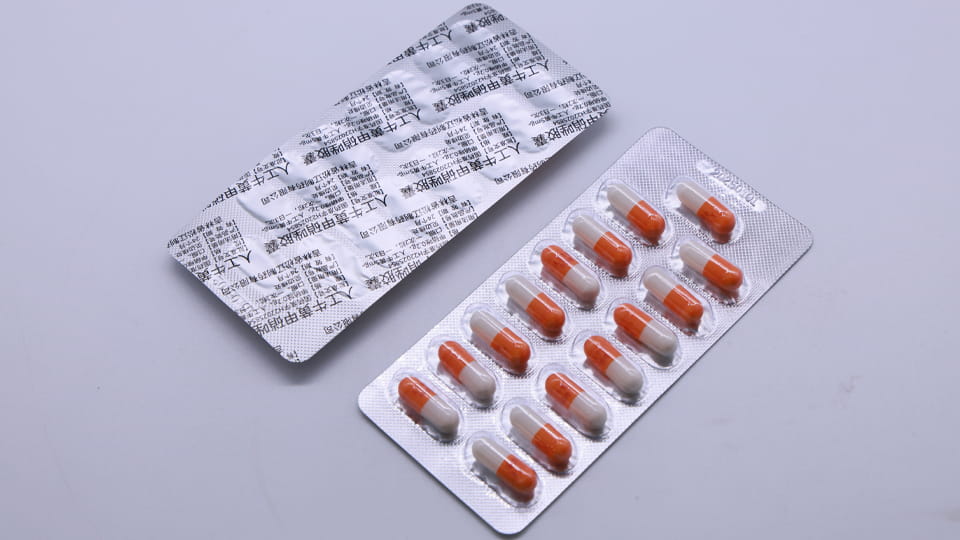
Gói vỉ: Theo thiết kế, một vết phồng rộp (dải túi kín) có không gian hạn chế. Cơ quan quản lý nhận ra điều này: EU thường cho phép ghi nhãn viết tắt trên từng khoang vỉ nếu có đầy đủ thông tin chi tiết trên thùng carton (sử dụng nhãn hoặc tờ rơi “cờ”). ở Mỹ, nhãn vỉ (ví dụ. sự ủng hộ của giấy bạc) vẫn phải ghi tên thuốc, sức mạnh, số lô và ngày hết hạn. Một ghi chú tóm tắt ngành: “Bao bì vỉ nhãn phải bao gồm tên độc quyền/tên chung, sức mạnh, nhiều, hết hạn… và tuân thủ các yêu cầu của FDA như độ cao và độ tương phản tối thiểu của văn bản.” Trong thực tế, Lá vỉ thường có tên và mã in trên mỗi khoang hoặc trên nhãn giấy quấn quanh. Đôi khi thẻ vỉ sẽ có nhãn bóc ra bao gồm nhiều liều, nhưng nó vẫn cần thông tin tương tự. Bằng chứng giả mạo vốn có trong vỉ kín, nhưng nếu sử dụng, một tuyên bố rõ ràng giả mạo (ví dụ. “không sử dụng nếu con dấu bị hỏng”) là bắt buộc.
Chai và lọ: Chai tròn thường sử dụng nhãn trước và sau. Nhãn phía trước thường ghi tên sản phẩm, sức mạnh và số lượng cho ID nhanh chóng, và nhãn phía sau có hướng dẫn, cảnh báo và chi tiết quy định. Máy dán nhãn nhanh chóng (xem bên dưới) dán những nhãn này lên chai. Một ví dụ từ tài liệu quảng cáo của Jinlu Packing: máy dán nhãn TBJ-120 được thiết kế cho chai tròn (20–đường kính 110 mm) và bao gồm một bộ mã hóa ribbon nội tuyến để in lô/hết hạn. Điều này đảm bảo nhãn dán của mỗi chai cũng ghi đúng số lô và hạn sử dụng theo yêu cầu. Dùng cho cả vỉ và chai, cỡ chữ và độ tương phản màu sắc phải đảm bảo tiêu chuẩn pháp luật (ví dụ. của FDA 21 CFR 201.15 về mức độ dễ đọc). Tóm lại, Quy trình ghi nhãn vỉ và chai được thiết kế để đáp ứng các quy tắc nội dung giống nhau - tên, thành phần, lô hàng và thời hạn sử dụng — ngay cả khi phương thức giao hàng (bóc vỏ, in trực tiếp, hoặc nhãn dán) khác biệt.
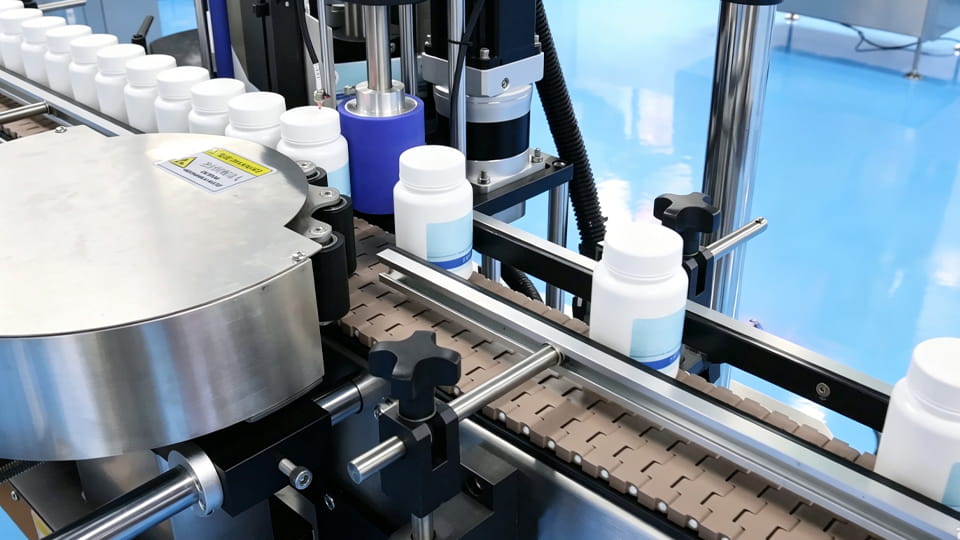
Nhân vật: Nhãn chai dược phẩm trên dây chuyền sản xuất. Nhãn chai phải thể hiện rõ ràng nhận dạng sản phẩm (tên, hoạt chất, sức mạnh) và dữ liệu quy định thiết yếu (số lô, hết hạn, nhà sản xuất) để mỗi lọ hoặc chai riêng lẻ có thể được xác minh.
In số lô/đợt và ngày hết hạn là một phần quan trọng của việc ghi nhãn. Trong các dòng dược phẩm, thiết bị mã hóa chuyên dụng được sử dụng để in thông tin này ở tốc độ cao. Các công nghệ phổ biến bao gồm Máy in phun liên tục (CIJ) máy in, Máy in phun nhiệt (CỦA ANH ẤY) máy in, Máy in chuyển nhiệt (TTO) Và Bộ mã hóa laser.
Những máy in này thường được tích hợp ngay sau khi dán nhãn. Ví dụ, chai có thể được chuyển qua máy in phun ngay sau khi dán nhãn, in lô và hạn sử dụng lên nhãn theo dòng. Máy Jinlu TBJ-120 (bên trên) bao gồm một máy mã hóa ruy băng đóng dấu mã số lên từng nhãn. Bất chấp phương pháp, dữ liệu in phải dễ đọc và được định vị theo yêu cầu của quy định (ví dụ. gần cuối bảng hiển thị để biết ngày hết hạn). Các định dạng con người có thể đọc được (thích YYMMDD) phải khớp với bất kỳ dữ liệu mã vạch nào. Trong mọi trường hợp, dù bằng máy in phun hay laser, mục tiêu chính là như nhau: mỗi gói hàng riêng lẻ phải có số lô và ngày hết hạn để tuân thủ truy xuất nguồn gốc GMP. Hệ thống kiểm tra (xem bên dưới) sẽ xác minh rằng mỗi mã được in đều có mặt và chính xác.
Các quy định hiện đại thường yêu cầu mã có thể đọc được bằng máy để truy xuất nguồn gốc và chống hàng giả. Tiêu chuẩn toàn cầu là Ma trận dữ liệu GS1 2Mã vạch D, có thể mã hóa nhiều phần tử dữ liệu trong một ký hiệu hình vuông nhỏ. Trong chăm sóc sức khỏe, tiêu chuẩn GS1 quy định mã hóa bốn thuộc tính chính: GTIN (Mã số thương phẩm toàn cầu), ngày hết hạn, số lô/đợt, Và số seri. GTIN xác định duy nhất sản phẩm, trong khi ba cái còn lại cho phép theo dõi và xác minh trên mọi gói hàng.
ở Mỹ, các 2013 Đạo luật An ninh và Chất lượng Thuốc (DQSA) bắt buộc xê-ri hóa thuốc theo toa theo từng giai đoạn. Qua 2023, Đạo luật An ninh Chuỗi Cung ứng Thuốc yêu cầu số nhận dạng sản phẩm trên mỗi đơn vị (trong đó bao gồm rất nhiều và hết hạn) để các hiệu thuốc có thể xác minh sản phẩm khi nhận. Ở EU, Chỉ thị về thuốc giả (Chỉ thị 2011/62/EU) đã yêu cầu số sê-ri duy nhất trên nhiều gói thuốc theo toa. Các gói hàng của EU phải mang GS1 DataMatrix chứa GTIN, số sê-ri do nhà sản xuất chỉ định, hạn sử dụng và lô (số nhận dạng ứng dụng 17, 10). Hướng dẫn của GS1 chỉ đạo rõ ràng cho các nhà sản xuất: “mã hóa GTIN của bạn, lô hàng và ngày hết hạn vào mã vạch GS1 DataMatrix và dán lên sản phẩm”. Một số thị trường (Brazil, Ấn Độ, người khác) cũng đang áp dụng các yêu cầu xê-ri hóa tương tự.
Ngoài DataMatrix, các công ty có thể sử dụng mã QR hoặc RFID trên nhãn để thu hút người tiêu dùng hoặc quản lý kho hàng, nhưng trọng tâm quy định vẫn là mã vạch 2D để tuân thủ. Các mã số này được in bằng máy dán nhãn chuyên dụng hoặc máy mã hóa trên bao bì. Ví dụ, một phương pháp là nhờ máy in laser hoặc nhãn thêm DataMatrix sau khi áp dụng nhãn chính. Sau đó, hệ thống thị giác sẽ quét DataMatrix để đảm bảo nó đọc chính xác. Bằng cách mã hóa lô và hạn sử dụng trên mã vạch, quét tại bất kỳ điểm nào (phân bổ, phân phát) ngay lập tức xác minh những giá trị đó. Tóm lại, tuần tự hóa có nghĩa là mỗi gói đơn vị liều có một mã có thể quét được duy nhất liên kết nó với dữ liệu sản xuất của nó.
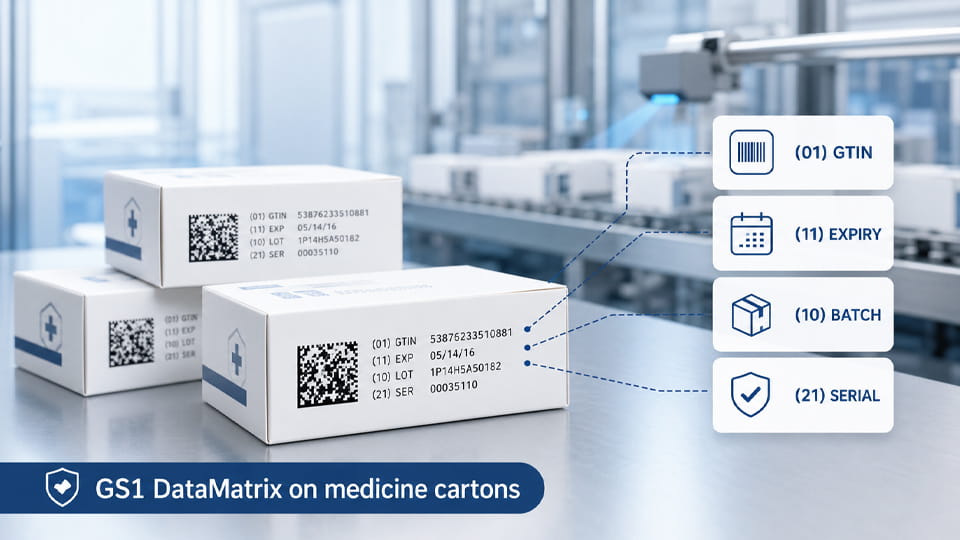
Nhân vật: Mã GS1 DataMatrix trên hộp thuốc có chứa (01)GTIN, (11)hết hạn, (10)lô, (21)nối tiếp. Các gói dược phẩm thường mang GS1 DataMatrix (2Mã vạch D) với GTIN, ngày hết hạn và số lô/đợt được mã hóa. Điều này cho phép quét và xác minh tốc độ cao tất cả dữ liệu theo dõi chính.
Máy móc tự động là điều cần thiết để áp dụng tất cả các nhãn và mã cần thiết ở tốc độ dây chuyền. Quy trình đóng gói dược phẩm điển hình có ghi nhãn có thể trông như thế này:
Đổ/Nạp thùng chứa → Máy dán nhãn tự động → Lô & Bộ mã hóa hết hạn → Đánh dấu mã vạch/đánh dấu tuần tự → Trạm kiểm tra trực quan → Đóng thùng / Bao bì thứ cấp

Nhân vật: Máy dán nhãn tự động có chia chai và mã hóa (Họ Máy dán nhãn JL-TBJ-120). Máy dán nhãn tự động dán nhãn dính vào chai, trong khi một máy in tích hợp đóng dấu lô/hết hạn. Máy dán nhãn hiện đại có thể chạy ở tốc độ cao (VÍ DỤ., 120 chai/phút) với độ chính xác, và thường bao gồm các máy in mã để in phun/in nhiệt theo lô và ngày tháng. Những máy này đảm bảo nhãn và mã được áp dụng nhất quán trên mỗi thùng chứa.
Bằng cách tích hợp các bước này, dây chuyền đóng gói dược phẩm đảm bảo rằng từ khâu đóng gói đến khâu đóng gói cuối cùng, mọi đơn vị đều được dán nhãn chính xác và có thể truy nguyên. Sử dụng một hệ thống liên kết (hoặc dòng máy được đồng bộ hóa) giảm thiểu lỗi của con người. Để kiểm tra quan trọng, camera quan sát kiểm tra từng gói có đáp ứng sự tuân thủ không. Cuối cùng, thiết bị ghi nhãn chất lượng cao (từ máy cấp liệu dạng lọ đến máy dán nhãn cho đến máy lập trình) làm cho việc đáp ứng các quy định về nhãn mác của FDA/EMA trở nên khả thi trên quy mô lớn.
Kể cả khi có sự quan tâm, lỗi ghi nhãn có thể xảy ra. Các vấn đề phổ biến bao gồm:
Các chiến lược giảm thiểu bao gồm: giao thức chuyển đổi nghiêm ngặt (kiểm tra kỹ nhãn khi chuyển đổi sản phẩm), kiểm soát trong quá trình (kiểm tra tại chỗ thủ công trực tuyến), Và 100% kiểm tra thị lực. Trình đọc mã tự động xác minh rằng mọi mã được in đều khớp với hồ sơ sản xuất. Nhiều tuyến còn có máy quét mã vạch dự phòng để đảm bảo bản in lô/hạn sử dụng rõ ràng. Luôn cập nhật các tệp tác phẩm nghệ thuật và tuân theo danh sách kiểm tra ngôn ngữ để ngăn ngừa lỗi nội dung. Cuối cùng, việc cung cấp nhãn và mực phải phù hợp với yêu cầu của hệ thống (ví dụ. Mực chống tia cực tím nếu cần). Một quy trình QA mạnh mẽ sẽ phát hiện sớm các lỗi ghi nhãn trước khi phát hành.
Sử dụng danh sách kiểm tra này để đảm bảo mọi nhãn và bao bì đều đáp ứng yêu cầu:
| Điểm kiểm tra ghi nhãn | Hoàn thành? |
| Tên sản phẩm (thương hiệu & chung chung) hiện tại | ☐ |
| hoạt chất(S) được liệt kê (với sức mạnh) | ☐ |
| Sức mạnh (Liều dùng) nêu rõ ràng | ☐ |
| Dạng bào chế (viên thuốc, giải pháp, vân vân.) bao gồm | ☐ |
| Số lô/đợt được in rõ ràng | ☐ |
| Ngày hết hạn được in và dễ đọc | ☐ |
| nhà sản xuất (tên & Địa chỉ) hiện tại | ☐ |
| Điều kiện bảo quản đã nêu (ví dụ. "Cửa hàng <25°C”) | ☐ |
| Bao gồm các tuyên bố cảnh báo/thận trọng | ☐ |
| Mã vạch/DataMatrix (GTIN+hết hạn+lô) hiện tại | ☐ |
| Nội dung ròng (số lượng hoặc khối lượng) chỉ định | ☐ |
| Mã quy định (NDC, số giấy phép) bao gồm | ☐ |
| Cỡ chữ/khả năng đọc đáp ứng quy định | ☐ |
| Tuyên bố bằng chứng giả mạo (Nếu được yêu cầu) | ☐ |
Xem lại từng điểm ở trên so với nhãn in của bạn. Ví dụ, FDA yêu cầu rõ ràng ngày hết hạn và số lô, và quy định của EU bắt buộc phải đặt tên sản phẩm, sức mạnh và nội dung. Nếu có mục nào bị thiếu hoặc không đọc được, gói hàng không tuân thủ. Danh sách kiểm tra này có thể phục vụ như một bảng tham khảo nổi bật để kiểm tra chất lượng.
Ghi nhãn chính xác là một phần không thể thương lượng trong sản xuất dược phẩm. Hiểu được những yêu cầu trên, bạn có thể thiết kế nhãn và quy trình làm việc tuân thủ FDA, EMA và các quy tắc toàn cầu. Ghi nhớ các yếu tố nhãn chính (nhận dạng sản phẩm, thành phần, thông tin an toàn, và mã hóa) và kiểm tra chúng với danh sách kiểm tra tuân thủ. Dây chuyền đóng gói hiện đại sử dụng máy dán nhãn tự động, bộ mã hóa và hệ thống thị giác để giữ tỷ lệ lỗi gần bằng 0.
Nếu bạn cần thiết bị mạnh mẽ để ghi nhãn và mã hóa, xem xét các giải pháp của Jinlu Packing. Jinlu cung cấp một loạt các máy đóng gói dược phẩm - từ máy dán nhãn chai tự động (ví dụ. loạt TBJ) ĐẾN lập trình viên hàng loạt/hết hạn và hoàn thành dây chuyền đóng thùng - tất cả được thiết kế cho tuân thủ GMP. Máy của chúng tôi tích hợp ghi nhãn, in ấn và kiểm tra để giúp bạn đáp ứng các yêu cầu ghi nhãn một cách dễ dàng. Ví dụ, Máy dán nhãn chai tròn của Jinlu xử lý các chai có kích thước lên tới 20–110 mm 120 nhịp đập mỗi phút, dán nhãn và in mã ngày/mã lô trong một lần. Khám phá Máy dán nhãn và Máy đóng thùng của Jinlu để biết thêm chi tiết. Bằng cách kết hợp các quy trình tốt với thiết bị phù hợp, bạn có thể đảm bảo mọi gói thuốc đều được dán nhãn chính xác để đảm bảo an toàn và tuân thủ.
Yêu cầu ghi nhãn dược phẩm là các quy tắc xác định thông tin nào phải xuất hiện trên nhãn thuốc, thùng chứa, thùng carton, hoặc tờ rơi gói. Họ có thể bao gồm tên sản phẩm, hoạt chất, sức mạnh, dạng bào chế, số lô, ngày hết hạn, cảnh báo, điều kiện lưu trữ, chi tiết nhà sản xuất, và các thông tin quy định khác. Yêu cầu khác nhau tùy theo quốc gia, loại thuốc, và hình thức đóng gói.
Nhãn dược phẩm có thể cần phải bao gồm tên sản phẩm, hoạt chất, sức mạnh, dạng bào chế, nội dung, số lô hoặc số lô, ngày hết hạn, thông tin ủy quyền tiếp thị hoặc nhà sản xuất, điều kiện lưu trữ, cảnh báo, và các chi tiết cụ thể khác của thị trường. Thông tin chính xác phụ thuộc vào khung pháp lý hiện hành và danh mục sản phẩm.
Ở Hoa Kỳ, nhãn thuốc phải tuân thủ các quy định ghi nhãn hiện hành của FDA, bao gồm 21 Phần CFR 201. Yêu cầu khác nhau giữa thuốc kê đơn và thuốc không kê đơn. Việc ghi nhãn thuốc theo toa tuân theo các yêu cầu như 21 CFR 201.56 Và 201.57, trong khi các sản phẩm OTC thường sử dụng định dạng Thông tin Thuốc được tiêu chuẩn hóa theo 21 CFR 201.66.
Các yêu cầu ghi nhãn dược phẩm của EU thường yêu cầu những thông tin quan trọng như tên thuốc, sức mạnh, dạng dược phẩm, hoạt chất, nội dung, tá dược liên quan, ngày hết hạn, và số lô. Yêu cầu bổ sung có thể áp dụng tùy theo sản phẩm và thị trường. Khuôn khổ của EU cũng bao gồm các yêu cầu đối với tờ rơi đóng gói và các tính năng trợ năng như chữ nổi trên bao bì.
Đúng, Nhận dạng lô hoặc lô là một phần quan trọng của việc đóng gói dược phẩm và truy xuất nguồn gốc. Ví dụ, Các quy định của EU đặc biệt yêu cầu số lô trên bao bì đóng gói ngay lập tức, bao gồm cả gói vỉ, cùng các thông tin như tên sản phẩm, hạn sử dụng. Yêu cầu cụ thể có thể khác nhau tùy theo thị trường và loại sản phẩm.
Ngày hết hạn là bắt buộc trên nhiều gói dược phẩm và là yếu tố chính để nhận dạng sản phẩm và sử dụng an toàn. Ví dụ, Yêu cầu của EU quy định thông tin về ngày hết hạn đối với bao bì đóng gói ngay như vỉ và đơn vị đóng gói nhỏ. Định dạng và vị trí chính xác phụ thuộc vào yêu cầu thị trường hiện hành.
Yêu cầu về vỉ thuốc phụ thuộc vào thị trường và cấu hình bao bì. Theo quy định của EU, vỉ thuốc đặt bên trong bao bì bên ngoài phải có thông tin chính bao gồm tên thuốc, người giữ giấy phép tiếp thị, ngày hết hạn, và số lô. Thông tin cũng phải dễ đọc, có thể hiểu được, và không thể xóa nhòa.
Số sê-ri dược phẩm là việc ấn định và quản lý mã định danh duy nhất cho từng gói thuốc có thể bán được để hỗ trợ nhận dạng và truy xuất nguồn gốc sản phẩm. Việc tuần tự hóa thường hoạt động với mã 2D và các hệ thống nhận dạng sản phẩm khác, nhưng các yêu cầu chính xác phụ thuộc vào thị trường mục tiêu và các quy định hiện hành.
Thiết bị ghi nhãn và mã hóa dược phẩm phổ biến bao gồm máy dán nhãn tự động, máy dán nhãn chai, hệ thống mã hóa hàng loạt, máy in phun hoặc máy in laser, máy quét mã vạch, hệ thống kiểm tra tầm nhìn, và thiết bị tuần tự hóa. Việc thiết lập phù hợp phụ thuộc vào định dạng đóng gói, tốc độ sản xuất, thiết kế nhãn, yêu cầu dữ liệu thay đổi, và mức độ kiểm tra yêu cầu.
Nhà sản xuất trước hết phải xác định được yêu cầu đối với từng thị trường mục tiêu và từng sản phẩm., sau đó phê duyệt tác phẩm nghệ thuật nhãn và dữ liệu biến đổi trước khi sản xuất. Dây chuyền đóng gói cũng phải kiểm soát việc lựa chọn nhãn mác, in theo lô và hạn sử dụng, dữ liệu mã vạch hoặc tuần tự, định vị nhãn, kiểm tra thị lực, và từ chối các sản phẩm không chính xác. Thủ tục GMP cần hỗ trợ tài liệu, giải phóng mặt bằng đường dây, kiểm soát chuyển đổi, và truy xuất nguồn gốc.
Tài liệu tham khảo:
1.Các câu hỏi thường gặp về việc ghi nhãn thuốc kê đơn —— CHÚNG TA. Cục Quản lý Thực phẩm và Dược phẩm
2.Tài nguyên ghi nhãn thùng carton và thùng chứa —— CHÚNG TA. Cục Quản lý Thực phẩm và Dược phẩm
3.TRS 902 – Phụ lục 9: Hướng dẫn về bao bì đối với dược phẩm —— AI
4.Yêu cầu về thông tin sản phẩm —— Cơ quan Dược phẩm Châu Âu
5.Phụ lục hướng dẫn của Ủy ban Châu Âu về ‘Tá dược trên nhãn và tờ rơi đóng gói của các sản phẩm thuốc dùng cho người’ —— Cơ quan Dược phẩm Châu Âu
6.21 CFR § 201.66 – Yêu cầu về định dạng và nội dung đối với thuốc không kê đơn (OTC) ghi nhãn sản phẩm thuốc. —— Viện thông tin pháp luật