
Trong sản xuất dược phẩm, sản xuất hàng loạt vẫn là phương pháp tiêu chuẩn để sản xuất thuốc. Mỗi lô – một số lượng xác định được sản xuất trong một lần chạy – được gán một mã số duy nhất số lô. Con số này rất quan trọng đối với truy xuất nguồn gốc, kiểm soát chất lượng, Và Tuân thủ GMP/FDA. Bằng cách liên kết các sản phẩm trở lại hồ sơ lô của chúng, nhà sản xuất có thể nhanh chóng điều tra các vấn đề, cô lập khuyết điểm, và thực hiện thu hồi có mục tiêu nếu cần. Hiện đại Dòng đóng gói (phồng rộp, đóng chai, đóng thùng, ghi nhãn) tích hợp hệ thống mã hóa và kiểm tra để in và xác minh số lô trên mỗi đơn vị. Bài viết này giải thích sản xuất theo lô và số lô là gì, tại sao chúng quan trọng trong ngành dược phẩm, và bằng cách nào máy móc đóng gói (máy in mã hóa, người dán nhãn, hệ thống tầm nhìn, vân vân.) đảm bảo theo dõi lô chính xác. Chúng tôi cũng đề cập đến các phương pháp hay nhất và Câu hỏi thường gặp để giúp người quản lý thu mua/sản xuất và kỹ sư đóng gói hiểu cách tận dụng việc đánh số lô cho chất lượng, tuân thủ và hiệu quả.
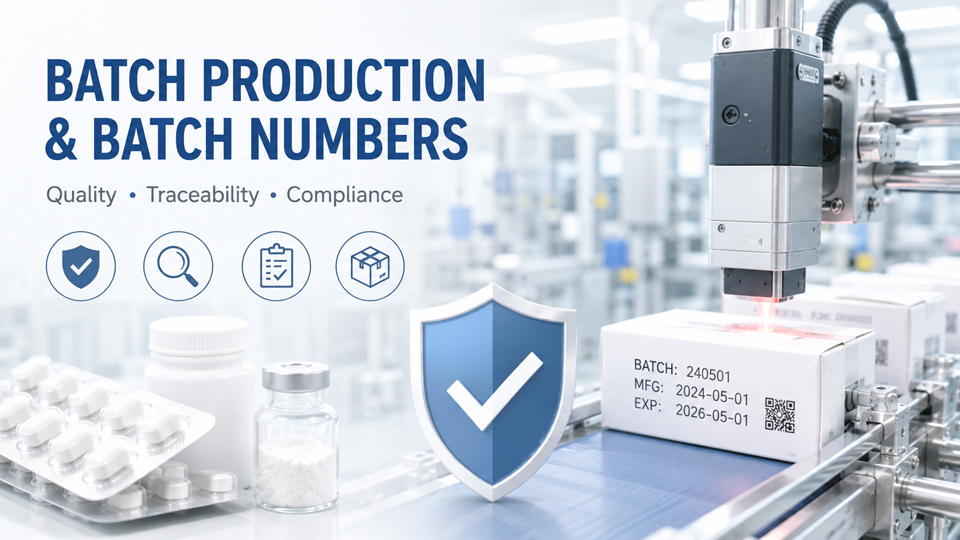
Trong ngành dược phẩm, Một “lô” thường đề cập đến một số lượng sản phẩm cụ thể được sản xuất trong một chu kỳ sản xuất - dựa trên cùng một hướng dẫn sản xuất - có các đặc tính chất lượng đồng nhất. Theo Mỹ. định nghĩa của FDA, Một “lô” là một lượng cụ thể của dược chất hoặc nguyên liệu dạng bào chế nhằm có chất lượng đồng đều.
Sản xuất hàng loạt có nghĩa là thực hiện một đặt số lượng của một sản phẩm trong một lần, sau đó bắt đầu đợt chạy mới cho đợt tiếp theo. Điều này liên quan đến việc xử lý nguyên liệu thô qua từng bước sản xuất (trộn, tạo hạt, nén, vân vân.) vì một đợt, hoàn thành tất cả các bước, sau đó vệ sinh thiết bị trước khi bắt đầu mẻ tiếp theo. Nó khác với sản xuất liên tục, nơi dòng không bao giờ dừng lại. Trong xử lý hàng loạt truyền thống, “Lô hiện tại phải hoàn thành trước khi có thể xử lý lô tiếp theo”.
Việc chạy theo lô đặc biệt phổ biến trong sản xuất dược phẩm vì nhiều công thức yêu cầu kiểm soát chặt chẽ và thỉnh thoảng phải làm sạch giữa các lô.. Mỗi lô sản xuất một số lượng đơn vị cố định - nói 100,000 máy tính bảng hoặc 50,000 viên nang. Bằng cách làm điều này, các công ty có thể điều chỉnh sản xuất theo nhu cầu và nhu cầu chất lượng. Ví dụ, nếu công thức máy tính bảng thay đổi hoặc khác máy tính bảng là cần thiết, mẻ mới bắt đầu tươi trong điều kiện được kiểm soát. Cách tiếp cận từng bước này giúp duy trì tính nhất quán.
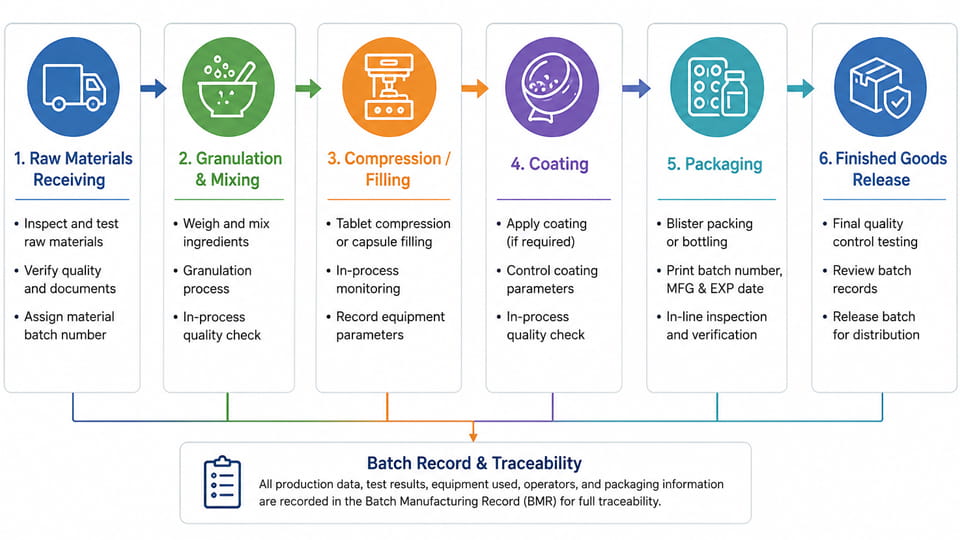
Nhân vật: Quy trình sản xuất hàng loạt đơn giản hóa trong sản xuất dược phẩm.
Trong thực tế, sau khi đóng viên nang hoặc nén viên thuốc, dòng thường dừng lại, được làm sạch, và đợt tiếp theo được bắt đầu. Đây là nền tảng của GMP, bởi vì nó ngăn chặn sự lây nhiễm chéo và cho phép kiểm tra từng lô riêng lẻ. Nếu có gì sai sót (nói rằng một bài kiểm tra trong phòng thí nghiệm thất bại), chỉ có lô đó là bị cô lập. Như một nguồn ghi chú trong ngành, “sử dụng sản xuất hàng loạt, các công ty dược phẩm có thể sản xuất số lượng sản phẩm cụ thể và sau đó điều chỉnh mức độ ưu tiên của họ theo nhu cầu thay đổi”.
MỘT số lô (đôi khi được gọi là số lô) là mã số duy nhất cấp cho một lô sản phẩm. Nó được đóng dấu hoặc in trên mỗi đơn vị (hoặc gói của nó) từ lô đó. Nói một cách đơn giản, số lô liên kết từng viên thuốc hoặc lọ thuốc với quy trình sản xuất chính xác. Theo các chuyên gia, “số lô là mã định danh duy nhất được gán cho một nhóm sản phẩm được sản xuất cùng nhau trong cùng điều kiện”. Một hướng dẫn ngành khác tóm tắt nó: một đợt là số lượng được sản xuất trong một lần chạy, và số lô xác định lần chạy đó.
Số lô trông như thế nào? Không có định dạng toàn cầu duy nhất - các công ty tạo ra mã hóa riêng của họ. Thông thường số lô bao gồm một số kết hợp của ngày, mã dòng hoặc mã nhà máy, và một trình tự. Ví dụ: B12345678-AB, trong đó “B” có thể là mã sản phẩm hoặc danh mục, các số là ID lô tuần tự, và “AB” có thể chỉ cây hoặc dây chuyền. Tương tự như vậy, một con số như TAB240501-001 có thể chia nhỏ thành “TAB” (mã sản phẩm máy tính bảng), “240501” (Có thể 1, 2024), và “001” (lô 1 trong ngày). Một ví dụ khác: CAP250318A03 có thể có nghĩa là Viên nang (mũ), ngày 25-03-18, dòng A, lô 03. Điều quan trọng là tính nhất quán: mỗi phần của mã đều có ý nghĩa.
Bất kể định dạng, số lô được ghi lại trong tất cả hồ sơ sản xuất. Của nó “được ghi lại một cách nhất quán và có hệ thống – từ sản xuất đến lưu trữ”. Thông thường nó được in trên cả bao bì chính (như một lọ thuốc) và trên bao bì thứ cấp (giống như một thùng carton hoặc hộp). Tóm lại, số lô là mối liên kết giữa sản phẩm trên kệ và lịch sử sản xuất của nó.
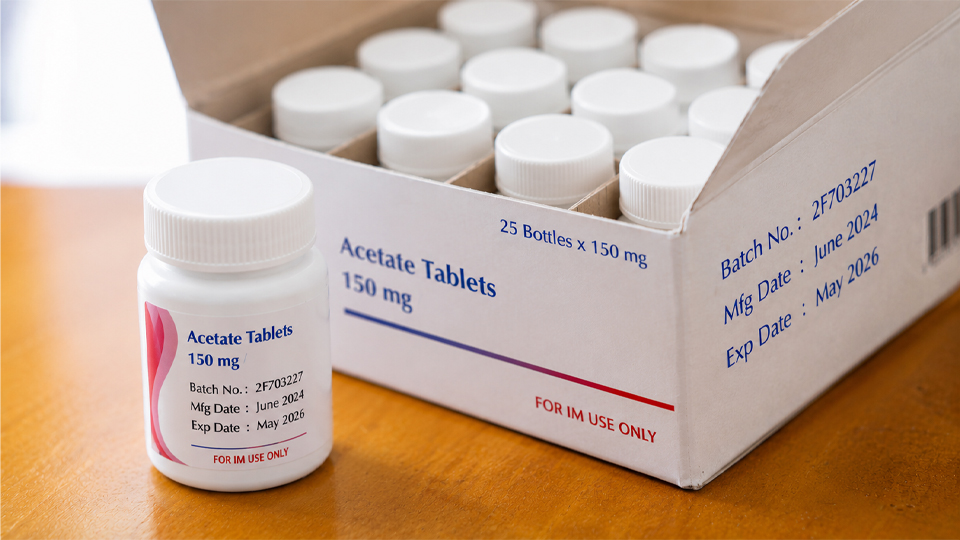
Việc có số lô có thể giống như một nhãn bổ sung, nhưng nó thực sự là một yêu cầu GMP và một công cụ chất lượng quan trọng. Các cơ quan quản lý trên toàn thế giới bắt buộc phải đánh số lô cho các sản phẩm dược phẩm. Ví dụ, quy định CGMP của FDA Hoa Kỳ (21 CFR 211.130) yêu cầu rõ ràng nhãn thuốc phải ghi số lô hoặc số lượng kiểm soát “cho phép xác định lịch sử sản xuất và kiểm soát lô hàng”. Nói cách khác, Mỗi loại thuốc bán ở Mỹ đều phải có một lô (nhiều) đánh số trên đó để có thể theo dõi toàn bộ lịch sử của nó. Tương tự, Hướng dẫn GMP của EU và PIC/S nêu rõ rằng mỗi lô phải được nhận dạng và ghi lại duy nhất để đảm bảo chất lượng sản phẩm và an toàn cho bệnh nhân.
Tại sao nó rất quan trọng? Chúng ta có thể nhóm các lý do thành truy xuất nguồn gốc, Tuân thủ, chất lượng, thu hồi, và điều tra:
Số lô là điểm neo truy xuất nguồn gốc. Họ tạo ra mối liên kết trực tiếp giữa thành phẩm và mọi thứ cần thiết để tạo ra nó. Với số lô, bạn có thể trả lời “nguyên liệu nào, toán tử, máy móc, và kết quả kiểm tra đã được đưa vào đợt này?”. Ví dụ, nếu một lô thuốc được đánh dấu BN12345, đội ngũ chất lượng biết chính xác số lô nguyên liệu nào đã được sử dụng (nói, API rất nhiều và tá dược rất nhiều), máy tính bảng nào đã được sử dụng, những người điều hành nào đang làm nhiệm vụ, và thậm chí cả kết quả của các cuộc kiểm tra trong quá trình và các cuộc kiểm tra QC cuối cùng. “Bsố atch phục vụ một mục đích cơ bản: truy xuất nguồn gốc”. Chúng cho phép bạn xác định chính xác vấn đề và xác minh từng bước từ đầu đến cuối. Tóm lại, mỗi số lô giống như một đường dẫn chi tiết trong quá trình sản xuất.
GMP dược phẩm (Thực hành sản xuất tốt) quy định yêu cầu khả năng truy xuất nguồn gốc này. Các cơ quan mong đợi rằng lịch sử của mỗi đợt được ghi lại. Ví dụ, tại EU GMP Q&MỘT, thanh tra lưu ý rằng lô sản phẩm lớn và thành phẩm phải được liên kết theo dõi (thường bằng cách sử dụng mã lô liên quan). Họ cảnh báo rằng việc có số lô không liên quan với số lượng lớn so với. gói cuối cùng là “không mong muốn” bởi vì nó có thể gây nhầm lẫn cho những nỗ lực thu hồi. Ở cấp độ cao hơn, Hướng dẫn của PIC/S nêu rõ rằng các công ty phải lưu giữ hồ sơ phân phối cho từng lô để bất kỳ lô nào cũng có thể được thu hồi nhanh chóng nếu cần. Tương tự như vậy, Tôi Q7A (cho API) nói “cần có một hệ thống để việc phân phối từng lô… có thể được xác định dễ dàng để cho phép thu hồi”. Nói cách khác, cơ quan quản lý mong đợi rằng số lô được gắn vào toàn bộ hệ thống hồ sơ GMP: hồ sơ sản xuất hàng loạt, hồ sơ đóng gói, nhật ký phân phối, vân vân. Không có số lô, việc đáp ứng những yêu cầu này là không thể.
Có số lô giúp việc kiểm soát chất lượng có tính hệ thống. Mỗi lô được kiểm tra dựa trên giá trị riêng của nó: xét nghiệm, giải tán, sự tinh khiết, vô trùng và như vậy. Nếu thử nghiệm thất bại, phòng thí nghiệm có thể nhanh chóng xác định lô theo số của nó và loại bỏ tất cả các đơn vị có mã đó. Như một hướng dẫn đã chỉ ra, “nếu phát hiện có vấn đề về chất lượng, lô bị ảnh hưởng có thể được phân lập và phân tích nhanh chóng để xác định và giải quyết nguyên nhân gốc rễ”. Trong thực tế, điều này có nghĩa là các kết quả không nhất quán hoặc không đạt tiêu chuẩn chỉ ảnh hưởng đến một đợt, không phải toàn bộ quá trình sản xuất. Số lô liên kết kết quả thử nghiệm không đạt với vật liệu lô thực tế. Cách tiếp cận này đảm bảo rằng các hành động khắc phục (như tái xử lý hoặc từ chối) chỉ áp dụng khi cần thiết, và không nhầm lẫn sang lô hàng tốt khác.
Số lô là không thể thiếu trong tình huống thu hồi. Nếu có mối lo ngại về an toàn – hãy nói, tạp chất được tìm thấy trong thử nghiệm trong phòng thí nghiệm hoặc các tác dụng phụ được bệnh nhân báo cáo – công ty cần xác định chính xác sản phẩm nào bị ảnh hưởng. Bởi vì mỗi hộp hoặc chai được vận chuyển đều có mã lô duy nhất, việc thu hồi chỉ có thể nhắm mục tiêu vào những đơn vị đó. Hướng dẫn của PIC/S cho biết hồ sơ phân phối cho mỗi lô phải được duy trì “để tạo điều kiện thuận lợi cho việc thu hồi”. Và các chuyên gia trong ngành lặp lại điều này: “Truy xuất nguồn gốc hàng loạt là điều cần thiết để đạt được hiệu quả thu hồi sản phẩm”. Xu hướng GMP cảnh báo rằng không có số lô duy nhất, việc thu hồi trở thành cơn ác mộng. Nếu hai sản phẩm khác nhau có chung số lô, bạn có thể phải rút ra khỏi thị trường nhiều hơn mức cần thiết, có nguy cơ gây tổn hại cho bệnh nhân hoặc hậu quả pháp lý. Với mã hóa hàng loạt thích hợp, chỉ lô có vấn đề mới bị thu hồi, tiết kiệm thời gian, chi phí và lo lắng. “Thay vì thu hồi tất cả các sản phẩm, chỉ những lô bị ảnh hưởng mới cần phải rút lại” trong một đợt thu hồi có mục tiêu.
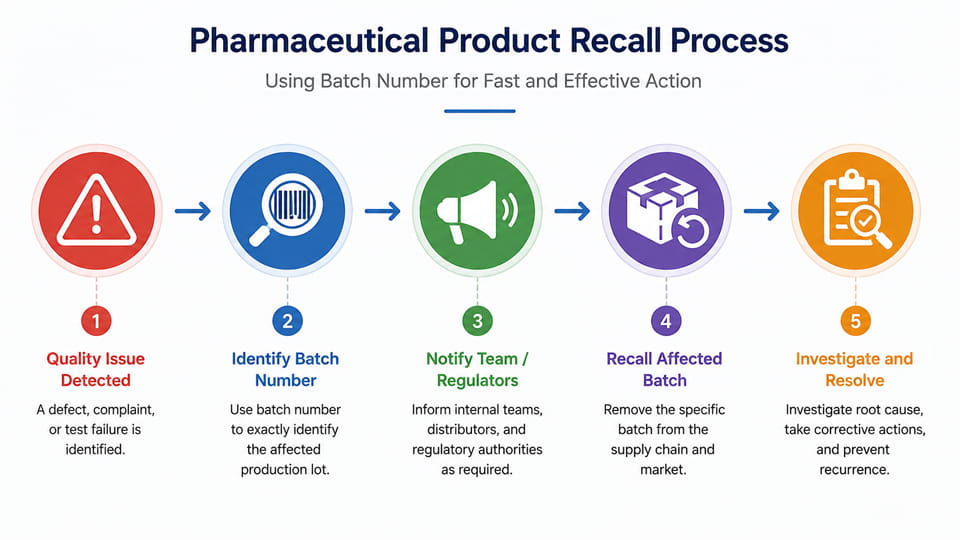
Nhân vật: Quy trình thu hồi sản phẩm được đơn giản hóa bằng cách sử dụng số lô.
Bất cứ khi nào có điều gì không ổn – cho dù đó là khiếu nại của khách hàng, một sự sai lệch, hoặc thử nghiệm thất bại – số lô giúp việc điều tra trở nên đơn giản. Đội ngũ chất lượng có thể theo dõi lại tất cả các khía cạnh của lô đó. Họ biết chính xác Ai xử lý nó, khi Và Ở đâu nó đã được thực hiện, Và vật liệu gì đã được sử dụng. “Ai đã sản xuất ra một sản phẩm, khi nó được sản xuất, nó được sản xuất ở đâu, những máy móc và nguyên liệu thô nào đã được sử dụng”. Thông tin này có nghĩa là bạn không cần phải đoán. Ví dụ, nếu một độ cứng của máy tính bảng kiểm tra thất bại, QA có thể kiểm tra xem lô cụ thể đó có độ ẩm tạo hạt khác hay tốc độ ép khác không. Nói cách khác, số lô loại bỏ các điểm mù và tăng tốc độ phân tích nguyên nhân gốc rễ.
Tóm lại, số lô được yêu cầu bởi cơ quan quản lý (FDA, EMA/PIC/S, AI) bởi vì họ đảm bảo truy xuất nguồn gốc và kiểm soát đầy đủ của mỗi lô sản xuất. Họ trực tiếp hỗ trợ việc tuân thủ GMP, đảm bảo chất lượng, và an toàn, thu hồi hiệu quả. Trong thực tế, trong các ngành được quản lý như dược phẩm, đánh số lô không phải là tùy chọn – đó là một yêu cầu pháp lý. Nếu nhà sản xuất không thể tìm ra lỗi trong lô hàng của mình, cơ quan quản lý có thể áp dụng các hình phạt và việc thu hồi có thể trở nên rộng khắp một cách thảm hại.
Trong nhiều ngành công nghiệp, các điều khoản số lô Và số lô thường được sử dụng thay thế cho nhau. Trong dược phẩm, “số lô” phổ biến hơn (gắn liền với GMP và hồ sơ lô), nhưng khái niệm này tương tự. Sự khác biệt chính là phạm vi:
| Số lô | Số lô | |
| Sự định nghĩa | Xác định một đợt sản xuất đơn lẻ của một sản phẩm theo một tập hợp các điều kiện. | Thường đề cập đến một nhóm lớn hơn có thể bao gồm nhiều đợt chia sẻ cùng một công thức hoặc khung thời gian. |
| Công nghiệp sử dụng | Tiêu chuẩn trong dược phẩm (và sinh học) để sản xuất hàng loạt và thử nghiệm phát hành. | Thường gặp trong thực phẩm, Mỹ phẩm, vân vân.; đôi khi được sử dụng trong dược phẩm, nhưng có thể bao gồm nhiều lô. |
| Truy xuất nguồn gốc | Gắn liền với lịch sử chi tiết của một đợt (nguyên vật liệu, thiết bị, hồ sơ). | Liên kết với nhau nhiều đợt, thường để nhóm trong lấy mẫu hoặc QA, thay vì theo dõi chi tiết. |
| Ví dụ | Lô #001 để chạy vào tháng Giêng 1, 2024 của một viên thuốc kháng sinh (một lần chạy). | Nhiều 202401 có thể bao gồm Lô #001 Và #002 của cùng loại thuốc kháng sinh được sản xuất vào tháng 1 2024. |
MỘT số lô thường đề cập đến một hoạt động sản xuất cụ thể, trong khi đó một số lô có thể bao gồm nhiều lần chạy được thực hiện trong các điều kiện tương tự. Trong thực tế, một số công ty sử dụng chúng đồng nghĩa. Nhưng trong điều kiện nghiêm ngặt của GMP, mỗi lô có hồ sơ và số riêng. Nhiều văn bản quy định (như FDA và PIC/S) thực sự đề cập đến lô hoặc số lô cùng nhau, thừa nhận chúng giống nhau về mặt chức năng cho mục đích truy xuất nguồn gốc.
Số lô có thể trông giống như sự kết hợp đơn giản của các chữ cái và số, nhưng đằng sau nó là một hệ thống nhận dạng được thiết kế cẩn thận. Mỗi công ty dược phẩm thiết lập các quy tắc đánh số riêng của mình thông qua Quy trình vận hành tiêu chuẩn nội bộ (SOPS), đảm bảo rằng không có hai lô sản xuất nào nhận được cùng một mã định danh.
Một số lô điển hình thường kết hợp nhiều thông tin sản xuất. Ví dụ:
TAB-240501-001
Thay vì là những ký tự ngẫu nhiên, mỗi phần mang ý nghĩa cụ thể. “TAB” có thể đại diện cho một sản phẩm máy tính bảng, “240501” cho biết ngày sản xuất, trong khi “001” xác định lô sản xuất đầu tiên được hoàn thành vào ngày đó.
Một số nhà sản xuất còn đưa thêm các mã nhận dạng bổ sung như dây chuyền sản xuất, hội thảo, hoặc ca. Nhà sản xuất viên nang, ví dụ, có thể tạo ra một số lô như CAP-250318-B02, Ở đâu “B” đề cập đến Dây chuyền sản xuất B và “02” đại diện cho lô thứ hai được sản xuất trong ca đó.
Định dạng chính xác thay đổi từ công ty này sang công ty khác, nhưng mọi hệ thống đánh số lô hiệu quả đều tuân theo ba nguyên tắc cơ bản:
Những nguyên tắc này cho phép nhà sản xuất truy xuất toàn bộ lịch sử sản xuất của bất kỳ sản phẩm nào trong vòng vài phút, đó chính xác là những gì thanh tra cơ quan mong đợi trong quá trình kiểm tra GMP.
Toàn bộ quá trình sản xuất cho mỗi lô phải được ghi lại trong hồ sơ Hồ sơ sản xuất hàng loạt (BPR), còn được gọi là một Hồ sơ sản xuất hàng loạt (BMR). Những hồ sơ này đóng vai trò là nhật ký sản xuất cho từng lô, chứng minh rằng sản phẩm được sản xuất theo công thức đã được phê duyệt, hướng dẫn sản xuất, và yêu cầu của GMP. Theo quy định của FDA, Hồ sơ kiểm nghiệm và sản xuất lô phải được lập cho mỗi lô sản phẩm thuốc và bao gồm thông tin sản xuất và kiểm soát đầy đủ..
Một BPR điển hình bao gồm:
Các số lô xuất hiện trong toàn bộ BPR và đóng vai trò là mã định danh chính liên kết tất cả hồ sơ sản xuất với nhau. Sau khi sản xuất hoàn thành, BPR phải được Cơ quan Đảm bảo Chất lượng xem xét và phê duyệt (QA) bộ phận trước khi lô có thể được phát hành. Trong quá trình kiểm tra GMP, cơ quan quản lý xác minh cẩn thận rằng thông tin ghi trong BPR khớp với số lô in trên thành phẩm. Hệ thống hồ sơ lô toàn diện cho phép nhà sản xuất nhanh chóng truy xuất hồ sơ sản xuất, kết quả thí nghiệm, và phân phối thông tin bất cứ khi nào điều tra chất lượng, khiếu nại của khách hàng, hoặc thu hồi sản phẩm xảy ra, làm cho nó trở thành một trong những nền tảng của quản lý chất lượng dược phẩm hiện đại.
Dây chuyền đóng gói dược phẩm hiện đại thường được tích hợp hệ thống kiểm tra và mã hóa tự động. tự động in và xác minh số lô trong suốt quá trình đóng gói. Tùy thuộc vào hình thức đóng gói, các loại thiết bị khác nhau áp dụng thông tin lô theo những cách khác nhau:
Giải pháp đóng gói dược phẩm chìa khóa trao tay của Jinlu Packaging tích hợp mã hóa, điều tra, và tự động hóa thành một dây chuyền sản xuất duy nhất. Ví dụ, một dây chuyền đóng gói vỉ có thể tự động in một nhãn hiệu duy nhất số lô và mã QR trên mỗi vỉ trong khi hệ thống kiểm tra trực quan nội tuyến ngay lập tức xác minh chất lượng và độ chính xác của bản in. Việc xác minh tự động này giúp giảm đáng kể lỗi của con người đồng thời cải thiện khả năng truy xuất nguồn gốc sản phẩm và tính toàn vẹn dữ liệu.
Tóm lại, một loạt các thiết bị đóng gói dược phẩm—bao gồm máy tính bảng ấn, Máy làm đầy viên nang, máy đóng gói vỉ, dây chuyền đóng gói chai, máy dán nhãn, Và máy đóng thùng—có thể được tích hợp với hệ thống mã hóa in phun hoặc laser để in số lô và thông tin truy xuất nguồn gốc khác trên bao bì sơ cấp hoặc thứ cấp. Bằng cách tự động quản lý số lô, các nhà sản xuất dược phẩm có thể nâng cao hiệu quả sản xuất, tăng cường truy xuất nguồn gốc sản phẩm, và đảm bảo tuân thủ các yêu cầu GMP toàn cầu.
Tóm lại, sản xuất hàng loạt và đánh số lô là xương sống của sự an toàn, sản xuất dược phẩm đạt tiêu chuẩn. Họ giúp các công ty sản xuất thuốc một cách tự tin – biết rằng họ luôn có thể truy tìm và cô lập mọi vấn đề. Sản xuất hàng loạt đảm bảo chất lượng đồng đều và kiểm soát riêng biệt, trong khi số lô cung cấp điểm neo theo dõi. Cùng nhau, họ đáp ứng các quy định của GMP và bảo vệ sự an toàn của bệnh nhân. Giải pháp thay thế – sản xuất không có lô hoặc số lượng rõ ràng – hầu như không thể tưởng tượng được trong môi trường được quản lý.
Đối với dược phẩm, đầu tư vào máy móc đóng gói có năng lực cũng là đầu tư vào truy xuất nguồn gốc. Lập trình viên của Jinlu Packing, máy dán nhãn, Thùng carton và hệ thống kiểm tra được xây dựng dựa trên tiêu chuẩn GMP - đảm bảo mọi đơn vị đều mang thông tin lô chính xác. Để đảm bảo lô tiếp theo của bạn được an toàn, tuân thủ và có đầy đủ tài liệu, coi như giải pháp chìa khóa trao tay tích hợp mã hóa hàng loạt và truy xuất nguồn gốc tự động.
Sẵn sàng cải thiện khả năng truy xuất nguồn gốc của bạn? Khám phá đầy đủ các sản phẩm của Jinlu Packing máy đóng gói dược phẩm – từ máy mã hóa lô và máy dán nhãn đến máy đóng thùng carton và kiểm tra trực quan – được thiết kế để in, xác minh, và ghi lại số lô của bạn một cách hoàn hảo. Liên hệ với Jinlu để thảo luận về cách xây dựng dây chuyền đóng gói đảm bảo mọi lô hàng đều đúng tiến độ.
Số lô (hoặc số lô) là mã duy nhất cấp cho một đợt sản xuất thuốc. Nó xác định tất cả các đơn vị được thực hiện cùng nhau trong cùng điều kiện. Mã liên kết sản phẩm đó với hồ sơ sản xuất của nó (thành phần, quá trình, kiểm tra). Thiết yếu, đó là thẻ ID cho một lô thuốc.
Số lô cho phép truy xuất nguồn gốc. Nếu có bất kỳ vấn đề về chất lượng hoặc an toàn nào phát sinh, các công ty và cơ quan quản lý có thể nhanh chóng theo dõi lô hàng đó qua từng bước – nguyên liệu thô, thiết bị, toán tử, kết quả kiểm tra, phân bổ, vân vân. Điều này được yêu cầu bởi các quy tắc của GMP và giúp chỉ có thể thu hồi lô bị ảnh hưởng thay vì tất cả.
Trong dược phẩm, chúng thường được sử dụng thay thế cho nhau, nhưng đôi khi có sắc thái. Số lô thường đề cập đến một đợt sản xuất cụ thể. Số lô đôi khi có thể đề cập đến một nhóm các lô được sản xuất trong các điều kiện tương tự. Nhiều nhà sản xuất coi chúng là từ đồng nghĩa, nhưng điều quan trọng là tính nhất quán trong tài liệu của bạn.
Sản xuất hàng loạt có nghĩa là sản xuất một số lượng sản phẩm hữu hạn trong một lần. Mỗi lô đều trải qua quá trình sản xuất đầy đủ, sau đó được hoàn thành trước khi bắt đầu việc tiếp theo. Đó là cách truyền thống của máy tính bảng, viên nang, vân vân. được thực hiện – từng bước – trái ngược với quy trình dòng chảy liên tục.
Các công ty tạo số lô bằng định dạng đã đặt. Các yếu tố phổ biến bao gồm một ngày (VÍ DỤ., YYMMDD), mã sản phẩm hoặc nhà máy, nhận dạng ca hoặc dòng, và một số thứ tự. Ví dụ, “TAB240501-001” có thể có nghĩa là máy tính bảng từ 2024-05-01, lô 001. Một số thêm chữ cái để biết thêm thông tin. Định dạng chính xác khác nhau, nhưng nó được xác định trong hệ thống chất lượng và được sử dụng nhất quán.
Tùy thuộc vào kế hoạch của công ty bạn, số lô có thể mã hóa những thứ như ngày sản xuất, mã sản phẩm, dây chuyền thiết bị, sự dịch chuyển và trình tự. Mục đích là làm cho lô hàng có thể được nhận dạng duy nhất. Ví dụ, Yaveon giải thích rằng trong một mã như B12345678-AB, “B” có thể chỉ loại sản phẩm, “12345678” lô cụ thể, và “AB” trang web hoặc dòng.
Truy xuất nguồn gốc có nghĩa là bạn có thể theo dõi hành trình của sản phẩm thông qua quá trình sản xuất. Nó rất quan trọng đối với sự an toàn của bệnh nhân và tuân thủ quy định. Nếu vấn đề an toàn thuốc xuất hiện, bạn phải biết lô nào có thể bị ảnh hưởng. Truy xuất nguồn gốc cho phép bạn trả lời, “Lô nào dùng nguyên liệu đó?” và “Đơn vị nào đi thị trường nào?“Không có nó, các công ty không thể tiến hành thu hồi hoặc điều tra chính xác. Các cơ quan quản lý bắt buộc phải truy xuất nguồn gốc trong GMP vì lý do chính xác này.
Nếu phát hiện sai sót hoặc ô nhiễm trong thuốc, công ty sử dụng hồ sơ lô để tìm ra đơn vị sản phẩm nào bị ảnh hưởng. Họ thông báo cho cơ quan quản lý, sau đó hướng dẫn người bán buôn và nhà thuốc trả lại hoặc cách ly số lô bị ảnh hưởng. Vì số lô, chỉ có lô xấu được kéo. Đây là lý do tại sao chúng tôi lưu giữ hồ sơ phân phối “cho từng lô…để tạo điều kiện thuận lợi cho việc thu hồi”. Sau khi lấy sản phẩm ra, QA điều tra nguyên nhân gốc rễ để ngăn ngừa tái diễn.
BMR (còn được gọi là Hồ sơ sản xuất hàng loạt) là nhật ký chi tiết về mọi việc được thực hiện trong quá trình sản xuất một lô. Nó bao gồm tên sản phẩm, số lô, công thức, thiết bị được sử dụng, tên các nhà khai thác, dấu thời gian, và tất cả các kết quả kiểm tra. GMP yêu cầu BMR liệt kê “tên, số lô của sản phẩm”. BMR thực chất là “giấy khai sinh” của một lô hàng.
Sản xuất hàng loạt mang đến sự linh hoạt cho các nhà máy sản xuất nhiều sản phẩm và tài liệu đơn giản hơn cho mỗi lần vận hành. Việc xác thực và xác nhận quy trình theo từng giai đoạn sẽ dễ dàng hơn. Nếu một vấn đề được tìm thấy muộn trong một đợt, toàn bộ lô có thể được loại bỏ mà không ảnh hưởng đến các sản phẩm khác. Sản xuất liên tục mang lại lợi ích về hiệu quả nhưng thường đòi hỏi đầu tư lớn và kiểm soát chặt chẽ. Nhiều công ty dược phẩm vẫn dựa vào chế độ hàng loạt, đặc biệt đối với quy mô nhỏ hơn hoặc thuốc chuyên dụng.
Tài liệu tham khảo:
1.Sản xuất hàng loạt\Số lô—— Wikipedia
2.Câu hỏi và Câu trả lời về các Yêu cầu Thực hành Sản xuất Tốt Hiện tại—Hồ sơ và Báo cáo -- CHÚNG TA. Cục Quản lý Thực phẩm và Dược phẩm
3.21 CFR § 211.188 – Hồ sơ sản xuất và kiểm soát lô. --- Viện thông tin pháp luật
4.Q7A Hướng dẫn thực hành sản xuất tốt cho hoạt chất dược phẩm -- CHÚNG TA. Cục Quản lý Thực phẩm và Dược phẩm