
Thiết bị đóng gói dược phẩm phải đáp ứng các tiêu chuẩn nghiêm ngặt về chất lượng và an toàn. Sự thất bại của nhà cung cấp có thể dẫn đến thu hồi sản phẩm hoặc hành động quản lý. Trình độ nhà cung cấp là một quy trình quản lý rủi ro mang lại “niềm tin rằng các nhà cung cấp…có thể cung cấp chất lượng ổn định tuân thủ các yêu cầu quy định”. Trong thực tế, Hướng dẫn GMP của EU nêu rõ rằng việc lựa chọn và duy trì các nhà cung cấp nguyên liệu đóng gói đòi hỏi phải có sự chú ý “tương tự như đối với nguyên liệu ban đầu”. Sự thẩm định – không chỉ là so sánh chi phí – là điều cần thiết. Kiểm tra trước nhà cung cấp để đảm bảo máy móc đáp ứng tiêu chuẩn cGMP (lớp vật liệu, sự sạch sẽ, hỗ trợ xác nhận) và nhà cung cấp có thể hỗ trợ liên tục cho dự án của bạn.
Các yếu tố chính bao gồm việc tuân thủ quy định (FDA, EU GMP), chất lượng thiết kế và xây dựng (ví dụ. 316Chế tạo thép không gỉ L), hệ thống chất lượng nhà cung cấp (ISO 9001/13485, quy trình CAPA), tài liệu (giao thức xác nhận), dung tích, dịch vụ, và giá trị lâu dài. Hướng dẫn này chia nhỏ từng bước:
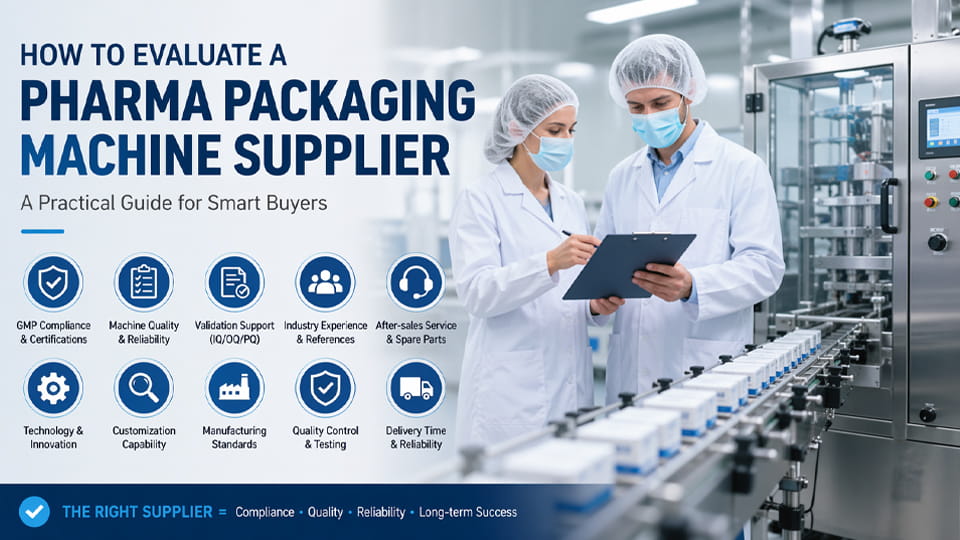
Để lựa chọn một nơi đáng tin cậy nhà cung cấp máy đóng gói dược phẩm, làm theo các bước sau:
Phác thảo rõ ràng nhu cầu quy trình của bạn (đầu ra, các loại bao bì, định dạng) và tiêu chí chất lượng (vệ sinh GMP, khả năng tương thích phòng sạch). Xác định bất kỳ tùy chọn đặc biệt nào (ví dụ. thiết kế vô trùng, lắp đặt phòng sạch, vật liệu cấp dược phẩm). Việc có các yêu cầu chính xác cho phép bạn so sánh các nhà cung cấp trên cơ sở tương tự. Xem xét phạm vi dự án: toàn bộ dây chuyền hoặc máy riêng lẻ, bán vs. Hoàn toàn tự động, vật liệu đặc biệt (316L Thép không gỉ, Nhựa được FDA chấp thuận), và mọi thông số hiệu suất (tốc độ, sự chính xác). Thu hút QA của bạn, đội ngũ kỹ thuật và sản xuất để nắm bắt trước mọi nhu cầu. Nhà cung cấp thường yêu cầu yêu cầu của người dùng trong đề xuất của họ, vì vậy một bảng thông số kỹ thuật bằng văn bản hoặc gói yêu cầu báo giá là cần thiết.
Việc tuân thủ quy định là không thể thương lượng. Đảm bảo thiết bị và tài liệu của nhà cung cấp đáp ứng cGMP (FDA) hoặc tiêu chuẩn EU-GMP. Ví dụ, Quy định về hệ thống chất lượng của FDA (21 CFR 820) và ISO 11607 (để đóng gói vô trùng) yêu cầu các quy trình đóng gói phải được xác nhận theo các giao thức IQ/OQ/PQ. Yêu cầu chứng nhận hợp quy (Dấu CE, FDA 510(k) nếu có liên quan), và kiểm tra xem quy trình của nhà cung cấp có phù hợp với các tiêu chuẩn như ISO không 13485 hoặc ISO 9001. Chứng nhận GMP của nhà cung cấp hoặc hồ sơ thành tích tốt trong lĩnh vực dược phẩm thể hiện cam kết tuân thủ. Xác minh rằng thiết kế máy tuân theo các nguyên tắc GMP (ví dụ. không có không gian chết, bề mặt dễ lau chùi, hoàn thiện vệ sinh). Theo hướng dẫn của ngành, máy dược phẩm nên sử dụng thép không gỉ 316L được đánh bóng và thụ động thích hợp để chống ăn mòn và dễ dàng vệ sinh – điều mà người kiểm tra chi tiết sẽ mong đợi. (Nếu nhà cung cấp sử dụng vật liệu rẻ hơn, đó là một lá cờ đỏ.) Đồng thời xác nhận quy trình truy xuất nguồn gốc vật liệu và tài liệu: tất cả các bộ phận và mối hàn phải được ghi lại theo hướng dẫn của ASME BPE hoặc FDA.
Kiểm tra chi tiết kết cấu máy. chất lượng cao thiết bị đóng gói dược phẩm sẽ có một thiết kế chắc chắn, khung chắc chắn, vệ sinh, và các thành phần mô-đun. Tìm kiếm các tính năng như: thiết bị truyền động điều khiển bằng servo (cho độ chính xác), khóa liên động an toàn đã được xác nhận, và chất bôi trơn cấp thực phẩm/dược phẩm (NSF hoặc FDA đã được phê duyệt). Kiểm tra xem các bộ phận tiếp xúc có phải là loại cao cấp không (316L không gỉ, được đánh bóng bằng điện hoặc thụ động). Đánh giá kỹ thuật của họ: mối hàn có mịn không? Các đường nối và cảm biến có thẳng hàng không? So sánh máy của nhiều nhà cung cấp để phát hiện những sai sót rõ ràng (thành phần lỏng lẻo, băng tải sai lệch, đốm rỉ sét). Nhiều công ty liệt kê các tính năng của GMP trong tài liệu quảng cáo; xác minh chúng về mặt vật lý nếu có thể. Trong giai đoạn này, kiểm tra của bên thứ ba hoặc nhân chứng vận hành nhà máy (video giới thiệu) có thể giúp đánh giá chất lượng xây dựng.
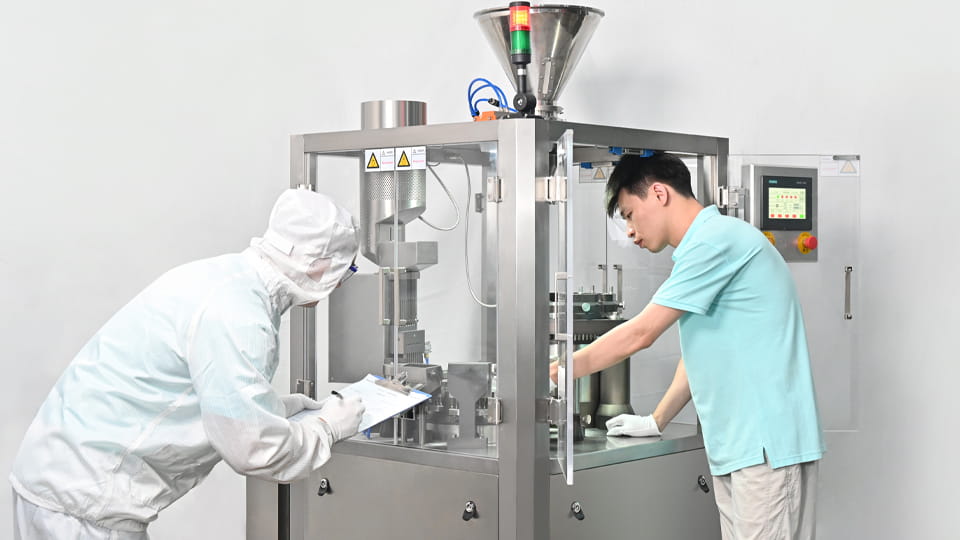
Hình ảnh: Kiểm tra kiểm soát chất lượng trên máy dược phẩm.
Nhà cung cấp uy tín sẽ có Hệ thống quản lý chất lượng được ghi chép đầy đủ (QMS). Ưu tiên nhà cung cấp có ISO 9001 chứng nhận; nếu họ phục vụ y tế/dược phẩm, ISO 13485 là một phần thưởng. Đối với ISO 13485:2016, nhà sản xuất phải lựa chọn và đánh giá cẩn thận các nhà cung cấp để đáp ứng các tiêu chuẩn chất lượng và quy định nghiêm ngặt. Kiểm tra xem nhà cung cấp có duy trì “Danh sách các nhà cung cấp đủ tiêu chuẩn” hay không và thực hiện kiểm tra nhà cung cấp thường xuyên. Yêu cầu xem sổ tay hướng dẫn chất lượng hoặc phác thảo quy trình. Nhà cung cấp phải có CAPA mạnh mẽ (Hành động khắc phục và phòng ngừa) quá trình. Ví dụ, nếu nhà cung cấp ghi lại sự cố, điều tra nguyên nhân gốc rễ và thực hiện các biện pháp khắc phục, điều đó cho thấy QMS đã trưởng thành. Hướng dẫn của ngành lưu ý rằng nếu phát sinh vấn đề về hiệu suất, các nhà sản xuất “được mong đợi thực hiện các hành động khắc phục thích hợp,” thậm chí đến mức phải thay thế nhà cung cấp. Hỏi nhà cung cấp cách họ xử lý những điểm không phù hợp hoặc lỗi tại hiện trường: họ có cơ chế kiểm soát thay đổi nội bộ và đăng ký CAPA không? Các quy trình được ghi lại để kiểm soát phụ tùng và truy xuất nguồn gốc cũng rất quan trọng. Nếu nhà cung cấp không có QMS chính thức hoặc né tránh các câu hỏi về chất lượng, coi đó là một mối quan tâm nghiêm trọng.
Tìm kiếm nhà cung cấp có kinh nghiệm đóng gói dược phẩm đã được chứng minh. Hỏi họ đã chế tạo máy dược phẩm được bao lâu và lấy ví dụ (không vi phạm bí mật). Nghiên cứu trường hợp hoặc danh sách khách hàng có thể tiết lộ chuyên môn (xem logo “Khách hàng của chúng tôi” của các công ty dược phẩm nổi tiếng). Đánh giá phạm vi sản phẩm của họ: một nhà sản xuất tập trung vào dược phẩm (mụn rộp, gói, dòng lọ) có nhiều khả năng hiểu nhu cầu của bạn hơn một nhà cung cấp bao bì chung chung. Yêu cầu tài liệu tham khảo hoặc ít nhất là lời chứng thực từ khách hàng gần đây, đặc biệt là trong khu vực hoặc ngành của bạn. Hỏi về các dự án trước đây: Họ có đáp ứng được thông số kỹ thuật không? Tài liệu xác nhận đã hoàn tất chưa? Mọi vấn đề về mọc răng được giải quyết nhanh chóng như thế nào? Sự sẵn sàng chia sẻ thành công của nhà cung cấp (và bài học rút ra) thể hiện sự minh bạch.
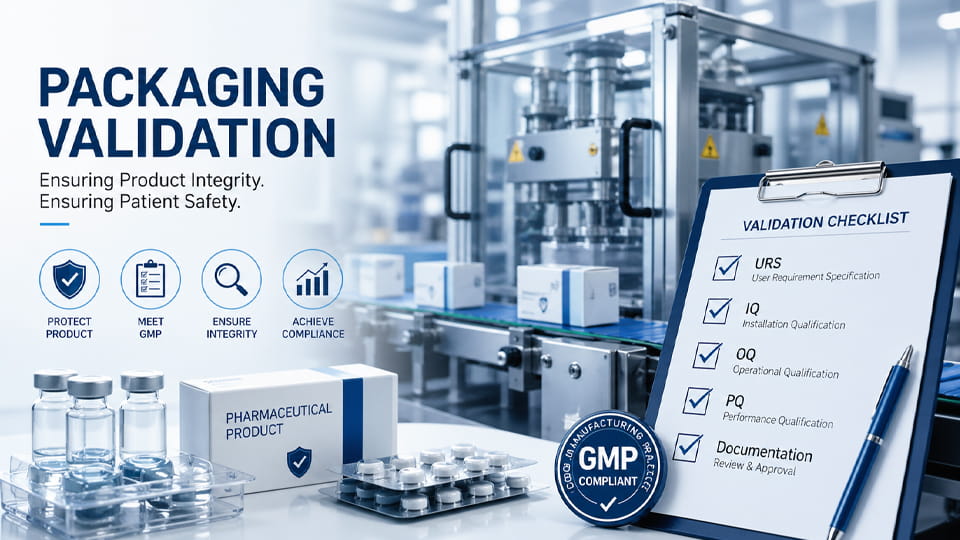
Bất kỳ thiết bị dược phẩm nào cũng phải được giao kèm theo tài liệu kỹ lưỡng cho nhóm xác nhận của bạn. Xác nhận nhà cung cấp cung cấp đầy đủ Giao thức IQ/OQ/PQ, hướng dẫn sử dụng, và giấy chứng nhận hiệu chuẩn. Trình độ lắp đặt (chỉ số IQ) đảm bảo máy được chế tạo và lắp đặt theo thông số kỹ thuật; Trình độ chuyên môn hoạt động (OQ) kiểm tra các thông số chức năng; Trình độ chuyên môn (PQ) xác nhận chất lượng đầu ra. Theo hướng dẫn của FDA, “Chỉ số IQ, OQ, Các giao thức PQ là các phương pháp chứng minh rằng thiết bị…sẽ mang lại mức độ đảm bảo chất lượng cao”. Đảm bảo nhà cung cấp sẽ hỗ trợ các bước này. Chúng có bao gồm các mẫu cho IQ/OQ/PQ không? Họ sẽ chứng kiến quá trình chạy thử? Các nhà cung cấp tốt thường hỗ trợ soạn thảo quy trình hoặc thậm chí thực hiện các thử nghiệm tại chỗ. Đồng thời xác minh tài liệu như BOM (hóa đơn vật liệu), sơ đồ nối dây, và giấy chứng nhận vật liệu (cho thép không gỉ, ổ đĩa, vân vân.) được cung cấp. Tất cả tài liệu phải có thể truy nguyên được – lý tưởng nhất là ở định dạng kỹ thuật số – và được cập nhật liên tục (đặc biệt nếu một thiết kế đã được sửa đổi trong quá trình sản xuất). Không có tài liệu vững chắc, nhóm xác nhận của bạn không thể chính thức phê duyệt máy.
Vấn đề năng lực. Hỏi về khả năng sản xuất của nhà cung cấp và tồn đọng hiện tại. Họ có thể đáp ứng dòng thời gian của bạn mà không cần cắt góc không? Lớn, các nhà máy bận rộn có thể có thời gian thực hiện kéo dài hoặc đẩy các đơn đặt hàng gấp. Một nhà cung cấp đáng tin cậy sẽ đưa ra lịch trình giao hàng thực tế (dành thời gian cho công cụ, thử nghiệm và vận chuyển). Kiểm tra vốn lưu động hoặc hoạt động ký gửi hàng tồn kho của họ: họ có sẵn những bộ phận quan trọng để rút ngắn thời gian quay vòng không? Một số nhà cung cấp duy trì kho mẫu tiêu chuẩn để giao hàng nhanh chóng. sự đánh đổi: thời gian thực hiện dài hơn một chút có thể được chấp nhận đối với chất lượng cao hơn. Chỉ cần đảm bảo bạn hiểu điều gì thúc đẩy chi phí - ví dụ:, vận chuyển nước ngoài vs. vận chuyển hàng không nhanh. Đồng thời xác nhận kế hoạch bảo hiểm vận chuyển và hậu cần: ai xử lý hải quan, có kiểm tra trước khi giao hàng không?
Dịch vụ có thể thực hiện hoặc phá vỡ các hoạt động. Một nhà cung cấp tốt cung cấp đào tạo, phụ tùng thay thế, và hỗ trợ kịp thời sau khi mua hàng. Làm rõ các điều khoản bảo hành (khoảng thời gian, bảo hiểm) – JinLuĐóng gói, Ví dụ, cung cấp bảo hành 3 năm cho máy đóng thùng. Hỏi cách họ xử lý sự cố: Có hỗ trợ địa phương hoặc dịch vụ tại chỗ không? 24/7 đường dây nóng? Các phụ tùng thay thế có được dự trữ trong khu vực không? Xem xét Thỏa thuận cấp độ dịch vụ (SLA). Cũng, hỏi về các bản cập nhật phần mềm hoặc hệ thống điều khiển: các tùy chọn hoặc cải tiến mới có tương thích ngược không? Bao gồm vận hành và đào tạo tại chỗ là một lợi thế. Mạng lưới dịch vụ của nhà cung cấp (nhà phân phối hoặc văn phòng) quan trọng đối với khách hàng toàn cầu. Cuối cùng, chọn một nhà cung cấp luôn gắn bó sau khi giao hàng – một nhà cung cấp sẽ phản ứng nhanh chóng với các vấn đề tại hiện trường và chủ động ngăn chặn những vấn đề trong tương lai.
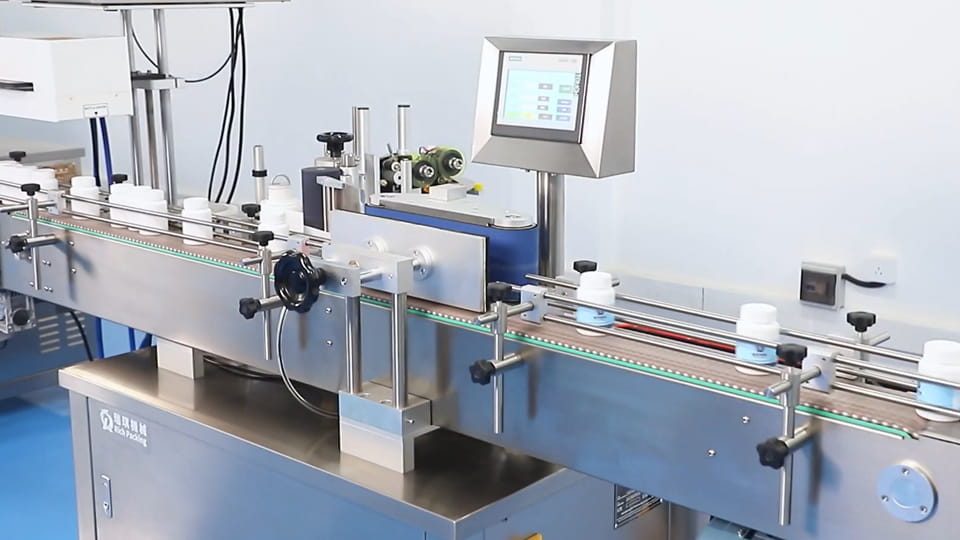
Hình ảnh: Hệ thống băng tải trong nhà máy sản xuất sạch.
Nhìn thấy là tin tưởng. Kiểm tra nhà máy của nhà cung cấp hoặc sắp xếp một chuyến tham quan ảo. Các điểm kiểm tra chính: sự sạch sẽ (khu vực đặc biệt quan trọng), cách trình bày (luồng logic, tách biệt chế tạo/lắp ráp), và thực hành tài liệu (SOP có được nhìn thấy không?). Kiểm tra xem phòng thí nghiệm hiệu chuẩn và giàn thử nghiệm có tại chỗ không. Đánh giá việc kiểm soát hàng tồn kho và các biện pháp đảm bảo sức khỏe/an toàn. Hỏi về đào tạo nhân viên và doanh thu; nhân viên giàu kinh nghiệm là một dấu hiệu tốt. Nếu có thể, mang theo danh sách kiểm tra và kiểm tra một trong các máy của họ trên dây chuyền. Họ có đáp ứng được việc kiểm tra chất lượng của chính họ không? Đồng thời xem xét mọi chứng nhận (Chứng chỉ ISO, FDA 510(k), CN, vân vân.) được trưng bày. Kiểm toán xây dựng niềm tin: một nhà cung cấp chào đón chuyến thăm của bạn thể hiện sự tin tưởng vào quy trình của họ. Nhớ chuẩn bị trước câu hỏi và ghi chép hoặc chụp ảnh (với sự cho phép). Quá trình kiểm tra phải xác nhận lựa chọn của bạn hoặc tiết lộ các vấn đề cần khắc phục trước khi tiếp tục.
Cuối cùng, so sánh các đề xuất một cách tổng thể. Giá thầu thấp nhất không phải lúc nào cũng tốt nhất – hãy xem xét chi phí và giá trị dài hạn. Tính tổng chi phí sở hữu (TCO): giá ban đầu + cài đặt + trình độ chuyên môn + nguy cơ ngừng hoạt động + phụ tùng thay thế + hiệu quả năng lượng + BẢO TRÌ + đào tạo. Máy có độ chính xác và độ tin cậy cao hơn có thể giảm lượng phế phẩm bị loại bỏ và tiết kiệm tiền làm lại. Yếu tố về lợi ích như tiết kiệm năng lượng từ các bộ truyền động hiện đại hoặc thời gian chu kỳ nhanh hơn. Cũng xem xét tài trợ: một số nhà cung cấp cung cấp tài chính hoặc cho thuê có thể làm giảm dòng tiền. Nếu bạn có nhiều trích dẫn, cân nhắc từng khía cạnh một cách có hệ thống. Sử dụng danh sách kiểm tra đánh giá nhà cung cấp (dưới) như một người hướng dẫn. Sau đó đưa ra quyết định sáng suốt.
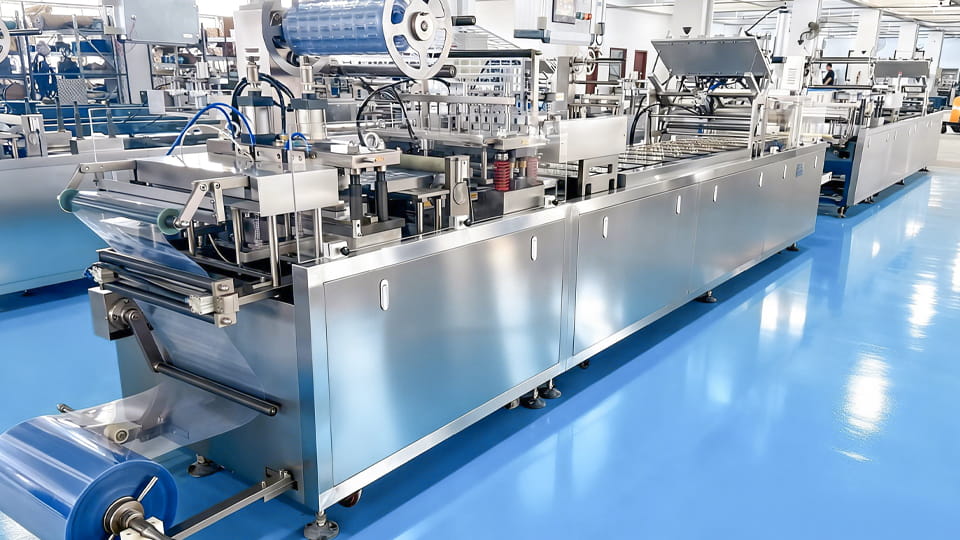
Hình ảnh: Kiểm tra QC cuối cùng trên dây chuyền đóng gói vỉ.
Bằng cách tránh những cạm bẫy này và tuân theo quy trình có cấu trúc của chúng tôi, bạn sẽ chọn một nhà cung cấp cung cấp thiết bị đáng tin cậy và mang lại sự yên tâm.
Sử dụng danh sách kiểm tra này để chấm điểm và so sánh các nhà cung cấp tiềm năng. (♥️ Tải xuống danh sách kiểm tra PDF để dễ dàng tham khảo.)
| Tiêu chí đánh giá | Câu hỏi chính |
| quy định & Tuân thủ GMP | Nhà cung cấp có đáp ứng tiêu chuẩn FDA/EU GMP không? Là máy được chế tạo bằng thép không gỉ 316L & lớp phủ cần thiết (điện hóa/thụ động)? Có chứng chỉ liên quan (CN, CN, FDA 510(k) vân vân.) tại chỗ? |
| Hệ thống quản lý chất lượng (QMS) | Nhà cung cấp có ISO không 9001 (hoặc ISO 13485) chứng nhận? Có CAPA được ghi lại và quy trình quản lý rủi ro không? Họ kiểm soát sự không phù hợp như thế nào (ví dụ. hành động khắc phục)? |
| Kinh nghiệm & Tài liệu tham khảo | Bao bì dược phẩm bao nhiêu năm? Họ có thể chia sẻ các nghiên cứu điển hình hoặc tài liệu tham khảo khách hàng ẩn danh không? Họ đã giao những dây chuyền đóng gói tương tự chưa (mụn rộp, thùng carton, vân vân.)? |
| Thiết kế máy & Xây dựng chất lượng | Là vật liệu và hoàn thiện cấp dược phẩm? (ví dụ. mối hàn mịn, thiết kế vệ sinh). Dung sai và hiệu suất có được xác nhận không? Là hệ thống an toàn (lính gác, khóa liên động) khỏe mạnh? |
| Xác thực & Tài liệu | Nhà cung cấp có cung cấp đầy đủ các giao thức IQ/OQ/PQ và hỗ trợ xác nhận không? (hướng dẫn chuyên môn, kiểm tra)? là hướng dẫn sử dụng, giấy chứng nhận hiệu chuẩn, và bản vẽ được cung cấp? |
| Công suất nhà máy & Thời gian dẫn | Họ có thể đáp ứng lịch trình của bạn không? Họ có năng lực không (nhân viên có tay nghề cao, tài nguyên chế tạo)? Thời gian thực hiện được đề xuất là bao lâu và nó có thể được đảm bảo không? Họ xác định thời gian giao hàng như thế nào? |
| Hỗ trợ sau bán hàng & Đào tạo | Những gì bảo hành được cung cấp? Hỗ trợ phụ tùng có sẵn tại địa phương không? Họ có cung cấp hỗ trợ khởi nghiệp và đào tạo người vận hành không? Là hỗ trợ kỹ thuật (đường dây nóng, tại chỗ) sẵn có? |
| Tổng chi phí & Giá trị | Ngoài đơn giá, chi phí dài hạn là gì? (sử dụng năng lượng, BẢO TRÌ, phụ tùng thay thế). Đề xuất có bao gồm tất cả các phụ kiện cần thiết không? Xem xét cải thiện hiệu quả và năng suất. |
Lựa chọn quyền nhà cung cấp máy đóng gói dược phẩm nói nhiều về con người và quy trình cũng như về phần cứng. Đánh giá kỹ lưỡng – từ việc tuân thủ quy định đến hậu mãi – đảm bảo bạn hợp tác với nhà cung cấp có thể phát triển cùng doanh nghiệp của bạn. Như các chuyên gia trong ngành lưu ý, “trình độ chuyên môn của nhà cung cấp…nên xác định và giảm thiểu các rủi ro liên quan”. Hãy làm theo hướng dẫn 10 bước và danh sách kiểm tra này để giảm thiểu rủi ro cho khoản đầu tư của bạn.
Sẵn sàng tiến về phía trước? Yêu cầu báo giá từ đội của chúng tôi hoặc tải xuống danh sách kiểm tra ở trên để chuẩn bị đánh giá của bạn. Chúng tôi sẵn sàng giúp bạn tìm đối tác thiết bị hoàn hảo.
Nhà cung cấp máy đóng gói dược phẩm là công ty thiết kế, sản xuất, và cung cấp thiết bị dùng để đóng gói các sản phẩm dược phẩm như máy tính bảng, viên nang, chất lỏng, hoặc bột. Nhà cung cấp đáng tin cậy không chỉ phải cung cấp máy móc mà còn phải đảm bảo tuân thủ các quy định của GMP, hỗ trợ xác nhận (IR/WH/PQ), và dịch vụ kỹ thuật dài hạn.
Đánh giá nhà cung cấp là rất quan trọng vì bao bì ảnh hưởng trực tiếp đến an toàn sản phẩm, ghi nhãn chính xác, và tuân thủ quy định. Các nghiên cứu cho thấy các vấn đề liên quan đến nhà cung cấp góp phần chiếm tỷ lệ lớn trong các kết quả thanh tra GMP, làm cho trình độ của nhà cung cấp trở thành một phần quan trọng của việc đảm bảo chất lượng.
Các yếu tố chính bao gồm chứng nhận GMP (FDA/EU), sử dụng vật liệu cấp dược phẩm (ví dụ. 316thép không gỉ L), và tài liệu mạnh mẽ. Tìm kiếm sự tuân thủ các tiêu chuẩn như ISO 9001/13485 và FDA 21 Phần CFR 820. Xác minh rằng máy có lớp hoàn thiện mịn và tất cả các bề mặt tiếp xúc với sản phẩm đều có thể làm sạch và xác nhận.
chỉ số IQ, OQ và PQ là các giai đoạn xác nhận chứng minh máy được cài đặt chính xác, hoạt động như dự định, và thực hiện một cách nhất quán. Chúng rất quan trọng trong dược phẩm để đảm bảo chất lượng đầu ra. Trong thực tế, Quy định của FDA và ISO 11607 đưa ra yêu cầu xác nhận bao bì thông qua IQ/OQ/PQ.
Hỏi chi tiết về điều kiện bảo hành, thời gian phản hồi, và mạng lưới dịch vụ. Nhà cung cấp có cung cấp dịch vụ vận hành và đào tạo tại chỗ không? Kiểm tra xem phụ tùng có sẵn tại địa phương không. Xem xét trực tuyến hoặc phản hồi của khách hàng: các nhà cung cấp dịch vụ dược phẩm thường nhấn mạnh 24/7 trung tâm hỗ trợ và dịch vụ toàn cầu (Ví dụ, JinLuPacking quảng cáo dịch vụ tại chỗ và hỗ trợ kỹ thuật trên toàn thế giới).
Kiểm tra quy trình sản xuất, sự sạch sẽ, đào tạo nhân viên, và tài liệu. Kiểm tra xem hồ sơ chất lượng và nhật ký hiệu chuẩn có được duy trì hay không. Đánh giá cách họ xử lý vấn đề an toàn và vệ sinh. Một cuộc kiểm toán tốt cũng xác minh rằng những gì đã hứa (tính năng thiết kế, nguyên vật liệu) thực sự được xây dựng. Để kiểm soát rủi ro, ISO khuyến nghị kiểm tra thường xuyên 13485 và hướng dẫn của GMP.
Không dành cho dự án dược phẩm. Giá thầu thấp có thể tiết kiệm tiền ban đầu nhưng gặp rủi ro về chất lượng và thời gian ngừng hoạt động sau này. Xem xét tổng chi phí sở hữu: hiệu suất máy, độ tin cậy, phụ tùng thay thế, và việc tuân thủ quy định đều có thể có những chi phí tiềm ẩn. Giá cao hơn một chút, nhà cung cấp đã được chứng minh thường mang lại giá trị lâu dài tốt hơn. Sử dụng danh sách kiểm tra ở trên để cân bằng chi phí với các yếu tố quan trọng như chất lượng và sự tuân thủ.
Tài liệu tham khảo:
1.Q7A Hướng dẫn thực hành sản xuất tốt cho hoạt chất dược phẩm --CHÚNG TA. Cục Quản lý Thực phẩm và Dược phẩm
2.Trình độ chuyên môn của nhà cung cấp trong ngành dược phẩm: Hướng dẫn kiểm tra tập trung vào GMP, Đánh giá rủi ro, và sự chấp thuận của nhà cung cấp trong 2026 --pharmuni.com
3.Yêu cầu của GMP về Chứng chỉ của Nhà cung cấp --gmp-compliance.org
4.Tổng quan về Xác nhận Bao bì cho Sản phẩm Thuốc --ispe.org