
Sản xuất viên nang nhỏ là phổ biến trong dược phẩm dinh dưỡng, thảo dược bổ sung, thử nghiệm lâm sàng, R&D, chạy thử và sản xuất theo hợp đồng. Lựa chọn quyền máy làm đầy viên nang là rất quan trọng đối với việc cân bằng chi phí của các thương hiệu và phòng thí nghiệm ở giai đoạn đầu, tính linh hoạt, Và tuân thủ GMP. Khác với các dòng dược phẩm có khối lượng lớn, các hoạt động này thường xử lý các lần chạy hạn chế, nhiều SKU, và phát triển các công thức. Quyền viên nang phụ tăng thông lượng và tính nhất quán mà không cần đầu tư quá mức. So với việc đổ đầy bằng tay (khay đựng viên nang bằng tay), một chiếc máy có thể nhân sản lượng từ vài trăm đến hàng chục nghìn viên mỗi giờ, đồng thời cải thiện độ chính xác của liều lượng. Nhưng tự động hóa có nhiều dạng. Một số nhà sản xuất bắt đầu với một chất làm đầy viên nang bằng tay (không cần điện, chi phí thấp) hoặc một máy làm viên nang bán tự động (hoạt động hỗ trợ) trước khi chuyển sang tự động hóa hoàn toàn khi khối lượng tăng lên. Hướng dẫn này cắt giảm các thuật ngữ, giải thích cách so sánh máy móc đóng gói loại và thông số kỹ thuật cho nhu cầu lô nhỏ của bạn.
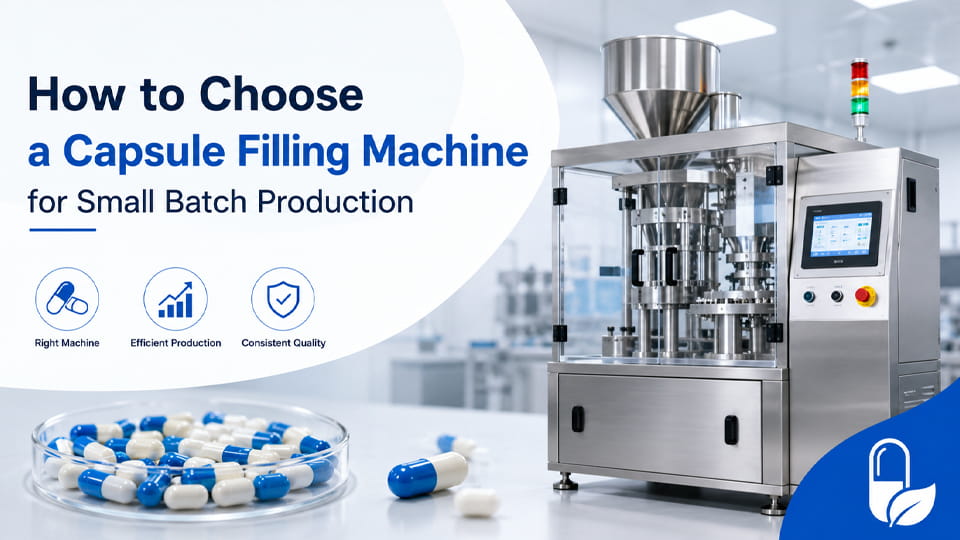
Máy làm đầy viên nang được sử dụng trên khắp các dược phẩm, chất bổ sung, và các sản phẩm thảo dược, cho bột, viên, và thậm chí cả chất lỏng. Chúng tôi sẽ khám phá các khả năng và tính năng thiết kế của chúng để giúp bạn quyết định cái nào phù hợp với quy mô của bạn. Chúng tôi cũng đề cập đến các yếu tố quy định như yêu cầu về vệ sinh và vận hành của GMP, vì ngay cả những dây chuyền nhỏ cũng phải đáp ứng tiêu chuẩn chất lượng.
“Lô nhỏ” thường đề cập đến khối lượng tương đối thấp hoặc hoạt động sản xuất linh hoạt. Các định nghĩa khác nhau, nhưng một điểm chuẩn thực tế là sản lượng mỗi lần chạy hoặc mỗi giờ. Ví dụ, chất độn thủ công thường được sử dụng cho lô rất nhỏ (dưới ~500 viên mỗi lần chạy). Bộ đồ máy bán tự động chạy vừa và nhỏ (theo thứ tự của 1,000–5.000 viên mỗi giờ). Việc bổ sung tự động trở nên hợp lý khi nhu cầu đầu ra vượt quá ~5.000–10.000 viên mỗi giờ. Những quy tắc ngón tay cái này phù hợp với quan sát của ngành: một khi nhu cầu hàng ngày tăng lên trên khoảng 15,000 viên nang, nhiều nhà sản xuất nâng cấp từ thiết bị thủ công lên thiết bị bán tự động để cắt giảm chi phí nhân công.
Về mặt thực tế, chúng ta có thể phân loại quy mô như: R&D/Cân phòng thí nghiệm (hàng trăm mỗi ngày), Lô nhỏ (hàng ngàn mỗi ngày), Trung bình/Thương mại (hàng chục ngàn mỗi ngày), Âm lượng cao (100k+ mỗi giờ). Các nhà sản xuất lô nhỏ thường xử lý nhiều SKU hoặc thay đổi công thức, vì vậy họ cần sự linh hoạt. Hướng dẫn này tập trung vào thiết bị thủ công và bán tự động phát triển mạnh ở chế độ dưới 50.000 mũ/ngày, trong khi vẫn chạm vào máy tự động nếu bạn có kế hoạch mở rộng quy mô.
Máy làm đầy viên nang được chia thành ba loại lớn: Thủ công, Bán tự động, Và Hoàn toàn tự động. Mỗi cái đều có sự đánh đổi riêng biệt về tốc độ, trị giá, nhân công, và sự phức tạp. (Các biến thể chuyên biệt tồn tại, ví dụ. chất độn viên nang lỏng hoặc viên nang mềm, nhưng ở đây chúng tôi tập trung vào thiết bị viên nang cứng hai mảnh.)
Chất làm đầy viên nang thủ công (đôi khi được gọi khay đựng viên nang hoặc chất độn tấm) không cần điện và sử dụng các công cụ đầm đơn giản. Người vận hành rải bột vào khay thân nang, tamp bằng tay, và nắp bằng tay.
Tóm lại, điền thủ công cực kỳ phải chăng và dễ học, nhưng vượt quá vài trăm viên mỗi lần chạy, nó sẽ nhanh chóng trở nên không thực tế do người vận hành mệt mỏi và không nhất quán.
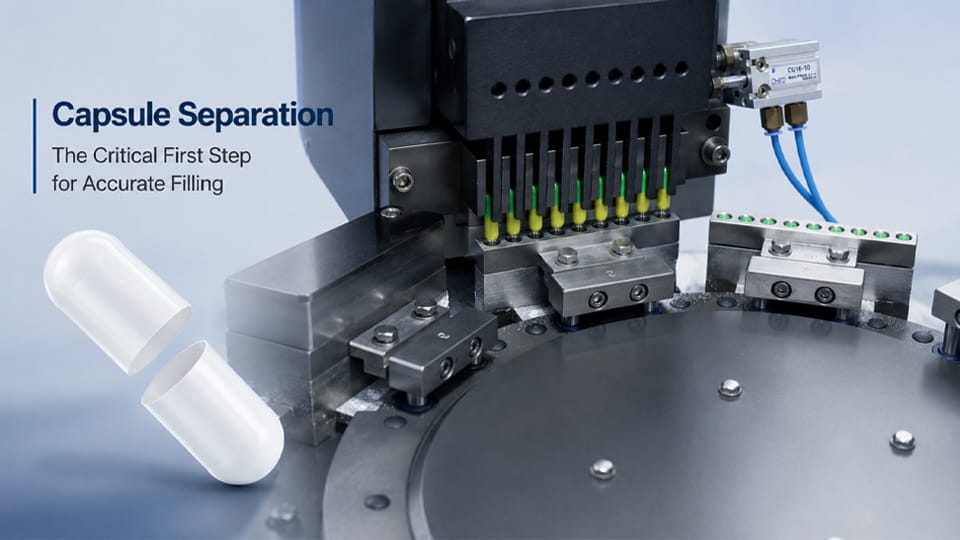
Chất làm đầy viên nang bán tự động điều khiển người vận hành máy trộn với sự hỗ trợ của máy. Tiêu biểu, người vận hành nạp các viên nang rỗng vào phễu và bột vào hệ thống định lượng, nhưng cái máy tự động hóa các bước chính như định hướng viên nang, điền vào, và đôi khi giới hạn. Ví dụ, nhiều kiểu máy sử dụng phễu chứa viên nang rung và chân không khí nén để tách và trình bày thân và nắp viên nang, sau đó dùng mũi khoan hoặc chốt định lượng bột, và một hệ thống cơ khí khóa các viên nang.

Nhân vật: Một chiếc Jinlu CGNT-209 máy làm viên nang bán tự động, tương thích với kích cỡ viên nang #000–#5 và có khả năng ~40.000 viên/giờ.
Chất làm đầy viên nang hoàn toàn tự động thực hiện từng bước liên tục với sự tham gia tối thiểu của con người. Họ tự động nạp viên nang rỗng, tách biệt và định hướng chúng, định lượng vật liệu làm đầy một cách chính xác, kết hợp lại các nửa, kiểm tra khuyết tật, và đẩy viên nang đã hoàn thành. Các máy này thường sử dụng bàn quay phức tạp với nhiều trạm định lượng.

Nhân vật: Tốc độ cao máy làm viên nang tự động (Jinlu NJP-3800D) được đánh giá ở mức ~228.000 viên/giờ. Các đơn vị này cung cấp năng suất chưa từng có nhưng tốt nhất cho sản xuất quy mô lớn.
Chất làm đầy viên nang lỏng (Lưu ý đặc biệt): Một số máy viên nang được thiết kế để nạp chất lỏng hoặc dầu. Họ sử dụng máy bơm siêu nhỏ hoặc vòi phun để định lượng chất lỏng vào viên nang vỏ cứng. Những máy này vẫn thường quay và có thể đạt được hàng chục nghìn mỗi giờ. Mặc dù có giá trị đối với dầu và huyền phù, họ yêu cầu làm sạch cẩn thận và thường đặc biệt viên nang gelatin hoặc HPMC để ngăn chặn rò rỉ. Ở đây chúng ta sẽ tập trung vào máy rót bột khô, nhưng hãy nhớ một máy có khả năng lỏng là một lựa chọn nếu công thức của bạn yêu cầu điều đó.
Tóm lại, các lựa chọn loại máy phụ thuộc vào quy mô sản xuất và ngân sách của bạn. Chất độn thủ công (<~500/ngày) đơn giản nhất và rẻ nhất; bán tự động (lên tới ~40k/giờ) phục vụ hầu hết các nhà sản xuất nhỏ; và máy tự động (>~50k/giờ) dành cho nhu cầu số lượng lớn.
Khi đánh giá máy làm viên nang, tập trung vào các thông số kỹ thuật và tính năng thiết kế quan trọng nhất đối với sản xuất hàng loạt nhỏ. Các yếu tố chính bao gồm:
Khớp tốc độ máy với yêu cầu thông lượng của bạn. Chất làm đầy thủ công chỉ có giá từ vài trăm đến vài nghìn viên mỗi giờ. Máy bán tự động nhảy lên hàng chục nghìn: nhiều mô hình chạy 10,000–40.000 mũ/giờ sử dụng liên tục. Thiết bị hoàn toàn tự động vượt trội 100,000 viên nang/giờ.
Giữ khoảng trống là khôn ngoan: nếu nhu cầu có thể tăng gấp đôi, xem xét một mô hình nhanh hơn hoặc một mô hình có nâng cấp mô-đun. Nhưng tránh quá khổ (xem những sai lầm bên dưới).
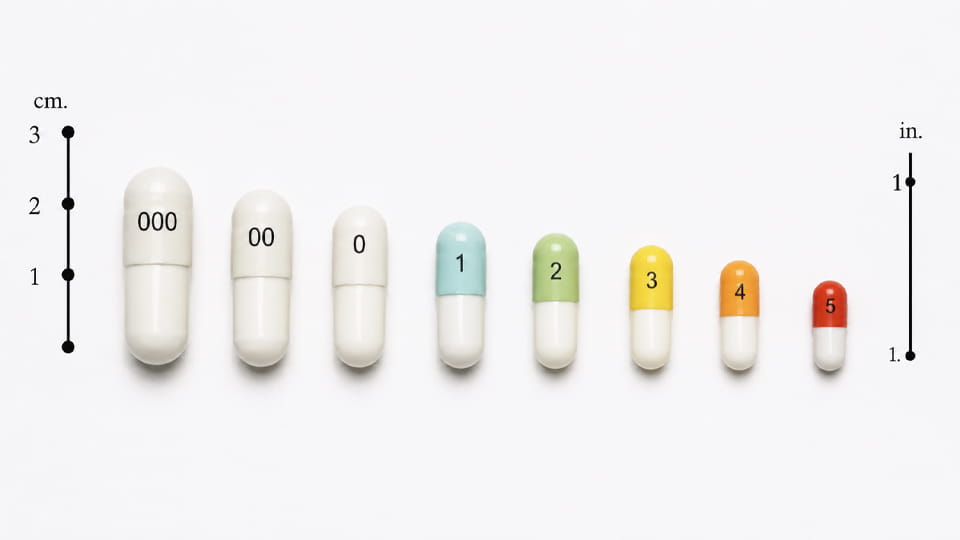
Chất làm đầy của bạn phải xử lý kích thước viên nang bạn sử dụng. Viên nang cứng có phạm vi từ 000 (lớn nhất) ĐẾN 5 (nhỏ nhất). Dinh dưỡng và dược phẩm thường sử dụng #00, 0, 1, 2, vân vân. Đảm bảo máy hỗ trợ kích thước của bạn ngay từ đầu.
Tính linh hoạt về kích thước là rất quan trọng đối với các nhà sản xuất nhỏ có nhiều sản phẩm. Trong hướng dẫn dành cho người mua, Jinlu lưu ý rằng khả năng tương thích với nhiều kích thước là một điểm cộng lớn, tiết kiệm chi phí và không gian.
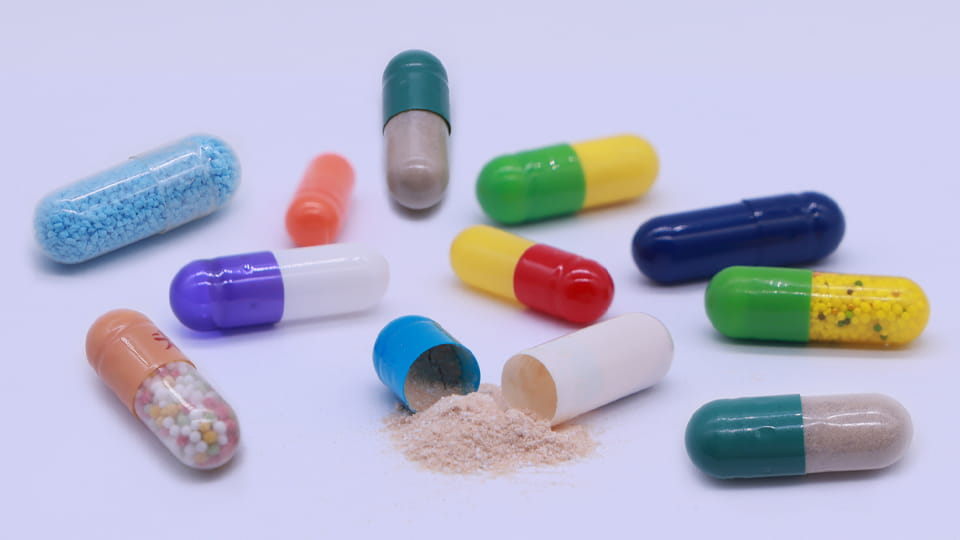
Vật liệu làm đầy viên nang có dòng chảy rất khác nhau, Tỉ trọng, và độ dính. Máy của bạn phải xử lý các loại bột hoặc hạt cụ thể mà bạn sử dụng.
Tóm lại: hỏi nhà cung cấp xem họ có điền công thức như của bạn không, và cân nhắc việc yêu cầu chạy thử hoặc trình diễn mẫu nếu có thể.
Trọng lượng lấp đầy chính xác là không thể thương lượng trong sản xuất viên nang. Tìm kiếm máy có khả năng kiểm soát liều lượng chính xác:
Luôn yêu cầu dữ liệu hoặc lời chứng thực về tính nhất quán của việc điền. Ngay cả một sai sót nhỏ về trọng lượng trong viên nang cũng có thể dẫn đến sản phẩm không đạt tiêu chuẩn kỹ thuật. Nhớ, tăng tốc không nên hy sinh độ chính xác – máy tốt nhất cân bằng tốc độ cao với khả năng kiểm soát chặt chẽ.
Sản xuất dược phẩm/thực phẩm bổ sung đòi hỏi khả năng làm sạch và kiểm soát ô nhiễm:
Đối với người sản xuất nhỏ, thời gian ngừng hoạt động để làm sạch vấn đề. Một chiếc máy khó làm sạch sẽ làm chậm quá trình sản xuất và có nguy cơ lây nhiễm chéo. Làm khả năng làm sạch là yếu tố mua hàng quan trọng.
Đánh giá yếu tố con người:
Tóm lại, so sánh tổng chi phí lao động (tiền lương + trên không) so với giá máy. Hãy nhớ rằng máy bán tự động làm nỗ lực của người điều hành thương mại trong việc chi tiêu vốn.
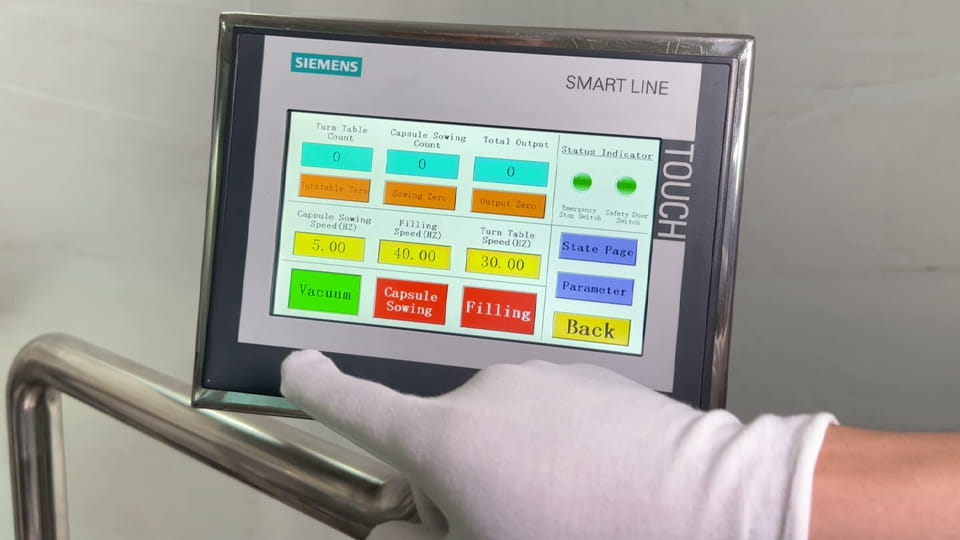
Ngay cả đối với những lô nhỏ ngày nay, suy nghĩ trước:
Lên kế hoạch phát triển một cách duyên dáng. Nhiều công ty nhỏ phát triển nhanh hơn sản phẩm làm đầy viên nang đầu tiên của họ; việc chọn một cái có lộ trình nâng cấp hoặc mua lớn hơn một chút so với nhu cầu ngày nay có thể tiết kiệm chi phí xuống đường.
| Tính năng | Máy làm đầy viên nang bằng tay | Máy làm đầy bán tự động | Tự động điền |
| Đầu tư điển hình | Rất thấp (hàng trăm $) | Trung bình (~$5.000–$20.000+) | Cao (sáu con số) |
| đầu ra (viên/giờ) | 500Mạnh2.000 (tối đa) | 10,000–40.000 (phạm vi ổn định) | 30,000+ ĐẾN 200,000+ |
| Cần lao động | Cao (một người mỗi khay) | Vừa phải (1 người vận hành trên mỗi máy) | Thấp (1–2 toán tử trên mỗi dòng) |
| Kỹ năng sử dụng | Rất thấp | Vừa phải (một số đào tạo) | Cao (yêu cầu đào tạo kỹ thuật) |
| Sự chính xác & tính nhất quán | Biến (phụ thuộc vào nhà điều hành) | Tốt (được điều chỉnh bằng máy) | Xuất sắc (kiểm soát chặt chẽ) |
| Tuân thủ GMP | Nền tảng (mở khay, acrylic) | Tốt (định lượng kèm theo, bộ phận SS) | Xuất sắc (kèm theo đầy đủ, SS316) |
| Tốt nhất cho | R&D, phòng thí nghiệm, sở thích, <500/ngày | Nhà máy vừa và nhỏ (~nghìn/ngày) | Sản xuất quy mô lớn (>100k/giờ) |
| Sản phẩm mẫu | Khay tay, 300/400-tấm lỗ | Kim Lộ CGN-208D (30k/giờ), CGNT-209 (40k/giờ) | Jinlu NJP-3800D (228k/giờ) |
Dành cho hầu hết các công ty khởi nghiệp về thực phẩm bổ sung hoặc dược phẩm quy mô nhỏ, Một máy làm viên nang bán tự động đạt đến điểm ngọt ngào. Những máy này có giá thấp hơn nhiều so với máy tự động cỡ lớn nhưng mang lại tốc độ và tính nhất quán cao hơn nhiều so với phương pháp thủ công.. Bán tự động (30–40k mũ/giờ) có thể đáp ứng nhu cầu sản xuất ngày càng tăng mà không cần tốn nhiều nhân lực khi chiết rót thủ công. Họ cũng có xu hướng đáp ứng các yêu cầu thiết kế của GMP (bộ phận không gỉ, phễu kèm theo) quan trọng đối với các nhà sản xuất lần đầu.
Chất độn thủ công vẫn có chỗ nếu khối lượng của bạn cực thấp (công thức pha trộn tùy chỉnh hoặc đặc biệt) hoặc ngân sách là hạn chế chính. Nhưng hãy lưu ý đến điểm bùng phát: như ghi chú của JinluPacking, một lần sản lượng hàng ngày vượt quá ~15.000 viên, chi phí tiềm ẩn của thủ công (làm lại, làm thêm giờ) thường bắt máy bán tự động trả tiền.
Máy tự động thường vượt quá nhu cầu của một công ty khởi nghiệp; chỉ xem xét chúng nếu bạn thấy trước khả năng mở rộng quy mô rất nhanh hoặc đã có hợp đồng khối lượng lớn. Ví dụ, một nhà sản xuất theo hợp đồng phục vụ nhiều khách hàng có thể biện minh cho một đơn vị tự động nhỏ (<$50k) hoặc máy đã qua sử dụng đáp ứng đơn hàng lớn.
Tóm lại: Hướng dẫn sử dụng cho bé tí, đợt không thường xuyên; Bán tự động cho hầu hết các công ty đang phát triển; Tự động cho âm lượng lớn. Nói chuyện với các nhà cung cấp về dự báo của bạn—một số có thể đề xuất các mẫu tầm trung. Jinlupacking, ví dụ, khuyến khích doanh nghiệp “tăng tốc” với dây chuyền bán tự động cho mục tiêu sản xuất cấp độ tiếp theo.
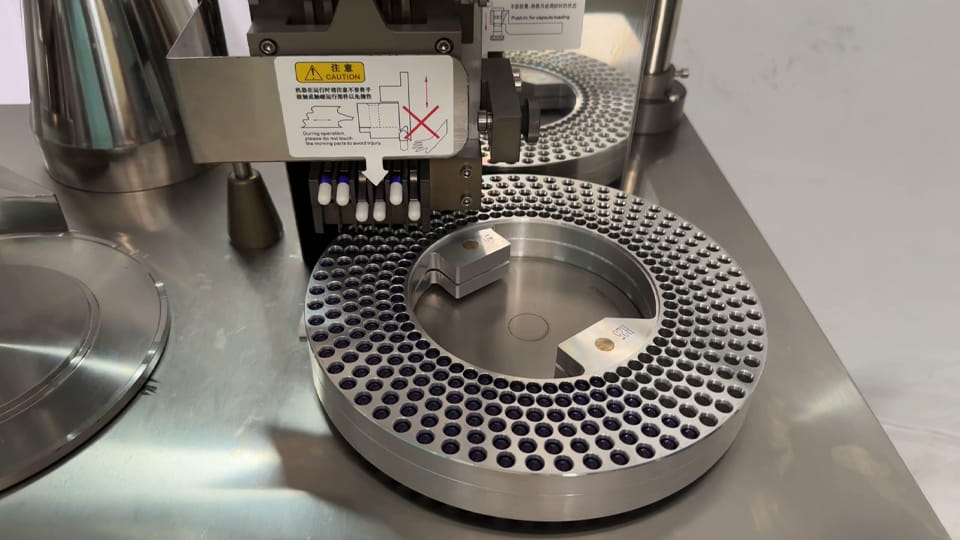
Hãy tránh những cạm bẫy này bằng cách kết hợp cẩn thận máy với của bạn lập kế hoạch sản xuất và hợp tác chặt chẽ với các nhà cung cấp có uy tín để có thể hướng dẫn bạn. Như một hướng dẫn viên Jinlu kết luận, quyết định này phải là sự hợp tác – chọn thiết bị sẽ phát triển cùng doanh nghiệp của bạn.
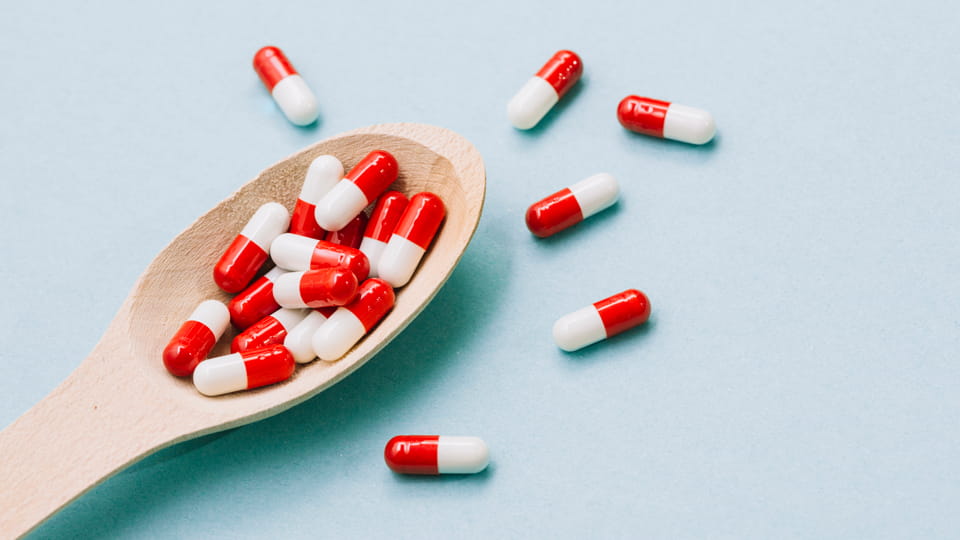
Lựa chọn máy làm viên nang là một quyết định quan trọng đối với bất kỳ nhà sản xuất quy mô nhỏ nào. Nó sẽ ảnh hưởng đến hiệu quả của bạn, chất lượng sản phẩm, và khả năng mở rộng. Tóm tắt những điểm chính:
Trên hết, làm việc với các nhà cung cấp có kinh nghiệm và tìm kiếm tài liệu tham khảo hoặc nghiên cứu trường hợp (Trang web của Jinlu cung cấp tin tức Và nghiên cứu trường hợp) khi hoàn tất lựa chọn của bạn. Với đúng máy, quá trình sản xuất viên nang lô nhỏ của bạn sẽ diễn ra suôn sẻ, sản xuất nhất quán, viên nang chất lượng cao đáp ứng các quy định và làm hài lòng khách hàng của bạn.
Đối với hầu hết các kịch bản lô nhỏ, máy làm đầy viên nang bán tự động mang lại sự cân bằng tốt nhất giữa chi phí và hiệu suất. Nó cung cấp thông lượng cao (~30k–40k mũ/giờ) mà không tốn chi phí cho một dây chuyền hoàn toàn tự động. Chất độn thủ công chỉ tối ưu cho khối lượng rất nhỏ (vài chục đến vài trăm viên). Máy hoàn toàn tự động thường được thiết kế cho các hoạt động với khối lượng lớn.
Chất làm đầy viên nang thủ công thường KHÔNG được khuyến nghị vượt quá quy mô rất nhỏ hoặc R&D sử dụng. Họ thiếu tốc độ và tính nhất quán cần thiết cho hoạt động thương mại. Kinh nghiệm trong ngành cho thấy rằng một khi nhu cầu đầu ra vượt quá vài nghìn viên mỗi ngày, điền thủ công trở thành một nút cổ chai. Để có chất lượng và hiệu quả nhất quán trong môi trường sản xuất, nên nâng cấp lên máy nạp bán tự động.
Hầu hết các máy tạo viên nang cứng đều chấp nhận kích thước viên nang 000 (lớn nhất) xuống 5 (nhỏ nhất). Kích thước phổ biến trong dược phẩm dinh dưỡng là 00, 0, 1, Và 2. Ví dụ, cả máy bán tự động và máy tự động của Jinlu đều có đủ kích cỡ #000 bởi vì #5. Kiểm tra thông số kỹ thuật của sản phẩm để chắc chắn; việc chuyển đổi kích thước thường yêu cầu thay đổi khay nạp hoặc khuôn, nhưng nhiều thiết kế làm cho sự thay đổi này diễn ra nhanh chóng.
Chất độn viên nang uy tín dùng trong dược phẩm được sản xuất theo tiêu chuẩn cGMP. Chúng thường có khung thép không gỉ SUS304/316, buồng định lượng kèm theo, và bề mặt nhẵn để dễ dàng vệ sinh. Tìm kiếm các chứng nhận CE/FDA hoặc các tuyên bố tuân thủ cGMP. Máy từ nhà cung cấp chất lượng (như JinluĐóng gói) được thiết kế với các góc bo tròn, thùng vệ sinh, và thường đi kèm với hỗ trợ xác nhận. Luôn kiểm tra vật liệu và thiết kế theo yêu cầu của GMP.
Máy tự động có xu hướng có độ chính xác cao nhất (thường nằm trong khoảng ±1–3% trọng lượng mục tiêu) nhờ hệ thống khoan chính xác và điều khiển phản hồi. Bán tự động thường đạt được độ chính xác tương tự hoặc kém hơn một chút. Điền thủ công có nhiều biến thể nhất (phụ thuộc vào nhà điều hành). Nếu liều lượng chính xác là rất quan trọng, chọn một máy có hệ thống định lượng tinh chỉnh và xem xét các mẫu máy có kiểm tra trọng lượng nội tuyến. Luôn hỏi nhà cung cấp dữ liệu về sự thay đổi trọng lượng điển hình.
Tối thiểu, có máy đếm viên nang chính xác và kiểm tra sự tuân thủ (ví dụ. kiểm tra cân nặng, máy thử độ phân hủy). Bạn cũng có thể cần máy đóng gói vỉ hoặc chai, chất bịt kín, và máy dán nhãn. Jinlu cung cấp máy đếm viên nang và máy đóng gói vỉ, Ví dụ. Đừng quên thiết bị HSE (mặt nạ chống bụi, máy hút bụi) để xử lý bất kỳ sự cố tràn bột.
Thông số kỹ thuật (ví dụ. “100.000 viên/giờ”) phụ thuộc nhiều vào điều kiện. Luôn yêu cầu kiểm tra chấp nhận tại nhà máy (MẬP) hoặc chạy mẫu bằng cách sử dụng viên nang và bột thực tế của bạn. Thử nghiệm thực tế này là cách chắc chắn nhất để xác nhận năng lực, sự chính xác, và khả năng tương thích. Thông lệ tiêu chuẩn đối với các nhà cung cấp có uy tín là cho phép người mua thử nghiệm trước khi mua hàng cuối cùng.
Tài liệu tham khảo:
1. Dạng bào chế Nhà sản xuất thuốc cGMP (10/93) -- CHÚNG TA. Cục Quản lý Thực phẩm và Dược phẩm
2.Thông tin thuốc – Hướng dẫn sản xuất viên nang -- AI
3.Đổ bột vào viên nang cứng hai mảnh --- Thư viện Y khoa Quốc gia
4.Nghiên cứu các yếu tố ảnh hưởng đến quá trình đóng nang trên máy đóng nang tự động có nắp --- Thư viện Y khoa Quốc gia