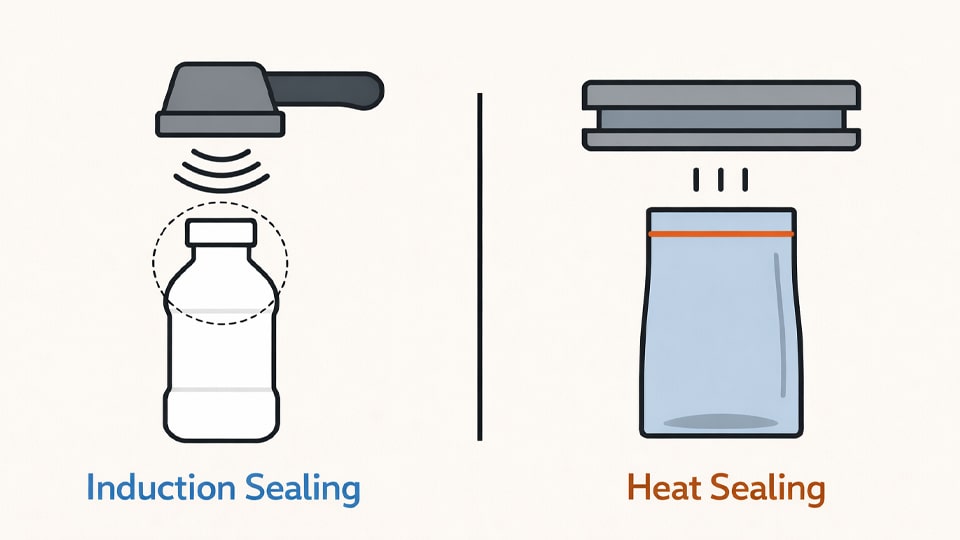

Khi thảo luận về các loại niêm phong chai khác nhau hiện có, bạn có thể đã quen thuộc với lớp lót nhạy áp lực và vòng đệm cảm ứng nhiệt; Tuy nhiên, bạn có hiểu đầy đủ các nguyên tắc cơ bản đằng sau hoạt động của chúng và hiệu suất bịt kín riêng biệt không??
Trong ngành dược phẩm và chăm sóc sức khỏe, lớp lót nhạy áp và vòng đệm cảm ứng nhiệt là hai loại đệm kín chai phổ biến nhất. Cùng nhau, hai loại này chiếm hơn 70% của thị trường lót nắp chai toàn cầu.
Xác định loại con dấu cụ thể nào phù hợp nhất cho một sản phẩm cụ thể là một thách thức mà mọi nhà sản xuất phải đối mặt; chưa, nhiều nhà sản xuất thường bỏ qua tầm quan trọng quan trọng của việc lựa chọn con dấu phù hợp cho chai. Nhưng bạn có biết rằng nếu bạn chọn loại lót nhạy áp khi vận chuyển chai chứa chất lỏng bằng đường biển, kết quả có thể là một thùng vận chuyển bằng gỗ chứa đầy chất lỏng bị đổ? Để giúp bạn xác định con dấu nào là lựa chọn tối ưu cho sản phẩm của bạn, bài viết này sẽ đi sâu vào sự khác biệt giữa lớp lót nhạy áp lực và phớt cảm ứng nhiệt, đồng thời đưa ra các khuyến nghị liên quan đến chất bịt kín cảm ứng nhiệt.
Bài học chính
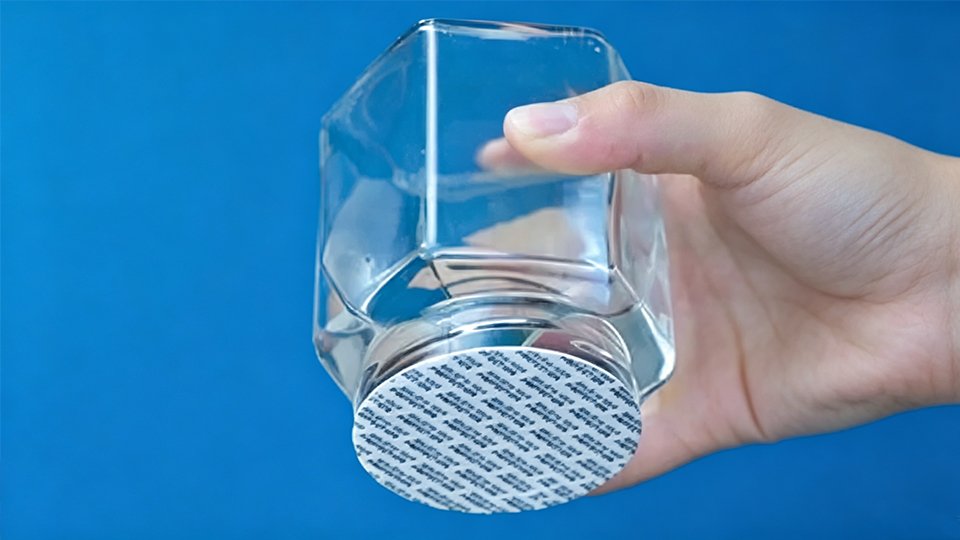
Lớp lót nhạy cảm với áp suất đạt được độ kín nắp chai hoàn hảo thông qua việc áp dụng áp suất. Giống như tờ giấy dán cần ấn chặt để dính vào bề mặt, những miếng đệm nhạy cảm với áp suất này phụ thuộc vào lực tác dụng khi siết chặt nắp chai.
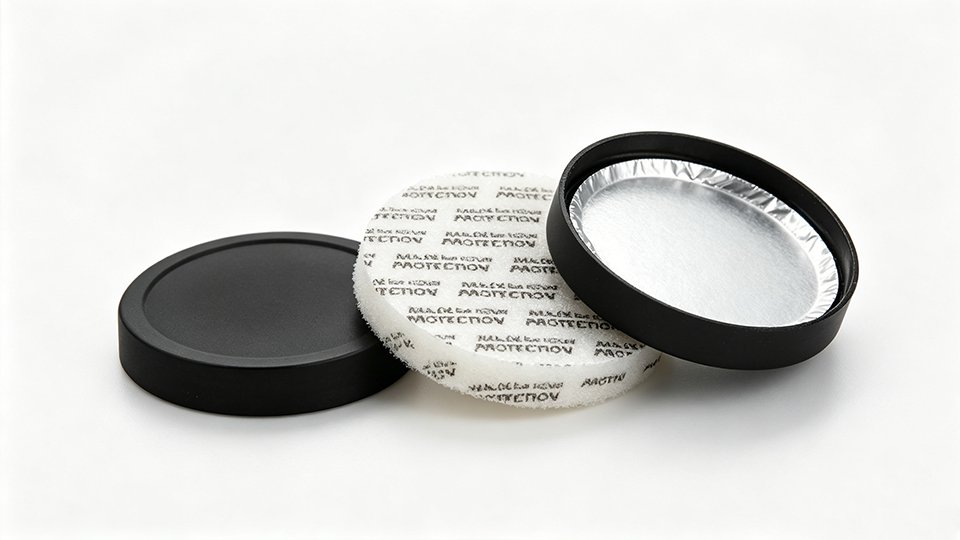
Tiêu biểu, những lớp lót nắp này bao gồm một lớp lót xốp được phủ một lớp keo chuyên dụng; trong quá trình dán nắp chai khi nắp chai được vặn chặt, áp suất tạo ra làm cho mặt dính của lớp lót xốp liên kết chắc chắn với mép thùng chứa.
Bởi vì chúng không yêu cầu nhiệt độ cũng như các điều kiện đặc biệt khác, những lớp lót nắp nhạy áp này thường được sử dụng trong bao bì thực phẩm bổ sung dinh dưỡng khô, Vitamin, và dược phẩm rắn. Để bảo vệ cơ bản, nắp xốp tiêu chuẩn hoặc lớp lót xốp hoạt động tốt.
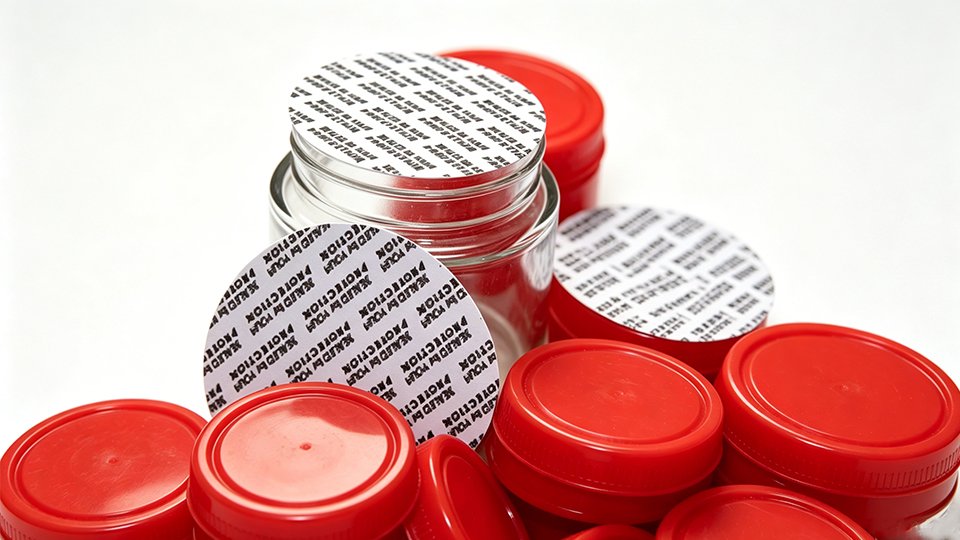
Mặc dù các phương pháp bịt kín nhạy cảm với áp suất rất đơn giản để áp dụng, chúng không đặc biệt thích hợp cho các sản phẩm có yêu cầu chống ẩm cao. Đây là nơi có một phương pháp niêm phong chai khác, niêm phong cảm ứng, đi vào hoạt động. Con dấu cảm ứng có cấu trúc nhiều lớp, thường bao gồm một lớp nền bằng bìa cứng, một lớp sáp, Lá nhôm, và một màng polyme. So với lớp lót nắp bịt áp suất, những vòng đệm cảm ứng nhiệt này yêu cầu một trường điện từ phức tạp để liên kết chắc chắn với thùng chứa.
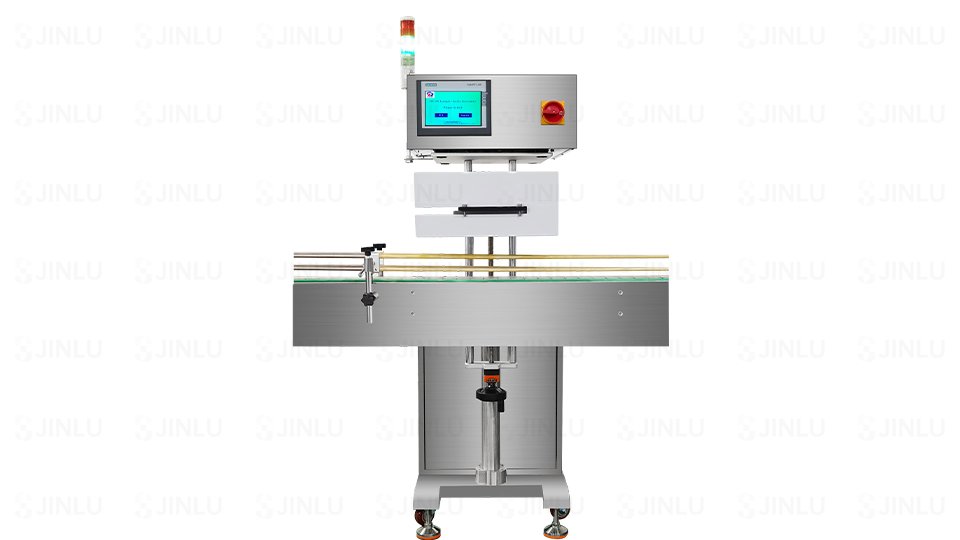
Nguyên lý làm việc rất đơn giản. Như nắp chai, trong đó có một lớp lót cảm ứng nhiệt bằng giấy bạc đặc biệt, đi bên dưới cuộn dây của một chất bịt kín cảm ứng nhiệt, trường điện từ do cuộn dây phát ra xuyên qua nắp nhựa, trực tiếp làm nóng lá niêm phong cảm ứng. Nhiệt lượng này làm tan chảy một lớp sáp và màng nhựa phủ trên giấy bạc; sáp được hấp thụ bởi lớp nền bìa cứng liền kề, trong khi màng nhựa nóng chảy hoạt động như một chất kết dính, liên kết chắc chắn giấy bạc với miệng chai để hoàn thiện việc bịt kín.
Toàn bộ quá trình không tiếp xúc và không cần tháo nắp, làm cho nó vừa nhanh vừa sạch. Nhiều thương hiệu cũng nâng cấp lên con dấu nâng và bóc hoặc sử dụng lớp lót con dấu cảm ứng để đảm bảo sự tin cậy tối đa của người tiêu dùng.
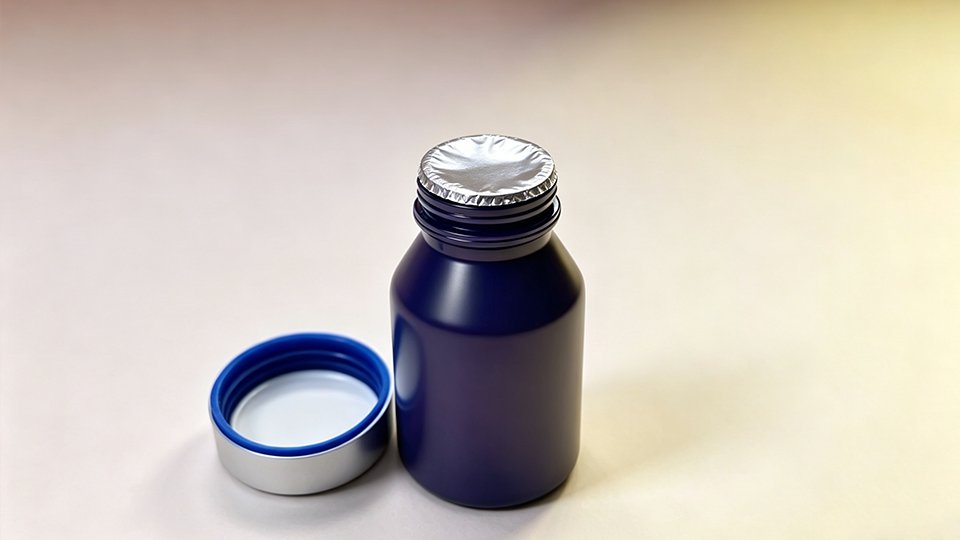
Không thể phóng đại vai trò quan trọng của niêm phong chai trong dược phẩm và thực phẩm dinh dưỡng. Để hiểu rõ hơn loại lót nắp chai nào phù hợp với dây chuyền sản xuất của bạn, Dưới đây là bảng so sánh toàn diện để chỉ ra sự khác biệt chính giữa lớp lót nhạy áp lực và vòng đệm cảm ứng nhiệt.
Bảng 1-so sánh giữa lớp lót nhạy áp lực và cụm làm kín cảm ứng nhiệt
| Yếu tố so sánh | Lớp lót nhạy cảm với áp lực | Con dấu cảm ứng nhiệt |
| Hiệu suất niêm phong | Tốt cho hàng khô | Xuất sắc (chai kín khí) |
| Thiết bị cần thiết | Không có | Máy dán cảm ứng nhiệt |
| Bằng chứng giả mạo | Thấp đến trung bình | Cao (Lá dư lượng giấy niêm phong cảm ứng) |
| Tốt hơn cho | Bột khô, viên nang, viên thuốc | Chất lỏng, bột nhạy cảm, dầu |
| Tốc độ sản xuất | Vừa phải | Cực kỳ cao |
Hiệu suất niêm phong
Để kéo dài thời hạn sử dụng của sản phẩm, niêm phong kín là rất quan trọng. Vì việc niêm phong phụ thuộc vào áp suất, các lớp lót nhạy cảm với áp suất thiếu độ tin cậy của các vòng đệm cảm ứng nhiệt mặc dù chúng là lựa chọn tốt cho các sản phẩm khô.
Thiết bị và Đầu tư
Lớp lót nắp nhạy cảm với áp suất không yêu cầu chi phí vốn bổ sung cho dây chuyền đóng gói; máy đóng nắp tiêu chuẩn thực hiện tất cả công việc. Ngược lại, sử dụng con dấu cảm ứng nhiệt đòi hỏi phải đầu tư vào máy bịt kín chai như máy bịt kín cảm ứng. Tuy nhiên, như quy mô sản xuất, ROI trên máy cảm ứng trở nên không thể phủ nhận do sự hư hỏng giảm đáng kể.
Bằng chứng giả mạo và bảo mật
Trong ngành dược phẩm, an toàn là điều quan trọng nhất. Do đó, Các tính năng chống giả mạo cho phép người tiêu dùng nhanh chóng xác định xem sản phẩm đã được mở hay chưa, thường tìm kiếm một con dấu cho chai bảo vệ. Mặc dù lớp lót xốp hoặc nắp xốp cơ bản đôi khi có thể được tháo ra và thay thế mà không để lại dấu vết giả mạo rõ ràng, niêm phong cảm ứng nhiệt, ngược lại, để lại cặn giấy nhôm khi mở rất khó loại bỏ. Vì lý do này, nhiều nhà sản xuất thực phẩm bổ sung sức khỏe và dược phẩm cao cấp có xu hướng ưa chuộng nắp đậy cảm ứng nhiệt.
Sự phù hợp của sản phẩm
Nếu bạn đang đóng gói viên nang khô, một con dấu nhạy cảm với áp lực hoặc một nắp xốp cơ bản có thể đủ. Nhưng để bổ sung chất lỏng, xi-rô, hoặc bột nhạy cảm với độ ẩm, lót cảm ứng nhiệt là sự lựa chọn ưu tiên.
Việc lựa chọn giữa lớp lót nhạy cảm với áp suất và vòng đệm cảm ứng nhiệt cuối cùng liên quan đến nhiều yếu tố phức tạp. Khi bạn cần đưa ra quyết định, Hãy xem xét các tình huống sau đây:
Nếu bạn là doanh nghiệp khởi nghiệp đóng gói vitamin khô hoặc dạng rắn: Lớp lót nhạy cảm với áp lực là sự lựa chọn tốt hơn
Bằng cách lựa chọn loại seal nắp này, bạn loại bỏ nhu cầu mua một máy dán cảm ứng nhiệt, từ đó giảm đáng kể chi phí sản xuất. Hơn nữa, vật liệu xốp cung cấp sự bảo vệ tuyệt vời cho nội dung, phục vụ chức năng đệm hiệu quả.
Nếu bạn đang sản xuất dược phẩm dạng lỏng hoặc xi-rô: Chọn phớt cảm ứng nhiệt.
Chất lỏng dễ bị rò rỉ trong quá trình vận chuyển. Phớt cảm ứng nhiệt giải quyết hoàn hảo vấn đề rò rỉ này vì nó được làm nóng để kết hợp lá nhôm với miệng chai, do đó tạo ra một chai kín hoàn hảo.
Nếu bạn đang sản xuất dược phẩm dinh dưỡng (như chế phẩm sinh học hoặc dầu cá): Chọn phớt cảm ứng nhiệt.
Chuyên gia công nghệ bao bì nổi tiếng Dr.. Sara Jenkins nhấn mạnh rằng, khi xử lý các API dễ bay hơi, việc sử dụng công nghệ lót cảm ứng nhiệt bằng giấy bạc có thể kéo dài thời hạn sử dụng hiệu quả của dược phẩm dinh dưỡng hơn 40% so với bao bì niêm phong lót xốp tiêu chuẩn.
Việc lựa chọn lớp lót và miếng đệm nắp tốt nhất chỉ là bước đầu tiên, có một số vấn đề tiềm ẩn có thể xảy ra trong quá trình niêm phong. Vậy hãy cùng tìm hiểu một số thách thức thường gặp trong quá trình niêm phong nắp.
Mô-men xoắn nắp không nhất quán: Nắp quá lỏng khiến lớp lót nắp không thể ngồi đúng cách, dẫn đến áp suất bịt kín cảm ứng không đủ và giấy bạc bịt kín cảm ứng không thể liên kết với chai.
Lá quá nóng: Cài đặt không đúng trên máy hàn cảm ứng nhiệt có thể làm cháy gioăng của chai, làm hỏng cả gioăng cảm ứng nhiệt và cổ chai.
Mũ lệch: Nắp bị lệch sẽ ngăn cản vòng đệm cảm ứng tiếp xúc đồng đều với chai, dẫn đến độ kín không hoàn chỉnh và khả năng rò rỉ.
Tốc độ đường truyền không khớp: Nếu tốc độ băng tải quá cao, các chai dành không đủ thời gian trong trường điện từ, ngăn chặn nhựa và polymer bịt kín nắp chai tan chảy hoàn toàn.
Giải pháp nằm ở máy móc chính xác và hiệu chuẩn phù hợp cho máy hàn miệng chai của bạn. Sau đây là một số giải pháp thiết thực có thể giúp vượt qua những thách thức:
Mô-men xoắn nắp không nhất quán: Thiết lập một phạm vi mô-men xoắn cụ thể (VÍ DỤ., 15–25 inch-lbs) và xác minh nó bằng máy kiểm tra mô-men xoắn kỹ thuật số. Nếu mức mô-men xoắn dao động thất thường, nhớ thường xuyên kiểm tra bộ ly hợp của capper xem có bị mòn hoặc rò rỉ dầu không; nếu không thì, áp lực hướng xuống không ổn định sẽ ngăn không cho lớp lót nắp bịt kín bám dính chắc chắn.
Lá quá nóng: Tiến hành kiểm tra từng bước để xác định mức công suất tối thiểu cần thiết để liên kết đúng cách lớp lót cảm ứng nhiệt. Sử dụng thước đo cảm ứng để đặt khe hở không khí ở mức 3–5 mm nhằm ngăn không cho đầu cảm ứng được đặt quá gần nắp bịt cảm ứng. Nếu cài đặt nguồn điện quá cao, hoặc nếu khe hở không khí quá nhỏ, giấy bạc dễ bị cháy. Bắt đầu thử nghiệm ở cài đặt năng lượng thấp và tăng dần.
Mũ lệch: Điều chỉnh ray dẫn hướng và bánh sao để giảm thiểu sự mất ổn định của chai. Sử dụng cảm biến thị giác để tự động phát hiện và loại bỏ các nắp bị cong hoặc quá cao trước khi chúng đi vào vùng bịt kín.
Tốc độ đường truyền không khớp: Kích hoạt chức năng bù tốc độ để cho phép máy hàn kín tự động điều chỉnh công suất đầu ra đồng bộ với tốc độ băng tải. Đảm bảo rằng mỗi vật liệu lót nắp chai vẫn ở bên dưới cuộn cảm ứng trong ít nhất 0.2 giây để có đủ thời gian cho polyme tan chảy hoàn toàn.

Dành riêng để cung cấp các giải pháp thiết bị và dây chuyền sản xuất đặc biệt, Jinlu Packaging đã hợp tác chặt chẽ với Fortune 500 gã khổng lồ dược phẩm như Robinson, UCB, và Dược phẩm Hoa Kỳ. Với nhà xưởng và máy móc được chứng nhận ISO có chứng chỉ CE và cGMP, Jinlu Packing đã nỗ lực hết mình để cung cấp máy móc và dịch vụ chất lượng cao.
Đây là cách Jinlu Packing hỗ trợ dây chuyền sản xuất của bạn:
Giải pháp dây chuyền sản xuất tùy chỉnh: Chúng tôi cung cấp giải pháp phù hợp để đảm bảo máy hàn kín cảm ứng của bạn tích hợp hoàn hảo với thiết bị đóng nắp và chiết rót hiện có của bạn, xử lý mọi thứ từ lớp lót nắp silicon đơn giản đến lớp lót cảm ứng phức tạp.
Vật liệu tuân thủ cGMP: Tất cả các bộ phận của máy và vòng đệm chai tiếp xúc với chai đều đã được chứng nhận đáp ứng các yêu cầu khắt khe tiêu chuẩn cGMP.
Dịch vụ vận hành toàn diện: Chúng tôi cung cấp cả dịch vụ hướng dẫn từ xa và vận hành thử tại chỗ để đảm bảo hoạt động đóng nắp và niêm phong của lớp lót mũ diễn ra suôn sẻ ngay từ ngày đầu tiên.
Tài liệu hoàn chỉnh: Mỗi máy đều có đầy đủ sách hướng dẫn kèm theo, Tài liệu FAT/SAT, và các video hướng dẫn chi tiết sau bán hàng để tạo điều kiện bảo trì định kỳ cho thiết bị bịt kín cảm ứng chai của bạn.
Cuộc tranh luận về lớp lót nhạy cảm với áp suất và vòng đệm cảm ứng nhiệt không bao giờ kết thúc. Nhưng có một điều chắc chắn rằng yêu cầu về hiệu suất bịt kín quyết định loại seal nào cho chai bạn cần lựa chọn. Muốn chai của bạn được niêm phong hoàn hảo? Đóng gói Jinlu sẽ mang đến cho bạn những giải pháp toàn diện và chu đáo, không chỉ dành cho máy hàn cảm ứng nhiệt, mà còn cho các dòng.
Thật nản lòng! Lớp lót nhạy cảm với áp suất dựa vào mô-men xoắn của nắp, trong đó chất lỏng được bịt kín bằng lớp lót nhạy áp lực dễ bị rò rỉ. Trong trường hợp, con dấu cảm ứng là sự lựa chọn ưa thích để tạo ra một con dấu an toàn cho chai bảo vệ.
Không nhất thiết, nhưng mũ của bạn phải tương thích. Chúng cần có khả năng giữ phẳng lớp lót cảm ứng trên môi chai và không được chứa bất kỳ thành phần kim loại nào có thể gây nhiễu trường điện từ..
Tuyệt đối, nếu tính toàn vẹn của sản phẩm gặp rủi ro. Không có vấn đề gì với các công ty khởi nghiệp hoặc doanh nghiệp lớn, Máy hàn cảm ứng nhiệt là điều bắt buộc khi các sản phẩm yêu cầu niêm phong kín khí.
Ngành đang có những bước tiến lớn! Nhiều nhà sản xuất lớp lót nắp hiện đang phát triển lớp lót cảm ứng có thể tái chế và sử dụng các vật liệu dễ phân tách hơn trong dòng tái chế, phù hợp với các mục tiêu bền vững hiện đại. Thị trường lót nắp liên tục phát triển để cung cấp các loại seal niêm phong chai thân thiện với môi trường hơn.
Tài liệu tham khảo
[1] Nghiên cứu Grand View: Thị trường giới hạn và đóng cửa (2026 – 2033)
[2] Chiến lược đóng gói: Tác động của việc niêm phong kín đến thời hạn sử dụng của dinh dưỡng.
[3] Thế giới chế biến dược phẩm: Khắc phục tắc nghẽn trong dây chuyền chiết rót chất lỏng.