
GMP ve cGMP en sık sorulan sorulardan biridir ilaç üretimi-ve iyi bir sebepten dolayı. Her ne kadar iki terim birbiriyle yakından ilişkili olsa da, onlar aynı değil. Farkı anlamak ilaç üreticileri için çok önemlidir, ekipman alıcıları, üretim yöneticileri, ve kalite ekipleri çünkü bu standartlar üretimin her aşamasını etkiliyor, tesis tasarımı ve proses doğrulamasından ekipman seçimi ve ürün kalitesine kadar. özellikle, . “Akım” içinde Mevcut İyi Üretim Uygulamaları (CGMP) Üreticilerin sürekli olarak güncel teknolojileri benimsemesi beklentisini yansıtıyor, sistemler, Modası geçmiş yöntemlere güvenmek yerine kalite uygulamaları.
İster yeni bir şişe paketleme hattına yatırım yapıyor olun, mevcut bir üretim hattının iyileştirilmesi, veya düzenleyici denetimlere hazırlanmak, anlayış GMP ve cGMP daha bilinçli kararlar vermenize yardımcı olabilir. Bu kılavuzda, GMP ve cGMP arasındaki temel farkları açıklayacağız, onların ana hatlarını çizin uyumluluk gereklilikleri, ve ne kadar modern olduğunu göster ilaç paketleme ekipmanları daha güvenliyi destekler, daha verimli, ve tam uyumlu üretim.
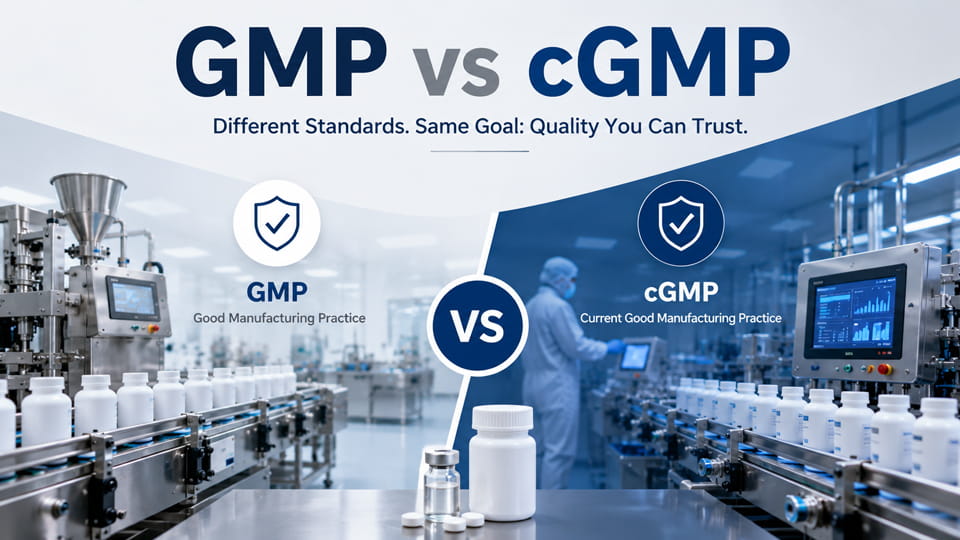
İyi Üretim Uygulaması (Gmp) ilaç endüstrisi için küresel bir kalite güvence çerçevesidir. DSÖ, GMP'yi, ürünlerin tutarlı bir şekilde üretilmesini ve uygun kalite standartlarına göre kontrol edilmesini sağlayan kalite güvencesinin bir yönü olarak tanımlamaktadır.. Benzer şekilde, Avrupa İlaç Ajansı (Ema) GMP'yi şu şekilde tanımlar: minimum bir ilaç üreticisinin üretimde karşılaması gereken standart. Pratikte, GMP tesis tasarımını kapsar, teçhizat, İşlenmemiş içerikler, personel eğitimi, yazılı prosedürler, ve test etme. Amaç, her partinin yüksek kalitede olmasını sağlamaktır, kullanım amacına uygun, ve spesifikasyonlarıyla eşleşiyor.
DSÖ iken, EMA ve diğer düzenleyiciler buna "GMP" diyor,” bu terim esasen ABD dışındaki cGMP ile değiştirilebilir. Aslında, DSÖ'nün kılavuzu, GMP'nin bazı bağlamlarda "cGMP" veya "mevcut" GMP olarak da anıldığını" belirtiyor. Birçok uluslararası üretici için, GMP kurallarına uymak, FDA'nın daha sonra cGMP ile vurgulayacağı aynı kaliteli sonuçlara sahip olmak anlamına gelir.
Mevcut İyi Üretim Uygulamaları (CGMP) FDA'nın Amerika Birleşik Devletleri'ndeki bu düzenlemeler için kullandığı terimdir. FDA, cGMP'yi uygun tasarımı garanti eden sistemler olarak tanımlamaktadır., Üretim süreçlerinin ve tesislerinin izlenmesi ve kontrolü. GMP gibi, cGMP, ilaç ürünlerinin kimliğe sahip olmasını sağlamayı amaçlamaktadır., kuvvet, iddia ettikleri kalite ve saflık. Aslında, FDA'nın düzenlemeleri, tesis temizliği ve ekipmanından personel nitelikleri ve kayıt tutmaya kadar her şeyi açıkça kapsar (21 CFR Parçaları 210 Ve 211).
Kritik ayrım, cGMP'deki “C”nin şu anlama gelmesidir: akım. Bu da şirketlerin güncel teknolojileri kullanması gerektiği anlamına geliyor, ekipman ve prosedürler. FDA'nın belirttiği gibi, “en üst düzey” sistem ve ekipmanlar 10 veya 20 yıllar önce şimdi cGMP kapsamında yetersiz kalabilir, çünkü kalite standartları ve teknoloji zamanla ilerlemektedir. Kısacası, cGMP, GMP ile aynı kalite gerekliliklerini taşır ancak sürekli iyileştirme ve modernizasyona vurgu yapar. cGMP'ye uyum, FDA denetimleri aracılığıyla sağlanır, ve bu standartların karşılanamaması, yasal olarak bir ilacı "katkılı" hale getirir,“Laboratuvar testlerini geçse bile.
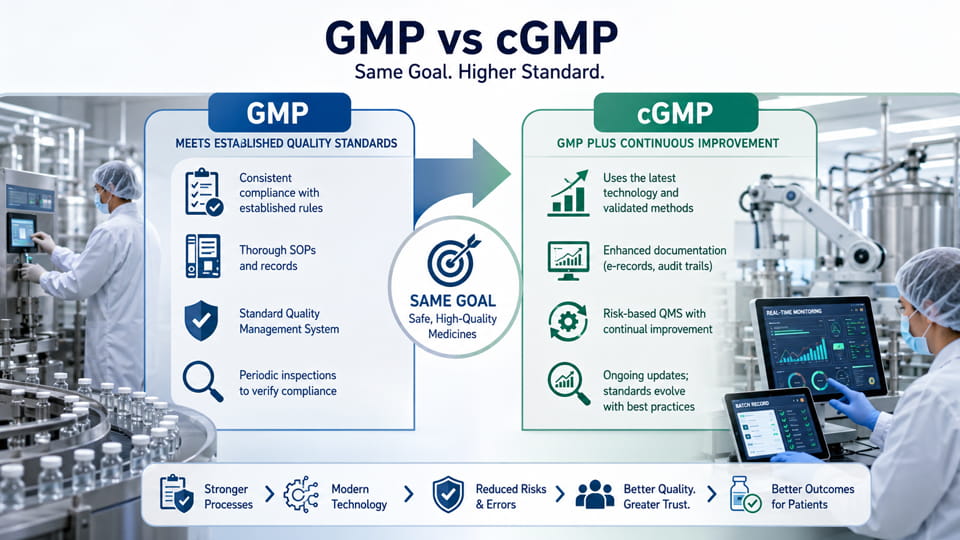
GMP ve cGMP aynı sonucu hedeflerken (güvenli, kaliteli ilaçlar), farklar vurgu ve kullanımda yatmaktadır. Aşağıdaki tablo temel ayrımları özetlemektedir:
| Bakış açısı | Gmp (İyi Üretim Uygulaması) | CGMP (Mevcut GMP, FDA) |
| Terminoloji | “İyi Üretim Uygulaması” – DSÖ tarafından kullanılmaktadır, Ema, PIC/S, vesaire. | “Mevcut İyi Üretim Uygulaması” – FDA'nın terimi |
| Düzenleyici Bağlam | Birçok ülke tarafından uygulanan küresel standart (DSÖ, PIC/S, AB GMP) | ABD'ye özgü düzenlemeler (21 CFR 210–211) |
| Odak | Yerleşik kalite standartlarını tutarlı bir şekilde karşılar | Standartları karşılar Ve teknolojiyi/süreçleri güncel tutar |
| Teknoloji Gereksinimi | Genellikle statik (temel standartları karşılar) | En son onaylanmış ekipman ve yöntemleri kullanmalı |
| Belgeler | Kapsamlı SOP'lar ve kayıtlar gerekli | Daha da sıkı belgeler (e-kayıtlar, denetim izleri) |
| Doğrulama | Süreç ve temizlik doğrulaması bekleniyor | Ekipman kalifikasyonu (IR/WH/PQ) ve süreç doğrulaması zorunludur |
| Kalite Sistemi | Standart Kalite Yönetim Sistemi | Geliştirilmiş risk bazlı KYS; sürekli iyileştirme döngüleri |
| Denetimler & Güncellemeler | GMP uyumluluğunu doğrulamak için periyodik denetimler | Aynı, ancak FDA devam eden güncellemeler bekliyor; uyumlu olan güncelliğini yitirebilir |
| Düzenleyici Kapsam | BEN/BEN: EMA tarafından uygulanan uyumluluk & ulusal ajanslar | BİZ: FDA tarafından uygulanan uyumluluk; uyumsuzluk yasal işlem başlatılmasına yol açar |
özünde, CGMP GMP'dir artı modern en iyi uygulamalara ayak uydurma beklentisi. Bir sektör analizinin açıkladığı gibi, cGMP “sürekli iyileştirmeye odaklanır ve kaliteyi sağlamak için en güncel standartların ve teknolojilerin kullanıldığı anlamına gelir, oysa GMP bir dizi prensip olarak kabul edilir”. Pratik açıdan, cGMP tüm GMP gerekliliklerini taşır, ancak şirketlerin yapması gerekenlere ekstra önem vererek aktif olarak süreçleri ve belgeleri yükseltme.
cGMP'deki "Güncel" sadece moda bir kelime değil: tesislerin sinyalini veriyor, makineler ve kalite sistemleri asla güncelliğini yitirmemelidir. Örneğin, eski bir üretim yönteminin veya ekipman parçasının daha düşük kalitede olduğu tespit edilirse, cGMP standartları şirketin daha yeni çözümler uygulaması gerektiği anlamına gelir. Bu yaklaşım inovasyonu teşvik ediyor: cGMP'yi benimseyen şirketler elektronik seri kayıtlarına yatırım yapıyor, otomatik denetim sistemleri, gerçek zamanlı veri izleme ve kaliteyi artıran ve hataları azaltan diğer ilerlemeler.
cGMP’deki “c” harfi basit ama kritik bir noktanın altını çiziyor: uyumluluk kullanmak anlamına gelir akım bilgi ve teknoloji. Bu önemlidir çünkü farmasötik bilimi ve ekipmanı hızla gelişmektedir.. Geçerli bir temizleme yöntemi neydi? 20 yıllar önce artık günümüzün kirlilik standartlarını karşılayamayabilir, ve yeni araçlar (dijital kalite yönetim sistemleri gibi) kağıt günlüklerden daha iyi izlenebilirlik sunar.
Düzenleyiciler rutin olarak üreticilerin aktif olarak geliştirmek. Örneğin, FDA kılavuzu, ekipmanın temizliği kolaylaştıracak ve kontaminasyonu önleyecek şekilde inşa edilmesi ve yerleştirilmesi gerektiğini belirtiyor; bu da kontaminasyon kontrolü hakkında daha fazla şey öğrendikçe tasarımların uyum sağlaması gerektiğini ima ediyor. Daha iyi sterilizasyon veya materyaller mevcut olursa, cGMP bunların dahil edilmesini gerektirir. Jinlupacking'in öne çıkanları: “cGMP’deki ‘Güncel’, üreticilerin güncel teknoloji ve sistemleri kullanması gerektiğini vurguluyor," Hangi sürekli iyileştirmeyi teşvik eder üretim süreçlerinde.
Pratikte, bu, tesislerin, düzenlemeler veya endüstri standartları güncellendiğinde süreçleri gözden geçiren ve revize eden bir kalite sistemine sahip olması gerektiği anlamına gelir. FDA'nın 21CFR Kısmı 11 (bilgisayarlı sistemler için) bir örnek: elektronik kayıtlara ve imzalara yönelik olarak eklendi. cGMP kapsamında, ilaç şirketleri benzersiz oturum açma bilgilerini dahil etmek zorunda kaldı, bilgisayarlı ekipman ve yazılımlarına ilişkin denetim izleri ve güvenlik özellikleri. Bir şirket yalnızca kağıt günlükleri kullanmaya devam etseydi, mevcut standartları karşılamaz.
Bir diğer önemli alan ise veri bütünlüğüdür. Düzenleyiciler artık elektronik parti kayıtlarını inceliyor, Tüm değişikliklerin yetkili kullanıcılar tarafından izlenebilmesini zorunlu kılmak. Başvurulan bir uyumluluk kılavuzu şunları belirtiyor: 21 CFR Parçası 11 “benzersiz kullanıcı oturum açma işlemlerini zorunlu kılar, veri bütünlüğünü sağlamak için denetim izleri ve elektronik imzalar”. Bu onlarca yıl önce GMP'nin orijinal bir parçası değildi. Öyleyse, Bugün cGMP, bir üretim hattındaki her eylemin daha verimli hale getirilmesi için ekipmanın ve kontrollerin yükseltilmesi anlamına gelir. (makine ayar değişiklikleri, kalite uyarıları) kaydediliyor ve korunuyor.
Özetle, cGMP'de "akım" asla eski başarılara dayanmamak anlamına gelir. Firmaları yeni ekipmanları düzenli olarak doğrulamaya teşvik eder, Personeli daha iyi yöntemler konusunda yeniden eğitmek, ve en son kalite uygulamalarını benimseyin. Bu, ürün güvenliğinin ve uyumluluğunun sürekli olarak iyileştirilmesiyle sonuçlanır. Qualityze, cGMP'nin önemli olmasının ana nedeninin, “Sürekli iyileştirmeyi teşvik eder” – kaliteyi sağlamak için şirketlerin her zaman en yeni teknolojiyi kullanmasını sağlamak.

İster GMP ister cGMP olarak adlandırılsın, farmasötik üretim ve paketlemede belirli temel gereksinimler evrenseldir. Bu ortak unsurlar FDA'ya uyum için gereklidir, DSÖ veya EMA kuralları:
Dünya Sağlık Örgütü gibi düzenleyiciler, GMP'nin "ilaçların hem üretimi hem de kontrolüne yönelik kalite önlemlerini ve faaliyetlerini" tanımladığını belirtmektedir.,”ve“ süreçlerden her şeyi sağlar [yapı] açıkça tanımlanmış, personel ve tesislerin “üretime uygun” olması için doğrulanmış ve gözden geçirilmiştir. Pratikte, bu yukarıda listelenen her şeyi kapsar.
Paketleme alanlarında, standartlar genellikle belirli tasarım kurallarına karşılık gelir (gibi Jinlu'nun uyumluluk kılavuzu notları). Örneğin, GMP hattındaki makineler kolayca temizlenebilir (pürüzsüz paslanmaz çelik, çatlak veya ölü bacak yok) ve tamamen doğrulanmış. Kurulum Kalifikasyonu gibi belgeler (IQ'su), Operasyonel Yeterlilik (OQ), ve Performans Yeterliliği (Güç kalitesi) Üretim öncesinde ve sırasında gereklidir. Bu kontroller olmadan, bir denetim uyumsuzluğu işaretleyecektir.
Karşılamanız gereken standart pazarınıza bağlıdır:
Örneğin, FDA, küresel olarak satış yapan tesislerin mevcut GMP'ye uymasını açıkça tavsiye ediyor. Aynı şekilde, EMA şunu belirtiyor “AB pazarına yönelik tüm ilaç üreticileri, nerede bulunursa bulunsun AB GMP'sine uymak zorundadır.”. Pratikte, Önde gelen ilaç şirketleri temel olarak FDA cGMP'yi karşılamak ve ardından yerel farklılıklara uyum sağlamak için tesisler inşa ediyor (etiketleme veya belgeleme dili gibi).
Nihayetinde, seçim ya / veya değil: modern farmasötiklerin GMP'nin hem lafzını hem de ruhunu karşılaması bekleniyor. İster GMP ister cGMP deyin, yerinde uygulamalar – temiz odalar, doğrulanmış ekipman, titiz kalite kontrol, ve kapsamlı kayıtlar – hepsi aynı kalite kültürünün parçasıdır.
Ne zaman ilaç paketleme makinelerinin seçilmesi, alıcılar özellikle GMP/cGMP ilkelerini destekleyen özellikleri aramalıdır:
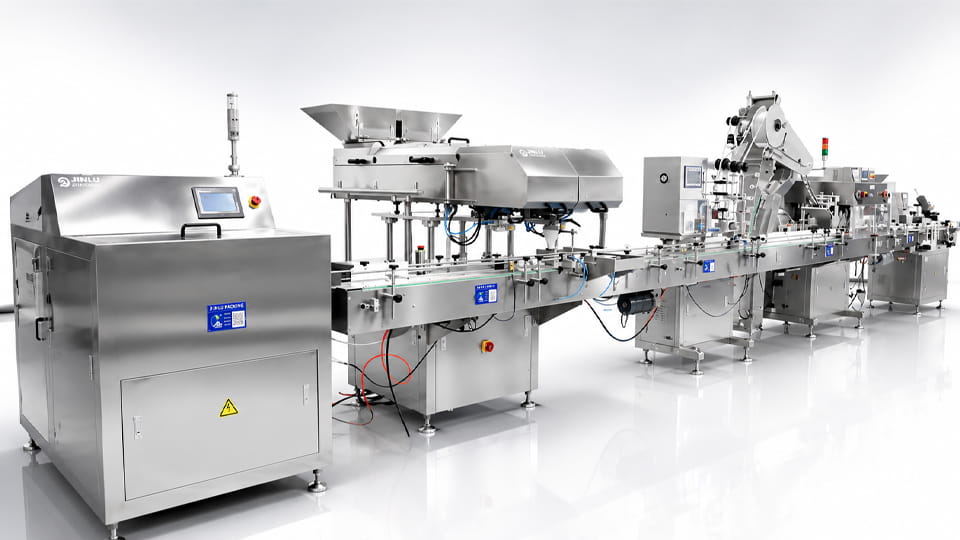
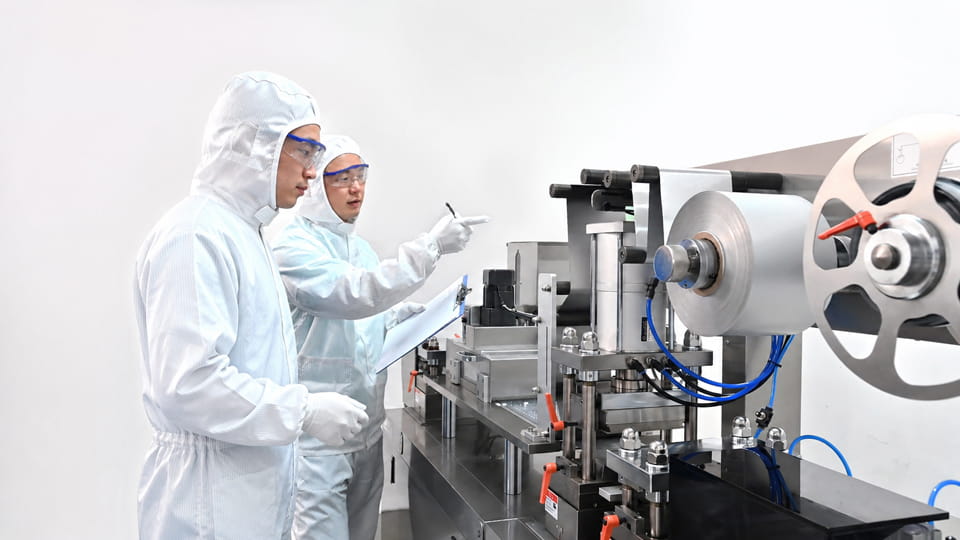
Figür: Modern bir farmasötik şişe paketleme hattı, şifre çözme işlemini entegre ediyor, doldurma, kaplama, Dahili inceleme ile mühürleme ve etiketleme. Bu makineler kalite kontrolü için sıhhi paslanmaz çelik yapı ve sensörler kullanır.
Bu özellikleri sağlayarak, satın alma yöneticileri paketleme hatlarının uyumlu üretimi destekleyeceğinden emin olabilir. Orijinal Jinlu notları, makinelerimiz CE ve GMP standartlarına uygun olarak en iyi malzemelerle ve gelişmiş yapıyla üretilmiştir., ve kese paketleyicimiz cGMP'nin üretim gereksinimlerini karşılıyor.
GMP'ye ve özellikle cGMP'ye uyum önemli faydalar sağlar:
Özetle, GMP/cGMP uyumluluğu yalnızca düzenleyici bir yük değildir; hastaları korur, güven oluşturur, ve güvenilir bir iş sağlar. Ayrıca verimliliği artırarak ve küresel dağıtıma olanak sağlayarak şirketlere avantaj sağlar..

GMP ve cGMP farmasötik kalitenin temel taşlarıdır, Her ürünün güvenli ve tutarlı bir şekilde üretilmesini sağlamak. Özetle, Gmp hijyenin temel çerçevesini sağlar, dokümantasyon ve doğrulama, sırasında CGMP sürekli iyileştirme ve modern teknoloji gerekliliğini ekler. Paketleme ekipmanı için, bu otomasyona yatırım yapmak anlamına gelir, sıhhi malzemelerden yapılmış onaylanmış makineler.
Ve jeinlu toplama, makinelerimizi bu standartları göz önünde bulundurarak üretiyoruz. Bizim gibi Jinlu'nun cGMP uyumlu ekipmanını seçerek Otomatik kapsül dolum makineleri, Tablet Presleri, Blister Paketleyiciler, Kartonlama Makineleri Ve Sayma Makineleri – tamamen doğrulanmış bir yapı oluşturabilirsiniz, denetime hazır üretim hattı. Her makine, GMP ve FDA denetimleri için gerekli belgeler ve hijyenik tasarımla birlikte gelir.
Üretiminizin karşılanmasını sağlamaya hazır (C)GMP standartları? Jinlu'nun uzmanlarıyla bugün iletişime geçin Paketleme hattı gereksinimlerinizi görüşmek veya fiyat teklifi istemek için. Ekibimiz, ürünlerinizin uyumlu kalmasını sağlayacak doğru ekipman paketini uyarlamanıza yardımcı olacaktır, güvenli ve kaliteli.
GMP, ilaç üretimi için temel "İyi Üretim Uygulaması" gerekliliklerini ifade eder. cGMP, “mevcut GMP” anlamına gelir,”, bu gereksinimlerin yanı sıra sürekli iyileştirme beklentisi anlamına gelir. cGMP'de, Üreticiler güncel ekipman kullanmalıdır, yöntemler ve kalite sistemleri. Başka bir deyişle, cGMP, süreçlerin düzenli olarak gözden geçirildiğini ve modernleştirildiğini ekliyor.
“C”, “akım” anlamına gelir,Bir şirketin her zaman en son düzenlemeleri ve standartları karşılaması gerektiğini vurgulayan. Üreticilerin güncelliğini yitirmiş uygulamalara güvenmemesini sağlar. Scilife'ın açıkladığı gibi, cGMP, günümüzün düzenleyici beklentilerini karşılamak için modern sistem ve teknolojilerin kullanılması anlamına gelir, artık yeterli olmayabilecek eski yöntemler yerine.
Evet. ABD. FDA düzenlemeleri (21 CFR Parçaları 210 Ve 211) cGMP olarak yazılır. Kanunen, ABD için herhangi bir farmasötik ürün. pazarın mevcut İyi Üretim Uygulamaları kapsamında üretilmesi gerekmektedir. Uyumsuzluk uyarı mektuplarına veya kapanmalara yol açabilir.
Yalnızca güncelliğini kaybetmiş GMP uygulamaları kullanılıyorsa, şirket denetimlerde başarısız olma riskiyle karşı karşıyadır. Düzenleyiciler mevcut teknolojinin ve doğrulamaların kanıtını bekliyor. cGMP kapsamında, yalnızca eski yönergelere uymak yeterli değildir. Örneğin, doğrulanmış elektronik kayıtlar yerine kağıt günlüklerin kullanılmasına atıfta bulunulabilir. Pratikte, cGMP uyumluluğu, bir prosesin GMP geçmişi olsa bile anlamına gelir, günümüz standartları göz önünde bulundurularak gözden geçirilmelidir.
Dünya çapındaki çoğu ilaç pazarı GMP benzeri gereklilikleri bünyesinde barındırmaktadır. Üzerinde 100 ülkeler DSÖ'nün GMP standartlarını ulusal kanunlarına benimsemiştir. Terminoloji değişir (bazıları GMP diyor, biraz cGMP, bazıları basitçe “GMP”), ancak hemen hemen tüm önemli düzenleyiciler (FDA, Ema, DSÖ) cGMP'ye eşdeğer bir kalite sistemi gerektirir.
DSÖ'nün kendisi genellikle basitçe "GMP" anlamına gelir.,” ama geniş bir şekilde tanımlıyor. DSÖ belgelerinde, “GMP (cGMP veya 'mevcut GMP' olarak da anılır)"Ürünlerin sürekli olarak kalite standartlarına göre üretilmesini sağlamak için kalite güvencesini açıklar. Bu yüzden, DSÖ bu terimleri birbirinin yerine kullanıyor. "Güncel" olma kavramı tüm modern GMP kılavuzlarının içine yerleştirilmiştir, DSÖ her zaman “c” harfini kullanmasa bile.
Kesinlikle. Ekipman tasarımı GMP'yi karşılamak için kritik öneme sahiptir. Örneğin, makinelerin temizlenmesi kolay olmalı (paslanmaz, gizli çatlak yok) otomasyonu ve veri yakalamayı desteklemelidir. Kötü tasarlanmış ekipman kirlenmeye veya karışıklıklara yol açabilir. Tersine, doğru ekipman (Jinlu'nun makineleri gibi) Uyumluluğu sağlamak için GMP özellikleriyle oluşturulmuştur.
Ekipman doğrulaması, makinelerin amaçlandığı gibi çalıştığını belgelemektir. IQ'su (Kurulum Kalifikasyonu) makinenin tasarıma göre doğru şekilde kurulduğunu doğrular. OQ (Operasyonel Yeterlilik) her fonksiyonun değişen koşullar altında çalıştığını test eder. Güç kalitesi (Performans Kalifikasyonu) ekipmanın fiili üretim sırasında sürekli olarak gerekli çıktıları elde ettiğini kanıtlar. Bunlar, ekipmanın kullanıma uygun olduğunu gösteren standart GMP gereklilikleridir..
Uyumlu makineler kalite kontrollerini otomatikleştirir ve verileri kaydeder. Örneğin, otomatik kapsül doldurucular dozları hassas bir şekilde tartar ve bozuk kapsülleri reddeder, İnsan hatasını ve kirlenmeyi ortadan kaldırmak. Entegre veri sistemleri, toplu bilgileri denetim izleriyle otomatik olarak kaydeder, Veri bütünlüğü kurallarının karşılanması. Bu özelliklere sahip ekipmanları seçerek, bir şirket cGMP uyumluluğunu çok daha ulaşılabilir hale getiriyor.
Jinlu'nun makineleri, GMP ihtiyaçlarının tam olarak dikkate alındığı farmasötik üretim için tasarlandı. Eksiksiz IQ/OQ/PQ şablonları ve desteği sağlarlar, yüksek kaliteli paslanmaz yapı, ve gelişmiş otomasyon (entegre görüş sistemleri ve sıhhi tasarım gibi) hattınızın uyumlu kalmasını sağlamaya yardımcı olmak için. Hizmetleri, kalifikasyon sürecinizi kolaylaştırmak için yerinde FAT/SAT testi ve dokümantasyon desteğini içerir.
Referanslar:
1.Q&CGMP Gereksinimleri hakkında A -- BİZ. Gıda ve İlaç İdaresi
2.Kalite yönergeleri: üretme —— Avrupa İlaç Ajansı
3.Mevcut İyi Üretim Uygulamaları (CGMP) Düzenlemeler -- BİZ. Gıda ve İlaç İdaresi
4.İyi Üretim Uygulamaları -- DSÖ
5.TRS 986 – Ek 2: Farmasötik ürünler için DSÖ iyi üretim uygulamaları: Ana prensipler -- DSÖ
6.EudraLex – Hacim 4 – İyi Üretim Uygulaması (Gmp) yönergeler —— Avrupa Komisyonu
7.GMP Yönergeleri —— ispe.org